🇰🇷 South Korea · City Guide

JEJU

Korea's volcanic island escape — palm-lined coastal roads, tangerine orchards, and Hallasan's peak visible from everywhere — where the cost of living is the lowest of any major Korean city, but so is the job market.

🌡 86°F · 19m elevation · wet season June–mid-July (jangma monsoon), with real typhoon risk through August–September that can ground flights and ferries
✦ Move-in intel

What you need
before you go

📋Visa
F-2-7 Points-Based Long-Term Residency (via E-7 work visa)

The same national ladder applies on Jeju — an E-7 skilled-worker visa or E-2 teaching visa first, then an upgrade to F-2-7 points-based residency after 3 years of legal residence (80 of 170 possible points clears the bar). Jeju's own job market rarely generates E-7 sponsorship outside tourism and hospitality management, so most working-age Americans here arrive already employed remotely, on F-4 heritage status, or teaching English on E-2. Jeju also has a history — via designated investment zones — of an F-2 investment-residency pathway tied to real-estate purchases, mainly used by Chinese buyers in the 2010s; the program has been repeatedly narrowed and its current terms should be verified directly with Korea Immigration before counting on it. National Health Insurance doesn't activate until 6 consecutive months of residence regardless of visa type — a meaningful gap given how far Jeju's hospitals are from anywhere else.

Visa guides →
🗣Languages
KoreanJeju dialect (distinct from standard Korean, still spoken by older residents)English (limited — mostly in Jeju City's tourist zone and international schools)
Best For
  • retirees
  • remote workers seeking a slower pace
  • nature and outdoor enthusiasts
  • small business and hospitality owners
👥Expat Community
~3.8% of population (Korea's highest foreign-resident ratio by province; roughly 24,000-26,000 registered foreign residents) expats

Small and spread across Jeju City and Seogwipo; retirees and small-business owners cluster in Jeju City for services, creative and remote-work types gravitate to Aewol, resort-adjacent expats to Jungmun

✦ Living here

What it's like to live in Jeju

Jeju is a volcanic island 90 minutes by air south of Seoul, built around Hallasan (South Korea's tallest peak, a dormant shield volcano) and ringed by black-lava coastline, tangerine orchards, and some of Korea's only subtropical vegetation. Jeju City on the north coast holds the airport, the ferry terminal, and most of the island's practical infrastructure; Seogwipo on the south coast is warmer, more scenic, and historically cheaper, with the resort zone of Jungmun anchoring the south's hotel-and-golf-course economy. It's a UNESCO-recognized island — Hallasan, its lava tube system, and the Seongsan Ilchulbong volcanic cone all carry World Heritage or Geopark status — that has long attracted Korean retirees, second-home buyers, and, since a 2010s investment-visa push, a wave of Chinese buyers whose money reshaped parts of the west-coast property market.

Jeju's honest tradeoff is isolation for affordability: rents and restaurant prices run noticeably below Seoul and even below Busan, but the job market for foreigners is thin and heavily seasonal — tourism, English teaching, and a handful of tech and agriculture roles make up close to the entire non-remote-work economy, and most Americans who live here long-term are either retired, running a small business, or working remotely for a mainland or overseas employer. A car is close to mandatory outside Jeju City's core; buses exist but run infrequently and the island is bigger than it looks. Typhoon season (August-September) can shut down flights and ferries for days at a time, cutting the island off from the mainland exactly when a medical or logistics emergency might strike, and the nearest major hospitals are in Jeju City and Seogwipo, with serious cases sometimes airlifted out. Jeju's foreign-resident share is proportionally the highest of any Korean province — around 3.8% of the population — but the absolute number is small, roughly 24,000-26,000 people, so English-language services, international schools, and expat infrastructure are far thinner than in Seoul or even Incheon.

✦ Monthly costs

What it actually
costs to live here

🏙1BR apartment in center
$394/mo
Jeju
vs
$1,850/mo
US avg
79% cheaper than US

Wolse deposits in Jeju City run $2,000–$5,000 for a one-bedroom, the lowest of any major Korean city here — Jungmun's resort zone and Aewol's ocean-view stretch push meaningfully higher, especially in tourist season. Numbeo's Jeju sample is thin (a handful of contributors), so treat these as directional.

🏡1BR outside center
$309/mo
Jeju
vs
$1,450/mo
US avg
79% cheaper than US

Seogwipo, on the milder south coast, tends to undercut Jeju City slightly outside the Jungmun tourist strip — wolse deposits in the same $1,500–$4,000 range but with fewer services and a longer drive for anything administrative.

🛒Groceries
$432/mo
Jeju
vs
$470/mo
US avg
8% cheaper than US

Ferry and air freight inflate imported goods more here than on the mainland — a jar of peanut butter or block of imported cheese costs more than in Seoul. Local produce (tangerines, seasonal vegetables) and fresh seafood are genuinely cheap and plentiful.

💡Utilities
$109/mo
Jeju
vs
$200/mo
US avg
46% cheaper than US

Jeju's subtropical winters rarely freeze, keeping heating bills the lowest of any Korean city on this list, but humidity drives hard summer AC use, and older rural homes outside Jeju City can have patchy insulation.

📶Internet
$18/mo
Jeju
vs
$72/mo
US avg
75% cheaper than US

Same national fiber network as the mainland — gigabit plans around $18–20/mo — reaches Jeju City and Seogwipo without issue, though rural stretches near Aewol's cafes can lag behind mainland consistency.

🍽Meal out
$8
Jeju
vs
$25
US avg
68% cheaper than US

Black-pork barbecue and a local noodle bowl run $7–10 in Jeju City or Seogwipo — a bit more than Busan given tourist demand. Jungmun's resort restaurants charge tourist-season prices that can double the same dish.

Jeju prices sourced from livingcost.org South Korea cost data (June 2026), cross-referenced with Numbeo Jeju (updated Nov 2025 — sparse dataset of just 11 entries from 4 contributors in the past year, so treat as directional rather than precise); 3-bedroom estimated at ~2.2x the 1-bedroom center rate · last verified 2026-07-20
US averages from Numbeo US Cost of Living (national median, May 2025)
4 neighborhoods

Where to
actually live
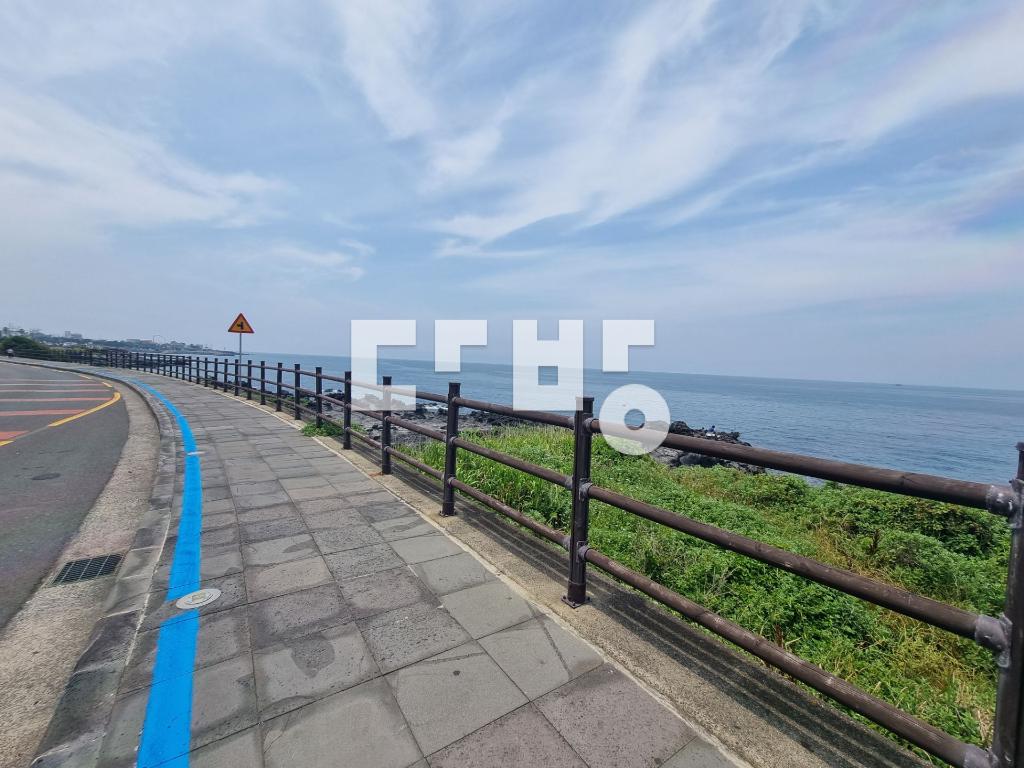
Yongyeon, a coastal spot in Jeju City
$$
Jeju City (Yeon-dong)

The island's practical hub — airport, ferry terminal, biggest hospitals, and the only area where you can realistically live without a car

Mid-range
Seogwipo at dusk
$
Seogwipo

South-coast city, warmer and more scenic than Jeju City and protected from north winds by Hallasan; generally cheaper outside the Jungmun tourist strip

Budget-friendly
$$
Aewol

A northwest coastal stretch of ocean-view cafes, galleries, and boutiques; Jeju's trendiest, most photogenic area and increasingly popular with the island's small creative and remote-work community

Mid-range
$$$
Jungmun (Seogwipo)

A dense resort zone of international hotels and golf courses on the south coast; draws retirees and second-home owners but is the most tourist-priced part of the island

Upscale
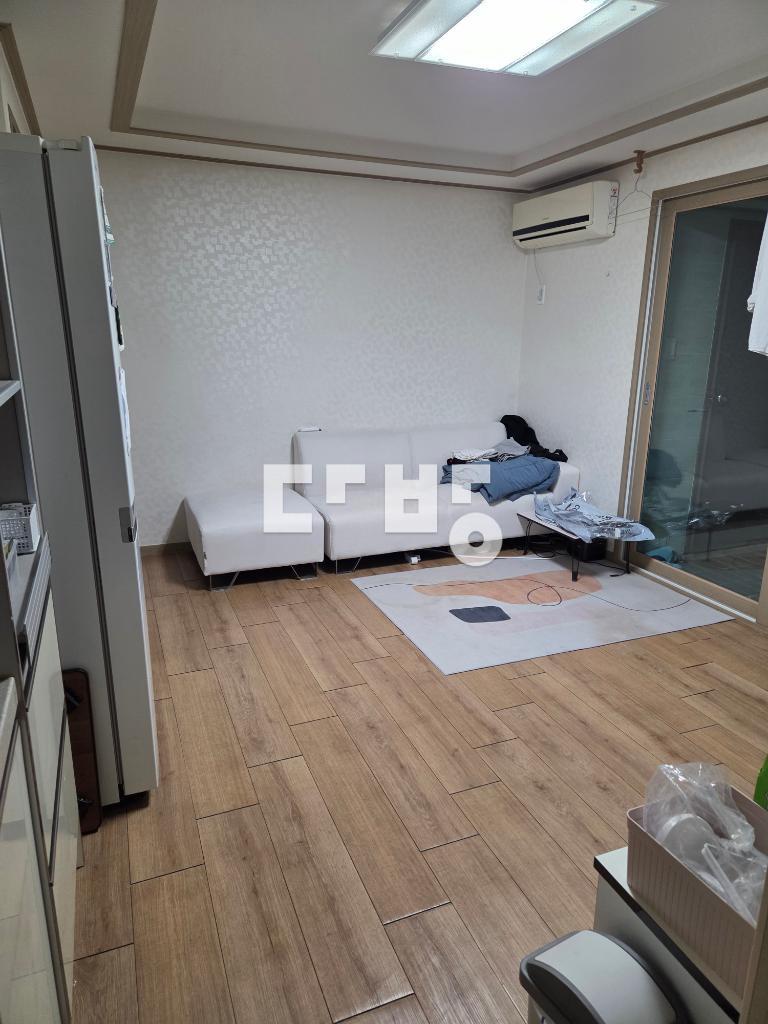
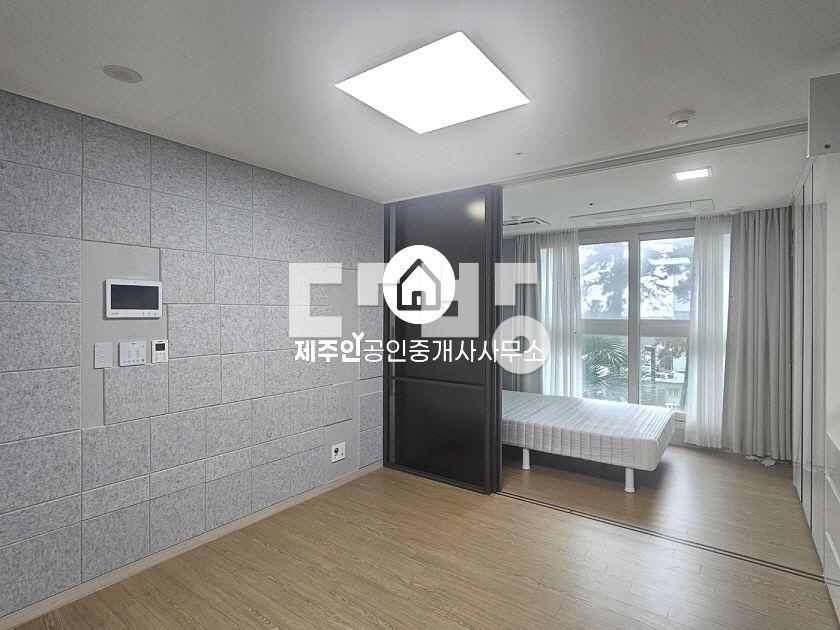
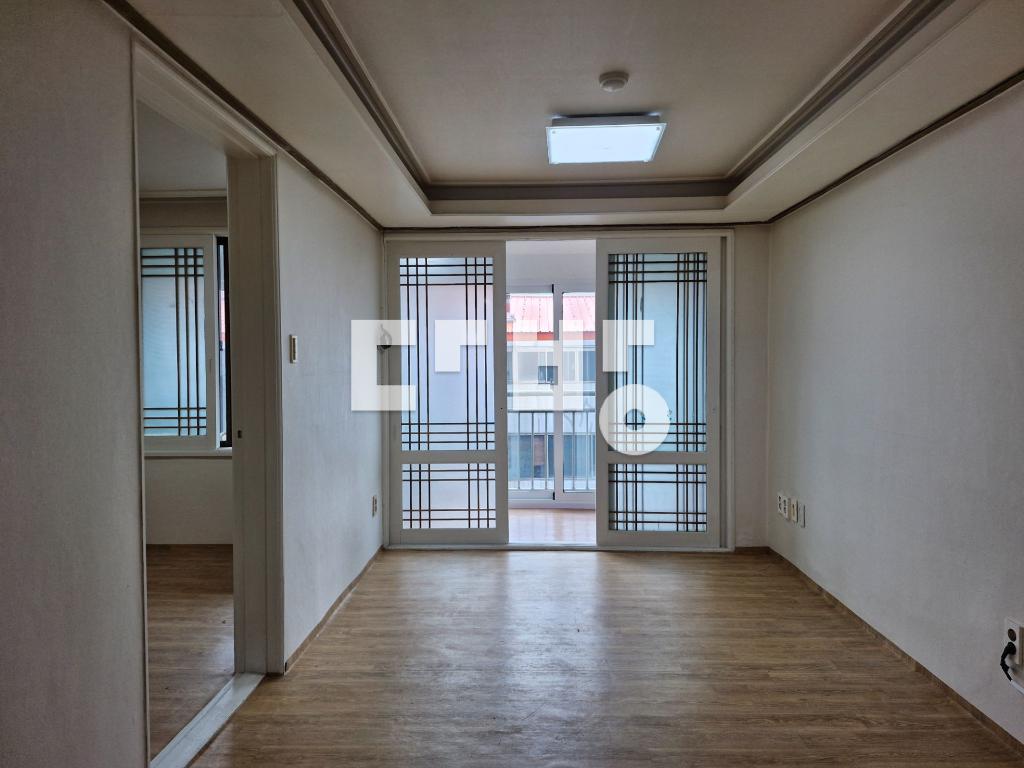
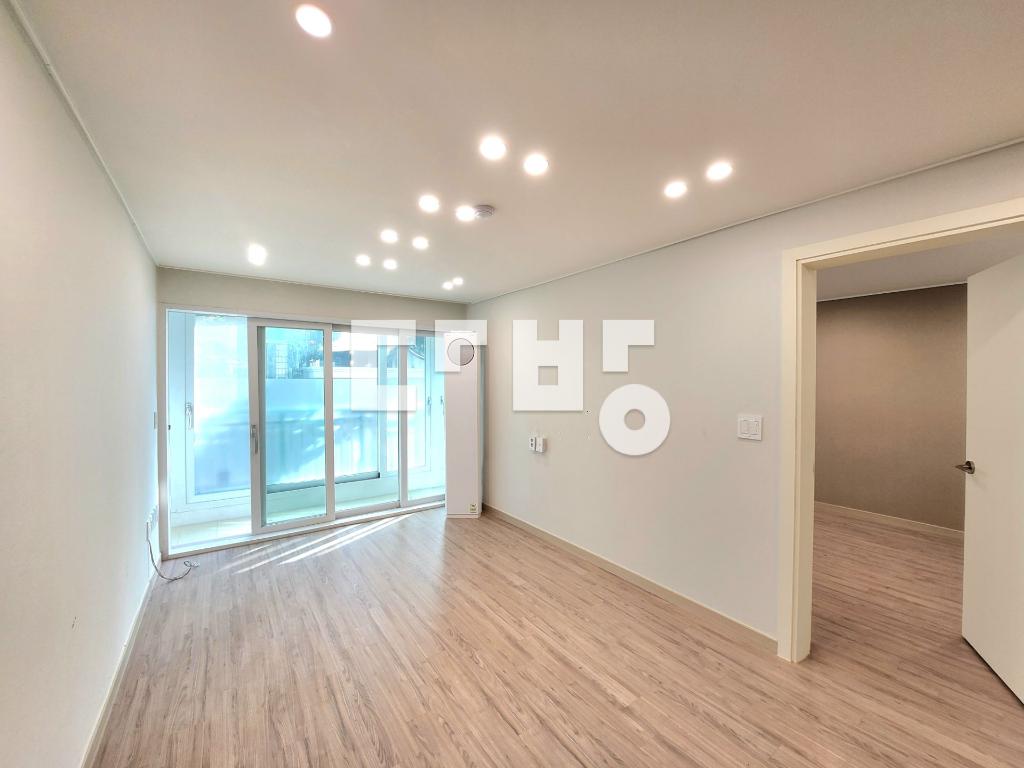
146 listings

Real homes in Jeju

Updated July 2026 · From local South Korea portals · No sponsored placement

146 Listings in Jeju

No listings match this filter.
12 real sources

Where this all
comes from

We don't make any of this up. Every number, neighborhood, and living-here detail traces back to one of these — government sites, cost-of-living databases, expat forums, and actual humans on Reddit who've lived in Jeju.

Content last updated: 2026-07-20 · Data verified from local sources
✦ Ready to explore?

Ready to explore moving
to South Korea?

Read the South Korea Guide →Browse All South Korea Homes