
Cost of Living in Colombia vs. USA (2026) — Real Side-by-Side Numbers

Colombia has become the hottest destination for American expats in Latin America — and for good reason. According to Numbeo's 2026 data, consumer prices in Colombia are 57% lower than in the United States. Factor in rent and the gap widens to 64%.
But Colombia isn't a monolith. Medellín's El Poblado has crept toward mid-tier US city prices thanks to the gringo wave, while Cali and Bucaramanga remain genuinely cheap. Bogotá sits somewhere in between — a proper capital city with proper capital prices, but still 50–60% below New York.
This guide puts real 2026 numbers side by side. Rent in Medellín vs. Denver. Groceries in Bogotá vs. Chicago. Healthcare in Cartagena vs. Los Angeles. We're comparing what you'd actually spend, not abstract index scores.
The short version: a comfortable single person in Medellín spends $1,200–$2,000/month. The same lifestyle in Denver runs $3,500–$5,000. That gap — $1,500 to $3,000 per month — adds up to $18,000 to $36,000 per year in savings.
As one poster in r/expats put it: 'I moved from Austin to Medellín and my rent dropped from $1,800 to $600. I eat out every day, have a maid twice a week, and I'm saving more than I ever did in Texas — with better weather and a social life that doesn't revolve around driving.'
The Big Picture: Colombia vs. USA by the Numbers
Before the line items, the overview. According to Numbeo's 2026 data, consumer prices in Colombia are 57% lower than in the United States without rent. Include rent and the gap widens to 64%. Restaurant prices are 67% lower. Groceries are 52% lower.
These are national averages that include Colombia's expensive cities. In smaller cities like Bucaramanga, Pereira, or Manizales, the savings are even more dramatic — 70–75% below US costs.

Monthly spending comparison — single person, comfortable lifestyle:
| Category | Medellín | Bogotá | Denver | Chicago |
|---|---|---|---|---|
| 1BR rent (nice area) | $500–$900 | $600–$1,100 | $1,700–$2,400 | $1,800–$2,600 |
| Groceries | $180–$260 | $200–$280 | $380–$500 | $380–$500 |
| Dining out (3×/wk) | $100–$180 | $120–$200 | $350–$550 | $350–$550 |
| Transit/transport | $30–$60 | $40–$70 | $100–$200 | $105–$200 |
| Utilities + internet | $60–$100 | $70–$110 | $180–$260 | $180–$260 |
| Health insurance | $50–$100 | $50–$100 | $400–$700 | $300–$500 |
| Monthly total | $920–$1,600 | $1,080–$1,860 | $3,110–$4,610 | $3,115–$4,610 |
The Medellín-to-Denver gap is $2,190–$3,010/month — roughly $26,000–$36,000/year. Even Bogotá vs. Chicago saves $2,000–$2,750/month ($24,000–$33,000/year) — and Bogotá is Colombia's most expensive city.
For a deeper dive into Colombia's standalone costs, read our cost of living in Colombia guide.
Rent: The Biggest Line Item, the Biggest Savings
Housing is where the math changes most dramatically. A modern, furnished one-bedroom apartment in Medellín's popular Laureles neighborhood costs $450–$700/month. In El Poblado — the most expensive expat neighborhood in the country — you'll pay $700–$1,200. That same apartment in a comparable US neighborhood runs $1,700–$2,600.
Rent comparison (1BR apartment, furnished, 2026):
| City | Nice neighborhood | Well-connected suburb |
|---|---|---|
| Medellín (Laureles) | $500–$750 | $350–$500 |
| Medellín (El Poblado) | $700–$1,200 | $500–$800 |
| Bogotá (Chapinero/Usaquén) | $600–$1,100 | $400–$650 |
| Cali (Granada) | $350–$600 | $250–$400 |
| Cartagena (Bocagrande) | $600–$1,000 | $400–$600 |
| --- | --- | --- |
| Denver | $1,700–$2,400 | $1,200–$1,700 |
| Chicago | $1,800–$2,600 | $1,200–$1,800 |
| Austin | $1,600–$2,200 | $1,200–$1,700 |
| Miami | $2,200–$3,200 | $1,500–$2,200 |

Medellín is the standout for Americans. The city of eternal spring has year-round 75°F weather, a metro system, coworking spaces everywhere, and a massive expat community. Laureles is increasingly preferred over El Poblado — it's more walkable, more Colombian, and 20–30% cheaper. Discussions in r/digitalnomad regularly recommend Laureles for Americans who want to live like locals instead of tourists.
Bogotá offers the most career opportunity — it's Colombia's economic engine with a population of 11 million. Neighborhoods like Chapinero, Usaquén, and Rosales have a cosmopolitan feel, excellent restaurants, and rents that still undercut mid-tier US cities by 50–60%.
Key differences Americans should know:
- Furnished is standard — most Colombian apartments come furnished, saving thousands in move-in costs
- Estrato system: Colombia rates neighborhoods 1–6 by wealth (estrato). Utilities are subsidized for estratos 1–3 and surcharged for 5–6. Most expat neighborhoods are estrato 4–6
- No credit history needed — landlords typically ask for 2–3 months' deposit and proof of income
- Lease terms are flexible — month-to-month is common for furnished apartments
- Administración (HOA fee) is usually included in rent for furnished apartments but separate for unfurnished — budget $30–$80/month
Browse Colombian properties on EscapeFromUSA's Colombia page or search on FincaRaiz.
Groceries and Dining: Eat Like Royalty on a Budget
Colombian food is hearty, fresh, and absurdly cheap by American standards. The country produces most of its own tropical fruit, coffee, meat, and dairy — so staples are cheap. Imported goods (American brands, European wines) cost more due to tariffs.
Price comparison (2026 averages):
| Item | Colombia | USA | Difference |
|---|---|---|---|
| Dozen eggs | $1.50–$2.00 | $4.50–$6.00 | 60–65% cheaper |
| Whole milk (1 liter) | $0.70–$0.90 | $1.10–$1.50 | 35–40% cheaper |
| Chicken breast (1 kg) | $3.00–$4.50 | $8.00–$11.00 | 55–60% cheaper |
| Rice (1 kg) | $0.60–$0.90 | $2.00–$3.00 | 65–70% cheaper |
| Tomatoes (1 kg) | $0.80–$1.20 | $4.00–$5.50 | 75–80% cheaper |
| Avocados (each) | $0.30–$0.60 | $1.50–$2.50 | 75–80% cheaper |
| Coffee (500g, good quality) | $3.00–$5.00 | $8.00–$14.00 | 60–65% cheaper |
| Local beer (bottle) | $0.80–$1.20 | $2.00–$3.00 | 55–60% cheaper |
| Wine (decent bottle) | $8.00–$15.00 | $10.00–$18.00 | 15–20% cheaper |

A well-stocked week of groceries for one person costs $45–$65 in Colombia vs. $90–$140 in the US. Shopping at local plazas de mercado (farmers' markets) rather than Éxito or Carulla supermarkets cuts another 20–30% off.
Dining out is where Colombia really shines:
| Meal type | Colombia | USA (mid-tier city) | Difference |
|---|---|---|---|
| Almuerzo ejecutivo (set lunch) | $2.50–$4.00 | N/A | No US equivalent |
| Street empanadas (2) | $0.50–$1.00 | N/A | No US equivalent |
| Coffee (tinto/cappuccino) | $0.80–$2.50 | $4.50–$6.50 | 60–80% cheaper |
| Casual dinner for two | $15–$30 | $50–$80 | 60–65% cheaper |
| Mid-range dinner for two | $30–$55 | $80–$120 | 55–60% cheaper |
| Beer at a bar | $1.50–$3.00 | $6.00–$8.00 | 60–70% cheaper |
| Pizza delivery (large) | $6.00–$10.00 | $18.00–$28.00 | 60–65% cheaper |
The almuerzo ejecutivo (executive lunch) is Colombia's secret weapon — a full three-course meal (soup, main with rice/beans/plantain/salad, juice, and often dessert) for $2.50–$4.00. Most Colombians eat this as their main meal daily. If you adopt this habit, your food costs plummet.
As discussed frequently in r/Colombia, tipping culture is different: a 10% service charge (propina voluntaria) is added to restaurant bills, but it's genuinely voluntary — you can decline. No one tips at fondas, street stalls, or cafés.

Healthcare: World-Class Care at Developing-World Prices
Colombia's healthcare system is ranked 22nd in the world by the WHO — ahead of Canada (#30) and the United States (#37). The system has two tiers: EPS (public, mandatory for employees) and medicina prepagada (private, the expat standard).
Cost comparison:
| Healthcare item | Colombia | USA |
|---|---|---|
| Monthly health insurance (private) | $50–$190 | $400–$700 |
| GP visit | $15–$30 | $150–$350 |
| Specialist consultation | $25–$50 | $250–$500 |
| Emergency room visit | $30–$100 | $1,500–$5,000+ |
| Dental cleaning | $20–$40 | $100–$250 |
| MRI scan | $80–$200 | $1,000–$3,000 |
| Prescription (common meds) | $2–$15 | $15–$80+ |
The financial impact: an American couple in their 30s saves $7,000–$14,000/year on healthcare alone by moving to Colombia. A 60-year-old couple saves even more — US premiums climb with age while Colombian private insurance stays relatively flat.
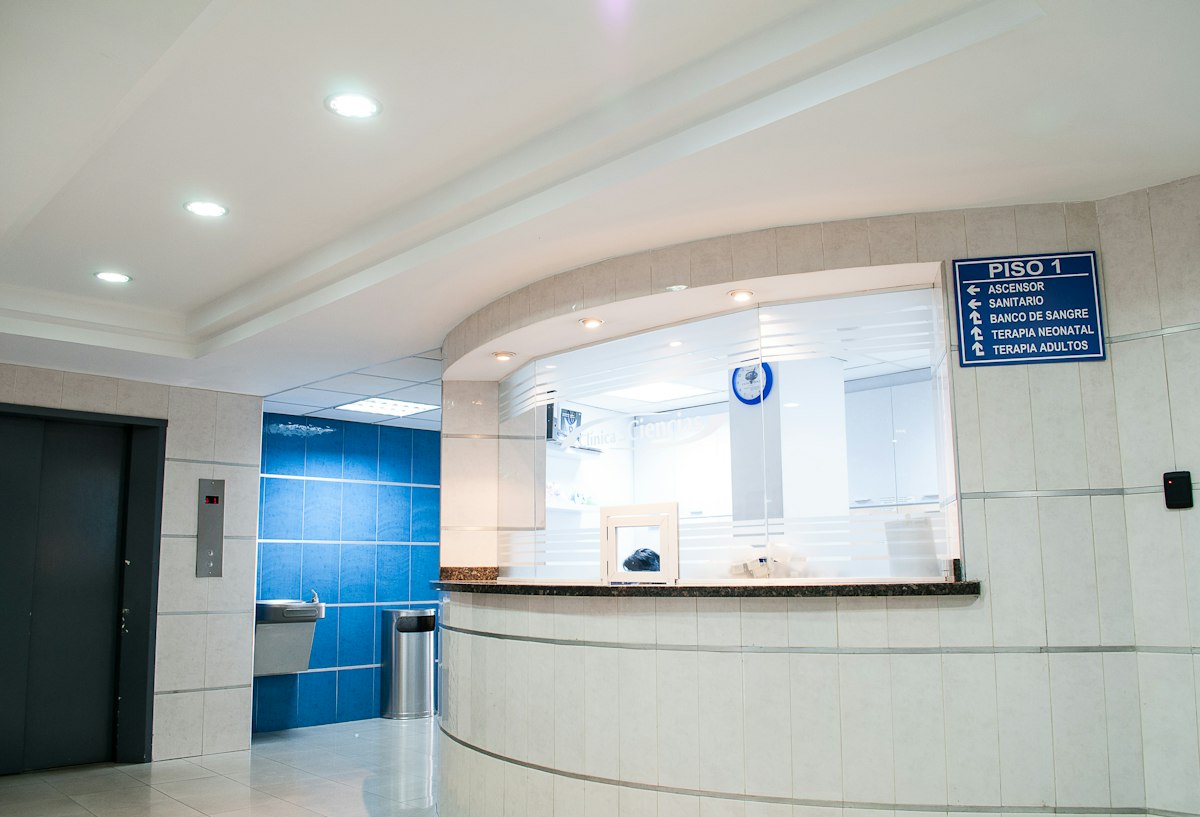
Medicina prepagada (prepaid medicine) is the gold standard for expats. Companies like Colsanitas, Coomeva, and SurAmericana offer plans from $50–$190/month depending on age and coverage level. These plans give you access to Colombia's best private hospitals — Fundación Santa Fe in Bogotá, Clínica El Rosario in Medellín — with English-speaking specialists, minimal wait times, and zero surprise bills.
Medellín has become a medical tourism hub for dental work, cosmetic surgery, and orthopedic procedures. Americans routinely fly in for procedures that cost 60–80% less than US prices — even factoring in flights and hotels.
As noted by Pacific Prime's Colombia guide, expats who join the EPS public system pay around $85–$100/month with copays of $1–$11 depending on income level. The public system is slower but functional — and it covers everything.
The Digital Nomad Visa and all other visa categories require proof of health insurance valid in Colombia. Budget $50–$100/month for a solid private plan — still a fraction of US premiums.
Transportation: No Car Culture, No Car Costs
Colombian cities are dense, walkable, and served by cheap public transit. Medellín has the only metro system in Colombia (plus cable cars that connect hillside neighborhoods), Bogotá has TransMilenio (BRT), and ride-hailing apps are everywhere.
Monthly transport costs:
| Category | Colombia (major city) | USA (major city) |
|---|---|---|
| Monthly transit pass | $25–$40 | $100–$130 |
| Single bus/metro ride | $0.65–$0.80 | $2.75–$3.50 |
| Taxi across town | $3–$6 | $15–$30 |
| Uber (10km ride) | $3–$5 | $12–$20 |
| Car payment (avg) | Not needed | $500–$700 |
| Car insurance | Not needed | $150–$250 |
| Gas | Not needed | $150–$250 |
| Total | $30–$80 | $600–$1,200+ |

The no-car savings are massive: $6,000–$14,000/year. In Medellín, the metro + cable car system gets you anywhere in the valley for $0.75. In Bogotá, TransMilenio covers the city for $0.65. Uber, InDriver, and DiDi operate legally and cheaply — a 20-minute ride rarely exceeds $4.
Intercity travel is cheap too. Bogotá to Medellín flights run $30–$60 one-way on Wingo or Viva. Buses between major cities cost $15–$40 for 6–10 hour journeys in comfortable coaches.
For Americans who insist on a car, ownership is expensive by Colombian standards but still cheaper than the US: a used Toyota costs $8,000–$15,000, insurance runs $40–$80/month, and gas is $3.50–$4.00/gallon. But the road infrastructure outside major highways is rough, traffic in Bogotá is legendary, and you genuinely don't need one.
As Nomad Capitalist's Colombia guide notes, most expats in Medellín never own a car — the metro, walking, and ride-hailing cover everything.
Get featured properties in your inbox
A weekly digest of handpicked listings from 20 countries. Free, no spam.
Housing to Buy: Property Prices Compared
Foreigners can buy property in Colombia with zero restrictions — no special permits, no government approval, no residency requirement. You can buy with just your passport and a Colombian tax ID (RUT), which takes a day to get.
Property prices (2026):
| Location | Median price (2BR apartment) | Price/sqm |
|---|---|---|
| Medellín (El Poblado) | $150,000–$350,000 | $1,500–$2,500 |
| Medellín (Laureles) | $100,000–$200,000 | $1,200–$1,800 |
| Bogotá (Chapinero) | $120,000–$280,000 | $1,500–$2,200 |
| Bogotá (Usaquén) | $130,000–$300,000 | $1,600–$2,400 |
| Cali (Granada) | $60,000–$140,000 | $800–$1,200 |
| Cartagena (Bocagrande) | $120,000–$250,000 | $1,400–$2,000 |
| --- | --- | --- |
| Denver (central) | $350,000–$550,000 | $3,200–$5,000 |
| Chicago (central) | $300,000–$500,000 | $3,000–$4,500 |
| Austin (central) | $350,000–$550,000 | $3,000–$4,500 |
| Miami (central) | $400,000–$700,000 | $4,500–$7,000 |
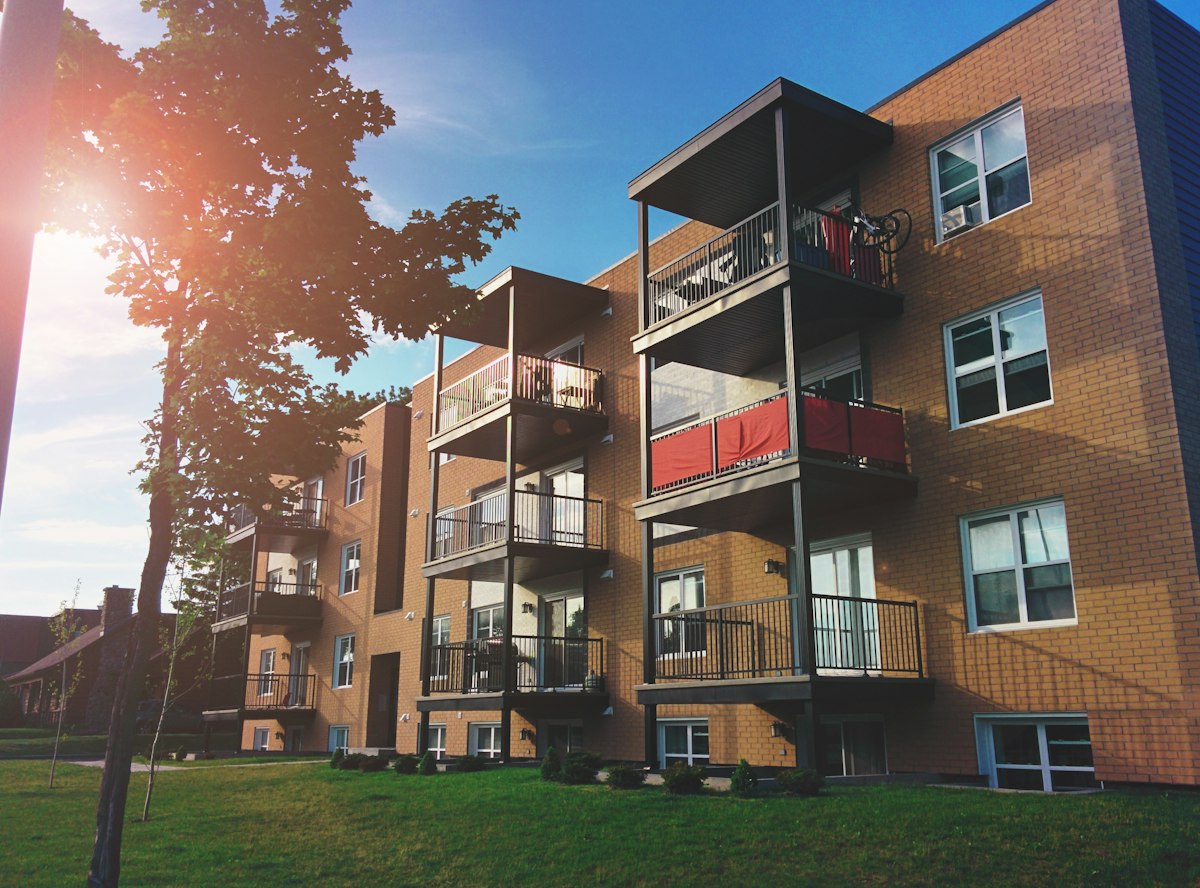
A $200,000 budget in Medellín buys a modern 2-bed apartment in Laureles with a pool, gym, and mountain views. That same budget in Denver gets you a studio or a 1-bed condo in a mediocre location.
According to The Latinvestor's 2026 market analysis, the median apartment price in Medellín sits around COP 6.2 million per square meter (~$1,680/sqm) — roughly 35% below Bogotá's premium districts. Foreigners now account for roughly one in four apartment purchases in Medellín.
Closing costs run 3–5% of the purchase price, including notary fees, registration, and the 1% buyer's retention tax. There's no stamp duty equivalent. Taxes For Expats' Colombia guide has a detailed breakdown of the buying process.
Key considerations for American buyers:
- No mortgage for foreigners from Colombian banks (some private lenders offer financing at 8–12%)
- Rental yields are strong: 5–8% gross in Medellín's popular neighborhoods
- Capital gains tax: 10% on profits from property sales
- Annual property tax (predial): 0.3–1.2% of the cadastral value (well below market value)
- Estrato affects costs: A estrato 6 apartment pays higher utilities than estrato 4
Browse Colombian listings on EscapeFromUSA.
Taxes: Territorial System, Digital Nomad Loophole, and the 183-Day Rule
Colombia's tax system has undergone significant changes that affect American expats. Here's what matters in 2026.
The 183-day rule: If you spend more than 183 days in Colombia within any 365-day period, you become a Colombian tax resident — liable for tax on worldwide income. Non-residents only pay tax on Colombian-source income.
Colombian income tax rates (2026):
- 0 – 1,090 UVT (~COP 51M / ~$13,800): 0%
- 1,090 – 1,700 UVT: 19%
- 1,700 – 4,100 UVT: 28%
- 4,100 – 8,670 UVT: 33%
- 8,670 – 18,970 UVT: 35%
- 18,970 – 31,000 UVT: 37%
- Over 31,000 UVT: 39%
According to DIAN tax guidance, foreigners who become tax residents must declare worldwide income. The US-Colombia tax situation has a critical complication: there is no US-Colombia tax treaty. This means no automatic Foreign Tax Credit coordination — you need a tax professional who understands both systems.
Key tax mechanisms for Americans:
FEIE: Excludes up to $126,500 of foreign earned income from US federal tax. You must pass the Physical Presence Test (330 days outside the US).
Foreign Tax Credit: You can credit Colombian taxes paid against your US liability, but without a treaty, the math is more complex than with UK or France.
Digital Nomad Visa holders: The DNV was designed for remote workers earning foreign income. If you stay under 183 days, you're a non-resident and your foreign income isn't taxable in Colombia. If you exceed 183 days on a DNV, the situation gets murky — Medellin Advisors' 2025 tax guide explains the nuances.
As discussed in r/ExpatFIRE, many Americans in Colombia use the 'flag theory' approach — spending 5–6 months in Colombia and splitting the rest between other countries to avoid triggering tax residency anywhere.
The practical comparison for a remote worker earning $80,000:
| USA (Colorado) | Colombia (non-resident) | |
|---|---|---|
| Federal income tax | $10,500 | $0 (foreign-source) |
| State tax (CO 4.4%) | $3,520 | $0 |
| FICA | $6,120 | $0 |
| Health insurance | $5,400 | $1,200 |
| Total tax + mandatory costs | $25,540 | $1,200 |
That's a $24,340/year advantage — if you structure things correctly. Get a tax advisor. Bright!Tax specializes in US expat taxes in Colombia.
Quality of Life: What the Numbers Don't Show
The cost comparison is one dimension. The lifestyle differences are what keep people in Colombia for decades.
Climate: Medellín's 'eternal spring' delivers 72–82°F year-round — no heating bills, no winter coats, no seasonal depression. Bogotá is cooler (55–65°F). The Caribbean coast (Cartagena, Santa Marta) is tropical. Pick your weather and live in it permanently.
Social life: Colombia is famously warm and social. The culture is built around family, food, music, and gathering. Americans consistently report that making friends is easier here than anywhere else they've lived. Salsa nights, finca weekends, and neighborhood tiendas create a social fabric that suburban America simply doesn't have.
Safety: Colombia has transformed dramatically since the 2000s. Medellín's homicide rate has dropped 95% since its peak. That said, petty crime exists — phone snatching, taxi scams, and neighborhood-specific risks. As discussed in r/Colombia, the standard advice applies: don't flash expensive electronics, use Uber instead of street taxis at night, learn which neighborhoods to avoid.
Language: Spanish proficiency dramatically affects your experience and costs. Without Spanish, you're limited to expat-facing businesses that charge gringo prices. With conversational Spanish, you unlock the $2.50 almuerzos, the $400 apartments, and genuine Colombian friendships. As r/IWantOut users consistently advise: invest in Spanish before moving.
Internet: Medellín and Bogotá have excellent fiber internet — 100–300 Mbps for $20–$40/month. Coworking spaces (Selina, WeWork, local options) run $50–$150/month. Digital nomad infrastructure is mature.
Walkability: Medellín's Laureles and Bogotá's Chapinero are genuinely walkable — dense, mixed-use, with restaurants, parks, and shops within walking distance. A stark contrast to car-dependent American suburbs.
For the full picture of daily life, read our moving to Colombia guide.
Visa Options for Americans Moving to Colombia
Colombia offers several visa pathways for Americans — more flexible than most Latin American countries, though recent policy changes have tightened some options.
Digital Nomad Visa (V-Type): The most popular path for remote workers. Requires proof of monthly income of at least 3× the Colombian minimum wage — approximately $1,425/month in 2026. Valid for up to 2 years. Requires private health insurance and, since 2024, a criminal background check. Important caveat: since late 2025, immigration authorities have been interpreting 'digital or technological interest' narrowly — applicants in non-tech fields (consultants, teachers, project managers) have faced rejections.
Retirement Visa (M-Type): For those with a lifetime pension of at least 3× minimum wage (~$1,425/month). US Social Security qualifies. Valid for up to 3 years, renewable. Leads to permanent residency.
Rentista Visa (M-Type): For those with passive income (investments, rental income) of at least 10× minimum wage (~$4,750/month). Higher threshold but covers non-pension passive income.
Investment Visa: Buy Colombian property worth at least 350× minimum wage (~$167,000 in 2026) for a 3-year visa leading to residency. A clear path for Americans buying real estate.
Visa-free entry: Americans can enter Colombia visa-free for 90 days, extendable once for another 90 days — giving you 180 days/year to test the waters before committing to a visa.
Visa costs: $50–$200 application fee depending on visa type. Processing: 2–4 weeks. Full details at Cancillería Colombia.
The minimum wage jumped 23.7% in 2026 to COP 1,750,905/month, which raised all visa income thresholds. The peso has also strengthened to ~3,683/USD, making Colombia relatively pricier for dollar-earners than in 2023–2024. Start In Colombia tracks the latest policy changes.

The Verdict: Who Should (and Shouldn't) Make the Move
Colombia makes financial sense if you:
- Earn a remote US salary or have passive income — your dollars go 2–3× further
- Want genuine year-round warm weather without sacrificing city amenities
- Value social life and cultural richness over material wealth
- Are willing to learn Spanish (even basic conversational level transforms the experience)
- Want healthcare at a fraction of US costs without sacrificing quality
- Are a digital nomad or remote worker who can qualify for the DNV
- Want to buy property — no restrictions, low prices, strong rental yields
Colombia might NOT make sense if you:
- Don't speak any Spanish and aren't willing to learn — the language barrier is real outside expat bubbles
- Need US-level infrastructure reliability (power outages happen, internet drops occasionally outside major cities)
- Have a low risk tolerance for personal safety — Colombia is safe by Latin American standards but not by Scandinavian standards
- Earn locally in pesos — the savings only work with foreign-currency income
- Need proximity to US family — flights are 4–6 hours, $200–$500 round trip, which is manageable but not a weekend drive
- Are over 65 and need complex medical care — while Colombia's healthcare is excellent, some rare specialists require travel to Bogotá

The bottom-line math for a single person earning $60,000 remotely:
| USA (Denver, $60K) | Colombia (Medellín, $60K remote) | Annual difference | |
|---|---|---|---|
| Take-home after US tax | $47,000 | $47,000 (FEIE) | $0 |
| Health insurance | -$5,400 | -$1,200 | +$4,200 |
| Annual spending | -$42,000 | -$18,000 | +$24,000 |
| Net savings | -$400 | $27,800 | +$28,200/year |
On a $60,000 salary, you go from breaking even in Denver to saving $27,800/year in Medellín — while eating out daily, having household help, and living in a furnished apartment with mountain views and a pool.
Start browsing real Colombian property listings on EscapeFromUSA and check out our guides on things to do in Colombia and the full moving to Colombia guide.
Ready to explore?
Browse Destinations