Cost of Living in Australia for Americans (2026) — Real Monthly Budgets
Let's be honest from the start: Australia is not cheap. Sydney regularly ranks among the most expensive cities in the world, and even Brisbane — the most affordable of the major capitals — costs more per month than many cities in Europe. But "expensive compared to Southeast Asia" is not the same as "expensive compared to San Francisco, New York, or Boston." For Americans coming from high-cost coastal cities, Australia often costs the same or less — with better weather, a world-class healthcare system that costs almost nothing out of pocket, and a quality of life that's extremely difficult to argue with. This guide breaks down every cost category across five Australian cities, includes the Medicare and superannuation systems that every American expat needs to understand, and provides realistic monthly budget templates based on actual expat experiences. All prices are in USD at April 2026 exchange rates (1 AUD ≈ 0.63 USD). Data sourced from [Numbeo's Australia database](https://www.numbeo.com/cost-of-living/country_result.jsp?country=Australia), community reports from [r/australia](https://www.reddit.com/r/australia/) and [r/AusFinance](https://www.reddit.com/r/AusFinance/), and the Australian Bureau of Statistics.
The Five Cities: Quick Cost Snapshot
Australia's five major capitals offer very different value propositions for American expats. The spread between the most and least expensive is significant.
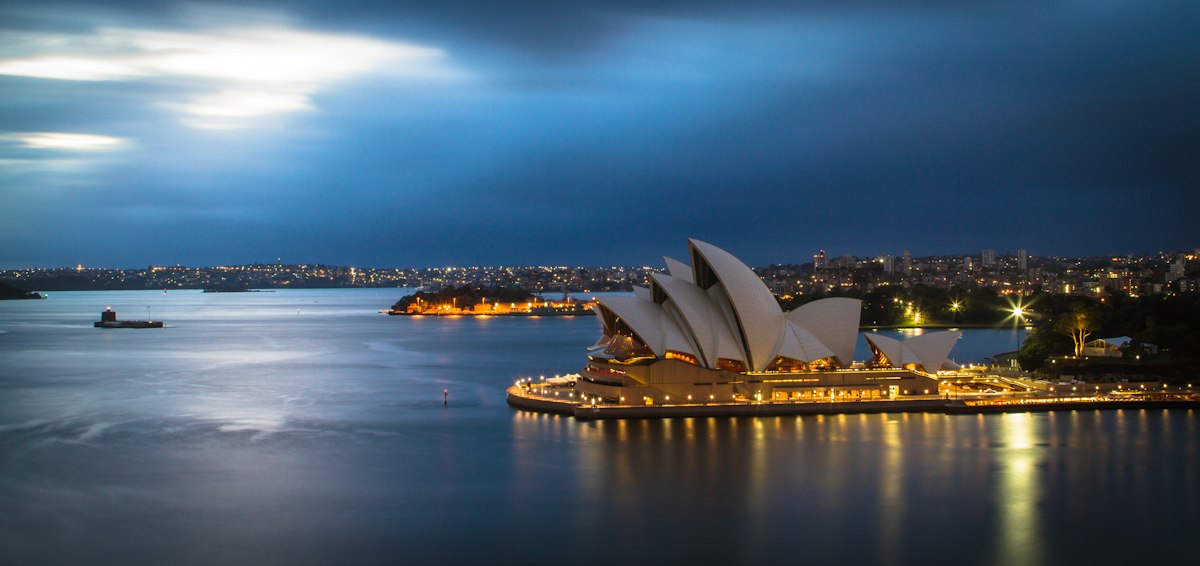
Sydney — $3,500–$6,000+/month. Australia's largest and most expensive city. The Sydney Harbor Bridge, the Opera House, Bondi Beach — Sydney sells an undeniably premium lifestyle and prices accordingly. The inner suburbs (Surry Hills, Newtown, Paddington) have excellent amenity but stratospheric rents. Even the middle ring suburbs command prices that would be alarming in most American cities. For expats on Australian salaries, Sydney is workable because Australian wages are high. For retirees or remote workers on US incomes, Sydney requires a robust budget.
Melbourne — $3,000–$5,000/month. Australia's cultural capital. Melbourne has Australia's best coffee culture (seriously, the coffee is exceptional and taken very seriously), best restaurant scene, best public transit among Australian cities, and a European-feeling urban density that Sydney lacks. Prices are 15-20% lower than Sydney across most categories. The inner suburbs (Fitzroy, Collingwood, South Yarra, St Kilda) are particularly popular with American expats for their walkability and neighborhood feel.
Brisbane — $2,500–$4,000/month. The boom city. Brisbane is receiving tens of billions in infrastructure investment ahead of the 2032 Olympics, and the city's liveability credentials are rising fast. Prices are 25-35% lower than Sydney. The climate is subtropical — warm year-round — and the Gold Coast (an hour south) and Sunshine Coast (an hour north) provide beach access that Sydney's beaches can't match for convenience. r/australia threads consistently flag Brisbane as the fastest-improving major Australian city.
Perth — $2,600–$4,200/month. The isolated gem. Perth is the world's most isolated major city (closer to Singapore than Sydney), which creates a distinct, self-contained culture. The Mediterranean climate — arguably Australia's best — delivers over 3,000 hours of sunshine annually. Western Australia's mining boom has kept wages and prices elevated compared to Brisbane or Adelaide, but the lifestyle quality is exceptional. Direct flights from Perth to most Asian capitals make it the best-positioned Australian city for trans-Pacific travel.
Adelaide — $2,200–$3,500/month. The underrated option. Regularly named Australia's most liveable city by international indices, Adelaide offers a genuinely excellent quality of life at prices 30-40% below Sydney. The Barossa Valley wine region is 45 minutes from downtown. The beaches are excellent. The city is navigable by bike. It's smaller (1.4 million people) but not provincial. The knock on Adelaide is fewer career opportunities in some sectors — for retirees and remote workers, this doesn't matter.
Rent: The Dominant Budget Item
Rent in Australia's major cities is high by international standards and has increased significantly since 2020 due to immigration-driven population growth and constrained housing supply. Unlike most countries, Australia does not restrict foreign purchases of new property (FIRB approval required), making it viable for American expats to buy rather than rent in the long term.
Sydney rent (April 2026):
- Studio (inner suburbs): $1,300–$2,000/month
- 1BR apartment (inner suburbs like Newtown, Glebe): $1,800–$2,600/month
- 1BR apartment (middle ring suburbs, 10-20 km from CBD): $1,400–$1,900/month
- 2BR apartment (inner Sydney): $2,400–$3,800/month
- 2BR apartment (outer suburbs): $1,800–$2,600/month
- House (3BR, inner west): $3,000–$5,000/month
Melbourne rent:
- Studio (inner suburbs: Fitzroy, Richmond): $1,100–$1,700/month
- 1BR apartment (inner): $1,500–$2,200/month
- 1BR apartment (middle ring: Brunswick, Northcote): $1,200–$1,700/month
- 2BR apartment (inner Melbourne): $2,000–$3,000/month
- House (3BR, inner north): $2,400–$3,800/month
Brisbane rent:
- Studio (inner CBD, Fortitude Valley): $900–$1,400/month
- 1BR apartment (inner Brisbane): $1,200–$1,800/month
- 2BR apartment (inner): $1,600–$2,400/month
- House (3BR, New Farm or Paddington): $2,000–$3,200/month
- House (3BR, outer suburbs): $1,400–$2,000/month
Perth rent:
- 1BR apartment (inner Perth, Northbridge): $1,300–$1,800/month
- 2BR apartment (Subiaco, South Perth): $1,700–$2,400/month
- House (3BR, Western suburbs): $1,800–$2,800/month
Adelaide rent:
- 1BR apartment (CBD or North Adelaide): $1,000–$1,500/month
- 2BR apartment (inner suburbs): $1,300–$1,900/month
- House (3BR, eastern suburbs): $1,600–$2,400/month
Rental market realities:
- Lease terms are typically 12 months (6-month leases exist but are less common)
- Bond (security deposit): typically 4 weeks' rent
- Rent paid fortnightly (every 2 weeks) is the Australian standard, not monthly
- The rental market in Sydney and Melbourne is extremely competitive — multiple applicants per property, with income documentation, references, and sometimes rental history required
- Furnished rentals are less common than in the US; most Australian rentals are unfurnished
Groceries and Dining: Woolworths, Coles, and the Coffee Culture
Australian grocery prices are noticeably higher than the US due to the small consumer market, long supply chains, and strong retail wages. The Woolworths/Coles duopoly dominates grocery retail with Aldi as the budget alternative. Dining out is expensive by any international standard — mainly because Australian minimum wage ($23.23 AUD/hour in 2026) makes labor-intensive food service costly.
Supermarket prices (Woolworths/Coles, April 2026):
- Chicken breast (1 lb): $4.50–$6.00
- Ground beef (1 lb): $5.00–$8.00
- Eggs (12): $4.50–$7.00
- Milk (1 liter): $1.50–$2.50 (UHT cheaper; fresh slightly more)
- Bread (standard loaf): $2.50–$4.00
- Local beer (6-pack, VB or Carlton): $12.00–$17.00. Beer is expensive; Australia's alcohol taxes are among the world's highest.
- Wine (local bottle, cleanskins/Aldi selection): $5.00–$12.00. Wine is Australia's best-value alcohol.
- Aldi prices are typically 20-30% below Woolworths/Coles for equivalent products
Dining out:
- Café breakfast (eggs on toast + coffee): $18.00–$28.00. Australian café culture is exceptional — the quality is outstanding, but you pay for it.
- Flat white at a specialty coffee shop: $4.50–$6.50
- Pub lunch (parmy or burger): $18.00–$28.00
- Mid-range restaurant dinner: $25.00–$45.00 per person without drinks
- Asian restaurant (Chinese, Thai, Vietnamese — excellent and better value): $15.00–$25.00 per person
- Fine dining (Melbourne CBD): $80.00–$180.00 per person with wine
- Pizza (delivery): $20.00–$35.00
Monthly grocery estimates:
- Cooking mostly at home, Aldi + Woolworths: $350–$500/month
- Mix of cooking and dining out: $600–$900/month
- Frequent dining out (urban Australian lifestyle): $900–$1,400/month
Cost-saving strategies used by expats:
- Aldi over Woolworths/Coles saves 20-30% on grocery bills
- Asian supermarkets (Asian grocery stores are in every major Australian city) offer significantly cheaper produce, proteins, and pantry staples
- Cooking at home substantially over eating out — the restaurant markup in Australia is the highest of any country on EscapeFromUSA
- r/AusFinance has detailed grocery budgeting threads from Australian residents

Healthcare: Medicare and What It Covers for Expats
Australia's Medicare system is one of the most comprehensive universal healthcare programs in the world, and for American expats with work visas or permanent residency, it represents a genuine financial revolution compared to the US healthcare experience.
Medicare eligibility for Americans:
- Medicare is available to Australian citizens, permanent residents, and citizens of countries with a Reciprocal Health Care Agreement (RHCA)
- The US does not have an RHCA with Australia — so Americans on tourist visas or without residency are NOT eligible for Medicare
- Expats with skilled worker visas (TSS 482, Skilled Independent 189/190), partner visas, or permanent residency DO qualify for Medicare
- Once eligible, Medicare enrollment is immediate — register at a Services Australia (formerly Centrelink) office
What Medicare covers:
- 100% of fees for GP visits at bulk-billing clinics (no out-of-pocket cost)
- 85% of the Medicare Benefits Schedule (MBS) fee for specialist consultations (you pay the gap, if any)
- Public hospital treatment as a public patient (free)
- 85% of eligible pathology and imaging costs
- Prescription medications through the Pharmaceutical Benefits Scheme (PBS) — most medications: $7.70–$30.70 per prescription (vs. hundreds in the US)
Costs when Medicare-eligible:
- GP at a bulk-billing clinic: $0 (free)
- GP at a non-bulk-billing clinic (more common in inner-city areas): $20–$60 gap
- Specialist consultation (gap after Medicare): $0–$80 at public hospitals; more at private specialists
- Blood panel: $0 at bulk-billing pathology labs
- Hospital emergency treatment: $0 at public hospitals
- PBS prescription (generic): $7.70
Costs when NOT Medicare-eligible (tourist/early expat):
- GP consultation: $80–$150
- Specialist: $200–$400
- Emergency department: $500–$2,000+
- Travel/expat health insurance is essential if you don't qualify for Medicare. World Nomads, Cigna Global, or AXA Global offer appropriate coverage for $150–$400/month.
Private health insurance (optional top-up for Medicare holders): Most Australian residents also hold private health insurance for dental, optical, physiotherapy, and private hospital rooms. Major insurers: Medibank, Bupa, HCF, nib.
- Basic private insurance (hospital-only): $80–$150/month
- Combined hospital + extras: $150–$250/month
For US citizens seeking healthcare guidance in Australia, the US Embassy in Canberra maintains physician lists for each major city.
Superannuation: Australia's Mandatory Retirement Savings
If you work in Australia, you will encounter superannuation — and understanding it is important for your financial planning as an American expat.
What is superannuation? Superannuation ("super") is Australia's mandatory employer-contributed retirement savings system. Employers are legally required to contribute 11.5% (rising to 12% in 2025) of your ordinary time earnings into a super fund on your behalf. If you earn $5,000/month, your employer puts $575 into a super fund every month — on top of your salary.
The US tax complication: American expats face a specific and somewhat unfair problem with super: the IRS does not recognize Australian superannuation funds as pension plans under the US-Australia tax treaty. This means the growth and earnings inside your super fund may be subject to US taxation each year — even though you can't access the money until retirement age (60 or 65). US tax reporting requirements for super (FBAR if balance > $10,000; Form 8938 if > $50,000) add compliance complexity.
Practical impact: Many American expats working in Australia consult a US-Australia dual-taxation specialist before accepting employment. The super benefit is real and substantial — it's essentially a 11.5% salary bonus — but the US tax reporting requirements require active management.
Accessing your super when leaving Australia: If you leave Australia permanently on a temporary visa (most work visas), you can claim your super as a Departing Australia Superannuation Payment (DASP). Tax of 35-65% applies to the withdrawal (depending on the super component), but the net amount is yours.
For Americans on permanent residency who intend to retire in Australia, super functions as a powerful forced savings mechanism — the 11.5% employer contribution accelerates retirement savings in a way the US 401(k) system (which is optional and employee-initiated) does not.
Transportation: Driving, Transit, and the Australian Distances Problem
Australia is a continent-sized country with most of its population concentrated in five coastal cities. Transit quality varies dramatically between cities.
Public transit:
- Melbourne: Best public transit in Australia — extensive tram network (the largest in the world outside Eastern Europe), trains, and buses. Myki card. Monthly pass: $130–$175 depending on zones.
- Sydney: Train network is extensive but crowded. Opal card. Monthly: $175–$230.
- Brisbane: Good rail network + BRT system. Go Card. Monthly: $110–$160.
- Perth: Surprisingly good rail system for a smaller city, but less extensive. Monthly: $90–$130.
- Adelaide: Smaller, car-preferred. Bus and tram network exists but limited. Visitors often find cars useful.
- All Australian cities' transit apps work well; real-time tracking is standard.
Taxis and ride-hail:
- Uber, Ola, and Didi operate across all major cities
- Short ride (3 miles, Sydney/Melbourne): $15–$25
- Airport to central Sydney: $50–$70
- Surge pricing during peak hours is significant in Australian cities
Car ownership:
- Australian cars drive on the left — an adjustment for Americans, though automatic transmission removes the stick-shift issue
- Used Toyota Camry (2018–2021): $18,000–$28,000 AUD ($11,000–$18,000 USD)
- Monthly fuel (petrol, regular driving): $120–$200 AUD ($75–$126 USD). Australian petrol prices fluctuate; cycle-low discount days (typically Tuesday in many areas) save 10-15%.
- Compulsory Third Party (CTP) insurance: required; ~$400–$700 AUD/year
- Comprehensive insurance: $100–$200 AUD/month for a mid-range car
- Parking in Sydney or Melbourne CBD: $20–$50 AUD/day; monthly: $200–$400 AUD
- Most inner-city expats don't own cars; suburban or regional expats almost always do
Interstate travel:
- Sydney to Melbourne: Qantas/Virgin/Jetstar from $80–$200 AUD one way (book 3+ weeks ahead)
- Sydney to Brisbane: $70–$180 AUD
- Domestic flights are Australians' interstate backbone; trains are too slow for most inter-capital trips
Utilities, Internet, and the Australian Power Bill Shock
Australian electricity prices are among the highest in the OECD — a combination of aging infrastructure, high wholesale prices, and the gradual transition from coal to renewable energy. New arrivals are often shocked by their first electricity bill.
Electricity:
- Australia's electricity prices: $0.30–$0.45 AUD/kWh ($0.19–$0.28 USD/kWh) — roughly 50-100% higher than average US rates
- 1BR apartment (moderate use, no electric heating): $80–$140 AUD/month ($50–$88 USD)
- 2BR apartment with air conditioning (essential in Brisbane/Perth in summer): $150–$250 AUD/month ($95–$157 USD)
- House with ducted AC: $250–$500 AUD/month ($157–$315 USD)
- Energy cost-saving strategies: ceiling fans reduce AC use; heat pumps are more efficient than resistive heating; solar panels (very common in Australia) dramatically reduce bills for homeowners
- Energy retailers: AGL, Origin, and EnergyAustralia are the largest; smaller retailers often offer better deals. iSelect and Energy Made Easy comparison tools help
Gas:
- Gas (cooking/hot water): $50–$120 AUD/month ($32–$76 USD)
- Many newer apartments are all-electric (no gas connection)
Water: $50–$100 AUD/quarter ($32–$63 USD per quarter)
Internet:
- NBN (National Broadband Network) plans: 100 Mbps/20 Mbps upload ("NBN 100"): $65–$90 AUD/month ($41–$57 USD). This is the standard tier for most households.
- Gigabit plans (NBN 1000): $90–$130 AUD/month
- Main ISPs: Aussie Broadband, Superloop, Mate, TPG, Telstra
- r/AusFinance and r/australia have extensive ISP comparison threads; Aussie Broadband consistently wins customer service ratings
Mobile phone:
- Optus, Telstra, Vodafone (postpaid): $40–$65 AUD/month for unlimited calls + 50-100 GB data
- Aldi Mobile, Boost (prepaid): $15–$35 AUD/month for moderate data
- Telstra has the best regional coverage (important if you travel outside major cities)
Total utilities + internet + phone: $250–$450 AUD/month ($157–$283 USD) for a 1BR apartment with moderate usage.
Entertainment and the Australian Lifestyle Premium
Australia's entertainment costs are, like most things here, higher than Southeast Asia and comparable to or slightly above the US. But the lifestyle quality — outdoor activities, beach access, sports culture, and café/food scene — is genuinely exceptional.
Drinking and nightlife:
- Beer at a pub (pint): $9–$14 AUD ($5.70–$8.80 USD). The most expensive beer on this entire guide list.
- Cocktail at a Sydney or Melbourne bar: $18–$28 AUD ($11–$18 USD)
- Bottle of wine at a BYO restaurant: $12–$25 AUD ($7.50–$16 USD)
- Six-pack at Dan Murphy's (Australia's largest bottle shop): $15–$22 AUD ($9.50–$14 USD)
Culture and activities:
- Movie ticket (major cinema chain): $22–$26 AUD ($14–$16 USD)
- National Gallery of Victoria (Melbourne): Free for permanent collection
- Sydney Opera House performance: $50–$200+ AUD
- Sydney Harbour ferry (scenic): $6–$8 AUD ($3.80–$5 USD) — some of the world's best commute views
- Gold Coast theme parks (Movie World, Sea World): $80–$110 AUD/day
- Gym membership (Fitness First, Anytime Fitness): $50–$90 AUD/month ($32–$57 USD)
Outdoor activities (Australia's real strength):
- Bondi to Coogee coastal walk: Free
- Great Ocean Road self-drive day trip (from Melbourne): Fuel + a meal, ~$60 AUD
- Snorkeling at the Great Barrier Reef (day trip from Cairns): $180–$280 AUD
- Surfing lesson (Bondi, Gold Coast): $60–$100 AUD
- National park entry: $10–$15 AUD/vehicle
Monthly entertainment budget: $400–$700 AUD ($252–$441 USD) for an active lifestyle; higher if you attend regular concerts or sporting events. Australian Rules Football, cricket, and rugby union have passionate, family-friendly stadium cultures.
Taxes for American Expats in Australia
Australia has a comprehensive tax treaty with the US, and the Australian tax system has some specific features that affect how much Americans pay.
Australian income tax (residents):
- $0–$18,200 AUD: 0% (tax-free threshold)
- $18,201–$45,000 AUD: 19% on each $1 over $18,200
- $45,001–$120,000 AUD: $5,092 + 32.5% on each $1 over $45,000
- $120,001–$180,000 AUD: $29,467 + 37% on each $1 over $120,000
- $180,001+: $51,667 + 45% on each $1 over $180,000
- 2% Medicare Levy added to most taxpayers' bills
For most expats on Australian wages ($70,000–$120,000 AUD range), the effective Australian tax rate is 20-27%, plus the 2% Medicare Levy.
US tax obligations:
- File US federal returns annually on worldwide income
- The Foreign Earned Income Exclusion (up to $126,500 in 2024) applies to Australian wages
- The US-Australia tax treaty reduces double taxation risk for most income categories — the IRS treaty text covers specific provisions for pensions, dividends, and business income
- Australia's high tax rates generally mean you'll owe more Australian tax than US tax, and the Foreign Tax Credit offsets US liability accordingly — most expats working in Australia owe nothing additional to the US
- FBAR required for Australian accounts > $10,000
Capital gains tax (important for property): Australia taxes capital gains on property at income tax rates. The main residence exemption covers your primary home if you've lived in it throughout ownership. Foreign investors pay capital gains on Australian property at a flat rate without the main residence exemption — relevant if you buy and sell investment property.
International Living's Australia tax guide and the r/AusFinance expat tax thread provide additional US-Australian dual taxation guidance. An Australian tax agent ($200–$500/year) plus a US expat tax specialist is the recommended combination for your first year.

Banking and Money in Australia
Australia has a well-regulated, modern banking system with easy foreign access and some of the most consumer-friendly banking practices in the developed world.
Opening an Australian bank account:
- Australia has a unique provision: foreign nationals can open bank accounts up to 6 months before arriving in Australia ("pre-arrival opening") at the Commonwealth Bank (CBA), Westpac, ANZ, and NAB (the "Big Four")
- Online application with passport; no Australian address required initially
- In-person activation required on arrival (typically within 6 months)
- Monthly fees: generally $0–$5 AUD with minimum deposits or account activity; many banks offer fee-free accounts
The Big Four and best expat accounts:
- Commonwealth Bank (CommBank): Most branch locations; excellent app; Yello rewards program
- ANZ: Strong for international transfers; good app
- NAB: Known for lower fees; NAB Classic Banking has no monthly fee
- Westpac: Extensive ATM network
- ING Australia and Macquarie Bank offer excellent online-only accounts with fee-free ATM withdrawals anywhere (major advantage for new arrivals)
Money transfers:
- Wise transfers USD to AUD at near-mid-market rates; fees on $2,000: ~$12–$18
- Revolut is widely used by expats for smaller transfers
- Australian banks' international transfer fees: $18–$30 AUD per SWIFT transfer — significantly more expensive than Wise
- ING's Wise partnership offers favorable rates for some transfers
ATM access:
- Big Four ATM networks cover all major areas and most regional towns
- Foreign card withdrawals: $3–$5 USD per withdrawal; Schwab's global ATM card is fee-free worldwide
- Australia is moving rapidly toward cashless — contactless payment (tap-and-go on Visa/Mastercard) works everywhere, often without a minimum
The US Embassy in Canberra and consulates in Sydney, Melbourne, Perth, and Brisbane all provide American Citizen Services including emergency financial assistance and banking guidance for US nationals.
Comparing Australia to US Cities
The cost comparison between Australia and the US is most nuanced of the five countries in this guide — Australia is genuinely expensive, but so is the US, and the comparison hinges heavily on which US city you're comparing from.
Scenario 1: Single professional, Sydney
- 1BR apartment (middle ring): $1,800/month + groceries: $500 + dining out: $600 + transit: $130 + utilities/internet: $220 + private health insurance: $120 + entertainment: $350 = $3,720/month
- San Francisco equivalent: 1BR $3,200 + groceries $600 + dining $700 + transit $120 + utilities/internet $250 + health insurance $550 + entertainment $400 = $5,820/month
- Monthly savings vs San Francisco: $2,100 (36% less in Sydney)
Scenario 2: Single professional, Melbourne
- 1BR apartment (Fitzroy/Northcote): $1,600/month + groceries: $420 + dining: $550 + transit (Myki monthly): $165 + utilities/internet: $190 + private health insurance: $100 + entertainment: $300 = $3,325/month
- New York City equivalent: 1BR $3,500 + groceries $650 + dining $700 + transit $127 + utilities/internet $230 + health insurance $600 + entertainment $400 = $6,207/month
- Monthly savings vs New York: $2,882 (46% less in Melbourne)
Scenario 3: Couple, Brisbane
- 2BR apartment (inner Brisbane): $1,900/month + groceries: $650 + dining: $700 + transit: $250 + utilities/internet: $280 + private insurance (both): $220 + entertainment: $400 = $4,400/month combined
- Compare to Austin, TX: 2BR $2,500 + 2 cars $1,200 + groceries $800 + dining $800 + utilities/internet $350 + health insurance $1,200 + entertainment $500 = $7,350/month combined
- Monthly savings vs Austin: $2,950 (40% less in Brisbane)
Scenario 4: Adelaide (the underrated value)
- 2BR apartment (inner Adelaide): $1,400/month + groceries: $450 + dining: $500 + transit + occasional car: $250 + utilities/internet: $220 + private insurance: $180 + entertainment: $300 = $3,300/month for couple
- This is comparable to or below many medium-sized American metros with significantly better weather, healthcare access, and lifestyle quality
Numbeo's comparison tool shows Sydney is approximately 17% cheaper than New York overall despite both being globally expensive cities — with healthcare as the largest single factor in Australia's favor.
Complete Monthly Budget Templates
Budget A: Frugal — Adelaide or outer Brisbane
- Rent (1BR apartment, outer area): $1,000–$1,400
- Groceries (Aldi + cooking at home): $280–$380
- Dining out (minimal, mostly cooking): $150–$250
- Transportation (transit or shared car): $100–$160
- Utilities + internet: $180–$260
- Phone: $30
- Entertainment: $150–$250
- Health (Medicare + basic private): $80–$130
- Total: $1,970–$2,860/month
Budget B: Comfortable — Melbourne or Brisbane
- Rent (1BR, good inner suburb): $1,500–$1,900
- Groceries (Aldi + Coles mix): $380–$520
- Dining out (regular, mix of café + restaurant): $500–$700
- Transportation (transit monthly pass + occasional Uber): $150–$230
- Utilities + internet: $220–$320
- Phone: $40
- Entertainment + gym: $300–$450
- Health (Medicare + medium private): $150–$220
- Misc/buffer: $200–$300
- Total: $3,440–$4,680/month
Budget C: Premium — Sydney inner suburbs or Toorak Melbourne
- Rent (1BR, premium location): $2,200–$2,800
- Groceries (Woolworths + specialty): $500–$700
- Dining out (regular restaurants, café culture): $700–$1,000
- Transportation (transit + Uber): $200–$300
- Utilities + internet: $280–$400
- Phone: $50
- Entertainment + premium gym: $450–$700
- Health (comprehensive private): $200–$300
- Misc/travel + weekend trips: $300–$500
- Total: $4,880–$6,750/month
Budget D: Family of 4 — Brisbane (Paddington) or Adelaide (eastern suburbs)
- Rent (3BR house): $2,200–$3,000
- Groceries: $750–$1,000
- Dining out: $600–$900
- Transportation (1 car): $400–$600
- Utilities + internet: $300–$450
- Phones (2): $80
- International or private school (2 children): $800–$3,000 (state schools are free; private schools vary wildly)
- Health (family hospital cover): $200–$380
- Entertainment/activities: $400–$600
- Total: $5,730–$10,010/month (school quality is the dominant variable)
For the expat community perspective, r/australia and r/AusFinance both have extensive threads from Americans who've made the move, with specific city breakdowns and cost evolution over time.

Practical Tips and What Catches Expats Off Guard
Visa pathway is critical: Americans cannot simply move to Australia. The immigration system requires an active pathway:
- Working Holiday Visa (417/462): For those 18-35. Allows 12 months (extendable to 3 years with regional work requirement). Great for testing the waters.
- Skilled Independent Visa (189/190): Points-based permanent residency for skilled professionals. Requires invitation; points based on age, English, qualifications, and Australian work experience.
- Employer-Sponsored (482 TSS): Requires an Australian employer to sponsor you for a skilled role.
- Partner Visa: If married to or in a de facto relationship with an Australian citizen.
- Investor/Business Visas: For significant capital or business investment. For current visa options, the US Embassy in Canberra and the official Australian Department of Home Affairs are the authoritative sources.
The rental market is brutal: Sydney and Melbourne rental vacancy rates have been below 2% since 2022. Bringing 3 months of rental references, pay stubs/income documentation, and a compelling application letter is standard. Expect to view 5-10 properties before securing one. Some expats use short-term accommodation (Airbnb or serviced apartments) for the first 4-6 weeks while securing a permanent rental.
Startup costs: First-month expenses are substantial: bond (4 weeks' rent), 2 weeks' advance rent, shipping or purchasing furniture, utility connections, visa fees. Budget $5,000–$10,000 as a landing fund in addition to first month's living expenses.
The sun kills: Australia has the world's highest rate of skin cancer. SPF 50+ sunscreen is not optional — it's a health necessity. UV levels that would be "moderate" in the US are "extreme" in Sydney, Melbourne, or Brisbane during summer. Budget for sunscreen ($10–$20 AUD/month) as a recurring expense.
Seasons are reversed: January is the hottest month (summer). July is the coldest (winter). This trips up every newly arrived American for the first year. The Christmas season falls in midsummer — Australians have Christmas barbecues on the beach, which is either wonderful or disorienting depending on your attachment to a white Christmas.
The r/australia expat FAQ is a comprehensive starting resource maintained by the community with visa, banking, healthcare, and city-specific guidance for people moving from the US and UK.
Ready to explore?
Browse Destinations