Cost of Living in Mexico for Americans (2026) — Real Monthly Budgets
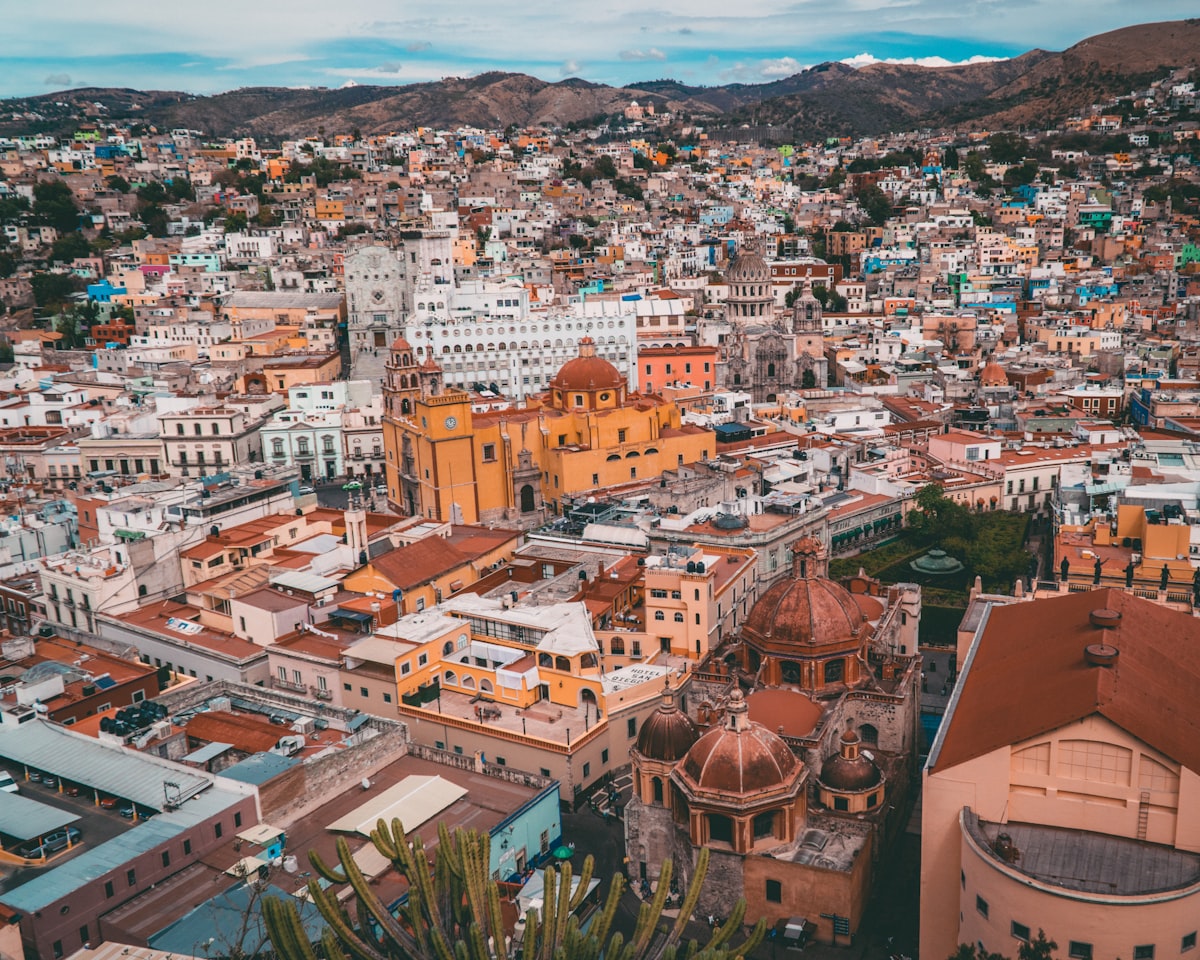
Mexico is the world's largest destination for American expats — over a million US citizens live there full-time, and the reasons are obvious when you see the numbers. A comfortable life in Mexico City's Roma Norte runs $1,500–$2,200/month. In Mérida, a truly nice lifestyle costs $1,200–$1,800. Even in Puerto Vallarta — a resort town where gringos get noticed and prices reflect it — $2,000/month gets you a high-quality, relaxed life with a view of the Pacific. As one [r/expats](https://www.reddit.com/r/expats/) member who moved from Denver to Guadalajara put it: 'I make the same remote income I did in Colorado. My rent is $650. I eat fresh food every day. I'm genuinely confused why I waited so long.' This guide gives you real numbers — not aspirational blog-post minimums — for five very different Mexican cities.
Monthly Budget Snapshot: Five Cities, Real Numbers
Mexico's cost of living varies enormously by city and neighborhood. Here's a baseline for a single American expat living comfortably (not roughing it) in 2026:
Mexico City (CDMX) — Roma Norte / Condesa: $1,600–$2,400/month Mexico City (CDMX) — Coyoacán / Narvarte: $1,300–$1,900/month Guadalajara — Providencia / Chapultepec: $1,200–$1,800/month Mérida — Centro / García Ginerés: $1,100–$1,700/month Puerto Vallarta — Zona Romántica: $1,500–$2,200/month San Miguel de Allende — Centro: $1,800–$2,800/month
San Miguel is a special case — it's the most 'American expat' town in Mexico and prices reflect decades of that demand. The other cities offer significantly better value.
Typical monthly breakdown for a single person in CDMX (Roma Norte):
- Rent (1BR, good area): $800–$1,200
- Groceries: $180–$280
- Dining out (frequent): $200–$350
- Transport (Metro + Uber): $80–$150
- Utilities + internet: $80–$130
- Health insurance (private): $60–$150
- Entertainment/misc: $150–$300
- Total: ~$1,550–$2,560
Numbeo's Mexico cost of living data consistently shows Mexico as 60–65% cheaper than the US overall, with rent often 70–75% lower in equivalent neighborhoods.
Rent Prices: CDMX, Guadalajara, Mérida, Puerto Vallarta, San Miguel
Mexico City (CDMX) CDMX's rental market has two distinct layers: the trendy, expensive neighborhoods where expats cluster (Roma, Condesa, Polanco, Juárez) and the broader city where Mexicans actually live (much cheaper).
- Studio (Roma Norte, Condesa): $700–$1,000/month
- Studio (Narvarte, Del Valle): $500–$750/month
- 1BR (Roma/Condesa, renovated): $950–$1,400/month
- 1BR (Coyoacán, Santa Fe): $700–$1,000/month
- 2BR (Roma/Condesa): $1,300–$2,000/month
- 2BR (Polanco, luxury): $2,000–$4,000/month
The r/mexicocity subreddit has detailed neighborhood threads comparing prices and safety — worth reading before committing to an area.
Guadalajara Mexico's second city has a growing tech scene ('Silicon Alley') and a fraction of CDMX's expat premium.
- Studio (Providencia): $450–$700/month
- 1BR (Zapopan, Tlaquepaque): $600–$950/month
- 2BR (Chapalita): $900–$1,400/month
Mérida Yucatán's capital has seen significant price increases since 2020 but remains excellent value.
- Studio (Centro Histórico): $400–$650/month
- 1BR (García Ginerés, Itzimná): $550–$850/month
- 2BR (Centro): $800–$1,200/month
Puerto Vallarta Puerto Vallarta charges a tourist premium, but longer-term rentals outside the Zona Romántica are more reasonable.
- Studio (Zona Romántica): $700–$1,000/month
- 1BR (Versalles, 5 de Diciembre): $700–$1,100/month
- 2BR (Old Town area): $1,100–$1,800/month
San Miguel de Allende The most expensive rental market in Mexico outside of upscale CDMX enclaves.
- Studio (Centro): $800–$1,200/month
- 1BR (Centro): $1,000–$1,600/month
- 2BR (residential areas): $1,400–$2,200/month
For apartment listings, Vivanuncios and Inmuebles24 are the dominant platforms. Facebook Marketplace groups are heavily used in expat-heavy cities — search '[City name] Expat Housing' for active groups.
Groceries & Dining: From Street Tacos to Supermarkets
Mexico's food economy is one of its greatest advantages. You can eat extraordinarily well at multiple price points — from $1 street tacos to excellent mid-range restaurants that would cost triple in the US.
Grocery Prices (Chedraui, Walmart México, local mercado)
- Dozen eggs: $1.80–$2.50
- Chicken breast (1kg): $4.00–$6.00
- Ground beef (1kg): $5.00–$8.00
- Milk (1 liter): $1.00–$1.40
- Loaf of bread: $1.20–$2.00
- Avocado (each): $0.40–$0.80
- Fresh tomatoes (1kg): $0.80–$1.50
- Local beer (Modelo 6-pack): $5.00–$7.00
- Bottle of local wine (decent Mexican): $8.00–$15.00
Shopping at a Mercado Municipal (traditional market) for produce, meat, and cheese costs significantly less than a Walmart or Chedraui. Most expats do a hybrid — mercado for fresh goods, supermarket for packaged staples.
Monthly groceries for one person: $150–$260 (supermarket mix); $100–$180 (heavy mercado use).
Dining Out
- Street taco (al pastor, carne asada): $0.80–$1.50 each
- Comida corrida (3-course set lunch at local restaurant): $4.00–$7.00
- Casual restaurant, full meal + beer: $10–$18
- Mid-range restaurant (nice sit-down): $18–$35 per person
- Western-style brunch spot (avocado toast, eggs): $12–$20
- Cappuccino at a café: $2.50–$4.00
- Beer at a local bar: $2.00–$3.50
- Cocktail (mezcal negroni, margarita) at a decent bar: $7–$12
As one thread in r/expats Mexico discussions noted: 'I budget $200/month for all my food in Mérida including eating out 3-4 times a week. In Seattle that would have been my weekly grocery bill.'

Healthcare: IMSS, Private Insurance, and Out-of-Pocket Costs
Mexico has a two-track healthcare system: IMSS (public, available to legal residents) and a robust private sector that costs a fraction of US equivalents.
IMSS (Instituto Mexicano del Seguro Social) IMSS is Mexico's public health insurance system, and legal residents can voluntarily enroll. The annual voluntary enrollment fee for foreigners is approximately $400–$500/year — making it one of the best deals in expat healthcare globally. IMSS covers GP visits, specialist referrals, surgery, maternity, dental (basic), and prescription medications at near-zero copays.
The catch: IMSS clinics can be crowded and wait times vary. Most expats use IMSS as a safety net for major health events and pay out-of-pocket for routine private care. The U.S. Embassy in Mexico has emergency information for Americans and maintains a list of English-speaking physicians.
For more information on IMSS voluntary enrollment, see the official IMSS website.
Private Health Insurance
- Basic plan (young adult): $80–$150/month
- Comprehensive (30–45 age range): $150–$300/month
- Family plan (2 adults + 2 kids): $300–$600/month
GNP Seguros, Mapfre, and AXA are the major providers. International plans from Cigna Global or BUPA Global start around $150–$250/month and include coverage for treatment in the US.
Out-of-Pocket (Private Hospitals/Clinics) Even without insurance, private care in Mexico is shockingly affordable by US standards:
- GP consultation (private clinic): $25–$50
- Specialist consultation: $60–$120
- Emergency room visit (private hospital): $150–$400
- Dental cleaning: $30–$60
- Dental filling: $50–$100
- Root canal: $200–$400 (vs. $1,200–$2,000 in the US)
- Common prescriptions (generic): $3–$15
- Blood panel (full metabolic): $30–$60
World Nomads is useful for the first few months before establishing IMSS or local insurance. Many long-term expats in threads on r/expats report paying entirely out-of-pocket for routine care and reserving insurance for catastrophic events — given the prices, this strategy often makes mathematical sense.
Transportation: Metro, Uber, and Getting Around
Mexico's cities vary wildly in transit quality. CDMX has a world-class metro system. Other cities are more car-dependent, though Uber and local ride-hailing have transformed mobility.
Mexico City Metro CDMX's Metro is one of the cheapest urban rail systems in the world: $0.25 per ride regardless of distance. A daily commuter spending 40 rides/month pays $10. The Metro covers most of the city, though it's crowded during rush hour and some lines are slow. The Sistema de Transporte Colectivo (official Metro) website has route maps.
Uber and Ride-Hailing in CDMX
- 15-minute city ride: $3.50–$6.00
- Airport (AICM) to Roma Norte: $12–$18
- InDriver and Cabify also operate, sometimes cheaper than Uber
Other Cities
- Guadalajara has a small Metro (2 lines), supplemented by Uber extensively
- Mérida has no rail transit — Uber and local buses are the options. A 15-min Uber costs $3–$5
- Puerto Vallarta: Uber operates, taxis are plentiful. Most locals drive
- San Miguel: Small enough to walk most places; taxis for longer trips
Car Ownership Having a car in CDMX is stressful (traffic, parking, Hoy No Circula restrictions limiting driving days). In other cities, a car is often worth it:
- Used car purchase (reliable 2–3 year old sedan): $10,000–$16,000
- Fuel (per liter ~$1.00): filling a sedan tank ~$45–$55
- Car insurance: $400–$800/year
- Annual verification (emissions test): $25–$50
Intercity Travel Mexico's bus network is excellent and extremely cheap — first-class ADO buses are comfortable, air-conditioned, and safe. CDMX to Mérida (overnight): $35–$60. CDMX to Guadalajara: $25–$45. Many expats rely entirely on buses for intercity travel.
Utilities, Internet, and Phone Plans
Utility costs in Mexico are generally low, though electricity can spike in summer in hot climates like Mérida or Puerto Vallarta due to heavy A/C use.
Utilities (typical 1BR apartment, per month)
- Electricity: $25–$80 (CDMX, moderate use); $60–$150 (Mérida/PV, summer A/C)
- Water: $5–$15 (usually included in rent or very cheap)
- Gas (LP gas for cooking/water heater): $15–$30
- Combined utilities average: $45–$225/month depending on location and season
Note: Mexico subsidizes residential electricity heavily, but the subsidy structure means bills spike sharply once you cross consumption thresholds. A/C-heavy households in hot climates can see electricity bills of $150–$300+/month in summer.
Internet Internet quality has improved significantly in Mexico, especially in major cities:
- Basic cable/fiber (50 Mbps, Izzi or Totalplay): $25–$40/month
- Fiber 200 Mbps (Totalplay, Megacable): $35–$55/month
- Premium fiber (Telmex/Infinitum 300–500 Mbps): $40–$65/month
Reliability varies by provider and location. In CDMX's expat neighborhoods, fiber is generally solid. In smaller towns and some PV neighborhoods, speeds are slower. Having a mobile hotspot backup (Telcel or AT&T México) is wise for remote workers.
Mobile Plans
- Basic plan (5GB data, calls): $8–$15/month
- Mid-range (20–40GB): $15–$25/month
- Unlimited data (Telcel, AT&T México): $20–$35/month
Telcel has the best national coverage. AT&T México is strong in cities. Both offer prepaid SIMs that Americans can activate with a passport.
For money transfers, Wise is the standard for USD-to-MXN transfers. Revolut also works well for holding both USD and MXN and spending without fees.
Healthcare: IMSS Enrollment and Private Options
This section expands on practical steps for healthcare access that expats frequently ask about.
Voluntary IMSS Enrollment (Step by Step) IMSS voluntary enrollment (Incorporación Voluntaria al Régimen Obligatorio del Seguro Social) requires:
- Valid Mexican residency permit (Temporary or Permanent Resident)
- Appearance at your local IMSS office (UMAE or Subdelegación)
- Annual premium payment — currently approximately MXN 8,000–$9,000/year (~$400–$450 USD)
Once enrolled, you get a Número de Seguridad Social (NSS) and can access IMSS clinics and hospitals nationwide. For complex or elective procedures, the private sector remains faster and more comfortable.
Dental Tourism Mexico is one of the world's top dental tourism destinations for a reason. Many Americans living near the US-Mexico border cross specifically for dental work:
- Dental crown: $250–$450 (vs. $1,200–$2,000 in the US)
- Dental implant (full): $900–$1,400 (vs. $3,000–$5,000 in the US)
- Orthodontic braces (full treatment): $1,500–$2,500 (vs. $5,000–$7,500 in the US)
This alone can justify the move for Americans with dental work pending.
Prescription Medications Mexico's pharmacies (Farmacia del Ahorro, Farmacias Similares, CVS México) are stocked with most common medications, often available without a prescription, and at dramatically lower prices than US equivalents. Common blood pressure meds, statins, and antidepressants run $5–$25/month. Always verify with a doctor that you're getting the correct generic equivalent.
Taxes for Americans in Mexico: FEIE, FBAR, and Local Obligations
US taxes are unavoidable, but living in Mexico can actually improve your tax situation considerably.
Foreign Earned Income Exclusion (FEIE) If you work remotely for non-Mexican clients (or are self-employed), you can exclude up to $126,500 (2024, adjusted annually) of foreign earned income from US federal taxes. To qualify, you must pass either:
- Physical Presence Test: 330 days outside the US in any 12-month period
- Bona Fide Residence Test: Established resident of Mexico
Full details in IRS Publication 54, the guide for US taxpayers abroad.
FBAR (FinCEN 114) If your Mexican bank account(s) hold more than $10,000 at any point during the year, you must file an FBAR (Foreign Bank Account Report) annually. This is separate from your tax return and filed via FinCEN's online system. Failure to file carries severe penalties — take this seriously.
Mexican Taxes Mexico has a territorial tax system for non-residents. If you're living in Mexico on a tourist visa (FMM, up to 180 days) or not earning Mexican-source income, Mexico does not tax your foreign income.
Once you have Temporary or Permanent Residency AND earn Mexico-source income, you become a Mexican tax resident. Mexican income tax rates:
- Up to MXN 8,952/year: 1.92%
- Progressive scale up to MXN 3,000,000+: 35%
Most American remote workers structure their work through non-Mexican clients/entities and avoid Mexican income tax entirely. Consult a cross-border tax professional if your situation is complex — the U.S. Embassy in Mexico maintains a list of binational tax professionals.
RFC (Mexican Tax ID) Even if you don't owe Mexican taxes, getting an RFC (Registro Federal de Contribuyentes) is useful for opening bank accounts, signing leases, and accessing medical services. It's available free at the SAT (Servicio de Administración Tributaria) offices.
Banking in Mexico: Opening Accounts and Moving Money
Banking in Mexico has improved substantially for expats, though it remains more bureaucratic than US banking.
Opening a Mexican Bank Account Requirements typically include:
- Valid passport
- Mexican residency permit (temporary or permanent)
- Proof of address in Mexico (utility bill or notarized statement)
- RFC (tax ID number)
- Minimum opening deposit (varies by bank)
Banks popular with expats:
- BBVA México: Largest bank, extensive ATM network, decent English app
- Citibanamex: US-linked, easier transfers to US Citi accounts
- Santander México: Good customer service in larger branches
- Nu (Nubank México): Digital bank, simple account opening, no fees, good for everyday spending
Money Transfers (USD to MXN) Wise is the consensus best option: real exchange rate, ~0.5–0.8% fee, delivery in 1–2 business days. On a $2,000 transfer, Wise saves you $60–$90 vs. a standard bank wire.
Alternatives:
- Revolut: Good for holding multiple currencies and spending without fees
- Western Union / MoneyGram: Widely used for remittances but not competitive rates for larger amounts
- Bank wire (Wells Fargo, Chase International): Higher fees and poor exchange rates
For ongoing discussions about the best current options, the r/expats Mexico threads and r/mexicocity regularly compare services.
Cash vs. Card Mexico is still quite cash-dependent outside of major cities and tourist areas. Many local restaurants, mercados, and smaller services are cash-only or charge fees for card payments. Keeping MXN 1,000–3,000 ($50–$150) in cash on hand is wise. Use ATMs inside bank branches or established retail stores (Walmart, 7-Eleven) rather than standalone street ATMs to reduce skimming risk.
Mexico vs. US Cities: The Real Cost Comparison
Here's how Mexico's most popular expat destinations compare to major US cities:
| Expense | CDMX (Roma) | Mérida | NYC | Miami | Denver |
|---|---|---|---|---|---|
| 1BR rent (good area) | $900–$1,200 | $600–$850 | $3,200–$4,500 | $2,400–$3,500 | $1,800–$2,500 |
| Monthly groceries | $200–$280 | $160–$230 | $450–$600 | $400–$550 | $380–$500 |
| Dining out (4x/wk) | $180–$300 | $140–$220 | $600–$900 | $500–$750 | $400–$600 |
| Monthly transit | $50–$100 | $30–$60 | $130 | $100 | $80 |
| Utilities + internet | $90–$150 | $90–$175 | $200–$280 | $180–$260 | $180–$240 |
| Health insurance | $80–$150 | $80–$150 | $450–$650 | $400–$600 | $350–$550 |
| Monthly total | $1,600–$2,180 | $1,100–$1,685 | $5,030–$7,060 | $4,080–$5,860 | $3,190–$4,490 |
The Mérida-to-Miami comparison is staggering: roughly $3,000–$4,000/month in savings — over $36,000–$48,000/year — for a lifestyle many expats describe as better than Miami. CDMX vs. Denver: still $1,500–$2,300/month cheaper.
Numbeo's Mexico City vs. New York comparison shows CDMX is about 65% cheaper overall, with rent 72% lower.
Visas and Legal Status: Options for Americans
Understanding your legal options is essential before moving. Mexico offers several paths.
FMM Tourist Permit Americans entering Mexico receive an FMM (Forma Migratoria Múltiple) valid for up to 180 days. It's not a visa — it's an entry permit. You cannot work legally on an FMM, and living in Mexico long-term on consecutive FMMs (doing 'visa runs') is technically against the rules, though widely practiced and rarely enforced.
Temporary Resident Visa For stays of 1–4 years. Apply at a Mexican consulate in the US. Requirements:
- Proof of income: approximately $2,600/month from savings/investments, OR
- Savings balance equivalent to approximately $43,000+ (12 months × monthly requirement)
The Temporary Resident card (tarjeta) is renewable annually and allows you to work with a separate work permit.
Permanent Resident Visa Available after 4 years as a Temporary Resident, or directly if you meet higher income thresholds (approximately $4,300/month). Permanent residents can work without additional permits.
Retirement Visa Mexico doesn't have a formal retirement visa, but retirees often qualify for the Temporary Resident Visa via pension/Social Security income.
For current requirements and processing times, the U.S. Embassy in Mexico has a Mexico section with visa information and links to the INM (Instituto Nacional de Migración). The r/IWantOut subreddit has detailed threads on Mexico's visa processes with recent experiences from applicants.
International Living Mexico has monthly updates on cost-of-living figures and visa procedure changes.
Practical Tips, Community Resources, and Getting Started
Before You Move
- Visit first, commit second. Spend at least 1–2 months in your target city before signing a long-term lease. Different cities suit very different personalities — CDMX is urban and cosmopolitan; Mérida is quieter and more traditional; PV is resort-casual.
- Get a Wise account set up in the US before you leave. Wise is essential for converting USD to MXN at good rates and makes the financial transition smooth.
- Get comprehensive travel/health insurance for your first months. World Nomads and SafetyWing are popular options for the transition period.
- Learn some Spanish. Mexico is not like Spain's expat cities where English is widespread in expat enclaves. Basic conversational Spanish transforms your daily experience and helps significantly with bureaucratic processes.
Safety Mexico's safety situation is real and varies enormously by city and neighborhood. CDMX's Roma/Condesa is genuinely as safe as most US cities. Mérida is consistently ranked one of Mexico's safest cities. Expats universally recommend researching your specific target neighborhood, not generalizing from headlines. The r/expats community has nuanced discussions about safety by city.
Key Communities and Resources
- r/mexicocity — active, practical, good for neighborhood questions
- r/expats — broad expat community with Mexico threads
- r/digitalnomad — Mexico City is a major digital nomad hub
- InterNations Mexico City — organized expat events and forums
- International Living Mexico — lifestyle and cost reports
- ExpatFocus Mexico — practical guides and community forum
- Numbeo Mexico — crowdsourced current prices by city
- Facebook groups: 'Expats in Mexico City,' 'Americans in Mérida,' 'Expats in Puerto Vallarta'
Bottom Line Mexico offers the most accessible and affordable expat lifestyle of any country in this guide — not because it's spartan, but because your dollar goes genuinely far. The proximity to the US (3-hour flight from most major cities), the food culture, the climate, and the existing million-strong American expat community make the transition manageable even for first-time expats. The financial case is simply overwhelming.
Ready to explore?
Browse Destinations