Cost of Living in South Korea for Americans (2026) — Real Monthly Budgets
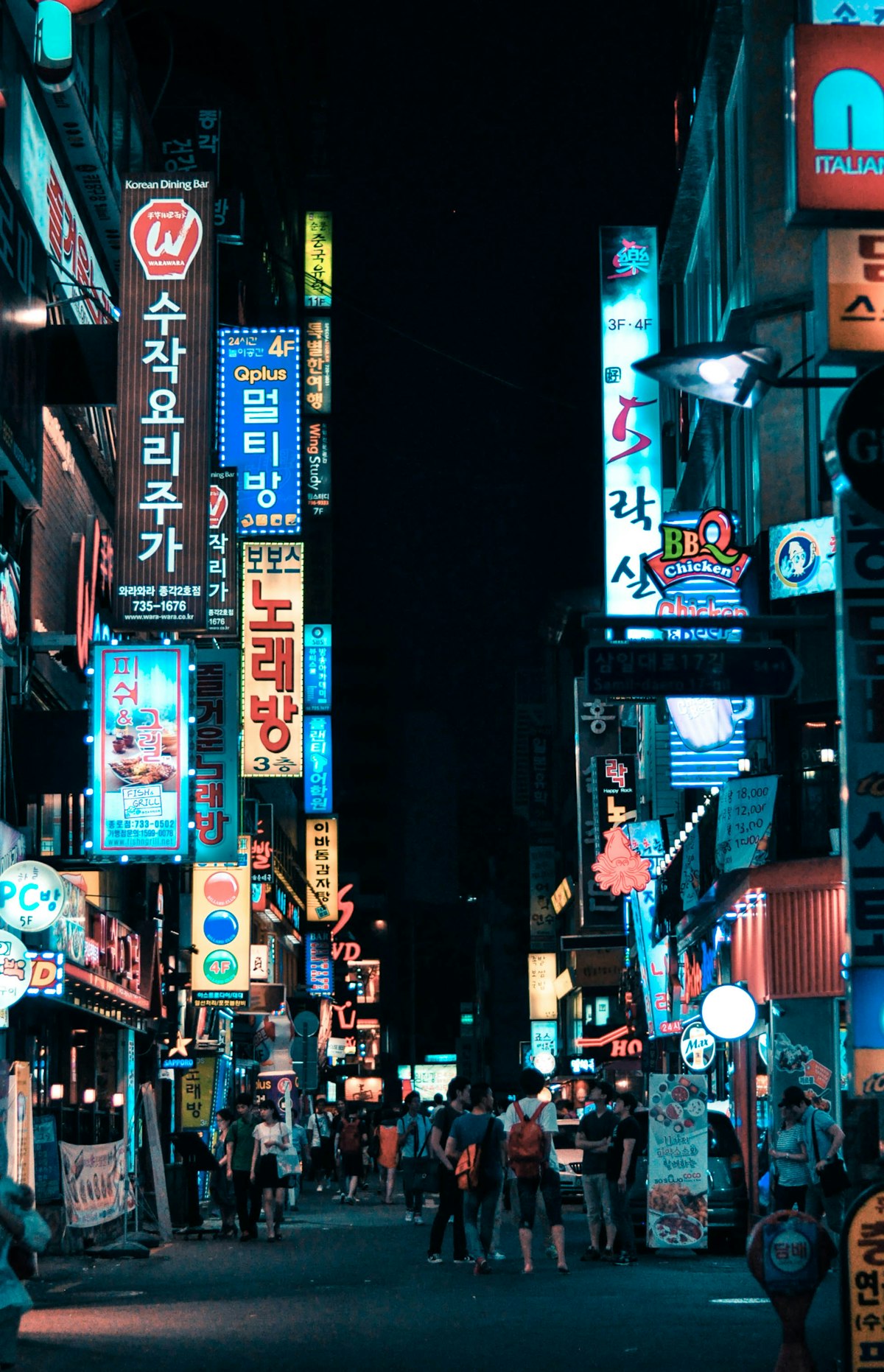
South Korea sits in an unusual position on the global expat map: it's more expensive than Southeast Asia, yet significantly cheaper than the US for a modern, high-quality urban lifestyle. Seoul's Gangnam district will drain your wallet. But Busan — South Korea's second city, a coastal metropolis with world-class food, transit, and beaches — costs 30-40% less than Seoul's premium neighborhoods. And Jeju Island, where an increasing number of remote workers and retirees are settling, offers a lifestyle that competes with anywhere in Asia at costs that would be unremarkable in rural Kansas. This guide covers real monthly budgets across four destinations, including the unique [jeonse rental system](https://www.molit.go.kr/) that has no equivalent anywhere in the world, South Korea's national health insurance, and the practical realities of living in a country where your entire social infrastructure runs on apps you've never heard of. All prices are in USD at April 2026 exchange rates (1 USD ≈ 1,330 KRW). Data sourced from [Numbeo's South Korea database](https://www.numbeo.com/cost-of-living/country_result.jsp?country=South+Korea), the [r/Living_in_Korea subreddit](https://www.reddit.com/r/Living_in_Korea/), and [r/korea](https://www.reddit.com/r/korea/).
The Four Destinations: Quick Cost Snapshot
Seoul (Gangnam/Seocho) — $3,000–$5,500/month. The premium districts. Gangnam is Korea's Beverly Hills — a district so culturally significant it spawned an international pop song. Modern apartment towers, premium gyms, and the country's best hospitals are concentrated here. For most American expats not on a corporate package, Gangnam is aspirational rather than practical.
Seoul (Itaewon/Yongsan/Mapo) — $2,000–$3,500/month. The expat neighborhoods. Itaewon has been the foreign community hub for decades — international restaurants, English menus, non-Korean grocery stores. Hongdae (near Mapo) is younger, more creative, and increasingly where young American expats settle. These neighborhoods offer manageable Seoul living without Gangnam prices.
Seoul (Outer districts — Dobong, Nowon, Gwanak) — $1,500–$2,500/month. The local experience. For expats willing to commute and live more Korean-style, Seoul's outer districts offer significantly lower rents with full metro access to everything. This is where English teachers and budget-conscious remote workers typically land.
Busan — $1,500–$2,800/month. Korea's second city. A coastal city of 3.4 million with beaches, mountains, a famous film festival, and some of the country's best seafood. Prices are 25-40% lower than central Seoul across almost every category. The r/Living_in_Korea community consistently rates Busan as the better value-for-lifestyle destination among major Korean cities.
Daegu — $1,200–$2,000/month. Korea's third city. Less internationally known, genuinely affordable, and increasingly connected via KTX high-speed rail (35 minutes to Busan, 90 minutes to Seoul). Popular with English teachers and budget expats. Less English infrastructure than Seoul or Busan, but a complete modern Korean city lifestyle.
Jeju Island — $1,300–$2,500/month. The slow life option. South Korea's Hawaii — volcanic island, pristine beaches, dramatic coastal scenery, and a rapidly growing remote-work community. Slower pace, lower density, and increasingly good internet. International flights from Jeju's new international terminal have made it more accessible. The tradeoff: fewer English-language services and a smaller expat community.
Rent: Jeonse, Wolse, and Monthly Deposits
South Korea's rental market is unlike anything Americans have encountered, and understanding it is essential for making a financially smart housing decision.
The two rental systems:
Wolse (월세) — Monthly rent. The familiar model: pay a monthly amount plus a smaller deposit (typically $3,000–$10,000). This is what most new expats and short-term residents use. Monthly payments are higher than the US equivalent in dollar terms, but include a deposit that's partially refundable.
Jeonse (전세) — The Korean lump-sum deposit system. Jeonse has no equivalent in the world. Instead of paying monthly rent, you deposit a large lump sum (typically 50-80% of the property's value) with the landlord for the duration of the lease (usually 2 years). You pay zero monthly rent. At the end of the lease, you get the full deposit back. The landlord invests the deposit money during the lease period — when Korean interest rates were high, this was very attractive to landlords. With lower rates in 2024-2026, jeonse has declined as landlords prefer the monthly cash flow of wolse. Warning: Jeonse scams ("jeonse fraud") where landlords abscond with deposits became a national crisis in 2022-2023. Never sign a jeonse contract without a qualified Korean attorney and government deposit verification.
Actual wolse rent prices (monthly):
Seoul (Gangnam/Seocho):
- Studio (officetel, 20-30 sqm): $900–$1,400 + $3,000–$8,000 deposit
- 1BR apartment: $1,200–$2,000 + deposit
- 2BR apartment: $2,000–$3,500 + deposit
Seoul (Itaewon/Hongdae/Mapo):
- Studio/officetel: $700–$1,200 + $3,000–$6,000 deposit
- 1BR apartment: $900–$1,500 + deposit
- 2BR apartment: $1,400–$2,200 + deposit
Seoul (outer districts):
- Studio/officetel: $400–$700 + deposit
- 1BR: $600–$1,000 + deposit
Busan (Haeundae/Gwangalli):
- Studio: $400–$700 + deposit
- 1BR: $600–$1,000 + deposit
- 2BR: $800–$1,400 + deposit
Daegu:
- Studio: $300–$550 + deposit
- 1BR: $450–$750 + deposit
Jeju:
- Studio: $350–$600 + deposit
- 1BR house or apartment: $500–$900 + deposit
Important rental notes:
- Most Seoul landlords expect a deposit even for wolse rentals, paid upfront and returned at lease end. This significantly affects startup costs.
- Officetels (오피스텔) are studio units in mixed-use buildings — often the most practical option for single expats, combining residential and light commercial zoning. Fully furnished options exist.
- Finding rentals without a Korean-speaking real estate agent (부동산, budongsan) is nearly impossible. Agent fees: typically 0.3–0.5% of annual rent value (relatively low by international standards).
Groceries and Dining: The Korean Food Economy
Korean food culture is one of the strongest arguments for living in Korea. The combination of cheap, excellent local food at every price point and a robust imported goods market (for expat cravings) makes daily eating both affordable and genuinely pleasurable.
Supermarket prices (Homeplus, E-Mart, Lotte Mart):
- Chicken breast (1 lb): $3.00–$4.50
- Pork belly (samgyeopsal, 1 lb): $5.00–$8.00
- Eggs (12): $2.50–$3.50
- Milk (1 liter): $1.80–$2.50
- Rice (5 lbs): $5.00–$9.00 (Korean short-grain is pricier than generic rice)
- Kimchi (prepared, 1 lb): $3.00–$5.00
- Korean ramyeon (Shin Ramyun, pack of 5): $3.50–$5.00
- Imported cheese (1 lb block): $7.00–$12.00
- Local beer (Cass, Hite, Max, 6-pack): $6.00–$9.00
- Soju (375ml bottle): $1.00–$1.50 at convenience stores. The math on Korean alcohol expenses is the most favorable of any developed country.
Dining out:
- Gimbap (Korean rice roll, one serving): $2.50–$4.00
- Dosirak (packed lunch box): $4.00–$6.00
- Bibimbap at a regular restaurant: $6.00–$9.00
- Samgyeopsal (pork belly BBQ, table grill) with drinks: $15.00–$25.00 per person
- Korean fried chicken + beer ("chimaek") for two: $20.00–$30.00
- Restaurant meal at mid-range: $10.00–$18.00 per person
- Korean BBQ at an upscale Gangnam spot: $40.00–$70.00 per person
- Starbucks Korea (Grande latte): $5.00–$6.00 (slightly higher than US)
- Convenience store meal (GS25, CU, 7-Eleven Korea — dramatically better than US convenience food): $3.00–$6.00. Korean convenience store food is legitimately a daily dining option.
Monthly grocery estimates:
- Cooking mostly at home, Korean diet: $200–$300
- Mix of cooking and dining out (typical expat): $350–$550
- Heavy restaurant use or imported products: $500–$800
Costco Korea: There are 18 Costco locations in Korea, and membership ($35/year) is a beloved expat institution. American products — peanut butter, hot dogs, bagels, Kirkland goods — are available at near-US prices. The Yangjae (Seoul) and Busan locations are particularly popular with expats.

Healthcare: National Health Insurance and World-Class Care
South Korea's healthcare system is consistently ranked among the world's best, and it may be the single most compelling reason for Americans to consider Korea as a long-term base. The combination of world-class quality, minimal wait times, and staggeringly low costs compared to the US makes healthcare a genuine financial advantage rather than a cost center.
National Health Insurance (NHI / 국민건강보험): Korea operates a National Health Insurance (NHI) system that covers essentially all residents — including registered foreign nationals. If you're working in Korea, your employer enrolls you and shares the premium. If you're a self-employed expat or retiree with residency, you enroll independently and pay based on your declared income or property holdings in Korea.
- Monthly NHI premium (income-based, typical expat): $80–$200/month
- NHI covers approximately 60-70% of medical costs at participating hospitals and clinics
- Remaining 30-40% is out-of-pocket, but the base costs are so low that even with co-pays, total healthcare spending is a fraction of US levels
Healthcare costs with NHI:
- GP clinic visit (내과/가정의학과): $5–$15 co-pay including basic tests
- Specialist consultation: $15–$35
- Blood panel (comprehensive): $20–$50
- Dental cleaning: $15–$30 (dental is only partially covered by NHI)
- Dental crown (ceramic): $200–$400
- MRI scan: $150–$350 (vs $1,500–$3,000 in the US)
- Hospital stay per day (general ward): $50–$100 all-in
- Prescription medications: $5–$20 for most common medications
Private supplemental insurance: Most Korea residents also buy a supplemental private insurance policy (실손보험, silson buhum) from Korean insurers like Samsung Fire & Marine, DB Insurance, or KB Insurance. This covers the remaining 30-40% that NHI doesn't. Monthly cost: $20–$60 depending on age and coverage level. With NHI + silson, your out-of-pocket healthcare costs approach zero for most routine care.
Flagship hospitals:
- Samsung Medical Center (Seoul): Among the top 100 hospitals worldwide by multiple rankings. Specializes in cancer, cardiac surgery, organ transplant.
- Asan Medical Center (Seoul): Korea's largest hospital by volume. Excellent cardiac and neurology.
- Yonsei Severance Hospital (Seoul): Strong international patient program with English-speaking staff.
- Pusan National University Hospital (Busan): The best in the Busan region.
- All major Korean hospitals have international patient centers with English-speaking coordinators.
For emergency guidance and physician referrals, the US Embassy in Seoul maintains a current list of English-speaking physicians and hospitals.
Transportation: The World's Best Public Transit System
South Korea, and Seoul in particular, has a public transit system that Americans who've only experienced US public transportation struggle to comprehend. The Seoul Metropolitan Subway is 23 lines, over 300 stations, 12-minute maximum wait times at peak hours, climate-controlled, punctual, and cheaper per kilometer than almost any other metro system in the developed world.
Seoul subway and transit:
- Single fare (T-money card): $1.00–$1.50 depending on distance
- Monthly transit pass (unlimited within zones): $45–$65
- Integrated with buses — a single T-money card covers metro, bus, and some ferry connections
- Last subway is approximately midnight; first runs around 5:30 AM
- Kakao T app (the Korean Uber, but also covers taxis, carpool, and transit navigation): essential for all Korean transport planning
Taxis:
- Starting fare (Seoul): $3.00
- Short ride (3 miles, off-peak): $6.00–$10.00
- Airport to central Seoul (45 km): $40–$55
- Night rate surcharge applies 10 PM–4 AM: +20%
- Seoul taxis are among the most honest and well-regulated in Asia
KTX High-Speed Rail:
- Seoul to Busan (460 km): $35–$60 one way, 2.5 hours. Faster than flying when you account for airport time.
- Seoul to Daegu: $25–$45, 1.5 hours
- Seoul to Jeonju: $20–$35, 1.5 hours
- Advance booking 2-4 weeks out for best fares (Korail website requires a working Korean mobile number — use an agent or the Let's Korail app)
Car ownership (largely unnecessary in Seoul):
- Used Hyundai Sonata (2017–2020): $12,000–$20,000
- Monthly fuel (moderate driving): $100–$160 (gas is ~$1.50–$1.70/liter)
- Parking in Seoul: $80–$200/month (significant and scarce)
- Most expats in Seoul or Busan don't own cars. Jeju Island is the exception — a car is highly recommended there since public transit is limited.
Domestic flights:
- Seoul to Jeju (the world's busiest airline route): $25–$70 one way (T'way, Jeju Air, Jin Air)
- Seoul to Busan: $20–$60 (though KTX is usually faster door-to-door)
Utilities, Internet, and Korea's Digital Infrastructure
Korea has world-class digital infrastructure — often the fastest internet speeds in the world — at prices that feel almost subsidized compared to US rates.
Electricity:
- Korea uses a progressive electricity tariff — the more you use, the higher your per-unit rate
- 1BR apartment (moderate use, no heavy AC): $25–$60/month
- 1BR with heavy winter heating (Korean apartments use ondol floor heating): $60–$120/month December–February
- 2BR with family use year-round: $80–$150/month
- Note: Ondol (floor heating) is efficient but heated flooring running 24/7 in deep winter costs more than Americans typically expect
Heating and gas:
- District heating (지역난방) covers many apartment complexes — you pay based on usage rather than individual gas bills
- Monthly gas bill (individual meter): $30–$80 in winter; $5–$15 in summer
Water: $5–$15/month — almost negligible
Internet:
- Fiber internet (1 Gbps symmetric): $25–$35/month. KT (KT Giga Internet), SK Broadband, and LG U+ are the three major ISPs.
- SpeedTest's global rankings consistently place Korea at or near the top globally for fixed broadband speeds
- Wi-Fi availability in public spaces (cafés, transit, parks) is near-universal and reliable
- Most apartment buildings have pre-wired fiber
Mobile phone:
- Korean mobile requires an ARC (Alien Registration Card) for postpaid plans — tourists use prepaid
- Postpaid plan (unlimited data + 100 min/month): $30–$50/month (SK Telecom, KT, LG U+)
- MVNOs (virtual carriers like Hellovision Mobile): $15–$25/month for reasonable data
- Note: US phone numbers work on Korean SIMs but incoming SMS verification (used by many Korean apps) requires a Korean mobile number
Total utilities + internet + phone: $90–$200/month in summer; $130–$280/month in winter due to heating costs.
Entertainment and Korean Culture
Korea punches above its weight on entertainment and cultural experiences, and most of them cost significantly less than comparable US experiences.
Food and nightlife:
- Convenience store beer (CU, GS25, 7-Eleven): $1.50–$2.50. Koreans routinely drink on benches outside convenience stores — a beloved and extremely cheap social ritual.
- Makgeolli (Korean rice wine, jug with cups): $3.00–$6.00 at a traditional makgeolli house
- Craft beer at a Hongdae or Itaewon bar: $5.00–$8.00
- Cocktail at an upscale Gangnam bar: $12.00–$20.00
- Norebang (private karaoke room, per hour): $8.00–$20.00 for a group room. An essential Korean social experience.
- Korean bathhouse (jjimjilbang): $8.00–$15.00 for a full day (sleeping rooms, saunas, hot baths, snack bars). A culturally immersive and remarkably cheap way to spend a day.
Cultural activities:
- National Museum of Korea (Seoul): Free for permanent collection
- Gyeongbokgung Palace (Seoul): $3.00
- DMZ tour from Seoul: $30.00–$60.00 with guide
- Busan International Film Festival (BIFF) screenings: $10.00–$20.00
- Korean cooking class: $30.00–$60.00
- Fitness: Most Korean apartment complexes have free or heavily subsidized fitness rooms. Commercial gym (Gold's, Anytime Fitness): $30–$60/month. Sports centers (구민체육센터, city-run): $15–$30/month with pools.
Domestic travel:
- Seoul to Jeju Island weekend: $100–$200 total including budget flight, guesthouse, and food
- Busan to Gyeongju (UNESCO heritage city, 30 min KTX): $7 train, day trip possible
- Jeju Island 3-day rental car + accommodation: $150–$250
Monthly entertainment budget: $200–$400 in Seoul for an active social life; $150–$300 in Busan; $100–$200 in Daegu or Jeju.
Taxes: The US-Korea Treaty and What Expats Owe
The US and South Korea have a comprehensive tax treaty that significantly reduces double taxation risk — one of the better situations an American expat can be in.
US tax obligations:
- US citizens must file federal returns annually on worldwide income regardless of residence
- The Foreign Earned Income Exclusion (FEIE) excludes up to $126,500 (2024) of earned income from US tax for qualifying expats
- The US-Korea tax treaty has specific provisions for employment income, pensions, and passive income — consult the IRS treaty document for your specific situation
- FBAR filing required for Korean bank accounts exceeding $10,000
Korean tax obligations: Korea considers you a resident for tax purposes if you've lived there for 183 days or more in a calendar year (or have a "domicile" there).
- Korean income tax rates: 6% up to ~$14,000, 15% up to ~$50,000, 24% up to ~$88,000, 35% up to ~$150,000, 38%–45% above that
- Local income tax (지방소득세): additional 10% of income tax owed
- Foreign-sourced passive income (US dividends, interest, capital gains): reportable in Korea if you're a resident; the US-Korea treaty often reduces or eliminates double taxation
- Remote workers earning from US companies: typically must pay Korean tax on that income if resident; the FEIE can offset US liability
Practical impact for most expats: Most Americans in Korea on moderate incomes ($30,000–$80,000/year) end up owing Korean taxes at a rate similar to or lower than what they'd owe in the US, with the US-Korea treaty and Foreign Tax Credit preventing true double taxation. English teachers on government exchange programs (EPIK) receive tax assistance. Self-employed remote workers should consult a Korean tax accountant (세무사, semusa) — fees $150–$400 for an expat return.
The r/korea subreddit has extensive tax discussion threads, and International Living's Korea section covers the tax basics for retirees specifically.
Banking and Money in Korea
Korea's banking system is modern and efficient, but foreign access requires the right documentation, and the country's heavy reliance on specific apps creates some initial friction for new arrivals.
Korean bank accounts:
- KEB Hana Bank, Woori Bank, Shinhan Bank, and KB Kookmin Bank are the four largest
- Opening a bank account requires an ARC (Alien Registration Card, issued after 90 days of visa-compliant residence)
- With ARC: account opening is straightforward with passport + ARC + verification. English service available at major branches in Seoul and Busan.
- Without ARC (tourists, early-stage expats): limited to basic accounts; online banking features are restricted
- Monthly maintenance: essentially free with minimum balance (usually $7,500–$15,000 KRW held, or fees of ~$2/month)
The Korean app ecosystem: Korea runs on Kakao — KakaoBank (digital bank), KakaoTalk (messaging), KakaoMap, Kakao T (transport). KakaoBank offers account opening with an ARC and competitive rates. The catch: many Korean banking and app features require a Korean mobile number for SMS verification, which creates a chicken-and-egg problem for new arrivals.
Money transfers:
- Wise transfers to Korean bank accounts are efficient and near-mid-market rate. $2,000 transfer: approximately $8–$12 in fees. Settlement time: 1 business day.
- Revolut for smaller or more frequent transfers
- SWIFT wire transfers are slower (2–5 days) and incur $15–$30 in fees per transfer
- Most expats use Wise for 1-2 large monthly transfers and maintain a small KRW balance for daily expenses
ATMs:
- Foreign card access at Korean ATMs is straightforward at 7-Eleven ATMs (GS & Shinhan), KEB Hana Bank ATMs, and airport ATMs
- Fee per foreign card withdrawal: $3–$5
- Citibank Korea merged with KakaoBank; Charles Schwab's fee-free ATM card works well in Korea
- Maximum single ATM withdrawal: typically 700,000–1,000,000 KRW ($530–$750)
The US Embassy in Seoul provides banking and financial resources for US citizens in Korea, including guidance on transferring emergency funds.
Comparing Korea to US Cities
The savings compared to US equivalents are most dramatic when you compare lifestyle for lifestyle rather than city for city.
Scenario 1: Single professional, Seoul (Hongdae/Mapo)
- Studio apartment: $800/month + transit: $60 + groceries: $250 + dining out: $350 + utilities/internet: $130 + health insurance (NHI): $120 + entertainment: $250 = $1,960/month
- Seattle, WA equivalent: 1BR $2,100 + car $500 + groceries $500 + dining $500 + utilities/internet $250 + health insurance $500 + entertainment $300 = $4,650/month
- Monthly savings: $2,690 (58% less in Seoul)
Scenario 2: Couple, Busan (Haeundae)
- 1BR apartment: $850/month + transit: $90 + groceries: $350 + dining out: $500 + utilities/internet: $180 + NHI (both): $200 + entertainment: $300 = $2,470/month combined
- Chicago, IL equivalent: 1BR $2,000 + 2 cars $1,000 + groceries $700 + dining $700 + utilities/internet $300 + health insurance $1,200 + entertainment $400 = $6,300/month combined
- Monthly savings: $3,830 (61% less in Busan)
Scenario 3: Retiree, Daegu
- 1BR apartment: $500/month + transit + taxi: $80 + groceries: $200 + dining out: $250 + utilities/internet: $120 + NHI: $100 + entertainment: $150 = $1,400/month
- Social Security average ($1,907/month) more than covers Daegu living, with $500/month surplus
Scenario 4: Family, Seoul outer district
- 3BR apartment: $1,200 + transit: $150 + groceries: $500 + dining: $400 + utilities/internet: $200 + NHI family: $280 + international school (2 kids): $1,500–$2,500 + entertainment: $300 = $4,530–$5,530/month
- International school is the dominant family cost variable; Korean public schools are free but conducted entirely in Korean
Numbeo's Seoul vs New York comparison shows Seoul is approximately 22% cheaper overall — but for specific categories like healthcare, dining out, and transit, the savings are dramatically larger.
Complete Monthly Budget Templates
Budget A: Frugal — Daegu or Seoul outer districts
- Rent (studio/small 1BR): $400–$600
- Groceries (mostly cooking Korean-style): $200–$280
- Dining out (convenience store + local restaurants): $150–$250
- Transportation (transit): $50–$70
- Utilities + internet: $90–$140
- Phone: $25
- Entertainment: $100–$160
- Health (NHI only): $80–$120
- Total: $1,095–$1,645/month
Budget B: Comfortable — Seoul (Itaewon/Hongdae) or Busan
- Rent (1BR, decent building): $750–$1,100
- Groceries: $250–$380
- Dining out (mix of Korean and international): $300–$450
- Transportation (transit + occasional taxi): $80–$120
- Utilities + internet: $130–$200
- Phone: $35
- Entertainment + gym: $200–$350
- Health (NHI + silson): $130–$190
- Misc/buffer: $150–$200
- Total: $2,025–$2,990/month
Budget C: Premium — Seoul Gangnam or luxury Busan
- Rent (1BR, premium building): $1,200–$1,800
- Groceries (Costco + premium supermarket): $350–$500
- Dining out (regular mid-range, occasional fine dining): $500–$750
- Transportation (transit + regular taxi): $120–$200
- Utilities + internet: $150–$250
- Phone: $45
- Entertainment + premium gym: $350–$550
- Health (NHI + comprehensive private): $180–$280
- Misc/domestic travel: $200–$400
- Total: $3,095–$4,775/month
Budget D: Family of 4 — Seoul (Mapo or Seongdong)
- Rent (3BR apartment): $1,400–$2,000
- Groceries: $550–$750
- Dining out: $500–$700
- Transportation (transit + KTX trips): $150–$250
- Utilities + internet: $200–$300
- Phones (2): $70
- International school (2 children at a mid-tier school): $1,200–$2,000
- Health (family NHI + silson): $250–$380
- Entertainment/activities: $300–$500
- Total: $4,620–$6,950/month (school cost is the key variable)
The r/Living_in_Korea wiki contains a highly detailed newcomer guide with budget breakdowns contributed by hundreds of expats across Korean cities.
Practical Tips and What Catches Expats Off Guard
The language barrier is real — and manageable: Korean (한국어) is a genuinely difficult language for English speakers. Unlike Southeast Asian expat destinations, you cannot expect English to carry you through daily life outside of Seoul's expat neighborhoods, Itaewon, and international business districts. Papago (Naver's translation app, much better than Google Translate for Korean) and Google Lens for text translation will become your constant companions. Most expats recommend 3-6 months of basic Korean study before arrival — enough to read Hangul (Korea's phonetic alphabet, learnable in 2-4 days) and handle basic transactions.
Kakao is everything: KakaoTalk is not optional — it's how everyone communicates. Doctors send results via KakaoTalk. Landlords communicate via KakaoTalk. KakaoMap is significantly more accurate than Google Maps in Korea. Kakao T books taxis. Download all Kakao apps before arrival.
Startup costs are higher than expected: Korean landlords require deposits (보증금, bodeung-geum) even for monthly-rent (wolse) arrangements. A typical deposit is 5,000,000–20,000,000 KRW ($3,750–$15,000), fully refundable at lease end but tied up during the lease. Budget this as a required capital outlay on top of your moving expenses.
Visa landscape: Most Americans arrive on a 90-day tourist visa waiver (US-Korea visa-free agreement). For longer stays, options include:
- D-2 Student visa: Language programs at major universities accept foreigners
- D-10 Job seeker visa: For those looking for Korean employment
- D-8/E series: Work visas (English teaching: E-2; professional: E-7)
- F-6 Spousal visa: For those married to Korean nationals
- There is no specific digital nomad or passive income visa for Korea yet — a genuine gap for remote workers. The US Embassy in Seoul and Korean Immigration Service website have current visa guidance.
Weather: Korea has four distinct seasons. Winters are cold (Seoul averages 25°F in January). Summers are hot and humid (Seoul averages 85°F in July). Busan is milder in winter. Jeju is the warmest year-round. Budget accordingly for seasonal clothing you may not own.
Food import note: Peanut butter, good cheese, and maple syrup are available but expensive at Costco Korea or premium supermarkets. If these are dietary staples, budget an extra $50–$100/month or adjust expectations. Korean food is extraordinary — the expats who thrive in Korea are those who embrace doenjang jjigae and japchae rather than spending their dining budget chasing American comfort food.
Ready to explore?
Browse Destinations