Cost of Living in Thailand for Americans (2026) — Real Monthly Budgets
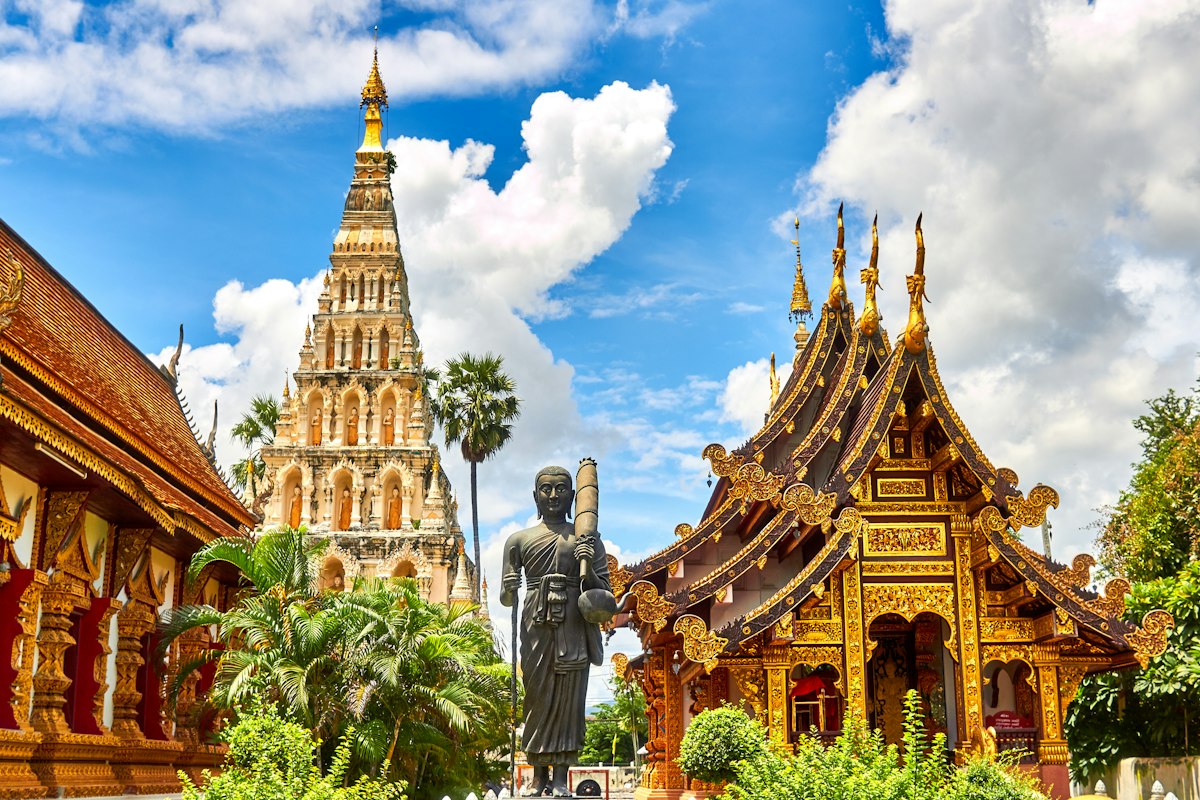
Thailand has been on the digital nomad and early retiree radar for decades — and the numbers still make a strong case. A genuinely comfortable life in Bangkok's Sukhumvit area runs $1,400–$2,200/month. In Chiang Mai, arguably the world's most established digital nomad hub, that same comfortable life costs $900–$1,500. Phuket runs more expensive — resort-town prices are real — but still delivers far more lifestyle per dollar than the US. As one [r/digitalnomad](https://www.reddit.com/r/digitalnomad/) regular wrote about Chiang Mai: 'I have a nice condo with a gym and pool, eat out every meal at excellent restaurants, and I'm spending $1,100/month total. My studio in Portland was $1,800 just for rent.' This guide gives you real, current numbers for four Thai cities — no fantasy minimalist budgets, no inflated expat-bubble estimates.
Monthly Budget Snapshot: Bangkok, Chiang Mai, Phuket, Pattaya
Thailand's cost of living depends heavily on lifestyle choices: living like a local vs. living in the expat/tourist bubble. Both are valid, but the prices differ significantly. These budgets reflect a comfortable-but-not-extravagant expat lifestyle:
Bangkok — Sukhumvit / Silom area: $1,500–$2,400/month Bangkok — Thonglor / Ekkamai (trendy): $1,800–$2,800/month Chiang Mai — Nimman / Old City: $900–$1,600/month Phuket — Patong / Kamala: $1,400–$2,200/month Pattaya — Central / Jomtien Beach: $1,000–$1,700/month
Typical monthly breakdown for a single person in Bangkok (Sukhumvit):
- Rent (1BR, modern condo with gym/pool): $700–$1,200
- Groceries: $150–$250
- Dining out (mix of local and Western): $200–$400
- Transport (BTS + Uber/Grab): $80–$160
- Utilities + internet: $80–$140
- Health insurance: $80–$200
- Entertainment/misc: $150–$300
- Total: ~$1,440–$2,650
Numbeo's Thailand cost of living page shows Thailand as approximately 55–65% cheaper than the US, with consumer prices around 40% lower and rent 70–80% lower in most cities.
The critical variable: eating locally vs. Western. Thai food from street stalls and local restaurants is extraordinary and costs $1.50–$4.00 per meal. Eating at Western restaurants adds $15–$35 per meal. Your dining style alone can swing your monthly budget by $300–$600.
Rent Prices: Bangkok, Chiang Mai, Phuket, Pattaya
Thailand's rental market has two distinct tiers: Thai-style apartments (cheaper, simpler) and modern condos built for expats (more expensive, Western amenities). Most long-term expats end up in the latter.
Bangkok Bangkok has hundreds of condos designed for expats — with pools, gyms, security, and BTS/MRT access. Prices vary by neighborhood and building age.
- Studio (Sukhumvit, modern condo): $500–$800/month
- Studio (On Nut, Bearing — further from center): $350–$550/month
- 1BR (Sukhumvit, Silom, modern): $700–$1,200/month
- 1BR (Ari, Phrom Phong): $900–$1,400/month
- 2BR (Sukhumvit, decent building): $1,100–$1,800/month
- Thai-style apartment (older building, Bang Na): $200–$350/month
The r/Thailand subreddit has active threads on Bangkok neighborhoods — Thonglor and Ekkamai are hip and expensive; On Nut and Udom Suk are BTS-accessible and affordable.
Chiang Mai Chiang Mai is where Thailand's rent prices genuinely justify the digital nomad hype.
- Studio (Nimman area, modern): $300–$500/month
- Studio (Old City, Santitham): $250–$400/month
- 1BR (Nimman, new condo): $450–$700/month
- 1BR (monthly serviced apartment, includes cleaning): $500–$800/month
- 2BR (Nimman/Hang Dong): $600–$950/month
Monthly condo rentals often include pool, gym, security, and sometimes a restaurant — for $450–$700/month. This is the number that makes people who've never visited Chiang Mai disbelieve the budgets they read online.
Phuket Phuket has a severe tourist premium in peak areas. Longtail-friendly neighborhoods away from Patong offer better value.
- Studio (Patong): $600–$900/month
- 1BR (Rawai, Nai Harn — local areas): $500–$800/month
- 1BR (Kamala, Bang Tao): $800–$1,400/month
- 2BR (Chalong, quieter area): $800–$1,200/month
Pattaya Pattaya has a reputation that puts off some expats, but it has a large, long-established expat community and genuinely low prices:
- Studio (Central Pattaya): $250–$450/month
- 1BR (Jomtien Beach): $400–$650/month
- 2BR (quiet area): $600–$950/month
For rentals, DDProperty and FazWaz are the main English-language platforms. Facebook groups 'Bangkok Expat Rentals,' 'Chiang Mai Expat Community,' and 'Phuket Expat Forum' have thousands of listings and community knowledge.
Food in Thailand: Street Stalls, Local Restaurants, and Western Prices
Thailand's food culture is one of the most celebrated in the world — and it's accessible at every budget. The real cost-of-living question isn't whether Thai food is cheap (it is), but how often you want to eat Western food.
Street Food and Local Restaurants
- Pad Thai or fried rice at a street stall: $1.00–$1.80
- Full meal at a local Thai restaurant: $2.50–$5.00
- Som tam (papaya salad): $1.50–$2.50
- Mango sticky rice (dessert): $1.50–$2.50
- Fresh juice (watermelon, mango) at a market: $0.80–$1.50
- Local Thai beer (Chang, Singha, Leo 330ml) at 7-Eleven: $1.20–$1.60
- Beer at a local restaurant: $2.00–$3.50
Western and Mid-Range Dining
- Cappuccino at a café (Chiang Mai, Bangkok): $2.50–$4.00
- Espresso at Starbucks Thailand: $3.50–$5.00
- Burger at a Western-style burger bar: $8–$14
- Pizza (mid-range): $10–$18
- Full dinner at a nice Thai-Western fusion restaurant: $15–$30
- Craft beer at an expat bar: $4–$7
- Cocktail at a rooftop bar Bangkok: $10–$18
Supermarkets Big C, Makro, Lotus's (formerly Tesco Lotus), and Tops are the main chains. Rim Ping Supermarket in Chiang Mai is popular with expats for imported goods.
- Dozen eggs: $1.80–$2.50
- Chicken breast (1kg): $3.50–$5.50
- Milk (1 liter): $1.20–$1.80
- Imported pasta (500g): $1.80–$3.00
- Local rice (1kg): $0.80–$1.20
- Imported cheese (200g, basic cheddar): $4.00–$7.00
Monthly groceries for one person: $100–$200 (local focus); $200–$350 (significant imported/Western products).
As highlighted in active r/digitalnomad Thailand threads, the honest budget advice is: if you eat Thai food most of the time, your food costs are startlingly low. If you insist on imported cheese, Western cereals, and Starbucks daily, costs climb quickly — though still well below US equivalents.

Healthcare in Thailand: World-Class Hospitals, Low Prices
Thailand's private hospitals are a genuine selling point — some of the best in Southeast Asia, internationally accredited, English-speaking staff, and prices that make American healthcare look criminal by comparison.
Private Hospital Costs (Bangkok Hospital, Bumrungrad, Samitivej)
- GP consultation: $25–$60
- Specialist consultation: $60–$120
- Emergency room visit (non-critical): $100–$300
- Blood panel (comprehensive): $40–$100
- X-ray: $30–$80
- Dental cleaning: $30–$70
- Dental filling: $50–$120
- Root canal: $200–$400
- MRI scan: $250–$600 (vs. $1,500–$3,500 in the US)
Bumrungrad International Hospital in Bangkok is globally renowned and routinely serves medical tourists from the US, Middle East, and Europe. It has dedicated international patient services with full English support.
Health Insurance for Expats
- Basic local plan (young adult): $80–$150/month
- Comprehensive international plan: $200–$450/month
- World Nomads: Good for shorter stays, covers emergency evacuation
- BUPA Thailand: Locally operated, widely accepted at major hospitals
- Cigna Global: International coverage including US treatment
Many expats in Thailand use a tiered approach: affordable Thai private insurance for routine care, with a catastrophic-coverage international policy as a safety net.
Public Healthcare Access Thailand's public healthcare system (Universal Coverage Scheme) is available to Thai citizens. Foreigners generally use the private sector. Costs at public hospitals are significantly lower but come with language barriers and longer waits. For non-emergency care, even budget-conscious expats typically prefer private clinics.
For emergencies, the U.S. Embassy in Bangkok maintains a list of recommended hospitals and emergency contacts for American citizens. Major private hospitals have emergency lines and English-speaking triage.
InterNations Thailand forums have extensive threads on health insurance recommendations from expats with direct claims experience.
Transportation: BTS, Grab, and Getting Around Thailand
Bangkok has a growing urban rail network (BTS Skytrain + MRT) that makes car ownership largely unnecessary for residents in served areas. Other cities are more dependent on motorbikes, ride-hailing, and songthaews.
Bangkok Transit
- BTS Skytrain single trip: $0.60–$1.80 (depending on distance)
- BTS Rabbit Card (stored value): No monthly unlimited option; most expats top up as needed
- MRT monthly pass: approximately $45–$60
- Tuk-tuk (short tourist trip): $3–$8 (always negotiate)
Grab (Ride-Hailing) Grab dominates Southeast Asian ride-hailing. It replaced Uber in Thailand.
- Bangkok 20-minute city trip: $5–$12
- Suvarnabhumi Airport to Sukhumvit: $15–$25
- Chiang Mai city ride (10 min): $3–$6
Motorbike Taxis (Motorcycle Taxis) In Bangkok and Chiang Mai, motorbike taxis (wearing colored vests) are ubiquitous for short hops — $0.50–$2.00 for local rides. Fast, cheap, mildly terrifying in traffic.
Chiang Mai Transport Chiang Mai has no Metro. Getting around means:
- Songthaew (red truck/shared taxi): $0.60–$1.00 per person
- Grab: $3–$8 for most city trips
- Renting a motorbike: $100–$150/month (most popular option for expats)
- Renting a car: $400–$600/month (Honda Jazz, Toyota Yaris equivalent)
Intercity Travel
- Bangkok to Chiang Mai (bus, 9 hrs): $8–$15
- Bangkok to Chiang Mai (train, overnight): $15–$35 (sleeper berth)
- Bangkok to Chiang Mai (AirAsia flight, 1 hr): $20–$60
- Bangkok to Phuket (flight, 1.5 hrs): $25–$80
Utilities, Internet, and Phone Plans
Utilities in Thailand are very affordable. Electricity is the main variable — A/C use in Bangkok or Phuket can push bills surprisingly high.
Electricity Thailand's electricity is subsidized but less so than Mexico. A/C is non-negotiable in Bangkok and Phuket for much of the year.
- Studio/1BR (moderate A/C use, Bangkok): $50–$120/month
- Studio/1BR (heavy A/C, Phuket summer): $100–$200/month
- Chiang Mai (cooler winters, less A/C needed): $30–$80/month
Note: Many condos include electricity in the monthly rent, sometimes at a capped rate. Read your rental agreement carefully — some buildings mark up electricity significantly (this is technically illegal but common).
Water: $5–$15/month in most condos.
Internet
- Fiber 100 Mbps (AIS, True Online, 3BB): $18–$30/month
- Fiber 500 Mbps: $25–$40/month
- Many condos include fiber internet in the monthly rent
Bangkok and Chiang Mai have excellent fiber penetration. Phuket's coverage is patchier in rural areas.
Co-working Spaces (for remote workers) Chiang Mai has a legendary co-working scene:
- Daily pass: $6–$12
- Monthly hot desk: $80–$150
- Monthly dedicated desk: $120–$200
Bangkok co-working is slightly pricier: $100–$200/month for hot desks at good spots.
Mobile Plans
- AIS, DTAC, or True Move 30-day SIM (15GB): $8–$15
- Unlimited data plan (True Move, AIS): $15–$25/month
- Tourist SIM (7-day, 15GB): $8–$12
For money transfers, Wise handles USD to THB transfers well. Revolut is useful for multi-currency spending. Bangkok Bank and Kasikorn Bank (KBank) are the most expat-friendly for opening local accounts — though requirements have tightened and typically require a Non-Immigrant visa.
Thai Visa Options for Americans: Tourist, LTR, Elite, and More
Thailand's visa landscape for long-stay foreigners has improved significantly with the introduction of the Long-Term Resident (LTR) Visa in 2022 and the Thailand Elite Visa program.
Visa Exemption / Tourist Visa Americans currently receive a 60-day visa exemption on arrival (extended from 30 days in 2024). This can be extended once at an immigration office for another 30 days ($50 fee), giving 90 days total per entry. Doing consecutive tourist entries ('border runs') has become harder and immigration officers can deny re-entry.
TR-60 (Tourist Visa, double-entry) Apply at a Thai consulate in the US. Allows 60 days per entry with one re-entry — effective 120 days total. $40–$80 processing fee.
Thailand Elite Visa The Thailand Elite program offers multi-year residency for a fee. Current options:
- Privilege Entry (10 years): approximately $15,000 USD one-time
- Elite Ultimate Privilege (20 years): approximately $30,000 USD
For full details and current pricing, see the Thailand Elite official website. The visa includes VIP airport services, a dedicated concierge, golf club access, and annual health check. For retirees and wealthy digital nomads, it provides the most secure legal status.
Long-Term Resident (LTR) Visa Launched in 2022, the LTR Visa is designed for wealthy individuals, work-from-Thailand professionals, and highly-skilled professionals. Categories:
- Wealthy Global Citizen: $80,000+ in assets or $40,000+/year income
- Work-From-Thailand Professional: remote worker with $80,000+/year income, 5+ years experience
- Highly-Skilled Professional: works for Thai company in targeted sector
The LTR Visa grants 10-year residency (renewable) and a 17% flat income tax rate on Thai-sourced income. For qualifying remote workers, it's an excellent option. Details at BOI Thailand's LTR page.
Non-Immigrant B (Business) Visa For those working for a Thai company. Requires employer sponsorship and a work permit.
For the most current visa information and consular services, the U.S. Embassy in Bangkok has resources for American citizens and links to the Thai immigration department. The r/Thailand subreddit has up-to-date visa run reports and LTR application experiences.
Education: International Schools and Costs
Thailand has a well-developed international school sector, primarily for expat families. Bangkok has the widest selection; Chiang Mai and Phuket have solid options.
Bangkok International Schools (Annual Tuition)
- International School Bangkok (ISB): $18,000–$27,000/year
- NIST International School: $17,000–$25,000/year
- Bangkok Patana School: $16,000–$24,000/year
- Harrow International School: $16,000–$24,000/year
- Thai-curriculum international programs: $5,000–$12,000/year
Chiang Mai International Schools
- CMIS (Chiang Mai International School): $8,000–$14,000/year
- Prem Tinsulanonda International School: $18,000–$28,000/year (boarding available)
- Grace International School: $5,000–$10,000/year
Phuket
- British International School Phuket (BISP): $12,000–$20,000/year
- Headstart International School: $8,000–$15,000/year
Thai Public Schools Thai public schools are free for legal residents but instruction is in Thai. Some expat families use bilingual Thai-English private schools ($3,000–$7,000/year) as a middle option that preserves language acquisition while keeping costs manageable.
For a thorough overview of international education options, International Living Thailand regularly covers education as part of their expat reports.
Taxes for Americans in Thailand: What You Actually Owe
Thailand's territorial tax system is one of the reasons it attracts so many long-stay Americans — though US obligations follow you everywhere.
Thailand's Tax System Thailand taxes income remitted to Thailand (transferred into Thailand) and income earned from Thai sources. Under a rule change effective January 1, 2024, Thailand began taxing foreign income remitted to Thailand in the same tax year it was earned — closing a popular loophole where expats waited to bring in prior-year earnings.
For most American remote workers earning from US clients and spending savings/income in Thailand:
- If you're a Thai tax resident (180+ days in Thailand in a calendar year) AND remitting foreign income earned in that year: you owe Thai income tax on that remitted amount
- Thai income tax rates: 5% ($600–$6,600 income), progressive to 35% (above $300,000)
- Thailand and the US do NOT have a tax treaty, so foreign tax credits are the main mechanism to avoid double taxation on Thai-source income
US Tax Obligations FEIE still applies for Americans in Thailand who pass the Physical Presence Test (330 days outside the US). Income up to $126,500 (2024 limit) can be excluded from US federal tax. See IRS Publication 54 for full details.
Many Americans in Thailand structure their affairs to minimize Thai remittance taxability — keeping earned income in US accounts and living off a separate savings base. This is increasingly scrutinized, and consulting a cross-border tax professional is strongly recommended if you're a Thailand tax resident earning foreign income. The U.S. Embassy in Bangkok can refer you to registered US tax advisors in Thailand.
Practical Reality For most short-to-medium term expats (under 180 days/year in Thailand, or those staying within visa periods), Thai tax obligations are minimal. Long-term residents need to take the 2024 rule change seriously.
Thailand vs. US Cities: The Cost Comparison
Here's how Thailand's main expat cities compare to US cities for a single person renting a modern 1BR:
| Expense | Bangkok (Sukhumvit) | Chiang Mai | NYC | LA | Seattle |
|---|---|---|---|---|---|
| 1BR rent (modern) | $700–$1,200 | $400–$700 | $3,200–$4,500 | $2,200–$3,200 | $2,000–$2,800 |
| Monthly groceries | $150–$250 | $120–$200 | $450–$600 | $400–$550 | $380–$520 |
| Dining out (mix) | $200–$400 | $150–$300 | $600–$900 | $500–$700 | $450–$650 |
| Monthly transit | $80–$160 | $60–$120 | $130 | $100 | $100 |
| Utilities + internet | $100–$200 | $70–$150 | $200–$280 | $180–$260 | $170–$250 |
| Health insurance | $80–$200 | $80–$200 | $450–$650 | $350–$550 | $350–$500 |
| Monthly total | $1,310–$2,410 | $880–$1,670 | $5,030–$7,060 | $3,730–$5,460 | $3,450–$4,820 |
The Chiang Mai-to-Seattle comparison says it all: $2,500–$3,500/month in savings — $30,000–$42,000/year — for a lifestyle that many expats genuinely prefer. Numbeo's Bangkok vs. Los Angeles comparison confirms Bangkok is approximately 55% cheaper overall.
Practical Tips, Banking, and Essential Resources
Banking in Thailand Opening a Thai bank account requires a Non-Immigrant visa (tourist visas and visa exemptions generally don't qualify at major banks). Popular options:
- Kasikorn Bank (KBank): Most expat-friendly, English app, wide ATM network
- Bangkok Bank: Excellent for international transfers, SWIFT connections
- SCB (Siam Commercial Bank): Good mobile app
For money transfers, Wise is the standard — real exchange rate, 0.5–0.8% fee for USD-to-THB, same-day or next-day delivery to Thai bank accounts. Much better than the 3–5% spread at money changers or banks.
Revolut is useful as a backup card — withdraw THB from ATMs without conversion fees (within monthly limits). Thai ATMs typically charge a 220 THB (~$6) foreign card fee per withdrawal regardless of bank, so withdraw larger amounts less frequently.
Health Insurance (Practical Advice) For the first months, World Nomads covers you adequately for emergencies. Once committed to staying, local Thai insurance (BUPA Thailand, Allianz Ayudhya) or an international plan (Cigna, AXA) is worth the upgrade for comprehensive coverage.
Essential Community Resources
- r/Thailand — large, active community; good for visa and daily life questions
- r/digitalnomad — Thailand is one of the most-discussed locations
- r/chiangmai — Chiang Mai specific advice
- r/expats Thailand threads for healthcare and banking discussions
- InterNations Thailand — organized events, forums, city chapters
- International Living Thailand — monthly budget reports and lifestyle articles
- Numbeo Thailand — current prices by city
- Thaivisa / Aseannow — long-running expat forum, deep archives on visa questions
Bottom Line Thailand's combination of low cost, high quality of life, world-class food and healthcare, and well-established expat infrastructure remains among the best in the world. The visa situation has improved (LTR, Elite, extended exemptions) and the Thai government is actively courting long-stay foreigners. For digital nomads, retirees, and anyone with location-independent income, Thailand's value proposition is genuinely hard to beat.
Ready to explore?
Browse Destinations