
Cuenca, Ecuador: What $150K Buys an American Retiree This Year

Cuenca has been the quiet star of American retirement for fifteen years, and unlike most "hot" expat destinations, the prices have stayed rational. USD $150,000 still buys a real retirement apartment in a walkable UNESCO-listed colonial center, the cost of living is among the cheapest of any city on International Living's annual list, and Ecuador uses the US dollar as its official currency, which eliminates the FX risk that torpedoes budgets in Mexico and Colombia.
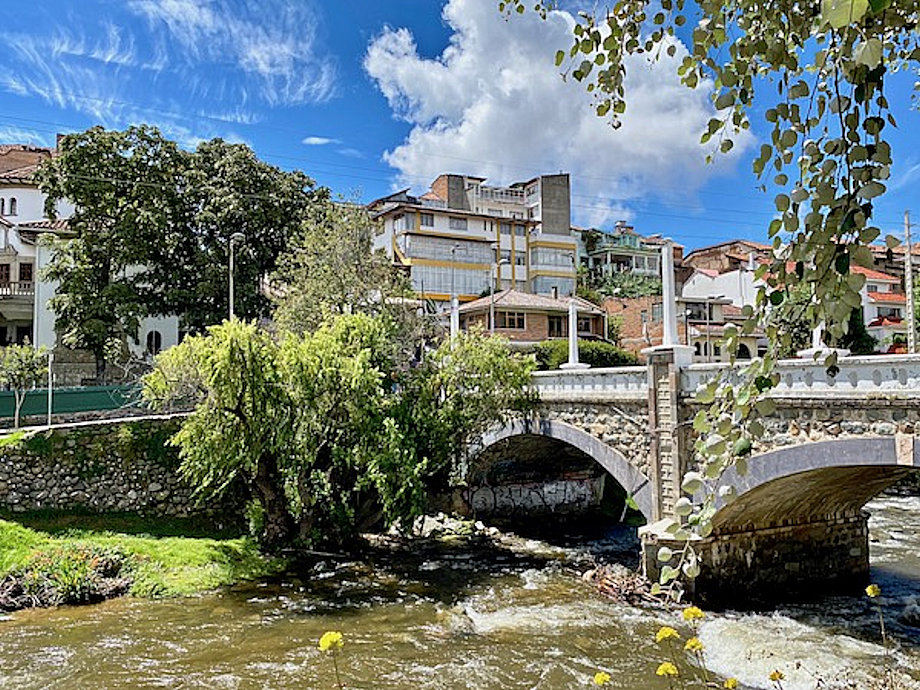
This post is the honest 2026 breakdown of what USD $150,000 actually buys, what it costs to close, and why the city continues to be the top pick for American retirees on a limited pension. I've cross-checked asking prices against Plusvalia Ecuador, pulled the pensioner visa (visa de jubilado) requirements from the Ministerio de Relaciones Exteriores, and sourced closing-cost line items from the Registry of Property of Cuenca. For the broader picture, pair this with our cost of living in Ecuador post and our moving to Ecuador guide.
Why Cuenca, Specifically
Ecuador has other expat hubs (Quito, Vilcabamba, Salinas, Cotacachi), but Cuenca is the one that anchors the American retirement conversation. The reasons are specific:
- Altitude (2,560 m / 8,400 ft) gives Cuenca a mild, spring-like climate year-round. Highs 18-22C, lows 8-12C, no air conditioning ever required, no heating beyond a light sweater. This is among the most pleasant climates in the Americas for retirees with cardiopulmonary issues who need to avoid both extreme heat and humidity.
- Walkable UNESCO-listed colonial center with low crime relative to Ecuador's coastal cities and to most of Colombia. Numbeo's Cuenca safety index is notably better than Quito or Guayaquil.
- Established American community: 8,000-12,000 Americans live in and around Cuenca per informal estimates, supporting English-language medical practices, expat Facebook groups, and the Gringo Tree newsletter and CuencaHighLife English-language news sites.
- US dollar as official currency: Ecuador dollarized in 2000. Your rent, groceries, and property prices are quoted in the same currency your pension is paid in. This removes 90 percent of the financial planning headache that Mexico, Colombia, or Thailand imposes.
- Cheap medical care: A GP visit runs USD $25-$40, a specialist consult USD $40-$80, a hospital-bed night USD $60-$120. Hospital del Rio, Monte Sinai, and Santa Ines are the three most-cited private hospitals for expat care.
The tradeoff: Cuenca is not cosmopolitan Lisbon or CDMX. It is a mid-sized colonial city with limited English, a slow service culture, and cultural norms that take adjustment. r/Ecuador and r/IWantOut have honest threads on what the first 12 months feel like.
What USD $150,000 Buys in 2026
Cuenca is divided roughly into the historic center (Centro Historico), the modern east (Zona Rosa, Totoracocha), the north (Gringolandia / Avenida Ordonez Lasso), and the south/west residential neighborhoods.

Centro Historico (UNESCO zone):
- Renovated colonial apartment, 80-120 sqm: USD $120,000 to $220,000
- Unrenovated colonial apartment requiring work: USD $70,000 to $130,000
- Heritage townhouse (casa patrimonial, 150-250 sqm): USD $200,000 to $450,000
Gringolandia / Avenida Ordonez Lasso (the expat corridor):
- Modern 2-bed condo, 75-110 sqm: USD $95,000 to $170,000
- Modern 3-bed condo, 120-160 sqm: USD $140,000 to $230,000
El Ejido / Puertas del Sol / Totoracocha:
- 2-bed condos in newer buildings: USD $85,000 to $150,000
- Detached houses in middle-class neighborhoods: USD $140,000 to $250,000
Outer parishes (Challuabamba, Ricaurte, San Joaquin):
- Detached houses with land: USD $130,000 to $300,000
- Car required; less walkable to city
For USD $150,000 specifically, the sweet spot is a modern 2-bedroom condo in the Gringolandia corridor or a renovated 80-90 sqm colonial apartment in the historic center. Both options give you walkable access to markets, hospitals, and restaurants.
Cuenca has seen only modest price appreciation (5-15 percent cumulative since 2019), much less than the 40-70 percent moves in Playa del Carmen or Lisbon. The expat population has plateaued since 2020 rather than grown, and the local Cuencano market has not run. CuencaHighLife real estate coverage tracks this in more detail.
Closing Costs in Ecuador
Ecuador's closing cost stack is among the lowest in Latin America. The total is typically 4 to 6 percent of purchase price, well below Mexico, Colombia, or Panama.
Alcabala (municipal transfer tax): 1 percent of declared value, paid to the Municipio de Cuenca. On a USD $150,000 purchase that is USD $1,500.
Plusvalia tax (capital gains on seller side, but sometimes negotiated): Technically a seller tax but occasionally pushed onto the buyer in hot markets. Not usually a factor in Cuenca.
Notario publico fees: 0.5 to 1.0 percent, typically around USD $1,000 to $1,500 on a USD $150,000 transaction.
Registro de la Propiedad: 0.2 to 0.4 percent, approximately USD $400 to $600.
Lawyer fees: USD $600 to $1,500 flat. Strongly recommended even though the notary is nominally neutral. English-speaking Cuenca firms include Gringo Post directory listings, and firms like Ecuador Law Group operate across the country. A good lawyer is USD $1,000 well spent.
Avaluo (appraisal): USD $200 to $400, usually required by the notario for the deed.
Certificates (no liens, no tax arrears, etc.): USD $150 to $300.
Wire transfer: Use Wise. Ecuador's dollarization means you are wiring USD to USD, but your US bank will still try to ding you fees. Wise sidesteps this for USD $20-$50 total.
Total closing costs on a USD $150,000 purchase: approximately USD $4,500 to $6,500, or 3.0 to 4.3 percent of purchase price.
That is dramatically lower than Mexico or Spain. The reason Ecuador is cheap on closings is that the cadastral values used for tax calculation are often absurdly low (sometimes 30 percent of market), which keeps the percentage-based transfer taxes modest.

The Pensioner Visa (Visa de Jubilado)
Ecuador offers one of the most generous pensioner visa programs in the Americas, and the income threshold is low enough that a modest Social Security check qualifies.
Current 2026 Visa de Jubilado requirements (based on the Ministerio de Relaciones Exteriores):
- Minimum guaranteed monthly pension income of USD $1,410 per month for the principal applicant (pegged to the unified basic wage, which adjusts annually). One dependent adds approximately USD $250 per month to the threshold, and each additional dependent another USD $250.
- The pension must be for life, paid by a government or private source, and documented with an official letter.
- Clean criminal background check (FBI apostilled).
- Ecuadorian consular interview and medical visa in origin country, then final residency conversion in Ecuador.
What the pensioner visa gets you:
- Temporary residency (2 years), convertible to permanent residency after 21 months of residency in Ecuador.
- No income tax on foreign pension income under current law (foreign-source pension income is generally exempt from Ecuadorian IRPF for pensioners under the visa).
- Access to IESS (Ecuadorian social security health system) for roughly USD $80-$120 per month on voluntary enrollment.
- Visa fees: approximately USD $500 per person for the application, plus USD $150 for the residency card.
The overall cost of visa processing: USD $1,500 to $3,000 per person when you include document apostilles, translations, medical exams, consular fees, and a specialized immigration attorney in Ecuador (USD $600-$1,500).
For current official details, the Cancilleria's visa page and the US Embassy in Quito moving-to-Ecuador resources are the definitive sources. Recent threads on r/IWantOut and International Living's Ecuador forum detail current processing times (typically 2-4 months).
Annual Carrying Costs: Absurdly Low
Cuenca's annual carrying costs are among the lowest for any city an American would willingly live in.
Predial (annual property tax): Typically 0.25 to 0.5 per mil on the cadastral value (not percent - per mil). For a USD $150,000 apartment the cadastral value might be USD $75,000 and the annual tax USD $80 to $220 per year. Pay early in the year for a discount. The Municipio de Cuenca's online portal handles payments.
Condo fees (alicuota): USD $30 to $90 per month for a typical Gringolandia or Centro Historico building. Luxury buildings with pool or gym push USD $120-$200.
Home insurance: USD $150-$300 per year. Not mandatory if you own outright; cheap enough to carry.
Utilities: Electricity (subsidized), water (very cheap), gas (bottled), and internet. Total monthly: USD $50 to $100 for a 2-bed apartment. The climate means zero air conditioning and minimal heating, which keeps utility bills shockingly low.
Private health insurance (Blue Cross of Ecuador, Saludsa, or international plans): USD $80 to $250 per month per person depending on age and coverage. Many retirees pair a catastrophic international policy (USD $100-$200/month) with out-of-pocket pay for routine care (USD $25 GP visits).
Maid and garden: Optional, but a part-time housekeeper runs USD $15-$25 per day in Cuenca, and full-time USD $350-$500 per month. This is life-changing for retirees and the budget absorbs it easily.
Total annual carry for a USD $150,000 Cuenca condo plus healthy-retiree lifestyle: approximately USD $2,500 to $5,000 per year in pure housing costs, plus USD $1,200-$3,000 in insurance. Roughly USD $3,700 to $8,000 per year all in.
For reference, a USD $1,500 per month pensioner can live comfortably in Cuenca with USD $400-$600 per month left over after all housing, food, transport, and entertainment costs. See International Living's annual Cuenca cost breakdown and Numbeo Cuenca.
The Full Worked Example: USD 135,000 Gringolandia Condo
A realistic 2026 scenario: a 90 sqm, 2-bedroom, 2-bathroom condo in a 10-year-old building on Avenida Ordonez Lasso, purchased for USD $135,000 with cash by a retired American couple on the Visa de Jubilado.
Pre-move:
- Visa de Jubilado for two applicants: USD $3,000 total
- Scout trip: USD $2,500-$4,000
- Document apostilles, translations, background checks: USD $500
Offer to closing:
- Lawyer retainer: USD $800
- Deposit (typically 10 percent, held by notary): USD $13,500 (capital)
Closing day:
- Alcabala (1 percent): USD $1,350
- Notario fees: USD $1,100
- Registro de la Propiedad: USD $450
- Avaluo: USD $300
- Certificates: USD $200
- Lawyer final: USD $500
- Wire/FX: USD $50
Post-closing first 90 days:
- First condo fee installment: USD $180
- Predial prorated: USD $40
- Utility deposits: USD $80
- Furnishings (modest): USD $3,000-$6,000
- Private health insurance setup: USD $300-$500
Grand total closing-all-in (excluding furnishings and visa):
Approximately USD $4,600 to $5,100, or 3.4 to 3.8 percent of purchase price. Adding in the visa work and scout trip, the all-in cost from a first visit to a furnished apartment is roughly USD $145,000 to $151,000.
The Traps Americans Walk Into
Cuenca is an easier city to buy in than most, but there are specific failure modes.
1. Buying a heritage building without the permit plan. Centro Historico is UNESCO-protected. Interior renovations require permits that can take 6-12 months. Exterior changes are essentially forbidden. Your lawyer should pull the heritage status (declaratoria de patrimonio) before you offer.
2. Relying on rental income. Cuenca has a very soft short-term rental market (it is not a vacation destination) and long-term rentals from American-owned units to Cuencano tenants yield 3-5 percent gross, often less after management and vacancy. Buy to live, not as a rental play.
3. Health insurance assumptions at age 70+. Ecuador's private international health plans become significantly more expensive above age 70 and some insurers cap new enrollments at 74 or 75. If you are over 65 planning to buy, confirm insurability before purchase. IESS voluntary affiliation is the backstop and covers hospital care broadly.
4. Earthquake exposure. Ecuador is seismically active. The 2016 Manabi coastal earthquake killed 670+ people. Cuenca is in the highlands and at lower acute risk, but insurance policies should include earthquake coverage and you should ask your lawyer for the building's construction-year seismic code.
5. Water and altitude issues. Cuenca's 2,560 m altitude is genuinely hard on some older adults with cardiovascular conditions. Spend 2-3 weeks there before buying to confirm you tolerate it. r/Ecuador altitude threads have relevant anecdotes.
6. Currency-illusion trap. Because Ecuador uses the USD, Americans underestimate inflation. Ecuadorian consumer-price inflation has been 3-6 percent in recent years, and Cuenca rents have risen faster than that in Gringolandia. Your purchasing power in USD terms will erode slowly even though the exchange rate is frozen at 1:1.
Should You Actually Retire to Cuenca?
Cuenca is a strong buy for a specific profile and the single best value on the entire American retirement map for buyers with pensions under USD $3,000 per month.
Buy in Cuenca if:
- You have a guaranteed monthly pension of USD $1,400+ (for the Visa de Jubilado)
- You tolerate altitude and prefer a cool, temperate climate
- You are committed to a lower-cost, slower-paced retirement and do not need big-city amenities
- You can handle limited English and are willing to learn conversational Spanish
- You plan to spend at least 8 months per year there (for visa residency requirements and to amortize closing)
Skip Cuenca if:
- You want beach access or tropical climate
- You are still working remotely and depend on fast internet and a large tech community
- You cannot tolerate altitude
- You want a meaningfully appreciating real estate asset (Cuenca is a buy-to-live market, not an investment market)
Alternatives in Ecuador: Coastal Salinas and Olon offer similar climates without the altitude. Vilcabamba in the south is cheaper still but more isolated. Cotacachi (north of Quito) is a smaller version of Cuenca. All are worth scouting on the same trip.
The sequencing: apply for the Visa de Jubilado before you buy (it takes 2-4 months), scout Cuenca for 30+ days in the neighborhood you are considering, hire a local lawyer before you offer, and use Wise for the wire. For the broader Ecuadorian context, our moving to Ecuador guide and cost of living in Ecuador are the next reads. For live Cuenca inventory, see our Cuenca city page.
Ready to explore?
Browse Destinations