The Complete Guide to Moving to Australia as an American
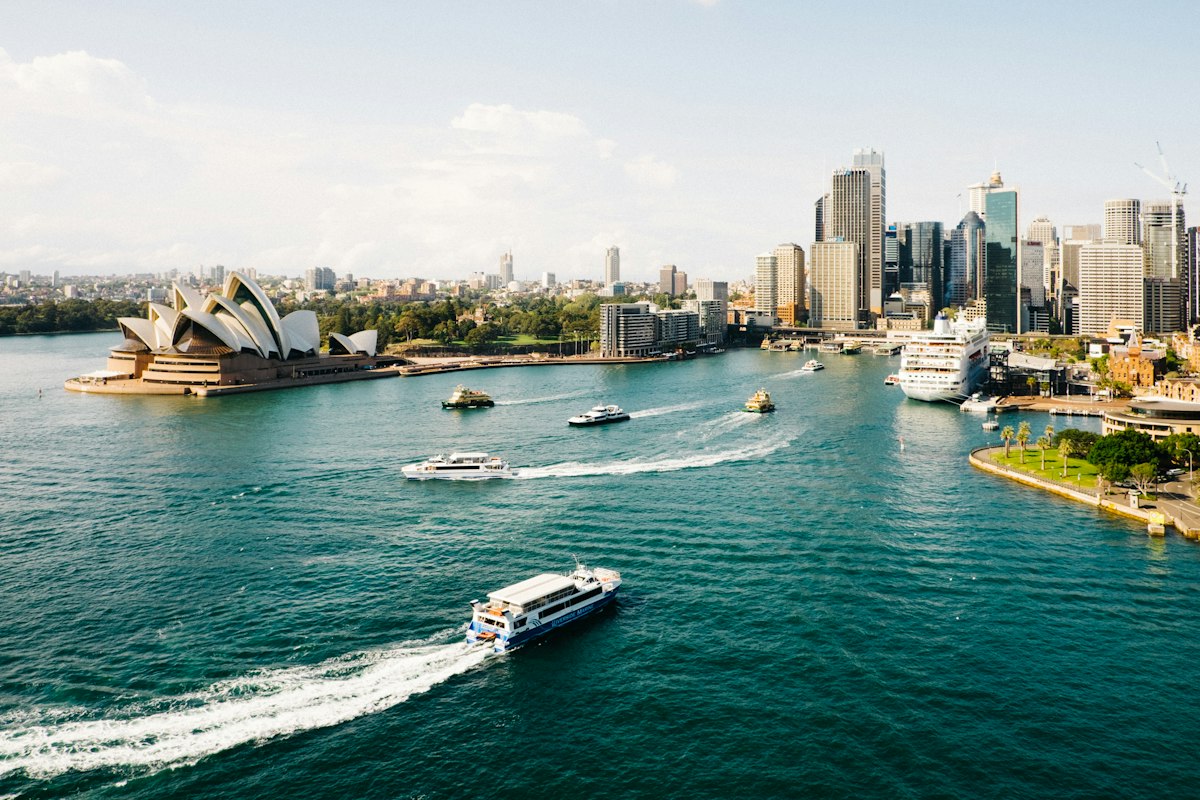
Australia is the dream that sells itself. Beaches, sunshine, barbecues, kangaroos, and people who seem genetically incapable of stress. The quality of life consistently ranks among the world's highest. The minimum wage is $15 USD per hour. The healthcare system works. The coffee is better than anything in America, and Australians will tell you this within three minutes of meeting them. They're right. Then you look at the map and reality sets in. Australia is a 20-hour flight from the East Coast. Christmas is in summer. A house in Sydney costs more than a house in San Francisco. And the immigration system — while merit-based and theoretically meritocratic — is one of the most complex and competitive in the world. Getting a permanent visa requires navigating occupation lists, points tests, state nominations, and processing times that stretch into years. But Americans who make the move almost universally say the same thing: they wish they'd done it sooner. The outdoor lifestyle, the work-life balance, the safety, and the sheer livability of Australian cities create a quality of life that's hard to replicate anywhere else. This guide covers how to actually get there, what it really costs, and the things the tourism ads don't mention. For a broader look at your options, start with our [top 20 expat destinations](/blog/top-20-countries). The [US Embassy in Canberra](https://au.usembassy.gov/) handles citizen services for Americans in Australia. [r/australia](https://www.reddit.com/r/australia/) and [r/IWantOut](https://www.reddit.com/r/IWantOut/) are active communities worth reading before you commit.
Visa Options for Americans
Australia's immigration system is points-based, skills-focused, and — let's be honest — bureaucratic. The Department of Home Affairs manages everything through an online system called ImmiAccount. Processing times are long and unpredictable. Patience is mandatory.
Subclass 189 — Skilled Independent Visa The holy grail. Permanent residency without needing an employer or state sponsor. You submit an Expression of Interest (EOI) through SkillSelect, and if your points score is high enough, you receive an invitation to apply. Points are awarded for:
- Age (25-32 gets maximum 30 points; decreases above and below)
- English proficiency (Superior English: 20 points — most Americans score this)
- Occupation on the Medium and Long-term Strategic Skills List (MLTSSL)
- Work experience (15 points for 8+ years in your nominated occupation)
- Education (20 points for PhD, 15 for bachelor's)
Your occupation must be on the MLTSSL — this list includes software engineers, accountants, nurses, civil engineers, teachers, chefs, and about 200 other occupations. If your job isn't on the list, this visa isn't available. Current competitive scores: 65-85 points depending on occupation. Software engineers and healthcare workers tend to receive invitations faster.
Cost: AUD $4,640 (~$3,000 USD) for the primary applicant. Skills assessment: $300-$1,200 depending on assessing authority. Processing time: 6-18 months after invitation.
Subclass 190 — Skilled Nominated Visa Same as 189 but with state/territory nomination, which adds 5 points to your score and requires you to live in the nominating state for 2 years. Each state publishes its own nomination occupation list and criteria. This is often easier than 189 because the points threshold is lower. States like South Australia, Tasmania, and the Northern Territory actively recruit skilled migrants and have broader occupation lists.
Cost: Same as 189. Plus state nomination fees of $0-$500 depending on the state.
Subclass 491 — Skilled Work Regional (Provisional) For people willing to live in regional Australia (anywhere outside Sydney, Melbourne, and Brisbane metropolitan areas). 5-year provisional visa, converts to permanent after 3 years of living and working in a regional area. Lower points threshold. If you're open to places like Adelaide, Hobart, Cairns, or the Gold Coast, this is a strong pathway. Don't dismiss regional Australia — some of the best lifestyle cities in the country are classified as "regional" for immigration purposes.
Subclass 482 — Temporary Skill Shortage (TSS) Visa Employer-sponsored. Your Australian employer nominates you for a position they can't fill locally. Two streams: Short-term (2 years, limited renewal) and Medium-term (4 years, leads to permanent residency). The employer handles most of the paperwork, but they must prove they conducted labor market testing (advertised the job domestically). Cost: AUD $1,455-$2,645 ($950-$1,700). Processing: 1-6 months.
This is the most common route for Americans — a company hires you and sponsors the visa. Tech companies, mining firms, healthcare providers, and universities are the biggest sponsors.
Subclass 417 — Working Holiday Visa For Americans aged 18-30 (not 31 — the cutoff is strict). Lets you live and work in Australia for 1 year, extendable to 2 or 3 years if you do 88 days of specified work in regional areas (farm work, construction, tourism in regional areas). Cost: AUD $640 ($415). No points test, no skills assessment. You can work for any employer, but no more than 6 months with the same one.
This is the backdoor. Thousands of Americans have used the Working Holiday visa to experience Australia, network, and transition to employer sponsorship. If you're under 31, seriously consider this route even if you're highly skilled — it's the easiest way in.
Subclass 500 — Student Visa Enroll in an Australian institution. Work up to 48 hours per fortnight during term (recently increased from 40). Australian university tuition for international students: AUD $25,000-$50,000/year ($16,000-$32,000). After graduating, you can apply for the Subclass 485 (Temporary Graduate Visa) — 2-4 years of post-study work rights.
Partner Visa (Subclass 820/801) If your partner is an Australian citizen or permanent resident. Expensive: AUD $8,850 ($5,750) and processing takes 12-24 months for the provisional visa. Grants permanent residency after the relationship is assessed as genuine.
Apply through ImmiAccount on the Department of Home Affairs website. The SkillSelect portal is where you submit your Expression of Interest and track your invitation score. Skills assessments through bodies like ACS (IT), Engineers Australia, VETASSESS (general), or AHPRA (health).
For investment-based alternatives in other countries, see our golden visa programs guide.
Banking and Money
Australian banking is modern, well-regulated, and refreshingly straightforward compared to the US. The Big Four — Commonwealth Bank (CBA), Westpac, NAB, and ANZ — dominate, but digital options are excellent.
Opening an Account This is one area where Australia makes things easy. You can open an account with CBA, Westpac, or NAB before you arrive using their online applications for incoming migrants. You'll need your passport and visa details. The account is ready when you land — just visit a branch with your passport to activate the card. Do this. Having a working bank account on day one is invaluable.
If you're already in Australia, any Big Four bank will open an account with your passport and one other form of ID within 30 minutes. No proof of address required in the first 6 weeks.
Standard transaction accounts are free — no monthly fees at most banks for basic accounts.
Digital Banks Up Bank (backed by Bendigo Bank) and ING Australia offer fee-free accounts with excellent apps. Up is particularly popular with younger Australians for its budgeting features. Revolut operates in Australia and works well for multi-currency needs.
Moving Money Wise is the standard for USD-AUD transfers. Fees: 0.4-0.6% with mid-market rates. For large sums (property deposits), consider OFX or WorldFirst — they offer better rates on transfers above $10,000. Never use a traditional bank wire for currency conversion. On a $200,000 transfer, the exchange rate markup alone could cost $4,000-$8,000 through a bank vs. $800-$1,200 through Wise or OFX.
The Australian dollar (AUD) has historically traded between $0.60-$0.80 USD. As of 2026, it sits around $0.65. This means Australian prices look more expensive than they feel — AUD $100 is only about USD $65. Always do the conversion before panicking at prices.
Superannuation (Super) This is Australia's compulsory retirement savings system and it will affect you immediately. Your employer must contribute 11.5% of your salary (rising to 12% by July 2027) into a superannuation fund. You choose the fund — AustralianSuper, Sunsuper, and Hostplus are among the largest and best-performing. This money is locked until retirement (preservation age: 60), but if you permanently leave Australia, you can claim your super back (minus tax — typically 35-65% withholding for temporary residents).
Important: super contributions are on top of your salary, not deducted from it. If your contract says AUD $100,000, you get $100,000 plus $11,500 in super.
Tax Australian income tax for residents: 0% on the first AUD $18,200, 19% on $18,201-$45,000, 32.5% on $45,001-$120,000, 37% on $120,001-$180,000, and 45% above $180,000. Plus the Medicare levy of 2% on all taxable income.
The Australian tax year runs July 1 to June 30. The ATO (Australian Taxation Office) is where you'll file returns and manage your tax file number (TFN). Tax returns are filed through myGov (the government's online portal) and are relatively painless — most information is pre-filled by employers and banks.
As an American, you still file with the IRS. The US-Australia tax treaty and the FEIE (up to $126,500 excluded) prevent double taxation in most cases. Super contributions are treated as foreign pension income by the IRS — this area is complex and a cross-border tax advisor is strongly recommended. Budget $500-$2,000/year for US+AU tax preparation. See our FEIE guide for details.
Healthcare: Medicare and the Public-Private Split
Australia's healthcare system is excellent and, for residents, remarkably affordable. Medicare's official site explains enrollment and what's covered. It's a two-tier system: Medicare (public) handles the basics, and private insurance fills the gaps.
Medicare All Australian permanent residents and certain visa holders are covered by Medicare. If you're on a subclass 482 visa from the US, you're covered by the US-Australia Reciprocal Healthcare Agreement — this gives you basic Medicare access from day one. Students on subclass 500 visas need Overseas Student Health Cover (OSHC) instead.
Medicare covers:
- GP visits (bulk-billed — completely free at participating clinics, or a small gap fee of AUD $20-$50 at non-bulk-billing GPs)
- Public hospital treatment (free — including emergency, surgery, and specialist care as a public patient)
- Most pathology and diagnostic imaging
- Prescription medications under the Pharmaceutical Benefits Scheme (PBS) — subsidized to a maximum of AUD $31.60 ($20.50) per script, or AUD $7.70 ($5) for concession card holders
Medicare doesn't cover:
- Dental (this is the big gap — a checkup and clean: AUD $200-$350 / $130-$225)
- Ambulance (varies by state — free in Queensland and Tasmania, AUD $400-$1,200 per trip elsewhere without insurance)
- Optical (eye tests: AUD $50-$80, glasses not covered)
- Private hospital rooms and choice of surgeon
- Physiotherapy, chiropractic, and allied health beyond limited Medicare rebates
Private Health Insurance About 43% of Australians have private cover. The main reasons: choice of hospital and doctor, shorter wait times for elective surgery, and coverage for dental, optical, and extras. Major insurers: Medibank, Bupa, HCF, NIB.
Costs:
- Hospital-only cover: AUD $100-$200/month ($65-$130)
- Hospital + extras (dental, optical, physio): AUD $200-$400/month ($130-$260)
- Top-level combined cover: AUD $350-$550/month ($225-$360)
The Lifetime Health Cover (LHC) Loading: If you don't take out private hospital cover by age 31, you'll pay a 2% loading for every year past 31 when you eventually do. So if you get private cover at 40, you pay 18% more (2% x 9 years) for the rest of your life. This loading is designed to get young people into the system early. Americans arriving after 31 have a 12-month grace period from when they first become eligible for Medicare.
Wait Times (Public System) This is the honest part. Public system wait times for elective surgery: median 40 days, but can be 6-18 months for non-urgent procedures like knee replacements or cataract surgery. Emergency care is fast — genuinely life-threatening cases are treated immediately. GP appointments: same day to 3 days at bulk-billing clinics. Specialist referrals: 2-8 weeks through the public system.
Compared to the US The comparison is stark. Total out-of-pocket healthcare spending for a typical Australian: $1,000-$4,000/year (including private insurance and dental). For a typical American: $7,000-$15,000/year. A 3-day hospital stay in Australia as a public patient: $0. In the US: $10,000-$50,000+. The quality for acute and emergency care is comparable. Wait times for elective procedures are longer. The financial peace of mind is transformative.
Read our health insurance abroad guide for a cross-country comparison.
Where to Live
Australia is enormous — the same size as the contiguous United States — but 90% of the population lives within 50 kilometers of the coast, concentrated in just five or six cities. Each has a distinct personality.
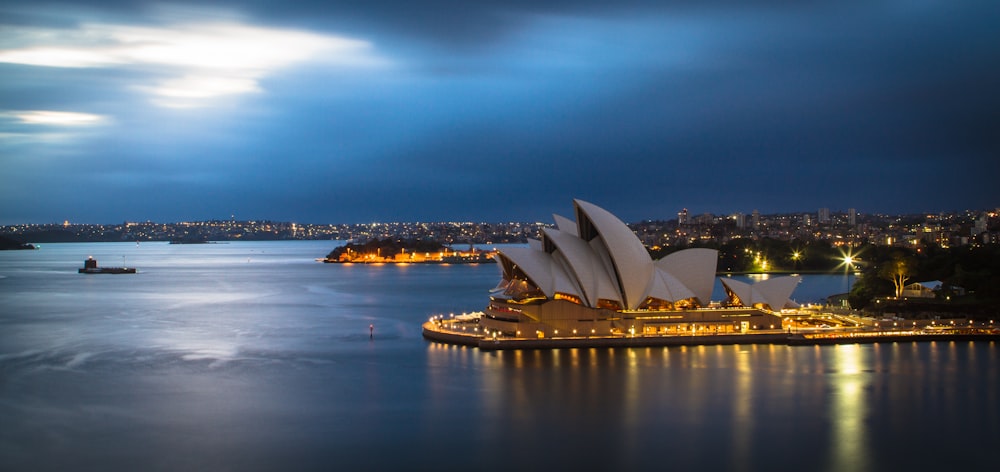
Sydney The big one. Harbour Bridge, Opera House, Bondi Beach. Australia's financial and cultural capital. World-class dining, spectacular natural beauty (harbor, coastline, national parks), and an energy that feels like a cross between San Francisco and Miami. Also the most expensive city in Australia and one of the most expensive in the world.
Rent: $2,000-$3,000/month for a 1-bedroom in desirable areas (Surry Hills, Newtown, Manly, Bondi). $1,400-$2,000 in middle-ring suburbs (Marrickville, Ashfield, Chatswood). Median house price: AUD $1.4 million ($910,000).
Best areas for Americans: Surry Hills (walkable, restaurants, bars — the closest thing to Brooklyn), Manly (beach lifestyle, ferry commute to the CBD, family-friendly), Newtown (diverse, independent, Thai restaurants every 10 meters), Mosman (harbor views, quiet, excellent schools).
Pros: Natural beauty is unreal. Career opportunities in finance, tech, and media. Cultural diversity. Cons: Traffic is terrible. Housing costs are crushing. The city sprawls endlessly.
Melbourne Sydney's rival and, according to Melburnians, the superior city. Australia's cultural capital — coffee, food, street art, live music, Australian Rules Football, and a creative energy that pervades everything. The weather is famously unpredictable ("four seasons in one day"). Slightly cheaper than Sydney.
Rent: $1,600-$2,400/month for a 1-bedroom in inner suburbs. $1,100-$1,600 in middle suburbs. Median house price: AUD $1.0 million ($650,000).
Best areas: Fitzroy (the original hipster suburb — bars, vintage, street art), St Kilda (beachside, backpacker history, eclectic), Carlton (Little Italy, university area, leafy), Brunswick (multicultural, music venues, Sydney Road is an experience).
Pros: Best food city in Australia. Exceptional arts and music scene. Tram network. Cons: Weather is genuinely bad sometimes. Flat landscape lacks Sydney's drama. City sprawl.
Brisbane Australia's fastest-growing city, boosted by the 2032 Olympics. Subtropical climate (warm year-round), a rapidly modernizing riverfront (South Bank), and prices that make Sydney and Melbourne look absurd. Strong job market in tech, education, and construction.
Rent: $1,200-$1,800/month for a 1-bedroom. Median house price: AUD $780,000 ($507,000).
Best areas: West End (artsy, multicultural, riverside markets), New Farm (upscale, walkable, powerhouse arts precinct), Paddington (Queenslander homes, boutiques, hilltop views).
Pros: Affordable (for a capital city). Sunshine. Growing fast. Olympics investment. Cons: Summers are brutally humid (35°C/95°F with 80% humidity). Smaller cultural scene than Sydney/Melbourne. Can feel like a big country town.
Perth The most isolated major city on Earth — closer to Singapore than to Sydney. This isolation creates a unique, laid-back culture. Stunning beaches (Cottesloe, Scarborough), a booming mining sector that pays extraordinary salaries, and the Indian Ocean sunsets are something else.
Rent: $1,400-$2,000/month for a 1-bedroom. Median house price: AUD $700,000 ($455,000).
Pros: Beaches, climate, mining salaries, sense of space. Cons: Isolated. Flights to the East Coast: 4-5 hours. Flights home to the US: 20+ hours via another hub. The "tyranny of distance" is real.
Adelaide Australia's most affordable capital and a genuine sleeper pick. Wine regions (Barossa Valley, McLaren Vale) are 45 minutes away. The festival scene is world-class (Adelaide Fringe is the second-largest arts festival in the world after Edinburgh). Mediterranean climate. Classified as "regional" for immigration purposes, which helps with visa points.
Rent: $1,000-$1,500/month for a 1-bedroom. Median house price: AUD $680,000 ($442,000).
Pros: Affordable, wine, food, festivals, manageable size, easy visa pathway. Cons: Smaller job market. Can feel quiet compared to Sydney/Melbourne. "Radelaide" nickname exists for a reason.
Hobart (Tasmania) Australia's smallest capital has transformed from a sleepy backwater into a cultural destination, largely thanks to MONA (Museum of Old and New Art). Dramatic landscapes, fresh produce, four distinct seasons (rare in Australia), and the most affordable housing of any capital. Also classified as regional for immigration.
Rent: $900-$1,300/month for a 1-bedroom.
Safety
Australia is very safe. The homicide rate is 0.8 per 100,000 — about eight times lower than the US. Gun control was implemented after the 1996 Port Arthur massacre and has been remarkably effective — gun deaths have dropped by more than 50% since then.
What You'll Actually Encounter
- Sun: This isn't a joke. Australia has the highest rate of skin cancer in the world. UV radiation is intense, especially in summer. Wear sunscreen (SPF 50+), a hat, and sunglasses every day. Americans consistently underestimate Australian sun — you can burn in 15 minutes on a December afternoon.
- Wildlife: The "everything in Australia wants to kill you" meme is exaggerated but not baseless. Spiders (redback, funnel-web) are present but bites are rare and antivenom exists — no spider death since 1979. Snakes (eastern brown, tiger snake) — watch where you step in bush areas. Sharks — statistically irrelevant but psychologically present. Jellyfish (box jellyfish, irukandji) — a real concern in tropical waters from November to May. Saltwater crocodiles in northern Australia — obey the signs.
- Petty crime: Low. Car break-ins in some areas. Alcohol-fueled weekend violence in entertainment districts exists but is concentrated.
- Road safety: Australians drive on the left. Road fatality rate: 4.5 per 100,000 — better than the US (12.9) but higher than Western Europe. Country roads are the main danger — long, straight, and fatigue-inducing.
Compared to the US The personal safety improvement is dramatic. Mass shootings don't happen. Home invasions are rare. Walking at night in any Australian city feels safe. The cultural relationship with violence is more like Europe than America — it's simply not a part of daily consciousness.
The main adjustment is the natural environment. Australia genuinely has more dangerous wildlife than anywhere most Americans have lived. The practical risk is low if you exercise basic awareness, but it requires a mental recalibration — check your shoes before putting them on if they've been outside overnight.
Cost of Living: Three Budget Tiers
All figures monthly in USD, for a single person. Numbeo's Australia cost-of-living data tracks city-by-city expenses for Sydney, Melbourne, Brisbane, and Perth. Sydney figures in parentheses where significantly different. Remember: AUD prices look 35-40% higher than their USD equivalent.
Budget Tier: $2,400-$3,200/month ($3,200-$4,200 in Sydney) Careful spending, smaller apartment, cooking at home, using public transport.
- Rent (1BR, middle suburbs or shared house): $1,000-$1,500 (Sydney: $1,500-$2,200)
- Groceries (Aldi, Woolworths home brands): $300-$400
- Utilities (electricity is expensive in Australia): $120-$200
- Transport (Opal/Myki monthly, depending on city): $80-$130
- Mobile phone (Aldi Mobile, Boost, Belong): $15-$25
- Internet (TPG, Aussie Broadband NBN): $45-$65
- Health (Medicare levy is through tax; add private extras): $65-$130
- Eating out (2-3x/week, casual): $150-$250
- Entertainment: $80-$120
- Total: $1,855-$2,820 (Sydney: $2,355-$3,520)
Comfortable Tier: $3,800-$5,200/month ($4,800-$6,500 in Sydney) Nice apartment, regular restaurants, weekend trips, gym membership.
- Rent (1BR, good inner suburb): $1,500-$2,200 (Sydney: $2,200-$3,000)
- Groceries (Coles, Woolworths, farmers markets): $400-$550
- Utilities: $150-$250
- Transport (mix of transit and occasional Uber): $100-$200
- Phone + internet: $70-$90
- Private health insurance (hospital + extras): $130-$250
- Eating out (3-4x/week — a decent dinner for one: $35-$55): $400-$600
- Entertainment (gym $50-$80, concerts, cinema): $200-$300
- Weekend trips / domestic travel: $200-$400
- Total: $3,150-$4,840 (Sydney: $3,850-$5,640)
Luxury Tier: $7,000-$12,000+/month (Sydney/Melbourne) Harbor views, fine dining, weekends in Byron Bay.
- Rent (2BR, premium harbor/beachside): $3,500-$6,000
- Everything else: $3,500-$6,000
- Total: $7,000-$12,000+
Costs That Surprise Americans
- Electricity: Australia has some of the world's highest electricity prices. Budget AUD $200-$350/month ($130-$225) for a 1-bedroom. Air conditioning in summer is the main driver.
- Eating out: Restaurants are 30-50% more expensive than the US. A smashed avo toast: AUD $22 ($14). A pub meal: AUD $25-$35 ($16-$23). A decent dinner: AUD $50-$80 ($32-$52). The reason: no tipping culture and higher minimum wages mean the sticker price includes everything.
- Alcohol: Heavily taxed. A 6-pack of craft beer: AUD $22-$28 ($14-$18). A bottle of wine from a bottle shop: AUD $15-$30 ($10-$20). A pint at a pub: AUD $10-$15 ($6.50-$10).
- Childcare: AUD $100-$180/day ($65-$117) per child. Government subsidies help (Child Care Subsidy covers 50-90% depending on income), but the out-of-pocket cost is still significant.
- No tipping: Tipping is not expected in Australia. Prices include service. This isn't just cultural — the minimum wage is AUD $23.23/hour ($15), which makes tips unnecessary. Don't tip at restaurants, taxis, or bars. You'll confuse people.
For a global cost comparison, see our cheapest cities for American expats.
Buying Property in Australia
Americans can buy property in Australia, but with significant restrictions for non-residents. The Foreign Investment Review Board (FIRB) controls foreign purchases, and the rules depend on your visa status.
The Rules
- Permanent residents and Australian citizens: No restrictions. Buy whatever you want.
- Temporary visa holders (482, 417, 500, etc.): Can buy one established dwelling for use as your primary residence (not investment). FIRB approval required. FIRB application fee: AUD $14,100 ($9,165) for properties up to $1M, more for higher values. You must sell when you leave Australia or when your visa expires.
- Non-residents (no visa): Can only buy new dwellings or vacant land (to build on). Cannot buy established homes. FIRB approval required.
The FIRB rules are designed to prevent foreign investors from driving up prices on existing housing stock. They're enforced — penalties for violations include forced sale and fines of up to AUD $525,000 or 3 years imprisonment.
The Process
- FIRB approval: Apply before purchasing. Processing: 30-40 days. This is mandatory for all non-citizens.
- Pre-approval for a mortgage: Australian banks lend to temporary residents, typically requiring 20-30% deposit (vs. 10-20% for citizens). Interest rates: 5.5-7% (2026). The Big Four banks all offer expat mortgage products.
- Find a property: Domain.com.au and realestate.com.au are the main portals. Properties are sold via private treaty (negotiation), auction, or expressions of interest. Auctions are common in Sydney and Melbourne — they're public, dramatic, and unconditional (no cooling-off period).
- Engage a conveyancer or solicitor: AUD $1,000-$2,500 ($650-$1,625). They handle the contract, title search, and settlement.
- Building and pest inspection: AUD $400-$700 ($260-$455). Essential — Australian homes can have termite damage, structural issues, and asbestos (in pre-1990 buildings).
- Exchange contracts: In most states, you have a 5-day cooling-off period after signing (except at auction — auction purchases are unconditional). Deposit: typically 10%.
- Settlement: Usually 30-90 days after exchange.
Buying Costs
- Stamp duty: The big one. Varies by state. In NSW (Sydney): approximately 4-5.5% of purchase price. Victoria (Melbourne): 5.5% + foreign buyer surcharge of 8% (yes, 8% additional for non-citizens). Queensland: 3.5-4.5% + 8% foreign surcharge. Total stamp duty for a temporary resident buying a $500,000 property in Melbourne: roughly $67,500 (13.5%). This is not a typo — it's a deliberate deterrent.
- FIRB fee: $9,165 (properties up to $1M)
- Conveyancer/solicitor: $650-$1,625
- Inspection: $260-$455
- Mortgage costs: $300-$700 application fee
- Total closing costs: 7-16% depending on state and residency status. Foreign buyer surcharges make this dramatically more expensive than for citizens.
Market Overview (2026) Australian property has been on a relentless upward trajectory for decades, with occasional dips. National median house price: AUD $950,000 ($617,000). Sydney: AUD $1.4M ($910,000). Melbourne: AUD $1.0M ($650,000). Brisbane: AUD $780,000 ($507,000). Adelaide: AUD $680,000 ($442,000). Perth: AUD $700,000 ($455,000). Supply constraints (particularly in Sydney) and strong population growth support prices.
For a comparison of property markets across countries, see our median home prices analysis and property buying rules guide.
Practical Stuff: The Tyranny of Distance, Weather, and Australian Life
The Distance Problem This is the single biggest downside of living in Australia and the one that most expats underestimate. Los Angeles to Sydney: 15 hours (direct, if available). New York to Sydney: 20-22 hours with a stop. The cheapest round-trip flights to the US run $1,200-$1,800; reasonable itineraries cost $1,500-$2,500. You will not pop home for long weekends. Holiday visits require serious planning and jet lag recovery (3-5 days each way). Budget $3,000-$5,000/year per person for annual US visits.
The flip side: you're close to Asia. Bali: 6 hours. Tokyo: 9 hours. Singapore: 8 hours. Weekend trips to destinations that seemed impossibly far from the US become routine.
Weather Australia's climate varies enormously:
- Sydney: Mild, sunny. Summers 22-30°C (72-86°F), winters 10-18°C (50-64°F). Occasional heatwaves above 40°C. Pleasant year-round.
- Melbourne: Four seasons (plus unexpected ones). Cooler than Sydney, windier, more rain. Summer is beautiful; winter is gray and damp.
- Brisbane: Subtropical. Hot, humid summers (25-33°C / 77-91°F). Mild, dry winters. Thunderstorms are spectacular.
- Perth: Mediterranean. Hot, dry summers. Mild, wet winters. The most sunshine of any Australian capital.
- Adelaide: Similar to Perth but slightly cooler. Prone to extreme heat waves (45°C+ / 113°F+ happens).
Central heating is rare in Australian homes (except Melbourne/Hobart). Many houses are poorly insulated. Australian winters feel colder indoors than the temperature suggests. Reverse-cycle air conditioning (heat pump) is the standard solution.
Internet The NBN (National Broadband Network) has improved things dramatically, but Australian internet is still below global best. Average speed: 50-100 Mbps on NBN. Plans: AUD $70-$100/month ($45-$65) for 50-100 Mbps. Providers: Aussie Broadband (best customer service), TPG, Telstra (biggest network, highest prices). If you work remotely for US clients, test your connection quality — video calls to the US can be affected by the distance (latency: 150-250ms).
Phones Prepaid SIMs are cheap: AUD $20-$40/month ($13-$26) for generous data plans. Aldi Mobile, Boost (Telstra network), and Belong (Telstra) offer the best value. Telstra has the best coverage for regional travel. eSIM from Circles.Life or Felix if you want to set up before arriving.
Driving You can drive on your US license for 3-12 months depending on the state (NSW: 3 months, Victoria: 6 months, Queensland: 3 months). After that, exchange for an Australian license — most US licenses can be directly exchanged without a driving test (varies by state). Australia drives on the left. Distances between cities are vast — Sydney to Melbourne: 9 hours. Fuel: AUD $1.80-$2.20/liter ($4.40-$5.40/gallon).
Language English, obviously, but Australian slang is its own dialect. "Arvo" (afternoon), "brekkie" (breakfast), "servo" (gas station), "bottle-o" (liquor store), "Macca's" (McDonald's). Everything gets shortened and given an -o or -ie suffix. You'll adapt faster than you think. Australians are direct and casual — first names always, even in professional settings. Humor is dry and self-deprecating. Tall poppy syndrome is real: don't brag about your achievements.
Shipping A 20ft container from the US West Coast: $3,500-$6,000. East Coast: $4,500-$7,500. Transit time: 4-8 weeks. Australian customs are strict — no food, plant material, or animal products. Furniture and personal effects are generally duty-free if you're establishing residence. Full quarantine inspection is standard and can add 1-2 weeks and $500-$1,500 in fees.
Pets Australia has the strictest pet import rules in the world. Dogs and cats must undergo a minimum 10-day quarantine at the Mickleham Post Entry Quarantine Facility in Melbourne (the only entry point for pets). Before that: rabies vaccination, blood titer test (at least 180 days before arrival), microchip, internal and external parasite treatments, and an import permit. Total process: minimum 6 months of preparation. Cost: $3,000-$8,000 including quarantine, flights, vet visits, and permits. This is not optional or negotiable — Australia's biosecurity laws are absolute.
Work-Life Balance This is where Australia genuinely shines. The standard work week is 38 hours. Full-time employees get 4 weeks paid annual leave plus 10 public holidays and 10 days personal/sick leave. Many workplaces offer 9-day fortnights (every second Friday off). The cultural attitude toward work is healthier than in the US — leaving at 5 PM is normal, not a sign of laziness. Weekends are for barbecues, beaches, and sport. This adjustment alone makes many Americans never want to go back.
Before making the move, work through our pre-move checklist for Americans going abroad to cover the financial, tax, and logistical preparation that a move this far requires.
For community connections, InterNations Australia and ExpatFocus Australia host events in all major cities.
Ready to explore?
Browse Destinations