The Complete Guide to Moving to Italy as an American
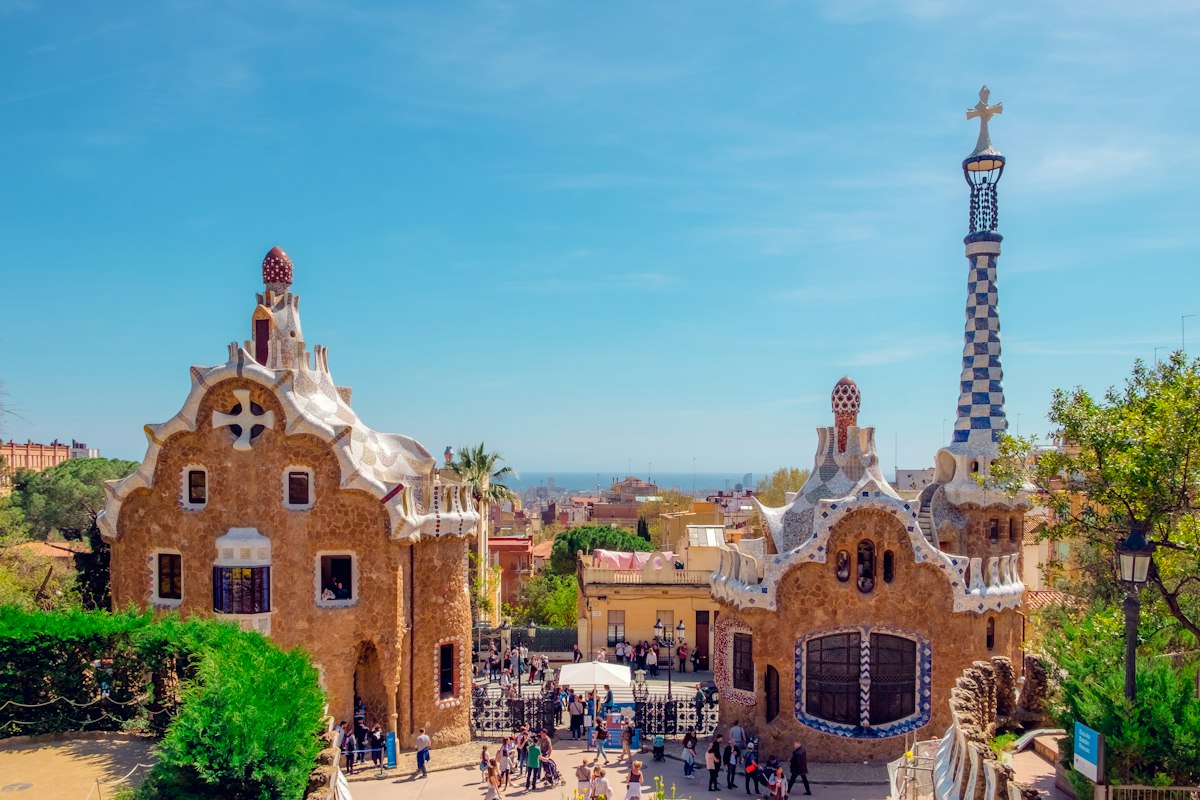
Italy does something to Americans that no amount of rational planning can prepare you for. You visit for two weeks, eat pasta that makes you angry at every Italian restaurant you've ever been to back home, stand in a piazza at golden hour while church bells ring, and suddenly you're Googling "how to move to Italy" on the flight home. It happens to thousands of Americans every year. Some of them actually do it. Some of those succeed. And some learn the hard way that Italy — for all its beauty, food, and sheer magnetism — is a profoundly complicated country to live in as a foreigner. The bureaucracy is Kafkaesque. The north-south economic divide is vast and real. Getting anything done requires patience that borders on spiritual practice. Your appointment at the questura will be rescheduled three times. Your internet installation will take a month. Your landlord will insist on being paid in cash. And through all of it, you'll eat the best food of your life, pay a fraction of what you'd pay in the US for healthcare, and wonder why you didn't do this sooner. Italy is a paradox, and the people who thrive here are the ones who learn to hold both truths at once. The [US Embassy in Rome](https://it.usembassy.gov/) handles American citizen services in Italy. The [r/italy](https://www.reddit.com/r/italy/) and [r/IWantOut](https://www.reddit.com/r/IWantOut/) communities have active threads from Americans who've made the move.
Visa Options for Americans
Italy's visa system is not designed for transparency. Information changes between consulates, requirements shift without warning, and the consulate in Miami may tell you something different from the one in San Francisco. Despite this, the paths are well-worn. Here's what works.
Elective Residency Visa (Visto per Residenza Elettiva) The primary visa for Americans who want to live in Italy without working there. Think retirees, people with investment income, and anyone who can prove they can support themselves without Italian employment. Requirements: proof of $35,000-40,000/year in passive income (the exact threshold varies by consulate — this is Italy), housing arranged in Italy (a lease or property ownership), comprehensive health insurance, and a clean criminal record. Valid for 1 year, renewable. You cannot work on this visa — not even remotely. Apply through the Italian Consulate in your US jurisdiction. Italy's official immigration portal is managed by the Polizia di Stato.
Self-Employment Visa (Lavoro Autonomo) For freelancers, consultants, and anyone who works for themselves. This is the visa for remote workers, though Italy hasn't explicitly created a "digital nomad visa" as of mid-2025. You'll need to demonstrate adequate financial resources (varies, but $20,000+ in savings plus projected income helps), register as self-employed in Italy (which means enrolling in Italy's Gestione Separata social security system and paying roughly 26% of income in contributions), and show professional qualifications. It's more complex than the Elective Residency route, but it lets you work.
Italy's Digital Nomad Visa (in development) Italy passed legislation in late 2024 authorizing a digital nomad/remote worker visa, but implementation has been slow. As of early 2026, some consulates are accepting applications under this framework, requiring proof of remote employment with a non-Italian company and annual income of at least €28,000 (~$30,500). The program is still finding its footing — check with your specific consulate for current status. See our digital nomad visas overview for the latest.
Student Visa Enroll in an Italian university or language school (minimum 20 hours/week). Allows part-time work up to 20 hours/week. Italian language schools start at $2,000-4,000/year. Popular first step for younger Americans.
Family Reunification Married to an Italian citizen or have Italian heritage? Family reunification is straightforward. Jure sanguinis (citizenship by descent) is available if you can prove an unbroken chain of Italian citizenship through your ancestors — many Italian-Americans qualify. This is a long process (1-3 years through Italian consulates, or 3-6 months if you apply from within Italy) but results in full Italian citizenship, not just residency.
The Codice Fiscale — Italy's NIE equivalent Your Italian tax identification number. You need it for everything — bank accounts, leases, utility contracts, healthcare enrollment, buying a SIM card. Get it from the Agenzia delle Entrate office or the Italian consulate before you arrive. It's free and takes 15 minutes if you go in person.
For the general pre-move checklist every American expat should follow, see our before moving abroad guide.
Banking and Money
Italian banking is a study in contradictions. The country has world-class fintech startups operating alongside banks that still require fax machines for certain transactions. You'll encounter both.
Opening a bank account: You need a codice fiscale, passport, proof of address in Italy (even a hotel booking can work initially), and your visa or permesso di soggiorno receipt. The most foreigner-friendly banks:
- Intesa Sanpaolo — Italy's largest bank. Some branches have English-speaking staff. Online banking works but is clunky. Expect the account opening to take 1-3 visits (seriously).
- UniCredit — second-largest. Slightly better digital experience. The "My Genius" account has reasonable fees (€4-7/month).
- Fineco — Italy's best online bank. Low fees, good app, international transfers built in. If you can manage the Italian-language application, this is the best option.
- Revolut / N26 — fully usable in Italy, open online without visiting a branch. Many expats use these as their primary accounts for the first year. N26 has a German IBAN, Revolut has a Lithuanian one — some Italian landlords and utility companies prefer an Italian IBAN.
The cash situation: Italy is more cash-dependent than Northern Europe. Many small businesses, trattorias, and markets prefer cash. Italy has a legal limit on cash transactions of €5,000 (previously €2,000, recently raised), but many payments are still cash-based under this threshold. ATMs (bancomat) are everywhere and typically charge $1.50-3 per withdrawal for foreign cards.
Moving money:
- Wise remains the best option for regular USD-to-EUR transfers. Fees of 0.4-0.7% on the mid-market rate.
- For property purchases, use a specialized FX broker (OFX, Currencies Direct) — on a $200,000 property, the exchange rate difference between Wise and your US bank could be $2,000-4,000.
Tax reality: Italy taxes residents on worldwide income at progressive rates from 23% to 43%. The flat tax regime for new residents (details on the Agenzia delle Entrate website) is a potential game-changer: if you haven't been an Italian tax resident in the prior two fiscal years, you can elect a flat €100,000/year tax on all foreign-source income (€25,000 for each additional family member). For high earners with significant US-source income, this can be extraordinary. But it only applies to income sourced outside Italy — Italian-source income is taxed normally. Consult a commercialista (Italian tax accountant, $1,000-3,000/year) before your first tax filing. The FEIE applies to US filing obligations as always.
Healthcare
Italy's healthcare system (Servizio Sanitario Nazionale, SSN) is universally ranked among the world's best — the WHO placed it 2nd globally in its landmark rankings, ahead of every other country except France. Life expectancy is 83.5 years. And the system is effectively free for residents.
How it works: Once you have a permesso di soggiorno (residence permit), you can register with the SSN (Servizio Sanitario Nazionale) at your local ASL (Azienda Sanitaria Locale) office. Registration gives you a tessera sanitaria (health card) and assigns you a medico di base (family doctor). From there:
- GP visits: free (no copay)
- Specialist visits: €36-70 copay (ticket sanitario), or free if referred by your GP for certain conditions
- Emergency room: free for urgent cases, €25 for non-urgent (white code) visits
- Hospital stays: free — including surgery, maternity, cancer treatment
- Prescriptions: €1-5 copay for most medications
You can also enroll voluntarily by paying approximately $400-500/year (7.5% of a defined minimum income) — this option is available to people on Elective Residency visas who aren't working.
Private healthcare: Many Italians and expats supplement SSN with private insurance for faster access and English-speaking doctors.
- UniSalute — Italy's largest supplementary health insurer. Plans from €30-80/month.
- Previmedical — good network of private clinics. €50-120/month.
- Allianz Care / Cigna Global — international plans for expats. €150-400/month with worldwide coverage.
The north-south divide in healthcare is real. Hospitals in Lombardy, Emilia-Romagna, Tuscany, and Veneto are world-class. Some facilities in Calabria, Sicily, and parts of Campania are underfunded and have longer wait times. This is one of Italy's most politically sensitive topics, and it directly affects where you should consider living if healthcare quality is a priority.
The downsides:
- Wait times for non-urgent specialists: 2-6 months in the public system. This is the main reason people get private insurance.
- English-speaking doctors: Common in major cities (Rome, Milan, Florence), rare in smaller towns and the south. In rural areas, bring a translator or get very good at medical Italian.
- Bureaucracy: Getting registered with the SSN involves multiple office visits, paperwork in Italian, and patience. Budget 2-4 weeks for the full process.
For how Italy's system compares to other expat destinations, see our health insurance abroad guide.
Where to Live
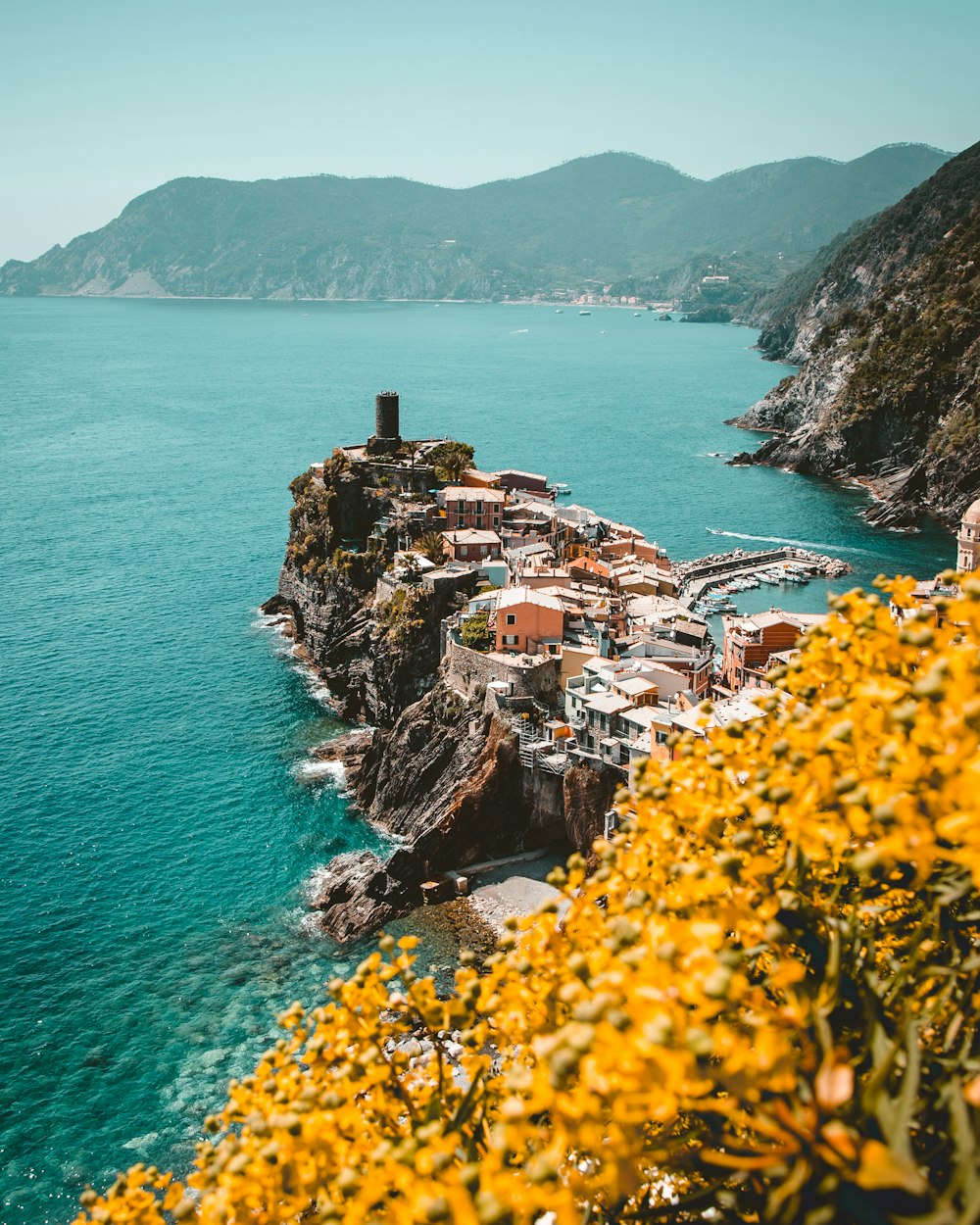
Italy's north-south divide isn't just economic — it's practically two different countries in terms of infrastructure, job availability, bureaucratic efficiency, and cost of living. Both have their appeal, but the differences are dramatic.
Rome — Eternal and Exhausting Monthly rent, 1-bedroom: $800-1,400 (center), $550-800 (Trastevere outskirts, Pigneto, Monteverde, Testaccio). Rome is magnificent, chaotic, and maddening. The history is literally under your feet — every construction project unearths Roman ruins. The food is extraordinary (carbonara, cacio e pepe, supplì). The bureaucracy is the worst in Italy, which is saying something. Public transportation is unreliable (two metro lines for a city of 4 million). Americans love Rome for its beauty and hate it for everything that makes daily life function. Best for: people who prioritize culture and beauty over convenience.
Milan — Italy's Functional City Monthly rent, 1-bedroom: $900-1,500 (center), $600-900 (Navigli, Isola, NoLo, Città Studi). Milan is where Italy works. The economy, fashion, finance, and tech are all centered here. It's the least "Italian" Italian city — more efficient, more international, more expensive. The food scene has evolved beyond traditional Milanese cuisine into something genuinely cosmopolitan. Weather is foggy and damp in winter, hot in summer. Best for: professionals, career-focused expats, people who want European city life with Italian perks.
Florence — Postcard Italy Monthly rent, 1-bedroom: $700-1,200 (center), $500-750 (Oltrarno, Campo di Marte). Florence is small (380,000 people), stunningly beautiful, and dominated by tourism and study-abroad students. The expat community is large and English-friendly. The Tuscan countryside is 20 minutes away. Downsides: tourists make the center unbearable in summer, the economy is tourism-dependent, and it's more expensive than comparably sized Italian cities because of foreign demand.
Bologna — The Underrated Gem Monthly rent, 1-bedroom: $550-900 (center), $400-650 (outlying neighborhoods). Home to Europe's oldest university, Bologna has a youthful energy, arguably Italy's best food scene (ragu, tortellini, mortadella were all born here), and excellent infrastructure. It's well-connected by high-speed rail to Milan (1 hour), Florence (35 minutes), and Rome (2 hours). The expat community is smaller but tight-knit. Best for: food lovers, academics, people who want authentic Italian life without tourist-town markup.
Puglia (Lecce, Ostuni, Bari) — The Affordable South Monthly rent, 1-bedroom: $350-600. Puglia is where the $1 house dreams live (more on that below). Baroque architecture in Lecce, whitewashed hill towns in Ostuni, Mediterranean beaches, and costs that would make a Milanese jealous. The trade-offs: fewer English speakers, less reliable public services, smaller expat community, and a slower pace that even Italy-adjusted Americans find challenging. But if you want sun, sea, space, and genuinely cheap living in Europe, Puglia delivers.
The $1 House Programs — A Reality Check You've seen the headlines. Italian towns selling houses for €1. Here's the truth: the houses are usually uninhabitable ruins requiring $30,000-100,000+ in renovation. They're in remote villages with no jobs, limited services, and shrinking populations. You must commit to renovating within 1-3 years or forfeit a $5,000-15,000 deposit. The total cost is still far below buying a finished property, but this is not a shortcut — it's a project. Towns like Mussomeli (Sicily), Sambuca (Sicily), and Zungoli (Campania) have active programs.
For how Italian property prices compare globally, see our median home prices comparison.
Safety
Italy is a safe country, and significantly safer than the United States by every major metric. But it's not without its quirks.
The numbers: Italy's homicide rate is 0.5 per 100,000 — roughly 12 times lower than the US. Violent crime against foreigners is extremely rare. Italy does not have a gun culture — private firearm ownership is tightly regulated and civilian gun ownership is 12 per 100 (vs. 120 in the US).
What to watch for:
- Petty theft and pickpocketing — the main crime affecting tourists and expats. Hotspots: Rome (Termini station, Colosseum area, crowded buses), Naples (Spaccanapoli, train station area), Florence (Santa Maria Novella), Milan (the Metro). Professional pickpocket teams operate on public transit and in tourist areas. Keep valuables in front pockets, use crossbody bags, and stay alert in crowds.
- Scooter snatching (scippo) — more common in Naples and Catania. Someone on a scooter grabs your bag or phone. Keep bags on the building side of the sidewalk, not the street side.
- Car break-ins — especially in southern Italy and at highway rest stops. Don't leave luggage visible.
- Organized crime — the Mafia (Cosa Nostra in Sicily, 'Ndrangheta in Calabria, Camorra in Naples) exists but does not affect daily life for expats or tourists. You will not encounter organized crime unless you go looking for it. Their impact is mainly economic (extortion of local businesses, public works corruption).
What you don't need to worry about:
- Walking at night in Italian cities — residential areas are safe. The passeggiata (evening stroll) culture means streets are populated late into the evening.
- Food safety — Italy has some of the strictest food regulations in the EU. Restaurant inspections are rigorous.
- Scams beyond petty theft — Italy doesn't have the aggressive tourist scam culture of some other Mediterranean countries.
Honest assessment: Italy feels safer than the US in terms of violent crime, and it is. The main adjustment is learning to protect against petty theft, which is more about awareness than actual danger.
Cost of Living
Italy is cheaper than France, Germany, and the UK, but more expensive than Spain and Portugal. Numbeo's Italy cost-of-living data provides detailed breakdowns for Rome, Milan, Florence, and smaller cities. The north-south divide means your costs can vary by 30-50% depending on whether you're in Milan or Puglia.
Budget Tier — $1,600-2,200/month (southern Italy or smaller northern cities) A real life on a careful budget. You're shopping at markets, cooking at home, and enjoying the free pleasures Italy offers in abundance.
- Rent (1BR, southern city or smaller northern city): $350-600
- Utilities (gas, electric, water — Italian electricity is expensive): $100-150
- Internet (fiber where available): $25-35
- Groceries (local markets, Esselunga, Conad, Lidl): $200-280
- Eating out (pizza $7-10, trattoria lunch $12-18, 2-3x/week): $100-180
- Transportation (bus/metro pass or bike): $35-55
- Phone (Iliad, Ho Mobile): $8-15
- Health insurance (SSN enrollment or basic private): $40-120
- Entertainment/misc: $80-120
- Total: $938-1,555
Comfortable Tier — $2,800-3,800/month Milan or Rome, nice apartment, eating out regularly, enjoying aperitivo culture, weekend trips.
- Rent (1BR, desirable neighborhood in a major city): $800-1,400
- Utilities: $120-170
- Internet: $25-35
- Groceries + eating out: $400-600
- Transportation: $40-70
- Phone: $8-15
- Health insurance: $50-165
- Gym: $40-60
- Aperitivo/entertainment/travel: $200-350
- Total: $1,683-2,865
Luxury Tier — $5,000-7,500+/month A spacious apartment in Milan's Brera or Rome's Parioli, fine dining at osterias with Michelin aspirations, Tuscan weekends, and a well-appointed life.
- Rent (2BR, premium location): $1,800-3,000
- Utilities + internet: $170-230
- Food: $700-1,000
- Transportation (car ownership or premium transit): $150-300
- Health insurance (comprehensive private): $150-400
- Travel/entertainment: $500-900
- Total: $3,470-5,830
Italy-specific cost notes:
- Aperitivo culture saves you money. Many bars serve free buffet food with a $8-12 drink purchase from 6-9 PM. This can legitimately replace dinner.
- Coffee is regulated. An espresso at the bar costs $1-1.30 by cultural norm (not law, but close). A cappuccino: $1.50-2. Sit down at a table and you pay double or triple (coperto charge). Drink at the bar like a local.
- Electricity and gas are expensive. Italy has the highest energy costs in Western Europe. Winter heating for a poorly insulated apartment (which most are) can hit $200+/month.
- Tipping: Not customary. Some restaurants add a coperto (cover charge, $2-3/person). Leave small change if the service was good. No percentage-based tipping.
For budget-friendly Italian living options, see our cheapest cities abroad guide.
Buying Property in Italy
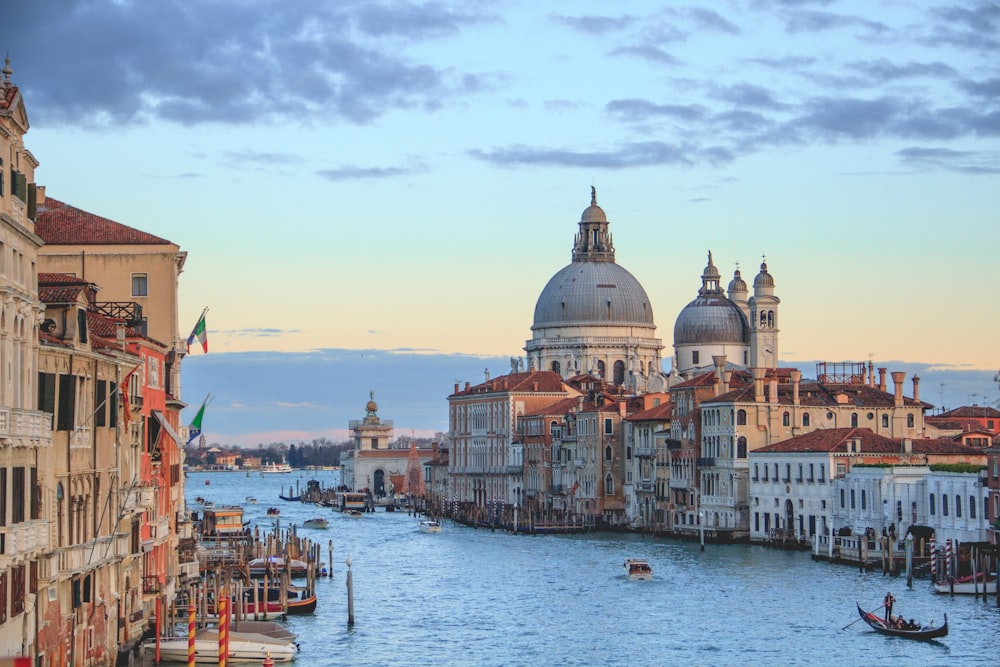
Americans can buy property in Italy without restrictions, provided there's a reciprocal agreement between the countries — and there is, so you're good. You don't need residency or a visa to purchase, just a codice fiscale and a bank account.
Market overview: Italy's property market is one of Europe's more fragmented. Milan is expensive and trending up. Rome is stagnant. Small towns and the south offer extraordinary value.
- Milan: $3,500-6,500/sqm in central areas. Strong demand, limited supply.
- Rome: $2,500-4,500/sqm center, cheaper in the suburbs. Prices have been flat for a decade.
- Florence: $3,000-5,000/sqm center. Inflated by foreign demand.
- Bologna: $2,000-3,500/sqm. Good value relative to quality of life.
- Southern Italy (Puglia, Calabria, Sicily): $500-1,500/sqm. Genuine bargains, but lower liquidity and longer sale times.
The buying process:
- Get a codice fiscale and open an Italian bank account.
- Find a property — Immobiliare.it is the dominant portal. Idealista.it and Casa.it are alternatives.
- Make a proposta d'acquisto (purchase proposal) — usually with a $5,000-10,000 deposit check (caparra confirmatoria).
- Sign a compromesso (preliminary contract) and pay 10-30% of the purchase price as a deposit. This is legally binding — backing out means losing your deposit.
- Hire a geometra (surveyor) to check the property's conformity with building permits and cadastral records. $500-1,500. This step is critical — illegal building modifications are common in Italy, and they become your problem.
- Final signing (rogito) at a notary, who represents the state, not either party. Pay the balance.
Closing costs: 9-15% for non-residents, 5-9% for residents (primary home)
- Registration tax: 9% of cadastral value (non-resident) or 2% (resident buying primary home)
- Cadastral tax: $50 fixed (primary home) or 1% (non-primary)
- Mortgage tax: $50 fixed or 2%
- Notary fees: $2,000-4,000
- Agent commission: 3-4% + VAT (each side — buyer and seller both pay the agent, which feels wrong but is the norm)
The primary home tax break is massive. If you declare the property your prima casa (primary residence), registration tax drops from 9% to 2%, saving thousands on a typical purchase. You must establish residency in the property's municipality within 18 months.
Ongoing costs:
- IMU (property tax): Second homes are taxed at 0.76-1.06% of cadastral value. Primary residences are exempt from IMU (a significant benefit).
- TARI (waste tax): $200-500/year depending on size and municipality.
- Condominium fees: $50-200/month in apartment buildings.
Mortgage: Italian banks lend to non-residents at 60-70% LTV with rates of 3-4.5%. Proof of income, Italian tax returns, and extensive documentation required. Many Americans buy cash and refinance later.
For the full rundown on property ownership rules for Americans abroad, see our property buying rules guide.
Practical Stuff: Phones, Internet, Driving, and Daily Life
Phone: Italy has fiercely competitive mobile pricing. Iliad disrupted the market in 2018 and now offers 150GB for €7.99/month ($8.70) — not a typo. Ho Mobile (Vodafone subsidiary): 100GB for €6.99/month. Kena Mobile (TIM subsidiary): similar pricing. For the first day, grab a TIM Tourist SIM at the airport ($25 for 30 days, 100GB + calls). You need a codice fiscale and passport for a contract SIM.
Internet: Fiber coverage is uneven. Milan, Rome, Turin, and Bologna have excellent fiber (FTTH, 1 Gbps) from TIM, Fastweb, or Iliad for $25-35/month. Smaller cities and the south may only have FTTC (fiber to the cabinet, 30-100 Mbps) or even ADSL. Check coverage at your specific address before signing a lease. Installation can take 2-6 weeks — Italy is not known for punctual technician appointments.
Driving: Your US license works for 1 year (with an International Driving Permit). After that, some US states have reciprocal agreements for license conversion (including New York, California, and Florida — check the full list at the Italian Ministry of Infrastructure). Without reciprocity, you'll need to take the Italian driving test (theory in Italian + practical). Italian driving, particularly in Rome and Naples, is an experience. Lane markings are suggestions. Scooters appear from nowhere. Parking is creative. Outside cities, driving is pleasant and the autostrada (highway) system is good. Tolls add up — Milan to Rome costs about $35-45 in tolls each way.
The bureaucracy — let's be honest: Italian bureaucracy will test your sanity. The permesso di soggiorno (residence permit) process involves: (1) applying at the post office using a kit, (2) waiting for an appointment at the questura (police headquarters), (3) attending said appointment — which may be rescheduled — (4) providing fingerprints, (5) waiting weeks-to-months for the actual card. Total timeline: 2-6 months. During this time, your post office receipt serves as your legal proof of status. This process repeats every time you renew.
Language: Italian is essential outside tourist zones. The good news: it's one of the most phonetically consistent languages on Earth (words are pronounced as they're spelled), and if you speak any Spanish, you'll pick it up faster. Budget 6-12 months of study for conversational ability. Most Americans underestimate how much Italian they need for bureaucratic encounters — ward offices, tax agencies, and police stations rarely have English-speaking staff.
Shipping: Sea freight from the US East Coast to Italian ports (Genoa, Naples) takes 3-5 weeks. A 20-foot container costs $2,500-5,000. Customs clearance adds $500-1,000 and 1-2 weeks. Most expats ship 3-5 boxes of personal items and buy furniture locally. Italian second-hand markets (mercatini) and Facebook Marketplace are goldmines for affordable furniture.
Pets: Italy requires a microchip, rabies vaccination (21+ days before travel), and an EU health certificate endorsed by USDA within 10 days of travel. No quarantine. Italy is extremely dog-friendly — dogs are welcome in most restaurants, cafes, shops, and on public transit.
Weather: Varies enormously. Northern Italy (Milan, Turin): cold, foggy winters (0-5°C), hot humid summers (30-35°C). Central Italy (Rome, Florence): Mediterranean — mild winters (8-12°C), hot summers (32-38°C). Southern Italy and islands: warm year-round, scorching in summer (35-42°C). The Italian Alps and Dolomites: proper mountain winters with heavy snow.
Tipping: Not customary. A coperto (cover charge, €1-3) is added at most restaurants. Leaving a few euros for exceptional service is appreciated but not expected. Never tip a percentage — it confuses people.
For expat community connections, InterNations Italy and ExpatFocus Italy host events in Rome, Milan, and Florence. International Living Italy publishes practical guides for American residents.
Ready to explore?
Browse Destinations