The Complete Guide to Moving to Japan as an American
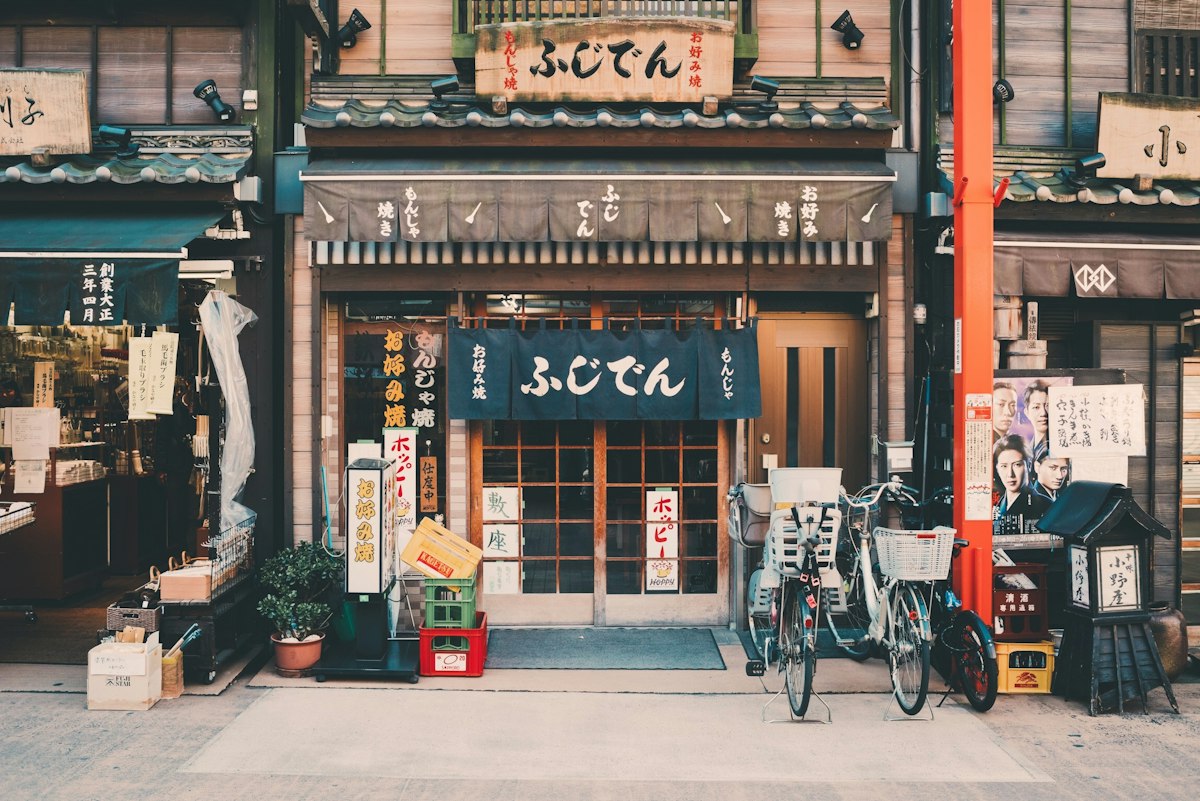
Japan is a country that makes you feel like a time traveler — bullet trains hurtling past ancient temples, vending machines selling hot coffee on streets where people still bow to strangers. For Americans, it's simultaneously familiar (convenience stores, pop culture, baseball) and bewilderingly foreign (bureaucracy that would make the DMV blush, social rules nobody explains, and a language that takes years to read a restaurant menu). But here's what most "move to Japan" guides won't tell you: it's surprisingly affordable outside Tokyo, the healthcare system puts America's to shame, and the quality of daily life — the trains that run on time, the food that's consistently excellent, the near-zero street crime — creates a baseline that's hard to match anywhere else on Earth. The catch? Japan doesn't make it easy. The visa system is restrictive, the language barrier is real (not optional, not something you can smile your way through), and the cultural adjustment goes deeper than learning to take your shoes off. You will be an outsider here, even if you stay for decades. That's not a warning to scare you off — it's information you need to make a clear-eyed decision. Japan rewards people who come prepared and punishes those who wing it. This guide is about making sure you're the former. The [US Embassy in Tokyo](https://jp.usembassy.gov/) provides emergency support and citizen services for Americans. The [r/japanlife](https://www.reddit.com/r/japanlife/) subreddit is the best community resource for expats already living in Japan, and [r/movingtojapan](https://www.reddit.com/r/movingtojapan/) covers the transition specifically.
Visa Options for Americans
Japan does not have a traditional immigration path like the US green card system. There's no "move here and figure it out" option. Every long-term stay requires a specific visa tied to a specific activity, and immigration officers take the categories seriously.
Work Visa (Engineer/Specialist in Humanities/International Services) The most common route. You need a job offer from a Japanese company or a contract with a Japan-based entity. The company sponsors your visa. Processing takes 1-3 months, costs around $30-50 for the Certificate of Eligibility application, and gives you 1 or 3 years (renewable). Your employer handles most of the paperwork, but you'll need a bachelor's degree or 10 years of relevant experience to qualify. This is non-negotiable — Japan cares about credentials.
Highly Skilled Professional Visa (HSP) A points-based system where you score based on education, income, experience, and age. Score 70+ points and you get preferential processing, permission to bring parents/domestic workers, and a path to permanent residency in 3 years (vs. the normal 10). Score 80+ and you can apply for PR in just 1 year. If you're a well-paid professional with a graduate degree, this is the golden ticket. Apply through the Immigration Services Agency.
Digital Nomad Visa (launched March 2024) Japan finally joined the digital nomad visa wave. Requirements: annual income of at least ¥10 million (~$68,000), private health insurance, employment by a company outside Japan, and nationality of a tax-treaty country (the US qualifies). It grants a 6-month stay, which is not renewable back-to-back — you must leave for 6 months before reapplying. No tax obligation in Japan during the stay. It's a trial run, not a permanent solution. For how this compares to other countries' nomad visas, see our digital nomad visas guide.
Business Manager Visa For starting a business in Japan. You need a physical office (not a coworking space), ¥5 million (~$34,000) in capital or two full-time employees, and a viable business plan. The paperwork is substantial — many Americans hire an immigration lawyer ($2,000-5,000) and a judicial scrivener to navigate it. Grants 1-year status initially.
Spouse/Dependent Visa Married to a Japanese citizen? This is straightforward and gives you unrestricted work permission. Processing takes 1-3 months. You'll need marriage certificates, your spouse's tax records, and proof of genuine relationship.
Student Visa Enrolled in a Japanese language school or university. Allows part-time work up to 28 hours/week. Language schools cost $5,000-8,000/year in tuition. This is actually a common backdoor for people who want to learn the language while testing whether Japan works for them long-term.
Permanent Residency Requires 10 years of continuous residence (reduced to 1-3 years for HSP visa holders). You need stable income, clean criminal record, and tax compliance. Japan's PR is genuinely permanent and doesn't expire, unlike many countries' equivalents.
All visa applications go through the Immigration Services Agency of Japan. For general visa info, check the Ministry of Foreign Affairs. Official immigration procedures including certificate of eligibility details are also available at the Immigration Bureau portal. The process is bureaucratic but predictable — submit the right documents, get the right result. As we covered in our before moving abroad checklist, getting your visa squared away before you pack is non-negotiable.
Banking and Money
Opening a bank account in Japan as a foreigner is one of the more frustrating experiences you'll encounter. Most banks require you to have lived in Japan for at least 6 months before they'll let you open an account. Yes, really. You're expected to function in a cash-heavy society for half a year with no local bank account.
The workaround: Japan Post Bank (Yucho Ginko) is the most foreigner-friendly option and sometimes waives the 6-month rule if you have a residence card. Their ATMs are everywhere (in every post office), and the account is free. The interface is mostly Japanese, though they're slowly adding English support.
After 6 months, your options expand:
- SMBC (Sumitomo Mitsui) — has English online banking, international wire capability. Popular with expats.
- MUFG — Japan's largest bank. English support is improving but still patchy.
- Shinsei Bank — arguably the most foreigner-friendly. English online banking, free ATM withdrawals at convenience stores, and they accept applications without the 6-month wait if you have a residence card.
- Sony Bank — excellent multi-currency accounts, good app, and competitive exchange rates.
Digital alternatives for day one:
- Wise (formerly TransferWise) — essential. Open a multi-currency account before you leave the US. You'll use this for transferring USD to JPY and for initial spending via their debit card. Transfer fees run 0.4-0.6%, far better than banks.
- Revolut — another solid option with competitive FX rates and a Japan-compatible card.
Cash still matters. Japan is more cash-dependent than you'd expect from such a tech-forward country. Many restaurants, small shops, and medical clinics are cash-only. Always carry ¥10,000-20,000 ($68-136). Convenience store ATMs (7-Eleven, Lawson, FamilyMart) accept foreign cards and are open 24/7.
Tax implications: If you're a US citizen, you're taxed on worldwide income regardless of where you live — that's the joy of being American. Japan will also tax you on your Japan-sourced income (and worldwide income after 5 years of residency). The US-Japan tax treaty prevents double taxation, but you'll need to file in both countries. The National Tax Agency of Japan (NTA) handles Japanese tax filings. The FEIE (Foreign Earned Income Exclusion) lets you exclude up to $126,500 (2024) from US taxes if you meet the physical presence or bona fide residence test. Get a cross-border tax accountant — this is not DIY territory.
Healthcare
Japan's healthcare system is, bluntly, one of the best in the world. The WHO ranks it near the top globally. Life expectancy is 84.6 years — about 6 years longer than Americans. And the system is structured so that nobody goes bankrupt from a medical bill. Coming from the US, it feels like arriving in a parallel universe where healthcare just... works.
How it works: Everyone in Japan must be enrolled in health insurance. There's no opting out. As a resident, you'll join either:
- National Health Insurance (NHI / Kokumin Kenko Hoken) — for self-employed, freelancers, and those not covered by employer insurance. Premiums are based on your previous year's income, typically ¥15,000-40,000/month ($100-275). Covers 70% of all costs — you pay the remaining 30%.
- Employee Health Insurance (Shakai Hoken) — your employer enrolls you and splits the premium 50/50. Premiums are roughly 10% of your salary, half paid by you.
What 70/30 coverage looks like in practice:
- Doctor visit: $7-15 out of pocket
- Specialist consultation: $15-30
- MRI: $50-80 (vs. $500-3,000 in the US)
- Overnight hospital stay: $100-200/day including meals (yes, hospital food in Japan is actually decent)
- Prescription medications: $3-15 for most common drugs
- Annual health checkup (ningen dock): $150-300 for a comprehensive screening that would cost $2,000+ in the US
**There's a monthly out-of-pocket cap based on your income. For most working-age adults, it's roughly ¥80,000-90,000 ($545-615/month). Once you hit it, everything beyond is covered at 99-100%. Compare this to a US high-deductible plan where you might owe $8,000 before insurance kicks in.
The downsides:
- Language barrier in healthcare is serious. Most doctors speak limited English, especially outside Tokyo and Osaka. Bring a Japanese-speaking friend or use the AMDA International Medical Information Center helpline.
- Mental healthcare is underdeveloped. Finding an English-speaking therapist is difficult and expensive. Psychiatry exists but the cultural stigma around mental health is real.
- Dental and vision are covered under NHI but at basic levels. Cosmetic dental work and LASIK are out of pocket.
- Wait times can be long at popular clinics — 1-2 hours is not unusual. The system is set up for walk-ins more than appointments.
For more on navigating health insurance as an American abroad, see our health insurance abroad guide.
Where to Live
The honest truth is that most Americans who move to Japan end up in the Tokyo-Osaka corridor because that's where the jobs, the English-speaking communities, and the international infrastructure are. But Japan is far more than those two cities, and your money goes dramatically further outside them.
Tokyo — The Obvious Choice Monthly rent for a 1-bedroom apartment: $800-1,500 (central 23 wards), $500-900 (western suburbs like Kichijoji, Mitaka, Chofu). Tokyo is expensive by Japanese standards but comparable to a mid-tier US city — nothing like NYC or SF. The neighborhoods are absurdly distinct: Shimokitazawa (indie music, thrift shops, bohemian), Nakameguro (trendy cafes, canal walks, design-forward), Koenji (punk rock, vintage, cheap eats), Azabu-Juban (international, embassy district, English-friendly). Pros: everything is here, including the largest English-speaking community. Cons: apartments are small (25-35 sqm for a 1-bedroom is standard), summer humidity is brutal.
Osaka — More Personality, Less Polish Monthly rent for a 1-bedroom: $500-900. Osaka is Tokyo's louder, funnier, more direct cousin. The food is better (locals will fight you on this, and they're right), the people are warmer, and the cost of living is 20-30% less than Tokyo. Namba, Shinsaibashi, and Umeda are the central hubs. Osaka has a growing expat community but far fewer English resources than Tokyo. You'll need more Japanese here.
Fukuoka — The Rising Star Monthly rent for a 1-bedroom: $400-700. Fukuoka is Japan's most livable city according to multiple surveys, and it's actively courting international workers with startup visa programs and coworking incentives. Compact, walkable, excellent ramen (Hakata-style tonkotsu), proximity to beaches and mountains, and a 40-minute flight to Seoul for weekend trips. The expat community is small but growing fast.
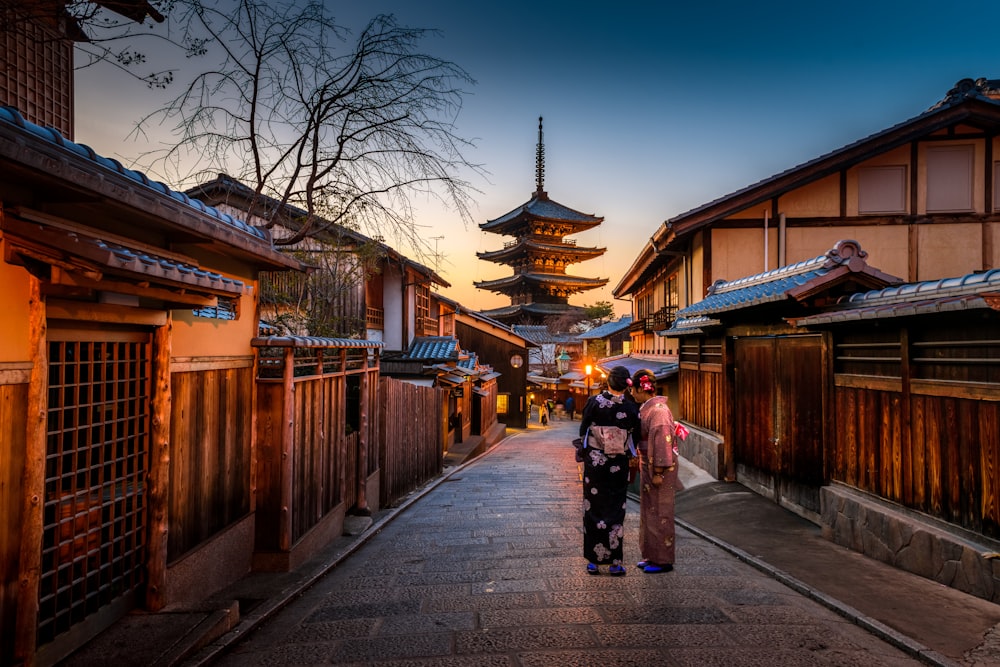
Kyoto — Cultural Immersion Monthly rent for a 1-bedroom: $450-800. Stunning, traditional, and deeply Japanese. If you want temples-and-tea-ceremony Japan, this is it. But the tourist crowds are overwhelming, the summer heat is suffocating (it's in a basin), and the social scene is more reserved than Osaka or Tokyo. Best for people who speak Japanese or are seriously committed to learning.
Sapporo — The Budget Option Monthly rent for a 1-bedroom: $300-550. Hokkaido's capital is cheap, spacious (by Japanese standards), and gorgeous in every season. World-class skiing in winter, lavender fields in summer. The trade-off: it's remote, the English-speaking community is tiny, and winter means -8°C averages and meters of snow. Great for outdoor enthusiasts who speak some Japanese.
As we highlighted in our top 20 countries guide, Japanese property prices are remarkably affordable outside the major metros — and our median home prices comparison shows just how far your dollar stretches.
Safety
Let's be real: Japan is one of the safest countries on Earth, and it's not close. The numbers speak for themselves.
Japan's homicide rate is 0.2 per 100,000 people. The US rate is 6.3 per 100,000 — more than 30 times higher. Violent crime in Japan is so rare that when it happens, it's national news for weeks. You can walk anywhere in any Japanese city at any hour and feel safe. Women walk alone at 3 AM without a second thought. Children ride the subway to school by themselves starting at age 6 or 7.
Theft is almost non-existent. People leave laptops on cafe tables while they go to the restroom. Umbrellas are the most commonly stolen item, and even that's considered scandalous. Lost wallets are routinely turned in to police boxes (koban) with cash intact.
What to actually watch for:
- Natural disasters are the real safety concern. Japan sits on the Pacific Ring of Fire. Earthquakes are frequent (you'll feel several per year), typhoons hit in late summer/early fall, and tsunami risk exists in coastal areas. Buildings are earthquake-resistant and the emergency alert system is excellent, but you need to take disaster preparedness seriously. Keep an emergency kit, know your evacuation route, register with the Smart Traveler Enrollment Program (STEP).
- Bicycle theft is surprisingly common. Register your bike with the police (it's required) and use a lock.
- Scams targeting foreigners are rare but exist — overpriced bars in Kabukicho (Tokyo) and Dotonbori (Osaka) where you're charged $200+ for a drink. Simple rule: don't follow touts.
- Groping on trains (chikan) is a real problem, particularly during rush hour. Women-only train cars exist during peak hours. Report incidents immediately.
- Mental health and isolation can be an underappreciated risk. The cultural distance is real, loneliness is common among expats, and Japan's social norms can make forming deep friendships challenging. Build your community deliberately.
Overall safety assessment: Japan is dramatically safer than the United States in virtually every measurable way. The primary risks are natural, not human.
Cost of Living
Japan has a reputation for being expensive, and in 2012 that was true. Numbeo's Japan cost-of-living data tracks city-by-city expenses in real time. But after years of yen weakness (the yen dropped from ¥80/$1 to roughly ¥150/$1), Americans are getting nearly double the purchasing power they would have had a decade ago. Right now, Japan is arguably underpriced for what you get. That said, costs vary enormously by city and lifestyle. Here's what it actually looks like.
For more on how exchange rate shifts affect your budget, see our foreign currency risk guide.
Budget Tier — $1,400-1,800/month (outside Tokyo) This is a real life, not a survival exercise, but you're being careful.
- Rent (1K or 1DK apartment, 20-30 sqm): $350-550
- Utilities (gas, electric, water): $80-120
- Internet (fiber, 100 Mbps+): $35-45
- Groceries (cooking most meals, supermarket shopping): $200-280
- Eating out (lunch sets, ramen, gyudon 3-4x/week): $80-120
- Transportation (bike + occasional train): $30-60
- Phone (MVNO like IIJmio or Rakuten Mobile): $15-25
- Health insurance (NHI): $100-200
- Entertainment/misc: $80-120
- Total: $970-1,520 (Osaka, Fukuoka, Sapporo)
- Tokyo add $300-500 for rent
Comfortable Tier — $2,200-3,000/month This is how most working expats live in Tokyo. A nice apartment, eating out regularly, and enjoying the city without constant penny-counting.
- Rent (1LDK or 2LDK, 40-55 sqm, decent neighborhood): $800-1,200
- Utilities: $100-140
- Internet: $35-45
- Groceries + eating out (mix of home cooking and restaurants): $400-550
- Transportation (train commuter pass + weekend travel): $80-130
- Phone: $20-35
- Health insurance: $150-275
- Gym: $40-70
- Entertainment/social: $150-250
- Total: $1,775-2,695
Luxury Tier — $4,000-6,000+/month A spacious apartment in Minato or Shibuya (rare in Japan, but they exist), dining at mid-to-high-end restaurants regularly, weekend trips to Hakone or Kyoto, and not thinking about prices.
- Rent (2LDK+, 60-80 sqm, central Tokyo): $1,800-3,000
- Utilities + internet: $150-200
- Food (high-end groceries + dining): $700-1,000
- Transportation: $150-250
- Health insurance (private international): $300-500
- Travel/entertainment: $400-800
- Total: $3,500-5,750
Key cost quirks in Japan:
- Key money (reikin): A non-refundable "gift" to the landlord equal to 1-2 months' rent. Yes, you're paying them for the privilege of renting. Some newer properties skip this, but it's still common.
- Deposit (shikikin): 1-2 months' rent, partially refundable. Combined with key money, moving into an apartment can cost 4-6 months' rent upfront.
- Guarantor companies: Foreigners without a Japanese guarantor pay a guarantee company 50-100% of one month's rent annually.
- Food is cheap. A bowl of excellent ramen: $5-7. A convenience store bento: $3-5. A supermarket dinner: $5-8. Eating well in Japan does not require wealth.
Buying Property in Japan
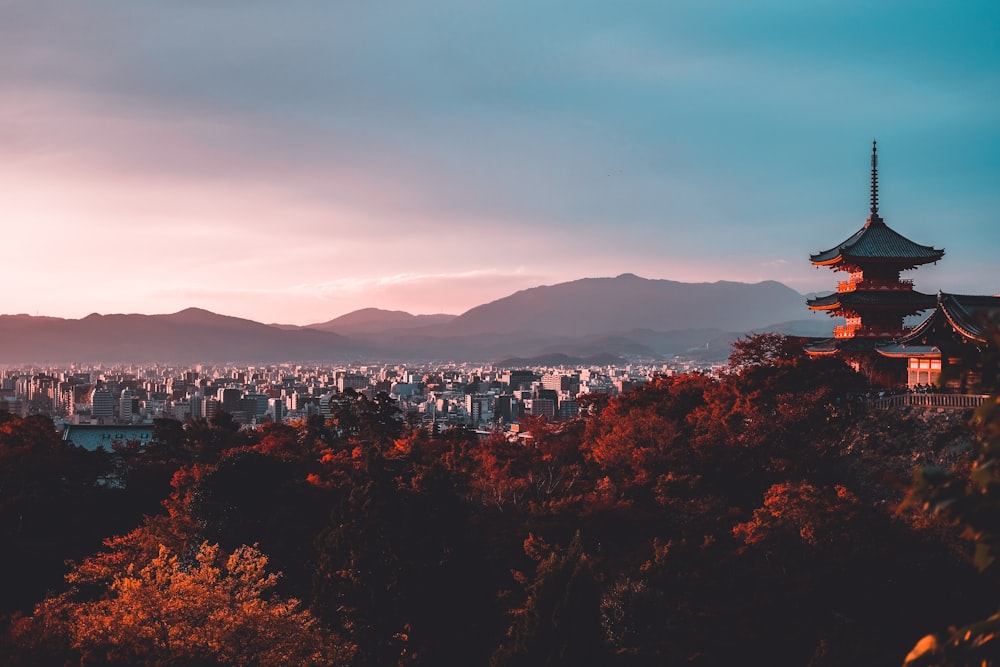
Here's something that surprises most Americans: there are zero restrictions on foreigners buying property in Japan. You don't need residency, citizenship, or even a visa. A tourist can technically buy a house. Japan is one of the most open property markets in the world for foreign buyers.
Market overview: Japanese property is famously depreciating — buildings lose value while land retains it. A wooden house is considered worthless after 22 years (the tax depreciation schedule). This is why you see "akiya" (abandoned houses) for sale for nearly nothing in rural areas. In cities, the market is different: Tokyo condo prices have risen 40%+ since 2013, driven by low interest rates, foreign investment, and redevelopment.
Outside Tokyo, property is shockingly affordable. A 3-bedroom house in a regional city can cost $80,000-150,000. Even in Osaka, condos start around $100,000 for something livable. Check our median home prices comparison for context on how Japan stacks up.
The buying process:
- Find a property (Suumo, Homes.co.jp, or realestate.co.jp have English interfaces)
- Make an offer through a licensed real estate agent. The agent represents the seller — buyer's agents exist but are less common.
- Sign a purchase agreement and pay a 5-10% deposit (earnest money)
- The agent arranges a property survey and title check through a judicial scrivener (shiho shoshi)
- Final settlement at a title registration office. Full payment, keys handed over.
Closing costs (buyer side): roughly 6-8% of purchase price
- Real estate agent commission: 3% + ¥60,000 + tax (capped by law)
- Registration and license tax: 1-2%
- Stamp duty: ¥10,000-60,000 ($68-410)
- Judicial scrivener fees: $700-1,400
- Fixed asset tax (prorated for year of purchase)
- Fire insurance: $200-500/year
Ongoing property taxes are low by US standards: 1.4% of assessed value (which is typically 50-70% of market value), so effective rate is roughly 0.7-1.0% of market value.
Mortgage: Getting a mortgage as a non-resident is essentially impossible. As a resident with permanent residency or a stable work visa, some banks (Shinsei, SMBC, Prestia) will lend to foreigners at rates of 0.5-1.5% — absurdly low by US standards. You'll typically need 20-30% down and proof of 3+ years of stable employment in Japan.
For the full legal framework on buying property as an American, see our property buying rules guide.
Practical Stuff: Phones, Internet, Driving, and Daily Life
Phone: Skip the big carriers (Docomo, au, SoftBank) — they're expensive at $50-80/month. MVNOs like Rakuten Mobile ($20-28/month unlimited), IIJmio ($12-20/month), or Ahamo ($18/month, 20GB) offer the same coverage on the same networks. You'll need a residence card to sign up. For the first few weeks, grab a prepaid SIM or eSIM at the airport.
Internet: Japan has excellent, affordable fiber. NTT Flet's Hikari or NURO Hikari deliver 1-2 Gbps for $35-55/month. Setup takes 2-4 weeks because a technician must visit. Pocket WiFi ($25-40/month) is a decent bridge.
Driving: You don't need a car in most Japanese cities — the train system is that good. If you do drive, your US license works for the first year with an International Driving Permit (get this at AAA before you leave, $20). After one year, you must convert to a Japanese license, which varies by state: some US states have reciprocal agreements (no test), others require a practical driving test at a Japanese licensing center. The driving test is notoriously strict — even if you've driven for 20 years, expect to fail the first time.
Trains: The single best public transit system on Earth. Shinkansen (bullet trains) connect major cities. Local trains are clean, safe, on time to the second, and cover every corner of the country. Get a Suica or PASMO IC card (rechargeable transit card that also works at convenience stores and vending machines). Commuter passes save 30-40% on regular routes.
The language barrier is real. Don't let anyone tell you that you can live in Japan comfortably without Japanese. You can survive — especially in central Tokyo — but you'll be locked out of 80% of daily life, social connection, and practical functionality. Start studying before you move. Even 3-6 months of basics makes a huge difference. Japanese has three writing systems and roughly 2,136 standard-use kanji characters. Budget 2-3 years to reach reading fluency. Enroll in a language school during your first year ($3,000-8,000/year) — they double as visa sponsors and social networks.
Shipping your stuff: Don't ship furniture. Japanese apartments are smaller and come with built-in features. Ship personal items via sea freight ($1,500-3,000 for a few boxes, 4-8 weeks) or air freight ($5-8 per pound, 1-2 weeks). Most expats ship 2-4 boxes and buy everything else at Nitori (Japan's IKEA equivalent).
Pets: Japan allows cats and dogs with a microchip, rabies vaccination (2 doses, 30+ days apart), and RNATT blood titer test. The entire process takes at least 180 days from the first rabies shot. Start this the moment you decide to move. Import paperwork goes through the Animal Quarantine Service.
Weather: Varies dramatically. Tokyo: hot, humid summers (35°C/95°F), mild winters. Hokkaido: real winter (-10°C). Okinawa: subtropical year-round. Rainy season (tsuyu) in June-July. Typhoon season August-October.
Tipping: Don't. It's not practiced and can be considered rude. Service is excellent by default.
Garbage sorting: Japan has the most complex garbage system you'll ever encounter. Burnables, non-burnables, PET bottles, cans, glass (by color), newspapers, cardboard — all collected on different days. Your ward office provides a calendar. Follow it religiously or your neighbors will notice.
Moving-in registration (Tenkyo Todoke): Within 14 days of moving in, register at your local ward office. Bring your residence card and passport. This determines your tax jurisdiction, health insurance enrollment, and everything else. It takes 30 minutes.
For expat community connections, InterNations Japan holds events in Tokyo, Osaka, and Nagoya. ExpatFocus Japan and International Living Japan also offer useful guides.
Ready to explore?
Browse Destinations