The Complete Guide to Moving to Thailand as an American

Thailand has been drawing Americans for decades, but the profile of who moves there has shifted dramatically. It's no longer just backpackers stretching a trust fund or retirees chasing cheap beer on the beach. Today's American expats in Thailand are remote workers in Chiang Mai coworking spaces, entrepreneurs building startups in Bangkok, families enrolling kids in international schools, and yes, retirees who figured out that $2,000 a month buys a genuinely comfortable life in a country with world-class hospitals and food that ruins you for every other cuisine on earth. Thailand's appeal is layered. The cost of living is 60-70% cheaper than the US. The healthcare system is so good that medical tourism is a national industry. The infrastructure — highways, airports, rail, internet — is better than most Americans expect. And the culture, once you move past the tourist veneer, is deep, complex, and endlessly fascinating. But Thailand also has real downsides that the travel blogs gloss over: a visa system that treats long-term foreigners as a recurring inconvenience, property ownership restrictions that require creative (and sometimes legally gray) workarounds, a language barrier that never fully goes away, and a political landscape that has produced two coups in the last twenty years. This guide covers what it actually takes to move to Thailand — the bureaucracy, the money, the neighborhoods, the tradeoffs. No rose-tinted glasses, no tourism brochure copy. Just the practical reality of building a life in the Land of Smiles. If you're still in the research phase, start with our [top 20 countries overview](/blog/top-20-countries) to see how Thailand stacks up against other destinations.
Visas: Thailand's Complicated Relationship with Long-Term Foreigners
Thailand wants your tourist dollars. It's less sure about your permanent presence. The visa system reflects this ambiguity — there's no simple path from "I want to live here" to a long-term visa, and the rules change frequently enough that even immigration lawyers hedge their advice.
Official information: Thai Immigration Bureau and Thai e-Visa Portal. The US Embassy Bangkok offers notarized letters ($50) and maintains a list of local attorneys. For expat perspectives, r/ThailandTourism and r/Thailand are active communities with visa threads updated in real time.
Tourist Visa and Visa Exemption Americans enter Thailand visa-free for 60 days (extended from 30 days in 2024). You can extend once at any immigration office for another 30 days (fee: 1,900 THB / ~$54). Total: 90 days. Many expats live in Thailand on rolling tourist entries — flying to a neighboring country and re-entering. This works until it doesn't. Immigration officers can and do deny entry to people with too many stamps, and the consequences range from a shorter stay to an outright ban.
Non-Immigrant Visa O-A (Retirement Visa) The most common long-term visa for Americans over 50. Requirements:
- Age 50 or older
- 800,000 THB (~$23,000) deposited in a Thai bank account for at least 2 months before applying, OR monthly income of at least 65,000 THB (~$1,860)
- Health insurance with minimum coverage of 400,000 THB inpatient and 40,000 THB outpatient (required since 2019)
- Clean criminal background check from the FBI
- Valid for 1 year, renewable annually without leaving Thailand
- You must report your address to immigration every 90 days (the "90-day report")
The money must stay in the account — you can withdraw down to 400,000 THB after the first extension, but must build it back to 800,000 THB three months before the next renewal. This traps capital that many retirees would rather invest elsewhere.
Non-Immigrant Visa O (Based on Thai Family) If you're married to a Thai national or have Thai children, this visa is renewable annually. Financial requirement: 400,000 THB (~$11,500) in a Thai bank account, or 40,000 THB/month income. Significantly easier than the O-A.
Non-Immigrant Visa B (Business/Work Visa) Required if you're employed by a Thai company. Your employer handles most of the paperwork. Requires a work permit issued separately by the Department of Employment. The company must meet minimum capitalization requirements (2 million THB per foreign worker) and maintain a 4:1 Thai-to-foreign employee ratio. This is why small businesses can't easily hire foreigners.
Long-Term Resident (LTR) Visa — Thailand's Newest Option Launched in 2022, this 10-year visa targets four groups:
- Wealthy Global Citizens: $1 million+ in assets, $80,000+/year income, $500,000+ investment in Thai government bonds, FDI, or Thai property
- Wealthy Pensioners: Age 50+, $80,000+/year pension income, $250,000+ investment in Thailand
- Work-from-Thailand Professionals: $80,000+/year income, 5+ years experience, employer with $150M+ revenue
- Highly-Skilled Professionals: Working in targeted Thai industries (tech, aerospace, etc.)
The LTR visa is genuinely attractive — it includes a work permit, exemption from the 90-day reporting requirement, and a flat 17% income tax rate on Thai-sourced income. But the $80,000 income threshold eliminates most applicants. Processing takes 2-3 months through the Board of Investment (BOI).
Thailand Elite Visa The pay-to-play option. 600,000 THB (~$17,000) for 5 years, 1 million THB (~$28,500) for 10 years, or up to 2 million THB for 20 years with premium perks. No age, income, or investment requirements — you literally buy the visa. Includes airport VIP service, a government concierge, and (for higher tiers) annual health checkups, spa credits, and golf rounds. Many serious expats use the Elite visa because it's the least bureaucratic option for people who don't qualify for the LTR or retirement visa.
Digital Nomad Visa (DTV — Destination Thailand Visa) Introduced in mid-2024. Valid for 180 days, extendable to 360 days. Available to remote workers, freelancers, and digital nomads. Requirements: proof of employment or freelance income of at least $16,000/year. Multiple entry allowed. Fee: 10,000 THB (~$285). This is Thailand's attempt to formalize the thousands of remote workers already living there on tourist visas. For more on digital nomad options worldwide, see our 2026 digital nomad visa guide.
The Bottom Line on Visas Thailand has no simple permanent residency path for most Americans. Thai PR exists but is limited to 100 applicants per nationality per year, requires 3+ years of consecutive Non-Immigrant visa renewals, Thai language ability, and a grueling application process. Thai citizenship requires 5+ years of PR and fluent Thai. Most Americans in Thailand cycle through annual visa renewals indefinitely. It works, but it never feels secure.
Banking: Getting Your Money into the System
Opening a Thai bank account used to be easy — walk in with your passport, walk out with an account. Post-2020, it's gotten harder for foreigners, and the experience varies wildly by bank, branch, and even the individual officer you get.
The major Thai banks:
- Bangkok Bank: Generally considered the most foreigner-friendly. Some branches (like the Silom main branch) are accustomed to foreign account openings. English-language service available at major branches.
- Kasikornbank (KBank): Good mobile app (K PLUS). Increasingly popular with younger expats and digital nomads.
- SCB (Siam Commercial Bank): Largest Thai bank. Can be hit-or-miss on foreigner accounts.
- Krungthai Bank: Government-owned. Less foreigner-friendly but sometimes required for specific government transactions.
What you'll need:
- Passport with valid visa (tourist visa holders can sometimes open accounts, but it's getting harder — a Non-Immigrant visa dramatically improves your chances)
- Proof of Thai address (lease contract, hotel booking, or a letter from your landlord)
- Thai phone number
- A letter from your embassy or consulate confirming your address (some branches require this; the US Embassy in Bangkok charges $50 for a notarized letter)
- Minimum opening deposit: typically 500-5,000 THB ($14-$143)
Pro tip: If one branch refuses you, try another. Thai banking decisions are often made at the branch level, not corporate. The Silom, Asoke, and Sukhumvit branches of major banks in Bangkok handle foreign clients daily and are far more accommodating than suburban branches.
Moving money to Thailand: Wise (formerly TransferWise) is the expat standard. USD-to-THB transfers typically cost 0.5-1% with mid-market exchange rates. A $3,000 transfer arrives in your Thai account within 1-2 business days. Bangkok Bank also offers a BUALUANG iFund app for international transfers, but Wise is cheaper and faster. Revolut is another solid option with competitive rates. For a deeper look at managing exchange rate exposure, read our foreign currency risk guide.
For the retirement visa deposit (800,000 THB), you'll need to do an international wire transfer from your US bank directly to your Thai bank account. Keep the Foreign Exchange Transaction Form (FET) — immigration requires proof that the money came from overseas.
Cash culture: Thailand is still substantially cash-based outside Bangkok's malls and chain restaurants. Street food, markets, taxis, small shops, and most transactions under 200 THB are cash-only. PromptPay, Thailand's instant payment system linked to your phone number, is widely used for Thai-to-Thai transfers and increasingly accepted at merchants via QR codes. Once you have a Thai bank account, PromptPay makes cashless payments easy.
ATM fees: Thai ATMs charge a flat 220 THB (~$6.30) fee per withdrawal for foreign cards — one of the highest ATM surcharges in the world. Use a US bank that reimburses ATM fees (Charles Schwab, Fidelity) or withdraw larger amounts less frequently. Thai bank cards don't incur this fee.
Tax implications: Thailand announced in 2024 that it would begin taxing foreign income remitted to Thailand, even for non-tax-residents, effective January 2024. The implementation has been inconsistent and confusing. If you're transferring significant sums to Thailand, consult a Thai tax advisor. The US-Thailand tax treaty provides some protection, but the details are still being worked out. American expats should also understand the FEIE tax break — it can exclude up to $126,500 of foreign earned income from US federal tax.
Healthcare: World-Class and Shockingly Affordable
Thailand's healthcare system is one of the strongest reasons Americans move there. International Living ranks it among the top destinations for affordable healthcare. Numbeo's Thailand cost of living data provides current benchmarks. The country treats more medical tourists — over 3.5 million per year — than any other nation on earth. This isn't an accident. Thai hospitals have spent decades investing in facilities, training, and English-language service specifically to attract international patients.
The hospital tiers:
Tier 1 — International private hospitals. These are the ones that feel like luxury hotels. Bumrungrad International Hospital in Bangkok is the most famous — JCI-accredited, 1,100 beds, doctors trained at Johns Hopkins, Mayo Clinic, and Harvard. Bangkok Hospital (part of the BDMS chain, Thailand's largest private hospital group), Samitivej, and BNH Hospital are in the same league. In Chiang Mai, Chiang Mai Ram Hospital and Bangkok Hospital Chiang Mai serve the same role.
Tier 2 — Local private hospitals. Cheaper than the international tier, still good quality, but less English-language support. Examples: Phyathai Hospital, Paolo Hospital, Ramathibodi Hospital (university-affiliated). Many expats use these for routine care.
Tier 3 — Government hospitals. Very cheap (sometimes free for Thai residents), very crowded, very long waits, limited English. Not recommended for foreigners except in emergencies where a private hospital isn't nearby.
Sample costs (private international hospitals, out-of-pocket):
- General practitioner visit: $20-40
- Specialist consultation: $40-80
- Dental cleaning: $25-50
- Dental crown (porcelain): $200-400 (vs $800-1,500 in the US)
- MRI scan: $200-400 (vs $1,000-3,000 in the US)
- Full blood panel: $30-80
- LASIK eye surgery (both eyes): $1,200-2,000 (vs $4,000-6,000 in the US)
- Hip replacement: $12,000-17,000 (vs $30,000-50,000 in the US)
- Comprehensive annual health checkup: $100-300
Health insurance options:
- Thai social security (SSO): Available if you're legally employed. Employer and employee each contribute 5% of salary (capped). Basic coverage.
- Local Thai insurance: Companies like Thai Health Insurance PCL, Muang Thai Life, and AIA Thailand offer plans from 10,000-50,000 THB/year ($285-$1,430). Pre-existing condition exclusions are strict.
- International insurance: Cigna Global, Allianz Care, AXA International, and Pacific Cross are popular with expats. Annual premiums for a 50-year-old: $2,500-6,000 depending on coverage level. For a comprehensive comparison, see our health insurance abroad guide.
- Hospital membership programs: Bumrungrad and Bangkok Hospital offer direct programs with discounted rates for annual fees of 5,000-20,000 THB ($143-$570).
Pharmacy access: Thai pharmacies sell most medications over the counter, including antibiotics, anti-inflammatories, and many drugs that require prescriptions in the US. Prices are typically 50-80% cheaper than US prices. Major pharmacy chains include Boots, Watsons, and local pharmacies (look for the green cross sign).
The retirement visa insurance requirement: Since 2019, O-A visa holders must carry health insurance with minimum 400,000 THB inpatient and 40,000 THB outpatient coverage from a Thai-approved insurer. This adds $1,000-3,000/year to your retirement costs depending on age. Some Thai insurers won't cover pre-existing conditions. The Elite visa and DTV visa don't have this requirement, which is one reason some retirees choose them instead.
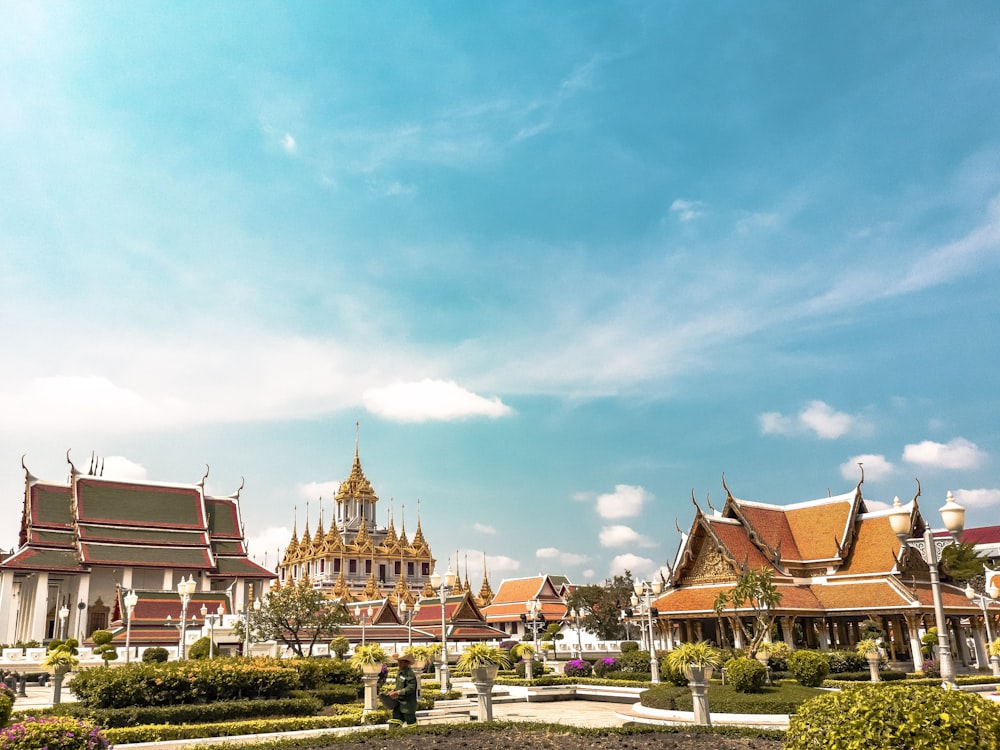
Where to Live: The Six Thailands Americans Actually Choose
Thailand is roughly the size of Texas, and the expat experience varies as dramatically as Dallas versus Austin versus Marfa. Here's where Americans actually end up, and why.
Bangkok Population: 11 million. Thailand's capital is a sprawling, chaotic, magnificent city that either energizes or exhausts you. The expat scene is enormous — an estimated 100,000+ foreigners live here permanently.
- Sukhumvit (Asoke to Phrom Phong): The main expat corridor. High-rise condos, international restaurants, rooftop bars. Studio: $400-700/month. 1BR: $500-1,200. 2BR: $800-2,000. Thong Lo is the upscale end; Nana is the budget end (and seedier).
- Silom/Sathorn: Financial district. More corporate, fewer backpackers. 1BR: $500-1,000.
- Ari/Phahon Yothin: Trendy, local, growing cafe scene. Feels less "expat bubble" than Sukhumvit. 1BR: $350-700.
Bangkok's BTS Skytrain and MRT subway are excellent within their coverage area. Traffic is legendary — a 10km car trip can take 90 minutes. Live near a train station.
Chiang Mai Population: 1.2 million metro. Thailand's northern capital and the undisputed hub of the digital nomad world. Cooler than Bangkok (literally — it's in the mountains), cheaper, smaller, and surrounded by national parks.
- Nimman (Nimmanhaemin Road): Ground zero for digital nomads. Coworking spaces, coffee shops, condos. 1BR: $250-500. Very walkable.
- Old City: Inside the ancient moat. Temples, markets, traditional. Studios/1BR: $200-400.
- Santitham: Local neighborhood adjacent to Nimman. Cheaper, more authentic. 1BR: $150-350.
Chiang Mai's burning season (February-April) is a serious quality-of-life issue. Farmers burning fields create toxic haze that pushes AQI readings above 200 ("very unhealthy") for weeks. Many expats leave during this period.
Phuket Thailand's largest island and most developed beach destination. The expat community here is older, wealthier, and more resort-oriented than Chiang Mai's crowd.
- Rawai/Nai Harn (south end): Where long-term expats live. Quiet beaches. 1BR: $400-800.
- Bang Tao/Laguna: Upscale, family-friendly. 1BR: $500-1,200.
Phuket is 30-50% more expensive than Chiang Mai. International schools cost $5,000-15,000/year.
Koh Samui Smaller, more laid-back alternative to Phuket. Beautiful beaches, growing expat community. 1BR: $350-800. More isolated — the airport is small and flights are limited.
Hua Hin Beach town 2.5 hours south of Bangkok. Popular with Thai weekenders and retired Europeans. Quieter, more family-oriented. 1BR: $300-600.
Pattaya Let's be honest: Pattaya's reputation as a sex tourism hub is earned. But the city has been reinventing itself, particularly the eastern Jomtien Beach area. Cheap — 1BR condos rent for $200-500 — and close to Bangkok (90 minutes by car). More nuanced than its reputation suggests.
Safety: What Americans Actually Need to Worry About
Thailand is generally safe for foreigners. The things that actually hurt Americans in Thailand are different from what most people fear.
The real risks, ranked by likelihood:
-
Motorbike accidents. This is the number one killer of foreigners in Thailand, full stop. Thailand has one of the highest road fatality rates in the world — approximately 32 deaths per 100,000 people per year, nearly triple the US rate. Motorbikes are everywhere, helmets are optional in practice, and road discipline is loose. If you rent a motorbike without experience, you're taking on the biggest single risk of your time in Thailand.
-
Scams. The tuk-tuk driver who takes you to his friend's gem shop. The jet ski rental operator who claims you damaged the vehicle. The taxi with a "broken" meter. Thailand's tourism industry has a well-developed ecosystem of scams targeting foreigners. Most are financial nuisances, not physical dangers.
-
Petty theft. Bag snatching (particularly from motorbikes), pickpocketing in tourist areas, hotel room theft. Not worse than most tourist-heavy cities worldwide.
-
Drowning. Thailand's beaches have strong riptides, particularly during monsoon season. Many beaches lack lifeguards. Alcohol plus ocean equals danger.
-
Violent crime against foreigners. Rare. Thailand's overall homicide rate is approximately 4.4 per 100,000 — lower than the US rate of ~6.
Political instability: Thailand has had two military coups since 2006. For everyday expat life, political protests are more disruptive than dangerous — think traffic diversions, not personal safety threats. That said, the lese-majeste law (insulting the monarchy) carries 3-15 years in prison and is enforced. Do not make jokes about the Thai royal family, even in private social media posts.
Legal risks: Thai drug laws are severe. Possession of even small amounts of hard drugs can lead to lengthy prison sentences. Cannabis was decriminalized in 2022 but is in a legal gray area.
Register with STEP (Smart Traveler Enrollment Program) and monitor US Embassy Bangkok security alerts. r/Thailand and r/chiangmai have candid expat safety discussions. Lonely Planet Thailand covers regional safety considerations.
The bottom line: Thailand is safer than its reputation suggests for violent crime. It's more dangerous than most Americans realize for traffic accidents. Exercise the same urban awareness you'd use in any large city, be extremely cautious on motorbikes, and you'll be fine.
Cost of Living: The Real Monthly Budget
Thailand's cost of living is the headliner for most American expats. Here's what it actually costs, broken into three tiers. All figures are monthly, based on 2025-2026 prices.
Budget Living ($800-1,200/month) — Chiang Mai or smaller city
- Rent (studio/1BR condo, pool building): $200-400
- Utilities (electricity is the big one — A/C is expensive): $40-80
- Groceries (local markets + some imports): $100-150
- Eating out (street food and local restaurants daily): $100-150
- Transportation (motorbike rental $80 or Grab/songthaew): $40-80
- Phone (prepaid, unlimited data): $10-15
- Internet (fiber, 100+ Mbps): $15-25
- Healthcare (basic insurance or pay-as-you-go): $50-100
- Miscellaneous: $50-100
Per Numbeo, Thailand's cost of living index sits around 36 (vs USA at 100). This is not deprivation. Thai street food is some of the best cuisine in the world, and eating pad kra pao gai for 50 THB ($1.40) from a street vendor is not "roughing it" — it's living like a Thai person.
Comfortable Living ($1,500-2,500/month) — Bangkok or Phuket
- Rent (1BR condo, central, pool/gym/security): $400-800
- Utilities (A/C running regularly): $60-120
- Groceries (local markets + Villa Market/Tops for imports): $150-250
- Eating out (local spots + international restaurants): $200-350
- Transportation (BTS/MRT monthly $40 + Grab): $60-120
- Healthcare (international insurance): $150-300
- Gym (Fitness First or Jetts): $40-60
- Weekend trips/entertainment: $100-200
- Visa costs (amortized annual): $50-100
At this level, you're living in a modern high-rise with a rooftop pool, eating at good restaurants several times a week, and occasionally flying to the beach. This lifestyle costs $4,000-6,000/month in a US city.
Luxury Living ($3,500-5,500/month) — Bangkok premium
- Rent (2BR luxury condo, Thong Lo/Sathorn, concierge): $1,200-2,500
- Dining (high-end restaurants, Michelin-starred spots): $400-700
- Transportation (private car + driver or premium Grab): $300-600
- Healthcare (premium international plan): $300-500
- Maid service (live-out, 3x/week): $200-300
- Weekend getaways: $300-500
Key cost note: Electricity is the hidden budget killer. Thai condos charge 6-8 THB per unit (versus the government rate of ~4 THB). Running A/C 8+ hours daily pushes your electric bill to 3,000-5,000 THB ($85-$143)/month.
What Thailand is cheap for: Food, housing, massage ($7-10 for a Thai massage), medical care, domestic flights ($30-80 one way), and personal services.
What Thailand is NOT cheap for: Imported Western goods, electronics (Apple products cost 10-20% more), cars (200-300% import duty), and international school tuition ($8,000-25,000/year). For a full comparison with other destinations, check our cheapest cities abroad guide.

Buying Property: What Foreigners Can and Cannot Own
Thailand's property ownership rules for foreigners are restrictive and confusing. Understanding them is essential before you spend a baht. For how Thailand compares to other countries' rules, see our property buying rules guide.
What foreigners CAN own:
- Condominium units — Foreigners can own condos outright in freehold, as long as foreign ownership in the building doesn't exceed 49% of total units. This is the only form of direct property ownership available to most Americans. Your name goes on the title deed (chanote). You own it completely.
What foreigners CANNOT own:
- Land. Period. No exceptions for individuals. This means you cannot own a house in the traditional sense, because buying a house means buying the land it sits on.
Workarounds (with varying legal risk):
-
Leasehold. Lease land for up to 30 years, registered at the Land Department. Some contracts include options for two additional 30-year renewals (30+30+30), but the renewals are NOT legally enforceable. Many expats build houses on leased land — you own the structure, you lease the ground. This is the safest non-condo option.
-
Thai company structure. Setting up a Thai limited company with majority Thai shareholders (often nominees) to hold land. Increasingly scrutinized. If the company exists solely to hold property, it can be deemed a nominee arrangement and ownership voided. The risk is real.
-
Thai spouse. Land in your spouse's name. You'll sign a declaration that the funds are your spouse's separate property. In a divorce, the land is your spouse's.
The condo buying process:
- Agree on price, sign reservation agreement, pay deposit (50,000-100,000 THB / $1,400-2,900)
- Sign sale and purchase agreement, pay 10-20% of purchase price
- Due diligence: verify title deed (chanote), check foreign ownership quota
- Transfer funds from overseas in foreign currency, obtain Foreign Exchange Transaction Form (FET)
- Transfer ownership at the Land Department (1-2 hours)
Closing costs:
- Transfer fee: 2% of appraised value (typically split 50/50)
- Specific business tax: 3.3% if seller owned less than 5 years (seller pays)
- Stamp duty: 0.5% (if SBT doesn't apply)
- Total buyer cost: approximately 1-2% of purchase price
Property tax: Thailand's land and building tax (introduced 2020) is minimal. Primary residences under 50 million THB are exempt. Secondary residences taxed at 0.02-0.1% of appraised value — negligible compared to US property taxes.
Condo prices for reference:
- Chiang Mai (Nimman): $60,000-150,000 for 1-2BR
- Bangkok (Sukhumvit): $100,000-300,000 for 1-2BR
- Bangkok luxury (Thong Lo/Sathorn): $250,000-600,000+
- Phuket: $100,000-400,000
- Pattaya: $40,000-150,000
See our median home prices comparison for context on how Thai property costs compare to 19 other countries.
The Practical Stuff: Phones, Internet, Driving, Language, and Everything Else
Cell phones: Get a Thai SIM card at the airport. The three major carriers are AIS (best coverage nationwide), TrueMove (best in Bangkok), and DTAC (merging with True). Tourist SIM cards with 15-30 days of unlimited data cost 300-600 THB ($8-17) at airport kiosks. Long-term monthly prepaid plans with unlimited data run 300-500 THB ($8-14). Keep your US number via Google Voice for two-factor authentication on US accounts.
Internet: Thailand has excellent internet infrastructure in urban areas. True Online, AIS Fibre, and 3BB offer fiber packages from 600-1,000 THB/month ($17-28) for 200-1,000 Mbps. Thailand consistently ranks in the top 30 globally for internet speeds.
Driving: Americans can drive on an International Driving Permit (IDP) for up to 90 days. After that, you need a Thai driver's license. Here's the reality: Bangkok is not a driving city. The BTS, MRT, and Grab handle 90% of needs. Outside Bangkok, a motorbike or car becomes necessary. Motorbike rentals: 2,500-4,000 THB/month ($70-115). Car rentals: 12,000-20,000 THB/month ($340-570). Buying used: a Toyota Yaris costs 300,000-500,000 THB ($8,600-14,300) — inflated by import duties.
Language: Thai is a tonal language with its own script, and it's genuinely difficult. The five tones mean the same syllable pronounced differently can mean five completely different things. You can survive in expat neighborhoods with English, but your life improves dramatically with even basic Thai. Survival Thai takes 2-3 months. Conversational Thai takes 1-2 years. Schools like AUA (AUA Language Center) offer group classes for 4,000-8,000 THB/month ($115-230). Private tutors on italki charge $5-15/hour.
The LINE app: LINE is Thailand's dominant messaging app — your landlord, your doctor's office, your gym, and your Thai friends all use LINE. Download it immediately.
Shipping your stuff: Most expats don't ship furniture — Thai furniture is cheap. A 20-foot container from the US West Coast to Bangkok costs $3,000-5,000 one way. Ship sentimental items, buy everything else locally.
Pets: Thailand requires a health certificate issued within 10 days of travel and a rabies vaccination certificate. The USDA must endorse the health certificate. Vet care is cheap — a visit costs 200-500 THB ($6-14).
90-day reporting: If you're on a long-term visa, you must report your address to immigration every 90 days. Can be done online (when the system works) or in person (expect a 1-3 hour wait). Many expats hire a visa agent (3,000-8,000 THB / $86-230) to handle it.
The cultural stuff that matters: Remove shoes before entering homes. Don't touch people's heads. Don't point your feet at people or Buddha images. Stand for the royal anthem before movies and at 8 AM/6 PM in public spaces. The concept of "mai pen rai" (never mind) defines daily life — problems get solved with patience and smiles, not confrontation. Losing your temper publicly is considered deeply shameful.
For property research, Hipflat and DDproperty are Thailand's leading real estate portals. TripAdvisor's Thailand forums have active expat and traveler discussions. Before you start packing, make sure you've read our complete checklist for moving abroad — it covers everything from closing US accounts to what documents to bring.
Ready to explore?
Browse Destinations