
Cost of Living in the Philippines vs. USA (2026) — Real Side-by-Side Numbers
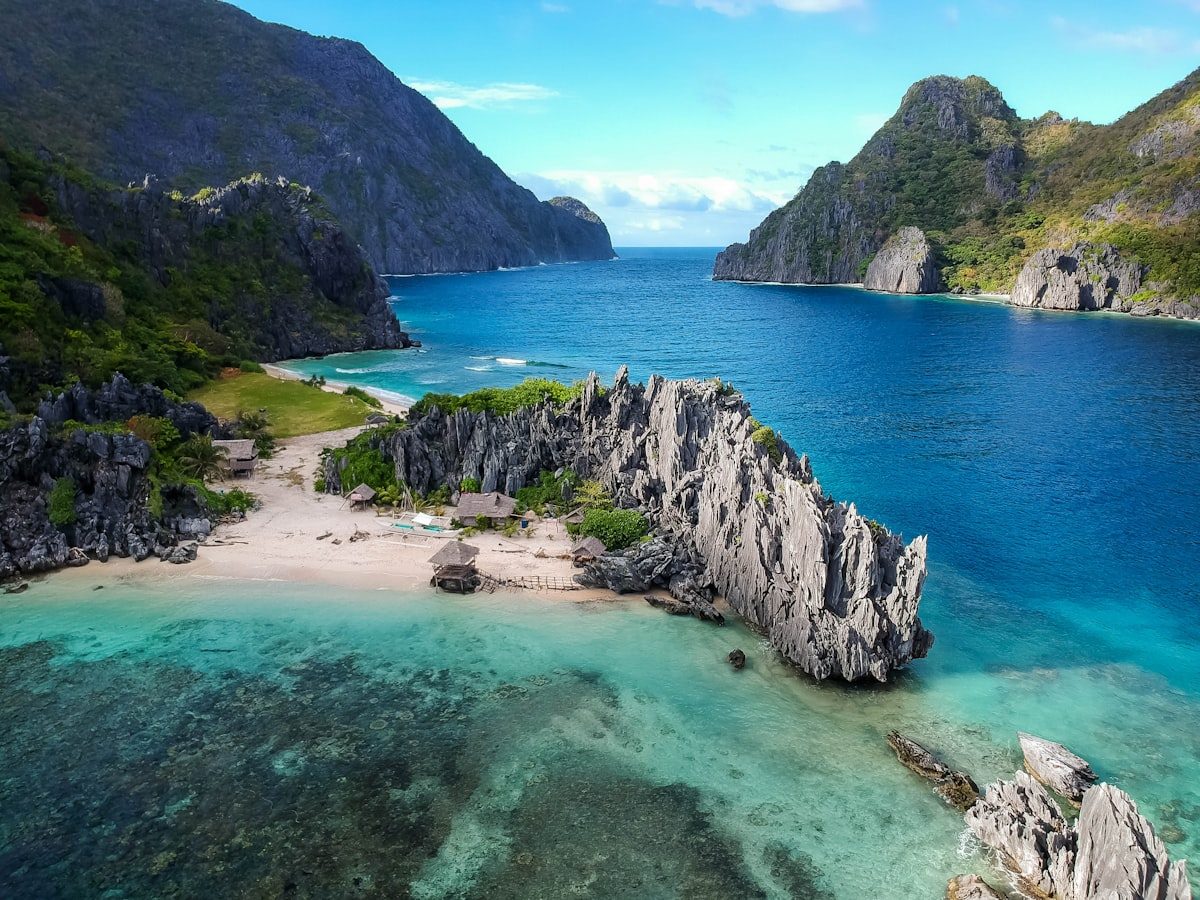
The Philippines is one of the most affordable countries on Earth for American expats — and it's not close. According to Numbeo's 2026 data, consumer prices including rent are 64% lower than in the United States. Rent alone is 80% cheaper. A comfortable lifestyle in Cebu costs $1,200–$1,800/month — less than what many Americans pay for rent alone.
The Philippines has quietly become one of the top retirement and remote-work destinations for Americans. Over 35,000 US citizens already live there. English is an official language, the food is incredible, the beaches rival anything in the Caribbean, and the healthcare system features US-trained doctors at a fraction of American prices.
As one r/expats poster put it: 'I moved from San Diego to Cebu and my monthly expenses dropped from $4,500 to $1,400. I eat out every day, have a maid twice a week, live in a modern condo with a pool and gym, and I'm saving more than I ever did in California.'
This guide puts real 2026 numbers side by side — Manila vs. New York, Cebu vs. Austin, Davao vs. Denver. We're comparing what you'd actually spend, not abstract averages. The short version: a comfortable single person in Cebu spends $1,200–$1,800/month. The same lifestyle in Austin runs $3,500–$5,000. That gap — $2,000 to $3,500/month — adds up to $24,000 to $42,000 per year.
The Big Picture: Philippines vs. USA by the Numbers
Before diving into specifics, the overview. According to Numbeo's 2026 comparison, consumer prices in the Philippines are 57% lower than in the United States (excluding rent). Include rent and the gap widens to 64%. Restaurant prices are 73% lower. Groceries are 53% cheaper.
Rent tells the most dramatic story: 80% lower nationally. A one-bedroom apartment in central Manila — the most expensive city in the Philippines — costs $335/month. The US national average is $1,667.
Monthly spending comparison — single person, comfortable lifestyle:
| Category | Manila (BGC/Makati) | Cebu City | New York City | Austin |
|---|---|---|---|---|
| 1BR rent (nice area) | $600–$1,200 | $350–$700 | $3,200–$4,500 | $1,600–$2,200 |
| Groceries | $150–$250 | $120–$200 | $450–$600 | $350–$450 |
| Dining out (3×/wk) | $100–$200 | $80–$150 | $500–$800 | $300–$450 |
| Transit/transport | $30–$80 | $25–$60 | $130 | $100–$200 |
| Utilities + internet | $80–$140 | $60–$110 | $200–$280 | $180–$250 |
| Health insurance | $70–$150 | $70–$150 | $400–$700 | $350–$600 |
| Monthly total | $1,030–$2,020 | $705–$1,370 | $4,880–$6,910 | $2,880–$4,150 |
The Manila-to-NYC gap is $3,800–$4,900/month — roughly $46,000–$59,000/year. Even Manila vs. Austin saves $1,800–$2,100/month ($22,000–$25,000/year). And Cebu? A comfortable lifestyle in Cebu costs less than a studio apartment in most American cities.
As r/ExpatFIRE members frequently calculate, a $500,000 portfolio generating $20,000/year covers a comfortable Philippine lifestyle — the kind of early retirement that would require $1.5M+ in most US cities.
Rent: $350 Condos That Would Cost $2,000 in America
Philippine rent is shockingly cheap by American standards. Even in Manila's upscale business districts — Makati CBD and Bonifacio Global City (BGC) — a modern one-bedroom condo with pool, gym, and 24/7 security runs $600–$1,200/month. In Cebu, Davao, or Clark, the same quality drops to $350–$700.
Rent comparison (1BR apartment, 2026):
| City | Center (nice area) | Well-connected suburb |
|---|---|---|
| Manila (BGC/Makati) | $600–$1,200 | $350–$600 |
| Cebu City | $400–$700 | $250–$450 |
| Davao | $300–$550 | $180–$350 |
| Clark/Angeles | $300–$500 | $170–$300 |
| Dumaguete | $250–$400 | $150–$250 |
| --- | --- | --- |
| NYC | $3,200–$5,000 | $2,000–$3,000 |
| Austin | $1,600–$2,200 | $1,200–$1,700 |
| Denver | $1,700–$2,400 | $1,200–$1,700 |
| Chicago | $1,800–$2,600 | $1,200–$1,800 |
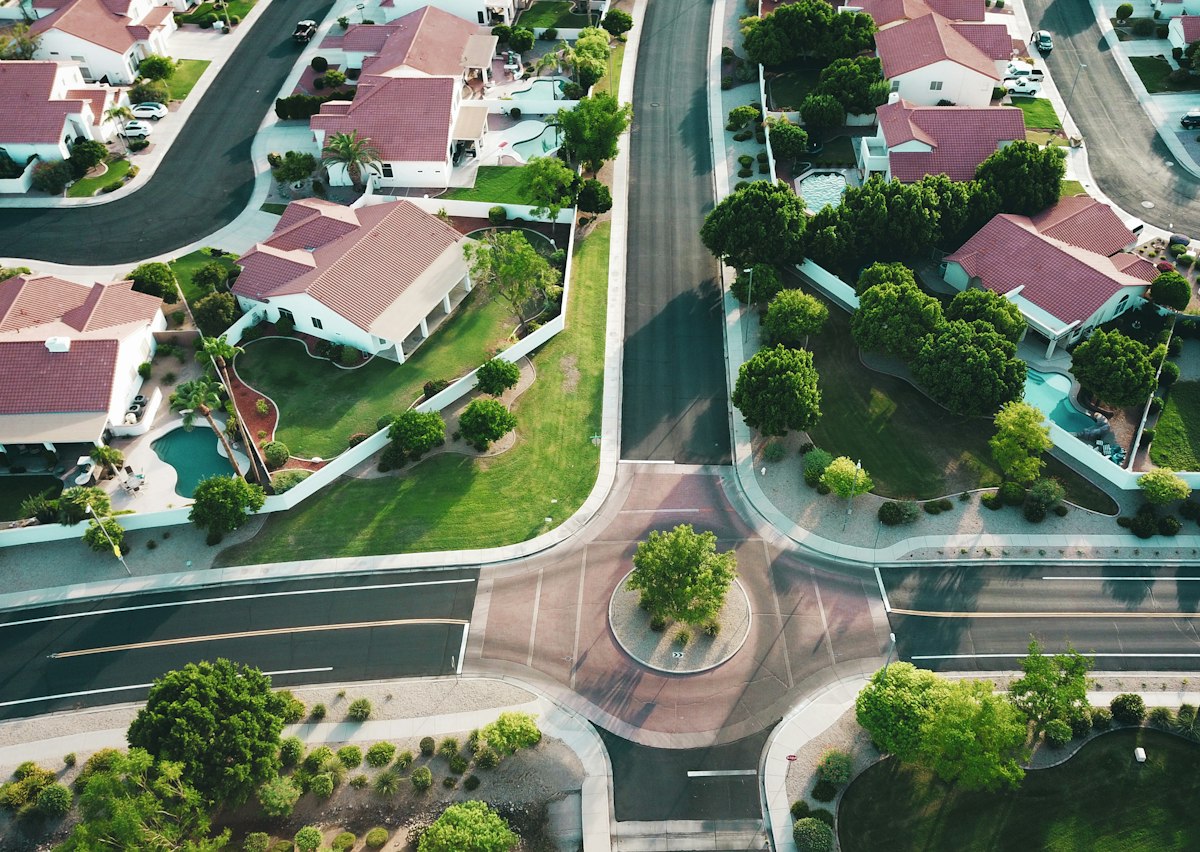
Cebu is the sweet spot for most American expats. It's the second-largest metro area with modern infrastructure, excellent hospitals, international schools, direct flights to major Asian hubs, and rent that's 40–50% below Manila. Discussions in r/Philippines regularly recommend Cebu for foreigners who want city amenities without Manila's traffic nightmare.
Davao on Mindanao offers the lowest costs with surprisingly modern infrastructure — it's consistently rated the safest major city in the Philippines.
Dumaguete ('The City of Gentle People') is the expat retirement capital — a university town with low costs, walkable streets, and a large American community.
Philippine rental differences Americans should know:
- Most condos come semi-furnished — basic kitchen, AC units, sometimes a bed. Fully furnished units cost 15–25% more
- No credit check system — landlords typically ask for 2 months' advance + 1 month deposit (sometimes 2+2)
- Leases are typically 1 year with a diplomatic clause for early termination
- Condo amenities are standard — most buildings include pool, gym, parking, and 24/7 security with no HOA-style fees beyond association dues ($30–$80/month)
- Utilities are separate: electricity is expensive by local standards (one of the highest in Asia) but still cheaper than the US in absolute terms
Search Philippine properties on our Philippines property listings.
Groceries: Markets, Malls, and the $2 Meal
Grocery shopping in the Philippines is a tale of two systems: Western-style supermarkets (SM, Robinsons, Puregold, Rustan's) and traditional wet markets. Both are dramatically cheaper than the US, but wet markets offer the best value — fresh produce, meat, and seafood at prices that feel surreal to Americans.
Price comparison (2026 averages):
| Item | Philippines | USA | Difference |
|---|---|---|---|
| Rice (5 kg) | $2.10 | $10.40 | 80% cheaper |
| Chicken breast (1 kg) | $3.90 | $11.15 | 65% cheaper |
| Eggs (dozen) | $2.00 | $4.36 | 54% cheaper |
| White bread (loaf) | $1.12 | $3.30 | 66% cheaper |
| Tomatoes (1 kg) | $1.20 | $4.40 | 73% cheaper |
| Mangoes (1 kg) | $1.00–$1.50 | $4.00–$6.00 | 70% cheaper |
| Local beer (bottle) | $0.80–$1.20 | $2.50–$3.50 | 65% cheaper |
| Imported wine (bottle) | $8.00–$15.00 | $10.00–$18.00 | Similar |
| Milk (1 liter) | $1.76 | $1.06 | 66% MORE expensive |

A well-stocked week of groceries for one person costs $30–$55 in the Philippines vs. $90–$140 in the US. If you shop at wet markets for produce and meat, you can push that to $20–$35/week — genuinely less than $150/month for excellent food.
The big exception: imported Western products cost 2–3x what they cost in the US. Australian cheese, European wines, American cereal brands — these are luxury imports. Expats who adjust to Filipino staples (rice, local produce, fresh seafood, Filipino-brand products) save dramatically. Those who insist on an American pantry spend more but still come out well ahead.
Milk and dairy are the one category where the Philippines is notably more expensive — the country doesn't have a large dairy industry, so milk is mostly imported. Budget $1.50–$2.00/liter vs. $1.00 in the US.
As r/expats members report, the single biggest grocery adjustment is that Filipino food culture is rice-centric. If you embrace it, your grocery bill plummets. Rice costs roughly $0.40/kg — one-fifth the US price — and it's the foundation of every meal.

Dining Out: World-Class Cheap Eats
This is where the Philippines truly shines. Dining out is so affordable that many expats eat out for every meal and still spend less than they would cooking at home in America.
Dining comparison:
| Meal type | Philippines | USA (mid-tier city) | NYC |
|---|---|---|---|
| Street food meal (rice + meat + drink) | $1.50–$3.00 | N/A | N/A |
| Local restaurant (full meal) | $3.00–$5.00 | $15–$22 | $18–$28 |
| Mid-range restaurant (2 people) | $15–$25 | $70–$100 | $120–$180 |
| Coffee (cappuccino) | $2.00–$3.50 | $5.00–$6.50 | $5.50–$7.00 |
| Beer in a bar | $1.50–$3.00 | $6.00–$8.00 | $8.00–$11.00 |
| Fast food combo (Jollibee/McDonald's) | $2.50–$4.00 | $10–$14 | $12–$16 |
| Pizza delivery (large) | $8–$14 | $18–$28 | $22–$35 |
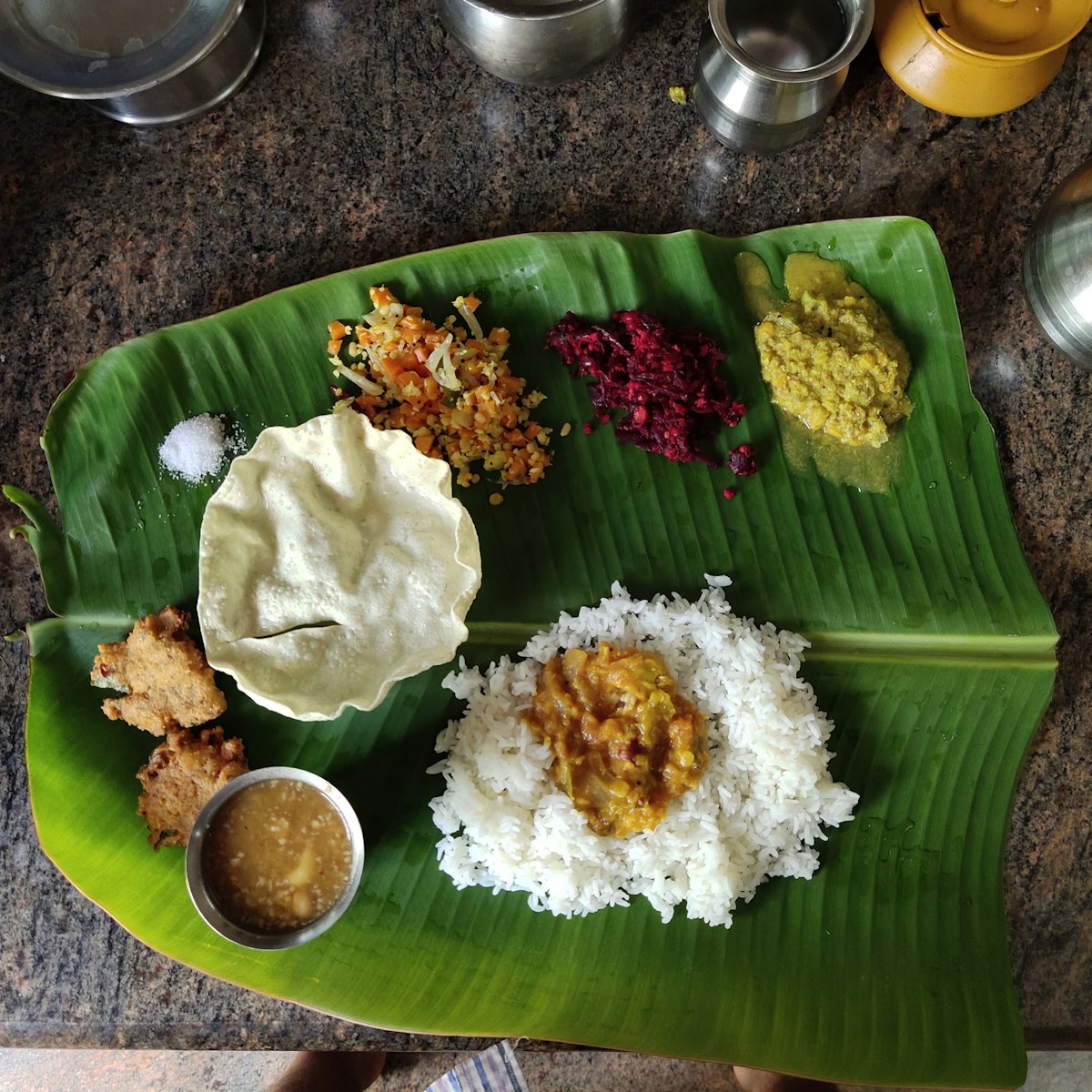
The Filipino food scene is a revelation for Americans willing to explore: adobo (vinegar-braised meat), sinigang (sour tamarind soup), lechon (whole roasted pig), kare-kare (oxtail in peanut sauce), and an endless variety of grilled seafood — all for $3–$5 per meal at local restaurants.
Jollibee, the beloved Filipino fast-food chain, serves fried chicken meals for $2.50–$4.00. It's not gourmet, but it's cultural immersion — and it's cheaper than a Starbucks coffee in America.
Tipping in the Philippines: Optional and modest. A 10% service charge is added at most restaurants. Beyond that, rounding up or leaving small change is appreciated but not expected. No 20% default — a savings of $50–$150/month for frequent diners.
The expat dining sweet spot is the Filipino-fusion restaurants that have exploded in BGC and Cebu's IT Park — Western-quality plating and ambiance at $8–$15/person. As one r/digitalnomad poster noted: 'I eat restaurant meals three times a day in Cebu and my monthly food bill is $400. In Portland it was $1,200 and I cooked most nights.'
Healthcare: US-Trained Doctors at 80% Off
Philippine healthcare is the single most underappreciated advantage of the country for American expats. The top private hospitals in Manila and Cebu are JCI-accredited, English-speaking throughout, and staffed by doctors who trained in the US, UK, or Australia — at prices that are 60–80% below American costs.
Cost comparison:
| Healthcare item | Philippines | USA |
|---|---|---|
| GP/doctor visit | $15–$25 | $150–$350 |
| Specialist consultation | $25–$50 | $250–$500 |
| Emergency room visit | $50–$200 | $1,500–$5,000+ |
| Hospital room (private, per night) | $45–$356 | $2,000–$5,000 |
| Dental cleaning | $20–$40 | $100–$200 |
| MRI scan | $100–$250 | $1,000–$3,000 |
| Annual health insurance (international) | $800–$1,500 | $5,000–$8,400 |
| Prescription medications | 50–80% cheaper | Full price |
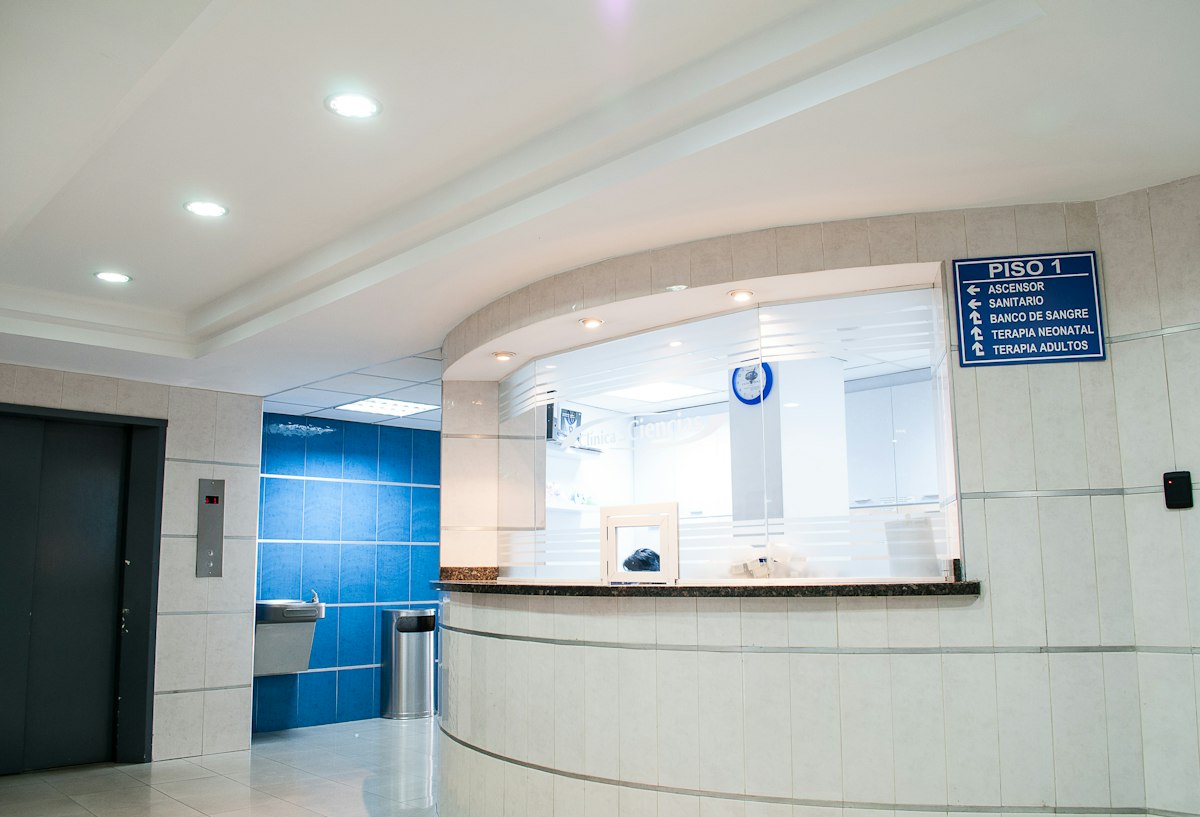
Top hospitals include St. Luke's Medical Center (BGC and Quezon City), Makati Medical Center, The Medical City, and Cebu Doctors' University Hospital. These facilities rival American hospitals in equipment and expertise — at a fraction of the cost.
The Philippines does not have a universal healthcare system for foreigners. The national PhilHealth program covers only citizens and certain visa holders with limited benefits. Expats should carry private international health insurance:
- Pacific Cross, AXA Philippines: Local plans, $800–$1,200/year, covers Philippine hospitals
- Cigna, Aetna International: Global plans, $1,200–$2,400/year, includes medical evacuation
- Pay-as-you-go: Many expats skip insurance entirely and pay out of pocket — a full medical checkup costs $50–$80, a dental cleaning $20–$40
The math is staggering: an American couple in their 40s pays $1,000–$1,400/month for health insurance in the US ($12,000–$17,000/year). In the Philippines, comprehensive international coverage costs $150–$300/month for two — and most routine care is cheap enough to pay cash. Annual savings: $8,000–$14,000 on healthcare alone.
As discussed in r/AmerExit, many American retirees move to the Philippines specifically for healthcare arbitrage — getting better care at lower cost than they could at home, even with Medicare.
Get featured properties in your inbox
A weekly digest of handpicked listings from 20 countries. Free, no spam.
Transportation: No Car Needed (and You Wouldn't Want One)
Manila's traffic is legendary — consistently ranked among the worst in the world. But the flip side is that transportation is extraordinarily cheap, and most expats live happily without a car.
Monthly transport costs:
| Category | Philippines | USA |
|---|---|---|
| Grab (ride-hail) — daily commute | $60–$120 | N/A |
| Taxi (daily) | $40–$80 | $200–$400 |
| Monthly transit pass | $13 | $65–$130 |
| Car payment (avg) | $200–$400 | $500–$700 |
| Gas (per liter) | $1.06 | $0.89 |
| Parking | $30–$60 | $100–$300 |
Grab (Southeast Asia's Uber) is the expat default. A 20-minute ride costs $2–$5. Many expats use Grab 2–3 times daily and spend $80–$150/month on all transportation — less than a single car insurance payment in the US.
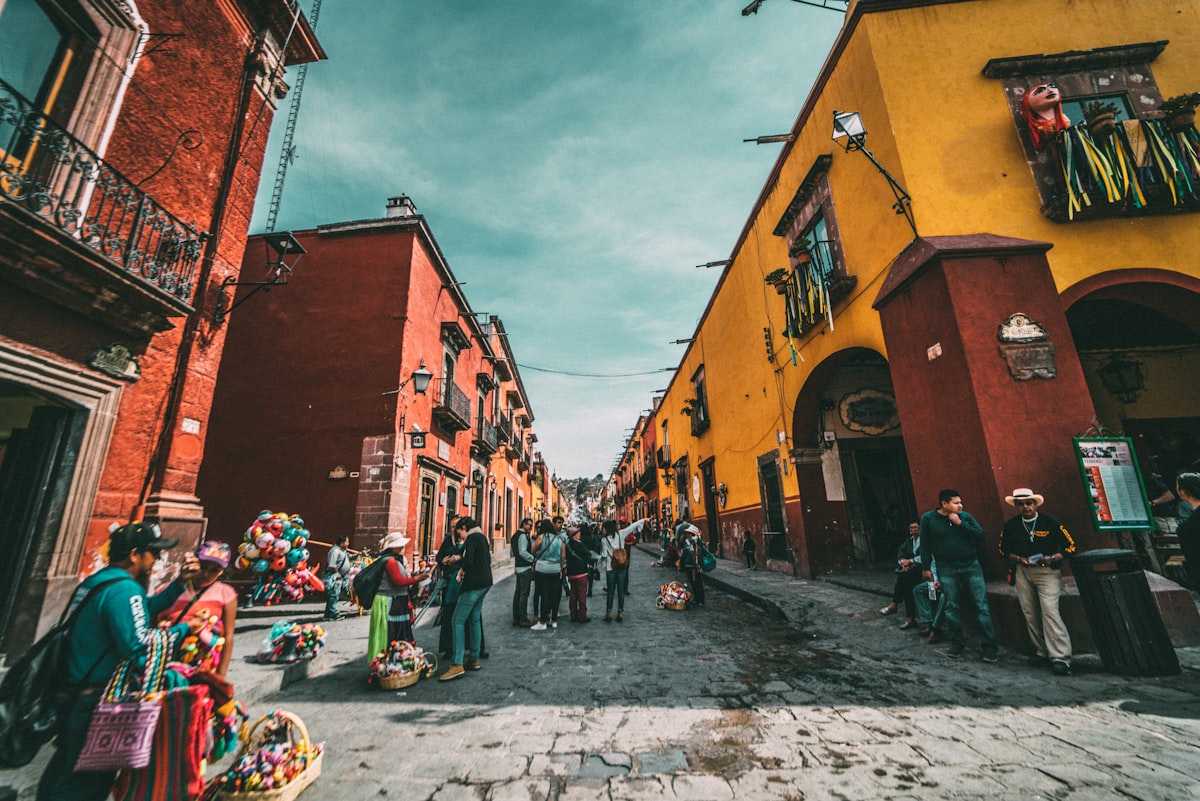
Public transport options include:
- Jeepneys: The iconic Filipino transit — $0.15–$0.25 per ride. Colorful, chaotic, authentic
- MRT/LRT (Manila rail): $0.20–$0.50 per trip, covers major corridors
- Tricycles: Motorcycle-with-sidecar taxis for local trips, $0.50–$1.50
- Buses: Inter-city travel, $5–$20 for multi-hour routes
- Domestic flights: Cebu Pacific and Philippine Airlines offer $30–$80 one-way flights between islands
For expats who want a car:
- A used Toyota Vios runs $8,000–$12,000
- Insurance: $300–$600/year (dramatically cheaper than the US)
- Gas: slightly more expensive per liter than the US, but distances are shorter
- Bottom line: car ownership costs $300–$500/month total, vs. $600–$1,200 in the US
However, most expats outside Manila don't own cars. Cebu, Davao, and smaller cities are manageable with Grab, tricycles, and occasional taxi rides. As r/Philippines users regularly advise foreigners: 'Don't buy a car in Manila. Just don't. Use Grab, live near your office, and save your sanity.'
Property Prices: Condos From $60,000
The Philippines offers some of the most affordable real estate in Asia — with one critical restriction for foreigners: you can own a condo unit but not land. Under Philippine law, foreign nationals can own condominium units outright (up to 40% foreign ownership per building), but cannot own land directly.
Property prices (2026):
| Location | Typical condo price (1-2BR) | Price/sqm |
|---|---|---|
| Manila BGC (premium) | $120,000–$250,000 | $3,500–$6,500 |
| Manila Makati CBD | $100,000–$200,000 | $3,000–$5,500 |
| Cebu City (center) | $60,000–$120,000 | $1,500–$3,000 |
| Davao (center) | $45,000–$90,000 | $1,200–$2,500 |
| Clark/Angeles | $40,000–$80,000 | $1,000–$2,000 |
| --- | --- | --- |
| NYC (Manhattan) | $1,000,000–$2,000,000 | $12,000–$20,000 |
| Austin (central) | $300,000–$500,000 | $3,000–$5,000 |
| Denver (central) | $350,000–$550,000 | $3,000–$4,500 |
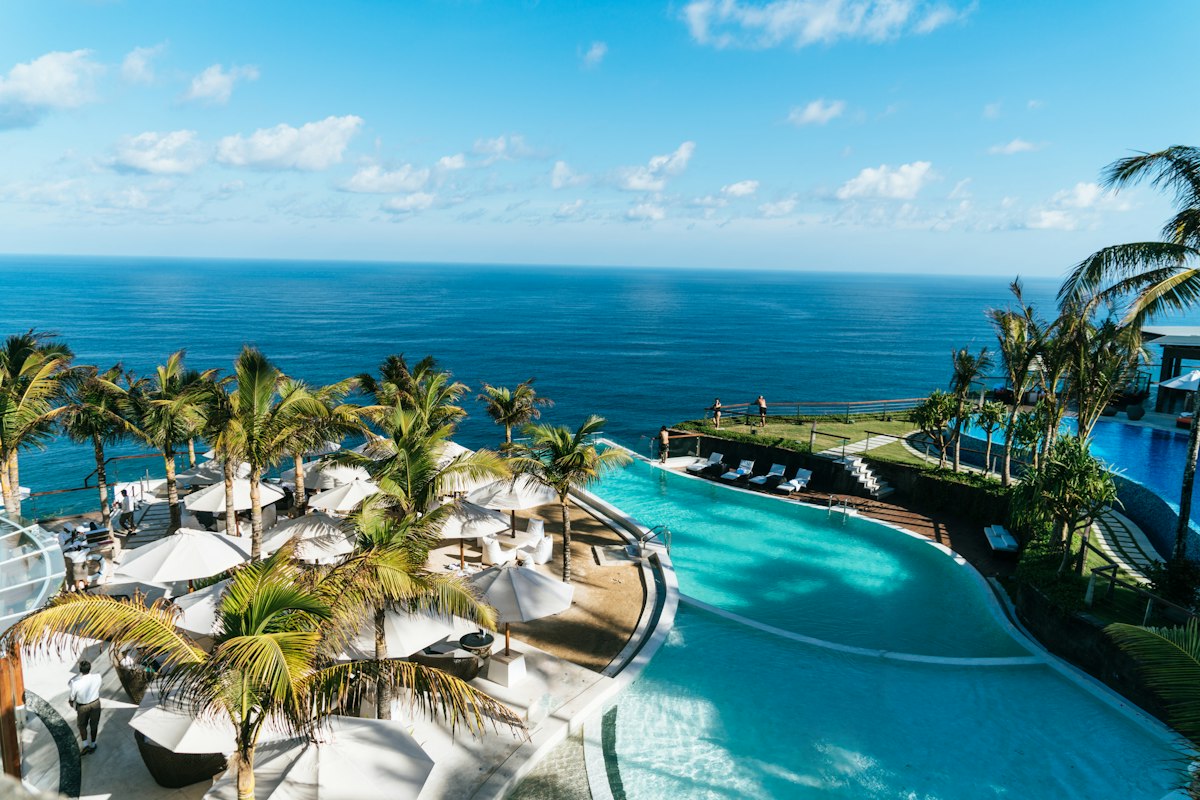
A $100,000 budget buys a solid 1-2 bedroom condo in Cebu's business district — the kind of modern, amenity-rich unit that would cost $300,000–$500,000 in a comparable US city. In Davao or Clark, that same budget gets you a spacious 2BR with city views.
Buyer-side costs run 2–4% of purchase price (transfer tax, documentary stamps, registration). No stamp duty or VAT on resale units under PHP 3.2 million. Mortgage rates for foreigners are 7–10% — higher than the US, so many expats buy cash.
For Americans buying Philippine property:
- Condos: yes. Full ownership in your name, no restrictions (except the 40% building cap)
- Houses/land: no. You cannot own land as a foreigner. Workarounds include long-term leases (up to 50 years, renewable to 75) or buying through a Philippine corporation (60% Filipino-owned)
- Pre-selling (off-plan) is huge in the Philippines — developers offer installment plans over 2–5 years with 10–30% down. Prices are lower but you're buying a promise, not a completed unit
- Title verification is critical — always hire a lawyer to check the Transfer Certificate of Title (TCT) or Condominium Certificate of Title (CCT)
For the full picture, read our guide on Philippine foreign ownership rules for condos and land and browse listings on our Philippines property page.
Taxes: The FEIE Sweet Spot
The Philippines has a relatively standard progressive tax system — but for Americans earning remotely or living on passive income, the tax picture can be very favorable.
Philippine income tax rates (2026):
- PHP 0–250,000 ($4,300): 0%
- PHP 250,001–400,000: 15%
- PHP 400,001–800,000: 20%
- PHP 800,001–2,000,000: 25%
- PHP 2,000,001–8,000,000: 30%
- Over PHP 8,000,000 ($138,000): 35%
Full details at the Bureau of Internal Revenue (BIR).
Key tax facts for Americans:
SRRV holders are generally taxed as non-residents — meaning only Philippine-source income is taxable. Remote income from a US employer or US-based freelance clients? Not Philippine-taxable under most interpretations.
US FEIE: The Foreign Earned Income Exclusion excludes up to $130,000 (2025) of foreign earned income from US federal tax. You must pass the Physical Presence Test (330 days outside the US in a 12-month period). For a remote worker earning $80,000 from a US company while living in the Philippines, this can mean zero US federal income tax on that income.
US-Philippines Tax Treaty: Signed in 1976, it provides mechanisms to avoid double taxation. IRS treaty documents are available online. The treaty particularly benefits retirees — US Social Security payments are taxable only in the US, not in the Philippines.
The practical comparison for a remote worker earning $80,000:
| USA (Texas, no state tax) | Philippines (SRRV holder) | |
|---|---|---|
| Federal income tax | $10,500 | $0 (FEIE exclusion) |
| State tax | $0 | $0 |
| FICA/Social Security | $6,120 | $0 (if self-employed abroad) |
| Philippine income tax | N/A | $0 (non-PH source) |
| Health insurance | $5,400 | $1,200 |
| Total tax + mandatory costs | $22,020 | $1,200 |
That's a potential $20,800/year savings on taxes and health insurance alone — before the lower cost of living kicks in. As one r/ExpatFIRE poster calculated: 'Between the FEIE, no PH tax on foreign income, and $1,200/year health insurance, I keep about $20K more per year in the Philippines than I did in Austin — on the same income.'
Important caveat: US citizens must still file annual tax returns regardless of where they live. Consult an expat tax specialist — firms like Greenback Tax Services and Bright!Tax specialize in US-Philippines tax situations.
Quality of Life: What the Numbers Don't Show
The cost comparison is one dimension. The lifestyle reality is what keeps expats in the Philippines for decades.
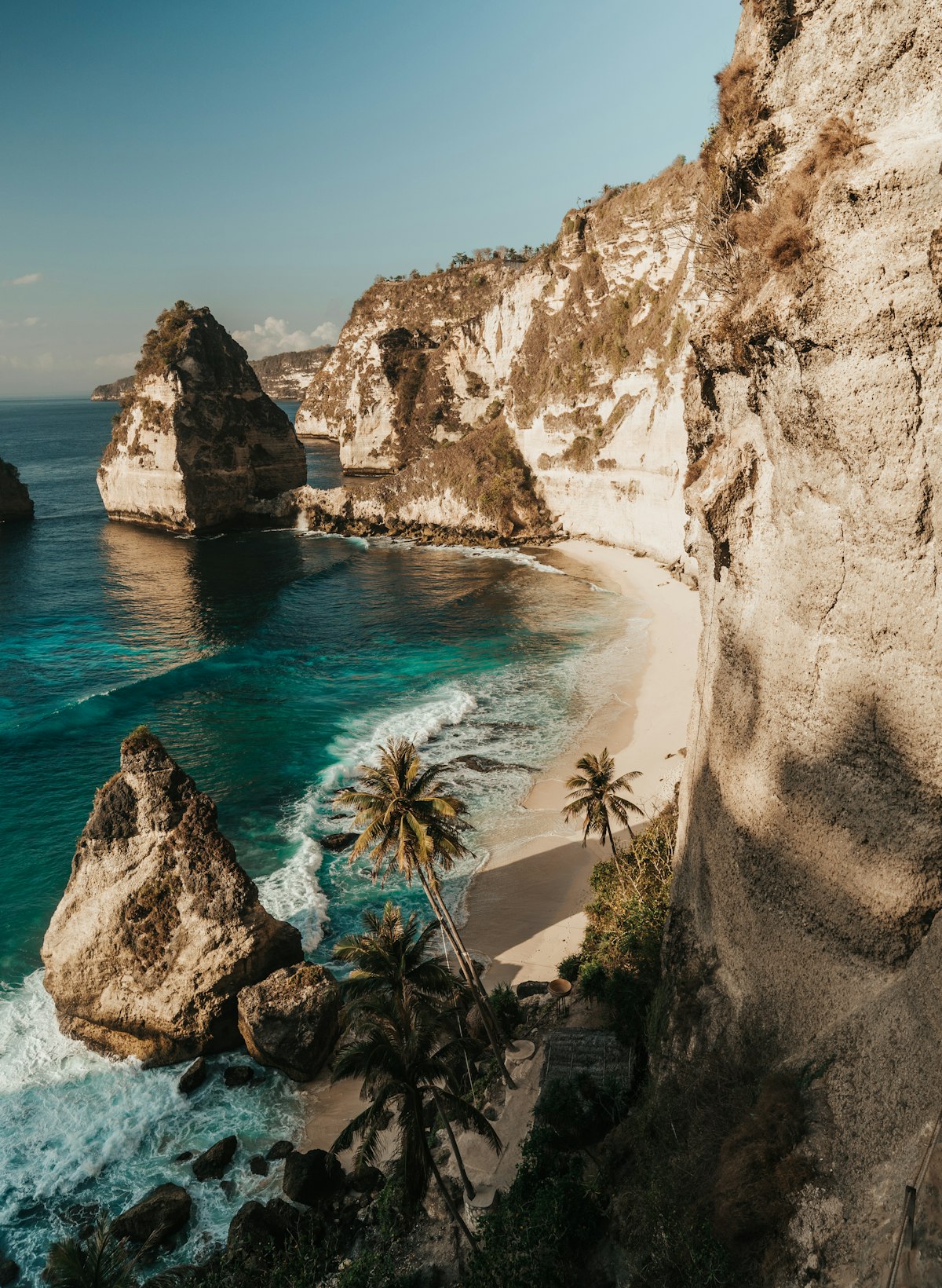
Weather: Tropical year-round. Average temperature: 77–90°F (25–32°C). Two seasons: dry (November–May) and wet (June–October). No winter, no heating bills, no seasonal depression. Typhoon season is real — particularly in the Visayas and eastern Luzon — but Davao, Cebu City, and most of Mindanao are largely outside the typhoon belt.
English: The Philippines is one of the largest English-speaking countries in the world. English is an official language, used in government, business, education, and media. You can navigate daily life entirely in English — something not possible in most other cheap-living destinations (Thailand, Mexico, Colombia).
Safety: The Philippines has higher crime rates than the US in some categories, and Mindanao's southern tip has security concerns. But the areas where expats actually live — BGC, Makati, Cebu, Davao, Dumaguete — are generally safe, with gated communities and 24/7 security standard in condos. Use the same urban awareness you'd use in any American city.
Internet: Once a weak point, Philippine internet has improved dramatically. Fiber connections (PLDT, Converge, Globe) deliver 100–300 Mbps in urban areas for $25–$45/month. Co-working spaces with reliable connectivity abound in Manila and Cebu. As r/digitalnomad confirms, Cebu and Manila are now viable for remote work.
Community: The American expat community is large and welcoming, particularly in Dumaguete, Cebu, and Angeles. Facebook groups, weekly meetups, and expat organizations provide social infrastructure from day one.
The downsides Americans should know:
- Bureaucracy is slow and sometimes frustrating — government offices, immigration renewals, banking can test your patience
- Infrastructure outside major cities is developing — expect power outages in rural areas, uneven roads on smaller islands
- Distance from the US: 15–20 hour flights, $800–$1,500 round trip. Family visits are major trips
- Poverty is visible: Income inequality is stark, and some Americans find this difficult to reconcile
- Air quality in Manila can be poor, particularly during dry season and heavy traffic hours
For the full picture, read our moving to the Philippines guide and explore things to do in the Philippines.

Visa Options for Americans Moving to the Philippines
The Philippines offers several visa pathways for Americans, with the SRRV being the most popular for long-term stays.
Special Resident Retiree's Visa (SRRV): The flagship expat visa, administered by the Philippine Retirement Authority (PRA). As of September 2025, requirements were restructured:
- Age 50+: $15,000 deposit (with pension of $800+/month) or $30,000 deposit (without pension)
- Age 40–49: $25,000 deposit (with pension) or $50,000 deposit (without pension)
- Application fee: $1,500. Dependents: $300 each
- Benefits: multiple entry, no exit clearance needed, import household goods duty-free
- The deposit sits in a PRA-accredited bank — you can invest it in a Philippine condo after 30 days
9(a) Tourist Visa Extensions: Americans enter visa-free for 30 days, extendable to up to 36 months through successive extensions at the Bureau of Immigration. Cost: roughly $30–$50 per 2-month extension. Many expats live on rolling tourist visa extensions for years — it's technically legal but requires periodic trips to immigration.
Special Visa for Employment Generation (SVEG): For investors/entrepreneurs committing $75,000+ and employing at least 10 Filipino workers.
13(a) Marriage Visa: If married to a Filipino citizen, you can apply for permanent residency.

The Philippines does not offer:
- A digital nomad visa (despite lobbying efforts)
- A standard investor/golden visa at European levels
- Visa-free long stays for Americans (30 days without extension)
However, the combination of easy tourist visa extensions and the SRRV deposit system makes the Philippines one of the most accessible countries in Asia for long-term American residents.
The Verdict: Who Should (and Shouldn't) Make the Move
The Philippines makes financial sense if you:
- Want to maximize purchasing power — your dollar goes 3–5x further
- Work remotely for a US company or live on passive income/retirement savings
- Want English-speaking integration from day one
- Value warm weather year-round with beach access
- Are comfortable with developing-world infrastructure in exchange for massive savings
- Want world-class healthcare at 80% below US prices
- Are pursuing FIRE (Financial Independence, Retire Early) — a $500K portfolio can fund a comfortable Philippine lifestyle
The Philippines might NOT make sense if you:
- Need first-world infrastructure reliability (consistent power, fast highways, efficient government offices)
- Can't handle tropical heat and humidity year-round
- Want European-style walkable cities with public transit (Manila traffic is brutal; smaller cities are bike/tricycle-friendly but not walkable like Barcelona)
- Need proximity to the US for family reasons (15–20 hour flights)
- Want to own land or a house (foreigners can only own condos)
- Are risk-averse about natural disasters (typhoons, earthquakes, volcanic activity)

The bottom-line math for a single person earning $60,000 remotely:
| USA (Austin, $60K) | Philippines (Cebu, $60K) | Annual difference | |
|---|---|---|---|
| Federal + state tax | $9,500 | $0 (FEIE) | +$9,500 |
| FICA | $4,590 | $0 | +$4,590 |
| Health insurance | $4,800 | $1,200 | +$3,600 |
| Annual spending | $36,000 | $15,600 | +$20,400 |
| Net savings | $5,110 | $43,200 | +$38,090/year |
On the same $60,000 income, you save $38,000 more per year in the Philippines — enough to build significant wealth, fund investments, or simply live a richer life. Even accounting for annual trips home ($1,500 round trip), the math is overwhelmingly in the Philippines' favor.
As r/IWantOut discussions consistently show, the Philippines isn't for everyone — but for Americans who can handle the cultural adjustment, it offers perhaps the single best cost-of-living arbitrage on Earth.
Start browsing real Philippine property listings on EscapeFromUSA and check out our things to do in the Philippines guide.
Ready to explore?
Browse Destinations