
What $250K Buys in Porto Compared to Portland, Oregon

Porto and Portland share a name, a river, a craft-coffee scene, and approximately nothing else when it comes to real estate. One is a 1,500-year-old Atlantic European city where a USD $250,000 budget buys a renovated two-bedroom apartment a five-minute walk from a UNESCO-listed riverfront. The other is a Pacific Northwest metro where the same USD $250,000 is barely enough for a one-bedroom condo in an outlying neighborhood or a 1,000-square-foot bungalow in need of work.
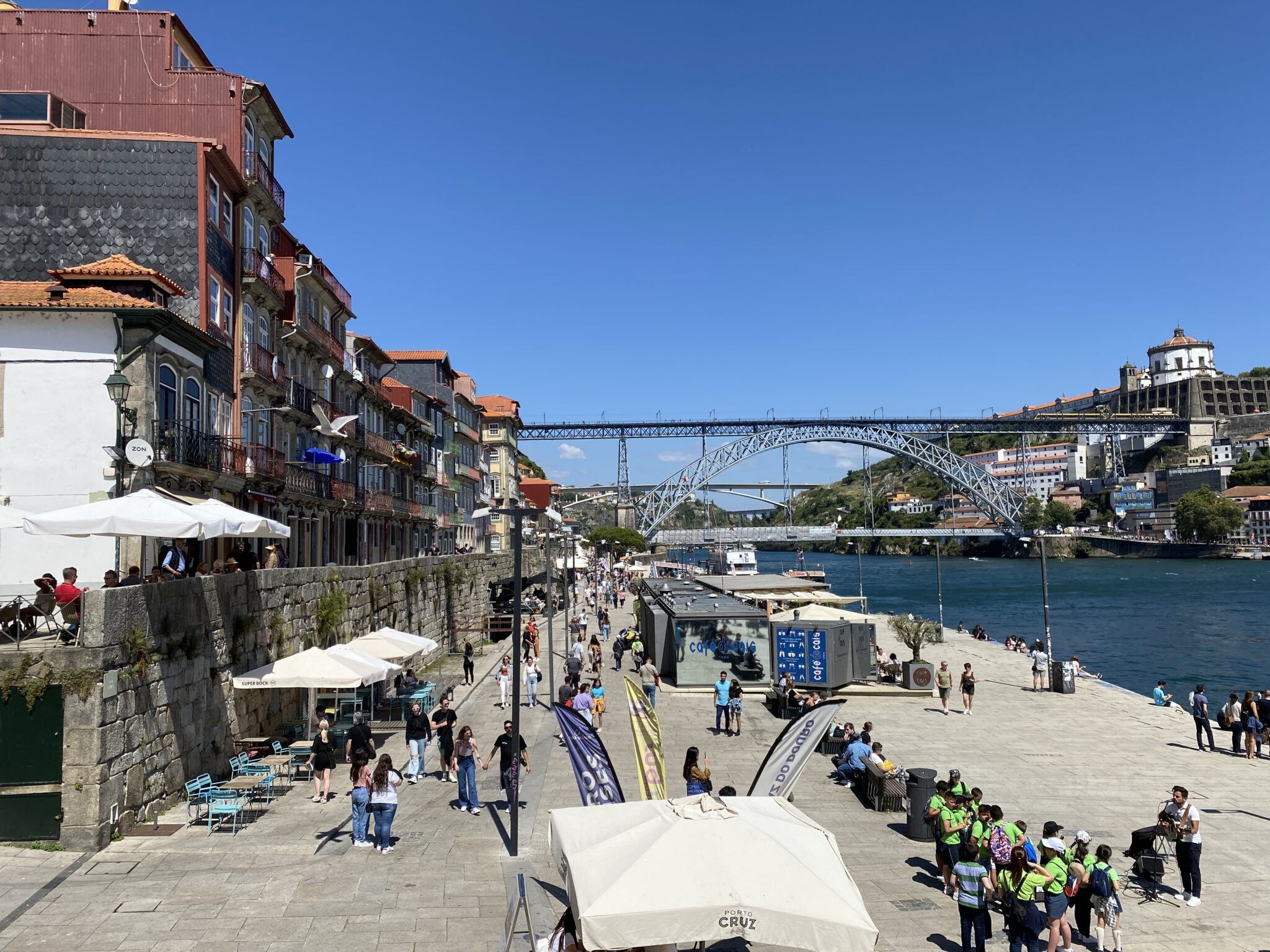
This post runs the actual comparison side-by-side. I cross-checked Porto prices against Idealista and Imovirtual, and Portland prices against Redfin Portland and Zillow Portland. For the deeper Porto picture, pair this with our cost of living in Portugal post and Lisbon buying breakdown. For the bigger Iberia decision, our Portugal vs Spain post is the natural next read.
The Headline: EUR 232,000 vs USD 250,000
At early-2026 rates of EUR 1 = USD 1.08, USD $250,000 equals roughly EUR 232,000. That becomes the Porto shopping budget. In Portland, USD $250,000 is USD $250,000; no currency math required.
What EUR 232,000 buys in Porto (2026):
- Renovated 70-90 sqm 2-bedroom apartment in Boavista, Campanha, or outer Cedofeita
- Unrenovated 90-120 sqm 3-bedroom apartment in Gaia, Matosinhos, or Paranhos
- Small 1-bedroom (45-60 sqm) in central Cedofeita, Ribeira, or Baixa
- 3-bedroom house with small garden in the outer parishes (Rio Tinto, Valongo, Maia)

What USD $250,000 buys in Portland, Oregon (2026):
- 1-bedroom condo, 550-750 sqft (50-70 sqm), in outer NE Portland, Lents, Hillsdale, or Powellhurst-Gilbert
- Small 2-bedroom condo in older buildings in outer SE Portland (Montavilla, Foster-Powell)
- Very small 2-bedroom house requiring work in Lents, Cully, or Brentwood-Darlington
- NOT: any central Pearl District, Alberta Arts, Northwest, or Laurelhurst home
Portland's median single-family home price in 2025-2026 sits around USD $515,000-$545,000 according to the Portland Metropolitan Multiple Listing Service and Zillow's Portland Home Values page. A USD $250,000 budget is approximately 45-48 percent of the Portland median, which puts you firmly into entry-level condo territory or fixer-upper houses in the outer neighborhoods.
Porto Neighborhoods for EUR 232,000
Cedofeita / Bonfim (the fashionable core): EUR 232,000 buys a small 1-bed or unrenovated 2-bed. These are the neighborhoods Porto-loving Americans obsess over, and prices reflect the obsession. Renovated 75 sqm 2-bedrooms run EUR 280,000-$380,000; a EUR 232,000 deal here requires either luck or acceptance of a renovation project.
Boavista: Modern, residential, quieter than the core, good transit. EUR 232,000 buys a renovated 70-85 sqm 2-bedroom in a 1970s-1990s building. This is the sweet spot for American buyers who want practical livability over postcard aesthetics.
Campanha / Paranhos: Working-class east-Porto neighborhoods with rapid metro access to the core. EUR 232,000 buys a proper 90-110 sqm 3-bedroom apartment, sometimes with a balcony. r/Porto threads have discussions of current conditions.
Vila Nova de Gaia: Across the Douro from Porto proper, administratively separate but continuous with the city. Metro connection via the Jardim do Morro line. EUR 232,000 buys a renovated 80-100 sqm 2/3-bedroom, sometimes with river views. Increasingly popular with Americans who want river-facing location at 20-30 percent discount to Porto city.
Matosinhos: Coastal, port-city character, 20 minutes from central Porto by metro. EUR 232,000 buys a 80-100 sqm apartment within walking distance of the beach and the famous fish restaurants. The best value in Greater Porto for a beach-adjacent apartment.
For current per-neighborhood data, Idealista's Porto market report publishes quarterly numbers, and Imovirtual's Porto listings give you a real-time feel for inventory. The Portugalist guide to Porto neighborhoods is a solid English-language orientation.
Portland Neighborhoods for USD $250,000
Portland's sub-market is almost entirely condo and small-house at this price point.

Outer SE Portland (Lents, Montavilla, Foster-Powell, Powellhurst-Gilbert): USD $250,000 buys a 1-bedroom or small 2-bedroom condo, or a small 2-bedroom house requiring significant work. These are the neighborhoods that were affordable in 2015 and have been compressed by five years of Portland prices catching up to other West Coast metros.
Outer NE Portland (Cully, Parkrose, Wilkes): Similar profile to outer SE. Marginal 2-bedroom houses and 1-bed condos.
SW Portland (Hillsdale, Multnomah, Bridlemile, West Portland Park): USD $250,000 is near-impossible for a single-family home; small condos and townhouses in the USD $240,000-$290,000 range exist but are thin on the ground.
North Portland (St Johns, University Park, Portsmouth): 1-bedroom condos in newer buildings (2005+) in the USD $220,000-$280,000 range. Very limited SFH at this price.
Gresham / Troutdale (eastern metro): Outside Portland city proper but within metro area. USD $250,000 buys a small older 2-3 bedroom house. Commute-dependent.
Cross-check against Redfin's Portland market data and the Portland Business Journal housing coverage for current trend data. Portland's Portland Metro Regional Government publishes housing affordability data showing how the USD $250,000 band has shrunk as a share of total inventory.
Threads on r/Portland document the frustration of buyers in this price tier.

Closing Costs: Where Porto Wins Decisively
Porto (EUR 232,000 primary residence):
- IMT (transfer tax, progressive): approximately EUR 9,800
- Stamp duty (Imposto de Selo, 0.8 percent): EUR 1,856
- Notary/Casa Pronta: EUR 700
- Land registry: EUR 300
- Lawyer: EUR 2,000-$3,000
- NIF and fiscal representative: EUR 200
- Wise transfer on USD $250,000: USD $1,000
- Total: approximately EUR 14,900 to EUR 16,000, or 6.4 to 6.9 percent of purchase price
Portland, Oregon (USD $250,000 primary residence):
- Title insurance (owner's policy): USD $1,200-$1,600
- Lender's title insurance (if financed): USD $500-$800
- Escrow/closing agent fees: USD $700-$1,200
- Recording fees and tax stamps: USD $200-$400
- Oregon real estate transfer tax: 0 (Oregon has no state transfer tax on residential real estate, a rarity)
- Multnomah County recording: USD $100-$200
- Inspection: USD $400-$700
- Appraisal (if financed): USD $550-$800
- Lender origination fees and points: USD $1,500-$4,000 (if financed)
- Prepaid interest, insurance escrow: varies
- Total cash-purchase closing: approximately USD $3,200-$4,900, or 1.3-2.0 percent of purchase price
- Total mortgaged purchase closing: approximately USD $6,500-$9,500, or 2.6-3.8 percent
Portland wins on closing cost percentage, in part because Oregon has no real estate transfer tax and in part because US title insurance is cheaper as a percentage on smaller purchases. But the absolute Porto closing cost stack (EUR 14,900 on EUR 232,000) is still reasonable, and well below Spain's equivalent.
The real difference is the annual carrying cost, which is where Porto decisively beats Portland.
Annual Carrying Costs: Porto Wins by 3x
Porto annual carry on a EUR 232,000 apartment:
- IMI (Portuguese municipal property tax, approximately 0.3 percent of VPT, which is typically 50-70 percent of market value): EUR 350-$600
- Condominio (condo fees): EUR 600-$1,800 per year
- Home insurance: EUR 200-$350
- Utilities (electricity, water, gas, internet): EUR 1,200-$2,500 per year
- Total: approximately EUR 2,350 to EUR 5,250 per year, or USD $2,540 to $5,670 per year
Portland annual carry on a USD $250,000 home:
- Oregon property tax (roughly 1.1 percent of assessed value in Multnomah County; assessed value is typically 70-80 percent of market value): USD $1,900-$2,400
- HOA (if condo): USD $3,000-$6,000 per year typically
- Home insurance: USD $800-$1,400
- Utilities (electricity, gas, water, sewer, garbage, internet): USD $2,400-$3,600 per year
- Total for a condo: approximately USD $8,100 to $13,400 per year
- Total for a small SFH: approximately USD $5,100 to $7,400 per year (no HOA)
Even comparing Porto apartment to Portland SFH, the Porto annual carry is roughly half the Portland carry. For a comparable apartment-to-condo comparison, Porto is 25-35 percent of Portland's cost. Multnomah County Assessment & Taxation publishes Portland property tax data.
Over a 10-year hold, the carry difference accumulates to USD $50,000-$80,000 in favor of Porto. That's real money that dwarfs the slightly higher Porto closing costs.
What You Actually Get: Lifestyle Comparison
Raw numbers are only half the story. What's daily life like in each?
Porto daily life on a modest budget:
- Metro and bus network covers the entire metro area; monthly pass EUR 40
- Coffee (espresso) at a cafe: EUR 0.80
- Mid-range restaurant meal for two: EUR 30-$45
- Groceries (single person, monthly): EUR 200-$280
- Health insurance (private): EUR 60-$110 per month as supplement to SNS
- Gym membership: EUR 30-$55 per month
Portland daily life on a modest budget:
- TriMet MAX / bus, monthly pass: USD $100
- Coffee at a cafe: USD $4-$6
- Mid-range restaurant meal for two: USD $60-$90
- Groceries (single person, monthly): USD $350-$500
- Health insurance (ACA marketplace): USD $450-$750 per month, often higher without subsidies
- Gym membership: USD $40-$75 per month
Porto's daily cost of living is approximately 50-60 percent of Portland's for comparable lifestyles. Numbeo's Porto vs Portland comparison is the quickest way to see this laid out. Expatica Portugal cost of living page has useful current numbers.
The healthcare line is decisive for many buyers: a 50-year-old American paying USD $650 per month for ACA marketplace coverage in Portland would pay roughly EUR 90 per month for comparable private supplemental coverage in Porto on top of SNS access. That is a USD $6,700 per year difference, which alone would service a meaningful Porto mortgage.
For a broader Portugal picture, our moving to Portugal guide and Lisbon cost-of-buying post are the next reads.

The Catch Nobody Mentions
If Porto's math is this good, why isn't everyone moving?
Honestly, several reasons.
1. Porto is not Lisbon, weather-wise. Porto gets meaningful Atlantic rain from November through March. Annual rainfall is around 1,200mm, compared to Lisbon's 725mm. Winter is 8-14C with persistent drizzle. American retirees who dreamed of perpetual sun are frequently disappointed by Porto's January. r/Porto climate threads confirm this.
2. Porto apartments are badly insulated. Many older apartments in Portugal have no central heating and single-glazed windows. Winter heating via space heater or reversible AC is expensive and cold rooms in January are a common complaint. Budget for energy-efficiency retrofits.
3. The visa still applies. Owning a Porto apartment does not grant you the right to live in Portugal. You need a D7, D8, or other visa. The Portuguese consulates in the US handle applications; processing currently runs 3-8 months.
4. The Portuguese tax benefit expired. Portugal's famous NHR tax regime that offered 10 percent on foreign pension income ended in 2023 and its replacement IFICI is much narrower. Retirees on US pension income no longer get the tax break that originally made Portugal legendary.
5. The cultural adjustment is real. Porto is charming, but it is genuinely provincial in ways Lisbon is not. English proficiency outside tourist zones is spotty, Portuguese bureaucracy is slow, and the service culture is deliberately unrushed. Americans who want speed and efficiency will be frustrated.
For an honest read on Portuguese bureaucracy and visa friction, our moving to Portugal guide and due diligence Portugal post are the relevant references.
Bottom line: For USD $250,000, Porto offers roughly 2x the space, roughly 3x cheaper annual carry, and dramatically lower healthcare costs versus Portland. Portland offers no language barrier, no visa process, better winter weather (!), and familiar institutions. If you're committed to leaving the US, Porto's math is strong. If you're hedging, Portland is the safer default. Our cheapest cities abroad piece puts Porto in its wider context.
Ready to explore?
Browse Destinations