Things to Do in Italy: The Ultimate Travel Guide for 2026
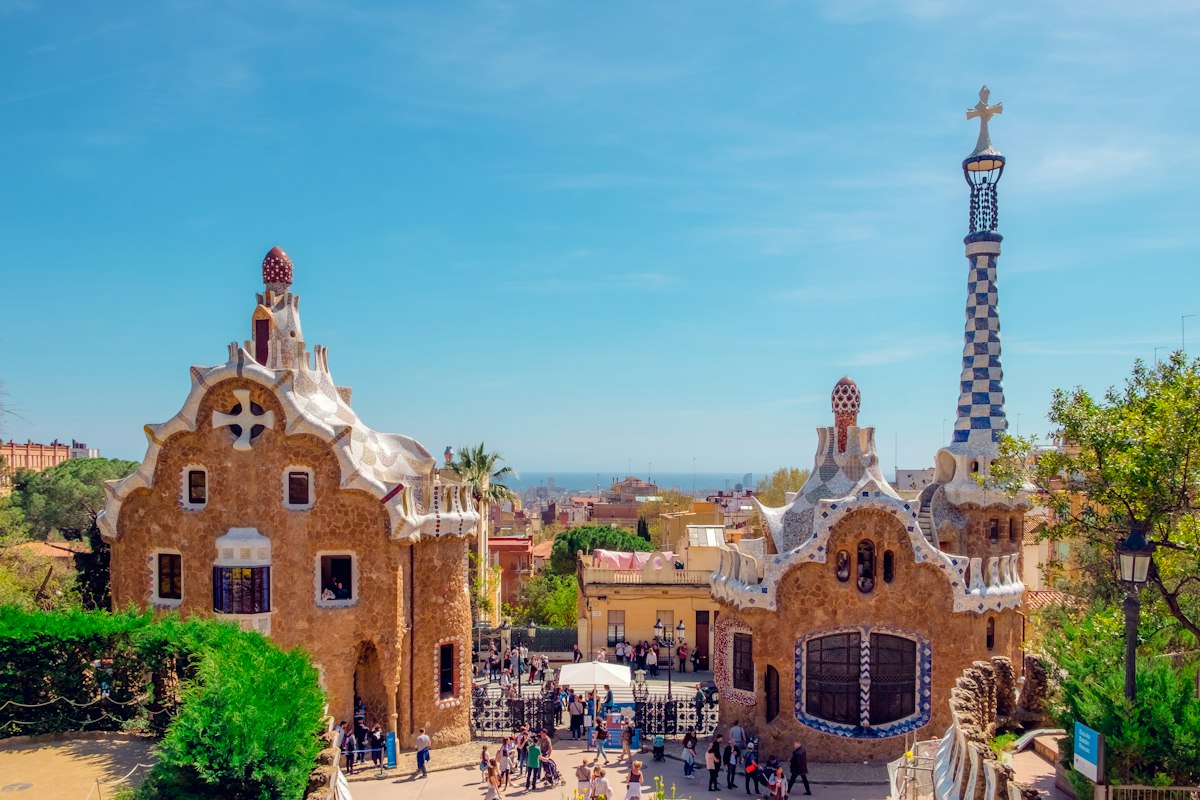
Italy has a problem that most countries would kill for: it is so extraordinarily rich in things worth seeing. Official tourism: [Italia.it](https://www.italia.it/en) (the official Italian tourism portal) covers all regions. [r/italy](https://www.reddit.com/r/italy/) and [r/travel](https://www.reddit.com/r/travel/) have active Italy threads. [Lonely Planet Italy](https://www.lonelyplanet.com/italy) provides destination depth. [TripAdvisor Italy](https://www.tripadvisor.com/Attractions-g187768-Activities-Italy.html) has booking options for skip-the-line tickets at major sites. that the sheer volume of excellence creates paralysis. Do you go to Rome and try to cover 2,700 years of history in a week? Do you focus on Florence and attempt to absorb the Renaissance? Do you drive the Amalfi Coast and spend your days eating your weight in fresh mozzarella? Do you take the train north to the Dolomites and spend a week hiking above treeline? The answer, obviously, is all of it — across multiple trips, across years, with the understanding that Italy rewards return visits more than almost any other country. The Florence you understand after your fourth visit is categorically different from the Florence you're trying to understand on your first. The same Roman forum that reads as a pile of broken marble columns on day one reveals itself, with some context, as the most important urban space in Western history. This guide is organized around maximizing the depth of each destination rather than ticking every checkbox. Italy is too good to rush.
Rome: The Hidden City Beneath the Famous One
Rome is the most layered city in the world — literally, in the sense that the contemporary city sits atop Republican Rome, which sits atop Etruscan and Bronze Age settlements, which sit atop geological time. The street level of modern Rome is often 6-8 meters above the ancient ground level. Understanding this verticality — the way the city has been continuously built upward over millennia — changes how you see every building.
The obvious things, done right: The Colosseum is unmissable and is better than most people expect, but the experience depends entirely on how you manage it. Book tickets 3-4 weeks in advance for the underground and arena floor access (€16-26 depending on the option; the standard ticket is €16 but gets you to the stands only). The tour that includes the Hypogeum (the underground passages where gladiators and animals waited) and the arena floor is worth the extra cost. Go on a weekday in April or October, arrive at opening (9am), and you'll have the interior largely to yourself for 45 minutes before the crowds arrive.
The Pantheon: Built in 125 AD by the Emperor Hadrian, still structurally perfect, still uncovered by the oculus (the 9-meter hole in the dome that is the only light source — when it rains, the rain falls through and drains through the slightly cambered floor). Entry is now €5 (free until 2022 — the new fee has reduced crowds significantly). It is arguably the most perfect building ever constructed.
The less-visited but extraordinary: The Borghese Gallery (Villa Borghese, €15 entry, maximum 360 visitors at once — book weeks in advance) houses Bernini's sculptures that changed the definition of what marble can do: Pluto and Proserpina (Bernini's marble fingers pressing into Proserpina's marble thigh is physically impossible to believe is stone), Apollo and Daphne (Daphne transforming into a laurel tree, her fingers become leaves, roots extend from her feet — it was completed when Bernini was 23 years old). Also Raphael's Deposition and Caravaggio's most violent paintings. Limit your visit to the included 2-hour time slot — it's enough and prevents fatigue.
The Aventine Keyhole: a wooden door at the Knights of Malta headquarters on the Aventine Hill through which you can see a perfect framing of St. Peter's Dome at the end of a garden avenue. Free. Almost nobody knows it exists. The Aventine neighborhood itself — with the Orange Garden (Giardino degli Aranci) and its views over the Tiber — is one of the quietest and most beautiful corners of Rome.
Trastevere: The neighborhood across the Tiber from the center (the name literally means 'beyond the Tiber') is genuine, non-touristy, and looks like Rome before the 1960s — ochre and terracotta buildings, cats on every step, laundry between windows. The Basilica of Santa Maria in Trastevere (free, open late) is the oldest church in Rome dedicated to the Virgin and has 12th-century mosaics glowing gold in the apse. Eat here: Da Enzo al 29 on Via dei Vascellari for traditional Roman pasta (cacio e pepe, amatriciana, carbonara, gricia — these are the Roman canon, they require no embellishment and resist it), Da Tonino nearby for slightly cheaper versions of the same.
Roman food culture: Rome's pasta canon is austere and perfect. Cacio e pepe (pecorino Romano cheese and black pepper, that's it), carbonara (guanciale — cured pig cheek — eggs, pecorino, black pepper, never cream), amatriciana (guanciale, tomato, pecorino, chilli), and gricia (guanciale, pecorino, black pepper — carbonara without the egg). Each has an orthodoxy defended by Roman cooks with great seriousness. Supplì (rice croquettes filled with mozzarella and meat ragù, €2-3 each) are Rome's street food. Pizza al taglio (rectangular pizza sold by weight, €3-6 for a typical serving) is the weekday lunch.
Florence: The Renaissance in Concentrated Form
Florence (Firenze) contains, per square meter of city center, more great art than anywhere else on earth. In the three kilometers between the Uffizi Gallery and the Pitti Palace, you'll pass architectural masterpieces that changed the course of Western history — Brunelleschi's dome on the Duomo (which pioneered the use of double-shell dome construction in the 15th century, still the largest brick dome in the world), Ghiberti's Baptistery doors (Michelangelo called them the Gates of Paradise, and he was not wrong), Orsanmichele (a grain market turned church whose exterior niches contain the greatest collection of 14th-15th century sculpture outside a museum), and Piazza della Signoria, where the outdoor sculptures include Cellini's Perseus and a copy of Michelangelo's David in its original location.
The Uffizi Gallery: One of the world's greatest art museums — Botticelli's Birth of Venus and Primavera, Leonardo's Annunciation and Adoration of the Magi, Raphael's portraits of the Medici, Michelangelo's Doni Tondo, Caravaggio, Titian, Velázquez. Entry €20-25 (price includes a time slot — book at uffizi.it at least 3-4 weeks in advance in summer). The first-floor Roman sculpture and second-floor painting collections are organized chronologically, making them genuinely educational rather than overwhelming if approached with some preparation.
The Uffizi recommendation: do not try to see everything. Two hours of focused attention on the things that matter to you is worth three hours of fatigue-inducing completism. The Botticelli rooms (10-14) alone justify the visit. The Leonardo rooms (15) add an hour. The third corridor with views over the Arno can be a resting point.
The Accademia Gallery: The sole reason most people visit is Michelangelo's David — the original (the one in Piazza della Signoria is a copy) stands 5.17 meters tall in a purpose-built rotunda and is more overwhelming in person than in any reproduction. Entry €16-20; book in advance. Allow 30 minutes for David and the unfinished Prisoners (four partially carved male figures Michelangelo abandoned, appearing to emerge from the raw stone — they provide better insight into his working method than anything else he made).
The Oltrarno: The area across the Ponte Vecchio (the medieval bridge lined with jewelry shops, most significantly overpriced) is the less-touristy south bank. The Pitti Palace (entry €16, combined with Boboli Gardens €22 — the Palatine Gallery inside has one of the best Raphael collections in the world) and the Boboli Gardens (a Renaissance formal garden covering 45,000 square meters on the hillside) are the main attractions. The Piazzale Michelangelo above — a large terrace with the best panoramic view of Florence — is free and reached by foot (15 minutes uphill from the Arno) or bus. Arrive at dawn or dusk for the light and manageable crowds.
For food: Mercato Centrale in San Lorenzo has a ground floor of meat, cheese, fish, and produce vendors who have been here since 1874, and an upstairs food hall (modern, less authentic, but well done for a quick lunch). Buca dell'Orafo near the Ponte Vecchio for old-school Florentine cooking (bistecca alla fiorentina — T-bone steak grilled over wood, sold by weight at approximately €60/kg — the 600g minimum is a challenge that should be met with appetite and a companion). Trattoria Mario in San Lorenzo — communal tables, no reservations, fixed menu, €15-20 for two courses, one of Florence's few genuinely authentic cheap lunch options.
The Amalfi Coast: One of the World's Great Drives
The Amalfi Coast (Costiera Amalfitana) is a UNESCO World Heritage Site and one of the most dramatic coastlines in the world — 50km of vertical limestone mountains dropping directly into the Tyrrhenian Sea, with villages built into the cliff faces at angles that seem to defy physics. Ravello (300m above the sea), Positano (cascading down a near-vertical slope to a small beach), Amalfi (built into the base of a valley that amplifies every sound from every scooter and ferry), and Praiano (less famous, quieter, genuinely beautiful) are the main villages.
The road: The SS163 coastal road connecting Sorrento to Salerno is one of the world's great drives — and one of the world's most terrifying if you're driving it. It is one lane wide in many sections, shared with buses, tour coaches, delivery vans, and suicidally confident scooters. In July and August, it is essentially a stationary car park. The recommended approach: take the ferry. SITA buses run the route efficiently but are crowded. Ferries run between Salerno, Amalfi, Positano, and Sorrento April-October (€8-15 per leg, 30-90 minutes depending on route); seeing the coast from the water, with all the villages stacked above you, is the better perspective anyway.
Positano: The most photographed, most expensive, and most worth seeing of the Amalfi Coast towns. The main beach (Spiaggia Grande) is a small pebble beach, impressive primarily as a backdrop for the stacked houses above. The town essentially operates as a vertical shopping and dining mall between June-September. Come in May or October when the crowds thin and the light is similar but the prices drop 30-40%. Lunch at La Tagliata in the hills above Positano (€35-45 for a full meal including house wine — a family-run restaurant that serves the most generous portions on the coast, with a view that justifies any price).
Ravello: 300 meters above the coast, technically more an elevation than a beach resort, Ravello has been attracting artists and aristocrats since the 19th century — Richard Wagner composed part of Parsifal here, Gore Vidal lived here for decades, and the Villa Cimbrone gardens have a belvedere terrace called the Terrace of Infinity that is, with some justice, considered the most beautiful view in Italy. Villa Cimbrone entry €7; the gardens alone justify the ticket. The Ravello Festival (July-August) brings international classical music to the Villa Rufolo's 11th-century gardens above the sea. The town is genuinely quiet and contemplative relative to the coast below.
Paestum: 50km south of Salerno (and usually overlooked in favor of the Amalfi Coast), Paestum has three of the best-preserved Greek temples in the world — better preserved than anything on mainland Greece or Sicily. The Temple of Hera and Temple of Poseidon, dating from the 6th-5th centuries BC, are surrounded by active buffalo farms that produce the finest mozzarella di bufala campana (the DOC-protected mozzarella made from water buffalo milk, eaten at room temperature within 24 hours of production, €5-8 for a 200g ball at roadside stalls). The Museum of Paestum houses the Tomb of the Diver — a 2,500-year-old burial slab with the only surviving example of figurative Greek painting in the world. Entry to temples and museum combined: €15.
Venice: How to Actually Enjoy It
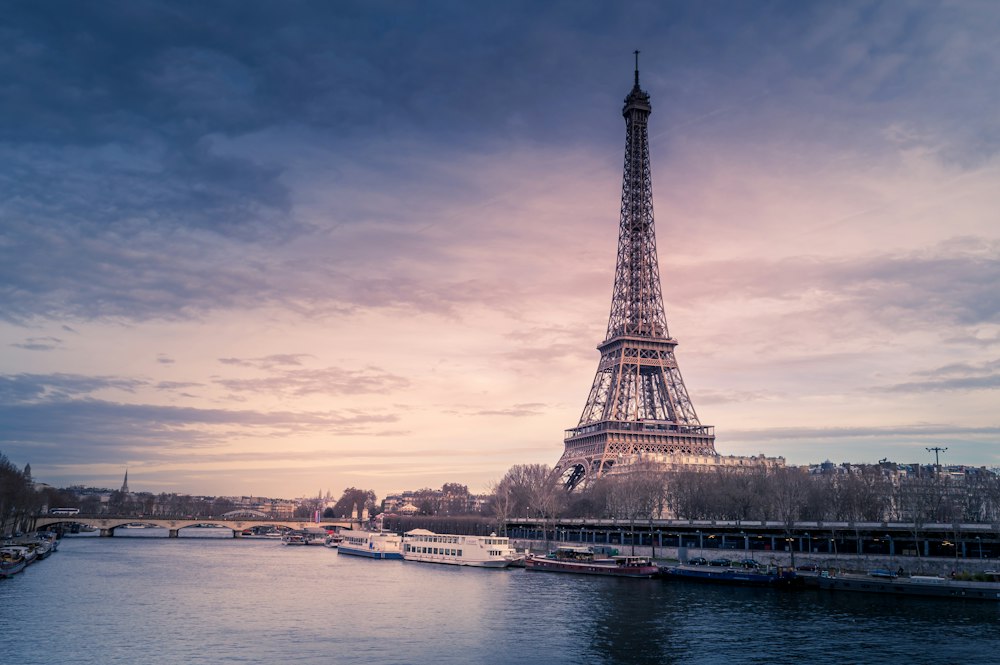
Venice is both the most extraordinary city in the world and the most exhausting tourist destination in Italy. In July and August, the historic center receives 80,000-100,000 day visitors simultaneously on its few square kilometers of islands — the same number of people who live there year-round, and in a city where the fundamental unit of movement is walking across bridges and through narrow alleys. The result is a place that can feel like a theme park queue in summer, and an absolute wonder in October.
When to go: October, November, and April are the best months. In October, the flooding season (acqua alta) begins — high water that covers the lower-lying areas of San Marco and the Rialto with 20-60cm of seawater — but the floods are actually beautiful in low light, boots are provided by hotels and sold everywhere, and the crowds have thinned dramatically. November is the quietest month (and the most atmospheric — Venice in grey fog is Venice at its most Canaletto-like). January-February has Carnevale (the last two weeks before Lent), when the city is full of costumed participants and the atmosphere is extraordinary, though expensive.
Navigation: Get lost. Seriously — following the tourist signs from San Marco to the Rialto to the Accademia on the dedicated tourist routes means missing almost everything interesting. The residential neighborhoods (Cannaregio in the north, Dorsoduro in the south, Castello in the east) have the life that the center has been evacuated of by Airbnb and souvenir shops. Campo Santa Margherita in Dorsoduro is the liveliest square in Venice — tables outside bars from noon, university students, old men playing cards, no tourist coach in sight.
The Accademia: The main art museum, covering Venetian painting from the 14th to the 18th century — Bellini, Mantegna, Giorgione, Titian, Veronese, Tintoretto, Canaletto, Tiepolo. Entry €12. The Sala dell'Albergo in the Scuola Grande di San Rocco (just west of the Frari church) has Tintoretto's ceiling paintings (the Crucifixion in particular) that Ruskin considered the greatest paintings in the world. Entry €10, separate from the Accademia.
The islands: Burano (the fishing village of brightly colored houses, 45 minutes by vaporetto from Fondamente Nove) is far less crowded than the main island and genuinely photogenic. Murano (glassblowing demonstrations available in most furnaces, free to watch, free to decline the hard sell of €200 glass bowls afterward) is 15 minutes by vaporetto. Torcello — the most remote, the most historically significant, barely inhabited now — has the 7th-century Cathedral of Santa Maria Assunta with Byzantine mosaics and Attila's Throne (a stone chair attributed to the 5th-century Hun warlord). All vaporetto tickets cost €9.50 per journey or €25/day unlimited.
Eating in Venice: Venice has a justified reputation for overpriced, mediocre food in tourist-facing restaurants. The alternative is the bacaro tradition — small bars serving cichèti (the Venetian equivalent of tapas, singular: cichetto) for €1.50-3 each. Thin-sliced bresaola on polenta, baccalà mantecato (salt cod whipped with olive oil to a creamy paste, served on bread), hard-boiled egg with anchovy, sardines in sweet-sour sauce. The bacari of the Rialto market area (head for Ruga Rialto and Sotoportego do la Bissa, not the tourist zone adjacent to the bridge) open from 10am and serve lunch from noon. Cantina Do Mori (claiming to be the oldest bar in Venice, 1462) and All'Arco just off the Rialto market are the best. A glass of local wine (ombra) costs €1.50-2.50; eat standing at the bar for the full bacaro experience.
Cinque Terre: Hiking Between Five Villages
The Cinque Terre (Five Lands) — Monterosso al Mare, Vernazza, Corniglia, Manarola, and Riomaggiore — are five fishing villages clinging to the cliffs of the Ligurian Riviera between La Spezia and Levanto. UNESCO protected them in 1997; the terraced vineyards and ancient mule paths between the villages are the defining feature. The combination of multi-colored stacked houses, cliff-edged paths, and the deep blue of the Ligurian Sea makes the Cinque Terre one of Italy's most photographed destinations.
The reality check: The Cinque Terre is small, popular, and overwhelmed in summer. The villages themselves have limited permanent populations — Corniglia has under 200 residents, Manarola under 350 — and in July-August they receive thousands of visitors simultaneously. The trail between Vernazza and Monterosso is the most scenic but also the most crowded and frequently closed for maintenance. The Manarola-Riomaggiore coastal path (Via dell'Amore) was closed for landslide repair for over a decade and has only partially reopened as of 2024.
Hiking: The classic route is the Sentiero Azzurro (Blue Trail, Trail No. 2), running 12km connecting all five villages. The full walk takes 5-6 hours; all sections are doable in either direction. The Cinque Terre National Park requires a Cinque Terre Trekking Card (€7.50/day) for access to the trails, which also includes train travel between the villages. The most scenic section is Vernazza to Monterosso (90 minutes, significant elevation changes, views from above both villages).
For a quieter hike: the Sentiero Rosso (Red Trail, Trail No. 1) runs along the ridge above the villages at higher elevation — longer, harder, and almost empty compared to the coastal trail. Views down to all five villages and out to the island of Palmaria.
The villages: Vernazza is generally considered the most beautiful — a natural harbor, a medieval tower (Torre Doria), and the best concentration of good restaurants and bars. Monterosso al Mare is the largest (1,500 people) and has the only real beach with flat sand. Manarola has the most dramatic setting — a vertical drop from the village church to the harbor below, the most-photographed view in the Cinque Terre is from the Via dell'Amore viewpoint at sunset. Riomaggiore is the most livable of the five.
Eating and drinking: The Ligurian specialty is pesto alla genovese — the most complex and delicious version of pesto, made with basil grown specifically in the soil of the Cinque Terre (the microclimate produces a particularly tender, aromatic basil), pine nuts, local olive oil, pecorino sardo, and Parmigiano. A portion of pasta al pesto costs €9-12 in the villages. Focaccia di Recco — a double-layer crêpe-thin focaccia filled with crescenza cheese — is the best street food of Liguria. Sciacchetrà is the local passito wine (grapes dried after harvest, producing an intensely sweet amber wine with oxidative notes), approximately €35-60 for a 375ml bottle.
Logistics: Stay in La Spezia (the main city, 30 minutes by train, significantly cheaper accommodation) or in one of the five villages if you can book in advance. Train is the most practical inter-village transport when the coastal paths are crowded — trains run every 30 minutes and take 3-5 minutes per village. Ferries run April-October between the villages (€15-25 for point-to-point, €35 for day pass). No cars are permitted in the villages (a strict ZTL zone).
Sicily: Ancient History, Street Food, and a Different Italy
Sicily is not quite Italy — it is Italy's most extreme version of itself, having absorbed 2,500 years of successive civilizations (Greeks, Romans, Byzantines, Arabs, Normans, Spanish, Bourbon) that each left architectural, culinary, and cultural layers that make the island unlike anywhere else in the Mediterranean.
Palermo: The capital of Sicily is a controlled chaos of baroque architecture, street markets, and street food that is genuinely different from anything on the Italian mainland. The Ballarò market in the Albergheria neighborhood (open Monday-Saturday morning) is the most atmospheric food market in Italy — stalls of offal, fish, produce, and cooked food competing for space and volume. The Palermitan street food canon: arancine (fried rice balls filled with meat ragù or mozzarella, €2-3 — in Palermo they're always arancine, feminine; in the rest of Sicily, arancini, masculine, a distinction taken seriously), pane con la milza (spleen sandwich in sesame bread with fresh ricotta — more delicious than the description suggests, €3-4 from Pani ca Meusa stalls in the Ballarò), granita con brioche for breakfast (Sicilian granita is not a sorbet — it is smoother, less icy, and served at a perfect semi-frozen consistency with a brioche bun to dip, €3-4).
The Cappella Palatina in the Norman Palace (entry €15) is the most extraordinary room in Sicily — a 12th-century chapel commissioned by the Norman King Roger II, with Byzantine gold mosaics covering every surface of the nave, wooden muqarnas (Islamic honeycomb vaulting) covering the ceiling, and opus sectile marble floors. The aesthetics of three civilizations simultaneously. The Duomo of Monreale (10 minutes by bus from Palermo, entry €4) covers 6,340 square meters of interior wall with Byzantine mosaics and is one of the great Norman medieval buildings in the world.
Catania and Mount Etna: Sicily's second city sits at the foot of Europe's largest active volcano. Etna (3,329m) erupts regularly — lava flows are visible from the city on clear nights, and ash clouds occasionally deposit grey dust on cars and laundry. Guided excursions from Catania to the summit craters cost €60-120 depending on the level of access and guide quality; the summit requires proper hiking boots and warm clothing regardless of the season. The lava soil of the Etna wine region produces some of Italy's most interesting wines: Nerello Mascalese (a light red grape with Pinot Noir-like delicacy) and Carricante (a white grape producing mineral, volcanic-tasting wines). Most Etna wineries offer tastings — Benanti, Cornelissen, Terre Nere are the names that Italian wine enthusiasts know.
The Valley of the Temples (Agrigento): Seven Greek temples on a ridge above the Mediterranean, built in the 5th century BC during Sicily's period as Magna Graecia — a Greek colony wealthier and larger than Athens. The Temple of Concordia is the most completely preserved Greek temple in the world (it survived because it was converted to a Christian church in the 6th century AD). Entry €14, or €18 combined with the excellent Archaeological Museum. Come at dawn when the first light hits the temples from the east, or at dusk when they glow amber above the almond groves.
Syracuse and the Baroque Southeast: Syracuse (Siracusa) was, in the 5th century BC, the most powerful city in the western world — larger than Athens, wealthier than Carthage, strong enough to defeat the Athenian fleet in 413 BC in one of history's decisive naval battles. The Archaeological Park contains the Greek theatre (still used for performances) and a Roman amphitheater. The island of Ortigia, the original city center connected to the mainland by two bridges, has a Baroque cathedral built on top of a 5th-century BC Greek temple (the temple columns are visible in the cathedral's exterior walls). The Baroque towns of Ragusa, Modica (famous for its cold-process chocolate, Modica chocolate made with cocoa paste and sugar without additional fat, with an extraordinary gritty texture — buy it at Bonajuto, in business since 1880), and Noto (the most completely Baroque planned town in Europe, built in the 18th century after an earthquake destroyed the original medieval settlement) form the UNESCO Val di Noto Baroque circuit, 1.5-2 hours from Syracuse.
The Dolomites: Italy's Most Dramatic Mountain Landscape
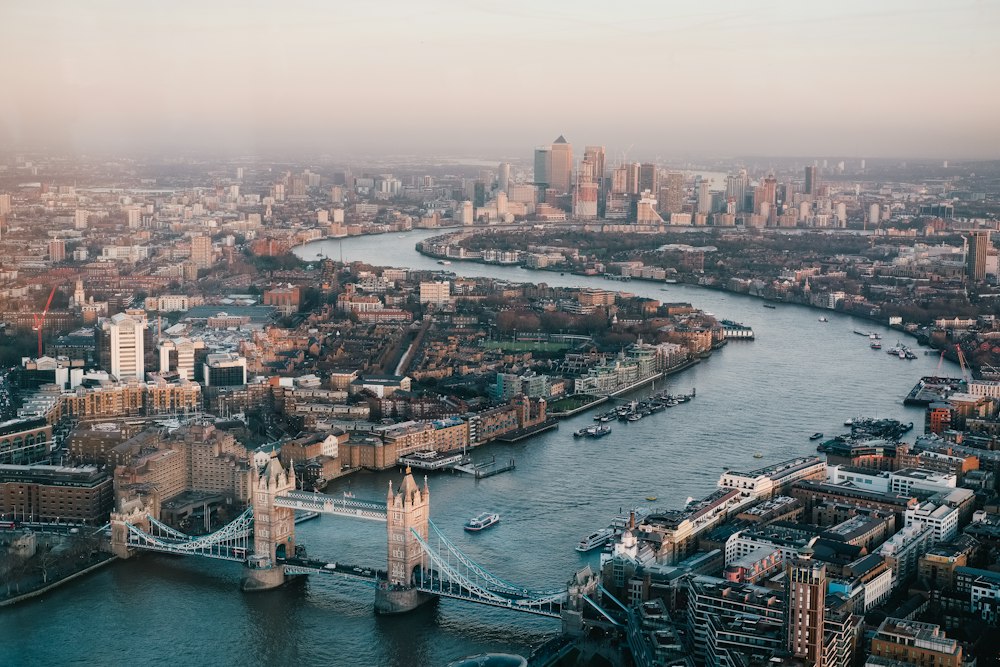
The Dolomites (Dolomiti) in northeastern Italy are a UNESCO Natural Heritage Site and arguably the most dramatic mountain scenery in Europe. The rock formations — pale limestone towers and cliff faces that turn pink and orange at sunrise and sunset (a phenomenon called enrosadira, from the Ladin word for reddening) — are unlike any other alpine landscape. The area is a crossroads of Italian, Austrian, and Ladin cultures (Ladin is an ancient Romance language still spoken by 20,000 people in the mountain valleys), and the food is accordingly a mix: polenta and stews alongside Austrian-influenced speck, Kaiserschmarrn, and Strudel.
The Cortina d'Ampezzo area: Cortina is the most famous and expensive Dolomite resort — the 'Queen of the Dolomites' — hosting the 1956 Winter Olympics and serving as a backdrop for scenes in the James Bond films. The Faloria and Tofana cable cars give access to extraordinary ridge walks. The Cinque Torri (Five Towers) — rock pinnacles above the Falzarego Pass, site of WWI military infrastructure (still intact trenches and military roads are a strange addition to the hiking experience) — is a half-day walk accessible without lifts.
Val Gardena (Grödnertal): The most accessible and well-serviced valley for both summer hiking and winter skiing. The Sellaronda — a ski circuit around the Sella massif connecting Val Gardena, Val Badia, Arabba, and Val di Fassa — is the world's most spectacular ski lift circuit, covering 40km with 26km of descents and approximately 10,000m of vertical. In summer, the same lifts give access to the Alta Via routes — high-level mountain paths with rifugi (mountain huts) every 3-4 hours.
Hiking: The Dolomites have two famous long-distance routes. Alta Via 1 (120km, 10 stages, from Braies to Belluno) and Alta Via 2 (170km, from Bressanone to Feltré). Both stay at altitude for extended periods and use rifugi for accommodation — typically €70-110/night for dinner, bed, and breakfast. Book rifugi 3-4 months in advance for July-August departures. The Tre Cime di Lavaredo (three distinctive towers above the Misurina plateau) circuit walk (9km, 3-4 hours, entry fee €35/car or €5 on foot from outside the ZTL zone) is the most iconic single walk in the Dolomites.
Mountain food: The rifugio experience is one of Italy's underrated pleasures — after 5 hours of hiking above 2,000m, arriving at a stone hut where a plate of strangolapreti (spinach and bread dumplings in butter and sage) appears for €12 is one of the more satisfying experiences in European travel. Canederli (bread dumplings in broth or with speck and cheese), venison stew with polenta, and apple strudel are the canonical rifugio dishes. In the valley restaurants, speck (air-cured smoked ham, aged 22 weeks, the most distinctive local ingredient) appears in everything — in pasta, on boards with Asiago cheese and dark bread, in soups.
Tuscany's Hill Towns: Beyond Florence
Tuscany is more than Florence. The landscape between Florence and Rome — the Val d'Orcia, the Crete Senesi, the Chianti hills, the Maremma coast — is the Italy of cypress trees on hilltops, medieval towers in medieval towns, and wines with enough depth to sustain a lifetime of investigation.
Siena: An hour from Florence by bus (the train requires a change at Empoli and takes longer), Siena is Florence's great rival — historically, artistically, and in contemporary Tuscan consciousness. The Piazza del Campo, the scallop-shaped medieval square surrounded by Gothic palaces, is the finest civic space in Italy. Twice a year (July 2 and August 16), the Palio di Siena — a bareback horse race around the Campo between the city's 17 contrade (historic districts) — takes place, a race that has run without interruption since 1656 and generates genuine, ancient, not-for-tourists emotion. The Duomo (cathedral) exterior, in green and white marble, is Romanesque-Gothic splendor; the interior Piccolomini Library has completely preserved 15th-century frescoes by Pinturicchio. The Museo dell'Opera del Duomo (behind the cathedral, €10) has Duccio's Maestà altarpiece — the defining work of Sienese Gothic painting.
San Gimignano: The hilltop town famous for its towers (14 survive of an original 72 — towers were 14th-century wealth signaling, the Ferraris of the medieval super-rich) is extremely touristy in summer but genuinely medieval in character. Come in November or February when the coach tours have stopped. The White Wine of San Gimignano — Vernaccia di San Gimignano — was the first Italian wine to receive DOC status in 1966 and remains a reliable, affordable white (€8-12 for a local bottle). Gelato at Gelateria Dondoli (two-time world champion gelatiere, lines outside regardless of season) — the saffron and pine nut combination is extraordinary at €2.50.
Montalcino and Val d'Orcia: Montalcino is home to Brunello di Montalcino — arguably Italy's greatest red wine, made from Sangiovese Grosso and aged at least 5 years before release. Bottles start at €40 at the winery and reach into the hundreds for older vintages. The Col d'Orcia, Altesino, and Biondi-Santi estates (the estate that created the Brunello style in the 1870s) all offer tastings by appointment. The Val d'Orcia below Montalcino — undulating hills with cypress alleys, wheat fields, and the Orcia river winding through — is the most photographed Tuscan landscape, the one on every Italian calendar. The SP40 road from Pienza to Montalcino in the morning light is genuinely moving.
Pienza: Built from scratch by Pope Pius II (born Enea Silvio Piccolomini in the nearby village of Corsignano) in the 1460s as a model Renaissance city, finished in three years, and barely changed since. The main street (Corso Rossellino) runs 200m from the Porta al Murello to the Piazza Pio II and has more sheep's milk pecorino cheese shops per meter than anywhere on earth. Pienza pecorino — from the Crete Senesi sheep who eat Val d'Orcia herbs — is sold fresh (fresco), semi-aged (semi-stagionato), or fully aged (stagionato). Buy a piece at each stage to eat on a hillside with local Morellino di Scansano wine.
Practical Tips: Getting Around Italy, Budget, and When to Go
Getting around Italy: Italy's rail network is genuinely excellent for the main corridors. Trenitalia and Italo both operate high-speed trains (Frecce and italotreno): Milan-Rome (2.5-3 hours, €35-80 advance, €100+ walk-up), Milan-Venice (2.5 hours, €20-50 advance), Rome-Naples (1 hour 10 minutes, €20-40), Florence-Rome (1.5 hours, €20-50). Book at trenitalia.com or italotreno.it — prices increase as departure approaches. The Italo app frequently has promotional fares for €9-19 that are essentially train-joys.
For regional rail (the rete ordinaria) — getting to the Cinque Terre, the Amalfi Coast from Naples, the Dolomites — the network is slower but functional. A rental car opens up Tuscany, Sicily, and Puglia significantly — you can't reach the Val d'Orcia or the Valle dei Templi on public transport with any efficiency.
Driving in Italy: ZTL zones (Zona a Traffico Limitato — restricted traffic zones) in city centers are enforced by cameras and fine non-residents automatically, sometimes weeks later. Every major city has them; they cover the entire historic center in Rome, Florence, and Siena. If you drive into a ZTL without a permit, you will receive a fine. Always check the ZTL boundaries before driving in any Italian city center.
Budget:
- Budget (hostel dorm, pizza/trattoria meals, mostly free museums): €70-100/day
- Mid-range (2-3 star hotel, restaurant meals, museum entries): €150-220/day
- Comfortable (4-star, restaurant dinners, private tours): €280-450/day
Key savings: Italian coffee culture is standing at the bar (al banco), not sitting at a table. A cappuccino at the bar costs €1.20-1.80. The same cappuccino at a table costs €3.50-4.50. The bar price is the standard; the sitting surcharge is legal but optional for you to accept. Lunch (pranzo) at a trattoria is always cheaper than dinner (cena) — same kitchen, same food, significantly lower prices. The menu del giorno at a trattoria typically runs €15-25 for two courses with house wine.
When to go:
- April-May: Perfect temperatures (18-24°C), wildflowers across Tuscany and Umbria, manageable crowds, full museum access. Easter is extremely crowded in Rome but extraordinarily atmospheric.
- September-October: The best month. Harvest season in every wine region, summer crowds gone, sea still warm enough to swim (23-25°C on the Amalfi and Sicilian coasts), and the golden light that photographers travel specifically to experience.
- July-August: Peak season. Rome and Venice are genuinely overwhelming (40°C in Rome in late July, 85,000 day tourists in Venice simultaneously). Useful only for beach destinations. Book accommodation 4-6 months in advance for any popular area.
- November-March: Off-season. Most monuments are less crowded; prices are lowest (40-60% below peak). Venice in November is extraordinary. Southern Italy and Sicily are mild year-round (15-18°C in Sicily in December). The Dolomites are best for skiing December-March.
For skip-the-line tickets at the Colosseum, Vatican, Uffizi, and other major sites, book through TripAdvisor Experiences Italy or Viator. r/italy has practical threads on visiting major cities. r/solotravel has Italy itinerary advice.
Tipping: Italy does not have an American tipping culture. A coperto (cover charge, typically €1.50-3 per person) appears on most restaurant bills and is legal — this covers bread, service, and the table. Beyond the coperto, leaving €2-5 on a good meal at a restaurant is appreciated but not expected. Do not tip at a bar. Pizza places and casual spots: no expectation of tipping.
Ready to explore?
Browse Destinations