Things to Do in Japan: The Ultimate Travel Guide for 2026
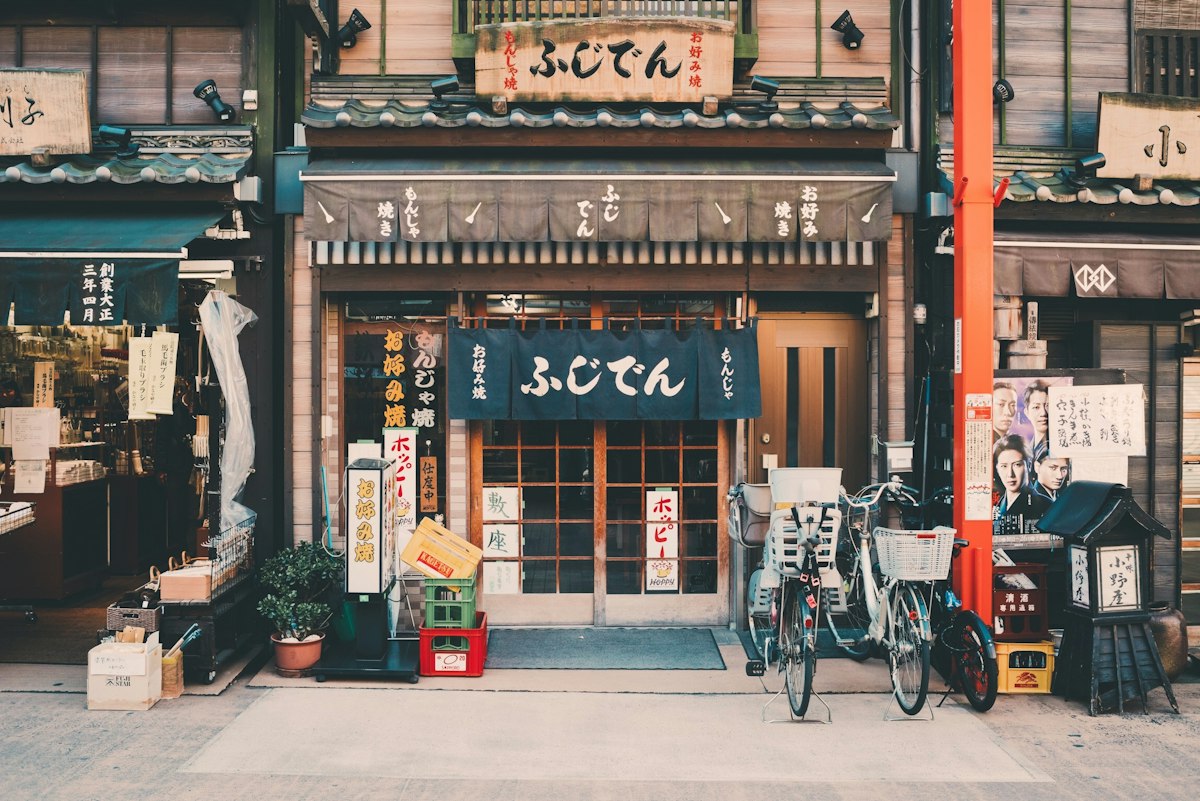
Japan operates by rules you don't entirely understand, and that's the point. Official tourism: [Japan.travel](https://www.japan.travel/en/) (Japan Tourism Agency's JNTO portal) has regional guides, itineraries, and the free Japan Official Travel App. [r/JapanTravel](https://www.reddit.com/r/JapanTravel/) is one of Reddit's most helpful travel communities with current practical advice. [r/japanlife](https://www.reddit.com/r/japanlife/) covers daily life and longer stays. [Lonely Planet Japan](https://www.lonelyplanet.com/japan) provides comprehensive coverage. [TripAdvisor Japan](https://www.tripadvisor.com/Attractions-g294232-Activities-Japan.html) has booking options for major attractions. The vending machine that dispenses hot coffee in winter and cold beer in summer. The train that apologizes for being 30 seconds late. The ramen shop where you buy your ticket from a machine, eat in silence, and leave without speaking to anyone — and somehow it's one of the most satisfying meals of your life. Japan is a country of profound surface pleasures and even deeper complexities, and it rewards visitors who approach it with patience and curiosity rather than a checklist. This guide is for people who want to understand why Japan is different, not just see that it is.
Tokyo: Navigating the World's Most Complex City
Tokyo is 13.96 million people in the central city and 37.4 million in the greater metropolitan area — the largest city on Earth — and it functions. The trains run. The streets are clean. The food is extraordinary. The neighborhoods are distinct enough that crossing from Shinjuku to Shimokitazawa (12 minutes by Odakyu line) feels like entering a different city.
Shinjuku is Tokyo's commercial core and its most vertigo-inducing neighborhood. Shinjuku Station (the world's busiest, 3.5 million daily users, 200 exits) is the problem and the landmark simultaneously. East exit: Kabukichō (the entertainment district, neon, pachinko, izakayas, host clubs, some of the best gyōza shops in Tokyo in the alleys off the main strip). West exit: the skyscraper district, Tokyo Metropolitan Government Building (free observation deck, open to 10:30pm, views over Fuji on clear winter days). The Golden Gai (northeast of Kabukichō) is a tangle of 200 tiny bars in 1950s wooden buildings, each seating 6-8 people — these are the most distinctive drinking spaces in Tokyo. Most charge a seating fee (chakukin or table charge, ¥500-1,000) and the owner often speaks some English. A beer: ¥700-1,000.
Shibuya is the crossing, the young fashion, and the ascending energy. The Shibuya Scramble Crossing (L'Intersection of Shibuya) at rush hour (5-7pm) with 2,500 people crossing simultaneously in every direction is best seen from above: the Starbucks on the corner, or the free viewing deck at Shibuya Hikarie on the east side. The back streets of Shimokitazawa (3 stops south on the Inokashira line) have the secondhand clothes shops, the live music venues, the curry houses, and the vintage vinyl stores that Shibuya's commercial strips replaced years ago.
Akihabara is the electronics and anime district — eight floors of manga, a basement of components, floors of figures, a floor of rhythm games, a floor of retro Famicom cartridges. The correct approach is aimless: go up every escalator and see what's at the top. The Yodobashi Akiba department store is the largest electronics store in Asia. Maid cafés here are the original iteration — the staff are in maid uniforms and address you as 'master' (ご主人様). Budget ¥2,000-3,000 for a drink and performance.
Yanaka: The neighborhood that survived WWII bombing intact. Old wooden machiya townhouses, temple gardens open to the street, tofu shops and sembei cracker sellers that have been operating for 60 years. Yanaka Ginza shopping street (100m, 70 shops) is the most evocative streetscape in Tokyo. Free to walk; budget ¥1,000-2,000 for shopping and snacks.
Practical Tokyo: IC card (Suica or Pasmo, ¥500 deposit, reloadable at any station) works on all trains, subways, and buses in Tokyo and Japan's major cities. A day's worth of transit averages ¥600-1,200 depending on range. The Yamanote Line (¥200-250 per trip) loops the major districts. Google Maps transit directions are reliable and include precise platform numbers.
Kyoto: The Temple City and the Art of Slow Travel
Kyoto was Japan's imperial capital for over a thousand years (794-1869) and was specifically excluded from the atomic bomb target list during WWII at the request of Henry Stimson, the US Secretary of War, who had honeymooned there. The result is a city with 17 UNESCO World Heritage sites, over 1,600 Buddhist temples, and 400 Shinto shrines — the densest concentration of historical religious architecture in Asia.
Fushimi Inari-taisha is the most visited site in Kyoto for good reason — 10,000 torii gates (red-orange Shinto shrine gates donated by businesses) wind 4km up Mount Inari. The lower 30 minutes of the path are crowded; the upper section (2+ hours each way to the summit at 233m) is often nearly empty. Visiting at 6am means the lower gates to yourself. Free entry, open 24 hours.
Kinkaku-ji (Golden Pavilion): The gilded top floors of the Zen temple reflecting in Kyoko-chi Pond are among the most photographed images in Japan. Entry ¥500. Best light: morning (9am opening) or on overcast days when the gold is less reflective. The gardens are small — plan 45 minutes maximum.
Gion is the geisha (geiko) district and the neighborhood that shaped most international images of Kyoto. Hanamikōji Street from Shijō Avenue south to Kenninji temple is the main street — lantern-lit in the evening, lined with ochaya (teahouses) and expensive kaiseki restaurants. Geiko and maiko (apprentice geisha) emerge in the early evening (5-6:30pm) walking to appointments. Do not grab them for photos — it happens constantly and is considered harassment. The nearby Ninenzaka and Sannenzaka stone-paved lanes climbing toward Kiyomizudera are beautiful but extremely crowded by 10am.
Arashiyama Bamboo Grove: The 500m path through bamboo stalks that block out the sky is legitimately transcendent — the sound of wind through bamboo is unlike anything else. Arrive at 6:30am to experience it without 1,000 people around you. The Tenryu-ji temple garden adjacent (¥1,000 entry) is Kyoto's best garden: designed in 1339, the pond and stone composition has barely changed. The Togetsukyo bridge over the Oi River in autumn (late November) and in cherry blossom season (early April) is one of the classic Japanese landscapes.
Nishiki Market ('Kyoto's Kitchen') runs 400m east to west parallel to Shijō Avenue: 130 vendors in a covered arcade selling tsukemono (pickled vegetables), tofu, matcha sweets, skewered octopus, fresh-grilled mochi. Arrive at 10am for the full active market. Budget ¥1,500-3,000 for a walk-through snacking session.
Day trip: Nara (45 minutes by Kintetsu Express from Kyoto, ¥680) has 1,200 wild sika deer roaming freely around Tōdai-ji temple and Nara Park. Deer cracker sellers (shika-senbei, ¥200 for a bundle) will be mobbed immediately upon purchase. The Great Buddha Hall (Daibutsuden) at Tōdai-ji houses a 15m bronze Buddha and is the world's largest wooden building (¥600 entry).
Osaka: Street Food Capital of Japan and the Country's Most Extroverted City
Osaka occupies a different cultural register from Tokyo and Kyoto. Where Tokyo is formal and Kyoto is restrained, Osaka is loud, direct, proud of its food obsession, and quick to laugh. The local phrase is kuidaore — 'eat yourself into bankruptcy' — and the street food culture here is the most concentrated in Japan.
Dotonbori is the heart of Osaka's entertainment and food district: a 200m canal-front street with neon signs (the Glico Running Man LED sign has stood since 1935), takoyaki stands (octopus ball vendors — the real ones are on the alleys off the main strip), and restaurants stacked 8 floors high. The Kani Doraku mechanical crab sign is the other landmark. Evening crowd peaks at 8-10pm; the streets are nearly impenetrable on weekends. Budget ¥2,000-4,000 for a Dotonbori eating session.
Kuromon Ichiba Market ('Osaka's Kitchen', open 8am-6pm, 580 stalls in a covered arcade) is where Osaka restaurants buy their ingredients and where food tourists should go instead of Dotonbori for quality. Vendors sell directly from their market stalls: fresh tuna sashimi cut to order (¥500-800/portion), king crab legs grilled on the spot (¥1,500-3,000), wagyu beef skewers (¥600-1,200), and oysters on ice (¥200 each). The stalls closest to the Nippombashi entrance are most tourist-oriented; walking 100m further inward finds working market pricing.
Shinsekai is an old amusement district from the 1920s that fell into disrepair and is now experiencing a gritty revival. The Tsūtenkaku Tower (¥800) is the neighborhood's symbol. The specialty food is kushikatsu — battered and deep-fried skewers of meat, vegetable, or cheese dipped in a communal tangy sauce. The rule displayed at every kushikatsu counter: no double-dipping. Restaurants on Jannjan横丁 alley charge ¥150-300 per skewer.
Osaka Castle (Osaka-jo) was originally built by Toyotomi Hideyoshi in 1583 and is Japan's most visited castle (the current exterior is a 1931 concrete reconstruction with an elevator inside, which purists dislike but which means the views from the top floor are effortlessly accessible). Entry ¥600. The park around it is one of Osaka's best cherry blossom spots (late March-early April, 600 cherry trees).
Day trip to Nara: Only 35 minutes from Osaka Namba by Kintetsu Express (¥680). Combine with Kyoto (30 minutes onward from Nara by JR Yamatoji Line) for a full circuit. The JR Pass covers the JR portion; Kintetsu requires separate purchase.
Mount Fuji and the Fuji Five Lakes: Climbing Japan's Sacred Mountain
Fuji-san (3,776m) is the highest mountain in Japan and a national obsession — painted and photographed from every angle, embedded in Japanese art history, and climbed by 300,000 people every summer. It is also an active stratovolcano (last eruption 1707) and a Shinto sacred site. The mountain is perfect enough to look artificial: a symmetrical cone rising from flat Kantō plain, snow-capped nine months of the year.
The official climbing season runs July 1 to September 10, when the mountain huts are open and rescue services are staffed. The Yoshida Trail (north face, most popular) starts at Fujisan 5th Station (2,305m) accessible by bus from Kawaguchiko station (¥2,000 one-way, 55 minutes) and gains 1,471m to the crater rim. The ascent takes 5-7 hours; descent 3-5 hours. Mountain hut stays (required for overnight summit sunrise climbs) cost ¥7,000-9,000 including one meal. Trail use fee: ¥2,000 (mandatory since 2024, collected at the 5th Station gate).
Sunrise (goraiko) climbing: The classic experience — arrive at 5th Station at midnight, climb through darkness, reach the crater rim at dawn. This means hiking in cold (-5°C to 5°C at summit even in summer), wind, and possible altitude effects. Gear required: hiking boots (not sneakers), base layer + fleece + waterproof shell, headlamp, trekking poles (rentable at 5th Station), altitude sickness medication (optional but recommended). The trail is not technically difficult but altitude effects start above 2,500m.
Viewing Fuji without climbing: The Fuji Five Lakes (Fujigoko) at the northern base offer the postcard views. Lake Kawaguchi is the most accessible (2.5 hours from Shinjuku by Fujikyu bus, ¥2,100). The Chureito Pagoda at Arakurayama Sengen Park (398 stone steps from Shimoyoshida station) frames Fuji perfectly with a five-story pagoda in the foreground — the most reproduced image in Japan. The Oshino Hakkai (eight sacred springs) near Fujiyoshida are clear spring pools fed by Fuji snowmelt, completely free to walk around.
The Shinkansen Fuji view: If not climbing, the best dynamic Fuji view is from a Shinkansen (bullet train) between Shin-Fuji and Shin-Yokohama stations on the Tokaido Shinkansen. Sit on the right side (window seats D and E in odd-numbered cars) traveling west-to-east (Tokyo to Osaka direction), opposite side for the reverse. The mountain appears for approximately 3 minutes. The 7:08am Hikari from Tokyo on a clear winter morning is the canonical experience.
Onsen Culture: The Japanese Art of the Bath
Japan has more active volcanoes than any other developed country and the geothermal activity produces thousands of natural hot springs (onsen) ranging from outdoor rock pools in mountain valleys to multi-story resort complexes. Bathing culture is deeply embedded in Japanese life — the communal onsen is a space of radical equality where age, rank, and profession are stripped away with the clothes.
Beppu (Kyushu island) is the onsen capital of Japan — eight distinct spring areas (the 'Eight Hells' of Beppu) with different mineral compositions and temperatures. The Jigoku Meguri (Hell Tour, ¥2,200 combined ticket) covers the most dramatic: Umi Jigoku (cobalt blue, 98°C), Oniishibozu Jigoku (mud pools that resemble boiling monk heads), and Chinoike Jigoku (blood pond, red from iron oxide). These are viewing-only, not for bathing. The actual bathing is at Takegawara Onsen (sand steam bath, ¥1,630) or Hyotan Onsen (multiple outdoor pools, ¥770).
Hakone (90 minutes from Tokyo by Romance Car express train, ¥2,470, highly recommended) is the most accessible onsen destination from Tokyo — 16 distinct hot spring areas in volcanic mountains south of Fuji. The Hakone Ropeway (cable car, covered by Hakone Free Pass) passes directly over the steaming Owakudani volcanic valley. Most ryokan (traditional inns) in Hakone include private or shared onsen in their rates. A night at a ryokan with onsen and kaiseki meals runs ¥25,000-60,000 per person — but the basic public baths (sentō) in each Hakone town charge ¥500-700.
Onsen etiquette: The rules are consistent everywhere and strictly observed. Wash and rinse completely at the shower stations before entering any bath (the water is shared). No towels in the water (fold yours on your head, set it aside). Tattoos are prohibited at most onsen (yakuza history; many places are beginning to change this — check online before visiting). Phones/cameras are absolutely prohibited in bathing areas. Mixed bathing (konyoku) exists at some rural onsen but is rare; most facilities have separate men's (男) and women's (女) sections.
Kinosaki Onsen in Hyogo Prefecture is the most picturesque onsen town in Japan — a canal-flanked street with 7 bathhouses (sotoyu) you can access on one pass (¥1,600/day). Guests at any inn wear yukata (light cotton kimono) and wooden geta sandals to walk between the baths. The sound of wooden sandals on stone streets at night, lamps reflected in canal water, is exactly as good as it sounds.
Hiroshima and the Peace Memorial: Japan's Most Profound Site
Hiroshima was chosen as the first target for an atomic bomb on August 6, 1945, at 8:15am, primarily because it was a flat city in a river delta that would allow accurate measurement of the blast effect. 70,000 people died instantly; 70,000-80,000 more died in the following months from burns and radiation. The city was rebuilt. The memorial and museum that now stand at the hypocenter are the most important and most carefully designed public memorial in the world.
Hiroshima Peace Memorial Park occupies the hypocenter zone — the Genbaku Dome (the only structure left standing near the blast, deliberately preserved as a ruin), the Cenotaph for Atomic Bomb Victims (an arch framing the Dome in the distance), the Children's Peace Monument (with 10 million paper cranes folded by schoolchildren from around the world), and the Flame of Peace (which will burn until all nuclear weapons are eliminated). The park is free and open 24 hours.
Hiroshima Peace Memorial Museum (¥200, 8:30am-6pm, extended hours in summer) is one of the most significant museums in existence. The main hall covers the history of the bombing with objects recovered from the hypocenter: a child's tricycle, a watch stopped at 8:15, glass fused into a wall, a shadow burned into stone steps where a person sat. Allow two hours. Children under 15 may find the content distressing.
Miyajima Island (Itsukushima): 30 minutes from Hiroshima by JR train + ferry (¥340 one-way, JR Pass covers both). The torii gate (Otorii) of Itsukushima Shrine stands in the tidal flats — at high tide it appears to float, at low tide you can walk to its base. The shrine complex dates to 593 AD (current structure 1168). Sika deer wander the island. The hiking trail to Mount Misen (535m, 2-2.5 hours, or ropeway ¥2,000 return) has views across the Seto Inland Sea. Local specialty: momiji manju (maple-leaf-shaped cakes with red bean filling, ¥100-140 each).
Practical Hiroshima: The city is 3.5 hours from Tokyo by Shinkansen Nozomi (¥18,170, JR Pass valid for Hikari but not Nozomi — the Hikari takes 4 hours). Hiroshima is also 1.5 hours from Kyoto (Nozomi, ¥11,170). The city's tram network (¥220 flat fare) covers the main attractions. Okonomiyaki (savory pancake — the Hiroshima style has noodles inside, unlike the Osaka version) is the local food — order at Okonomi-mura, a five-floor building of Hiroshima okonomiyaki restaurants.
Cherry Blossom Season: Timing, Strategy, and the Best Spots
Sakura (cherry blossom) season is the most observed annual event in Japan — the Japan Meteorological Corporation issues forecast maps from January onward, companies plan business trips around the anticipated peak bloom dates, and picnic parties (hanami) under the blossoms are a cultural institution. The season moves from south to north: Kyushu and Tokyo typically peak late March to early April; Tohoku (northern Honshu) peaks mid-late April; Hokkaido peaks late April to early May.
Peak bloom logistics: Sakura are at peak bloom (mankai) for 1-2 weeks, with full bloom lasting 4-7 days depending on weather. A cold snap extends the season; rain and wind shorten it dramatically. The optimal window: the 5-7 days from first full bloom to petal fall. Check the Japan Meteorological Corporation forecast at tenki.jp/sakura and jnto.go.jp for current-year predictions.
Top Tokyo spots: Shinjuku Gyoen National Garden (¥500 entry, 1,100 trees, the most manicured setting in the city, no alcohol permitted). Ueno Park (free, the most crowded and the most festive — hanami parties from morning to midnight, beer stalls, food vendors). Meguro River (free, 800m of canal path lined with cherry trees overhanging the water, evening light illumination for 3 weeks). Chidorigafuchi (free, moat path next to the Imperial Palace gardens, row boats available ¥800/30 min).
Top Kyoto spots: Maruyama Park (free, the weeping cherry tree at the center is lit at night, arrives surrounded by food stalls). Philosopher's Path (Tetsugaku-no-michi, free, 2km canal path between Nanzenji and Ginkakuji temples, lined with 450 cherry trees). Ninnaji Temple (¥500, famous for late-blooming short-stature cherry trees, Omuro-zakura variety, offering eye-level blooms without ladders).
Avoiding crowds: The most photographed spots (Fushimi Inari, Arashiyama, Shinjuku Gyoen) are overwhelming during peak season weekends. Arrive at opening time (most parks open 9am, some 6am) on a Tuesday or Wednesday. Less famous alternatives: Koganei Park in western Tokyo (free, 1,700 trees, almost entirely local visitors), Nara's Mt. Yoshino (1.5 hours from Osaka, 30,000 cherry trees on a mountain, viewed from below through layers of bloom — one of Japan's three great blossom sites, relatively unknown internationally).
Japanese Food: A System for Eating Well at Every Budget
Japanese cuisine is both the most precisely codified in the world (the kaiseki meal has 12 courses each with specific seasonal requirements; the Michelin Guide awards Tokyo more stars than any other city — 230 stars in 2024) and the most accessible in terms of getting extraordinary food at low price points. The ¥1,000 ramen shop frequently exceeds the ¥15,000 restaurant by any measure of satisfaction.
Ramen: Japan has 35,000 ramen shops and the category is infinitely more varied than the exported version suggests. The four main regional styles: Sapporo (Hokkaido) miso ramen with butter and corn; Hakata (Fukuoka) tonkotsu with extremely rich pork bone broth and thin straight noodles; Tokyo shoyu (soy) ramen with a lighter, more complex broth; Kyoto chicken paitan with a cloudy white broth. The best ramen shops often have no English menu and a ticket machine at the entrance. Budget ¥850-1,500 for a bowl. Ichiran (chain, individual booths facing the kitchen, highly photogenic and reliably good) is ¥890-1,290.
Sushi: Tokyo has the highest concentration of exceptional sushi restaurants anywhere, from ¥30,000 omakase at Jiro's successors to ¥1,500 counter-seat kaiten (conveyor belt) sushi that is fresh and excellent. Intermediate option: tsukiji outer market (the fish market moved to Toyosu in 2018 but the restaurant alley at the old location remains) for tuna don (tuna over rice, ¥2,000-3,000) that is superior to most high-end sushi abroad.
Convenience stores: 7-Eleven, FamilyMart, and Lawson are major food institutions in Japan. The onigiri (rice triangles, ¥130-180), egg salad sandwiches, hot foods at the register, and refrigerated bento boxes are genuinely good and are what Japanese people eat for breakfast and lunch daily. A convenience store meal: ¥400-700. The hot matcha latte from the FamilyMart coffee machine (¥200) is better than most café versions.
Budget framework:
- Street food / convenience store: ¥400-800/meal
- Ramen / soba / udon shop: ¥800-1,500/meal
- Teishoku (set meal with rice, miso soup, side dishes): ¥900-1,400 at lunch
- Mid-range restaurant dinner: ¥2,500-6,000
- Izakaya (Japanese pub, drinks + small plates): ¥3,000-6,000 per person
- Kaiseki (traditional multi-course dinner): ¥15,000-50,000+
Planning resources: Book popular restaurants and activities via Tableall or Autoreserve. For advance Shinkansen (bullet train) reservations, use JR East Travel Service Center or purchase a Japan Rail Pass before arrival. r/JapanTravel has a comprehensive wiki and active Q&A. TripAdvisor Tokyo covers major attraction booking and reviews. Japan Visitor has practical day-by-day itinerary tools.
Ready to explore?
Browse Destinations