Things To Do in Mexico: The Ultimate Travel Guide for 2026
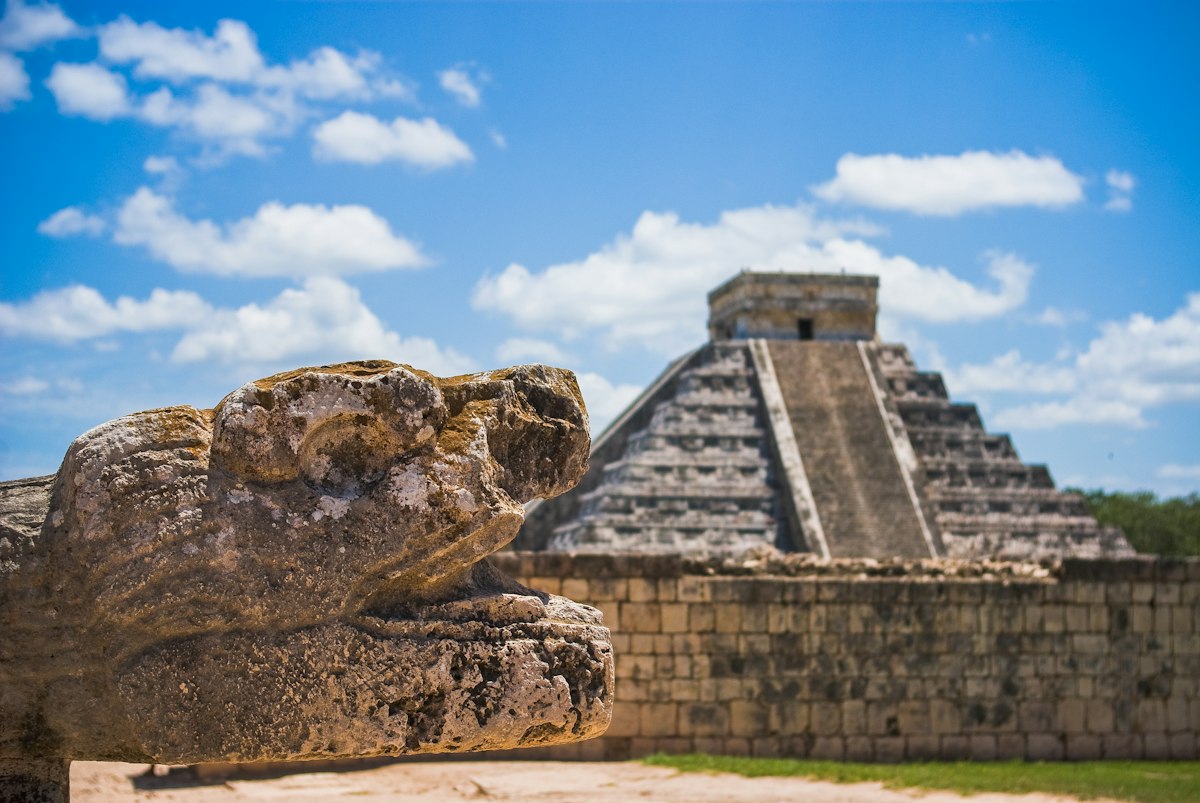
Mexico is one of the most diverse, complex, and rewarding countries on earth — a place where ancient Aztec pyramids sit alongside contemporary art museums, where street tacos for $1 compete with world-class tasting menus, and where every state feels like a different country altogether. Whether you're drawn to the cosmopolitan energy of Mexico City, the colonial grandeur of San Miguel de Allende, the Caribbean turquoise of Tulum's cenotes, or the deep Zapotec traditions of Oaxaca, Mexico will absolutely overwhelm your senses in the best possible way. This guide covers the essential experiences, the best neighborhoods, the food you cannot miss, and the insider tips that make the difference between a tourist trip and a real Mexican adventure.
Mexico City: Neighborhoods, Museums, and Urban Magic
Mexico City — CDMX to locals — is one of the great megacities of the world, home to 22 million people, more museums than any other city on the planet (over 150), and a food scene that rivals Paris and Tokyo. The key to loving it is understanding its neighborhoods, because CDMX is really a collection of villages stitched together.
Roma and Condesa are the twin hearts of contemporary cool. Roma Norte is a tree-lined barrio of art deco buildings, independent coffee shops, mezcalerías, and some of the best restaurants in Latin America. Walk Álvaro Obregón boulevard on a Sunday when it fills with cyclists and families. Grab breakfast at Contramar (the tuna tostadas are legendary, expect to pay around $25-35 per person with drinks), or queue up before 8am at El Turix for a cochinita pibil torta for about $4. Condesa blends seamlessly with Roma and has a slightly more residential, leafy feel — the Parque México is stunning, and the streets around it are lined with mid-century architecture and sidewalk cafés.
Coyoacán is where Frida Kahlo was born, lived, and died — and her house, the Casa Azul (Museo Frida Kahlo), is one of the most moving museum experiences in Mexico. Arrive early; lines form fast. Tickets are around $11 USD and must be booked online in advance. After the museum, wander the Jardín Centenario, grab a cone of elotes (corn with mayo, cheese, chili) from a street cart for $2, and duck into the Mercado de Artesanías for hand-painted ceramics and textiles.
Polanco is CDMX's luxury corridor — Presidente Masaryk boulevard is Mexico's Rodeo Drive. The Museo Soumaya (admission free) here is a stunning silver building housing Carlos Slim's personal art collection. Meanwhile, Chapultepec Park nearby is essentially Central Park times three — you could spend a full day here between the zoo, the Museo Nacional de Antropología (don't skip this; the Aztec Sun Stone alone is worth the trip), and the castle.
Insider tip: Take the metro everywhere. A single ride is under $0.30 USD and the system is extensive. Taxis and Ubers are cheap too ($3-8 for most cross-neighborhood trips), but the metro is faster and gives you a genuine slice of daily life.
Oaxaca: Food, Mezcal, and Zapotec Culture
If Mexico City is the brain of Mexico, Oaxaca is its soul. This small, walkable city in southern Mexico produces some of the most complex cuisine and spirits in the country, preserves living indigenous traditions, and sits surrounded by ancient ruins and weaving villages that feel genuinely unchanged from centuries past.
The food scene begins at the Mercado Benito Juárez and the adjacent Mercado 20 de Noviembre, where smoke rises from charcoal grills loaded with tasajo (thinly sliced beef), chorizo, and cecina (cured pork). A full meal with a side of memelas and a mezcal costs under $8. Oaxacan cuisine's seven moles — negro, coloradito, amarillo, verde, rojo, chichilo, and manchamanteles — are a lifetime study. Restaurante Los Danzantes on Macedonio Alcalá is a great starting point (budget $30-45/person with wine). For something truly special, book a table at Casa Oaxaca or Criollo (from chef Jorge León), two of Mexico's best restaurants.
Mezcal is Oaxaca's gift to the world. Unlike mass-produced tequila, artisanal mezcal is made in small batches using wild agave plants that take 8-25 years to mature. In Oaxaca City, In Situ Mezcalería offers over 350 mezcals by the glass with tasting notes and pairing food — budget around $15-30 for a proper flight. For a deeper experience, take a day trip to the villages of San Baltazar Guelavila or Santiago Matatlán (the 'world capital of mezcal'), where families have been distilling using clay pots and wood fires for generations. A guided tour with tasting runs about $35-50.
Monte Albán is the must-see ruins, a Zapotec city founded around 500 BCE that served as one of Mesoamerica's most powerful urban centers for nearly 1,500 years. The site sits on a flattened mountaintop with sweeping 360-degree views of the valley. Admission is about $5. Take a taxi from the city center (about $8 round trip with waiting time), or join a guided tour from around $15.
Day trips from Oaxaca City include the petrified waterfall of Hierve el Agua (dramatic calcium carbonate formations that look like frozen waterfalls above a valley), the Tule Tree in Santa María del Tule — a 2,000-year-old Montezuma cypress with the widest trunk of any tree on earth — and the weaving village of Teotitlán del Valle where families produce extraordinary wool rugs using pre-Hispanic dyeing techniques. Budget $50-80 for a full-day private tour covering multiple stops.
Tulum: Ruins, Cenotes, and the Caribbean Coast
Tulum has transformed dramatically over the past decade from a backpacker hangout to one of the world's most stylish resort destinations, but the natural and archaeological attractions that made it famous remain extraordinary. The key is managing expectations — it's expensive, it's busy, but it's also genuinely beautiful.
The ruins at Tulum sit on a cliff directly above the Caribbean Sea, and on a clear day (arrive before 8am to beat the crowds), the setting is unmatched in the Maya world. Admission is about $4.50 USD, and you can hire a knowledgeable local guide at the entrance for around $15-25 for a 45-minute tour. For planning advice from fellow travelers, r/mexico and r/travel's Tulum threads are worth reading. The Temple of the Frescoes and the Castillo are the highlights. After the ruins, walk down to the beach below — it's public, the water is turquoise, and you can swim right there.
Cenotes are the real reason to spend time in the Tulum area. These freshwater sinkholes — formed when the limestone ceiling of underground rivers collapsed — are sacred to the Maya and some of the most spectacular swimming spots on earth. Gran Cenote (about 3 miles from Tulum town, admission $12) is the most accessible and has both open and cave sections you can snorkel through. Dos Ojos ('Two Eyes') is a cave diving paradise — even non-divers can snorkel the crystal-clear passages ($20 admission). Cenote Calavera (aka The Temple of Doom) is smaller, wilder, and cheaper. Avoid cenotes on weekend afternoons when tour buses from Cancún arrive.
Cobá is the underrated alternative to Tulum's ruins. Forty-five minutes inland through the jungle, Cobá has a pyramid — the Nohoch Mul — that you can still climb (unlike Chichen Itzá or Tulum). The view from the top over an unbroken canopy stretching to the horizon is one of the great moments in Mexican travel. Take a bike from the entrance (rent for about $3) to get between the various temple clusters efficiently. Admission is about $4.50.
Where to stay: Tulum town (the Pueblo) is significantly cheaper than the beach strip. A solid guesthouse in town runs $40-80/night. On the beach hotel zone, expect $150-500+/night. The compromise many travelers make is staying in town and taking taxis to the beach ($3-5 each way). For the beach zone, Azulik, Be Tulum, and Papaya Playa Project are the iconic properties — book months ahead.
Food in Tulum: The Tulum beach road has some excellent restaurants but prices are inflated. El Camello Jr. in town does exceptional seafood tacos for $2-3 each. For a splurge, Arca (reservation essential) does creative Mexican cuisine with wood-fire cooking for around $60-80/person.
San Miguel de Allende and Guanajuato: Colonial Highlands
The Bajío highlands of central Mexico contain two of the country's most beautiful colonial cities — UNESCO World Heritage Sites both — that feel like they've barely changed since the 18th century. Both can be reached from Mexico City in about 4 hours by bus (around $25 one way) or 3 hours by car.
San Miguel de Allende is probably Mexico's most internationally famous small city, beloved by artists, retirees, and travelers for its pink stone churches, cobblestone streets, and remarkable year-round spring climate. The focal point is the Jardín Principal, a central plaza dominated by the Parroquia de San Miguel Arcángel — a neo-gothic pink stone church that appears in approximately 90% of all Instagram photos taken in Mexico. The actual interior is modest, but the exterior is extraordinary, especially at golden hour.
The city has a thriving expat community (significant American and Canadian population) which means excellent restaurants and services, but also somewhat higher prices than other Mexican cities. A good hotel here runs $120-200/night; excellent tacos are still $2-3 each. The neighborhood to explore is El Centro — every block reveals a new courtyard garden, art gallery, or mezcal bar. Fabrica La Aurora, a converted textile factory on the edge of town, now houses about 80 galleries and design studios and is free to wander.
San Miguel is famous for its festivals. The Día de los Muertos celebrations here (late October/early November) involve elaborate ofrendas throughout the Jardín, candlelit cemetery processions at Panteón Jardín, and an extraordinary mix of traditional Otomí and Spanish Catholic ritual. Rooms sell out 6 months in advance.
Guanajuato is arguably more authentically Mexican and, for many travelers, more captivating. The city is built into a narrow gorge and connected by a network of callejones (alleys so narrow that balconies almost touch overhead) and underground tunnels that were originally riverways. The Callejón del Beso (Alley of the Kiss) is where two balconies are only 69 centimeters apart — legend says couples who kiss here will be together for seven years. Cheesy but charming.
Don't miss the Museo de las Momias — a macabre but fascinating collection of naturally mummified bodies exhumed from the city's cemetery in the 19th century (admission about $8). The Teatro Juárez, one of Mexico's most beautiful theaters, offers tours for $3. The Mercado Hidalgo is a stunning 1910 iron-and-glass market building where you can find excellent gorditas and regional sweets.
Puerto Vallarta and Guadalajara: Pacific Coast and Tequila Country
The Pacific coast of Jalisco state offers a satisfying combination of beach resort life, one of Mexico's most livable and culturally rich cities, and the birthplace of tequila — all within a few hours of each other.
Puerto Vallarta has an older, more authentic character than Cancún or Los Cabos — the Zona Romántica (South Side) is genuinely walkable, the beach is public and lively, and the Malecón waterfront promenade is lined with public art rather than resort fences. The main beach, Playa Los Muertos, has beach clubs (Mantamar, Pecho de Burro) where you can rent a chair and get table service, or just lay your towel on the public section for free.
The Río Cuale island divides the Zona Romántica from Centro and has a pleasant string of craft markets and restaurants. The old town (Centro) has excellent street food — the Thursday night Mercado del Río is a great spot for $2-3 local dishes. For a nicer dinner, head to the hillside Colonia Alta neighborhood above the Zona Romántica, where El Arrayán serves outstanding regional Jaliscan food for about $25-35/person.
Day trips from PV worth taking: the boat trip to Las Ánimas, Quimixto, and Yelapa beaches (accessible only by water, ~$35 for a shared water taxi), or a whale watching tour in season (December-March, humpback whales come to Banderas Bay to breed).
Guadalajara — Mexico's second city — is the birthplace of tequila, mariachi, and the Mexican rodeo (charrería). It's a city of broad tree-lined boulevards, massive baroque churches, and excellent craft beer and mezcal bars that have made it increasingly interesting to younger travelers. The Tlaquepaque and Tonalá neighborhoods (connected to the city center) are Mexico's most important craft centers — block after block of shops selling Talavera pottery, blown glass, painted furniture, and traditional textiles.
A day trip from Guadalajara to Tequila town (about 1 hour) gives you the full tequila origin story. The Jose Cuervo Express train ($100-130/person round trip, includes tastings) makes it festive; driving or bussing is cheaper. The blue agave fields around Tequila are actually a UNESCO World Heritage landscape. Factory tours at Herradura, Patrón's Mexican headquarters, or smaller artisanal distilleries include generous pours.
Día de los Muertos: Mexico's Greatest Celebration
No single experience better captures the soul of Mexican culture than Día de los Muertos — the Days of the Dead, celebrated on November 1-2. This is not a morbid occasion. It is a joyful, colorful reunion of the living and the dead, rooted in pre-Columbian Aztec and Nahua traditions blended with Spanish Catholic All Saints' Day, and it is one of the most beautiful cultural experiences available anywhere on earth.
The celebration centers on the belief that on these two days, the boundary between the living world and the land of the dead dissolves, allowing the deceased to return and visit their families. Families build elaborate ofrendas (altars) in their homes and at gravesites, loaded with the deceased's favorite foods, drinks, photographs, marigold flowers (cempasúchil, which guide the spirits home with their scent and color), candles, sugar skulls, and personal mementos.
Where to experience it: The most authentic celebrations happen in indigenous communities, particularly in Oaxaca (the cemetery in Xoxocotlán is extraordinary — thousands of candles, flowers, music, and families camping overnight at graves) and in Michoacán around Lake Pátzcuaro, where candle-lit canoe processions to the island of Janitzio are one of Mexico's iconic images. In Mexico City, the Panteón Civil de Dolores in Tacubaya and Panteón Jardín in San Ángel both see genuine community celebrations rather than tourist-oriented events.
San Miguel de Allende's celebration (as mentioned above) is spectacular and more accessible to international visitors, though the city fills to capacity. Oaxaca City's processions through the streets on the night of November 1, with dancers in skull face paint and elaborate costumes, are unforgettable.
Practical tips for Día de los Muertos: Book accommodation 4-6 months in advance for any of the major celebration cities. Respect the private nature of cemetery ceremonies — ask before photographing families at grave sites. Bring cash; ATMs run out quickly. Dress warmly at night (highland cities like Oaxaca and San Miguel get cold in November). The holiday is November 1-2, but celebrations often start October 31 and run through November 3 in major centers.
What to eat and do: Try pan de muerto (sweet egg bread shaped like bones and skulls, sold everywhere in October and November), mole negro over turkey, and atole (a warm masa drink often served at cemetery gatherings). Participate by purchasing marigold flowers from a market and bringing them to leave at a public altar — it's welcomed rather than intrusive when done respectfully.
Lucha Libre: Mexico's Theatrical Sport
Lucha libre is Mexican professional wrestling, and attending a match is one of the great fun experiences Mexico City offers. Unlike American WWE, lucha libre is faster, more acrobatic, and considerably more theatrical — masked wrestlers (enmascarados) perform incredible aerial moves while playing out elaborate good-vs-evil storylines, all accompanied by a roaring crowd, beer, and street food snacks being hawked through the stands.
The sport has a genuinely deep cultural history in Mexico. The mask is sacred — when a wrestler loses his mask (as part of an apuesta, or betting match), it's a major, career-defining humiliation. Famous wrestlers like El Santo, Blue Demon, and Mil Máscaras became genuine Mexican cultural icons whose faces appeared on movies, comic books, and postage stamps.
Where to watch in Mexico City: Arena México in Doctores neighborhood is the cathedral of lucha libre — the CMLL (Consejo Mundial de Lucha Libre) holds regular events here every Friday night and some Tuesdays and Sundays. Tickets range from about $8 for arena (standing/general) seats to $25-40 for ringside. Buy tickets at the arena box office or online at CMLL's website. Another venue, Arena Coliseo near the Centro Histórico, hosts shows on Tuesdays and Sundays.
Arrive 30-45 minutes early to absorb the atmosphere: vendors selling ice cream, chili-lime chips, and the masks of famous wrestlers (buy one and wear it — locals will approve). The crowd is mostly families and genuine fans rather than tourists, which makes it feel authentic. Matches run about 3 hours with multiple bouts.
Best masks to look for: El Último Guerrero and Volador Jr. are current CMLL stars with huge followings. If you see a cartel (poster) advertising a hair vs. mask match (cabellera contra máscara), those are the biggest events of the season.
Beyond Mexico City: Guadalajara has its own lucha tradition and Arena Coliseo de Guadalajara hosts regular shows. Even smaller cities have weekly events — ask your hotel if there's a local arena. The experience in a smaller arena where the crowd is 100% local and the wrestlers are essentially your neighbors' kids is often more memorable than the big-city productions.
Mexican Street Food: A Neighborhood-by-Neighborhood Guide
Mexican street food is arguably the best in the world, and it would be a genuine shame to visit Mexico and spend most of your food budget in restaurants. Understanding what to eat, where, and what to expect to pay will transform your trip.
Tacos: The baseline unit of Mexican street food. In Mexico City, the taco al pastor — marinated pork shaved from a vertical spit (trompo) with a slice of pineapple — is the apex of the form. The best tacos al pastor in CDMX are a point of fierce local debate, but El Huequito in Centro (since 1959) and Los Cocuyos near the Zócalo are consistently excellent at $1-1.50/taco. Tacos de canasta (basket tacos — pre-made, steamed in their own heat, sold from bicycle carts) are a CDMX morning institution at about $0.75/taco. In Oaxaca, tlayudas (large crispy tortillas with beans, Oaxacan cheese, and meat) replace tacos as the default street meal.
Elotes and esquites: Corn on the cob (elote) or in a cup (esquite) with mayonnaise, cotija cheese, chili powder, and lime is the quintessential Mexican street snack. Look for carts outside markets, parks, and anywhere crowds gather. About $1.50-2.50.
Tortas: Mexican sandwiches served on telera rolls with beans, meat, cheese, avocado, jalapeños, and tomato. Torta Ahogada (drowned torta) is the Guadalajara version, where the sandwich is soaked in a spicy tomato-chili sauce and is extraordinary. About $3-5.
Tamales: Masa dough stuffed with cheese, chicken, pork in salsa roja or verde, or rajas (roasted poblano strips), wrapped in corn husks or banana leaves and steamed. Mexico City tamale culture is centered around early morning street carts outside metro stations — a tamale and a cup of atole (warm corn drink) costs about $2 and is among the city's great breakfast experiences.
Safety note: Street food from busy, high-turnover stalls with visible cooking is generally quite safe — the heat kills pathogens. Avoid pre-cut fruit that's been sitting out, and pre-made dishes that have been sitting at room temperature for hours. Drink bottled or filtered water even in Mexico City (the tap water is technically safe in many areas but quality varies).
Markets to prioritize: Mercado de la Merced (CDMX, massive, overwhelming, absolutely authentic), Mercado Medellín (Roma neighborhood, great produce and ready food, more local), Mercado Jamaica (CDMX's wholesale flower market, extraordinary to walk through), and in Oaxaca, the Mercado Benito Juárez and the 20 de Noviembre market.
Practical Tips for Traveling Mexico in 2026
Mexico is significantly easier and safer to travel than its reputation in American media suggests — particularly in the tourist corridors and major cities. That said, some planning makes a real difference.
Getting around: Domestic flights are cheap and save enormous time in a country this size. VivaAerobus and Volaris offer Mexico City to Oaxaca for $25-60 each way if booked in advance; the same route by bus takes 7+ hours. For inter-city bus travel, ADO is the premium operator with comfortable, reliable coaches — CDMX to San Miguel de Allende is about 4 hours and $25. Within cities, Uber works excellently in all major Mexican cities and is both safe and cheap ($3-8 for most rides). The Visit Mexico official site and r/mexico and r/mexicocity are all useful for travel planning. In Mexico City, the metro is the fastest option for longer cross-city journeys.
Money: Cash is king for street food, markets, and smaller restaurants. ATMs work well (use bank-branded ATMs inside supermarkets or bank lobbies rather than standalone kiosks to minimize skimming risk). Most restaurants and shops accept cards. The exchange rate as of 2026 sits around 17-18 pesos per US dollar. Never exchange money at airport kiosks — rates are terrible.
Safety by region: The US State Department's Mexico travel advisory system divides the country by state. States like Yucatán, Campeche, and Baja California Sur (Cabo) are rated Level 1 (exercise normal precautions). Mexico City, Oaxaca, Jalisco (Guadalajara/Puerto Vallarta), and Guanajuato are Level 2 (exercise increased caution — same as France and many European countries). Stick to well-traveled tourist areas, don't flash expensive gear, avoid driving at night in rural areas, and trust your instincts. Millions of Americans visit Mexico every year without incident.
Language: Spanish is essential for getting off the tourist trail. Learn: ¿Cuánto cuesta? (how much?), La cuenta, por favor (the check, please), Sin hielo, por favor (no ice, please — useful if you're being cautious about water), ¿Dónde está el baño? (where's the bathroom?). Google Translate's camera function works well for menus.
Best times to visit: October-April is the dry season across most of Mexico — ideal for most destinations. Oaxaca and Mexico City are pleasant year-round. The Yucatán Peninsula (Tulum, Cancún) is hot and humid even in winter but manageable. Hurricane season runs June-November on both coasts; September is the peak. The Día de los Muertos window (late October-early November) is one of the best times to be in Mexico, though you'll pay peak prices.
Ready to explore?
Browse Destinations