Things to Do in the UK: The Ultimate Travel Guide for 2026
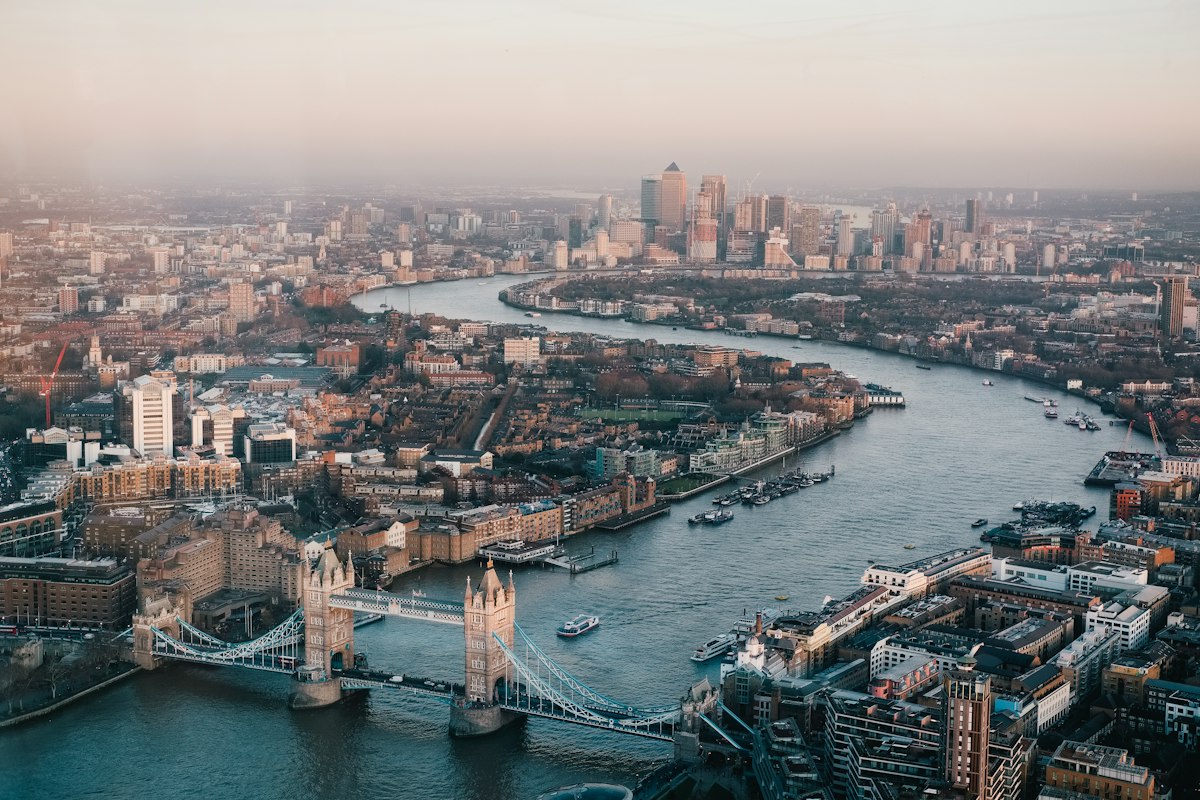
The United Kingdom is one of the most visited countries in the world, which means it is also one of the most misunderstood. Millions of tourists arrive in London, spend four days photographing Big Ben and Buckingham Palace, take a day trip to Stonehenge, and leave having experienced a carefully curated greatest-hits package that bears almost no relationship to how British people actually live or what makes this place genuinely interesting. The UK is four nations — England, Scotland, Wales, and Northern Ireland. Official tourism resources: [VisitBritain](https://www.visitbritain.com/) covers all four nations. [VisitEngland](https://www.visitengland.com/), [VisitScotland](https://www.visitscotland.com/), and [Visit Wales](https://www.visitwales.com/) provide regional detail. [r/london](https://www.reddit.com/r/london/) and [r/scotland](https://www.reddit.com/r/scotland/) have active visitor and resident threads. [Lonely Planet UK](https://www.lonelyplanet.com/great-britain) has deep destination coverage. — each with its own culture, landscape, and at least partial sense of identity separate from the whole. It has one of the world's greatest concentrations of museums, most of which are free. Its countryside ranges from the chalk downlands of Sussex to the volcanic peaks of the Scottish Highlands. Its food scene, long a national punchline, has been quietly excellent for a decade. And its pub culture — when you find the right pub — is one of humanity's more civilized inventions. This guide covers the country honestly: what's worth the hype, what's overrated, and what most visitors never find.
London Beyond the Tourist Trail
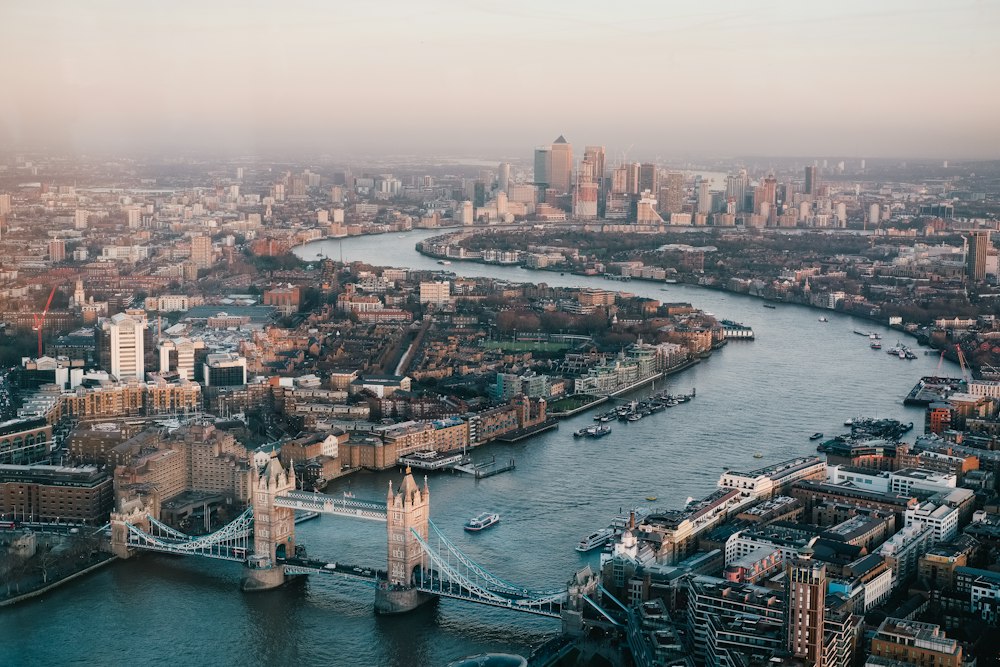
London is a collection of villages that were eventually swallowed by a metropolis and never entirely lost their individual character. Understanding this is the key to enjoying it. The tourist London — Westminster, Trafalgar Square, Piccadilly Circus — is real and has its moments, but it's not where Londoners live.
The neighborhoods worth your time:
Shoreditch and Dalston (East London): The center of London's creative economy and the area that has most shaped British design, food, and nightlife culture over the past 20 years. Brick Lane on a Sunday morning for the markets and Bengali curry house breakfasts. Boxpark on Bethnal Green Road, a pop-up mall of shipping containers, for street food. The Ace Hotel Bar on Shoreditch High Street for a coffee and some of the best people-watching in the city. Columbia Road Flower Market (Sunday only, 8am-3pm) is overwhelmingly beautiful and smells like a greenhouse. Broadway Market on Saturday morning (between London Fields and Regent's Canal) has the best artisan food stalls in east London.
Bermondsey and Borough (South Bank): Borough Market under London Bridge is the most famous food market in London — 100+ stalls selling Neal's Yard cheese, 40 Maltby Street charcuterie, Salt Yard Group products, and actual groceries for actual Londoners who live nearby. Open Monday-Saturday, busiest Thursday-Saturday. Maltby Street Market nearby is smaller and excellent. The Tate Modern is free, has the world's best modern and contemporary art collection, and the Switch House extension (opened 2016) has a fantastic rooftop view across to St. Paul's.
Brixton (South London): Brixton Market (Electric Avenue and the covered arcades) is the culinary and cultural heart of Afro-Caribbean London. Fish, yams, plantains, salt fish, goat, and jerk chicken alongside excellent coffee shops, vinyl record stores, and Brixton Brewery taproom. The Ritzy Cinema is a local institution (films from £9). At night, Brixton is London's liveliest neighborhood.
Notting Hill (West London): Yes, it was a film. It was also a neighborhood before Hugh Grant arrived. Portobello Road Market (Friday-Saturday, largest on Saturdays) runs from the Notting Hill Gate end (antiques, silver, art) down to the Ladbroke Grove end (clothes, street food, increasingly scruffy in a good way). The Westbourne Pub on Westbourne Park Road serves excellent food in a proper Victorian pub setting.
Book London attractions: Book of London and TripAdvisor London for advance tickets to the major sights.
Free world-class museums: The British Museum (Elgin Marbles controversy aside, it is extraordinary — 8 million objects, free), the Victoria and Albert Museum (the world's greatest collection of design and decorative arts, free), the Natural History Museum (the Diplodocus cast is still in the entrance hall, free), the Science Museum (free), the National Gallery on Trafalgar Square (free, and genuinely one of the world's great collections — the Sunflowers, The Ambassadors, Rokeby Venus), the National Portrait Gallery (free, recently reopened after a major renovation). You could spend a week doing only free museums in London and still not see everything.
Eating in London: The city has become genuinely one of the world's great food cities. For cheap: Dishoom in Covent Garden or Shoreditch for British-Indian Bombay café food — expect a queue, worth it, the house black daal costs £8. Koya in Soho for udon noodles done with Japanese precision. Bao in Soho (or Fitzrovia, Borough) for Taiwanese bao buns — £4-6 each, arrive early. For a splurge: Sessions Arts Club in Clerkenwell is in a former Victorian courthouse, the cooking is brilliant, and the building alone justifies the bill. The Palomar in Soho for modern Israeli cooking that will recalibrate your dinner expectations.
Day Trips from London: Stonehenge, Bath, Oxford, and the Cotswolds
London is a logical base for an enormous amount of England. The rail network from London's various termini can get you to Bath in 90 minutes, Oxford in 60 minutes, Cambridge in 45 minutes, and Brighton in 50 minutes. Here's what deserves the journey.
Bath: The only place in Britain where naturally hot water (46°C / 115°F) rises through the ground from a source deep in the earth. The Romans built an elaborate bathing complex here in the 1st century AD — you can stand above the Roman Baths (£22 adult entry, worth it) and look down into the preserved pool, the lead piping, and the votive offerings thrown in by Roman soldiers hoping for favor from the goddess Sulis Minerva. The Georgian architecture above it — crescents, squares, and terraces of honey-colored Bath stone — is some of the most beautiful urban planning in England. Pulteney Bridge over the River Avon has shops along both sides (very few bridges in the world do this — the Rialto in Venice is the most famous comparison). The Thermae Bath Spa (£40-60 for 2 hours) is the modern spa built on the same hot springs — swim in the rooftop pool while looking over the city skyline. Train from London Paddington: 80-90 minutes, £20-45 depending on booking.
Stonehenge and the Salisbury Plain: Stonehenge is both smaller than you expect and more astonishing than you expect. The stones — some weighing 25 tonnes, transported from Welsh quarries 250km away 4,500 years ago — create a silence around themselves even in a crowd. The standard access path keeps you about 50 meters from the stones; if you want to walk among them, book a "Stone Circle Access" visit (£42-55 per person, limited tickets, opens before the general public). Hire a car from London — it's 2 hours by road, less than 2 hours direct by train to Salisbury then a 30-minute bus.
The Cotswolds: A region of limestone hills and honey-stone villages that looks like the England that gets painted on chocolate boxes. The towns of Bourton-on-the-Water (overrun with tourists), Burford (better), Chipping Campden (the best), and the villages of Lower Slaughter and Upper Slaughter are genuinely beautiful in a way that photographs fail to capture because they capture too well — you expect it to be a set, and then you realize people actually live here. Go on a weekday in shoulder season (April-May or October) to avoid the crush. The Cotswolds has excellent walking — the Cotswold Way is 164km from Chipping Campden to Bath, but day walks between villages are entirely practical. Bibury is the most-photographed village in England; go at 7am before the tour coaches.
Oxford: 60 minutes from London Paddington. The university — founded in the 12th century, comprising 38 independent colleges — is the city. The Bodleian Library (Duke Humfrey's Library is the room used as Hogwarts library in the Harry Potter films — guided tour required, £18) is extraordinary. Christ Church College has the Tom Tower, the hall used in Harry Potter, and art gallery worth 30 minutes. The Ashmolean Museum (free) is Oxford's answer to the British Museum — eclectic and wonderful. The Oxford covered market (free, open daily) has been trading since 1774 and has excellent coffee, cheese, butchers, and a genuine absence of tourist tat.
Edinburgh: A City That Earns Every Superlative
Edinburgh is the most beautiful capital city in the British Isles and possibly in Northern Europe. It's built on volcanic rock — the Old Town on the ridge above, the Georgian New Town below — and the result is a city that looks like it was designed by a romantic novelist with architectural training. The contrast between the medieval Old Town (closes, wynds, closes packed up the spine of the Royal Mile) and the geometric Enlightenment grid of the New Town is unlike anywhere else.
The Edinburgh Festival (August): The Edinburgh Festival Fringe is the world's largest arts festival — in August, the city's population effectively doubles, and over 3,500 shows take place in over 300 venues over 25 days. Everything from first-run theatre and comedy to experimental dance and one-person shows in pubs. Tickets range from free (bucket shows, where you pay what you think it was worth at the end) to £40+ for headlining comedians. The International Festival runs concurrently and features world-class orchestral, opera, and classical music. The Jazz & Blues Festival, the Book Festival, and the International Film Festival also happen in August. This is, without exaggeration, the most concentrated arts event in the world. Book accommodation six months in advance.
Edinburgh Castle: Perched on the volcanic plug at the top of the Royal Mile. Entry is £18-22. The Crown Jewels of Scotland (the Honours of Scotland — older than England's regalia by 100 years), the Stone of Destiny (returned to Scotland from Westminster in 1996 and due to be lent back for coronations), and the 15th-century great hall are the main draws. The views over the city from the castle walls are extraordinary.
The Royal Mile and Old Town: The closes (narrow alleyways) off the Royal Mile are where Edinburgh's medieval history is most tangible. Mary King's Close is a preserved underground street sealed in the 17th century — guided tours run daily (£17-19). Greyfriars Kirkyard is one of the most atmospherically beautiful graveyards in Europe — Greyfriars Bobby (the loyal Skye Terrier who guarded his owner's grave for 14 years) has a statue outside, and J.K. Rowling borrowed character names (look for Thomas Riddle's grave) from the stones.
Arthur's Seat: The extinct volcano that rises 251m above the city, entirely within Holyrood Park, is a 45-minute uphill walk from Holyrood Palace. The summit gives 360-degree views across the city, the Firth of Forth, and on clear days, the Scottish Highlands. No equipment needed in summer; in winter, grippy shoes help. Free.
Eating and drinking in Edinburgh: The Witchery by the Castle is the most theatrical restaurant in Scotland — Gothic, candle-lit, game and seafood on the menu, mains £35-45. Loch Fyne Restaurant near the Usher Hall serves excellent Scottish seafood at slightly more accessible prices. For a pub, The Café Royal on Register Street is the most beautiful pub interior in Scotland — Victorian tiled portraits of inventors and explorers covering the walls, chandeliers, curved bar. The Sheep Heid Inn in Duddingston (3km from the center) has been licensed since 1360, which makes it one of the oldest licensed pubs in Scotland. Milk in West Nicholson Street for the best brunch in the city (sourdough, excellent filter coffee, queues at weekends).
The Scottish Highlands: Mountains, Lochs, and the North Coast 500
The Scottish Highlands are one of the few genuinely wild landscapes in Western Europe. This is not England's managed countryside or Ireland's soft green hills — this is something older, more austere, and physically enormous. The Cairngorms plateau is the largest area of land above 1,000 meters in Britain. Glen Coe is dramatic in a way that other valleys aspire to. And the far north — Sutherland and Caithness — is so empty and so beautiful that it has been compared to the Norwegian fjords, the Canadian tundra, and Patagonia. All of these comparisons are roughly right.
The North Coast 500 (NC500): A 516-mile circular driving route beginning and ending in Inverness, promoted since 2015 as Scotland's answer to Route 66. It runs north from Inverness, along the east coast to John o'Groats (the northeastern tip of Scotland), west along the north coast past Tongue and Durness, south down the west coast past the fishing villages of Lochinver and Ullapool, and back to Inverness through the Black Isle. Driving the whole route takes 5-7 days minimum if you want to stop anywhere. The landscape is extraordinary: the sandstone mountains of Torridon, the sandy beaches of Balnakeil Bay (white sand, turquoise water, 15°C in July), the sea stacks of Duncansby Head, and the remote stone villages of Assynt and Durness.
Key stops: Eilean Donan Castle (25km south of the NC500 on the A87 — the most photographed castle in Scotland, beautifully positioned where three lochs meet), Ardvreck Castle ruin on Loch Assynt, Smoo Cave near Durness (a vast sea cave accessible on foot, free), and the Bealach na Bà mountain pass near Applecross (the third highest paved road in Scotland — closed in heavy snow but extraordinary in summer).
Loch Ness: Nessie tourism aside (the Loch Ness Centre visitor experience in Drumnadrochit is actually good — £16 adult, much improved after a 2023 renovation), the loch itself is worth seeing. It's 37km long, 230m deep, holds more fresh water than all the lakes of England and Wales combined, and is genuinely beautiful. The B862 road along the less-visited south bank is far more scenic and far less crowded than the main A82 on the north side. Urquhart Castle (on the north bank, £12 entry, dramatic ruin) is worth stopping at.
Glen Coe: An hour and a half from Glasgow, the valley is surrounded by some of Scotland's most dramatic mountain scenery. The Three Sisters — three 900m+ ridges descending from the Bidean nam Bian massif — frame the valley on the south side. The 1692 Massacre of Glencoe (in which Campbell soldiers killed 38 MacDonalds who had given them hospitality) still resonates here in a way that surprises visitors. The Signal Rock walk (2 hours, clearly marked from the National Trust car park) gives excellent views with minimal effort. For serious walkers, the Aonach Eagach ridge along the north side is one of Britain's most exciting scrambles — exposed, exhilarating, not for the nervous. The Glencoe Mountain café at the ski center serves excellent coffee and is a good base.
The Lake District and Yorkshire Dales: England's Walking Country
The Lake District in Cumbria was Britain's first national park (1951) and became a UNESCO World Heritage Site in 2017, partly for its natural beauty and partly for its literary heritage — Wordsworth was born in Cockermouth, walked these fells his whole life, and was buried in Grasmere. Beatrix Potter lived at Hill Top Farm near Near Sawrey and observed these landscapes in the illustrations that shaped a generation's idea of what a rabbit's world should look like. John Ruskin, Thomas De Quincey, and Coleridge also lived here. The place has been inspiring writers for 250 years and the inspiration is not hard to understand.
The practical reality of the Lake District: It is the most popular national park in England and possibly in Europe. In July and August, the villages of Windermere, Bowness, and Ambleside are genuinely overcrowded — traffic, queues, and a general sense that you're spending more time fighting crowds than experiencing the landscape. The solution is to go in May, September, or October (when the bracken turns from green to rust-gold) and get off the main roads.
The best walks: Scafell Pike (978m, the highest point in England) is a 4-5 hour return from Wasdale Head via the main tourist path, or 6-7 hours via the more scenic Corridor Route. No technical skills required in summer; full waterproofs and navigation ability required in any season. Helvellyn via Striding Edge — a narrow arête with drops on both sides — is the most exciting walk in England, about 5-6 hours from Glenridding. The Langdale Pikes from Dungeon Ghyll are shorter (3-4 hours) and dramatic. For a gentle lake walk with literary context, the Rydal Water circuit from Grasmere (2 hours, flat) passes Wordsworth's dove cottage and the path he walked thousands of times.
Base towns: Keswick (north) is the most practical base — good accommodation range, outdoor gear shops (Cotswold Outdoor, George Fisher), and closest to the northern fells. Ambleside (center) for the central fells and Langdale. Coniston (south) for the Old Man of Coniston and the Bluebird speedboat heritage (Donald Campbell died attempting the world water speed record on Coniston Water in 1967).
Yorkshire Dales: Less visited than the Lake District, equally beautiful in a more understated way. The landscape is limestone — pavements, gorges, waterfalls, and dry stone walls enclosing fields where Swaledale sheep have grazed for centuries. Malham Cove is a 80m curved limestone cliff face with a remarkable limestone pavement above (used as a dramatic location in Harry Potter and the Deathly Hallows). The walk up and over takes 2 hours. Gordale Scar nearby is a gorge that intimidates. Hardraw Force near Hawes is England's longest unbroken above-ground waterfall (£2 entry through a pub).
The market towns of Skipton (excellent castle, excellent market on Saturdays), Settle, and Hawes (smallest town in England with its own brewery — Wensleydale Brewery, tours available) are all worth a morning.
British Pub Culture: How to Do It Properly
The British pub is one of the most functional social institutions ever invented — a heated communal room where people of different classes, ages, and opinions have been sitting within conversation distance since the 17th century. When it works, it is magnificent. When it doesn't — when it's a chain 'pub' serving branded lager and microwaved burgers to people staring at screens — it is irredeemably bleak. Here's how to find the former.
What you're looking for: Real Ale on cask (look for hand pumps on the bar — the tall levers pulled by the barstaff), a minimal or no television presence, an interior that looks like it was last renovated before 2000, locals who appear to be regulars. The Campaign for Real Ale (CAMRA) publishes the Good Beer Guide annually (£17 in any bookshop) — it lists the best cask ale pubs in Britain county by county and is an excellent companion for any serious exploration.
What to drink: British real ale (cask-conditioned beer served at cellar temperature, around 12-14°C, slightly below American 'cold') is the authentic choice. Bitters, milds, IPAs (the original British style, drier and less tropical than American versions), stouts, and porters are all appropriate. An average pint of real ale costs £5-7 in most cities, £4-5.50 in rural areas. For lager, Carling and Fosters are the standard swill. Ask for a half if you want to try multiple styles.
Best pub regions:
- Yorkshire and the North: Proper working-class pub culture, real ales at the lowest prices in England. The Black Swan in Pickering, the Tan Hill Inn in the Yorkshire Dales (the highest pub in Britain at 528m, serves food), the Fat Cat in Sheffield (CAMRA Pub of the Year multiple times).
- London: The Dove in Hammersmith on the Thames (has the smallest public bar room in Britain, according to the Guinness Book of Records), the Lamb and Flag in Covent Garden (bare floorboards, 17th century, Charles Dickens drank here), the Jerusalem Tavern in Clerkenwell (recreates an 18th-century London coffee house, stocks St. Peter's Brewery ales exclusively).
- The Cotswolds: Almost every village has a proper stone pub with an open fire. The Plough Inn at Kelmscott, the Feathered Nest at Nether Westcote, the King's Head Inn at Bledington — all genuinely excellent. Book a table if you plan to eat.
- Scotland: Scottish pub culture is distinct from English. Whisky is the national drink; order it as a 'dram.' Glasgow's pub scene (Ashton Lane in the West End, Sauchiehall Street for volume) is more exuberant and louder than Edinburgh's. The Ubiquitous Chip in Glasgow's West End has been serving excellent Scottish food since 1971.
Pub food: This has improved beyond recognition in the last 20 years. The gastropub movement (start: The Eagle in Clerkenwell, London, 1991) raised the baseline. Expect excellent Sunday roasts (beef, lamb, or pork with roast potatoes, Yorkshire pudding, gravy, vegetables — the British equivalent of Thanksgiving dinner, except every week, £14-22), proper fish and chips (cod or haddock in batter with thick chips and mushy peas), and a ploughman's lunch (cold sliced meat, cheddar or stilton, pickles, crusty bread — the best pub lunch there is, £11-15). You order at the bar in most British pubs — nobody comes to take your table order.
Wales: Castles, Coastline, and a Living Language
Wales is the most consistently underrated part of the British Isles. Visitors focus on England and Scotland and overlook a country that has over 600 castles (the highest density of castles per square mile anywhere in the world), a spectacular coastline, the highest concentration of narrow-gauge railways in the world, and a language — Welsh (Cymraeg) — that is spoken daily by approximately 800,000 people and appears alongside English on every road sign.
The Pembrokeshire Coast National Park: In southwest Wales, this is the only national park in the UK defined entirely by its coastline. The Pembrokeshire Coast Path (186 miles) follows the clifftops and beaches from Cardigan in the north to Amroth in the south. Highlights include the Blue Lagoon at Abereiddy (a flooded slate quarry, brilliant blue-green water, cliff jumping competitions held here), St. David's (population 1,800, the smallest city in Britain — a city because it has a cathedral, the oldest in Wales), and Barafundle Bay, regularly voted one of Britain's best beaches.
Snowdonia (Eryri): The mountain range in northwest Wales that contains Snowdon (1,085m, the highest peak in Wales and England combined — Scotland's Ben Nevis is higher). The Snowdon Mountain Railway (the only rack-and-pinion railway in Britain) runs to the summit if you don't want to walk — but walking the Pyg Track (4-5 hours return) is more rewarding. The Llanberis Pass cuts through spectacular glacially carved scenery. The town of Betws-y-Coed, at the junction of three rivers in a forest, is a popular base.
The Castles: Caernarfon Castle (Edward I, 1283, where Prince Charles was invested as Prince of Wales in 1969 — entry £15), Conwy Castle (intact 13th-century fortification on the estuary, entry £12), Harlech Castle (dramatically positioned on a rock above the sea, entry £10), and Beaumaris on Anglesey (considered the finest concentric castle in Britain, never finished, entry £8). All are managed by Cadw (Welsh Heritage) and the passes are worth buying if you plan to visit more than two.
Cardiff: The capital is genuinely enjoyable — compact, walkable, excellent for a weekend. Cardiff Castle in the city center is half-Roman fort, half-Victorian Gothic fantasy — the 19th-century interiors decorated by the Marquess of Bute are jaw-dropping. Roald Dahl Plass on Cardiff Bay (where the Norwegian church where Dahl was baptized has been restored) is pleasant waterfront development. The Pontcanna area has the best independent restaurants. Bute Park, 56 acres of urban parkland, is one of the best green spaces in any British city.
Practical Tips: Transport, Budget, and Getting Around Britain
Getting to and around Britain: Flying into London is the most common entry point, but consider flying into Edinburgh, Manchester, or Birmingham if your itinerary focuses on Scotland or northern England — it saves significant travel time and often costs less.
Britain's rail network is extensive but expensive when booked at the last minute. The key rule: book in advance. Advance tickets (booking 6-12 weeks out) can save 60-70% over walk-up fares. London to Edinburgh is £170+ walk-up; £25-40 if booked 8 weeks in advance on specific trains. Use thetrainline.com or National Rail to book. TripAdvisor's London forum and r/unitedkingdom have current practical threads for visitors. r/london covers the capital in detail. The Railcard system offers 1/3 off most fares for various categories (26-30 Railcard, Two Together Railcard, Senior Railcard — all cost £30/year and pay for themselves very quickly).
For multiple destinations, consider the BritRail Pass (available only to non-UK residents, must be purchased outside Britain — order before you fly). A 15-day consecutive pass costs approximately $700-900 depending on class; a 'Flexi' 10-day-in-2-month pass is similar. Only worth it if you're doing substantial rail travel.
Driving: If you plan to visit the Highlands, Cotswolds, or rural Wales, a rental car is highly advisable or effectively essential. Drive on the left — give yourself a day or two in a quiet area to adjust. Motorway speed limit: 70mph. Single-lane country roads: proceed with caution, use passing places. Petrol (gasoline) costs approximately £1.55-1.70/liter (~$7.50-8.25/gallon in US terms). Congestion Charge in central London: £15/day for most vehicles, Ultra Low Emission Zone (ULEZ) applies across greater London.
Accommodation:
- Budget: Hostel dorms from £25-40/night in London, £18-28 elsewhere. YHA hostels are excellent quality; many are in extraordinary buildings (converted lighthouses, Victorian mansions).
- Mid-range: Travelodge and Premier Inn are Britain's budget hotel chains — clean, functional, often in very good locations, from £60-100/night. Book early — they fill up.
- B&Bs: £70-140/night for two in most of the country, full breakfast included. Often the best value and most characterful option in rural areas.
- Hotels: London mid-range starts at £150-250/night for anything decent. Edinburgh £120-200. Outside cities, good hotels from £100-180/night.
Budget overview:
- Budget traveler: £70-100/day (~$88-125)
- Mid-range: £130-200/day (~$162-250)
- Comfortable: £220-350/day (~$275-440)
Weather: British weather is famously unpredictable. The useful reality is that it is rarely extreme in either direction — temperatures range from 0-5°C (32-41°F) in winter to 18-25°C (64-77°F) in summer, with occasional heatwaves in recent years pushing above 35°C (95°F) which the country is not equipped to handle. Rain is possible year-round. The key rule: always carry a waterproof jacket. Always.
Currency: Pound Sterling (GBP). England, Scotland, Wales, and Northern Ireland all use GBP. Scottish banknotes are legal tender across the UK but English shops sometimes refuse them — bring or exchange to Bank of England notes if heading south from Scotland. Contactless payment is near-universal; many London buses and Tube services no longer accept cash at all. Tipping: 10-12.5% at restaurants (check if service charge is already added — many London restaurants add 12.5% automatically). No tipping at pubs for drinks.
Ready to explore?
Browse Destinations