
What $100K Actually Buys in the Philippines in 2026: Cebu, Manila, Davao

Six figures in the Philippines is still a surprisingly serious budget. In 2026 the Philippine peso sits near ₱57 to the dollar, which means $100,000 is roughly ₱5.7 million — enough to buy a decently finished one- or two-bedroom condo in most of the country's major cities, fully furnished, without a mortgage, and have a little left over to fly out and inspect it. That's the headline. The fine print is where most American buyers get themselves into trouble, which is why this guide walks you through exactly what that money gets you in Cebu, Metro Manila and Davao, what it absolutely does not get you, and the mistakes the expat forums keep begging people not to make.
A few ground rules before we get into the numbers. Americans cannot legally own land in the Philippines under any circumstances — the 1987 Constitution reserves land ownership for Filipino citizens and former natural-born Filipinos. You can, however, own a condominium unit outright under Republic Act No. 4726 (The Condominium Act), provided foreigners collectively own no more than 40 percent of the units in the building. That single rule is why almost every honest article about American property ownership in the Philippines is really a condo article. If someone is trying to sell you a house-and-lot in Cebu with your name on the title, walk away — it is either illegal, a nominee scheme, or a scam, and the Philippine Bureau of Immigration has investigated plenty of each.
What $100,000 Actually Buys: The 2026 Price Reality
The single most useful number in the Philippine condo market right now is price-per-square-meter. Global Property Guide's Philippines research pegs mid-2025 Metro Manila condo averages at around ₱217,000 per square meter in prime CBDs like Makati and BGC, roughly ₱120,000–₱160,000 in secondary Manila submarkets, and only ₱40,000–₱150,000 in regional cities like Cebu and Davao. Convert that to USD at today's rate and you can do napkin math from the plane.
At ₱5.7 million, a pure rule-of-thumb translation says a buyer with $100K can afford roughly 26 square meters in a top-tier Makati building, 45 square meters in an ordinary Manila neighborhood, 55–75 square meters in Cebu City, and 75–100 square meters in Davao. Those numbers include typical fees — we'll get into those — and they assume you're paying cash, which almost every American buyer does. The big takeaway: $100K is a small studio in Makati, a comfortable one-bedroom in Cebu, and a two-bedroom family unit in Davao. If nothing else in this article sticks, let that be it.
One critical note on pricing: developers routinely quote prices in peso, but the same unit often carries a 'foreign price' if you walk in with an American passport. That is not imagined — it is documented in multiple expat forum threads and even in reddit discussions like r/Philippines on pricing transparency. Bringing a Filipino friend to the first showing or hiring a local buyer's agent paid a flat fee (not a percentage of sale) routinely saves 5–15 percent.
Metro Manila: Makati, BGC, Ortigas, Quezon City
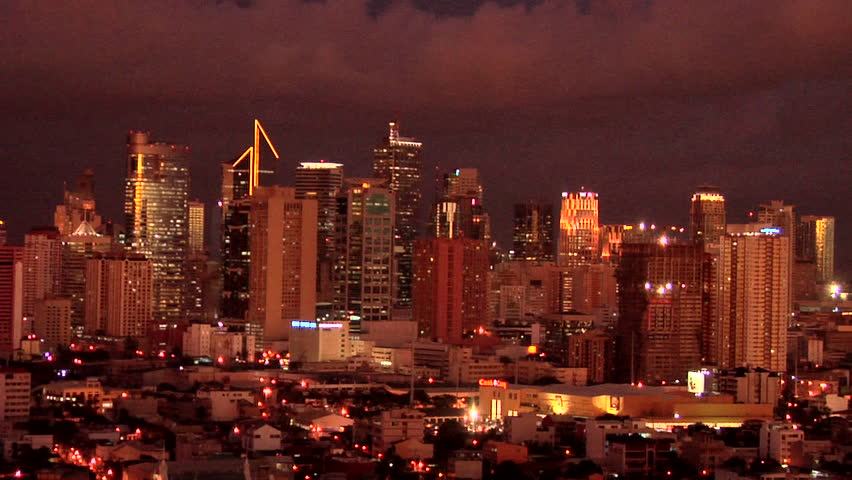
Metro Manila is where $100K feels smallest, because the CBDs are priced for the Asian-investor class, not the American retiree. A brand-new studio in a Ayala Land tower in Makati will start around ₱7–9 million for 22–28 sqm — above our budget — but a resale unit in an older, well-maintained building like Greenbelt Residences or Paseo Parkview can land inside $100K if you're patient. BGC (Bonifacio Global City) is even tighter; the cheapest resale studios under ₱5.7 million in 2026 are in Avida or Two Serendra and measure 25–30 sqm.

The value play in Metro Manila is Ortigas Center (Pasig/Mandaluyong) and Quezon City. Lamudi's 2025 Manila price tracker showed Ortigas studios averaging ₱4.5–5.5 million and one-bedrooms in well-run buildings like Robinsons Place Residences or The Orabella clearing 40–50 sqm inside a $100K envelope. Quezon City — specifically the Eastwood, New Manila, and Katipunan corridors — is even cheaper: Avida Towers Vireo and DMCI's flagship Mirea Residences routinely show 55–65 sqm two-bedrooms in the ₱5–6 million range.
The tradeoff, which veteran Manila expats talk about constantly, is traffic. Manila traffic is among the worst in the world — TomTom's 2025 Traffic Index ranks it in the global top ten for average delay. Buying in Quezon City to save ₱3 million is a great spreadsheet decision and a grim daily commute if your life is in Makati. Read the reddit threads on r/Manila before committing — dozens of them are locals warning foreigners not to underestimate what 8 km across the city actually costs in hours per week.
Cebu City: The Sweet Spot for American Retirees
Cebu is where $100K starts to feel generous. The island has become the default landing pad for American retirees under the Special Resident Retiree's Visa (SRRV) program because healthcare is excellent (Chong Hua Hospital and Cebu Doctors' are both internationally accredited), Mactan-Cebu International Airport has direct flights to most of Asia and a growing list of US hubs via Seoul and Tokyo, and the cost of living is roughly 40 percent lower than Metro Manila.

For $100,000, the most honest picture of 2026 Cebu looks like this: a furnished one-bedroom of 45–60 sqm in a well-regarded building like 32 Sanson by Rockwell, Marco Polo Residences (the building above the hotel), or The Padgett Place will cost ₱4.5–5.5 million. A two-bedroom 70–80 sqm unit in a DMCI or Cebu Landmasters building in a secondary area like Banilad, Mabolo, or Lahug routinely sells for ₱5–6 million on the resale market. In IT Park — the tech/BPO district that many Americans gravitate to for its walkability and restaurant density — 45 sqm one-bedrooms in Avida Riala or Base Line Center sit around ₱5–5.5 million.
Cebu's gotchas are maintenance quality and view obstruction. The Cebu expat forum on Expat.com has years of threads from buyers who discovered that their 'sea view' condo had a new tower go up 18 months later. Rule of thumb: if there is an empty lot or a low-rise building within 200 meters of your future window, assume it will eventually be developed. Rappler and the Philippine Daily Inquirer business section both publish Cebu development pipeline reports every quarter — read them before you sign.

One reddit thread that gets cited constantly in Cebu conversations is r/Philippines on condo dues and hidden fees — the short version is that monthly association dues in decent Cebu buildings run ₱50–₱120 per square meter per month, which for a 60 sqm unit means ₱3,000–₱7,200 (around $55–$130) every month whether you're living there or not. Budget for it.

Davao City: Where $100K Buys a Real Family Home
Davao is the reason a lot of American families who thought they'd land in Cebu end up staying in Mindanao. The city of roughly 1.8 million is routinely listed as one of the safest major cities in Southeast Asia, crime statistics are tracked aggressively by the local government, and the cost of housing is another notch below Cebu — maybe 15–20 percent lower for comparable quality.
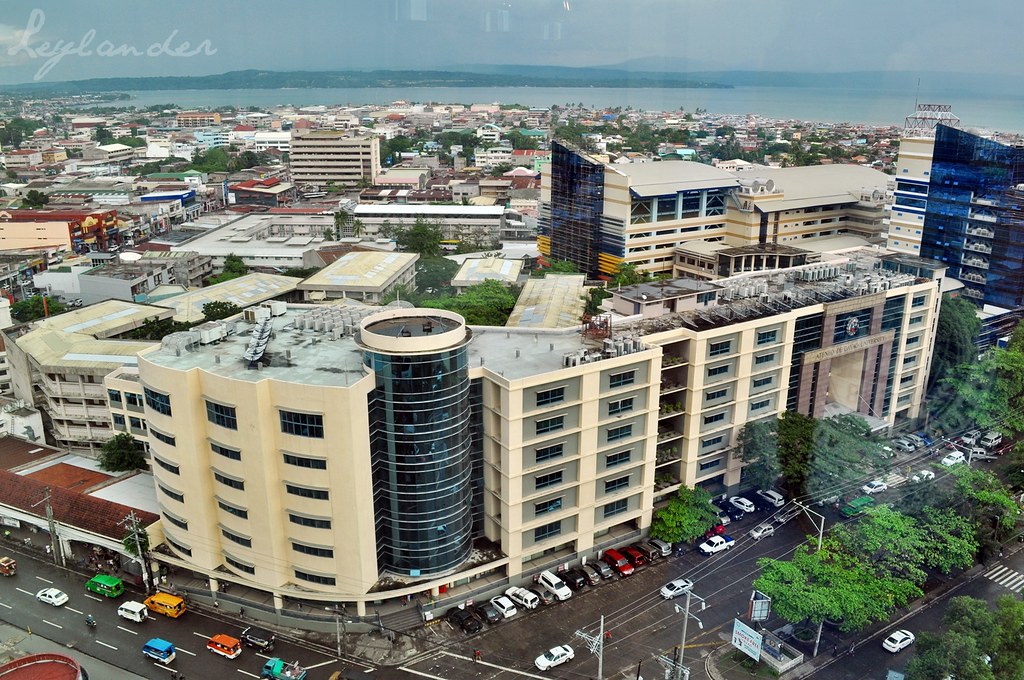
In 2026, $100K in Davao buys a two-bedroom, two-bathroom 75–95 sqm unit in one of the major Filinvest, DMCI, or Camella towers — buildings like One Oasis Davao, Verdon Parc, or Palmetto Place. Fully furnished, with a parking slot, and with enough change left over for the closing costs. If you drop to a one-bedroom, you can buy brand new in a flagship building like Legacy Leisure Residences or The Residences at Azuela Cove for ₱3.5–4.5 million and have thirty or forty grand left in the bank. A long Expat Exchange Davao thread walks through exactly these comparisons from people who chose Davao over Cebu and didn't regret it.
The things to know about Davao: the airport is smaller (most international flights route through Manila or Cebu), the rental yield on investment condos is lower than Manila or Cebu because the expat renter pool is smaller, and typhoons occasionally clip the region even though Davao is technically below the main typhoon belt. If your plan is to live in the unit yourself and you're optimizing for safety, walkability, and quality of life per peso, Davao is hard to beat. If your plan is to rent it out on Airbnb, Cebu wins.
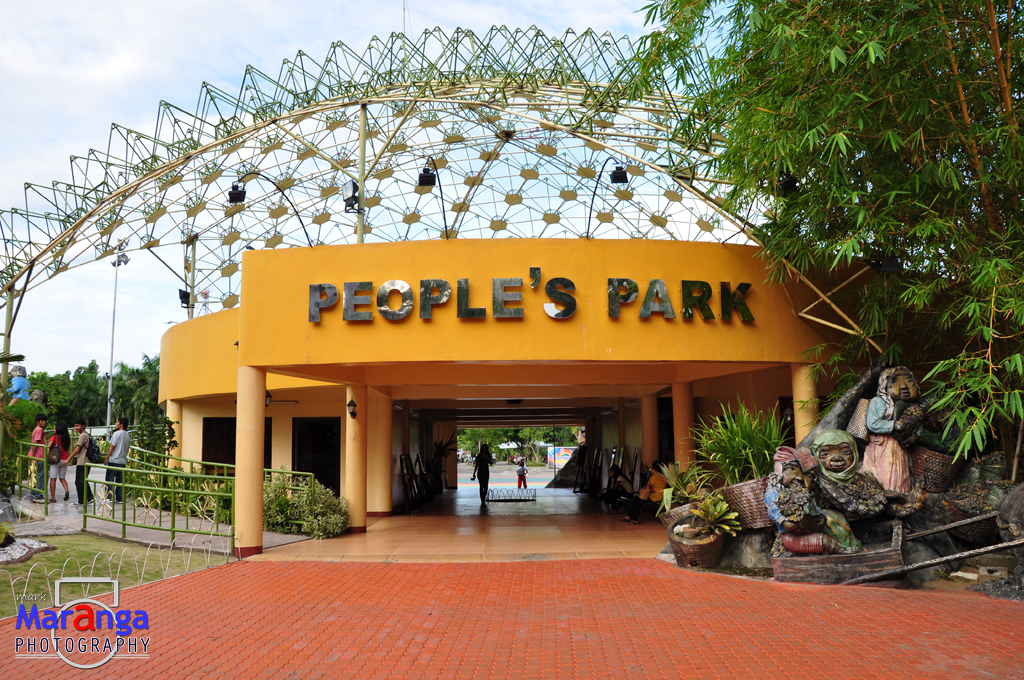
Davao also has the quietest reddit presence of the big three, which is both good and bad — good because the city hasn't been 'discovered' by Instagram yet, bad because you'll lean harder on in-person research. r/Davao is small but active and locals are generous with recommendations if you ask specific questions rather than 'is Davao good?'
Get the Philippines move checklist
- Pick your visa route
- Price a real month of living
- Shortlist two or three cities
- Set a purchase budget
- Sort your US paperwork
The Fees Nobody Tells You About
Headline price is never the real price. Plan for transaction costs of roughly 8–10 percent on top of the sticker in the Philippines — substantially higher than the US. The Bureau of Internal Revenue collects a 6 percent Capital Gains Tax (paid by the seller but frequently negotiated onto the buyer), a 1.5 percent Documentary Stamp Tax, and various local transfer and registration fees that roll up to another 1–2 percent. If you are buying a pre-owned unit, you also pay the Local Government Unit's Transfer Tax (0.5–0.75 percent) and Registry of Deeds fees.

Beyond closing, the ongoing cost structure looks like this for a typical $100K condo:
- Association dues: ₱50–₱120 per sqm/month. A 60 sqm unit = ₱3,000–₱7,200/month.
- Real Property Tax (Amilyar): 1–2 percent of assessed value annually. Usually ₱8,000–₱25,000/year on a $100K unit.
- Electricity (Meralco in Manila, Veco in Cebu, Davao Light in Davao): ₱3,000–₱8,000/month depending on air conditioning habits. Electricity in the Philippines is expensive — among the highest in Asia per kWh.
- Water, internet, cable: ₱3,000–₱5,000/month bundled.
- Condo insurance: ₱5,000–₱15,000/year.
All-in, carrying costs on a $100K Philippine condo run you about $1,800–$3,500 per year plus utilities. The expat-focused Inquirer Business column once published a great list of 'rants' from PH condo owners that doubles as a reality-check on hidden costs — it's worth ten minutes before you sign anything. Also worth reading: ExpatDen's condo buying guide, which is written by a long-term Bangkok/Manila expat and is more skeptical than most.
Financing: Why (Almost) Every American Pays Cash
Here is the harshest truth about buying property in the Philippines as an American: you are almost certainly paying cash. BDO, BPI, Metrobank, and Security Bank — the four biggest Philippine commercial banks — do offer mortgages to foreigners in theory, but the practical reality is that they almost exclusively lend to Filipinos or foreigners married to Filipinos. If you are a single American with a US passport and US income, expect to be rejected three or four times before you find a bank that will entertain you, and expect the terms to be bad: 30–40 percent down, 7–10 percent interest rates, and 10–15 year maximum amortization.

The expat consensus — see the long running Expat Forum thread on Philippine mortgages — is that the rate math almost never works out. At 8 percent interest over 15 years, the mortgage on a ₱4 million unit costs about ₱38,000/month; just paying cash saves you ₱3 million in lifetime interest compared to investing the same principal in an S&P 500 index fund over the same period. Unless you have a specific tax reason to lever up in the Philippines, cash is the default. If you don't have the cash, the alternative strategy most Americans use is to do a HELOC or cash-out refinance on their US home before moving. That's what r/ExpatFIRE commenters recommend in basically every Philippines thread — borrow cheap in dollars against US equity, buy outright in pesos, rent or AirBnB the unit to create a peso income stream that covers the US debt service.
One more financing wrinkle worth knowing: Pag-IBIG Fund, the government housing finance institution, does not lend to foreigners. The whole Pag-IBIG mortgage universe is Filipino-only. Don't waste a half day figuring that out in a branch.
Legal Traps: Dummy Corporations, Nominee Schemes, Pre-Sell Gambles
Three legal traps snare American buyers every year in the Philippines. All three are documented in real court cases and all three are preventable.
Trap 1: The nominee corporation. Some 'relocation consultants' will pitch you on setting up a Philippine corporation with a 60 percent Filipino shareholder and 40 percent foreign shareholder to 'own' land on your behalf. This is explicitly illegal under the Anti-Dummy Law (Commonwealth Act No. 108), and the Department of Justice has prosecuted several cases in the last decade. The downstream problem — even if you never get caught — is that your 'Filipino partner' legally controls the asset. There are long, horrifying r/Philippines and r/expats threads about American men who lost seven-figure properties after relationships soured.

Trap 2: Pre-selling. Philippine developers routinely sell condo units 2–5 years before the building is even topped off. Prices look cheap because you're funding construction, but the Inquirer has tracked multiple project failures where buyers lost deposits when developers went under. PRC regulations now require developers to be licensed with DHSUD (formerly HLURB), but enforcement is imperfect. The rule: only buy Ready-for-Occupancy (RFO) units or resale units. Every experienced expat on Expat.com's Philippines forum will tell you the same thing.
Trap 3: Title fraud on older units. Any pre-owned condo should have a current Certified True Copy of the Condominium Certificate of Title from the Registry of Deeds, dated within 30 days of closing. A shocking number of transactions happen on photocopies. Pay a local real estate lawyer ₱20,000–₱40,000 to verify the title and run the tax declarations — it is the best money you will spend in the entire transaction. The Integrated Bar of the Philippines has referral lists.
Visas: Living in the Condo You Just Bought
Owning a condo in the Philippines does not grant you residency. This is a critical point a lot of Americans miss. You still need a visa to live in the country long-term, and your options break down as follows.
The most popular American pathway is the Special Resident Retiree's Visa (SRRV) administered by the Philippine Retirement Authority. The SRRV 'Classic' for retirees aged 50+ requires a $10,000 deposit if you have a pension of at least $800/month (single) or $1,000 (couple), or $20,000 deposit without a pension requirement. The 'Smile' variant is $20,000 deposit for ages 35+ with no pension requirement. The deposit can be converted into an investment in a PRA-approved condo purchase, which is why so many SRRV holders end up buying rather than renting. The SRRV gives you indefinite multi-entry residence.

For Americans under 50, the options are messier: a Tourist Visa allows 30 days visa-free on arrival, extendable in 1- and 2-month chunks up to a maximum of 36 months before you have to leave the country; a 13(a) Non-Quota Immigrant Visa requires marriage to a Philippine citizen; and various work visas are employer-sponsored. The honest answer for non-retired Americans is that visa runs to Hong Kong, Taipei, or Singapore every 36 months are part of the lifestyle. If that bothers you, pick a different country — our Philippines full country guide and our median home prices across 20 countries article both walk through the tradeoffs against places like Portugal or Mexico where residency is easier.
The Honest Answer: Should You Buy or Rent?
The Philippines is one of the few countries on our list where the right answer is often 'rent first, buy later, maybe never.' Here is why.
Rental yields for landlords are great — 6–9 percent gross in Cebu and Manila is normal — which means, flipped around, that rents are cheap compared to purchase prices. A ₱5.5 million condo in Cebu that rents for ₱35,000/month generates 7.6 percent gross yield for the landlord, but from the tenant's side that is only about $7,500/year to live there. You'd have to stay at least 4–5 years just to break even against the 8–10 percent closing costs, and the Philippine condo resale market is thin enough that exiting takes months.
The rule that gets repeated on r/IWantOut Philippines threads and on r/ExpatFIRE every month: rent for at least 12 months in the neighborhood you think you want before you buy. There is no scenario in which this is bad advice. A 12-month furnished rental in Cebu IT Park runs $500–$900/month; in Davao it's $350–$650; in BGC $900–$1,500. Compared to making an uninformed $100K bet, that rental cost is nothing.
When does buying make sense? If (a) you're on an SRRV and will be in the country 10+ years, (b) you have the cash and no US tax reason to hold the equity back home, (c) you've already lived in your target city for a year, and (d) you've retained a Filipino attorney to run the transaction. If all four of those are true, $100K in the Philippines in 2026 can buy you a home that costs $200K+ in Mexico or $300K+ in Portugal — and the sunsets are included. If any of the four are false, rent.
For more on how the Philippines stacks up against other cheap-housing destinations, see our Mexico buying process guide, our full Philippines country guide, and our comparison of median home prices across 20 countries. And if you want to price-check this article against real listings, our Philippines property search pulls live data from the major Manila, Cebu, and Davao portals every night.
Ready to explore?
Browse Destinations