Cost of Living in Japan for Americans (2026) — Real Monthly Budgets
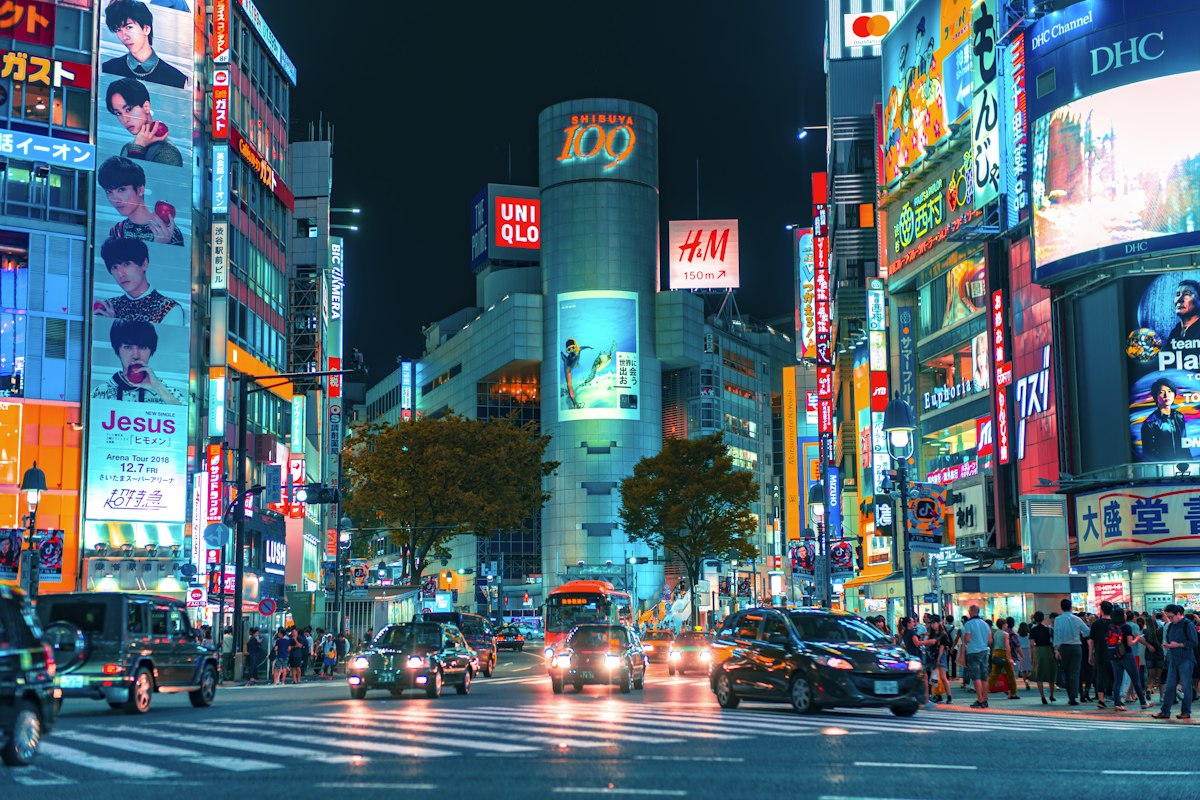
Japan is the most surprising cost-of-living story in the developed world. For years it had a reputation as brutally expensive — a place where melons cost $50 and a single night out could destroy your wallet. That reputation was always exaggerated, and with the yen's multi-year decline against the dollar, Japan in 2026 is genuinely affordable for Americans with US-dollar income. Tokyo, one of the world's great megacities, is now cheaper to rent in than San Francisco, Seattle, Denver, or New York. But Japan has its own financial quirks. Key money (reikin) and agency fees mean moving into an apartment costs 4–6 months of rent upfront. The cash-dominant culture requires carrying yen at all times. And the US-Japan tax relationship requires careful planning. This guide breaks down the real numbers across five cities — Tokyo, Osaka, Kyoto, Fukuoka, and Nagoya — so you can plan your Japanese chapter accurately.
How Much Does It Cost to Live in Japan? (Summary)
Japan is mid-range for developed-world living — more expensive than Southeast Asia (Thailand, Vietnam), broadly comparable to Southern Europe (Spain, Portugal), and meaningfully cheaper than the UK, Switzerland, or Australia. The yen's weakness since 2022 has pushed it firmly into the "affordable for dollar-earners" category.
Quick monthly budget ranges (all-in, solo adult):
| City | Budget | Comfortable | Expat Comfort |
|---|---|---|---|
| Tokyo | $1,800 | $3,000 | $4,500+ |
| Osaka | $1,500 | $2,500 | $3,800+ |
| Kyoto | $1,600 | $2,600 | $3,900+ |
| Fukuoka | $1,300 | $2,200 | $3,200+ |
| Nagoya | $1,400 | $2,300 | $3,400+ |
As members of r/japanlife — the most active English-language expat community in Japan — frequently point out, Tokyo is genuinely affordable once you're past the upfront moving costs. One r/movingtojapan contributor noted: "I came from Austin and I'm spending less on everything here — rent, food, transit — and I go out more."
According to Numbeo's Japan cost of living data, consumer prices in Japan excluding rent are about 24% lower than in the US. For full context on how Japan's property market compares globally, see our median home prices by country guide.
Rent by City — What You'll Actually Pay
Japanese apartments are smaller than American ones by design — but they're immaculately maintained, extremely safe, and come with excellent soundproofing in modern builds. Understanding Japanese apartment terminology is essential before searching.
Japanese apartment vocabulary:
- 1K: One room + kitchen alcove (typically 20–30 sqm). The standard small apartment.
- 1DK/1LDK: One bedroom + dining/kitchen space (30–45 sqm). The sweet spot for most expats.
- 2DK/2LDK: Two bedrooms + dining/kitchen (50–70 sqm). Good for couples or those wanting a home office.
- Manshon (マンション): Concrete construction apartment building — better soundproofing, higher rent.
- Apato (アパート): Wood-frame construction — cheaper, thinner walls, often older.
Tokyo: Tokyo's rent varies enormously by ward. The central wards (Shinjuku, Shibuya, Minato, Chiyoda) command the highest prices. Mid-ring wards (Setagaya, Meguro, Nakano, Suginami) offer good access at lower cost. Outer wards (Adachi, Katsushika, Edogawa) are genuinely cheap.
- 1K/Studio in central wards (Shinjuku, Shibuya): $850–$1,200/month
- 1K in mid-ring wards (Nakano, Koenji, Shimokitazawa): $650–$950
- 1K in outer wards (Adachi, Katsushika): $500–$750
- 1LDK in good Tokyo location: $1,100–$1,800
- 2LDK for couples: $1,500–$2,500
Osaka: Osaka is Japan's second city with a notably lower cost of living than Tokyo, a famous food culture, and a more outgoing social atmosphere. Popular areas: Umeda (central), Namba (entertainment), Shinsaibashi, Tanimachi, Tennoji.
- 1K central Osaka: $600–$900
- 1K residential areas (Fukushima, Nakatsu, Tengachaya): $500–$750
- 1LDK: $900–$1,400
- 2LDK: $1,300–$2,000
Kyoto: Kyoto is Japan's cultural heart — temples, traditional machiya townhouses, and a distinctive slower pace. Expensive for what you get in terms of apartment size, but the lifestyle premium is real.
- 1K central (Karasuma, Fushimi): $700–$1,000
- 1K residential (Shimogamo, Kitayama): $600–$850
- Traditional machiya (renovated townhouse): $1,200–$2,500 — a unique living experience
- 1LDK: $950–$1,500
Fukuoka: Fukuoka is Japan's fastest-growing major city and the darling of digital nomads and expats looking for value. Excellent food, warm climate (by Japanese standards), easy access to South Korea and China, low rents.
- 1K central (Tenjin, Hakata, Nakasu): $550–$800
- 1K residential: $400–$650
- 1LDK: $750–$1,200
- 2LDK: $1,100–$1,700
Nagoya: Japan's fourth-largest city is underrated by expats. It's Japan's industrial heartland (Toyota headquartered nearby), with high wages, lower rents than Tokyo or Osaka, and excellent ramen.
- 1K central: $550–$850
- 1K residential: $420–$680
- 1LDK: $800–$1,300
The upfront cost problem (key money and deposits): This is where Japan's rental system shocks newcomers. Moving into a new apartment typically requires:
- Shikikin (敷金) — Security deposit: 1–2 months rent
- Reikin (礼金) — Key money (non-refundable gift to landlord): 1–2 months rent
- Agency fee (仲介手数料): 1 month rent (legally capped)
- First month's rent: 1 month
- Moving insurance / guarantor fee: ~$200–$400
Total move-in cost: 4–6 months of rent upfront, partially non-refundable. On a $800 apartment, that's $3,200–$4,800 just to get your keys. Plan for this.
How to reduce upfront costs: Search for "礼金なし" (no key money) listings on Suumo.jp or Homes.co.jp. Many newer buildings and corporate-owned properties have dropped reikin as competition increases. Guesthouse (シェアハウス) living is an excellent alternative for newcomers — fully furnished, bills included, immediate availability, $500–$900/month all-in.
Numbeo's Tokyo page shows that Tokyo's 1-bedroom in city center averages around $1,100/month — far below comparable global financial centers.
Groceries and Dining
Japan's food scene is legendary — and the value at every price level is extraordinary. A $10 lunch in Japan is arguably better than a $30 lunch almost anywhere else in the world. Convenience store (konbini) food alone is good enough to constitute a significant portion of your diet without shame.
Grocery costs (monthly, solo adult):
- Budget shopping (Gyomu Super, Costco Japan, discount supermarkets): $180–$240/month
- Standard supermarkets (Ito-Yokado, Aeon, OK Mart, Super Sanwa): $230–$300
- Premium shopping (Kinokuniya, Dean & Deluca, imported goods): $400–$600
Typical supermarket prices (2026, converted from yen at ~$1 = ¥150):
- White rice (5kg): $8–$12
- Eggs (10-pack): $1.80–$2.50
- Tofu (firm block): $0.80–$1.50
- Chicken thighs (500g): $3.50–$5.00
- Salmon fillet: $3.00–$6.00 depending on cut
- Miso (500g): $2.50–$4.00
- Soy milk (1L): $1.50–$2.00
- Beer (Asahi/Kirin, 350ml can): $1.60–$2.20
- Sake (reasonable 1.8L jug): $10–$20
- Imported cheese (200g): $4.50–$8.00 (imported goods carry premiums)
- American-style peanut butter: $5.00–$8.00 (import)
Konbini (convenience stores — 7-Eleven, Lawson, FamilyMart): Japanese konbini are a civilizational achievement. They're genuinely useful food sources.
- Onigiri (rice ball): $1.20–$1.80
- Prepared bento meal: $4.00–$7.00
- Hot foods (fried chicken, nikuman pork bun): $0.80–$2.50
- Coffee (freshly brewed from machine): $1.00–$1.50 Monthly konbini spending for regular users: $50–$120
Eating out — where Japan's value proposition shines:
- Ramen (proper bowl at a ramen-ya): $9–$14 — a full, satisfying meal
- Gyudon (beef rice bowl at Yoshinoya/Sukiya/Matsuya): $3.50–$6.00 — fastest cheap meal in Japan
- Teishoku lunch set (rice + miso soup + main dish at a restaurant): $8–$14
- Sushi (standing kaiten/conveyor belt): $10–$20 for a filling meal
- Izakaya evening (Japanese pub, food + drinks for one person): $20–$35
- Tonkatsu or katsu curry: $10–$15
- Fancy sushi omakase: $80–$300+
- Craft beer at a bar: $7–$12 for a pint
- Vending machine beer (widely available outside): $1.80–$2.50
One r/japanlife contributor summed it up well: "I spend $350/month on food total in Tokyo — groceries plus eating out every day for lunch. That's including nice dinners once a week. I was spending $600 in a mid-size US city and eating worse."
Monthly food budget estimates:
- Budget (mostly cooking, occasional convenience store meals): $250–$330
- Regular (cooking + lunch out daily + dinner out 3–4x/week): $380–$500
- Social/foodie (frequent dining, izakaya nights, exploring food culture): $550–$800+

National Health Insurance (NHI) for Expats
Japan has a universal healthcare system. All residents registered at a municipal office must enroll in the National Health Insurance system (Kokumin Kenkō Hoken / NHI) or an employer's health insurance if employed by a Japanese company.
How NHI works: NHI is administered by individual municipalities and covers 70% of all medical costs (you pay 30%). Premiums are income-based — calculated on your previous year's income as reported to Japanese tax authorities.
NHI premium estimates (2026):
- First year in Japan (no prior Japanese income): minimum premium, roughly $900–$1,400/year ($75–$120/month) depending on municipality
- On $40,000/year foreign income (after FEIE exclusion, if you file in Japan): estimate $1,800–$2,800/year ($150–$230/month)
- On $70,000/year income: estimate $3,500–$5,000/year ($290–$420/month)
- Maximum annual NHI premium cap: ~$1,400/year per person in many municipalities for the medical portion
What NHI covers (with your 30% copay):
- Doctor visits: $8–$25 after 30% copay
- Specialist visits: $15–$50
- Hospital stays: 30% copay with monthly out-of-pocket cap (Ko-gaku Ryoyohi system) — maximum monthly out-of-pocket is around $800 for average income earners
- Dental: basic dental covered at 30% copay. Cosmetic/implants not covered.
- Prescriptions: 30% copay, typically $5–$20 per prescription
- Maternity: lump-sum childbirth allowance of ~$4,800
The US Embassy Tokyo lists resources for Americans navigating Japanese medical and legal systems. For finding English-speaking doctors, AMDA International Medical Information Center (03-5285-8088) is the most useful resource for medical referrals.
Employer health insurance (Shakai Hoken): If employed by a Japanese company, you'll be enrolled in the Employment Insurance system instead of NHI. Premiums are similar but split 50/50 with your employer, making your effective cost lower. Full-time employment at a Japanese company also includes pension insurance (Kosei Nenkin) — about 9.15% of your salary.
Getting to a doctor: Japan has an excellent density of clinics (クリニック). For non-emergency care, small neighborhood clinics are efficient and cost $20–$40 per visit after NHI. University hospitals and major hospitals often have international departments with English-speaking staff — St. Luke's International (Tokyo) and JMDC-certified facilities are recommended. Emergency care: dial 119 (ambulance is free).
For a broader comparison of healthcare costs across expat destinations, see our health insurance abroad guide.
Transportation Costs
Japan has the world's best public transit system — dense, punctual to the second, and comprehensive enough that car ownership in cities is largely unnecessary.
Tokyo transit: Tokyo's rail network (JR, Tokyo Metro, Toei, and private lines) covers essentially every corner of the city and surrounding prefectures. A typical commute involves 1–2 train line changes and costs $1.50–$3.50 one way.
- Monthly Commuter Pass (Teikiken): If you have a regular commute, employers often cover this completely. Otherwise, a commuter pass for a typical 30-minute commute: $60–$120/month
- Casual use (Suica or PASMO IC card): Pay as you go, $1.50–$4.50 per trip. For people who work from home and travel ad-hoc, monthly transit costs: $40–$90
- All-you-can-ride options: Tokyo Metro 24/48/72-hour passes ($6–$14) are excellent for tourist periods; no unlimited monthly pass exists for the full Tokyo network
Intercity travel: Japan's Shinkansen (bullet train) network is spectacular but not cheap.
- Tokyo–Osaka by Shinkansen (Nozomi, 2h20m): $120–$140 one way (standard)
- Tokyo–Kyoto: $115–$130 one way
- Tokyo–Fukuoka (Nozomi, 5h): $180–$200 one way
- Tokyo–Nagoya: $70–$80 one way
The JR Pass for travel within Japan: Worth it only if you're doing significant travel. 7-day pass: $280. 14-day: $450. 21-day: $590. Long-term residents typically don't buy it — advance purchase and IC card discounts on specific routes are often cheaper for targeted travel.
Budget travel hacks:
- Willer Express / JR Highway Bus: Tokyo–Osaka overnight bus $25–$50; Tokyo–Fukuoka $60–$80. Very useful.
- Peach Aviation, Jetstar Japan, Zipair: LCC flights. Tokyo–Fukuoka from $30 with 6-week advance booking. Tokyo–Sapporo from $35.
Cars: Car ownership in Japanese cities is expensive and mostly unnecessary:
- Mandatory car inspection (Shaken): $800–$1,500 every 2 years
- Mandatory liability insurance: $700–$1,200/year
- Parking in Tokyo: $150–$400/month
- Expressway tolls: $0.30–$0.50/km Most expats living in major cities never own a car. Times Car Share and Careco are popular car-share options for occasional weekend trips.
Cycling: Japan is highly bikeable in most cities. Mamachari (utility bikes) cost $80–$200 new. Cycling is efficient for distances under 5km. Note: bikes must be registered (防犯登録, $500 fine if not), and parking rules are enforced — illegally parked bikes get impounded.
Fukuoka + Osaka transit costs are somewhat lower than Tokyo — monthly commuter passes and per-trip fares are 10–20% cheaper, and the cities are compact enough that cycling or walking covers more ground.
Utilities and Internet
Japan has reliable, high-quality utilities — but electricity and gas costs have risen significantly since 2022 due to energy import costs (Japan imports nearly all its fossil fuels).
Electricity:
- Rate: $0.20–$0.28/kWh (lower than Germany but higher than US average)
- Monthly for 1K apartment (solo, moderate use): $40–$70/month
- Monthly for 1LDK (two people with AC/heating): $70–$130/month
- Summer (August) and winter (January-February) spikes: up to $150–$200/month if you run AC or electric heating heavily
- Japanese apartments often use electric room heaters (こたつ, space heaters) rather than central heating — budget separately
Gas:
- City gas (都市ガス) — for cooking and hot water: $15–$30/month average
- LP gas (プロパン) in some rural and suburban buildings: $30–$60/month — notably more expensive
Water:
- Typically $20–$35/month for a single-person apartment (billed bi-monthly)
Internet: Japan has excellent fiber internet infrastructure.
- NTT Hikari / NURO Hikari / SoftBank Air: 1 Gbps fiber, $30–$45/month
- Standard home fiber plan (after installation): $33–$45/month
- Installation takes 2–6 weeks; some apartments have pre-installed fiber (光対応)
- Portable Wi-Fi router (WiFi egg) as a temporary solution while waiting for installation: $25–$50/month
Mobile phone:
- Rakuten Mobile: Unlimited data plan, $0–$19/month (free for first year, then ¥3,278/month with unlimited data and calls) — the best value option in Japan
- IIJmio, mineo, OCN Mobile (MVNO): $8–$18/month for 3–15GB plans
- Docomo, AU, SoftBank (main carriers): $35–$60/month for unlimited plans — premium carriers with better rural coverage
- SIM requires My Number Card or residence card (Zairyu Card) for registration
Total monthly utilities estimate (1K apartment, solo):
- Minimal (careful user, no AC extremes): $100–$150
- Average: $150–$220
- AC-heavy summer or heating-heavy winter: $200–$300
Taxes for Americans Living in Japan
Japan and the US both tax their residents/citizens on worldwide income — but a tax treaty reduces double taxation. Here's what Americans in Japan actually navigate.
Japanese Resident Tax Obligations: Anyone registered as a resident in Japan (having lived there 1+ years) is a Japanese tax resident and must file a Japanese tax return (確定申告, Kakutei Shinkoku) by March 15 each year.
Japanese Income Tax Rates (National):
| Annual taxable income (JPY) | Rate |
|---|---|
| Up to ¥1,950,000 (~$13,000) | 5% |
| ¥1,950,001–¥3,300,000 | 10% |
| ¥3,300,001–¥6,950,000 | 20% |
| ¥6,950,001–¥9,000,000 | 23% |
| ¥9,000,001–¥18,000,000 | 33% |
| ¥18,000,001–¥40,000,000 | 40% |
| Above ¥40,000,000 | 45% |
On top of national income tax, resident tax (住民税, Juminzei) is levied at roughly 10% of prior-year income by your municipality, paid in installments the year after you earn income. This is one of the most common surprises for Americans in Japan — your second year's tax bill arrives well after you think you've settled up.
US Tax Obligations:
- File US returns annually (Form 1040 + Form 2555 for FEIE + Form 1116 for Foreign Tax Credit)
- FEIE: Excludes up to $126,500 (2024) of foreign earned income. See our FEIE guide.
- Foreign Tax Credit: Japan's income taxes are generally higher than or comparable to US rates, so the FTC typically eliminates most US liability
- FBAR: Required if Japanese accounts exceed $10,000 any day of the year
- Pension complexity: Americans who contribute to Japan's pension system (Kosei Nenkin) can get a lump-sum withdrawal (脱退一時金) when leaving Japan if you've contributed for less than 10 years. This refunds 36 months of contributions and is one of the hidden financial wins of Japan for short-to-medium-term expats.
My Number (マイナンバー): Japan's national ID system. You'll receive a My Number notification shortly after registering your address. Essential for tax filing, health insurance enrollment, and many government services. Get the My Number Card (a physical ID card) — it takes 4–6 weeks to arrive and makes many administrative tasks faster.
Tax advisors: Several Tokyo firms specialize in US-Japan dual taxation. Expect $600–$1,500/year for a bilingual advisor who handles both returns. The US Embassy Tokyo maintains a list of bilingual attorneys who can assist with tax matters.
Banking and Money Transfers
Japanese banking is somewhat archaic by global standards — and Japan remains heavily cash-based, though this is changing. Many restaurants, small shops, and even some vending machines are cash-only.
Opening a Japanese bank account: You need a registered address (Jyumin-hyo / residence certificate from your ward office), a residence card (Zairyu Card), and My Number. You can open an account as soon as you're registered.
- Japan Post Bank (ゆうちょ銀行): The easiest for new arrivals — accessible at every post office, tolerant of limited Japanese, ATM fees rare. No monthly fee. International transfers: $20–$25 fee.
- Seven Bank (セブン銀行): Opens entirely at Seven-Eleven ATMs with your residence card. Free ATM use at 7-Eleven. International transfers available.
- Rakuten Bank: Online-first, excellent English support, integrates with Rakuten ecosystem. Monthly fees waived with conditions.
- Sony Bank: English-language interface, good foreign exchange rates (3% markup on Visa rates), free international ATM withdrawals up to a limit.
- Shinsei Bank: One of the few Japanese banks with strong English support and good international wire options. $5 monthly fee waived with balance requirements.
- Citibank (now SMBC Trust): Good for Americans with US Citi accounts — shared ATM networks and simplified international transfers.
Cash culture: Japan uses cash for roughly 30–40% of transactions. Always carry $50–$80 equivalent in yen. 7-Eleven ATMs (operated by Seven Bank) accept most foreign cards with zero fees for withdrawals in yen — the most reliable ATM for Wise, Charles Schwab, or foreign debit cards.
Sending money between Japan and the US:
- Wise: Best rate, 0.4–0.7% fee, arrives in 1–3 business days. Most Americans use this as their primary transfer method.
- Revolut: Good for holding multi-currency balances. Free plan covers $1,000/month at market rate.
- Sony Bank Gate: Sony Bank's international transfer service — good rates for USD/JPY specifically.
- Charles Schwab checking: Zero-fee ATM withdrawals worldwide, reimburses foreign ATM fees. Many American expats in Japan keep a Schwab account for yen withdrawal.
For a broader guide on managing money internationally, see our foreign currency risk guide. As one r/japanlife member noted: "Wise for transfers, 7-Eleven ATMs for cash, Sony Bank for local — that's the triumvirate."
Entertainment and Lifestyle Costs
Japan's entertainment landscape is rich, varied, and remarkably affordable compared to American equivalents.
Culture and entertainment:
- Movies: $12–$15 per ticket at major chains (Toho, Aeon Cinema). First-day discounts and movie-day discounts (1st of every month at many chains): $8–$10.
- Tokyo Disneyland/DisneySea: $80–$90 per day — comparable to US Disney but the parks are notably better-maintained
- Museums: $8–$15 for major museums; Tokyo National Museum annual pass: $18
- Baseball (NPB): $15–$40 for a Yomiuri Giants or Hanshin Tigers game. Better atmosphere than MLB at a fraction of the cost.
- Karaoke: $5–$15/hour per person depending on time of day and location
- Arcades: Free to browse, $0.50–$2.00 per play — genuinely fun entertainment for adults
- Onsen/sento (public baths): $5–$15 at local sento; $30–$80 for day trips to ryokan with onsen in the mountains
- Capsule hotel overnight (for novelty or emergencies): $30–$60
Gyms:
- Joyfit, Anytime Fitness Japan: $25–$35/month
- Gold's Gym Japan: $60–$85/month
- RIZAP (personal training): $400–$600/month
Drinks and nightlife:
- Convenience store beer (350ml can): $1.60–$2.20
- Craft beer bar pint: $7–$12
- Sake at an izakaya: $4–$8 per glass
- Cocktail at a proper bar: $10–$16
- Club entry (Tokyo): $15–$30
Day trips from major cities:
- Kyoto from Osaka: 15 minutes by Shinkansen (~$15) or 75 minutes by local train ($3.50)
- Nikko from Tokyo: 2 hours, $30 round trip by regional train
- Kamakura from Tokyo: 1 hour, $10 round trip
- Hakone (Mt. Fuji views): 1.5 hours from Tokyo; full-day pass $30–$45
- Hiroshima from Osaka: 1.5 hours by Shinkansen, $60 one way
Monthly entertainment budget:
- Minimal (free parks, konbini, occasional cinema): $80–$150
- Moderate (regular dining out, some outings): $200–$350
- Active (concerts, sports, weekend trips, nightlife): $400–$700+
Complete Monthly Budget Examples
Here are three realistic monthly budget scenarios for Americans living in Japan.
Budget #1: Remote Worker in Fukuoka ($2,000/month) Fukuoka is Japan's best-value major city for remote workers — warm climate, excellent food scene, under-the-radar by expat standards.
- 1K apartment in Hakata or Tenjin: $650
- NHI health insurance (first year, minimal): $100
- Groceries (mix of supermarket + konbini): $220
- Eating out (lunch out daily, 3–4 izakaya dinners/month): $280
- Transit (Fukuoka Subway + occasional intercity): $55
- Utilities (electricity + gas + water): $110
- Internet (fiber): $33
- Phone (Rakuten Mobile): $19
- Entertainment, misc: $150
- Subtotal: ~$1,617 — extremely comfortable on $2,000 in Fukuoka
Budget #2: English Teacher (ALT/NOVA) in Tokyo ($2,800/month) Typical first-posting income range for English teaching jobs in Japan is $2,000–$3,000/month. This budget assumes employment-based health insurance.
- 1K apartment in Koenji or Sangenjaya: $800
- Employer health insurance (Shakai Hoken, employee share ~4.5%): $115
- Groceries: $240
- Eating out: $250
- Monthly transit pass (Suica): $80
- Utilities: $130
- Internet: $35
- Phone (IIJmio): $12
- Entertainment, leisure, clothes: $250
- Subtotal: ~$1,912 — workable on $2,800, saving $888/month
Budget #3: Tech Professional in Tokyo ($5,000/month) Assumes employment at a Japanese tech company or remote work earning $80K+/year in USD.
- 1LDK in Nakameguro or Ebisu: $1,500
- NHI (or employer insurance, employer share reduces cost): $280
- Groceries + dining out (quality focus): $550
- Monthly transit pass: $90
- Utilities: $160
- Internet: $38
- Phone (AU/Docomo): $45
- Gym: $35
- Entertainment, weekend trips, culture: $450
- Clothing, misc, misc medical: $200
- Subtotal: ~$3,348 — excellent Tokyo life at $5,000, with strong savings
Japan vs. American Cities — Cost Comparison
Japan's cost advantage over major US cities is substantial and often underestimated — particularly once you factor in healthcare, transit, and the general quality of public goods.
Tokyo vs. San Francisco:
- 1BR apartment central: Tokyo $900 vs. SF $3,200 — Tokyo is 65% cheaper
- Monthly transit: Tokyo commuter pass $80 vs. SF BART+Muni $115 — Tokyo cheaper
- Healthcare (self-employed NHI): Tokyo ~$175/month vs. SF ACA plan $450–$700 — Tokyo dramatically cheaper
- Casual dining out: Tokyo lunch $10–$14 vs. SF $18–$28 — Tokyo cheaper
- Overall: Tokyo is 35–50% cheaper than San Francisco for equivalent lifestyle
Osaka vs. Chicago:
- 1BR apartment: Osaka $700 vs. Chicago $1,700 — Osaka dramatically cheaper
- Healthcare: Similar for employed workers; self-employed Osaka wins significantly
- Food (dining out): Osaka cheaper on average, particularly for quality-per-dollar
- Overall: Osaka is approximately 25–35% cheaper than Chicago
Fukuoka vs. Austin:
- 1BR apartment: Fukuoka $600 vs. Austin $1,400 — Fukuoka cheaper
- Healthcare: NHI Fukuoka wins significantly over unsubsidized US plans
- Food: Fukuoka wins for value, especially given food quality
- Overall: Fukuoka is approximately 30–40% cheaper than Austin
What Japan is MORE expensive than the US on:
- Moving in (upfront costs: key money, deposit, agency fees)
- Large furniture and appliances (import-heavy market)
- Some imported food products (cheese, wine, western breakfast cereals are expensive)
- Car ownership (shaken inspections, mandatory insurance, tolls)
- High-end real estate (luxury Tokyo apartments compete with global prices)
What Japan is CHEAPER on:
- Rent (vs. major US metros)
- Healthcare (dramatically cheaper)
- Public transit (dramatically cheaper)
- Quality dining out at all price levels
- Safety (zero concern about neighborhood crime in most cases)
- Child education (public school is excellent and free)
For community insights, r/japanlife and r/IWantOut have extensive threads on US-Japan cost comparisons. International Living's Japan coverage offers a curated perspective on retirement and lifestyle. ExpatFocus Japan and InterNations Japan host active communities of American expats sharing current cost data.
Practical Tips for Managing Costs in Japan
Here's distilled wisdom from the r/japanlife and r/movingtojapan communities and experienced American expats:
1. Start with a guesthouse (share house). Leo Palace 21, Sakura House, and HiraSu offer furnished rooms available immediately, with no key money or deposit. Monthly costs $600–$950 all-in. Buy yourself 3–6 months to learn neighborhoods before committing to an apartment.
2. Budget ¥500,000 (~$3,300) for moving in. Whether it's key money, deposit, agency fees, or buying initial furniture — your first month's actual outflow will be 4–6x your monthly rent. Have this before you arrive.
3. Get a Rakuten Mobile SIM immediately. The unlimited data plan is free for the first year and ¥3,278/month after — far cheaper than major carriers. Coverage is increasingly good in major cities. Pair with a free 7-Eleven SIM for backup voice.
4. Open a Sony Bank or Shinsei account for international transfers. Their FX rates are the best among Japanese banks. Combine with Wise for sending money back to the US.
5. Learn to use the Japan Post ATM network. Japan Post accepts most foreign Visa/MC/Maestro cards. Fees are $2–$4 per transaction — lower than convenience store ATMs for foreign cards except 7-Eleven (Seven Bank).
6. Use supermarket time discounts. Japanese supermarkets slash prices 30–50% on perishables (sushi, bento, meat, fish) in the evening — typically 1–2 hours before closing. Learn your local supermarket's markdown schedule. This alone can cut grocery costs by $50–$80/month.
7. Get a Charles Schwab checking account before leaving the US. Zero foreign transaction fees, reimburses all ATM fees globally. Combined with Seven Bank ATMs in Japan, it's the cleanest way to access cash.
8. Understand the Juminzei (resident tax) timing. You won't owe resident tax in your first year (it's based on prior-year income), but in year two, a bill arrives based on what you earned in year one. Many first-year expats are caught off guard when a large bill arrives in June. Budget for it.
9. Get your My Number Card as soon as possible. It takes 4–6 weeks to arrive after application. Many services (tax filing, social insurance, some banking) are streamlined once you have the physical card. Apply within a week of receiving your My Number notification.
10. Explore Fukuoka if you have location flexibility. Among major Japanese cities, Fukuoka offers the best combination of livability, food culture, cost, and access to nature and Asia. Numbeo's Fukuoka page consistently shows it as 15–20% cheaper than Tokyo across most categories.
As one r/expats contributor who moved from New York to Tokyo observed: "I came here expecting to tighten my belt and ended up loosening it. Better food, better transit, better healthcare, and I'm saving more money. I'll never fully understand how that's possible but I'm not complaining."
For a deeper dive into life in Japan, see our complete guide to moving to Japan and our digital nomad visa guide for remote work visa options.
Ready to explore?
Browse Destinations