
Kyoto vs Osaka Akiya: Buying a Cheap Japanese Home in 2026

The akiya phenomenon, abandoned or cheap Japanese houses going for prices that look unreal to American eyes, has been the internet's favorite Japan story since roughly 2018. A house in rural Nagano for USD $10,000. A hillside machiya in a Kyoto suburb for USD $45,000. A wood-frame Showa-era home outside Osaka for USD $30,000. The stories are real but the economics usually are not what the clickbait suggests, and anyone who treats an akiya as a simple cheap-house purchase will be genuinely surprised by what it actually costs.
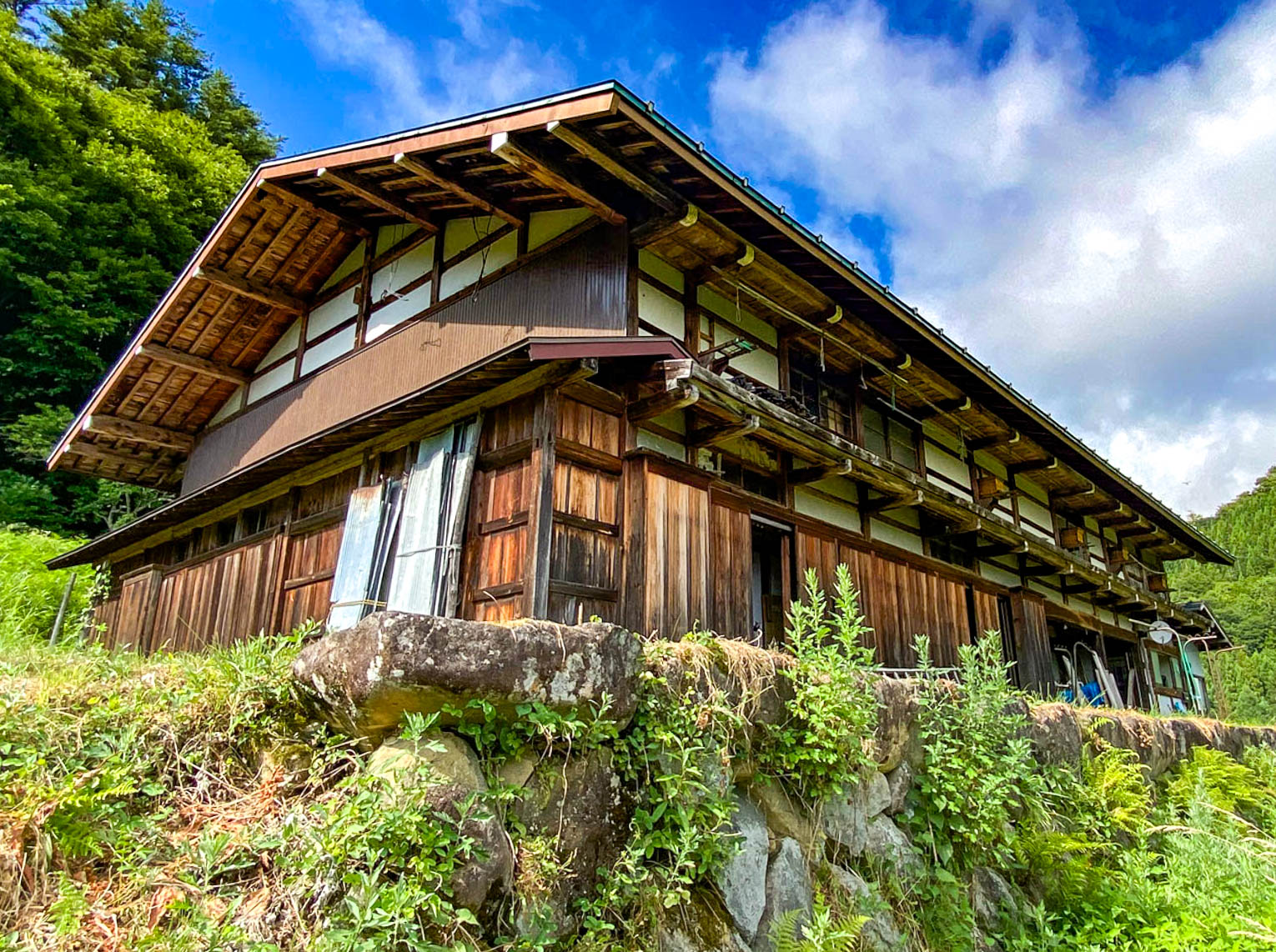
This post walks through the 2026 reality of buying an akiya in the Kyoto-Osaka region, including the actual price ranges, the renovation costs that typically double or triple the purchase price, and the visa, ownership, and resale questions that rarely make it into the TikTok clips. For the broader Japan picture, pair this with our buying a home in Tokyo on a US salary post and our moving to Japan guide.
What an Akiya Actually Is
Akiya (空き家) simply means "empty house" in Japanese. It is not a legal category or a government program. It refers to the roughly 9 million vacant residential properties in Japan as of the 2023 census, a number the Ministry of Internal Affairs and Communications has been tracking for decades and which has grown steadily with Japan's population decline and internal migration to Tokyo.
Most akiya are not abandoned in the American legal sense. They are owned by someone, usually an elderly owner or an heir who inherited the property and does not want to deal with it. Many sit vacant because:
- The owner moved to the city and has no practical need to sell
- The inheritance is uncontested but the heirs disagree
- The property is structurally degraded and the owner cannot afford to demolish it (demolition of a wood-frame Japanese home costs USD $15,000-$30,000)
- Japan's fixed assets tax on vacant land is higher than on vacant houses, creating a perverse incentive to leave the house standing even if it is collapsing
Akiya banks (akiya banku) are the government-run or private databases that attempt to match owners with potential buyers. Japan's national akiya database efforts vary by prefecture and many run independently. Privately, akiya-athome and Akiya Japan (English-language service) aggregate listings for foreign buyers.
What akiya are NOT:
- A government program giving free houses to immigrants (there is no such program)
- A visa-conferring purchase (owning a house does not confer residency)
- A quick flip opportunity (Japanese resale markets are structurally different and appreciation is typically minimal)
Threads on r/japanlife are essential reading before any akiya purchase. The community is consistently realistic about what the process looks like in practice.
Akiya Prices Around Kyoto and Osaka
Rural Kyoto Prefecture (outside Kyoto City): The old rural towns of north Kyoto prefecture (Ayabe, Fukuchiyama, Miyazu, Kyotango, Maizuru) have the cheapest akiya in the region.
- Wood-frame 1970s-1980s houses in villages: JPY 500,000 to JPY 3,000,000 (USD $3,300 to $20,000)
- Better-condition houses: JPY 3,000,000 to JPY 8,000,000 (USD $20,000-$53,000)
- Traditional kominka (old farmhouses, 100+ years old): JPY 1,500,000 to JPY 10,000,000 depending on condition and heritage value
Kyoto City outskirts and suburbs (Rakuhoku, Rakunan, Rakusai, Nishikyo): Closer to central Kyoto, prices jump substantially because the commute radius overlaps with functional Kyoto.
- Smaller akiya in peripheral wards: JPY 5,000,000 to JPY 15,000,000 (USD $33,000-$100,000)
- Renovated or renovation-ready homes: JPY 15,000,000 to JPY 35,000,000 (USD $100,000-$233,000)
Central Kyoto (Nakagyo, Shimogyo, Higashiyama, Kamigyo): The machiya (traditional Kyoto townhouses) of central Kyoto are not akiya in the clickbait sense - they are heavily sought after, often by international investors, and prices reflect the Kyoto premium.
- Unrenovated machiya: JPY 20,000,000 to JPY 80,000,000 (USD $133,000-$533,000)
- Renovated machiya in prime locations: JPY 80,000,000 to JPY 300,000,000+ (USD $533,000-$2M+)

Rural Osaka Prefecture and surrounding Kansai:
- Akiya in rural Osaka prefecture (Nose, Toyono, Kanan): JPY 1,000,000 to JPY 8,000,000 (USD $6,700-$53,000)
- Akiya in the Nara/Wakayama highlands: similar to rural Kyoto pricing
Osaka City wards: Genuine akiya in Osaka City proper are rare. The city is dense, prices are meaningful, and the cheap-old-house stock is smaller. Most Osaka City "akiya" are actually just lower-tier resales, typically JPY 10,000,000-$30,000,000 for a habitable older wooden house.
For current rural Kansai listings, At Home, Suumo, and prefecture-specific akiya banks (Kyoto, Osaka, Nara) aggregate inventory. Real Estate Japan publishes English-language akiya market coverage.
The Renovation Cost Reality
The single biggest mistake Americans make with akiya is underestimating renovation costs. The purchase price is a small fraction of the total investment for most habitable-quality outcomes.
Typical renovation scopes and costs for a 100 sqm rural akiya:
Minimal "make it habitable" rehab:
- New kitchen, bathroom, interior paint
- Roof patch if needed
- Basic electrical safety upgrades
- Insulation where essential
- Cost: JPY 4,000,000 to JPY 8,000,000 (USD $27,000-$53,000)
Proper renovation:
- Full kitchen replacement
- Complete bathroom gutting and replacement (unit bath)
- Roof replacement or major repair
- Wall/ceiling insulation throughout
- Electrical system replacement
- Plumbing replacement
- Interior finish work
- Cost: JPY 10,000,000 to JPY 20,000,000 (USD $67,000-$133,000)
High-end restoration (if the house has value, e.g., a kominka or machiya):
- Structural reinforcement for seismic code
- Traditional joinery repair
- Replacement of termite-damaged timbers
- Full MEP (mechanical, electrical, plumbing) modernization
- Retention of heritage features
- Cost: JPY 25,000,000 to JPY 60,000,000+ (USD $167,000-$400,000)
The demolition option: Sometimes the cheapest path is to demolish and rebuild. Demolition runs JPY 1,800,000-$3,500,000 (USD $12,000-$23,000) for a typical wood-frame house. A new single-story 80-100 sqm home in rural Kansai costs approximately JPY 18,000,000-$35,000,000 (USD $120,000-$233,000) for basic construction, more for higher finish levels.
Hidden renovation costs that surprise Americans:
- Termite damage (shiroari): Japanese wood-frame homes in warm regions often have termite damage that only becomes visible when walls are opened. Budget a 20-30 percent contingency.
- Septic and waste disposal: Many rural Japanese homes are on septic rather than sewer. Replacement of the unit costs JPY 1,500,000-$3,000,000 (USD $10,000-$20,000) and is essentially mandatory if the existing system is old.
- Seismic retrofit: Pre-1981 wood-frame houses do not meet the current shin-taishin seismic code. Many insurers and lenders will not cover them. Retrofit costs JPY 3,000,000-$8,000,000 (USD $20,000-$53,000).
- Shokubutsu kujo (pest/mold remediation): Rural akiya that have sat vacant for 5+ years often have mold, rodent damage, and vermin issues requiring professional remediation.
Threads on r/japanlife akiya renovation document actual buyer experiences with these costs.

The Full Cost Math for a Typical Akiya
Let's run a realistic example. You buy a JPY 3,000,000 (USD $20,000) akiya in rural north Kyoto prefecture, a 90 sqm 1970s wood-frame house that has been vacant for 4 years.
Purchase costs:
- Purchase price: JPY 3,000,000 (USD $20,000)
- Registration license tax: JPY 60,000 (2 percent of assessed value, typically JPY 3,000,000)
- Real estate acquisition tax (deferred, billed 6-12 months later): JPY 30,000-$60,000
- Judicial scrivener fees: JPY 150,000
- Real estate agent commission: JPY 165,000 (3 percent + 60,000 + 10 percent tax)
- Stamp duty, registration fees, surveys: JPY 80,000
- Total purchase closing: approximately JPY 485,000-$515,000 (USD $3,200-$3,400)
Renovation (for a proper habitable outcome):
- Structural inspection and survey: JPY 150,000
- Proper renovation scope (new kitchen, bath, roof, insulation, electrical): JPY 13,000,000 (USD $87,000)
- Septic replacement: JPY 2,000,000 (USD $13,000)
- Seismic retrofit (required if you intend to insure): JPY 4,000,000 (USD $27,000)
- Furniture, appliances: JPY 1,500,000 (USD $10,000)
- Total renovation: JPY 20,650,000 (USD $138,000)
Grand total to move into a habitable 90 sqm rural north Kyoto home: approximately USD $161,000 on a USD $20,000 purchase. The purchase was 12 percent of the total; renovation and closing were 88 percent.
For the same total budget (USD $160,000), alternative paths:
- Buy a renovated 90-100 sqm house in a nearby small city directly: probably achievable at JPY 18-25 million (USD $120,000-$167,000)
- Buy a new-build small house on a rural lot: JPY 22-30 million (USD $147,000-$200,000) depending on lot cost
- Rent a nice rural house for 10+ years
The akiya path makes sense when you (a) value the specific house or location, (b) are willing to project-manage a Japanese renovation with your own hands or a trusted bilingual contractor, and (c) have already spent substantial time in the region. It rarely makes sense as a pure cost-minimization play for an American buyer who has never managed a Japanese construction project.
Ownership, Visa, and Resale Reality
Ownership: Non-resident Americans can buy akiya just as they can buy any Japanese property. No trust structure needed. The Japanese system treats foreign and domestic buyers identically for most residential real estate, with the same title registration, taxes, and legal rights. Japan's Ministry of Land, Infrastructure, Transport and Tourism confirms the policy framework.
Visa: Buying an akiya does NOT grant you residency in Japan. You still need a visa (work, spouse, highly skilled professional, investor, or long-term resident). Many Americans who buy rural akiya end up using it as a secondary residence while holding a tourist visa with 90-day stays, making the property an expensive vacation home rather than a primary residence.
Resale reality: Rural Japanese real estate has minimal resale liquidity. The buyer pool for rural north Kyoto is almost entirely Japanese nationals (often elderly), and the pool is shrinking as Japan's population declines and young people migrate to Tokyo, Osaka, and Kyoto. Your renovated akiya may be worth less in 10 years than it is today, regardless of how well you renovate it. The Ministry of Land long-term housing price index shows rural Japan housing values trending downward for most prefectures.
Tax residency and wealth risk: If you spend more than 183 days per year in Japan you become a Japanese tax resident on worldwide income. For US citizens the US-Japan tax treaty provides relief but the interaction is complicated. Consult a cross-border CPA before assuming you can split time easily.
Kyoto vs Osaka Akiya: Which Makes More Sense
Rural Kyoto prefecture akiya work if:
- You value the cultural depth (temples, traditional crafts, kominka aesthetic)
- You are committed to spending substantial time in Japan (3+ months per year)
- You have a plan for how to get to/from Kyoto Station and Kansai Airport (most rural areas are 1.5-3 hours from KIX)
- You can project-manage a Japanese renovation in Japanese or through a trusted bilingual contractor
Rural Osaka prefecture and surrounding Kansai akiya work if:
- You want to be closer to Osaka for shopping, medical care, and international flights
- You prefer slightly warmer winters (rural north Kyoto gets meaningful snow; rural Osaka prefecture is more temperate)
- You want a smaller price premium over the base rural akiya (Osaka prefecture is actually slightly cheaper than Kyoto for comparable rural properties because the heritage premium is smaller)
Neither akiya makes sense if:
- You want rental yield (rural akiya rent for JPY 30,000-$70,000 per month, which will not cover your renovation amortization in any reasonable timeframe)
- You want near-term appreciation (rural land values are largely flat or declining)
- You will use the property fewer than 30 days per year (the carrying costs plus visa logistics make it expensive per night of actual use)
The alternatives to consider:
- Buying a renovated older home in a functional Kansai city (Nara, Hikone, Otsu, Uji) for USD $80,000-$180,000, skipping the renovation adventure
- Renting a furnished akiya for 3-12 months to test the experience before buying
- Buying a JR-adjacent property in a smaller Kansai city that retains resale value because it still has population
For live Kansai inventory, see our Kyoto page and Osaka page. For the deeper Japan picture, our moving to Japan guide and buying a home in Tokyo on a US salary are the natural next reads. Japan Property Central's akiya coverage and the r/japanlife akiya threads are the best current sources for buyer experience.
Ready to explore?
Browse Destinations