
Cost of Living in the Netherlands vs. USA (2026) — Real Side-by-Side Numbers
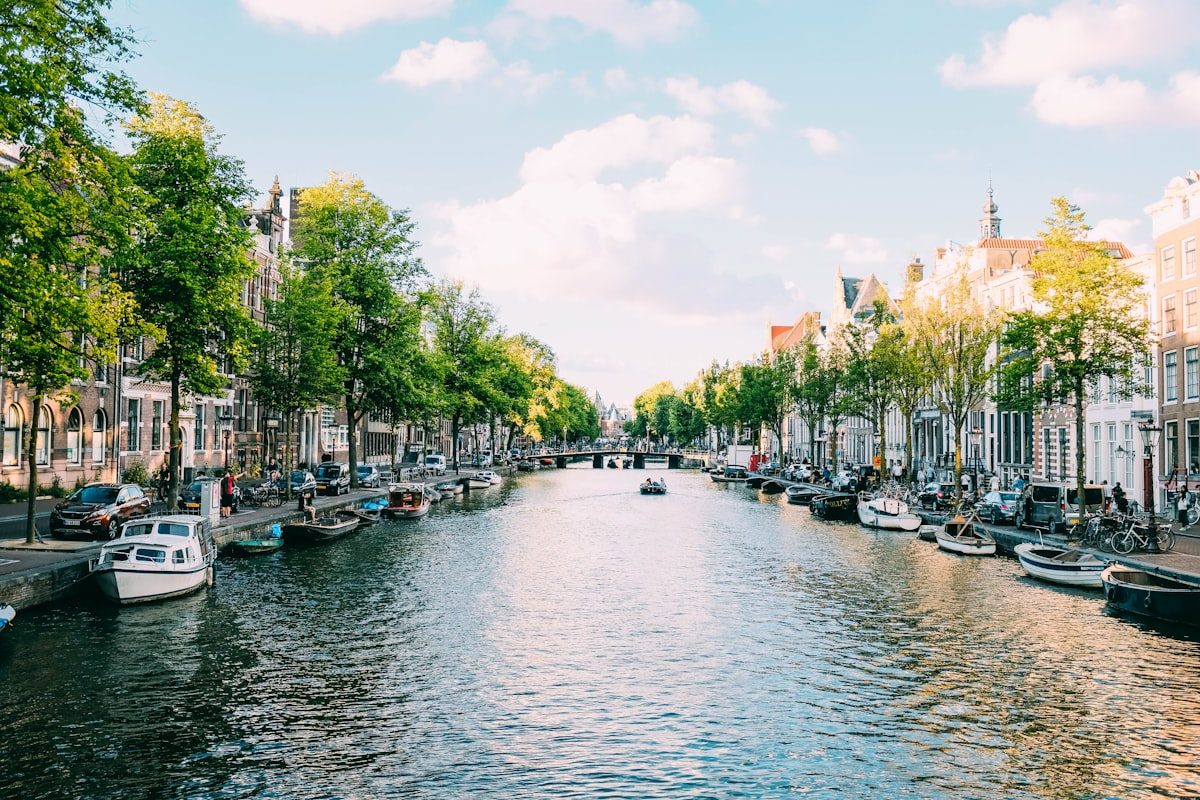
The Netherlands is the only European country with a dedicated visa for Americans — the DAFT (Dutch American Friendship Treaty) — and almost 700 Americans used it in 2025 alone. The appeal is obvious: world-class infrastructure, near-universal English fluency, a cycling culture that eliminates car costs, and one of the highest quality-of-life rankings on the planet.
But is it actually cheaper? The answer is nuanced. Amsterdam is expensive by European standards — comparable to or above many US cities on rent alone. But step outside Amsterdam to Rotterdam, The Hague, Utrecht, or Eindhoven, and the math shifts dramatically. Factor in universal healthcare ($160/month vs. $600+ in the US), no car needed, and 25+ vacation days, and the effective cost advantage becomes real.
According to Numbeo's 2026 data, the cost of living including rent in the US is 16% higher than in the Netherlands. That understates the gap for Americans moving from expensive US metros to Dutch cities outside Amsterdam.
As one American in r/Netherlands put it: 'You ask what I miss about the US and the truth is I don't miss much. I think back to my life in Texas and just think of stress. Here I bike everywhere, my healthcare is sorted, and my kids are safe.'
The Big Picture: Netherlands vs. USA by the Numbers
Before the line items, the overview. The Netherlands is not a budget destination like Spain or Portugal — it's a high-income, high-quality country where the savings come from what's included: universal healthcare, excellent public transit, cycling infrastructure, and a social safety net that eliminates many costs Americans pay out of pocket.
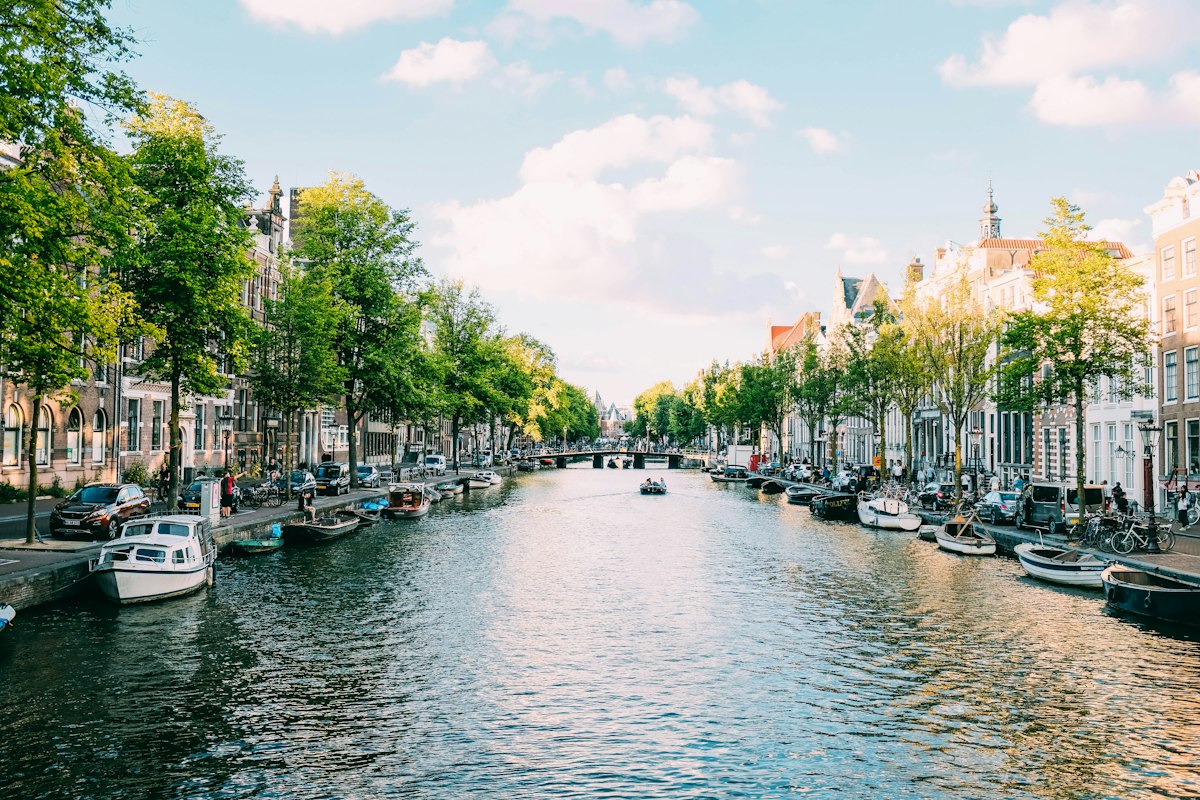
Monthly spending comparison — single person, comfortable lifestyle:
| Category | Amsterdam | Rotterdam | New York City | Denver, CO |
|---|---|---|---|---|
| 1BR rent (decent area) | $1,600–$2,200 | $1,100–$1,600 | $3,200–$4,500 | $1,700–$2,400 |
| Groceries | $280–$380 | $260–$360 | $450–$600 | $380–$500 |
| Dining out (3×/wk) | $250–$400 | $200–$350 | $500–$800 | $350–$550 |
| Transit | $100–$120 | $80–$100 | $130 | $50–$100 |
| Utilities + internet | $180–$250 | $160–$220 | $200–$280 | $180–$260 |
| Health insurance | $175 (zorgverzekering) | $175 | $400–$700 | $300–$500 |
| Monthly total | $2,585–$3,525 | $1,975–$2,805 | $4,880–$6,910 | $2,960–$4,310 |
The Amsterdam-to-NYC gap is $2,300–$3,400/month — roughly $28,000–$41,000/year. Rotterdam vs. Denver saves $1,000–$1,500/month ($12,000–$18,000/year). And Rotterdam is the Netherlands' second city — not some obscure town.
For couples sharing a 2BR, a comfortable lifestyle in Rotterdam costs $3,200–$4,400/month total. The same in a mid-tier US city runs $5,500–$7,500.
The Netherlands' cost advantage is largest in healthcare (70–75% cheaper), transportation (80–90% cheaper when you replace a car with a bike), and education (university tuition is €2,530/year vs. $30,000–$70,000 in the US). For the full standalone guide, see our cost of living in the Netherlands.
Rent: Amsterdam Is Expensive, But It's Not the Whole Country
Amsterdam dominates the international narrative about Dutch housing prices, and yes — it's expensive. But the Netherlands is a tiny, densely connected country where Rotterdam is 25 minutes from Amsterdam by train, and The Hague and Utrecht are under an hour. You can work in Amsterdam and live affordably elsewhere.
1BR apartment comparison (monthly, 2026):
| City | City center | Well-connected area |
|---|---|---|
| Amsterdam (Jordaan, De Pijp) | $1,700–$2,300 | $1,300–$1,800 |
| Rotterdam (Kralingen, Noord) | $1,100–$1,700 | $850–$1,200 |
| The Hague (Centrum, Scheveningen) | $1,100–$1,600 | $800–$1,200 |
| Utrecht (Centrum, Lombok) | $1,200–$1,800 | $900–$1,300 |
| Eindhoven (Centrum, Strijp) | $900–$1,300 | $700–$1,000 |
| Groningen (Centrum) | $750–$1,100 | $550–$850 |
| --- | --- | --- |
| NYC | $3,200–$5,000 | $2,000–$3,000 |
| SF | $2,800–$4,200 | $2,000–$3,000 |
| Chicago | $1,800–$2,600 | $1,200–$1,800 |
| Denver | $1,700–$2,400 | $1,200–$1,700 |

Rotterdam is where the real value lives for Americans. The Netherlands' second city has been rebuilt as a modern architectural showcase after WWII bombing, with a thriving food scene, major port economy, and a creative energy that draws comparisons to Brooklyn — at half the price. Discussions in r/expats regularly feature Americans who chose Rotterdam over Amsterdam for exactly this reason.
The Hague (Den Haag) is the seat of government and home to the International Court of Justice, with a beach. 1BRs in the Zeeheldenkwartier or Archipelbuurt run $1,100–$1,500.
Groningen is the student city of the north — vibrant, young, cheap. A 1BR for $750–$1,100 in a university city with excellent cycling infrastructure and a strong international community.
Key differences from US renting:
- Rent regulation: The Dutch government regulates rents below a certain point threshold (social housing). Above that, it's the free market — but a recent 2024 law (Wet betaalbare huur) extended regulation to mid-range rentals.
- Deposits: Usually 1–2 months' rent
- Furnished vs. unfurnished: Mix of both. 'Unfurnished' in the Netherlands still includes flooring and light fixtures (unlike Germany)
- Housing shortage: The Netherlands has a genuine housing crisis. Finding a rental in Amsterdam can take weeks to months. Start looking on Funda and Pararius early.
Browse our Netherlands property listings or search directly on Funda.
Groceries: Albert Heijn, Lidl, and the Borrel Culture
Dutch supermarket prices fall between cheap-Germany and pricier-Scandinavia — generally 15–25% cheaper than the US on a basket-to-basket comparison.
Price comparison (2026 averages):
| Item | Netherlands | USA | Difference |
|---|---|---|---|
| Loaf of bread (good quality) | $1.80–$2.50 | $3.50–$4.50 | 40–50% cheaper |
| Dozen eggs (free range) | $3.00–$4.00 | $4.50–$6.00 | 30–35% cheaper |
| Whole milk (1 liter) | $1.20–$1.50 | $1.30–$1.60 | ~even |
| Chicken breast (1 kg) | $7.50–$10.00 | $8.00–$11.00 | 5–15% cheaper |
| Gouda cheese (1 kg) | $8.00–$12.00 | $14.00–$20.00 | 40–45% cheaper |
| Tomatoes (1 kg) | $2.50–$3.50 | $3.50–$5.00 | 25–30% cheaper |
| Wine (decent bottle) | $5.00–$10.00 | $10.00–$18.00 | 45–50% cheaper |
| Beer (6-pack, Heineken/Grolsch) | $5.00–$7.00 | $9.00–$13.00 | 40–45% cheaper |
| Stroopwafels (pack) | $2.00–$3.00 | $5.00–$8.00 (import) | 60% cheaper |

A well-stocked week of groceries for one person: $55–$80 in the Netherlands vs. $90–$140 in the US.
The Dutch supermarket landscape:
- Aldi / Lidl — cheapest. Weekly shop: $40–$55/person
- Dirk / Plus / Jumbo — mid-range, excellent value. $50–$65
- Albert Heijn (AH) — the dominant chain, slightly premium. $55–$75. AH's house-brand (Huismerk) products are excellent quality at near-discount prices.
- Ekoplaza / Marqt — organic/premium. More expensive but still below Whole Foods.
Dutch food culture is practical. The borrel (drinks + snacks) is the national social ritual — friends gather over cheese cubes, bitterballen (deep-fried beef ragout balls), and beer. It's cheap to host and cheap to attend. Restaurant culture exists but the Dutch eat at home more than the French or Spanish.
As ExpatInHolland notes in their 2026 budget guide, food spending for a single person in the Netherlands typically runs €250–€350/month ($275–$385) including occasional dining out.

Dining Out: Pricier Than Germany, Still Cheaper Than NYC
Dutch dining has improved dramatically over the past decade — Amsterdam now has 2 three-Michelin-star restaurants and dozens of one-star spots. Everyday dining is moderate by European standards.
Dining comparison:
| Meal type | Netherlands (outside Amsterdam) | Amsterdam | USA (mid-tier city) | NYC |
|---|---|---|---|---|
| Coffee (cappuccino) | $3.00–$4.00 | $3.50–$5.00 | $4.50–$6.50 | $5.50–$7.00 |
| Lunch (sandwich + soup) | $8–$12 | $10–$15 | $14–$20 | $16–$24 |
| Kroket/frikandel (Dutch fast food) | $2.50–$4.00 | $3.00–$5.00 | N/A | N/A |
| Indonesian rijsttafel (rice table) | $25–$40 | $30–$50 | $40–$60 (rare) | $50–$70 (rare) |
| Mid-range dinner for two | $55–$90 | $70–$110 | $80–$130 | $120–$180 |
| Beer at a café (draft, vaasje) | $3.50–$5.00 | $5.00–$7.00 | $7.00–$10.00 | $9.00–$12.00 |
| Cocktail at a decent bar | $10–$15 | $12–$17 | $14–$20 | $16–$22 |

Tipping: Not expected. Service is included in the price. Rounding up or leaving 5–10% at a sit-down restaurant is appreciated but entirely optional. For Americans used to adding 20%, this saves $80–$150/month if you dine out regularly.
The Indonesian food connection is the Netherlands' unique culinary advantage — a legacy of colonial history. Every Dutch city has multiple Indonesian restaurants serving rijsttafel (a feast of 12–20 small dishes) at prices well below what you'd pay for the equivalent in the US. Surinamese food (roti, saoto soup, bakabana) is similarly abundant and cheap.
The FEBO automaat deserves mention — vending-machine-style hot snacks (kroketten, frikandellen, kaassoufflés) available 24/7 for €1.50–€3.50. It's the Dutch answer to late-night fast food, and it costs less than a McFlurry.
Dutch café (bruin café) culture is built around lingering over a single beer or coffee for hours. Nobody rushes you out. One r/digitalnomad poster noted: 'I work from Amsterdam cafés 3 days a week. A €3.50 cappuccino buys me 3 hours of workspace. Try that in NYC and they'll ask you to leave after 45 minutes.'
Healthcare: Mandatory, Comprehensive, and $160/Month
The Dutch healthcare system consistently ranks in the top 5 in Europe and dramatically outperforms the US on access, wait times, and cost. It works differently from most European systems: it's mandatory private insurance with heavy government regulation.
How it works: Every Dutch resident must buy a basic health insurance policy (basisverzekering) from a private insurer. The government defines exactly what the basic package covers (it's extensive), and insurers must accept everyone regardless of health status. You choose your insurer and plan annually.
Cost comparison:
| Healthcare item | Netherlands | USA |
|---|---|---|
| Monthly basic insurance premium | €140–€175 ($155–$195) | $400–$700 |
| Annual deductible (eigen risico) | €385 (mandatory) | $1,500–$8,000 |
| GP visit | $0 copay | $150–$350 |
| Specialist referral | Covered after deductible | $250–$500 |
| Emergency room | Covered after deductible | $1,500–$5,000+ |
| Prescription (generic) | Covered after deductible | $15–$80 |
| Maternity care | $0 (fully covered, no deductible) | $5,000–$15,000 |
| Mental health therapy | Covered (referral from GP) | $150–$300/session |
| Dental (adults) | Not included (add supplementary) | $150–$300 |
The €385 annual deductible is the maximum out-of-pocket per year for most care (GP visits, maternity, and mental health are exempt from the deductible entirely). Compare that to US deductibles of $1,500–$8,000 before insurance kicks in.
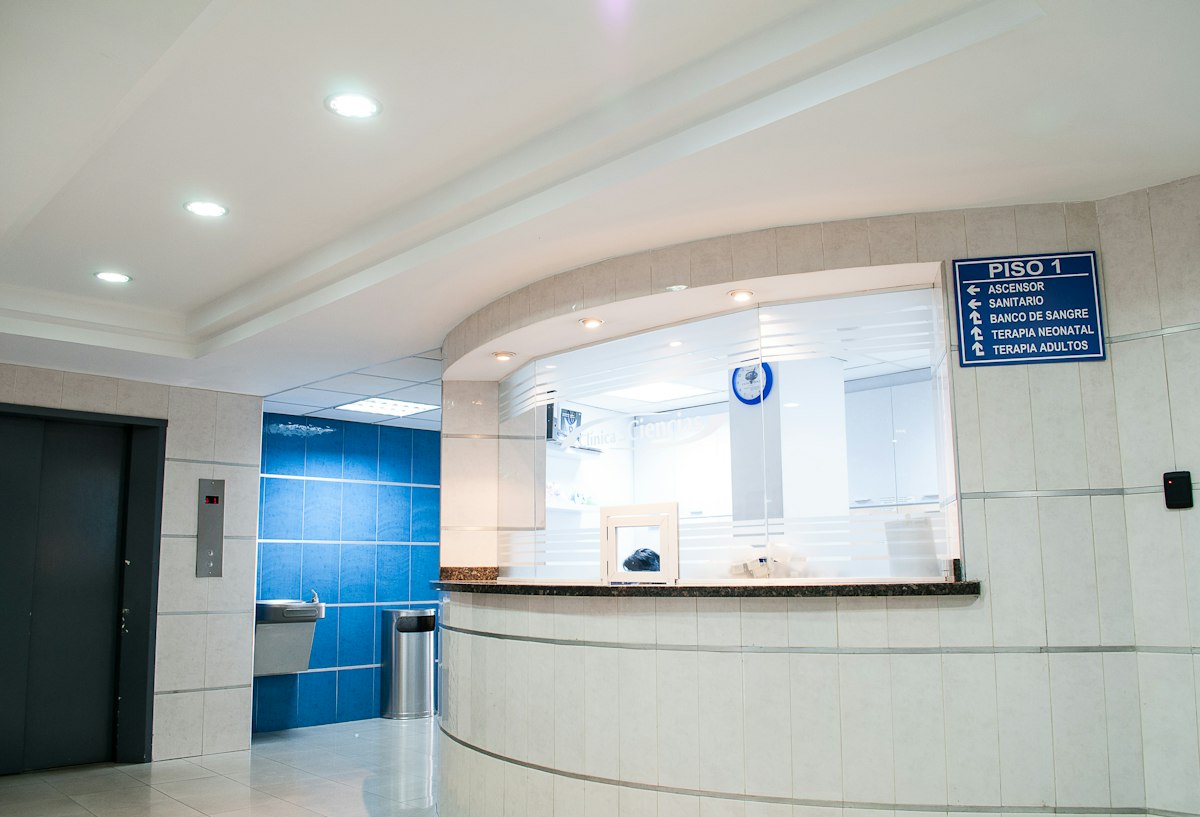
Zorgtoeslag (healthcare allowance): Low and middle-income residents receive a government subsidy to offset insurance costs — up to €127/month in 2026. A single person earning under ~€44,000 qualifies. This can reduce your effective premium to $30–$70/month.
For the 30% ruling (see Taxes section), the healthcare math gets even better: your taxable income is lower, making you more likely to qualify for zorgtoeslag.
The Government.nl healthcare page and Zorgwijzer (insurance comparison tool) are the official resources. IamExpat publishes annual comparisons of all insurers.
As discussed in the r/AmerExit community, the Dutch system's biggest advantage for Americans isn't the premium — it's the predictability. No surprise bills. No balance billing. No 'out of network' charges. No insurance company denying claims. The annual maximum out-of-pocket is €385 plus your monthly premium. Period.
Get featured properties in your inbox
A weekly digest of handpicked listings from 20 countries. Free, no spam.
Transportation: The Bike Changes Everything
The Netherlands is the most bicycle-friendly country on Earth. There are more bikes than people (23 million bikes vs. 17.9 million people). This isn't a lifestyle choice — it's infrastructure. Dedicated bike lanes, bike traffic lights, bike parking garages, and a cultural norm where executives, politicians, and schoolchildren all cycle daily.
For Americans, this represents the single largest cost savings: eliminating car ownership entirely.
Monthly transport costs:
| Category | Netherlands | USA (major city) |
|---|---|---|
| Bike (one-time or monthly sub) | $0–$20/month | N/A |
| OV-chipkaart (transit, as needed) | $50–$120 | $100–$130 |
| Car payment | Not needed | $500–$700 |
| Car insurance | Not needed | $150–$250 |
| Gas | Not needed | $150–$250 |
| Parking | Not needed | $100–$300 |
| Total | $50–$140 | $600–$1,200+ |
A used bike costs €100–€200. Swapfiets offers monthly bike subscriptions (€16.58/month for a standard bike, €22.50 for an e-bike) — they handle all maintenance and replace the bike same-day if anything breaks.
For longer trips, the OV-chipkaart (soon replaced by OV-pas) covers all Dutch public transit: NS trains, metro, trams, and buses. A single trip within Amsterdam costs €3.40. Cross-country trips are surprisingly affordable — Amsterdam to Rotterdam is 25 minutes and costs €17.80 at peak, €15.50 off-peak.
NS (Dutch Railways) offers subscriptions:
- Dal Voordeel (off-peak discount): €5.10/month for 40% off all off-peak travel
- Weekend Vrij: €34/month for unlimited weekend travel nationwide
Intercity connections: Amsterdam to Rotterdam (25 min), Amsterdam to Utrecht (27 min), Amsterdam to The Hague (50 min), Amsterdam to Eindhoven (1.2 hrs). Every 10–15 minutes during rush hour.
For international travel: Thalys/Eurostar to Paris (3.5 hrs), ICE to Frankfurt (4 hrs), Flixbus to Brussels (2.5 hrs), cheap flights from Schiphol to anywhere in Europe.
As one r/expats poster noted: 'I sold my car when I moved to Rotterdam. Between my bike and the train, I get everywhere I need faster than I did driving in Houston — and I save €500/month.'
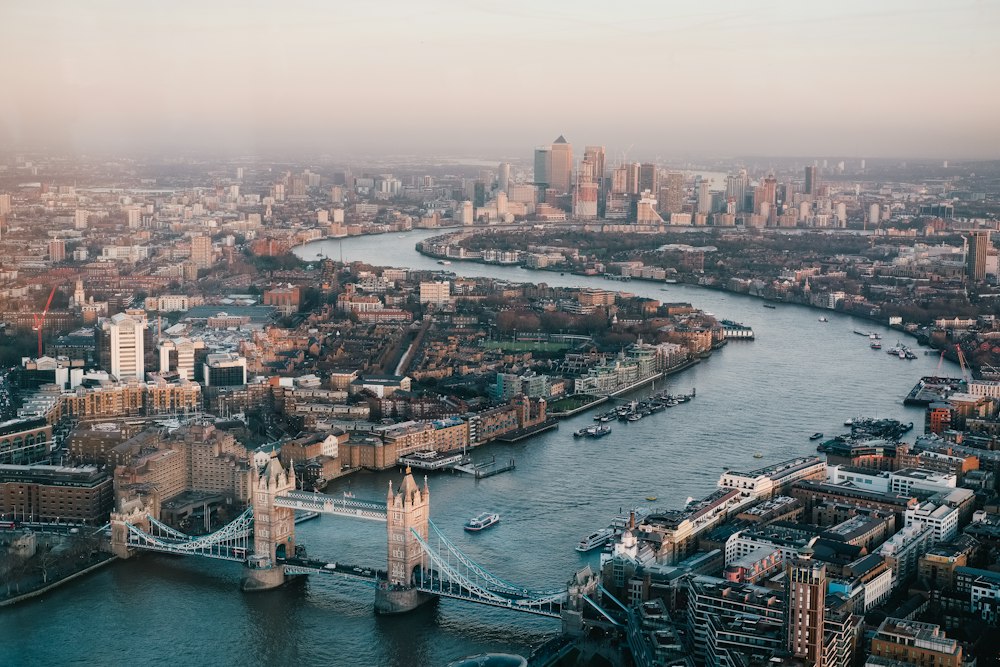
Housing to Buy: Property Prices Compared
The Dutch property market is one of Europe's tightest — a genuine housing shortage combined with strong demand has pushed prices to record levels. Amsterdam is eye-watering. But other Dutch cities offer better value than many Americans expect.
Property prices (2BR apartment, 2026):
| Location | Price range | Price/sqm |
|---|---|---|
| Amsterdam (Jordaan, De Pijp) | $400,000–$650,000 | $8,500–$12,000 |
| Amsterdam (Noord, Zuidoost) | $250,000–$400,000 | $5,500–$7,500 |
| Rotterdam (Kralingen, Centrum) | $250,000–$400,000 | $4,500–$6,500 |
| The Hague (Centrum) | $250,000–$400,000 | $4,500–$7,000 |
| Utrecht (Centrum) | $300,000–$450,000 | $5,500–$8,000 |
| Eindhoven (Centrum) | $200,000–$350,000 | $3,500–$5,500 |
| Groningen (Centrum) | $180,000–$300,000 | $3,000–$5,000 |
| --- | --- | --- |
| NYC (Manhattan) | $1,000,000–$2,000,000 | $12,000–$20,000 |
| SF (central) | $800,000–$1,400,000 | $10,000–$15,000 |
| Chicago (central) | $300,000–$500,000 | $3,500–$5,500 |
| Denver (central) | $350,000–$550,000 | $3,500–$5,000 |

Amsterdam prices rival San Francisco on a per-square-meter basis. But Rotterdam, The Hague, and Eindhoven offer genuine value — comparable to or below mid-tier US cities, in a country where everything is 30 minutes by train.
Buying costs in the Netherlands:
- Transfer tax (overdrachtsbelasting): 2% for primary residences (10.4% for investment properties)
- Notary fees: €1,500–€3,000
- Mortgage advisor: €1,500–$3,000
- Structural survey: €300–€600
- Total closing costs: 4–7% — lower than Germany, comparable to the US
Dutch mortgages in 2026: 3.8–4.8% (10-year fixed). 100% financing is still available in the Netherlands (rare in Europe). The NHG (Nationale Hypotheek Garantie) provides mortgage insurance for properties up to €435,000, reducing your interest rate.
For Americans buying Dutch property:
- No restrictions — foreigners can buy freely
- Bidding wars are common — Amsterdam buyers pay 6–7% over asking price on average
- NHG guarantee available to all residents regardless of nationality (if property qualifies)
- Mortgage interest deduction — still available in the Netherlands, reducing your effective tax rate
Browse Netherlands listings on EscapeFromUSA's Netherlands page or search on Funda — the country's dominant property portal. For a deep dive on cities, see our Amsterdam vs. Rotterdam comparison.
Taxes: The 30% Ruling Is a Game-Changer
Dutch income tax rates are among Europe's highest. But for qualifying expats, the 30% ruling transforms the math entirely — letting you receive 30% of your salary tax-free for up to 5 years.
Dutch income tax brackets (Box 1, 2026):
- €0–€38,883: 35.75% (combined income tax + social insurance)
- €38,884–€78,426: 37.56%
- Over €78,426: 49.50%
These headline rates look brutal. But the first bracket's 35.75% includes ~27.65% in social insurance premiums (pension, unemployment, long-term care) — the actual income tax rate in that bracket is just ~8%. And what those contributions buy — healthcare, pension, unemployment insurance, long-term care — costs Americans $10,000–$25,000/year in private spending.
The 30% Ruling — the Netherlands' expat tax incentive:
- What it does: 30% of your gross salary is paid tax-free as a 'reimbursement for extraterritorial costs'
- Eligibility: Recruited from abroad, minimum salary of €48,013/year (2026), or €36,497 if under 30 with a Master's degree
- Duration: 5 years maximum (reduced from 8 years in 2024)
- Impact: On a €70,000 salary, you'd pay income tax on only €49,000 — saving roughly €8,000–€10,000/year in taxes
- Full details at Government.nl and Belastingdienst
Important change: From 2027, the percentage drops to 27%. If you're considering the move, 2026 is the last year to lock in 30%.
Key tax mechanisms for Americans:
FEIE: Excludes up to $126,500 of foreign earned income from US federal tax. Full details in IRS Publication 54.
US-Netherlands Tax Treaty: Comprehensive double-taxation treaty. Dutch taxes generate Foreign Tax Credits against US liability. IRS treaty documents.
The practical comparison for a skilled worker earning €65,000 ($71,500) in the Netherlands WITH the 30% ruling vs. $90,000 in the US:
| USA (Illinois, $90K) | Netherlands (Rotterdam, €65K + 30% ruling) | |
|---|---|---|
| Gross income | $90,000 | €65,000 ($71,500) |
| Taxable income | $90,000 | €45,500 (30% exempt) |
| Income tax + social insurance | $19,500 | $13,200 |
| State/provincial tax | $4,455 (IL 4.95%) | $0 |
| Health insurance | $5,400 | $2,100 (zorgverzekering) |
| Total tax + mandatory costs | $29,355 | $15,300 |
That's a $14,055/year advantage in the Netherlands — with a $18,500 lower salary. The 30% ruling effectively makes the Netherlands one of the lowest-taxed countries in Europe for qualifying expats.
For more tax strategy, see our guides on FEIE, avoiding double taxation, and FBAR requirements.
Quality of Life: Why Americans Stay
The cost comparison is one dimension. The Dutch quality of life is another — and it consistently ranks among the highest in the world.
Work-life balance: Dutch employees work an average of 29 hours per week — the lowest in the OECD. Part-time work is normalized and protected by law. The minimum vacation is 20 days (most get 25), plus public holidays. The Dutch practically invented work-life balance.
Parental leave: 16 weeks paid maternity leave + 9 weeks paid paternity/partner leave. Plus 26 weeks partially paid parental leave (70% of salary, government-funded). In the US: zero weeks federally mandated.

Safety: The Netherlands consistently ranks among the top 20 safest countries globally. Violent crime rates are a fraction of the US. Gun ownership is rare and heavily regulated. As discussed in r/AmerExit, safety for children is one of the primary motivations for American families considering the move.
English fluency: 93% of Dutch people speak English — the highest rate of any non-native-English country. You can live, work, shop, and navigate bureaucracy entirely in English, especially in Amsterdam and other major cities. This makes the Netherlands significantly more accessible than Germany, France, or Spain for Americans who don't want to learn a new language immediately.
Cycling culture: This isn't just transportation — it's a lifestyle. The average Dutch person cycles 900+ km per year. Children bike to school independently from age 8–10. The physical and mental health benefits of daily cycling are substantial, and it's a social equalizer — everyone bikes, from the Prime Minister to university students.
Children's well-being: The Netherlands consistently ranks #1 in the world for children's well-being (UNICEF report). Dutch kids are among the happiest on Earth. Free play, cycling independence, and a less pressured education system contribute.
Proximity to Europe: Amsterdam Schiphol is one of Europe's biggest hubs. Paris is 3.5 hours by train. London 4 hours by Eurostar. Brussels 2 hours. Berlin 6 hours by ICE. Cheap flights to anywhere in Europe from €30–€60 on Transavia or EasyJet.
Weather: This is the trade-off. The Netherlands averages 1,650 sunshine hours/year (vs. 2,500+ in California). Winters are grey, wet, and windy. But the maritime climate means mild temperatures — it rarely drops below -5°C or rises above 30°C. If you survived Seattle or Portland, you'll survive the Netherlands.
For the full picture, read our things to do in the Netherlands and the comprehensive moving to the Netherlands guide.

Visa Options: The DAFT Treaty and Beyond
The DAFT (Dutch American Friendship Treaty) is the Netherlands' unique offering for Americans — no other European country has an equivalent. But there are other pathways too.
DAFT Visa: Available exclusively to US citizens. Start a business in the Netherlands with just €4,500 in startup capital (deposited in a Dutch business bank account — it remains your money). No points test, no employer sponsor, no language requirement. Valid for 2 years, renewable. Leads to permanent residency after 5 years. Application fee: €423. Processing: 1–2 months. Almost 700 Americans used DAFT in 2025. Full guide at Cardon & Company and expatlaw.nl.
DAFT is ideal for freelancers, remote workers, and entrepreneurs. You need a registered Dutch business (KVK registration) and proof your business is 'active' — but the bar is low. Graphic designers, consultants, developers, writers, and online business owners all qualify regularly.
Highly Skilled Migrant (Kennismigrant): The standard work visa. Employer must be a recognized sponsor with IND. Minimum salary: €5,331/month (2026) for workers over 30, €3,909 for under 30. Fast processing (2 weeks). Automatically qualifies for the 30% tax ruling.
EU Blue Card NL: For highly qualified workers with a recognized degree and a job paying at least €66,534/year (2026). Similar to the Kennismigrant but with EU-wide portability after 12 months.
Orientation Year (Zoekjaar): Recent graduates of Dutch or top-200 global universities can stay for 1 year to find work. No sponsor needed.
Family reunification: DAFT and Kennismigrant visa holders can bring spouse and children. Spouse gets an open work permit.
The Netherlands does not offer:
- A retirement visa (no passive income path)
- A golden visa / investor visa
- A standard digital nomad visa (DAFT fills this role for Americans)
As International Living calls it, DAFT is 'a secret access route to Europe' — and it's only getting more popular.
The Verdict: Who Should (and Shouldn't) Make the Move
The Netherlands makes financial sense if you:
- Qualify for the 30% ruling (recruited from abroad, earning €48K+) — the tax savings are enormous
- Are a freelancer or remote worker (DAFT visa is the easiest US-to-Europe path)
- Value English-speaking integration from day one (93% English fluency)
- Want to eliminate car costs entirely (cycling + transit covers everything)
- Have children (world's happiest kids, excellent education, generous parental leave)
- Work in tech, finance, or international business (Amsterdam, Rotterdam, and Eindhoven are major hubs)
- Want a European base with easy access to the rest of the continent
The Netherlands might NOT make sense if you:
- Want cheap housing (Amsterdam is expensive; even Rotterdam/The Hague aren't 'cheap')
- Want sunshine (1,650 hours/year vs. 2,500+ in Spain or California)
- Prefer spacious living — Dutch apartments are compact by American standards
- Want to retire on passive income (no retirement visa)
- Can't handle flat terrain and wind (the Netherlands is literally flat)
- Want a large expat community that isn't highly corporate (the Dutch expat scene skews toward international business)
The bottom-line math for a single person earning €60,000 ($66,000) in the Netherlands (with 30% ruling) vs. $90,000 in the US:
| USA (Chicago, $90K) | NL (Rotterdam, €60K + 30% ruling) | Annual difference | |
|---|---|---|---|
| Take-home after tax | $65,000 | $46,500 (€42,200) | -$18,500 |
| Health insurance | -$5,400 | -$2,100 | +$3,300 |
| Car costs | -$8,000 | -$500 (bike + transit) | +$7,500 |
| Annual spending | -$42,000 | -$30,000 | +$12,000 |
| Net savings | $9,600 | $13,900 | +$4,300/year |
Despite a $24,000 salary cut, you save $4,300 more per year — and that's with the 30% ruling. Without it, the math is tighter but still positive when you account for healthcare and transportation savings. Add in 25 vacation days (worth $4,000–$8,000 in US opportunity cost), cycling health benefits, and the happiest children in the world — and the case is compelling.
For remote workers keeping a US salary, the math is transformative. A $130,000 US remote salary in Rotterdam gives you a lifestyle that $200,000 struggles to match in New York or San Francisco.
Start browsing Dutch property listings on EscapeFromUSA and check out our guides on things to do in the Netherlands and the full moving to the Netherlands guide.
Ready to explore?
Browse Destinations