
Things To Do in the Philippines: The Ultimate Island-Hopper's Guide for 2026
The Philippines is 7,641 islands scattered across the western Pacific, and no other country on earth can match its combination of world-class beaches, astonishing biodiversity, ancient rice terrace engineering, and warm-hearted people who will invite you in for merienda before you've even asked for directions. It's a destination that genuinely rewards the curious — the traveler willing to take a pump boat to an island with no roads, or to spend a morning helping fishermen haul nets, or to sit in a centuries-old Spanish fort eating halo-halo in the heat. This guide covers the highlights from Luzon to Mindanao, with real costs, logistics, and the kind of detail that helps you move beyond the tourist checklist.
Manila: Intramuros, Street Food, and Hidden Gems in the Capital
Manila is a city that demands effort, and rewards it. The traffic is legendary (budget twice as long as maps suggest), the sprawl is overwhelming, and the contrast between gleaming BGC towers and cramped informal settlements can be jolting. But Manila also has Intramuros — the walled city built by the Spanish in 1571 — and if you give it a full day you'll understand why the Philippines was shaped so profoundly by 333 years of colonial rule. The Philippine Department of Tourism and itsmorefuninthephilippines.com both have comprehensive destination guides for planning.
Intramuros is a 64-hectare stone fortress on the south bank of the Pasig River, and despite being heavily bombed during World War II and rebuilt in the decades since, it still holds Fort Santiago (where national hero José Rizal was imprisoned before his execution in 1896 — his footprints are preserved in the stone floor of his cell), the San Agustín Church (the oldest stone church in the Philippines, built in 1589, still in active use), and the excellent Intramuros Museum. Rent a bamboo bike inside the walls — multiple operators offer these for about ₱150/$2.65/hour — and explore the streets and plazas at your own pace. The best time is early morning before tour groups arrive.

Binondo (Manila Chinatown), just north of Intramuros across the Jones Bridge, is the oldest Chinatown in the world — established in 1594. The food here is extraordinary: fried siopao (steamed buns, fried golden crispy) from Salazar Bakery, lomi (thick egg noodle soup) from ancient shophouse eateries, tikoy (sticky rice cake), puto bumbong (purple rice steamed in bamboo during Christmas season). A street food crawl with Ivan Man Dy's Old Manila Walks runs about $20 per person and is one of the best food experiences in Southeast Asia.

For nightlife, BGC (Bonifacio Global City) in Taguig has rooftop bars, craft beer spots, and restaurant rows; Poblacion in Makati is denser, scrappier, and more interesting — the block around The Grid Food Market and the surrounding streets feel like Brooklyn colonized by tropical humidity. Craft cocktail bars like The Curator and ABV are internationally competitive. Budget ₱300–₱600 ($5.30–$10.60) per cocktail in Poblacion versus ₱150–₱250 ($2.65–$4.42) in Ermita.
Palawan: El Nido, Coron, and the Last Frontier
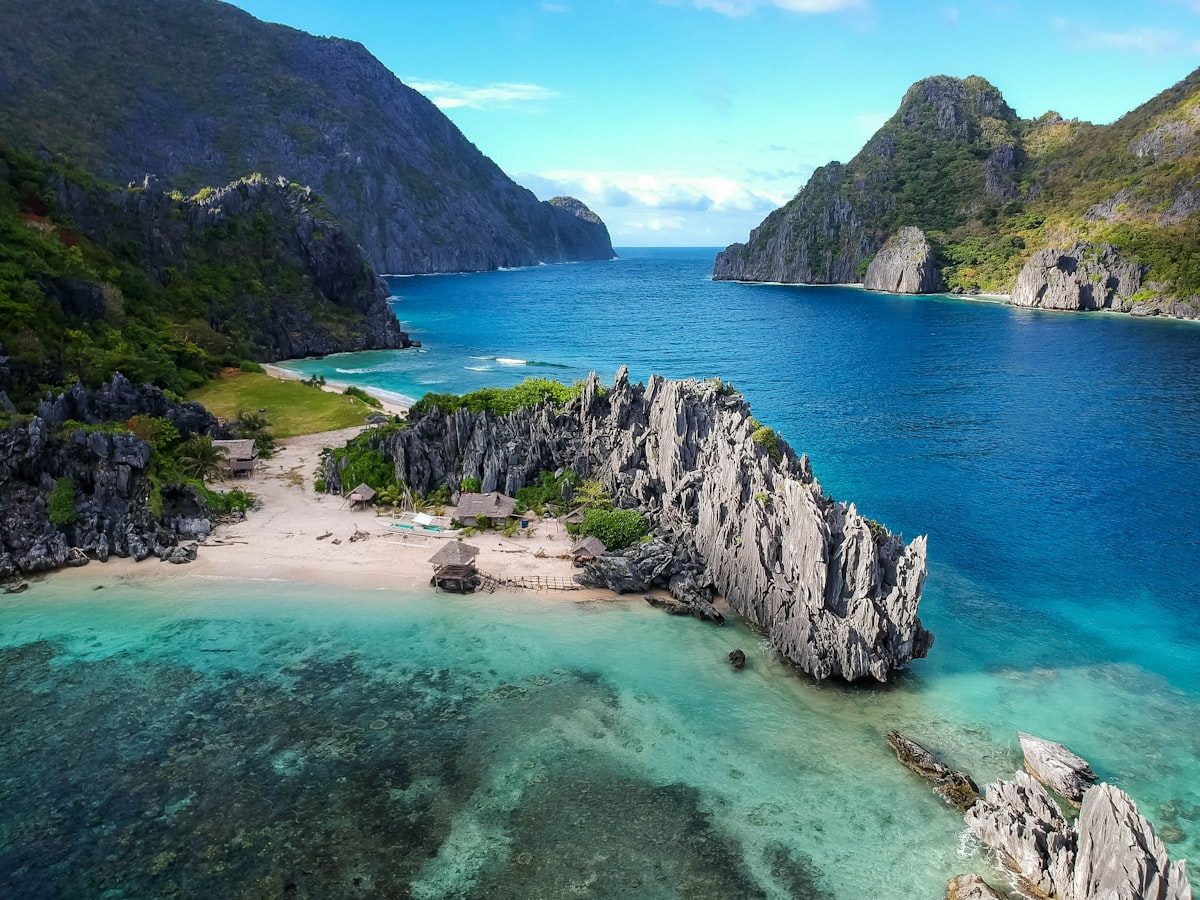
Palawan consistently ranks among the world's most beautiful islands, and after you've seen El Nido's lagoons from a pump boat with the water so clear you can read the rocks 8 meters below, you'll understand why. The island is long, thin, and still largely undeveloped — nicknamed 'The Last Frontier of the Philippines' — with a protected area covering most of its interior.
El Nido on the northern tip is the base for exploring the Bacuit Archipelago — a cluster of 45 islands and islets scattered across electric-blue water, with dramatic limestone karsts rising sheer from the sea. The classic Island Hopping Tour A (₱1,200/$21.25 per person on a shared boat, or ₱6,000/$106 for a private boat) covers the Big and Small Lagoons (kayak through narrow gaps in the limestone into secret enclosed pools), Shimizu Island (excellent snorkeling, sea turtles frequent), and Cathedral Cave (paddle through a sea cave into an echoing chamber open to the sky). Book through any El Nido guesthouse or directly at the El Nido Tourism Center on the beach. For trip reports and current conditions, r/Philippines and r/travel's Philippines threads are invaluable.

Tour C hits the Secret Beach (swim through an almost-invisible gap in a cliff face into a hidden cove) and Hidden Beach — genuinely worth doing even if you've already done Tour A. The light on the lagoons is best in the morning; afternoon tours deal with chop from afternoon winds.
Coron, on Busuanga Island to the north, is a completely different experience — famous primarily for its World War II Japanese shipwreck diving (the fleet was sunk in a surprise US attack in September 1944 and now hosts extraordinary marine growth at 15–40 meters depth). The Okikawa Maru is among the best wreck dives in all of Asia. Kayangan Lake — an inland saltwater lake accessible only by 15 minutes of stairs over a karst ridge — is photographed so frequently it now has a ₱200 ($3.54) entry fee and a timed entry system to manage crowds. Go at 6 AM when the morning mist lies across the water and you may have it to yourself.

Getting to Palawan: flights from Manila to El Nido (via AirSWIFT, ~$100–$140 one-way) or to Puerto Princesa (multiple carriers, ~$30–$60) with a 5-hour bus or 3-hour van transfer to El Nido.
Cebu: Whale Sharks, Kawasan Falls, and the Sardine Run
Cebu is the Philippines' second city in history and importance — it was the site of Ferdinand Magellan's arrival in 1521 and the subsequent Battle of Mactan where Lapu-Lapu defeated the Portuguese explorer (a victory celebrated with notable national pride). But most visitors today come for the underwater world, and Cebu delivers.
Oslob, on the southern tip of Cebu, offers daily whale shark interactions from roughly 6 AM to noon — you wade out from the beach on a wooden outrigger boat and snorkel alongside whale sharks that have been conditioned to come in for small shrimp fed by local fishermen. This practice is controversial among marine conservationists (the feeding discourages migration, the sharks may become dependent, the coral reef below the feeding area shows stress), but it remains one of the Philippines' most visited attractions. Entry and snorkel equipment: ₱1,000/$17.70. If you want to see whale sharks in a genuinely wild encounter, Donsol in Sorsogon province (accessible from Manila, peak season February–May) offers unbaited ocean encounters with proper swim distances maintained.

Kawasan Falls in Badian, about 90 km south of Cebu City, is a three-tiered cascade of cold turquoise water in a jungle canyon — widely considered the most beautiful waterfall in the Visayas. The canyoneering experience organized by local guides takes you down the river canyon (7–8 km, 4–5 hours) through cliff jumps ranging from 5 to 14 meters, rappels, and swims through gorges before ending at Kawasan. Cost: ₱1,800–₱2,500 ($31.85–$44.25) including guide, life jacket, and wetsuit. Book ahead — this is extremely popular.

The Moalboal sardine run is one of the ocean's great spectacles: tens of millions of sardines form a baitball that constantly shifts shape in response to trevally and mackerel attacks, just 20 meters offshore from Panagsama Beach. You simply wade in with a snorkel and the sardines swirl around you. Free to enter the water; freediving courses ($200–$250, 2 days) are popular here because of the visibility. Turtle Point at the same beach has three or four sea turtles that graze the reef daily — bring an underwater camera.

Cebu City itself has the best nightlife in the Visayas — IT Park in Lahug has the concentration of bars and clubs; Mango Avenue is the older, grittier entertainment district.

Boracay: White Beach, Kitesurfing, and the Chocolate Hills of Bohol
Boracay's White Beach is a 4-km arc of powdery white sand that regularly wins 'world's best beach' rankings, and even after the government's infamous six-month closure and cleanup in 2018 (which removed illegal structures and improved waste treatment), it remains beautiful. Station 1 (the northern end) is calmer and more upscale; Station 2 (the center) has the most restaurants and activity; Station 3 (the southern end) is cheaper and slightly quieter.
The real highlight beyond the beach is kitesurfing at Bulabog Beach, on the east side of the island. Bulabog catches the amihan (northeast monsoon) winds from November to May — consistent 15–25 knot conditions over flat, warm, waist-deep water make it one of Asia's premier learning destinations. A 3-day beginner kitesurf course (IKO-certified) runs $250–$350 and includes 9 hours of instruction. Intermediate and advanced riders head to the outer sandbars. Hangin Kite Center and KiteSUP Boracay are well-regarded schools.

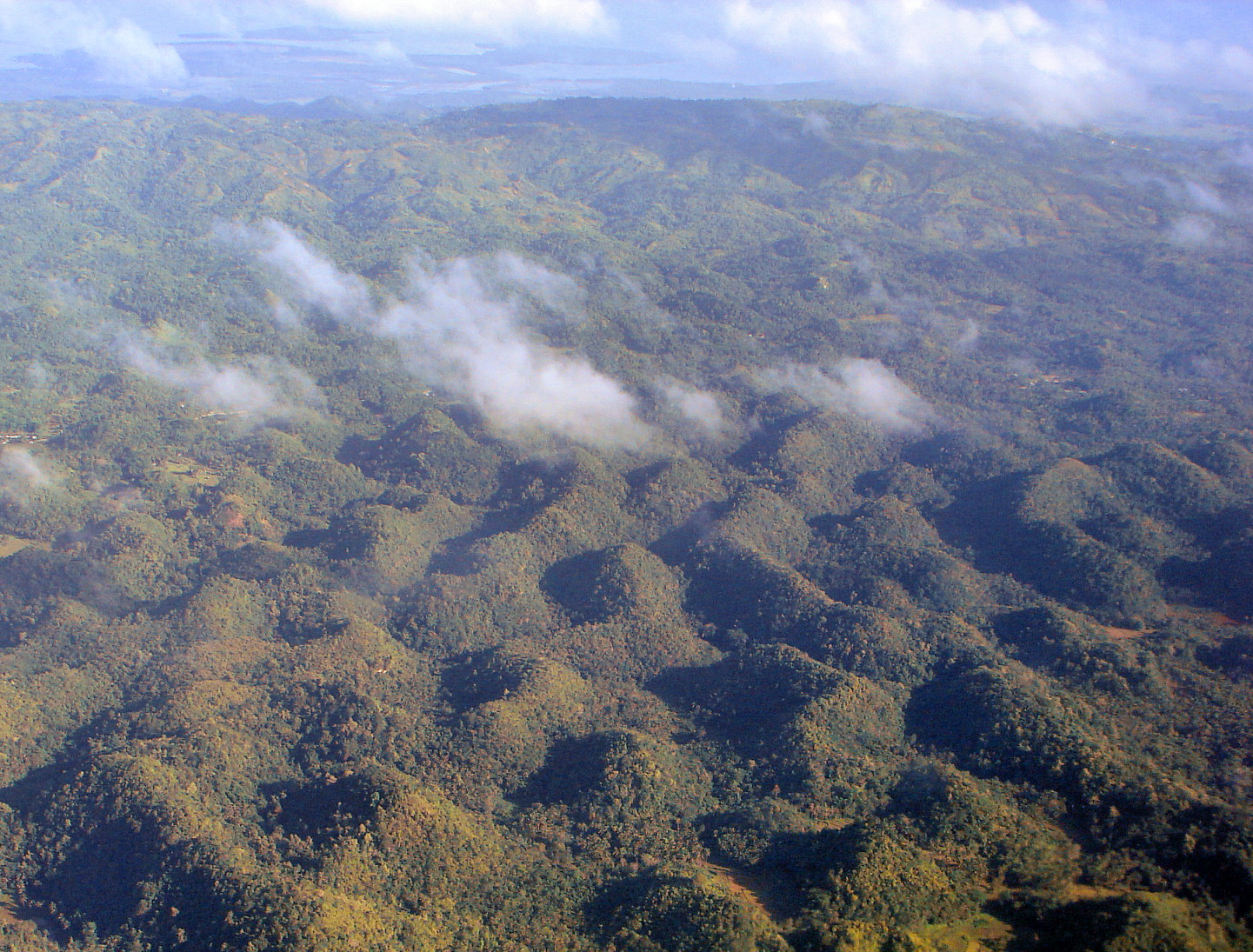
Bohol, accessible by ferry from Cebu (2 hours, ₱550/$9.73) or a 1-hour flight from Manila, is one of those islands that somehow manages to combine a world-famous geological oddity, excellent diving, and a chocolate brown primate the size of your fist into a single day trip. The Chocolate Hills — 1,268 perfectly cone-shaped limestone hills covered in grass that turns brown in the dry season — are best seen from the viewing deck at the Chocolate Hills Complex in Carmen (₱50/$0.88 entry). Rent a motorcycle in Tagbilaran City and drive the 55 km yourself for ₱350–₱400 ($6.20–$7.08)/day — the road passes through old-growth jungle and colonial-era churches.
The Philippine tarsier — a nocturnal primate with eyes larger than its brain, the world's second smallest primate — can be seen at the Philippine Tarsier Sanctuary in Corella (₱60/$1.06 entry). The sanctuary operates quietly with no flash photography and small group sizes, preserving the animals' ability to hunt at night. Visit in the afternoon when they're most active.

Alona Beach on Panglao Island (connected to Bohol by bridge) is the diving base: the Balicasag Island dive sites — rich walls dropping from 5 to 50 meters with large schools of jacks, surgeon fish, and regular white-tip reef sharks — are 30 minutes by bangka boat.
Get the Philippines move checklist
- Pick your visa route
- Price a real month of living
- Shortlist two or three cities
- Set a purchase budget
- Sort your US paperwork
Siargao: Surfing the Cloud 9 and Beyond
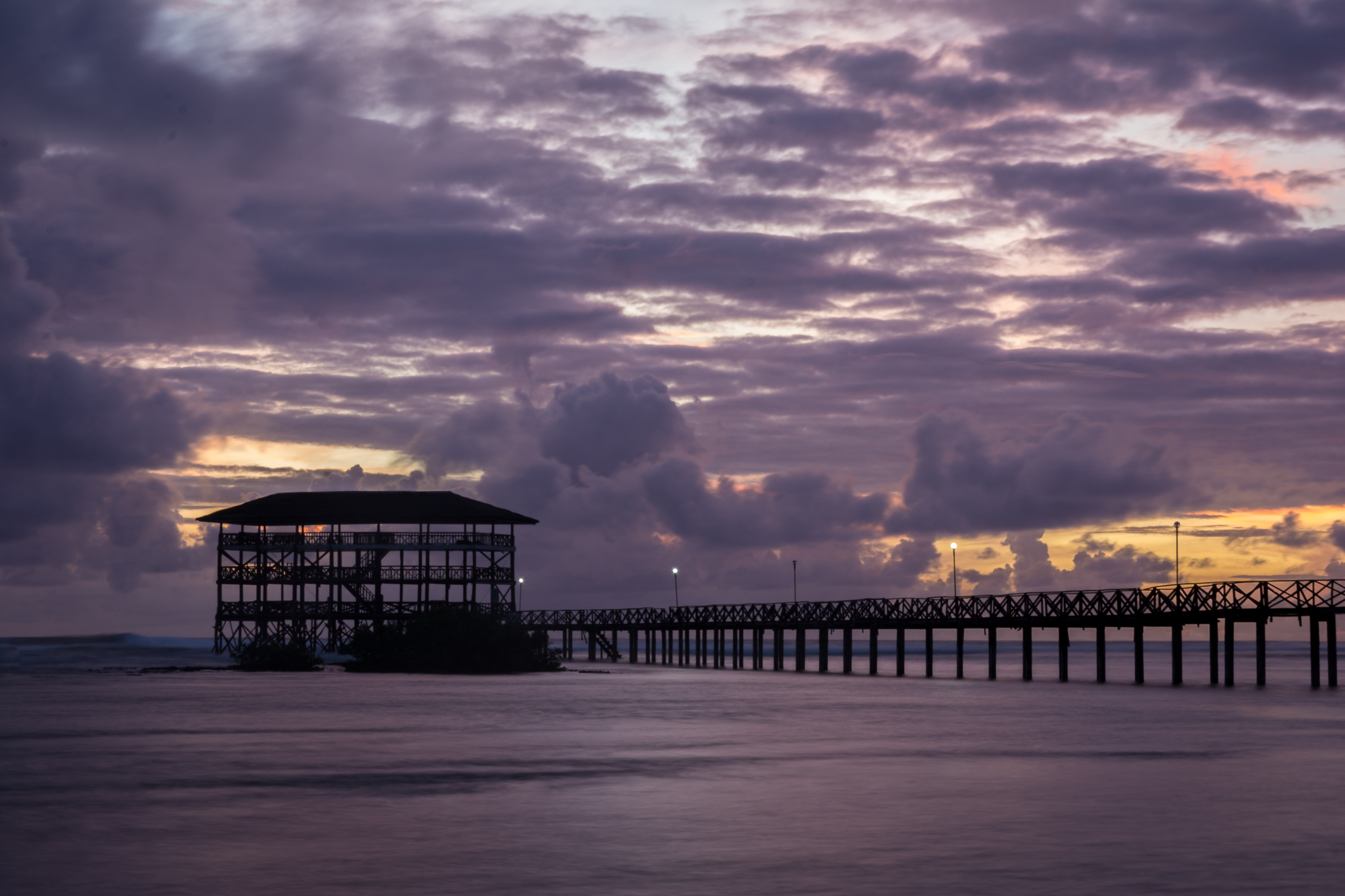
Siargao is the Philippines' surf capital, and Cloud 9 — a powerful, barreling right-hand reef break that breaks over shallow coral in the middle of a turquoise lagoon — is the reason. It holds a consistent 6–10 foot swell from August to November and has hosted the Siargao Cloud 9 Surfing Cup (an international competition) annually since 1995. Watching it from the wooden tower on the pier is free and extraordinary; surfing it requires solid intermediate skills and local knowledge.
For beginners, the beach breaks at Jacking Horse and the mellow reef breaks around Stimpy's and Rock Island are the learning grounds — surf schools cluster around General Luna and charge ₱500–₱800 ($8.85–$14.16) per 2-hour lesson including board. A handful of excellent surf shops also rent boards for ₱300–₱500 ($5.31–$8.85)/day if you'd rather just play.
Beyond surfing, Siargao's shallow turquoise lagoons and mangrove-fringed islets make for some of the Philippines' best boat touring. The Sugba Lagoon in the northeast of the island (₱1,500/$26.55 for a bangka tour, plus ₱50/$0.88 lagoon entry fee) has been called the Philippines' most beautiful inland water — a shallow, electric-teal enclosed lagoon surrounded by mangroves and limestone.

The Naked Island, Daku Island, Guyam Island day trip (₱1,500–₱2,000/$26.55–$35.40 shared boat) covers an uninhabited sandbar, a large palm-fringed picnic island, and a tiny islet you can walk around in 5 minutes.
General Luna (GL) is the main town and has evolved from dusty surf village to a genuinely good food scene — Bravo Beach Resort's restaurant, Hangout GL, and the night market on the main road all serve excellent mix of Filipino standards and expat-oriented cafe food. The whole town is bikeable (rent a bicycle for ₱150/$2.65/day) and the vibe is one of the most genuinely laid-back in all of Southeast Asia — hammocks, board racks, and salt in the air everywhere.
Banaue Rice Terraces: Engineering Marvel of the Ancient World
The Banaue Rice Terraces in Ifugao province in the Cordillera mountains of northern Luzon are 2,000 years old, carved into the mountainsides by the ancestors of the Ifugao people without metal tools, machinery, or outside assistance. They've been called the 'Eighth Wonder of the World' — and while that designation is informal, the experience of standing at the main viewpoint as mist rolls through the carved terraces and the scale of what pre-colonial Filipino engineering achieved sinks in, it earns the weight of that description. The Ifugao Rice Terraces UNESCO listing includes the Batad sector as one of the five protected clusters.

Banaue is about 340 km north of Manila — a 9-hour bus ride overnight on Ohayami Trans or KMS Transport (₱600–₱700/$10.62–$12.39 one-way, comfortable sleeper buses) that deposits you in Banaue at dawn, which is the perfect time to arrive as the mist is still in the valleys. Alternatively, rent a car or take a private van from Manila (~₱8,000–₱12,000/$141.60–$212.40 one-way, 7–8 hours depending on traffic).
The Banaue Viewpoint (₱20/$0.35 entry) is the famous Instagram shot, but the real experience is hiking between the terrace villages. Batad — a UNESCO-protected village accessible only on foot (45-minute hike from a jeepney drop-off 12 km from Banaue town, or a 2-hour hike from the viewpoint itself) — is set in a natural amphitheater of terraces and has perhaps the most complete and dramatic terrace scenery of all. The semicircular terraces around Batad village descend into a deep valley toward Tappiyah Waterfall (another 45-minute hike down, swimming at the base is cold and excellent).

Hapao and Hungduan terrace clusters to the west of Banaue receive far fewer visitors and reward those who make the effort with more authentic encounters with Ifugao communities still practicing traditional rice cultivation. Local guides (hire through Banaue hotels, around ₱800–₱1,200/$14.16–$21.24 per day) are knowledgeable about medicinal plants, traditional practices, and the complex irrigation system that has functioned for 20 centuries.
Island Hopping: Logistics and Hidden Islands
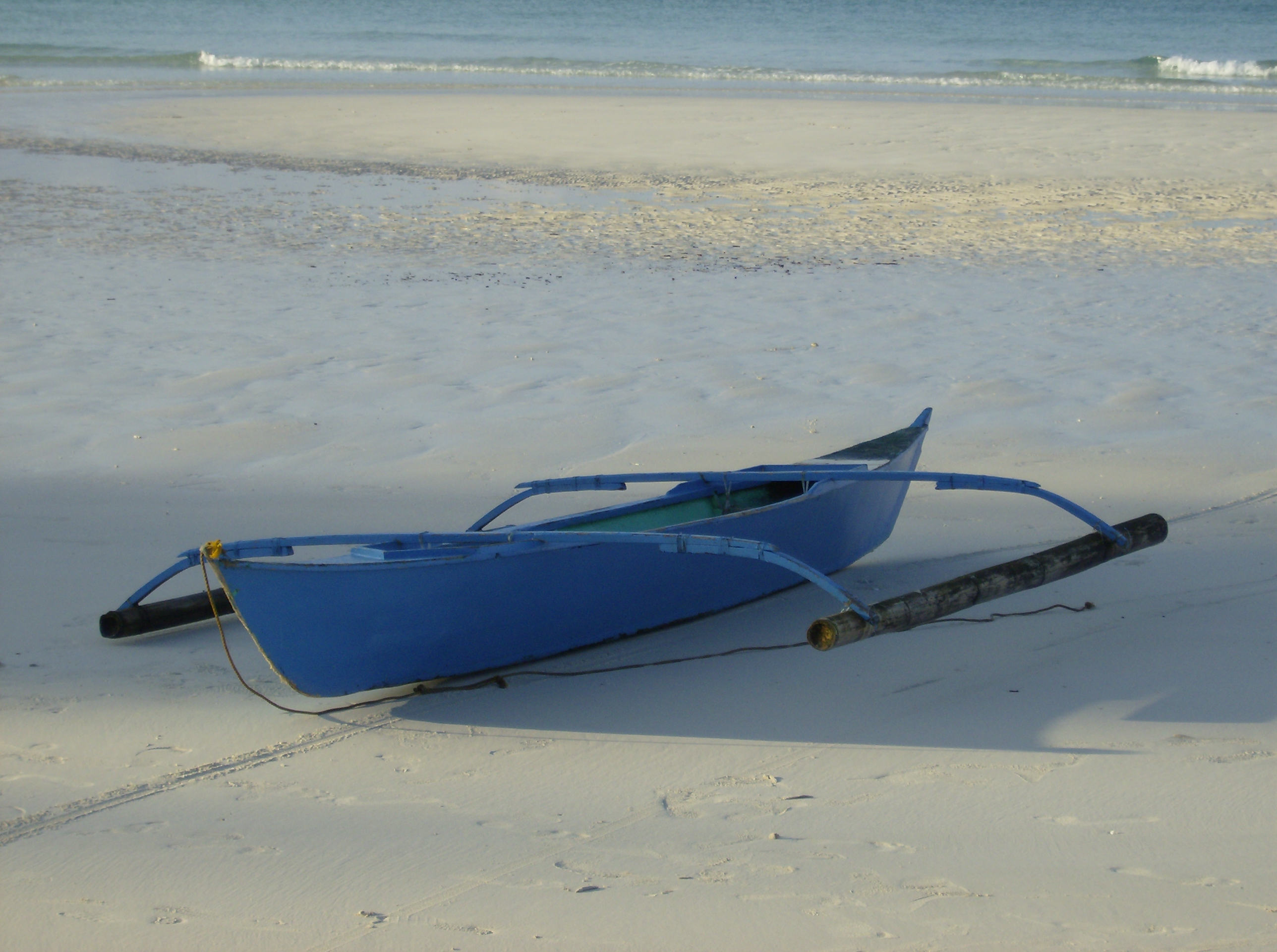
The Philippines' 7,641 islands require a specific kind of logistics thinking — inter-island travel is part of the adventure, not just the getting-there. Bangka boats (outrigger pump boats) are the backbone of local island transport: they're cheap, incredibly maneuverable, and give you spray in your face and the smell of salt air, but they're not always safe in open water during bad weather. Always ask locals about conditions before committing to a crossing.
For island hopping planning, the major circuits to know:
The Palawan route: Manila → El Nido (fly) → boat to Coron (overnight San Jose ferry or island-hopping tour, 2 days) → Coron to Puerto Princesa (fly) → back to Manila. This covers the full breadth of Palawan's best scenery in 7–10 days.
The Visayas circuit: Cebu → Moalboal (bus, 2 hours) → Bohol (ferry from Cebu City or Tagbilaran) → Siquijor (ferry from Dumaguete, 1 hour — the 'island of magic' with white beaches, healing traditions, and excellent snorkeling) → back to Cebu or direct to Manila.
The Siargao to Camiguin run: Siargao → Surigao City (ferry) → Camiguin (catamaran, 45 min from Balingoan port) — Camiguin is a tiny volcanic island with hot springs, cold springs (Ardent Hot Spring, ₱80/$1.42 entry), a sunken cemetery visible through clear water from a bangka, and some of the Philippines' best diving on the Mantigue Island Marine Sanctuary.
Budget considerations: mid-range Philippines travel runs $50–$80/day including accommodation (₱1,500–₱3,000/$26.55–$53.10/night for a decent guesthouse with AC), food (₱200–₱400/$3.54–$7.08 per meal at a local restaurant, more in tourist hotspots), boat tours (₱1,000–₱2,500/$17.70–$44.25/day), and transport. A budget traveler can do it for $30–$40/day; luxury resorts on Palawan and Siargao can run $300–$700+/night.
Filipino Food: What to Eat and Where to Find It
Filipino cuisine is having its international moment, and if you spend any real time in the country you'll understand why chefs like Tom Cunanan and Filipino-American restaurateurs have been turning heads globally. The cuisine is a product of its geography and history — Malay, Spanish, Chinese, and American influences layered over indigenous cooking traditions, with regional variation that's genuinely dramatic.
The essentials: Lechon (whole-roasted suckling pig with lacquered mahogany skin and crackling that shatters like glass) is the Philippines' great celebratory dish. Cebu lechon is considered the nation's best — CNT Lechon and Zubuchon in Cebu City are the most praised, with a whole pig (serves 10–15 people) running ₱6,500–₱9,000 ($115–$159.31). By the kilo, about ₱500–₱600 ($8.85–$10.62).

Adobo (meat braised in vinegar, soy sauce, garlic, and bay leaves until meltingly tender) varies by region: Batangas adds coconut milk, Bicol adds chili, and every lola (grandmother) has a version she considers definitive. Sinigang (sour tamarind soup with pork ribs, shrimp, or fish and a changing vegetable roster) is comfort food at its most restorative. Kare-kare (oxtail in peanut sauce, served with fermented shrimp paste bagoong) is one of the most complex dishes in Filipino cooking — best at traditional restaurants in Manila like Aristocrat (established 1936) or Barrio Fiesta.

For street food: balut (fertilized duck egg with partially developed embryo, eaten with salt — 17 to 18 days development is considered ideal) is the Philippines' most notorious dish and genuinely worth trying despite the psychological barrier. Isaw (grilled chicken intestines on a skewer, dipped in spiced vinegar) is common outside schools and markets. Kwek-kwek (quail eggs deep-fried in orange batter) is addictive.
Halo-halo — the Philippines' great dessert: shaved ice, evaporated milk, sweet beans, coconut strips, nata de coco, jackfruit, purple yam ice cream, and leche flan, all in one glass — is essential in the heat of the afternoon. Razon's of Guagua (multiple Manila locations) makes the definitive version.

Practical Philippines: Getting Around, Costs, and When to Go
Getting around the Philippines is one of the great pleasures and frustrations of traveling here. Jeepneys — the chromium-decorated, saint-adorned, extended jeep buses that are the backbone of intra-city transport — run fixed routes for ₱9–₱13 ($0.16–$0.23) and are magnificent to look at and slightly chaotic to navigate. In Manila, the new EDSA Carousel bus rapid transit along the main highway and the LRT/MRT subway lines significantly speed up getting around the metro (₱15–₱35/$0.27–$0.62).

Domestic flights: Cebu Pacific, AirAsia Philippines, and Philippines Airlines connect Manila to most major islands. Booking 2–4 weeks ahead, flights to Cebu, Siargao, Palawan, and Davao typically run $25–$75 one-way. Book on the airline websites directly (third-party sites add fees and complicate refunds).
Inter-island ferries: 2GO Travel and SuperCat operate the major routes (Manila-Cebu takes 21 hours on an overnight ferry, ₱1,500–₱3,500/$26.55–$61.95 depending on class). Fast ferries between island groups (Cebu to Bohol, Mindanao to Camiguin) are 45 minutes to 2 hours and run ₱200–₱600 ($3.54–$10.62). Check Bookaway or the ferry terminal directly.
Best time to visit: December through May is the dry season across most of the Philippines. The habagat (southwest monsoon) affects the western and central islands (Palawan, Boracay, Manila) from June to October, while the amihan (northeast monsoon) brings surf season to the eastern coasts (Siargao, eastern Samar) November through April. There is genuinely no single 'bad' time to visit because different regions are always in their good season.
Visas: US citizens receive 30 days visa-free on arrival, extendable to 59 days and then further at Bureau of Immigration for ₱3,030 ($53.63) per extension. UK, EU, Australian, and most other nationalities also receive 30-day visa-free entry. For current visa regulations and entry requirements, check the Philippine Department of Tourism or consult the active discussion threads on r/Philippines and r/digitalnomad.
Ready to explore?
Browse Destinations