
Cost of Living in Australia vs. USA (2026) — Real Side-by-Side Numbers
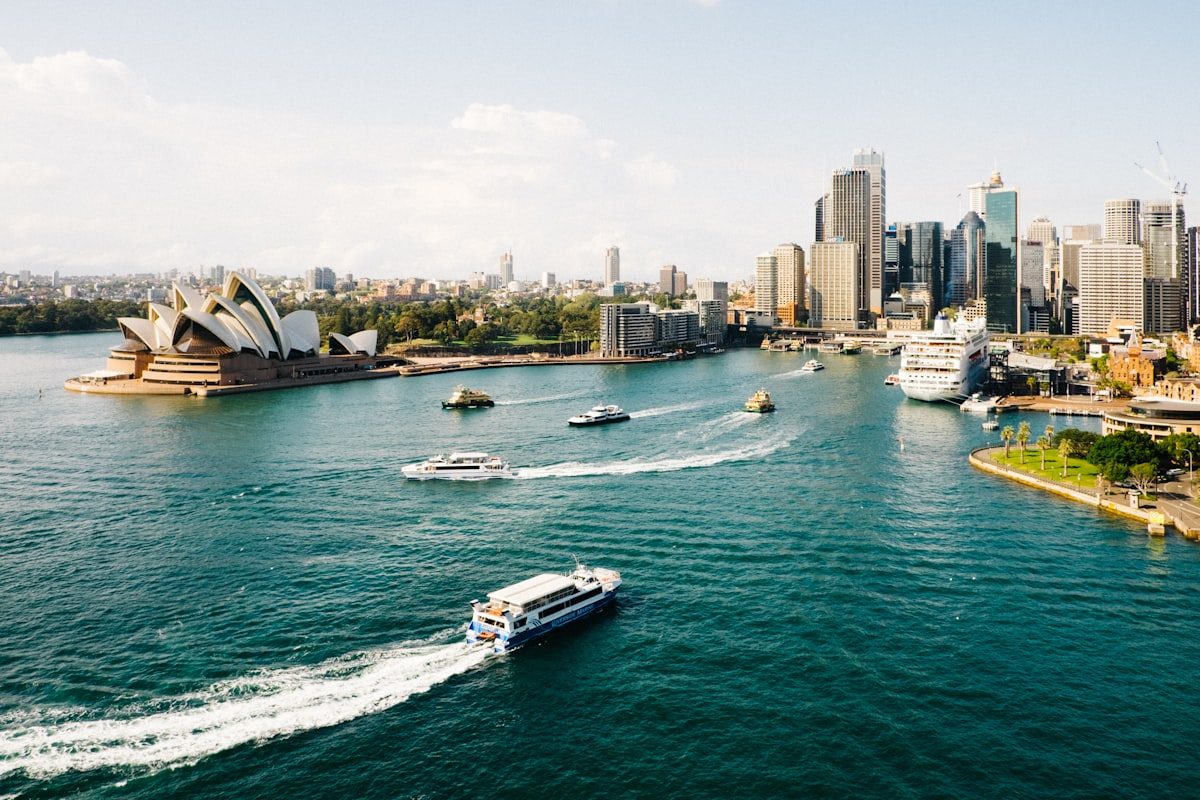
Australia is the rare destination that doesn't promise dramatic savings — it promises a dramatically better deal. According to Numbeo's 2026 data, overall costs including rent are roughly equal between the two countries. But that headline number hides the real story: Australia offers universal healthcare (Medicare), 4 weeks minimum paid leave, a $24.95/hour minimum wage, and a social safety net that makes the American version look skeletal — all for essentially the same monthly outlay.
Australia isn't cheap in absolute terms. Sydney is expensive. Melbourne is expensive. But compared to what Americans get for their money at home — a $7.25 federal minimum wage, no mandated paid leave, $500+/month health insurance premiums, and medical bankruptcy as a genuine risk — Australia delivers far more value per dollar spent.
As one r/AmerExit poster summed it up: 'My salary is slightly lower in Melbourne than it was in Chicago. But between Medicare, 4 weeks holiday, superannuation, and the fact that my kids won't get shot at school, I'm coming out way ahead on the things money can't easily buy.'
This guide puts real 2026 numbers side by side — Sydney vs. New York, Melbourne vs. Chicago, Brisbane vs. Austin. The short version: you won't save money by moving to Australia, but you'll get significantly more for what you spend.
The Big Picture: Australia vs. USA by the Numbers
The overview numbers are deceptively close. According to Numbeo's 2026 comparison, consumer prices in Australia are 6% higher than in the United States (excluding rent). But rent is 7% lower, and including rent the gap nearly disappears — Australia is just 2% higher overall.
The category-by-category picture reveals where Australia wins and where it doesn't:
- Rent: 7% lower (significant in expensive cities)
- Restaurants: 3% lower
- Groceries: 11% higher (import costs and small market)
- Transportation: Higher (gas +48%, transit +43%)
- Mobile phone plans: 52% cheaper (!)
- Utilities: 7% cheaper
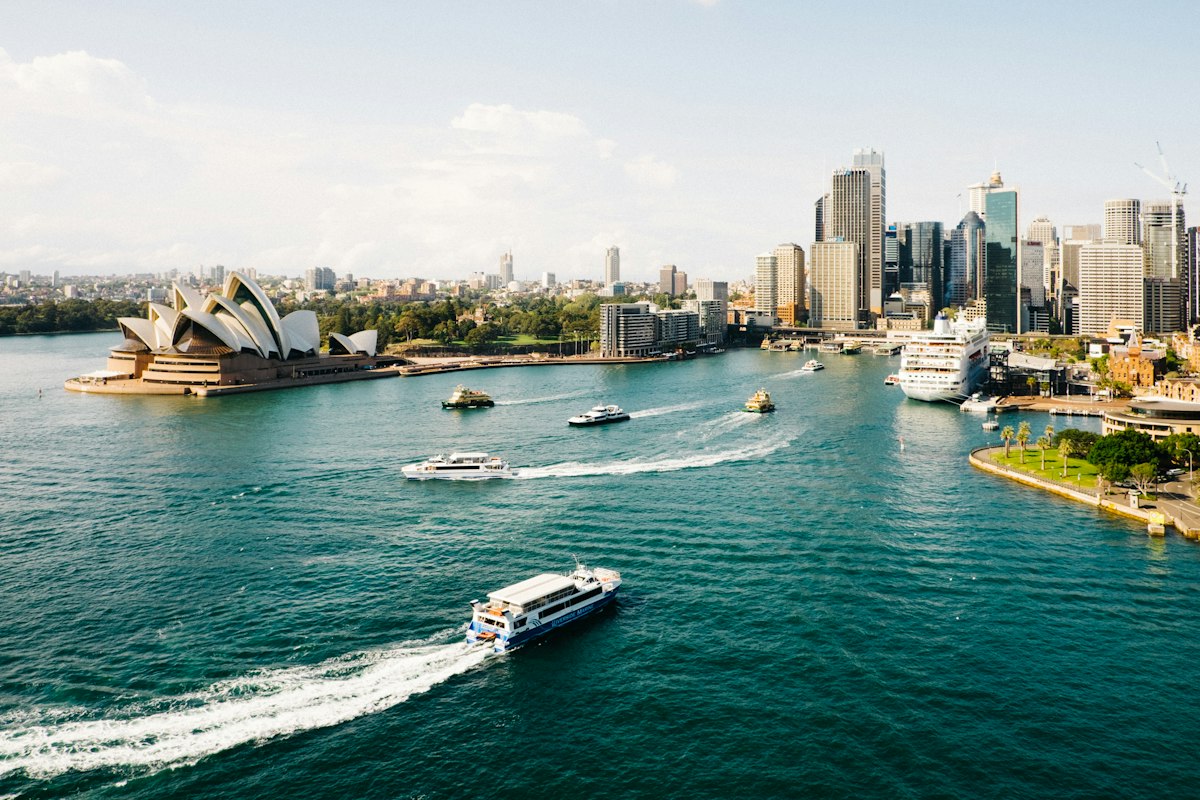
Monthly spending comparison — single person, comfortable lifestyle:
| Category | Sydney | Melbourne | New York City | Chicago |
|---|---|---|---|---|
| 1BR rent (nice area) | $1,600–$2,200 | $1,300–$1,800 | $3,200–$4,500 | $1,800–$2,600 |
| Groceries | $350–$500 | $300–$450 | $450–$600 | $380–$500 |
| Dining out (3×/wk) | $250–$400 | $220–$350 | $500–$800 | $350–$550 |
| Transit | $130–$180 | $100–$150 | $130 | $105 |
| Utilities + internet | $150–$220 | $140–$200 | $200–$280 | $180–$260 |
| Health insurance | $0–$150 (Medicare + optional private) | $0–$150 | $400–$700 | $300–$500 |
| Monthly total | $2,480–$3,650 | $2,060–$3,100 | $4,880–$6,910 | $3,115–$4,515 |
Sydney-to-NYC saves $2,400–$3,260/month ($29,000–$39,000/year). Melbourne-to-Chicago saves $1,055–$1,415/month ($12,700–$17,000/year). And that's before factoring in what Medicare, superannuation, and paid leave are worth.
As r/AskAnAustralian regulars point out, the lifestyle difference isn't captured in price indices. You're paying similar money but getting beaches, universal healthcare, gun-free streets, and a functioning social contract.
Rent: Sydney Is Expensive, Everywhere Else Is Reasonable
Australian rent follows the same pattern as American rent: one city (Sydney) skews the national average. Outside Sydney, Australian cities are meaningfully cheaper than their US equivalents.
Rent comparison (1BR apartment, 2026):
| City | Center (nice area) | Well-connected suburb |
|---|---|---|
| Sydney | $1,600–$2,300 | $1,200–$1,700 |
| Melbourne | $1,300–$1,800 | $1,000–$1,400 |
| Brisbane | $1,200–$1,700 | $900–$1,300 |
| Perth | $1,100–$1,600 | $850–$1,200 |
| Adelaide | $950–$1,400 | $750–$1,050 |
| Hobart | $850–$1,200 | $650–$950 |
| --- | --- | --- |
| NYC | $3,200–$5,000 | $2,000–$3,000 |
| Chicago | $1,800–$2,600 | $1,200–$1,800 |
| Denver | $1,700–$2,400 | $1,200–$1,700 |
| Austin | $1,600–$2,200 | $1,200–$1,700 |
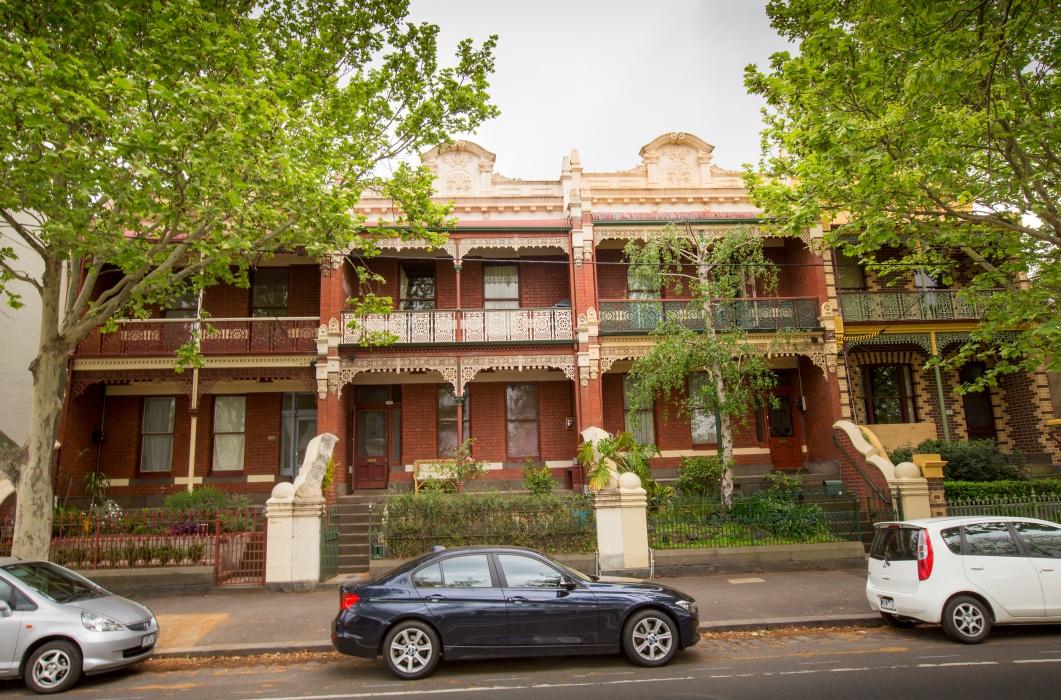
Melbourne is the value pick for Americans. Australia's second city has world-class dining, arts, sport (Australian Rules football!), and a thriving tech sector — at rents 20–35% below Sydney. Discussions in r/melbourne confirm it's where most American expats land if they're not employer-locked to Sydney.
Brisbane has surged post-COVID as remote workers discovered subtropical weather, affordable living, and the Gold Coast 90 minutes away. It's hosting the 2032 Olympics, driving infrastructure investment.
Adelaide is Australia's most affordable major city — a 1BR in the CBD runs $950–$1,400, comparable to mid-tier US cities but with Australian wages and benefits.
Australian rental differences Americans should know:
- Bond (deposit) is capped at 4 weeks' rent and held by the state's rental bond authority — no landlord pocketing it
- Leases are typically 12 months, then month-to-month. Breaking a lease has defined (and reasonable) penalties
- Furnished rentals are uncommon — most Australian rentals are unfurnished, even without a fridge or curtains. Budget for furnishing
- No tipping, no hidden fees — the advertised rent is the rent. Strata (HOA) is paid by the landlord, not the tenant
- Rental competition in Sydney and Melbourne is fierce — expect 20+ applicants for desirable properties. Being prepared with references, proof of income, and willingness to offer above asking can help
Browse Australian properties on our Australia property listings.
Groceries: More Expensive, Better Quality
Groceries are the one category where Australia is consistently more expensive than the US — 11% higher on average. Australia's geographic isolation, smaller market, and strict import standards drive prices up.
Price comparison (2026 averages):
| Item | Australia | USA | Difference |
|---|---|---|---|
| Milk (1 liter) | $1.75 | $1.06 | 66% more expensive |
| Dozen eggs (free range) | $4.50–$6.00 | $4.36 | Similar |
| Chicken breast (1 kg) | $9.00–$12.00 | $11.15 | Similar |
| White bread (loaf) | $2.50–$3.50 | $3.30 | Similar |
| Bananas (1 kg) | $3.50–$4.50 | $1.70 | 82% more expensive |
| Rice (1 kg) | $2.00–$3.00 | $4.15 | 40% cheaper |
| Beer (6-pack domestic) | $16–$22 | $10–$14 | 50–60% more expensive |
| Wine (decent bottle) | $10–$18 | $10–$18 | Similar |
| Cigarettes (pack) | $35–$40 | $10–$12 | 200%+ more expensive |

A weekly grocery shop for one person costs $80–$120 in Australia vs. $90–$140 in the US — the gap is real but not dramatic. Shopping at Aldi (which operates extensively in Australia) or Costco (now in major Australian cities) brings prices closer to US levels.
The quality difference matters: Australian food standards ban many additives legal in US food. Hormone-treated beef is prohibited. Eggs labeled 'free range' actually mean something (regulated definition). Produce tends to be more seasonal and locally sourced.
Alcohol is the sticker shock: Australia's heavy excise taxes make beer, spirits, and even local wine notably more expensive than the US. A six-pack of domestic beer costs $16–$22 at a bottle shop, vs. $10–$14 in the US. Pub beers run $8–$12 AUD. The flip side: Australia produces world-class wine (Barossa Valley, Margaret River, Yarra Valley), and buying directly from cellar doors or in bulk is far more affordable.
As r/AustralianFinance users note, the key to affordable Australian grocery shopping is embracing local products and seasonal produce rather than seeking American equivalents.

Dining Out: Similar Prices, No Tipping
Australian restaurant prices are close to American levels — 3% lower overall according to Numbeo. But the no-tipping culture is the game-changer: when you add the American 18–20% tip to every meal, Australian dining becomes meaningfully cheaper in practice.
Dining comparison:
| Meal type | Australia | USA (mid-tier city) | NYC |
|---|---|---|---|
| Coffee (flat white) | $3.50–$5.00 | $5.00–$6.50 | $5.50–$7.00 |
| Casual lunch (café) | $14–$20 | $15–$22 | $18–$28 |
| Pub meal (burger + beer) | $20–$30 | $20–$30 + tip | $25–$35 + tip |
| Mid-range dinner for two | $70–$110 | $80–$120 + tip | $120–$180 + tip |
| Sushi (quality) | $15–$25 | $18–$30 | $25–$40 |
| Thai/Vietnamese | $14–$20 | $14–$20 | $16–$25 |

Australia's coffee culture is genuinely world-class — arguably the best in the English-speaking world. Melbourne pioneered the flat white and the third-wave coffee movement. A perfect flat white costs $4–$5, cheaper than a Starbucks drip coffee in many US cities. There are no Starbucks in most of Australia (they tried and failed — Australian coffee standards are too high).
No tipping is a hard rule, not a suggestion. Australian service workers earn a living wage (minimum $24.95/hour, casual workers get 25% loading on top). Tipping is not expected at restaurants, cafés, bars, taxis, or anywhere else. For Americans conditioned to add 20%, this saves $150–$300/month if you eat out regularly.
Asian food is where Australia punches above its weight. Melbourne, Sydney, and Brisbane have extraordinary Chinese, Vietnamese, Thai, Japanese, and Korean food — at prices comparable to the US or lower. Australia's proximity to Asia and large immigrant communities mean the quality rivals the best in North America.
As one r/expats poster observed: 'The food scene in Melbourne is genuinely better than any American city I've lived in — NYC included. The Asian food is fresher, the coffee is incomparable, and not paying tip on a $100 dinner saves $20 every time.'
Healthcare: Medicare Changes Everything
Australia's Medicare system is the single biggest financial and lifestyle advantage over the US for eligible residents. Universal healthcare covers GP visits, specialist referrals, public hospital treatment, and subsidized prescriptions — with no insurance premiums, no deductibles, and no risk of medical bankruptcy.
Cost comparison:
| Healthcare item | Australia (Medicare) | USA |
|---|---|---|
| Monthly health insurance premium | $0 (Medicare) | $400–$700 |
| GP visit (bulk-billed) | $0 | $150–$350 |
| Specialist (public referral) | $0 | $250–$500 |
| Emergency room | $0 | $1,500–$5,000+ |
| Prescription (PBS-listed) | $25 max | $15–$200+ |
| Childbirth (public hospital) | $0 | $5,000–$15,000 |
| Ambulance (varies by state) | $0–$1,200 | $400–$2,500 |
| Private health insurance (optional) | $100–$200/month | N/A |
Eligibility for Americans: Medicare is available to Australian citizens and permanent residents. Most temporary visa holders (including 482 skilled worker visa holders) are not eligible for Medicare and must carry private health insurance — this is a visa condition, not optional. Private cover starts at AUD $100–$150/month for hospital-only, $150–$250 for comprehensive.
The US does not have a reciprocal healthcare agreement with Australia, so Americans on temporary visas must budget for private insurance. However, once you obtain permanent residency, full Medicare access kicks in.
Prescription drugs are subsidized under the Pharmaceutical Benefits Scheme (PBS). As of January 2026, the maximum co-pay is $25 per PBS-listed prescription — down from $31.60. Concession card holders pay just $7.70. Compare this to the US, where a single insulin prescription can cost $300+ without insurance.
The financial impact: an American family of four pays $15,000–$30,000/year on health insurance premiums plus deductibles and copays. In Australia with permanent residency: $0 for Medicare, or $3,000–$5,000/year for optional private insurance (which gives faster elective surgery access and private room hospital stays). Annual savings: $10,000–$25,000.
As extensively discussed in r/AmerExit, the Medicare advantage alone justifies the move for many Americans — particularly those with chronic conditions, families planning children, or anyone who has experienced the American insurance claims process.
Get featured properties in your inbox
A weekly digest of handpicked listings from 20 countries. Free, no spam.
Transportation: More Expensive but Better Connected
Transportation is the one area where Australia is noticeably more expensive — gas costs 48% more and transit passes cost 43% more than in the US. But Australian cities are far more transit-friendly than most American cities, making car-free living genuinely viable.
Monthly transport costs:
| Category | Australia (major city) | USA (major city) |
|---|---|---|
| Monthly transit pass | $100–$180 | $65–$130 |
| Gasoline (per liter) | $1.30–$1.60 | $0.89 |
| Car insurance | $800–$1,500/year | $1,800–$3,000/year |
| Car registration | $300–$700/year | $50–$300/year |
| Tolls (Sydney) | $100–$200/month | Varies |
| Uber/ride-hail (per km) | Similar | Similar |
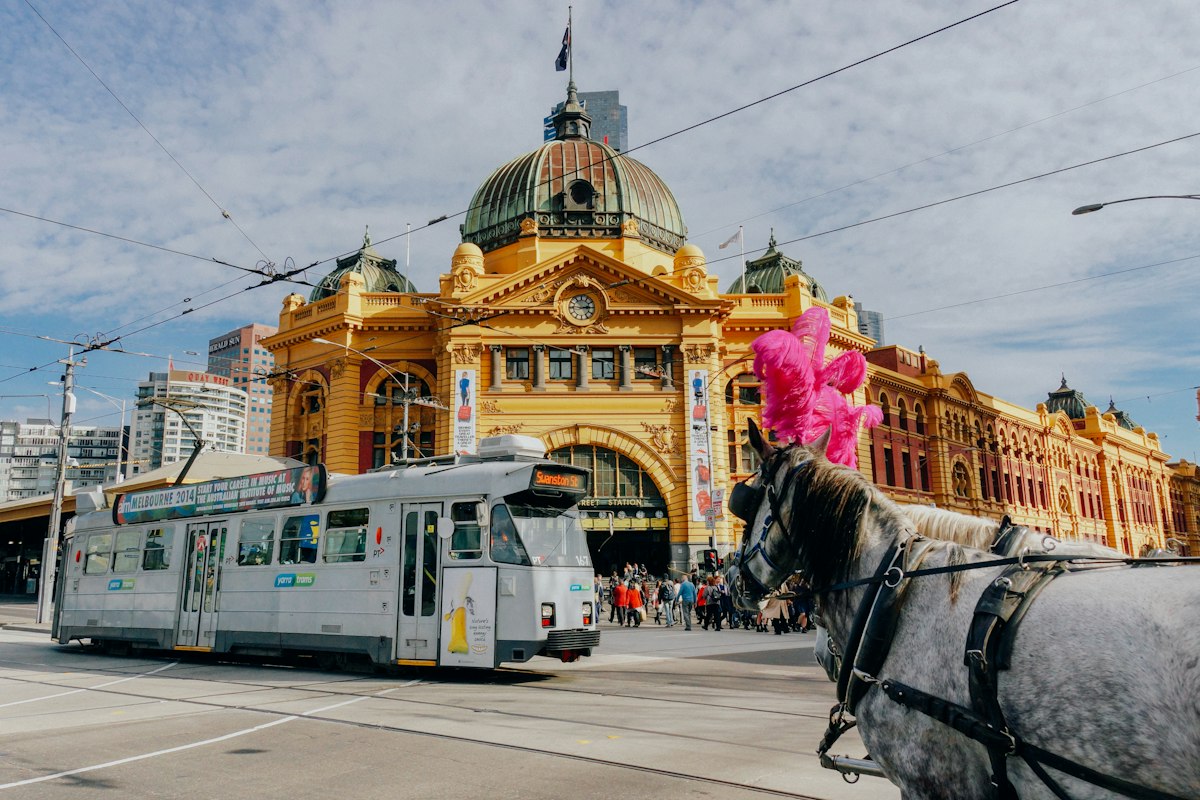
Melbourne's tram network is the world's largest — and the CBD zone is free. Extending the Myki card to outer suburbs costs $100–$150/month. Sydney has an integrated Opal card covering trains, buses, ferries, and the new Metro line, with a weekly cap of roughly $50 AUD.
Car ownership in Australia is cheaper in some respects than the US: car insurance runs 40–50% less ($800–$1,500/year vs. $1,800–$3,000). But fuel costs more, registration is higher, and tolls in Sydney are aggressive (the M2, M5, M7, and Harbour Tunnel add up fast).
For Americans who've only known car-dependent cities:
- Sydney: Excellent rail + bus + ferry network. A car is unnecessary in the inner suburbs
- Melbourne: Trams + trains + buses cover the metro. Most inner-city residents go car-free
- Brisbane: Improving rapidly (2032 Olympics investment). Still somewhat car-dependent in outer suburbs
- Perth: Car-helpful but has a good rail spine
- Adelaide: Compact and affordable but car-friendly design
Intercity travel: Domestic flights between Australian cities cost $80–$250 on Jetstar and Virgin Australia — similar to US domestic fares. The Indian Pacific and Ghan rail journeys are tourist experiences, not practical commutes.
As r/AskAnAustralian users advise: 'If you live and work in inner Melbourne or inner Sydney, sell the car. Between trams, trains, and cycling, you genuinely don't need one — and parking alone will save you $200/month.'
Housing to Buy: Expensive but Familiar
Australian property is expensive — among the priciest in the English-speaking world relative to incomes. But for Americans coming from US coastal cities, the comparison is less painful than expected.
Property prices (2026):
| Location | Median price (house/apartment) | Price/sqm |
|---|---|---|
| Sydney (inner) | $1,200,000–$1,800,000 | $10,000–$16,000 |
| Melbourne (inner) | $800,000–$1,200,000 | $7,000–$12,000 |
| Brisbane (inner) | $700,000–$1,000,000 | $6,000–$10,000 |
| Perth (inner) | $550,000–$850,000 | $5,000–$8,000 |
| Adelaide (inner) | $500,000–$750,000 | $4,500–$7,000 |
| Hobart | $450,000–$650,000 | $4,000–$6,500 |
| --- | --- | --- |
| NYC (Manhattan) | $1,000,000–$2,000,000 | $12,000–$20,000 |
| LA (central) | $600,000–$900,000 | $6,000–$9,000 |
| Chicago (central) | $300,000–$500,000 | $3,000–$5,000 |
Foreign buyer restrictions are significant. Under the Foreign Investment Review Board (FIRB) rules, non-residents can generally only buy new dwellings (not existing homes). FIRB application fees range from AUD $14,700 for properties under $1M to much higher for premium properties. Some states impose additional surcharges:
- NSW: 8% stamp duty surcharge + 4% annual land tax surcharge for foreign buyers
- Victoria: 8% stamp duty surcharge + 2% annual surcharge
- Queensland: 7% stamp duty surcharge
These surcharges make buying as a temporary resident expensive. The workaround: become a permanent resident first, then buy without surcharges.
Mortgage rates (2026): 5.5–6.5% for owner-occupiers (comparable to US rates). Australian mortgages are typically variable-rate by default, with fixed-rate options for 1–5 years at a premium.
Stamp duty (transfer tax) is the main closing cost: roughly 4–5.5% of purchase price in most states. First-home buyers get concessions or exemptions below certain thresholds. Total buyer-side closing costs run 5–7%.
For full details on buying property in Australia as an American, read our Australia foreign buyer rules guide and browse listings on our Australia property page.
Taxes: Higher Rates, Higher Returns
Australia has higher marginal tax rates than the US — but when you account for what's included (Medicare, superannuation, paid leave, social safety net), the effective comparison is closer than headlines suggest.
Australian income tax rates (2025–26):
- $0–$18,200: 0% (tax-free threshold)
- $18,201–$45,000: 16%
- $45,001–$135,000: 30%
- $135,001–$190,000: 37%
- Over $190,000: 45%
Plus the Medicare Levy: 2% of taxable income for all taxpayers. High earners without private hospital cover pay an additional 1–1.5% Medicare Levy Surcharge.
Full rates at the Australian Taxation Office (ATO).
Superannuation: Employers contribute 11.5% of your salary into a retirement fund — this is on top of your salary, not deducted from it. It's the Australian equivalent of a mandatory 401(k) where the employer pays 100% of contributions. Over a career, this builds substantial retirement wealth.
Key tax mechanisms for Americans:
FEIE: Excludes up to $130,000 of foreign earned income from US federal tax. But — and this is critical — most Americans in Australia claim the Foreign Tax Credit (FTC) instead, because Australian tax rates are higher. The FTC gives a dollar-for-dollar credit against US tax for taxes paid to Australia, effectively eliminating double taxation. Details at IRS Publication 54.
US-Australia Tax Treaty: The treaty prevents double taxation and includes a Totalization Agreement for Social Security, so you don't pay into both systems simultaneously.
The practical comparison for an employee earning AUD $120,000 ($78,000 USD):
| USA (Illinois, $78K) | Australia (Melbourne, AUD $120K) | |
|---|---|---|
| Federal/national income tax | $11,000 | $22,000 AUD ($14,300 USD) |
| State tax (IL 4.95%) | $3,860 | $0 (no state income tax in AU) |
| Social insurance | $5,970 (FICA) | $2,400 AUD Medicare Levy ($1,560 USD) |
| Health insurance | $5,400 | $0 (Medicare) |
| Employer super contribution | N/A | +$13,800 AUD into retirement |
| Total tax + mandatory costs | $26,230 | $15,860 USD |
| Plus retirement contribution received | $0 (unless employer match) | +$8,970 USD |
The Australian total tax burden is lower and you receive $9,000/year in employer-funded retirement contributions. As one r/AusFinance analysis showed: 'Americans focus on the headline tax rate and miss that super is free money. A 30-year-old earning $120K with 11.5% super will have $500K+ in retirement savings by 50 — funded entirely by their employer.'
Quality of Life: What the Numbers Don't Show
Australia consistently ranks in the top 5–10 countries globally for quality of life, and the reasons go well beyond cost.
Paid leave: Australian employees get a minimum of 4 weeks (20 days) paid annual leave, plus roughly 10 public holidays. Add in 10 days paid personal/sick leave and the total approaches 6 weeks off per year. The US mandates zero.
Parental leave: Australia offers 18 weeks paid parental leave at the national minimum wage, with the government expanding this to 26 weeks by 2026. Many employers offer additional paid leave on top. The US offers 0 weeks federally mandated paid parental leave.
Safety: Australia had 238 gun deaths in 2024 — the US had over 19,000 gun homicides alone. Mass shootings don't happen (the 1996 Port Arthur massacre led to sweeping gun reforms). Violent crime rates are roughly one-third of US levels. As r/AmerExit threads frequently mention, safety — especially for families — is a primary driver for Americans choosing Australia.
Outdoor lifestyle: Australia's beaches, national parks, and outdoor culture are genuinely unmatched. Sydney has Bondi, Manly, and Cronulla within city limits. Melbourne has the Great Ocean Road. Brisbane has the Sunshine Coast and Gold Coast. Hiking, surfing, diving, and camping are central to Australian culture, not fringe activities.
Work-life balance: Australian work culture is markedly less intense than American corporate culture. Leaving at 5pm is normal. Taking all your leave is expected, not frowned upon. 'Smoko' (coffee break) is a protected cultural institution.
The downsides Americans should know:
- Distance: 14–20 hour flights to the US, $1,000–$2,000 round trip. Family visits are expensive expeditions
- Deadly wildlife is overhyped but real — learn which spiders and snakes to watch for
- UV radiation is extreme — Australia has the world's highest skin cancer rates. Sunscreen is non-negotiable
- Internet speeds have improved but still lag behind US and Asian averages outside major cities
- Housing affordability is a national crisis — buying a home on local wages is increasingly difficult
For the full picture, read our moving to Australia guide and things to do in Australia.

Visa Options for Americans Moving to Australia
Australia runs a strict, points-based immigration system. Americans can't just show up — you need a visa, and most pathways require either employer sponsorship or high-demand skills.
Skills in Demand Visa (Subclass 482): The most common path. Replaces the old TSS visa as of December 2025. Requires a sponsoring Australian employer, a nominated occupation on the skills list, and a minimum salary of AUD $73,150 (2025–26). Valid for 4 years with a direct pathway to permanent residency after 2 years. Full details at Home Affairs.
Skilled Independent Visa (Subclass 189): Points-tested, no employer sponsor needed. You need an occupation on the skilled list, a skills assessment, and enough points (65+ from age, English, experience, qualifications). Grants immediate permanent residency.
Employer Nomination Scheme (Subclass 186): Direct permanent residency through employer sponsorship. Often follows a 482 visa after 2 years of employment.
Partner Visa (Subclass 820/801): If partnered with an Australian citizen or permanent resident. Processing times: 12–24 months.
Working Holiday Visa (Subclass 462): For Americans aged 18–30. Live and work in Australia for 12 months (extendable to 3 years with regional work). Great first step — many Americans convert to skilled visas after arriving.
Visa costs: $2,000–$5,000+ depending on visa type. Processing: 2–12 months depending on pathway.
Australia does not offer:
- A digital nomad visa
- A retirement visa (no passive income pathway)
- A golden visa/investor visa at reasonable minimums (the BIIP requires AUD $5M+ in investable assets)
The bottom line: Australia is more restrictive than Portugal or Thailand but offers permanent residency pathways that lead to full Medicare access and eventually citizenship. For skilled workers in IT, healthcare, engineering, or trades, the pathway is well-defined.
The Verdict: Who Should (and Shouldn't) Make the Move
Australia makes sense if you:
- Can secure a skilled work visa (IT, healthcare, engineering, trades are in demand)
- Value universal healthcare, paid leave, and a social safety net — and are willing to pay similar costs for dramatically better infrastructure
- Want English-speaking integration from day one
- Love outdoor lifestyle — beaches, hiking, surfing, diving
- Have children (free public schooling is excellent, university is subsidized, school shootings don't happen)
- Value work-life balance over maximum earning potential
- Are aged 18–30 (Working Holiday Visa is an easy entry point)
Australia might NOT make sense if you:
- Want to save dramatically on living costs (Australia is not cheap — try the Philippines or Thailand for that)
- Earn a high US tech salary you want to keep (Australian tech salaries are lower in absolute terms, though purchasing power is comparable)
- Need proximity to family (14–20 hour flights)
- Want to buy property quickly (foreign buyer restrictions and FIRB surcharges add significant cost until you get PR)
- Can't handle extreme heat and UV (summers in Australia are brutal)
- Want easy access to Europe (Australia is far from everywhere except Asia)
The bottom-line math for an employee earning AUD $120,000 ($78,000 USD) in Melbourne vs. $90,000 in Chicago:
| USA (Chicago, $90K) | Australia (Melbourne, AUD $120K) | Annual difference | |
|---|---|---|---|
| Take-home after tax | $63,000 | $50,000 USD ($77K AUD) | -$13,000 |
| Health insurance | -$5,400 | $0 (Medicare) | +$5,400 |
| Employer super received | $0 | +$9,000 USD | +$9,000 |
| Annual spending | -$44,000 | -$36,000 | +$8,000 |
| Net savings (incl super) | $13,600 | $23,000 | +$9,400/year |
Despite a lower headline salary, the Melbourne worker saves $9,400 more per year — thanks to Medicare, superannuation, and moderately lower spending. And they get 4 weeks paid leave, world-class beaches, and a country where a medical emergency doesn't mean financial ruin.
For Americans with in-demand skills, Australia isn't the cheapest destination — it's the one that offers the most value. Start browsing real Australian property listings on EscapeFromUSA.
Ready to explore?
Browse Destinations