
Cost of Living in Italy vs. USA (2026) — Real Side-by-Side Numbers
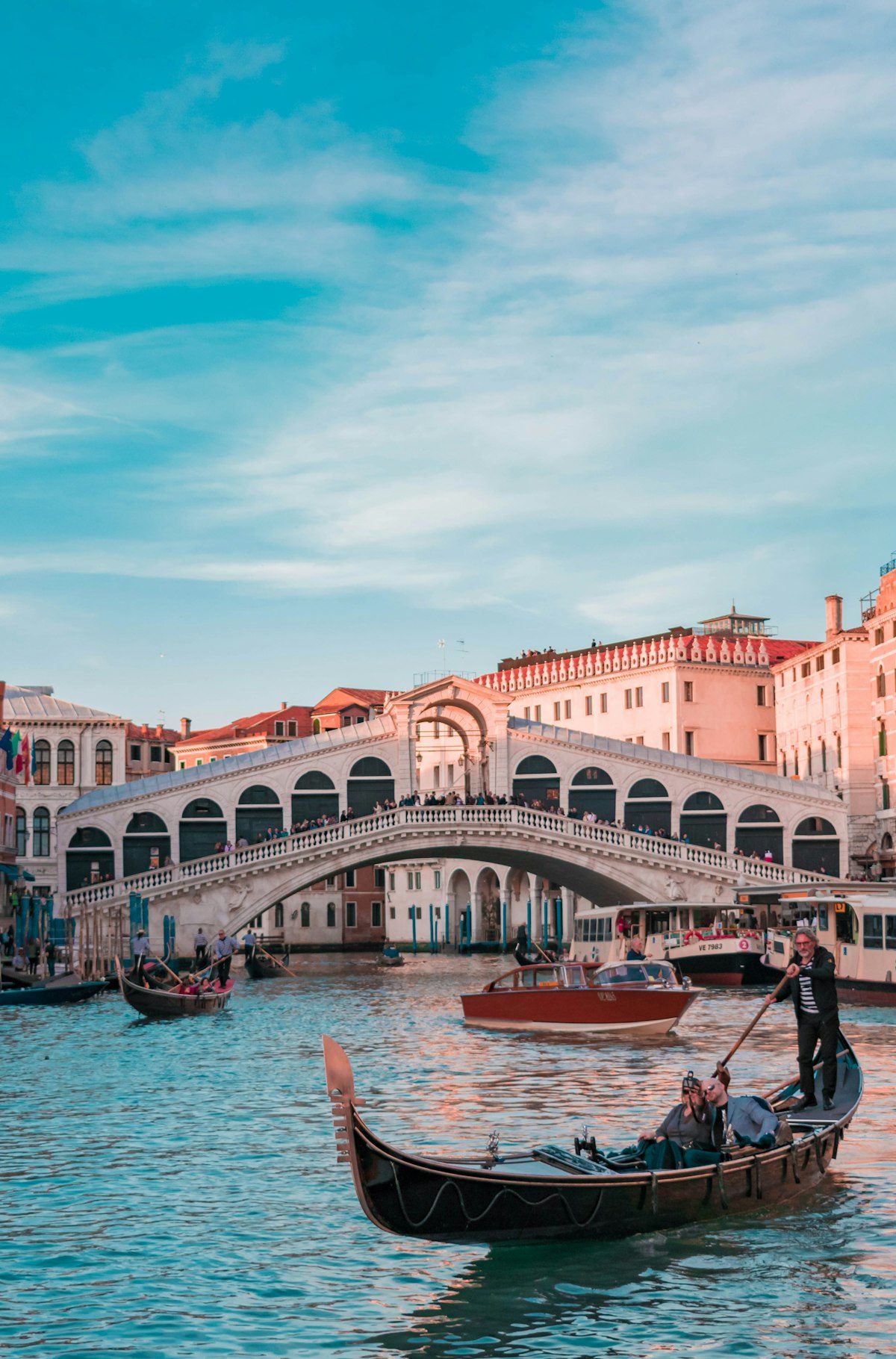
Italy is the dream destination — but is it actually affordable? For Americans, the answer is a clear yes. According to Numbeo's 2026 data, consumer prices in the US are 35% higher than Italy. Rent is 55% higher on average. Healthcare costs are in a different universe entirely.
But Italy's cost of living varies more than almost any European country. Milan is expensive by any standard — rents approaching Barcelona or Munich levels. Rome is mid-range. Florence and Bologna are reasonable. And southern Italy — Naples, Puglia, Sicily — offers European quality of life at prices that rival Latin America.
A comfortable single person in Rome spends $2,000–$2,800/month. In Naples, $1,400–$2,000. The same lifestyle in NYC runs $5,000–$7,000. Even compared to 'affordable' US cities like Austin or Denver, Rome saves you $800–$1,500/month.
As one r/expats poster put it: 'I traded a soul-crushing commute in New Jersey for a walk through ancient ruins to my favorite espresso bar. My rent dropped $1,200 and my blood pressure dropped 30 points.'
The Big Picture: Italy vs. USA by the Numbers
Here's the headline comparison for a single person living comfortably:
| Category | Rome | Naples | New York City | Austin, TX |
|---|---|---|---|---|
| 1BR rent (decent area) | $900–$1,300 | $500–$800 | $3,200–$4,500 | $1,600–$2,200 |
| Groceries | $280–$380 | $230–$320 | $450–$600 | $380–$500 |
| Dining out (3×/wk) | $200–$350 | $150–$280 | $500–$800 | $350–$550 |
| Transit | $40–$55 | $35–$45 | $130 | $50–$100 |
| Utilities + internet | $150–$220 | $130–$190 | $200–$280 | $180–$260 |
| Health insurance | $0–$150 | $0–$150 | $400–$600 | $300–$500 |
| Monthly total | $1,570–$2,455 | $1,045–$1,785 | $4,880–$6,910 | $2,860–$4,110 |

The Rome-to-NYC gap is $3,300–$4,500/month — roughly $40,000–$54,000 per year. Naples vs. Austin saves $1,800–$2,300/month ($22,000–$28,000/year). Even Milan — Italy's most expensive city — comes in 25–35% below comparable US metros.
Italy's cost advantage concentrates in three areas: healthcare (essentially free for residents), rent (40–70% cheaper depending on city), and dining out (35–55% cheaper — and the food is incomparably better).
Rent: Rome, Milan, Florence, Naples vs. American Cities
Italy's rental market splits into two worlds: the expensive north (Milan, Bologna, Florence) and the dramatically cheaper south (Naples, Puglia, Sicily, Calabria).
1BR apartment comparison (monthly, 2026):
| Location | City center | Outer/connected |
|---|---|---|
| Milan (Brera, Navigli, Porta Venezia) | $1,100–$1,600 | $800–$1,100 |
| Rome (Trastevere, Monti, Prati) | $900–$1,400 | $650–$950 |
| Florence (Centro Storico, Oltrarno) | $800–$1,200 | $600–$900 |
| Bologna (Centro) | $700–$1,000 | $500–$750 |
| Naples (Centro Storico, Vomero) | $500–$800 | $350–$550 |
| Puglia (Lecce, Bari) | $400–$650 | $280–$450 |
| Sicily (Palermo, Catania) | $350–$600 | $250–$400 |
| --- | --- | --- |
| New York City | $3,200–$5,000 | $2,000–$3,000 |
| Los Angeles | $2,000–$2,800 | $1,500–$2,200 |
| Austin, TX | $1,600–$2,200 | $1,200–$1,700 |
Southern Italy offers some of Europe's best rental values. A renovated 1BR in Naples' Centro Storico — surrounded by UNESCO heritage sites, 15 minutes from the coast — runs $500–$800/month. That's less than a parking spot in Manhattan.
Searching on Immobiliare.it (Italy's largest property portal) and Idealista Italy gives you real-time listings.
Key differences from US renting:
- Standard Italian lease (contratto 4+4) is 4 years, automatically renewable for another 4
- A cedolare secca (flat tax on rental income) option makes landlords more willing to rent to foreigners
- Furnished apartments command a 20–30% premium
- Heating costs in northern Italy (Milan, Bologna) can be substantial in winter — €100–€200/month extra
- You'll need a codice fiscale (Italian tax ID) to sign any lease
As discussed in r/IWantOut threads, many Americans start in Rome or Florence and discover that southern Italy offers dramatically better value with arguably better food and weather.
Groceries: Italian Markets vs. American Supermarkets
Italy's food costs benefit from the same Mediterranean advantage as Spain and Portugal — domestic production of olive oil, wine, pasta, produce, and cheese keeps prices low and quality extraordinary.
Price comparison (2026):
| Item | Italy | USA | Savings |
|---|---|---|---|
| Loaf of bread | $1.80 | $3.50–$4.50 | 50–60% |
| Dozen eggs | $3.20 | $4.50–$6.00 | 30–47% |
| Chicken breast (2 lbs) | $6.50 | $8.00–$11.00 | 20–40% |
| Pasta (1 kg, De Cecco) | $1.50–$2.50 | $4.00–$6.00 | 60% |
| Parmesan cheese (1 kg, Parmigiano) | $14.00–$18.00 | $30.00–$45.00 | 55–60% |
| Tomatoes (2 lbs) | $2.00 | $3.50–$5.00 | 45–60% |
| Olive oil (1 liter, extra virgin) | $6.00–$10.00 | $12.00–$20.00 | 50% |
| Bottle of wine (good Chianti/Montepulciano) | $4.00–$8.00 | $12.00–$20.00 | 60–65% |
| Espresso at home (per pod/dose) | $0.20–$0.40 | $0.80–$1.20 | 65–75% |
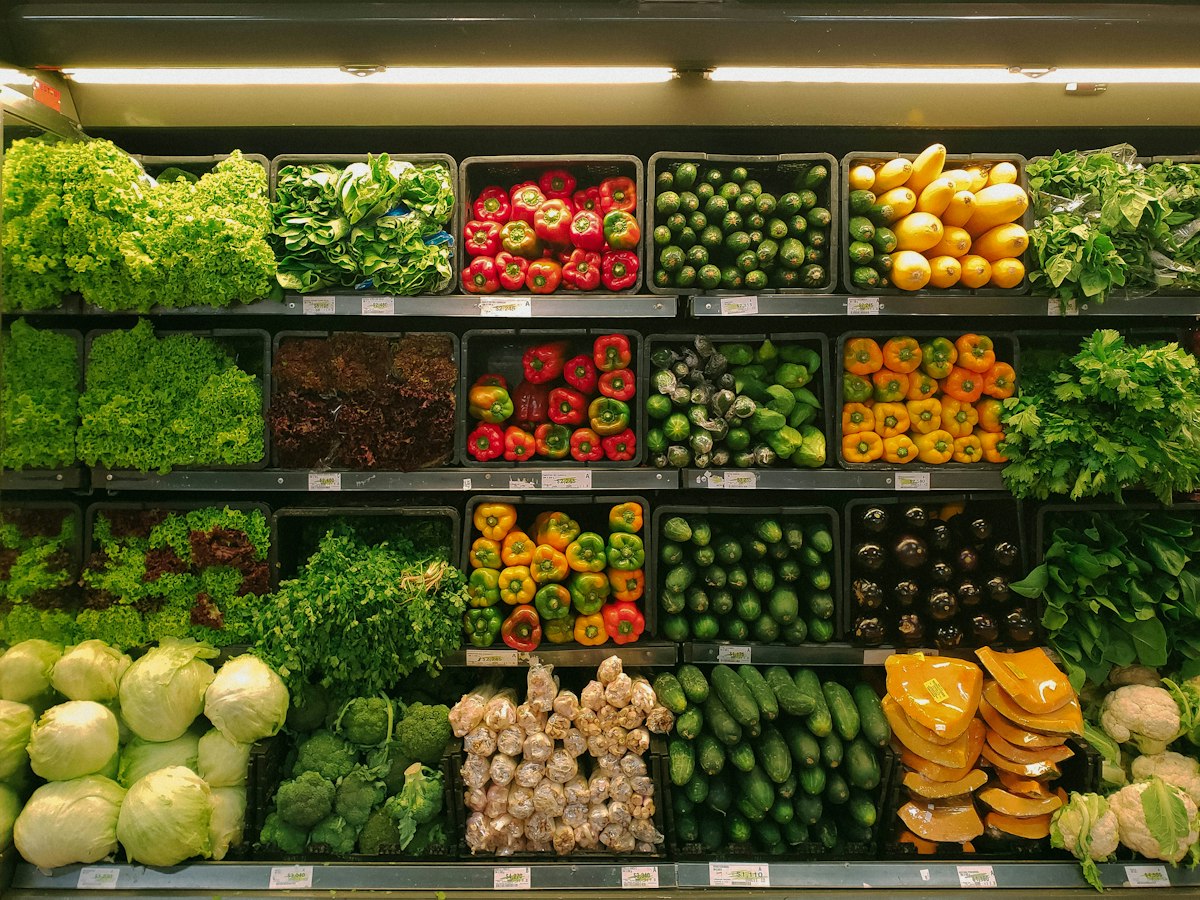
Weekly grocery spend for one person: $55–$85 in Italy vs. $90–$140 in the US. The savings are most dramatic on staples that define Italian cooking — pasta, olive oil, cured meats, cheese, wine, and fresh produce.
Conad, Esselunga (north), Coop, and Eurospin (budget) are the main supermarket chains. But the real experience is shopping at the mercato rionale — every Italian neighborhood has a daily open-air market selling produce, cheese, meat, and fish at prices below supermarket rates.
One thing that surprises Americans: Italian portion sizes are smaller, grocery stores close for lunch in many cities (1–4 PM), and Sunday shopping is limited. You adapt quickly — and eat better than you ever have.
For the full breakdown, see our cost of living in Italy guide.

Dining Out: €1 Espresso and €12 Pasta That Changes Your Life
Italian dining culture operates on fundamentally different economics than the US. A Roman trattoria serving handmade pasta costs less than a Chipotle bowl — and the quality comparison is an insult to the trattoria.
Dining comparison:
| Meal type | Italy | USA |
|---|---|---|
| Espresso at a bar (standing) | $1.20–$1.50 | $3.50–$5.50 |
| Cappuccino | $1.80–$2.50 | $4.50–$6.50 |
| Beer at a bar (draft) | $3.00–$5.00 | $6.00–$9.00 |
| Slice of pizza al taglio | $2.50–$4.00 | $4.00–$6.00 |
| Pasta at a trattoria | $10–$14 | $18–$28 |
| Mid-range dinner for two (3 courses) | $50–$80 | $90–$150 |
| Aperitivo (drink + buffet snacks) | $8–$14 | No equivalent |
| Gelato (2 scoops) | $3.00–$4.00 | $5.00–$8.00 |

Italy's aperitivo culture is a hidden budget hack. Between 6 and 9 PM, bars across Italy serve a drink (Aperol Spritz, Negroni, wine) accompanied by a complimentary buffet of finger foods, bruschetta, small pasta dishes, and charcuterie. For €8–€14, you get a cocktail and essentially a light dinner. Milan and Bologna are particularly famous for generous aperitivo spreads.
The espresso price regulation is worth noting: by long-standing convention (backed by municipal pricing agreements in many cities), an espresso consumed standing at the bar costs €1–€1.30 everywhere in Italy. Sitting at a table costs more, especially in tourist areas — but the stand-up caffè al banco is the local way and costs almost nothing.
Tipping in Italy is not expected. Coperto (a €1.50–€3 cover charge per person) replaces it at sit-down restaurants. Over a year of dining out regularly, the tipping savings alone puts $1,500+ back in your pocket vs. US habits.
As one r/ExpatFIRE poster calculated: 'My food spending in Italy — groceries plus eating out daily — is less than my grocery-only budget was in the Bay Area. And I've never eaten better in my life.'
Healthcare: Free Universal Care vs. American Insurance
Italy's Servizio Sanitario Nazionale (SSN) is a universal healthcare system ranked 2nd in the world by the WHO — ahead of every English-speaking country and paid for through taxes, not premiums.
Cost comparison:
| Healthcare item | Italy | USA |
|---|---|---|
| Monthly insurance premium | $0 (SSN) or $50–$150 (private) | $400–$800 |
| GP visit (SSN) | $0 (€0 copay) | $150–$350 |
| Specialist consultation (SSN) | $0–$40 copay | $250–$500 |
| Specialist (private) | $80–$150 | $250–$500 |
| Emergency room | $0 | $1,500–$5,000+ |
| Prescription (generic) | $0–$5 | $15–$80 |
| Dental cleaning (private) | $60–$100 | $150–$300 |
| Childbirth (hospital) | $0 | $5,000–$15,000 |
As a legal resident of Italy, you register with the SSN and receive a tessera sanitaria (health card). Primary care, specialist referrals, hospital stays, prescriptions, maternity care — all covered with minimal to zero copays. The system is funded through Italian income taxes, so you're already paying for it.
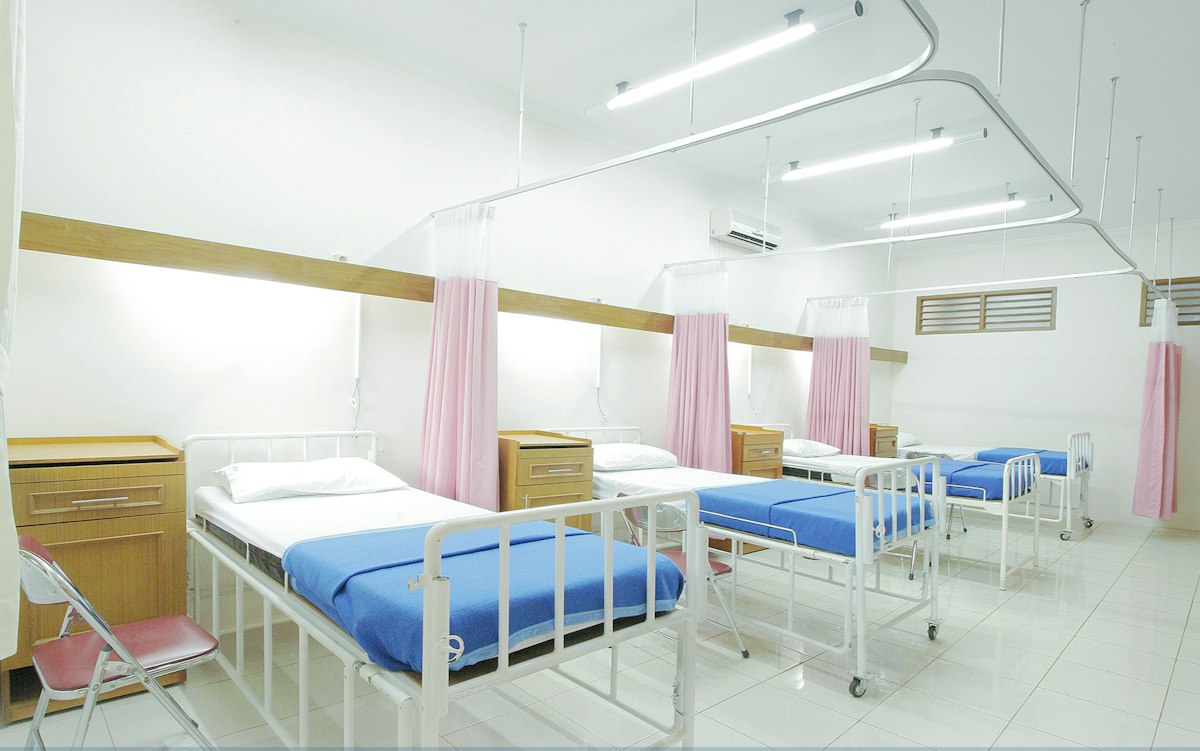
The SSN's main drawback is wait times for non-urgent specialist appointments — 1–3 months is common. Most Italian expats use the SSN as their primary coverage and occasionally go private for faster specialist access. Private health insurance from companies like UniSalute, Generali, or Allianz Italy costs $50–$150/month and gives you immediate access to private clinics.
For Americans on the Elective Residency Visa, private health insurance is required initially. After establishing tax residency, you can register with the SSN.
The bottom line: an American couple paying $1,200–$2,500/month for US health insurance saves $14,000–$30,000/year by moving to Italy and using the SSN. That single line item often covers the entire cost of the move.
Get featured properties in your inbox
A weekly digest of handpicked listings from 20 countries. Free, no spam.
Transportation: Trenitalia, Metro, and No Car Payments
Italy's transportation infrastructure makes car ownership unnecessary in most cities — and intercity travel is fast, frequent, and cheap.
Monthly transport costs:
| Category | Italy (major city) | USA (major city) |
|---|---|---|
| Monthly transit pass | $40–$55 | $100–$130 |
| High-speed train (Rome–Milan, 3 hrs) | $25–$60 | Amtrak equivalent: $100–$250 |
| Regional train (1-hr commute) | $5–$10 | $15–$30 |
| Uber/taxi short ride | $8–$14 | $12–$25 |
| Car payment | Not needed | $500–$700 |
| Gas per liter | $1.80 (~$6.80/gal) | $0.90 (~$3.40/gal) |
Rome's Metro + bus monthly pass (Metrebus) costs €35 ($38). Milan's ATM pass is €39 ($42). Both cover unlimited metro, bus, and tram rides across the city.

Trenitalia and Italo (the private high-speed operator) connect major cities at competitive prices. Rome to Florence is 1.5 hours for $20–$40. Rome to Naples is 1 hour for $15–$30. Rome to Milan is 3 hours for $25–$60. Book in advance on Trenitalia or Italo for the best fares.
Gas is one area where Italy is significantly more expensive than the US — roughly double. But since most expats in Italian cities don't own a car, this rarely matters. If you do drive, tolls on the autostrada add up: Rome to Florence costs about $15 in tolls each way.

Property Prices: From €1 Houses to Roman Penthouses
Italy's property market is one of the most varied in Europe — from famously cheap $1 houses in depopulating Sicilian villages to multi-million-euro apartments in central Milan.
Median property prices (2026):
| Location | Median price | Price/sqft |
|---|---|---|
| Milan (center) | $350,000–$550,000 | $450–$700 |
| Rome (Trastevere, Monti) | $250,000–$450,000 | $350–$550 |
| Florence (center) | $250,000–$400,000 | $320–$500 |
| Bologna (center) | $200,000–$350,000 | $280–$420 |
| Naples (center) | $120,000–$220,000 | $150–$280 |
| Puglia (Lecce, Ostuni) | $80,000–$180,000 | $80–$180 |
| Sicily (Palermo, Catania) | $60,000–$150,000 | $60–$150 |
| --- | --- | --- |
| NYC (Manhattan) | $900,000–$1,500,000 | $1,200–$2,000 |
| LA (2BR condo) | $500,000–$800,000 | $500–$800 |
| US national median | ~$420,000 | ~$230 |

A $200,000 budget in southern Italy buys a renovated 2–3 bedroom apartment in Naples or a spacious house with outdoor space in Puglia or Sicily. The same budget in most US cities gets you a studio or a down payment.
Americans can buy property in Italy with no restrictions — no residency or citizenship required. You'll need a codice fiscale (tax ID) and an Italian bank account. Closing costs run 10–15% (registration tax 2–9% depending on primary vs. second home, notary 1–2.5%, real estate agent 3–4%). Full breakdown in our Italian buying timeline guide.
Mortgage financing is available to non-residents at 50–60% LTV with rates around 3–4%. See our Italy mortgage guide for details.
Browse real Italian listings on EscapeFromUSA's Italy page.
Taxes: The €100K Flat Tax and FEIE
Italy offers one of Europe's most generous tax incentives for new residents — and combined with the US FEIE, the tax picture can be highly favorable.
Italy's Flat Tax for New Residents: New tax residents who haven't been Italian tax residents in the previous 9 of 10 years can opt for a flat €100,000/year tax on all foreign-sourced income. That's a fixed amount, not a rate — whether you earn $200,000 or $2,000,000 in foreign income, Italian tax is capped at €100,000. Family members can be added for €25,000 each.
This regime is administered by the Agenzia delle Entrate and lasts for 15 years. It's designed for high-net-worth individuals but has attracted remote workers, retirees with substantial portfolios, and entrepreneurs.
Standard Italian income tax (IRPEF) brackets:
- Up to €28,000: 23%
- €28,000–€50,000: 35%
- Over €50,000: 43%
Plus regional and municipal surcharges (1–3.5% combined), bringing effective top rates to 45–47%.
For most American expats, the key mechanisms are:
- FEIE: Excludes up to $126,500 of foreign earned income from US federal tax.
- US-Italy Tax Treaty: Prevents double taxation. IRS treaty documents provide the specifics.
- Foreign Tax Credit: Italian taxes paid can offset remaining US tax liability dollar-for-dollar.
The practical result: Americans earning under ~$130,000 working remotely often pay only Italian income tax (via FEIE exclusion on the US side) or only US tax (via Foreign Tax Credit on income already taxed in Italy). True double taxation is rare with proper planning.
A commercialista (Italian accountant) costs €300–€800/year. Combined with a US expat tax preparer ($500–$1,500), total tax compliance runs $800–$2,300/year.
See our guide on avoiding double taxation on foreign property for the full picture.
Visa Options for Americans Moving to Italy
Italy offers several visa paths. The bureaucracy is legendary — pazienza (patience) is the essential skill — but the options are clear.
Elective Residency Visa (Visto per Residenza Elettiva): The most popular path for retirees and financially independent Americans. Requires proof of passive income (roughly €31,000+/year for a single, more for families) from pensions, investments, or rental income. No work permitted. Valid for 1 year, renewable. Detailed breakdown in our Italy Elective Residency guide.
Digital Nomad Visa (introduced 2024): For remote workers employed by non-Italian companies. Requires minimum income of approximately €28,000/year. Valid for 1 year, renewable up to 5 years. This is Italy's newest visa and the most practical option for American remote workers.
Work Visa (Nulla Osta): Requires an Italian employer to sponsor you. Subject to annual quotas (decreto flussi). Competitive and bureaucratically complex.
Student Visa: For enrollment at Italian universities or language schools. Allows limited part-time work. Can convert to a work permit after studies.
Self-Employment Visa (Lavoro Autonomo): For freelancers and entrepreneurs. Requires demonstrating viable income and professional qualifications. More paperwork than most other European countries.
All visa types require private health insurance (until SSN registration), proof of accommodation, and a clean criminal record. Processing times: 1–3 months at the Italian consulate, then an additional appointment at the Questura (police headquarters) after arrival in Italy for your permesso di soggiorno (residence permit).
The Italian Ministry of Foreign Affairs has an online visa checker tool. Budget $1,000–$2,500 for an immigration lawyer if you want professional guidance through the process.

Quality of Life: La Dolce Vita Is Real
Italy's quality of life is what makes the cost savings meaningful — you're not just saving money, you're upgrading your daily experience.
Climate: Italy spans Mediterranean (south) to alpine (north). Rome gets 250+ sunny days per year. Sicily and Puglia rival Southern California. Even Milan, while foggy in winter, has warm, gorgeous summers. Southern Italy's winters are mild — 45–55°F in Naples, rarely below freezing.

Food culture: Italian food isn't just good — it's a way of life. Every region has distinct traditions: Neapolitan pizza, Bolognese ragù, Roman cacio e pepe, Sicilian seafood, Puglian orecchiette. Meals are social events. Sunday lunch with family is sacred. The quality of even a simple bar lunch — a panino and espresso for €5 — exceeds most American restaurant meals.
Walkability: Italian cities are built for pedestrians. Rome, Florence, Bologna, and Naples are all eminently walkable. Most Americans in Italy walk 8,000–12,000 steps daily just living their lives. The health benefits compound with the Mediterranean diet.
Safety: Italy's violent crime rate is roughly one-quarter of the US rate. Gun violence is virtually nonexistent. Petty crime (pickpocketing in tourist areas) exists but is manageable.
Art, history, culture: Italy has more UNESCO World Heritage Sites than any other country (59). Living in Rome means ancient ruins are your commute backdrop. Florence's Renaissance art is your neighborhood gallery. This richness of daily life is impossible to quantify but impossible to overstate.
The pace: Italy runs on a different clock. Long lunches, afternoon passeggiata (evening strolls), late dinners, August vacations that shut down entire industries. Americans either love this or struggle with it — there's rarely a middle ground.
Read our full moving to Italy guide and things to do in Italy for the complete picture.
The Verdict: Italy vs. USA Bottom Line
Italy makes financial sense if you:
- Earn remotely on a US salary (Digital Nomad Visa + cost savings = rapid wealth building)
- Are retired with $2,500+/month passive income (Elective Residency Visa)
- Are a high earner who can benefit from the €100K flat tax regime
- Prioritize food, art, walkability, and Mediterranean climate
- Want free universal healthcare
- Dream of buying a home in a country where $150,000 buys a real house
Italy might NOT work if you:
- Can't tolerate bureaucracy (Italy's is famously painful — la burocrazia)
- Need fast, efficient government services (everything takes longer)
- Struggle without English (outside tourist areas, Italian is essential)
- Want reliable high-speed internet everywhere (rural Italy can be spotty)
- Need a car (gas is double US prices, ZTL zones restrict city driving)
- Prefer American convenience culture (24/7 stores, fast service)
Bottom-line math for a single remote worker earning $80,000/year:
| USA (Austin) | Italy (Rome) | Annual savings | |
|---|---|---|---|
| Total annual spending | $42,000–$50,000 | $22,000–$30,000 | $12,000–$28,000 |
| US federal tax (after FEIE) | $0–$4,000 | $0–$4,000 | $0 |
| Italian income tax | $0 | $6,000–$12,000 | –$6,000–$12,000 |
| Healthcare savings | — | +$5,000–$8,000 | +$5,000–$8,000 |
| Net annual savings | — | — | $11,000–$24,000 |
Over a decade: $110,000–$240,000 in savings — while living in one of the most beautiful, culturally rich countries on earth. Not a bad trade.
Start browsing real Italian listings on EscapeFromUSA's Italy page.
Ready to explore?
Browse Destinations