
Mexico City Real Estate for Americans: What $300K Actually Gets You in 2026

Mexico City has been the destination of choice for a specific kind of American since roughly 2020: the remote tech worker priced out of Brooklyn, the Austin-exile who wanted cheaper rent and better tacos, the retiree who did the math and realized USD 3,000 a month goes substantially further south of the border. Five years of that migration has transformed the Condesa-Roma-Juarez corridor, pushed median rents up 40 to 60 percent in those neighborhoods, and generated a full-time internet argument about whether Americans are destroying the city.
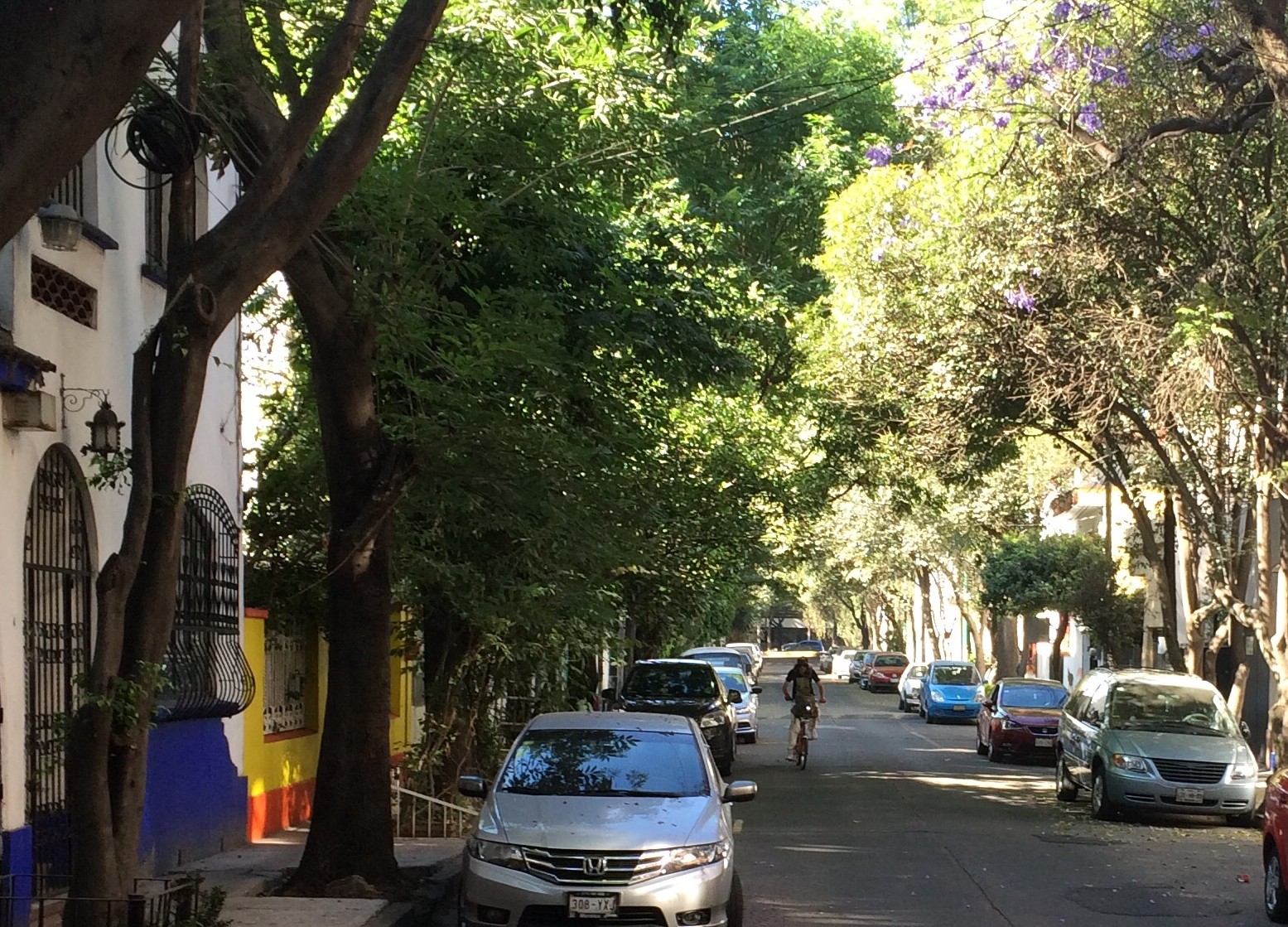
It has also transformed the buying market. USD $300,000 in CDMX buys something very different in 2026 than it did in 2020, and the neighborhoods where that money goes furthest are not the ones Instagram is obsessed with. This post is the ground-truth version: what USD $300,000 actually gets you right now, what it costs to close, how the fideicomiso trust works for foreign buyers, and the real story on which neighborhoods are still affordable.
I've cross-checked sticker prices against Inmuebles24, Propiedades.com, and the SHF housing price index from Sociedad Hipotecaria Federal, and I've pulled closing-cost line items from Mexican notarial fee schedules rather than from real-estate-agent guesstimates. Where Reddit threads say something useful, I link to the real thread on r/MexicoCity and r/expats. Where the tax authority (SAT) publishes something definitive, I go there. If you want the broader picture first, our moving to Mexico guide and can Americans buy property in Mexico posts are the natural starting reads.
The USD / MXN Exchange Rate Matters More Than You Think
Before any neighborhood math, the exchange rate. As of early 2026, USD 1 buys roughly MXN 20.5, up from roughly MXN 17 two years ago. That 20 percent swing is not noise; it has meaningfully shifted what USD $300,000 buys in peso terms. At MXN 17, USD $300,000 was MXN 5.1 million. At MXN 20.5, it is MXN 6.15 million, or about MXN 1 million more purchasing power than the same American had 24 months ago.
This matters because almost all CDMX listings are priced in pesos. A two-bedroom Roma Norte apartment listed at MXN 6 million today is approximately USD $293,000. The same apartment at 2023 exchange rates would have been USD $353,000. Your purchasing power in CDMX has materially improved, even though local peso prices have continued rising.
The risk is symmetric: the peso can strengthen again. Most buyers I talk to plan around MXN 18-22 per dollar and stress-test at MXN 16 and MXN 24. The Banco de Mexico historical exchange rate page is the authoritative reference.
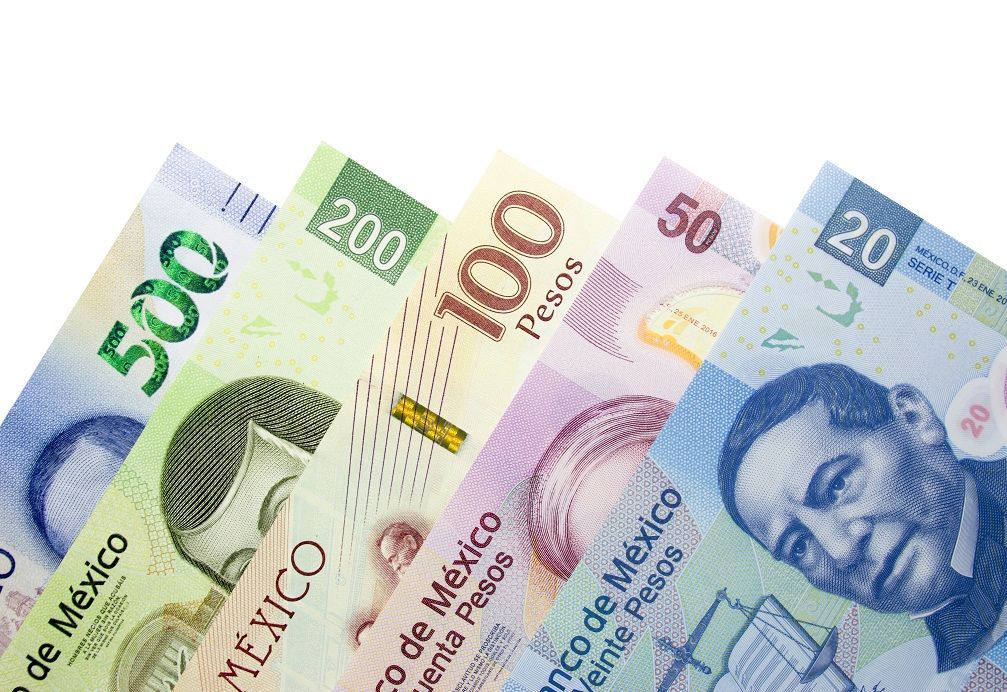
For currency transfers, use Wise or a comparable specialist broker. Your US bank will charge 2.5 to 4 percent in hidden FX spread on a large wire; Wise is closer to 0.4 percent. On a USD $300,000 transfer that difference is USD $7,000 to USD $10,000. Cross-border broker specialists like Cambridge Global Payments can also beat US banks.
What USD $300,000 Buys in Each Neighborhood
Now the concrete part. These are real 2026 ranges, based on active Inmuebles24 and Propiedades.com listings in the price band USD 270,000 to USD 330,000 (roughly MXN 5.5 million to MXN 6.8 million).
Roma Norte / Condesa (the Instagram neighborhoods): USD $300,000 in the premier blocks of Roma Norte or central Condesa (between Parque Mexico and Avenida Amsterdam) buys approximately 55 to 70 square meters, usually a 1-bedroom or small 2-bedroom in a 1930s-1950s art deco building that has been renovated at least once. You are paying MXN 100,000 to MXN 130,000 per square meter, which is genuine world-city pricing. Some older, unrenovated apartments at the edges of Roma Sur and Hipodromo come in larger, 80 to 90 sqm, for the same budget, but you are inheriting the renovation project.

Juarez / Cuauhtemoc: Adjacent to Roma Norte and cheaper by roughly 20 percent. USD $300,000 buys a proper 75 to 90 square meter 2-bedroom in a modernized building, often with elevator and parking. Juarez is the contrarian pick among Americans who arrived in 2020-2022 and watched Roma prices run away; the neighborhood is on the upswing but has not yet hit peak Condesa pricing.
San Miguel Chapultepec / Escandon / Tacubaya: West-side neighborhoods with more local Mexican residents and fewer expat bars. USD $300,000 gets you 85 to 110 square meters, often in a modern mid-rise. Threads on r/MexicoCity frequently flag these as the "next Condesa" (a claim that is partially true and partially neighborhood-boosterism).
Del Valle / Narvarte: Established middle-class Mexican neighborhoods south of Roma. USD $300,000 buys 95 to 130 square meters in a 1970s-1990s building. The tradeoff is aesthetic: less architectural charm, more practical layouts and larger rooms. Del Valle has excellent schools and supermarkets and is where most Mexican professional families with Americans' budgets actually live.
Coyoacan / Tlalpan Centro: The historical-literary south. USD $300,000 buys 100 to 140 square meters if you are willing to live 40 minutes by car (or 60 by metro) from Roma-Condesa. Coyoacan is the Frida Kahlo postcard. Americans who choose it tend to be families or older buyers who prioritize quiet and tree cover over walk-to-the-cocktail-bar convenience.
Polanco: The luxury neighborhood. USD $300,000 is not enough for most of Polanco proper (Masaryk and adjacent streets start around USD $450,000 for a small apartment). At the edges (Polanco V Seccion, Lomas de Chapultepec outskirts) you can sometimes find 65 to 80 square meters in the USD $300,000 band.
Santa Fe: The corporate suburb with skyscrapers. USD $300,000 buys a modern 90 to 120 square meter 2-bedroom in a doorman building. Santa Fe is not culturally CDMX; it is a car-dependent business district that happens to have residential towers. Most of the Americans who end up here work for multinationals with offices in the same district.
Benito Juarez (the alcaldia, not the neighborhood): Covering Del Valle, Narvarte, and several adjacent colonias, the Benito Juarez borough consistently tops CDMX livability and safety rankings. USD $300,000 shops extremely well here, especially 10-15 minutes south of the Roma-Condesa corridor.
For current per-square-meter data, Lamudi Mexico's market report and Propiedades.com's neighborhood reports are both regularly updated.
Fideicomiso: The Foreign Buyer Trust (When You Don't Need One)
Americans shopping in Mexico almost always hear about the fideicomiso before they hear anything else, and the information is usually wrong. Here is the actual rule.
Mexico's constitution (Article 27) prohibits foreigners from directly owning real estate in the restricted zone, defined as within 50 kilometers of any coastline and within 100 kilometers of any international border. Coastline cities like Playa del Carmen, Puerto Vallarta, Tulum, and Rosarito fall inside the restricted zone. Mexico City does not. It is in the interior and more than 50 kilometers from any coast.
Bottom line: you do not need a fideicomiso to buy in Mexico City as a foreign individual. You can hold the deed in your own name, exactly as a Mexican citizen would. The Secretaria de Relaciones Exteriores confirms this on its foreign-investment FAQ page.
If you do find yourself buying on the Yucatan coast, you will need a fideicomiso (typically set up with Scotiabank Mexico, BBVA Mexico, or Banorte acting as trustee), costing roughly USD $600 to USD $1,200 for setup and USD $500 to USD $800 per year in trustee fees. See our Playa del Carmen cost-of-a-beach-condo post for the full fideicomiso math.
What you do need in CDMX: an RFC (Registro Federal de Contribuyentes, the Mexican tax ID), which any foreigner can get from SAT, and a CURP (Clave Unica de Registro de Poblacion) if you also have residency. Your Mexican lawyer or notario can shepherd both. Expect USD $100 to USD $300 in professional fees and a couple of in-person appointments.
The r/MexicoCity subreddit has multiple threads correcting the myth that you need a trust anywhere in Mexico. Worth reading if you are still uncertain.

Closing Costs: The Notario, ISABI, and the Rest
Mexican real estate closings center on the notario publico, who is not a notary in the American sense but an attorney-officer with significantly more authority. The notario drafts the deed, verifies the title, calculates taxes, and files everything with the public registry. You pay the notario, and the notario pays everyone else.
ISABI (or ISAI) - Impuesto Sobre Adquisicion de Bienes Inmuebles: Mexico City's property acquisition tax. It is progressive, calculated on the higher of the sale price or the cadastral value, and for a USD $300,000 (approximately MXN 6 million) purchase it typically lands at 4.5 to 5.0 percent, or roughly MXN 270,000 to MXN 300,000 (USD $13,200 to USD $14,600). The exact rate depends on the municipality (alcaldia) and the current schedule. The CDMX Secretaria de Administracion y Finanzas publishes the current table.
Notario fees: Set as a percentage of the purchase price, typically 1.0 to 1.75 percent of the declared value for a CDMX apartment purchase. For a USD $300,000 purchase that is USD $3,000 to USD $5,250. Notarios do have some pricing flexibility and you can occasionally negotiate down to 0.8 percent on larger deals.
Registro Publico de la Propiedad: The public registry fee, typically 0.4 to 0.8 percent of purchase price, or roughly USD $1,200 to USD $2,400 on a USD $300,000 deal.
Appraisal (avaluo): Required by both the notario and by any Mexican bank if you finance. USD $300 to USD $600.
Certificates and paperwork: Certificate of no liens, certificate of no water arrears, certificate of no property tax (predial) arrears, ALDF certificate, and assorted other documents the notario pulls. USD $400 to USD $800 in aggregate.
Lawyer fees: A Mexican lawyer representing the buyer (separate from the notario, who is technically a neutral officer) typically charges USD $1,500 to USD $3,500 flat for a CDMX apartment transaction. Most Americans hire one. See the list of English-speaking firms at MexLaw or Gonzalez Calvillo as starting points, though there are many boutique options.
Real estate agent commission: In Mexico the seller pays the commission, typically 4 to 6 percent plus 16 percent IVA (VAT). As with Spain and Portugal, this is baked into the asking price, which means in practice it is the buyer who ultimately funds it. Some Americans hire a buyer's agent on the side for an additional 1 to 2 percent; this can actually be worth it for apartment tours in neighborhoods you cannot scout in person.
Wire / FX costs: Use Wise or a specialist. USD $300 to USD $1,500 depending on the route.
The Full USD $300,000 Worked Example
Putting it all together for a USD $300,000 (MXN 6,150,000 at early-2026 rates) Juarez 2-bedroom, 85 sqm, cash purchase, no fideicomiso, with a Mexican buyer's lawyer and a buyer's agent.
Pre-offer:
- RFC / CURP setup: USD $200
- Scout trip: USD $1,500-$2,500
- Lawyer consultation retainer: USD $500
Offer to closing:
- Buyer's agent retainer/final fee (1.5 percent): USD $4,500
- Earnest money deposit (5-10 percent, held in escrow): USD $15,000-$30,000 (capital, not cost)
Closing day:
- ISABI: approximately USD $14,000
- Notario fees: USD $4,500
- Registro Publico: USD $1,800
- Avaluo: USD $400
- Certificates and paperwork: USD $600
- Lawyer final installment: USD $2,500
- Wire/FX cost (on USD $300,000 via Wise): USD $1,100
Post-closing first 90 days:
- Home insurance: USD $150-$300 per year
- Predial (annual property tax, prorated): USD $80-$250 (shockingly low)
- Utilities setup: USD $150
- Furniture/appliances if not included: USD $1,500-$5,000
Grand total closing-all-in, excluding the apartment itself:
Approximately USD $29,000 to USD $32,500, or 9.7 to 10.8 percent of the purchase price. Call it USD $330,000 all in for a USD $300,000 CDMX apartment.

The headline here is that Mexico City's closing friction is in the same ballpark as Portugal and meaningfully lower than Catalonia, despite the widespread American assumption that Mexico must be paperwork chaos. The notario system is actually faster and more predictable than its European equivalents once you are in it; the bottleneck is assembling the documents on the front end.
Mortgages: Why Americans Almost Always Pay Cash
Mexican banks do technically offer peso-denominated mortgages to foreigners, but the economics are usually bad enough that most Americans skip the option.
Typical 2026 non-resident mortgage terms:
- Loan-to-value: 50 to 70 percent
- Rate: 10 to 13 percent fixed in pesos. This is not a typo. Mexican mortgage rates track the local benchmark (TIIE + margin), and TIIE has been elevated since 2022.
- Term: 10 to 20 years
- Mandatory life and home insurance bundled
Paying 11 percent interest in pesos on a mortgage collateralized by a peso asset while earning USD income is a bad trade for most people. The peso has to strengthen dramatically for the real cost of the debt to be tolerable.
The alternative most Americans actually use: a HELOC or cash-out refi on a US home, a margin loan against a US brokerage account, or simply liquidating a portion of US stocks to pay cash. Your US financing costs are likely 6 to 8 percent, and your collateral is US-denominated, which sidesteps the currency mismatch entirely.
Cross-border lenders: A small number of US-based lenders (Moneycorp, for example) offer USD-denominated mortgages against Mexican real estate, but the market is thin and the terms are only marginally better than a straight US HELOC. Discussions on r/ExpatFIRE detail the tradeoffs.
The buyer profile that does get a Mexican mortgage: high-income dual residents (US and Mexico) with peso-denominated income through a Mexican employer or business, who want to match their liability currency to their income currency. If that is not you, pay cash.
Annual Carrying Costs: The Genuinely Low Numbers
The real Mexico City advantage for American buyers is not the sticker price of the apartment. It is the annual carry, which is drastically cheaper than any US city.
Predial (annual property tax): CDMX calculates predial on the cadastral value, which is typically 30 to 50 percent of market value and updated slowly. The rate is progressive but caps around 0.12 percent of cadastral value. For a USD $300,000 apartment, predial typically runs USD $80 to USD $250 per year. There is also a 10-15 percent discount for paying the full year in January. This is not a typo. An equivalent USD $300,000 property in Texas pays USD $6,000-$8,000 in property tax per year.
Cuotas de mantenimiento (condo fees): For a modernized Condesa-Roma-Juarez building with elevator and basic services, budget MXN 2,500 to MXN 5,500 per month (USD $120 to USD $270). Luxury Polanco buildings with pool, gym, and 24-hour security can run MXN 8,000-$15,000 per month. Older Del Valle walk-ups with minimal shared infrastructure can be as low as MXN 1,500 (USD $75).
Home insurance: MXN 3,500 to MXN 8,000 per year (USD $170 to USD $390) for a typical CDMX apartment. Earthquake coverage is a separate rider in some policies, and given CDMX's 2017 history you want it. GNP and AXA Mexico dominate the market.
Utilities: Electricity through CFE, water through SACMEX, gas (typically bottled LP gas in CDMX, not piped), and internet. Budget MXN 2,000 to MXN 4,500 per month (USD $100 to USD $220). CDMX apartments rarely have central heat or air conditioning, and the weather is temperate enough that you rarely need either, which keeps utility bills remarkably low.
Income tax on rental income: Non-resident landlords pay a flat 25 percent on gross rental income (no deductions). Resident landlords pay under the progressive individual scale with deductions allowed. PwC Mexico tax summary has the current rules.
Total annual carry for a USD $300,000 CDMX apartment: roughly USD $2,500 to USD $4,500 per year. That is 15-25 percent of what you'd pay to carry an equivalent US apartment, and it is the single strongest argument for buying rather than renting if you are committed to the city for more than 3 years.
The Gentrification Conversation, Honestly
Any post about Americans buying in Mexico City that doesn't address the gentrification debate is ducking the most important non-financial question. Here is the honest version.
Since 2020, Roma Norte and Condesa rents have risen an estimated 40 to 60 percent in peso terms. Mexican tenants who had been in rent-controlled or below-market apartments for a decade have been displaced. Local businesses have been replaced by specialty coffee and natural wine bars catering to foreign residents. The Spanish language is now regularly absent from meals in certain Condesa restaurants. The city's government has held public hearings on proposals to restrict short-term rentals and impose a "digital nomad tax." See the Sin Embargo coverage and Mexico News Daily reporting on CDMX housing for the local framing, and the r/MexicoCity gentrification threads for the ground-level sentiment.
The honest position for an American buyer: you are not an individual perpetrator of gentrification, but you are a participant in it. Buying a Condesa apartment for cash and outbidding Mexican professionals who need a mortgage contributes to the same pattern whether you intend it or not. There are things you can do to be a better guest: learn Spanish to actual working proficiency (most of the backlash is specifically against Americans who live in the city for years without trying), shop at local tianguis and bodegas rather than importing your Whole Foods habits, don't convert a long-term rental into an Airbnb, pay Mexican taxes if you are actually resident. These are not absolutions, but they are the difference between being a neighbor and being a tourist landlord.
There is also a practical dimension: the political backlash means short-term rental economics are on a one-way ratchet toward more restrictive. If your purchase thesis is Airbnb yield, it is the wrong thesis. Buy to live, not to flip.
For the longer-form take, our moving to Mexico guide and cost of living in Mexico pieces include more on the cultural and practical considerations.
Should You Actually Buy in CDMX?
The arithmetic is more favorable than Lisbon or Barcelona, the legal process is straightforward once you understand the notario system, and the annual carry is the cheapest of any major expat destination on earth. The case for buying is strong for the right profile.
Buy in CDMX if:
- You have already spent 3 to 6 months in the city in a furnished rental
- You speak functional Spanish or are committed to reaching it
- You plan to hold for at least 3-5 years
- You can pay cash and sidestep the 11 percent Mexican mortgage rates
- You have a Mexican tax plan and a cross-border CPA in the US
Rent in CDMX first if:
- You have not yet lived through a full spring rainy season or the winter cold snap
- You are still comparing CDMX to Oaxaca, Guadalajara, or Merida
- Your CDMX budget is substantially above USD $500,000 (in which case the neighborhood and building tradeoffs become more consequential)
- You are uncertain about your long-term residency status in Mexico
The sequencing: visit twice, rent a 3-month furnished stay in your target neighborhood, get your RFC through a Mexican accountant, open a Mexican bank account (BBVA Mexico, HSBC Mexico, or Banregio all accept foreigners), hire a lawyer before you sign any carta oferta, and transfer your cash via Wise rather than via your US bank wire.
For live inventory across CDMX, see our Mexico City page. For a coastal alternative where the fideicomiso math matters, read our Playa del Carmen cost-of-a-beach-condo post. For the deeper look at Mexican residency and healthcare, the moving to Mexico guide is the next step.
Ready to explore?
Browse Destinations