
Cost of Living in New Zealand vs. USA (2026) — Real Side-by-Side Numbers
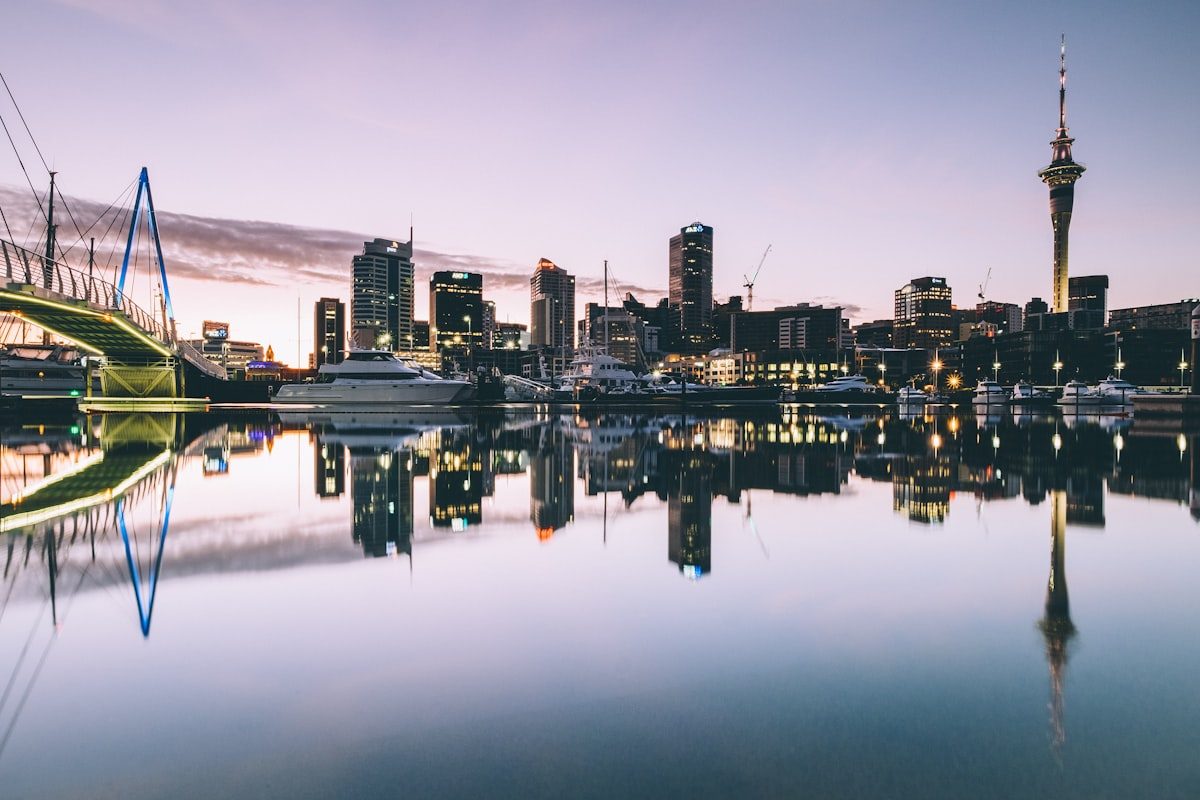
New Zealand occupies a unique position for American expats: it's cheaper than the US in most categories, dramatically safer, stunningly beautiful, and English-speaking — but it comes with geographic isolation and a smaller economy that means lower salaries. According to Numbeo's 2026 data, costs including rent are 16% lower than in the United States. Rent alone is 31% cheaper.
About 28,000 American-born residents now live in New Zealand — a 29% increase in five years. They're drawn by the same things: universal healthcare, 4 weeks minimum paid leave, world-class outdoor lifestyle, and a country where mass shootings led to immediate gun reform rather than thoughts and prayers.
As one r/expats poster described it: 'I took a 25% pay cut moving from Seattle to Wellington. But between free healthcare, no car needed, 4 weeks leave I actually use, and the fact that my kids can walk to school safely, the quality-of-life upgrade is worth way more than the salary difference.'
This guide puts real 2026 numbers side by side — Auckland vs. New York, Wellington vs. Denver, Christchurch vs. Austin. The short version: a comfortable single person in Wellington spends $2,000–$3,000/month. The same lifestyle in Denver runs $3,500–$5,000. That gap — $1,000 to $2,500/month — adds up to $12,000 to $30,000 per year.
The Big Picture: New Zealand vs. USA by the Numbers
The headline numbers favor New Zealand across most categories. According to Numbeo's 2026 comparison, consumer prices in New Zealand are 10% lower than in the United States (excluding rent). Include rent and the gap widens to 16%.
The category breakdown:
- Rent: 31% lower
- Restaurant prices: 17% lower
- Groceries: 8% lower (despite NZ's remote location)
- Utilities: 28% lower
- Mobile plans: 46% cheaper
- Transportation: Higher (gas +86%, transit +82%)
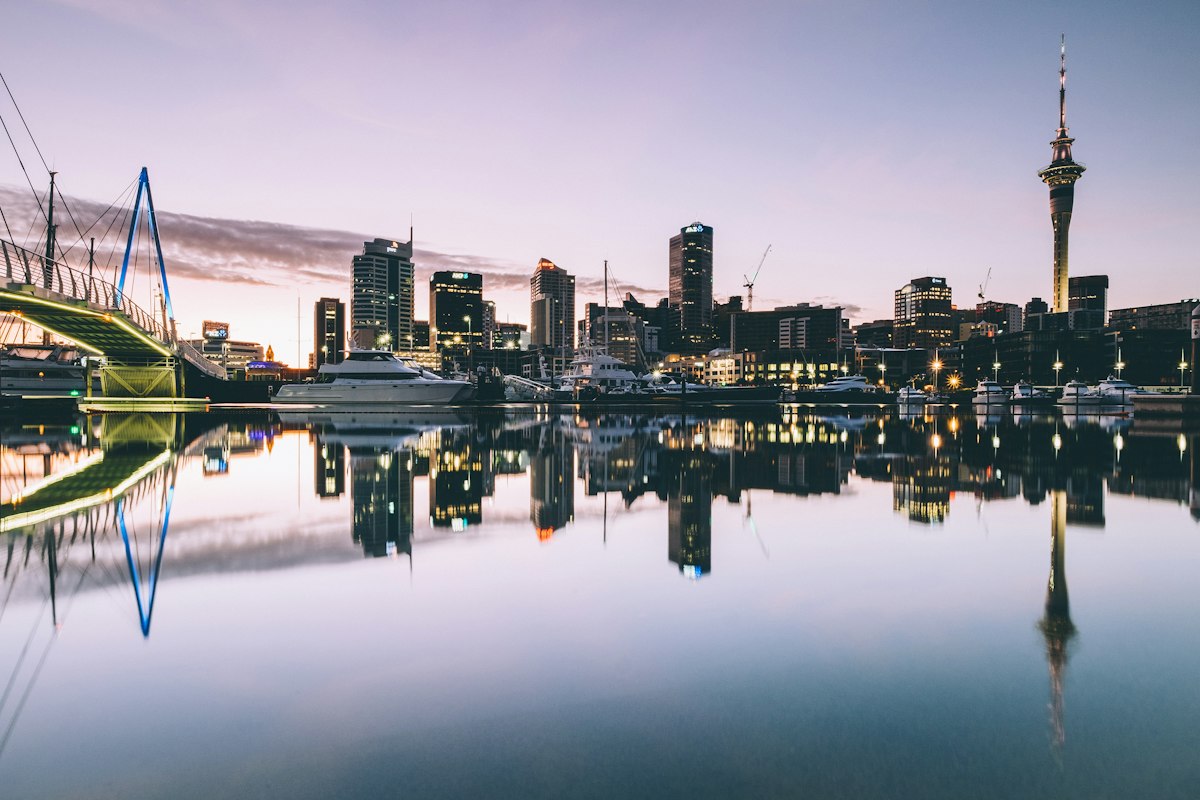
Monthly spending comparison — single person, comfortable lifestyle:
| Category | Auckland | Wellington | New York City | Denver |
|---|---|---|---|---|
| 1BR rent (nice area) | $1,100–$1,500 | $1,000–$1,400 | $3,200–$4,500 | $1,700–$2,400 |
| Groceries | $300–$420 | $280–$400 | $450–$600 | $350–$450 |
| Dining out (3×/wk) | $180–$300 | $160–$280 | $500–$800 | $300–$450 |
| Transit | $100–$150 | $80–$120 | $130 | $100–$200 |
| Utilities + internet | $130–$190 | $120–$180 | $200–$280 | $180–$250 |
| Health insurance | $0 (public) | $0 (public) | $400–$700 | $350–$600 |
| Monthly total | $1,810–$2,560 | $1,640–$2,380 | $4,880–$6,910 | $2,980–$4,350 |
The Auckland-to-NYC gap is $3,070–$4,350/month — roughly $37,000–$52,000/year. Wellington vs. Denver saves $1,340–$1,970/month ($16,000–$24,000/year). And you're getting universal healthcare, ACC accident coverage, and 4 weeks paid leave on top.
As r/newzealand users often explain to prospective American immigrants, New Zealand isn't a budget destination — it's a value destination. You pay less and get more of the things that matter.
Rent: Auckland Is the Only Expensive City
New Zealand's rental market follows the same pattern as many countries: the biggest city (Auckland) is expensive by local standards, and everywhere else is surprisingly affordable.
Rent comparison (1BR apartment, 2026):
| City | Center (nice area) | Well-connected suburb |
|---|---|---|
| Auckland | $1,100–$1,600 | $850–$1,200 |
| Wellington | $1,000–$1,400 | $800–$1,100 |
| Christchurch | $800–$1,200 | $650–$900 |
| Hamilton | $750–$1,100 | $600–$850 |
| Tauranga | $800–$1,200 | $650–$900 |
| Dunedin | $650–$950 | $500–$750 |
| --- | --- | --- |
| NYC | $3,200–$5,000 | $2,000–$3,000 |
| Denver | $1,700–$2,400 | $1,200–$1,700 |
| Austin | $1,600–$2,200 | $1,200–$1,700 |
| Seattle | $2,000–$2,800 | $1,400–$2,000 |
Wellington is the pick for many American expats. New Zealand's capital is compact, walkable, culturally rich (cafés, craft beer, live music, Te Papa museum), and significantly cheaper than Auckland. It's also where most government and tech jobs are concentrated. Think Portland but with better healthcare and no gun violence.
Christchurch has rebuilt beautifully after the 2011 earthquake and offers the lowest major-city rents in New Zealand, with easy access to skiing, hiking, and the South Island's stunning landscapes.
Dunedin is New Zealand's hidden gem — a Scottish-influenced university town at the bottom of the South Island with rents as low as $650/month for a central 1BR. If you work remotely, it's one of the best value propositions in the English-speaking world.
NZ rental differences Americans should know:
- Bond (deposit) is capped at 4 weeks' rent and held by the Tenancy Services bond center — landlords can't pocket it
- Heating standards are now enforced — the Healthy Homes Standards require landlords to provide insulation and a fixed heating source. NZ houses were historically cold and damp; this is improving
- Most rentals are unfurnished — budget for furniture when you arrive
- No tipping on rent or anywhere — the advertised price is the final price
- Flatting (shared housing) is common even among professionals in their 30s — it's culturally normal, not stigmatized
Browse New Zealand properties on our New Zealand property listings.
Groceries: Higher on Some Items, Lower on Others
New Zealand's groceries are a mixed bag — some items are cheaper than the US, others notably more expensive. Overall, Numbeo reports groceries 8% cheaper, but the experience depends on what you buy.
Price comparison (2026 averages):
| Item | New Zealand | USA | Difference |
|---|---|---|---|
| Rice (1 kg) | $1.65 | $4.15 | 60% cheaper |
| White bread (loaf) | $1.73 | $3.30 | 47% cheaper |
| Chicken breast (1 kg) | $9.00–$12.00 | $11.15 | Similar |
| Eggs (dozen) | $6.40 | $4.36 | 47% more expensive |
| Milk (1 liter) | $1.85 | $1.06 | 74% more expensive |
| Apples (1 kg) | $2.50–$3.50 | $5.00–$6.00 | 45% cheaper |
| Cheese (1 kg) | $8.00–$10.00 | $12.00–$16.00 | 35% cheaper |
| Local beer (500ml bottle) | $3.50–$5.00 | $2.50–$3.50 | 30% more expensive |
| Wine (decent NZ Sauvignon Blanc) | $8–$15 | $12–$20 | 25% cheaper |

A well-stocked week of groceries for one person costs $75–$110 in New Zealand vs. $90–$140 in the US. The savings are real if you embrace local products — NZ lamb, beef, dairy, seafood, apples, kiwifruit, and wine are world-class and priced domestically.
The expensive items are imported goods and anything New Zealand doesn't produce domestically. Eggs are consistently more expensive (NZ has strict cage-free requirements that raise costs). Milk seems paradoxical — NZ is a major dairy exporter, but domestic retail prices reflect global dairy commodity markets.
New Zealand wine deserves special mention. Marlborough Sauvignon Blanc, Central Otago Pinot Noir, and Hawke's Bay reds are globally acclaimed — and cost 25–40% less domestically than the same bottles exported to the US. A bottle that retails for $25 in America costs $12–$15 at a NZ supermarket.
Supermarket options: Countdown (Woolworths-owned), New World, and Pak'nSave (budget-oriented, consistently cheapest). There's no Aldi or Costco, and the duopoly of Woolworths and Foodstuffs means less price competition than in Australia or the UK.
As r/PersonalFinanceNZ regulars advise: 'Pak'nSave for staples, farmers markets for produce, and never buy imported American brands — NZ equivalents are cheaper and often better quality.'

Dining Out: No Tipping and Good Value
New Zealand restaurant prices are 17% lower than the US — and the no-tipping culture makes the real gap even wider.
Dining comparison:
| Meal type | New Zealand | USA (mid-tier city) | NYC |
|---|---|---|---|
| Coffee (flat white) | $3.50–$4.50 | $5.00–$6.50 | $5.50–$7.00 |
| Casual lunch (café) | $12–$18 | $15–$22 | $18–$28 |
| Pub meal (burger + beer) | $16–$24 | $20–$30 + tip | $25–$35 + tip |
| Mid-range dinner for two | $55–$85 | $80–$120 + tip | $120–$180 + tip |
| Fish and chips (takeaway) | $8–$13 | N/A | N/A |
| Thai/Indian takeaway | $12–$16 | $14–$20 | $16–$25 |
| McDonald's combo | $9.50 | $12 | $14 |

New Zealand's coffee culture rivals Australia's — the flat white was arguably invented here (Kiwis and Australians dispute this passionately). Wellington in particular has an extraordinary café scene — more cafés per capita than New York. A perfect flat white costs $3.50–$4.50, less than a basic drip at most US chains.
No tipping: Like Australia, New Zealand doesn't tip. Service workers earn a living wage (minimum NZD $23.15/hour in 2026). Some upscale restaurants add a service charge for large groups, but tipping at everyday restaurants, cafés, and bars simply doesn't happen. For Americans, this saves $100–$250/month on dining.
The food scene reflects New Zealand's multicultural population and Pacific location. Auckland has exceptional Chinese, Korean, Japanese, Indian, and Pacific Island food. Wellington has craft beer bars, specialty coffee, and innovative New Zealand cuisine. Queenstown charges tourist premiums. Christchurch offers the best value.
Fish and chips is the national takeaway — NZ uses fresh local fish (blue cod, snapper, tarakihi), not frozen fillets. A generous portion costs $8–$13. The Kiwi meat pie ($4–$6 from a bakery) is the other national comfort food.
As one r/IWantOut poster noted: 'Wellington's food and coffee scene is genuinely world-class. I spent less on dining here in a month than I did in two weeks in San Francisco — and the quality is comparable.'
Healthcare: Universal Coverage from Day One (Almost)
New Zealand has a publicly funded healthcare system that provides free or heavily subsidized care to eligible residents. Combined with the unique ACC (Accident Compensation Corporation) scheme, it creates a safety net that American expats consistently rank as the biggest lifestyle upgrade.
Cost comparison:
| Healthcare item | New Zealand | USA |
|---|---|---|
| Monthly health insurance premium | $0 (public system) | $400–$700 |
| GP visit (enrolled) | $0–$15 NZD ($0–$9 USD) | $150–$350 |
| Specialist (public referral) | $0 | $250–$500 |
| Emergency department | $0 | $1,500–$5,000+ |
| Prescription (subsidized) | $5 NZD ($3 USD) | $15–$200+ |
| Childbirth (public) | $0 | $5,000–$15,000 |
| ACC accident treatment | $0 | N/A |
| Private health insurance (optional) | $80–$170/month | N/A |
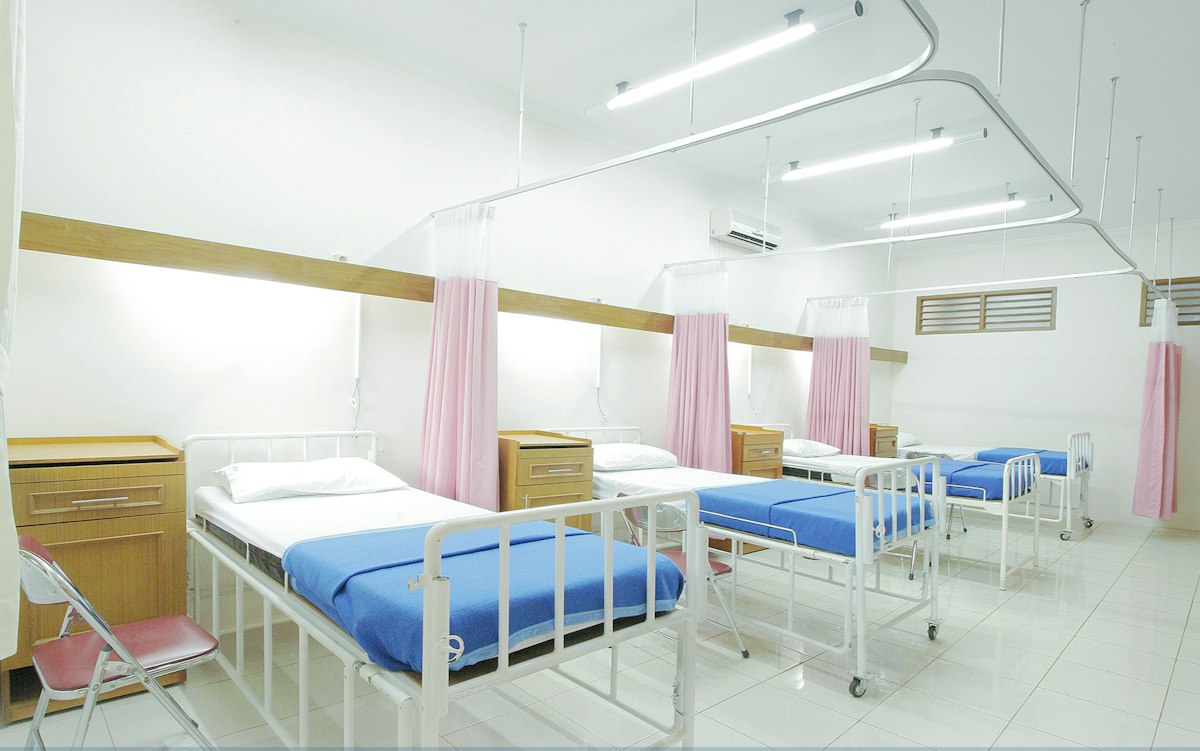
Who qualifies: Holders of work visas valid for 2+ years, resident visas, and citizens are eligible for publicly funded healthcare. This means most Americans on Accredited Employer Work Visas qualify. Short-term visitors do not, though ACC covers everyone for accidents.
ACC is uniquely New Zealand: the Accident Compensation Corporation covers everyone in the country — residents, visitors, tourists — for the cost of treatment arising from any accident. Broke your leg hiking? ACC covers it. Car accident? ACC. Sports injury? ACC. In exchange, New Zealanders gave up the right to sue for personal injury. It's funded by levies on employers and earners (1.67% of earnings in 2025–26, capped at NZD $152,790).
Prescriptions are capped at NZD $5 per item for subsidized medicines. There is no prescription count cap — even 12 prescriptions a month cost only NZD $60 total. Compare this to the US where a single brand-name prescription can cost hundreds.
GP visits for enrolled patients cost NZD $0–$50 (varies by practice and age). Children under 14 get free GP visits and prescriptions. Many practices bulk-bill (charge $0) for Community Services Card holders.
Wait times are the standard criticism — non-urgent specialist referrals can take weeks to months. But urgent care is immediate, and the absence of financial barriers means people actually seek preventive care. Private health insurance ($80–$170/month) gives faster access to elective surgery if wait times concern you.
As r/AmerExit members regularly discuss, the NZ healthcare advantage for families is enormous: free maternity care, free GP visits for children, $3 prescriptions, and zero risk of a medical bill destroying your finances.
Get featured properties in your inbox
A weekly digest of handpicked listings from 20 countries. Free, no spam.
Transportation: Expensive Gas, Great Outdoors Access
Transportation is New Zealand's most expensive category relative to the US — gas costs 86% more and transit passes cost 82% more. But the trade-off is smaller, walkable cities and dramatically shorter commutes.
Monthly transport costs:
| Category | New Zealand | USA |
|---|---|---|
| Monthly transit pass | $100–$150 NZD ($60–$90 USD) | $65–$130 |
| Gasoline (per liter) | $1.65 NZD ($2.60 NZD/L, ~$6.20/gal) | $0.89 ($3.37/gal) |
| Compact car (new) | $26,500 USD | $35,400 USD |
| Car insurance | $600–$1,200/year | $1,800–$3,000/year |
| WOF (annual inspection) | $50 NZD ($30 USD) | $30–$100 (varies) |
| Uber (per km) | Similar | Similar |

Wellington is the most walkable NZ city — compact, hilly (bring comfortable shoes), with regular buses and the iconic cable car. Most Wellington residents can live without a car.
Auckland is more car-dependent, though the AT HOP card covers trains, buses, and ferries. The new City Rail Link (opening 2026) will dramatically improve rail access.
Christchurch and smaller cities are easy cycling towns — flat, bike-friendly, with short commute distances.
For Americans who want a car:
- New cars are cheaper in NZ than the US (average $26,500 vs $35,400) due to a strong used import market from Japan
- Insurance is much cheaper: $600–$1,200/year vs. $1,800–$3,000 in the US
- Gas is expensive: NZD $2.60/liter (~$6.20 USD/gallon), nearly double US prices
- No tolls on most NZ roads (a few northern motorway sections excepted)
- Registration: ~NZD $100/year
- Overall car ownership: $400–$600/month (NZ) vs. $600–$1,200/month (US)
The real transportation advantage is domestic travel. New Zealand is small — Auckland to Wellington is a 1-hour flight ($60–$150 on Air New Zealand or Jetstar). Wellington to Queenstown: 1.5 hours. The entire country can be driven in a few days. Weekend road trips to beaches, mountains, and national parks are a 2–3 hour drive, not a 6–8 hour ordeal.
As r/newzealand locals advise newcomers: 'Buy a reliable Japanese import (Toyota, Honda, Subaru) for $8,000–$15,000. Don't bother with a new car unless you're leasing through work. And if you live in central Wellington, skip the car entirely.'
Housing to Buy: Significant Foreign Buyer Restrictions
This is the critical section for Americans considering New Zealand: foreigners generally cannot buy existing residential property. New Zealand's Overseas Investment Act restricts most non-residents from purchasing houses, apartments, and residential land.
The restrictions (2026):
- Non-resident foreigners cannot buy existing homes, apartments, or residential land
- Exceptions: investors meeting specific visa and investment thresholds (announced late 2025), new-build apartments in large developments (rare), and citizens of Singapore and Australia (free trade agreement exemptions)
- Americans on work visas can buy if they intend to live in the property and meet certain conditions — consult an immigration lawyer
- Permanent residents and citizens have no restrictions
Property prices (2026, for those who qualify):
| Location | Median price | Price/sqm |
|---|---|---|
| Auckland (central) | $700,000–$1,100,000 NZD ($410,000–$640,000 USD) | $5,000–$9,000 NZD |
| Wellington (central) | $550,000–$900,000 NZD ($320,000–$525,000 USD) | $4,500–$7,500 NZD |
| Christchurch (central) | $450,000–$700,000 NZD ($260,000–$410,000 USD) | $3,500–$6,000 NZD |
| Hamilton | $550,000–$750,000 NZD ($320,000–$440,000 USD) | $3,500–$5,500 NZD |
| Dunedin | $400,000–$600,000 NZD ($230,000–$350,000 USD) | $3,000–$5,000 NZD |
| --- | --- | --- |
| Seattle (central) | $600,000–$900,000 | $5,000–$8,000 |
| Denver (central) | $350,000–$550,000 | $3,000–$4,500 |
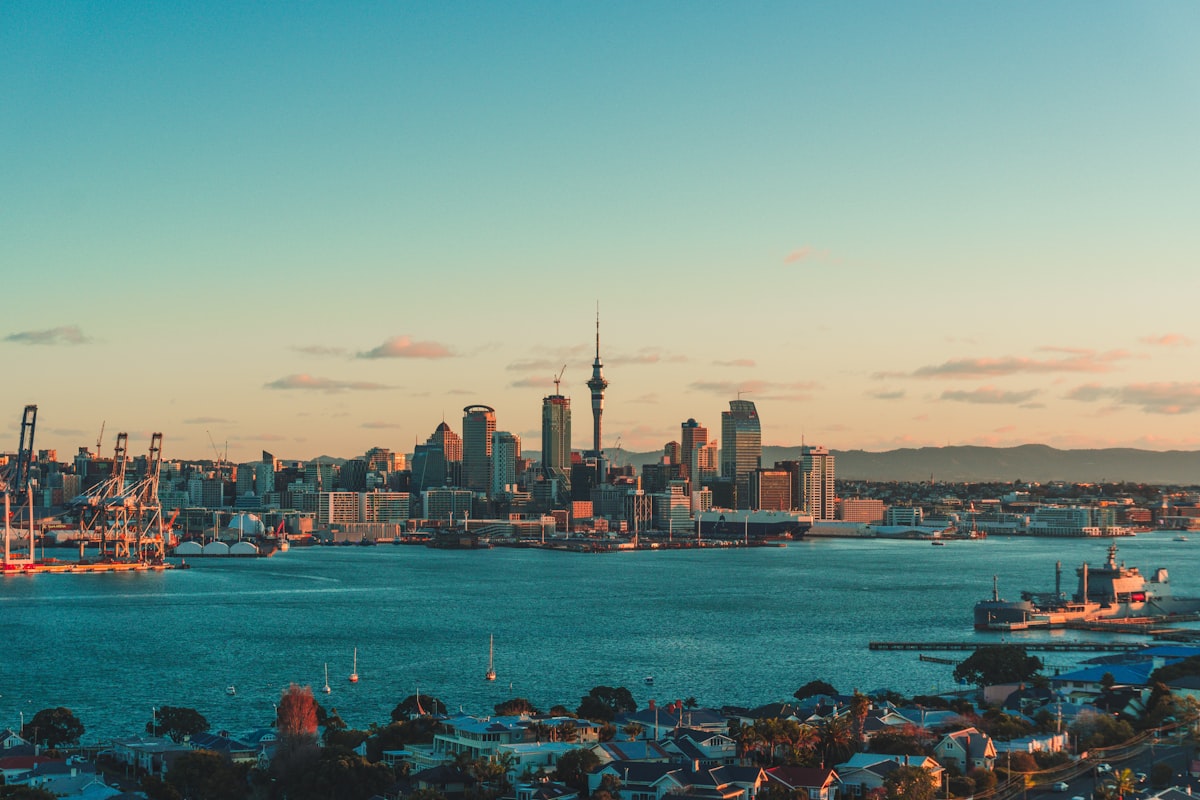
Auckland and Wellington prices peaked in October 2021 and have fallen 20–25% — offering better entry points, though they're forecast to recover slowly (5–6% growth in 2026).
Mortgage rates (2026): 5.5–7.0% for owner-occupiers. NZ banks require foreign borrowers to put down at least 30% (vs. 20% for residents). Stress tests apply at rates 1–2% above the lending rate.
For Americans pursuing the property path:
- Get permanent residency first — removes foreign buyer restrictions and lowers deposit requirements
- Budget for earthquake insurance — mandatory and built into Toka Tū Ake (formerly EQC). NZ sits on the Pacific Ring of Fire
- Check building condition — NZ had a 'leaky building' crisis (1990s–2000s construction with inadequate weatherproofing). Always get a building inspection
For more on NZ property restrictions, read our New Zealand foreign buyer ban guide and browse what's available on our New Zealand property page.
Taxes: Clean System, No State Tax, Treaty Protection
New Zealand has one of the simplest tax systems in the developed world — no capital gains tax (with narrow exceptions), no state/local income tax, no social security tax, and no inheritance tax. For Americans, this simplicity is a breath of fresh air.
New Zealand income tax rates (2025–26):
- $0–$15,600 NZD: 10.5%
- $15,601–$53,500: 17.5%
- $53,501–$78,100: 30%
- $78,101–$180,000: 33%
- Over $180,000: 39%
Plus the ACC earners' levy: 1.67% (capped at NZD $152,790 of earnings).
Full details at Inland Revenue (IRD).
No capital gains tax (with the exception of the 'bright-line test' on property sold within specific timeframes). No state or local income tax. No inheritance or estate tax. No social security tax. GST (goods and services tax) is 15%, included in advertised prices.
Key tax mechanisms for Americans:
FEIE: Excludes up to $130,000 of foreign earned income from US federal tax. But like Australia, most Americans in NZ prefer the Foreign Tax Credit because NZ marginal rates are often higher than US rates on the same income band.
US-NZ Tax Treaty: The treaty prevents double taxation. A Totalization Agreement covers Social Security — you pay into one system only.
Four-year temporary tax exemption: New migrants and returning Kiwis who haven't been tax resident in NZ for 10+ years get a four-year exemption on foreign income — meaning overseas investment income, rental income, and capital gains from non-NZ assets are tax-free in NZ for four years. This is enormously valuable for Americans with US investment portfolios.
The practical comparison for a worker earning NZD $110,000 ($64,000 USD):
| USA (Colorado, $75K) | New Zealand (Wellington, NZD $110K) | |
|---|---|---|
| Federal income tax | $9,500 | $18,500 NZD ($10,700 USD) |
| State tax (CO 4.4%) | $3,300 | $0 |
| Social insurance | $5,740 (FICA) | $1,840 NZD ACC ($1,065 USD) |
| Health insurance | $5,400 | $0 (public healthcare) |
| Total tax + mandatory costs | $23,940 | $11,765 USD |
That's a $12,175/year advantage in New Zealand — and you're getting universal healthcare, ACC accident coverage, 4 weeks paid leave, KiwiSaver employer contributions (3% minimum), and one of the world's simplest tax compliance regimes.
As one r/ExpatFIRE poster calculated: 'The four-year foreign income exemption alone saved me $8,000/year on my US dividend and rental income. Combined with no state tax and free healthcare, I'm paying less total tax in NZ than I was in Oregon despite a similar gross income.'
Quality of Life: The Real Reason People Move
New Zealand's quality of life is its biggest selling point — and it's the reason most American expats stay despite the distance from home.
Paid leave: 4 weeks minimum annual leave plus 11 public holidays. After 6 months of employment, you're entitled to 5 days sick leave per year (recently increased from 5 to 10 by many employers). Parental leave: 26 weeks paid (government-funded). The US offers 0 weeks federally mandated paid leave of any kind.
Safety: New Zealand has roughly one-fifth the violent crime rate of the US. Gun violence is rare — the 2019 Christchurch attack led to an immediate assault weapons ban, not political paralysis. There have been zero school shootings in New Zealand's history. As r/AmerExit discussions consistently show, safety is the single most-cited reason American families choose New Zealand.
Nature and outdoor lifestyle: This is New Zealand's trump card. Within 2–3 hours of any major city, you can reach: world-class hiking (Milford Track, Tongariro Crossing, Routeburn Track), skiing (Queenstown, Wanaka, Mt Ruapehu), surfing (Raglan, Piha, Gisborne), kayaking, mountain biking, or simply stunning beaches. The Great Walks system, DOC huts, and freedom camping mean outdoor adventures cost almost nothing.
Work-life balance: New Zealand work culture is relaxed by American standards. 'She'll be right' (everything will work out) is the national philosophy. Leaving work at 5pm, taking all your leave, and prioritizing family over career advancement are cultural norms, not career suicide.
Education: Public schooling is free and generally high quality. University tuition for residents is NZD $7,000–$12,000/year ($4,000–$7,000 USD) — a fraction of US college costs. First-year tertiary students get one year free.
The downsides Americans should know:
- Geographic isolation: 12–15 hour flights to the US West Coast, $1,000–$2,000 round trip. You're literally as far from America as it's possible to be
- Lower salaries: NZ wages are 20–35% below US equivalents in most fields. Tech salaries in Auckland lag San Francisco by 40–50%
- Housing quality: Many NZ homes (especially older stock) are cold, damp, and poorly insulated. The Healthy Homes Standards are improving this, but it's a shock for Americans used to central heating and insulation
- Earthquakes: NZ is seismically active. Wellington and Christchurch are on fault lines. Building codes are stringent, but it's a genuine consideration
- Small economy: Fewer job opportunities, especially in specialized fields. If you lose your job, options can be limited
- UV radiation: Like Australia, NZ has high UV due to the ozone hole. Sunscreen and hats are essential, not optional
For the full picture, read our moving to New Zealand guide and things to do in New Zealand.
Visa Options for Americans Moving to New Zealand
New Zealand has clear visa pathways but they require either skilled employment or significant investment. Americans can't simply retire there on a tourist visa.
Accredited Employer Work Visa (AEWV): The main pathway. Requires a job offer from an accredited NZ employer in a role that meets the median wage threshold (NZD $31.61/hour in 2026). Valid for up to 3 years. This is the gateway to the Skilled Migrant Category for permanent residency.
Skilled Migrant Category (SMC): The primary residence pathway. Points-based system being reformed in August 2026 with two new streams: Skilled Work Experience Pathway and Trades & Technician Pathway. Requires skilled employment in NZ, meeting the Green List occupation requirements, and earning above the median wage. Full details at Immigration New Zealand.
Green List: Fast-track residence for occupations in critical shortage — includes registered nurses, software engineers, construction project managers, vets, and many healthcare roles. If your occupation is on the Green List, you can apply for residence immediately upon arrival.
Working Holiday Visa: For Americans aged 18–30. 12 months of work and travel. Limited to 950 places per year. Good first step.
Investor Visa: Invest NZD $5M+ over 4 years (Investor 1) or NZD $3M+ over 4 years (Investor 2, with English/age/business experience requirements).
New Zealand does not offer:
- A digital nomad visa
- A retirement visa based on passive income
- Easy pathways for unskilled workers
Green List occupations in high demand for Americans: software engineers, cybersecurity specialists, registered nurses, doctors, construction managers, civil engineers, veterinarians, and teachers. If you're in one of these fields, the pathway from AEWV to residence can take 12–18 months.
Visa costs: NZD $750–$3,500 depending on visa type. Processing: 2–6 months.
The Verdict: Who Should (and Shouldn't) Make the Move
New Zealand makes sense if you:
- Have skills on the Green List or can secure employer sponsorship
- Value safety, nature, and work-life balance over maximum earning potential
- Want English-speaking integration in a small, welcoming community
- Love outdoor activities — hiking, skiing, surfing, mountain biking
- Have children (free schooling, safe communities, affordable university)
- Are pursuing work-life balance — 4 weeks leave, relaxed culture, manageable commutes
- Want a clean, simple tax system with no capital gains tax
- Can handle geographic isolation and distance from US family
New Zealand might NOT make sense if you:
- Prioritize maximizing income (NZ salaries lag the US by 20–35%)
- Want to buy property immediately (foreign buyer restrictions are strict)
- Need proximity to the US or Europe (NZ is the most isolated developed country)
- Want a large, diverse city experience (Auckland has 1.7M people — that's the biggest city)
- Can't handle earthquakes or geographic risk
- Need cutting-edge career opportunities in specialized fields (small economy, limited options)
- Want warm winters (NZ is mild, not tropical — Wellington winters are rainy and windy)
The bottom-line math for a single person earning NZD $100,000 ($58,000 USD) in Wellington vs. $75,000 in Denver:
| USA (Denver, $75K) | New Zealand (Wellington, NZD $100K) | Annual difference | |
|---|---|---|---|
| Take-home after tax | $54,000 | $39,000 NZD ($22,600 USD) | -$31,400 |
| Health insurance | -$5,400 | $0 | +$5,400 |
| KiwiSaver employer contribution | $0 | +$3,000 NZD ($1,740 USD) | +$1,740 |
| Annual spending | -$42,000 | -$28,000 | +$14,000 |
| Net savings (incl retirement) | $6,600 | -$3,660 USD | -$10,260 |
The raw financial math favors the US when comparing equivalent jobs. New Zealand salaries are genuinely lower, and the cost savings don't fully compensate. But this comparison misses what $58,000 NZD buys that $75,000 USD doesn't: universal healthcare, ACC, 4 weeks paid leave, a country where your children walk to school safely, world-class nature access, and a quality of life that consistently ranks among the highest on Earth.
As r/IWantOut discussions regularly conclude, New Zealand isn't a financial optimization — it's a lifestyle choice. For Americans who can secure the visa and accept lower nominal income, the return on quality of life is extraordinary.
Start browsing real New Zealand property listings on EscapeFromUSA and read our comprehensive moving to New Zealand guide.
Ready to explore?
Browse Destinations