
Cost of Living in South Korea vs. USA (2026) — Real Side-by-Side Numbers
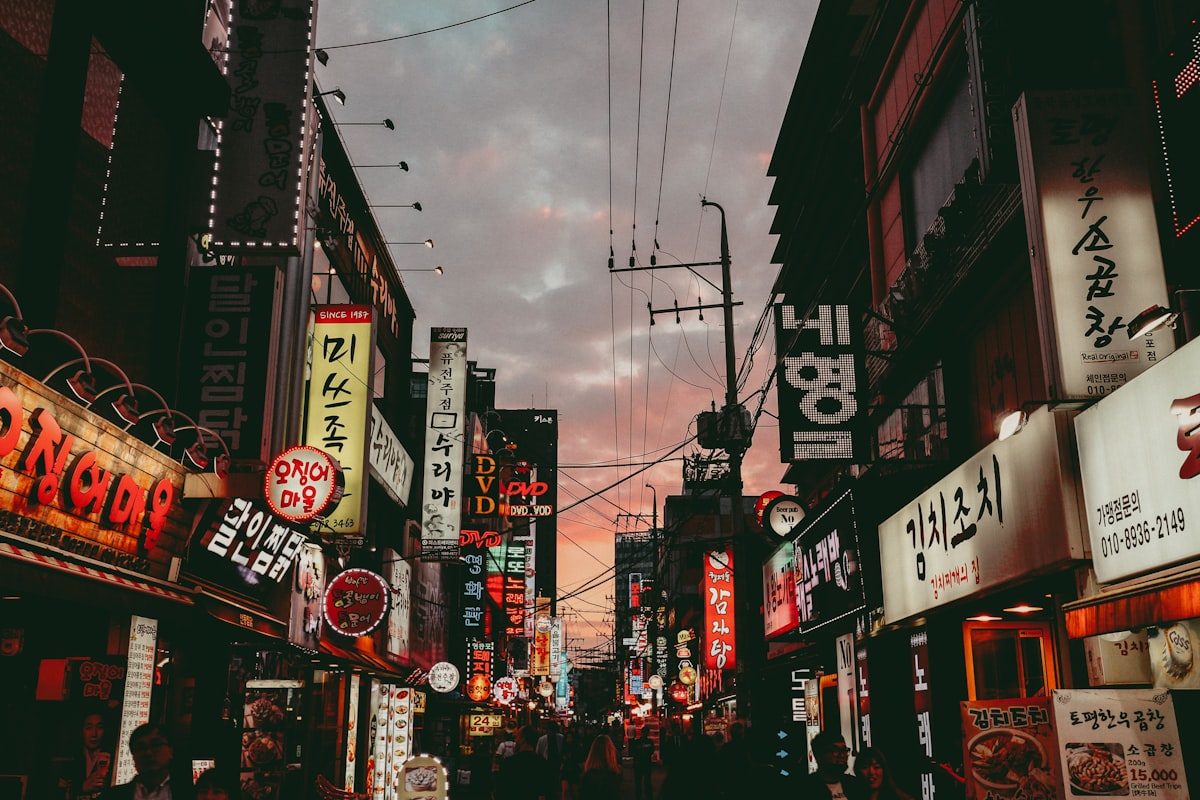
South Korea sits in a fascinating sweet spot for American expats: it's a fully developed, ultra-modern country with world-class infrastructure, blazing-fast internet, and some of the best food on Earth — yet it costs dramatically less than the United States.
Numbeo's 2026 data shows the US is 84% more expensive than South Korea overall. Rent in South Korea is 54–62% lower. A comfortable single person in Seoul spends $1,500–$2,500/month total. The same lifestyle in any major US city runs $3,500–$6,000.
But South Korea isn't Thailand or Mexico — the savings are real but the lifestyle is distinctly first-world. You'll ride spotless subway trains, visit world-class hospitals for $15 GP visits, eat $6 bibimbap lunches, and stream 1 Gbps internet from a heated-floor apartment. As Expatistan's 2026 data confirms, the US is 84% more expensive than South Korea.
This guide puts real 2026 numbers side by side. Rent in Seoul vs. New York. Groceries in Busan vs. Chicago. Healthcare in Daegu vs. Los Angeles. We're comparing what you'd actually spend.
As one poster in r/Living_in_Korea put it: 'I moved from Chicago to Seoul on a teaching salary of $2,000/month. Back home that would mean poverty. Here I have my own apartment, eat out daily, travel every weekend, and save $800/month. My quality of life improved in every measurable way except proximity to my family.'
The Big Picture: South Korea vs. USA by the Numbers
Before the line items, the overview. According to Numbeo's 2026 data, consumer prices in the US are 27.8% higher than South Korea (including rent). Without rent, the gap narrows to 10.7%. Rent alone is 54.4% lower in South Korea. Restaurant prices are 36% lower.
The numbers are striking — but what makes South Korea unique among cheap countries is that you're not giving up modernity. Seoul has more Michelin-starred restaurants than any city except Tokyo and Paris. The subway system moves 7 million people daily without delays. Hospitals equipped with Samsung-made robots charge $15 for a doctor visit.

Monthly spending comparison — single person, comfortable lifestyle:
| Category | Seoul (Yongsan/Mapo) | Busan | New York City | Denver |
|---|---|---|---|---|
| 1BR rent (decent area) | $700–$1,100 | $450–$700 | $3,200–$4,500 | $1,700–$2,400 |
| Groceries | $250–$350 | $200–$300 | $450–$600 | $380–$500 |
| Dining out (daily Korean meals) | $250–$400 | $200–$350 | $500–$800 | $350–$550 |
| Transit | $50 (T-money) | $40 | $130 | $105 |
| Utilities + internet | $100–$150 | $80–$120 | $200–$280 | $180–$260 |
| Health insurance (NHI) | $80–$200 | $80–$200 | $400–$700 | $300–$500 |
| Monthly total | $1,430–$2,200 | $1,050–$1,670 | $4,880–$6,910 | $3,015–$4,315 |
The Seoul-to-NYC gap is $3,450–$4,710/month — roughly $41,000–$56,000/year. Even Seoul vs. Denver saves $1,585–$2,115/month ($19,000–$25,000/year). Busan — South Korea's coastal second city — is even cheaper: 30–40% below Seoul with beaches, world-class seafood, and a growing expat community.
Pacific Prime's expat guide puts the average expat monthly budget at $1,200–$2,500 depending on location and lifestyle — a figure that would barely cover rent alone in most US cities.
Rent: Jeonse, Wolse, and the Deposit Shock
Korean rent is remarkably cheap by Western standards — but the system works differently from anything Americans are used to. Understanding jeonse and wolse is essential.
Wolse (monthly rent): The familiar model. You pay a deposit (typically 3–10 months' rent) plus monthly rent. This is what most foreign expats use.
Jeonse (key money deposit): The traditional Korean model where you pay a massive upfront deposit (50–80% of the property's value) and zero monthly rent. The landlord invests your deposit and earns interest; you get it all back when you leave. A 1BR in Seoul might require ₩200–400 million ($145,000–$290,000) jeonse.
Most new expats use wolse. Jeonse is declining but still common among Korean families.
Rent comparison — wolse (1BR apartment, 2026):
| City | Center (nice area) | Connected suburb |
|---|---|---|
| Seoul (Gangnam) | $1,200–$2,000 | $800–$1,200 |
| Seoul (Yongsan/Mapo) | $800–$1,200 | $600–$900 |
| Seoul (Hongdae/Sinchon) | $700–$1,000 | $500–$750 |
| Busan (Haeundae) | $500–$800 | $350–$550 |
| Daegu (center) | $350–$550 | $250–$400 |
| Daejeon (center) | $350–$500 | $250–$400 |
| --- | --- | --- |
| NYC | $3,200–$5,000 | $2,000–$3,000 |
| Chicago | $1,800–$2,600 | $1,200–$1,800 |
| Denver | $1,700–$2,400 | $1,200–$1,700 |
| Austin | $1,600–$2,200 | $1,200–$1,700 |

Busan is the standout for Americans seeking value. South Korea's second city has world-class beaches (Haeundae, Gwangalli), a booming food scene, excellent transit, and rents 40–50% below central Seoul. As noted in r/korea, Busan is increasingly popular with expats who want Korean quality of life without Seoul's intensity.
Seoul neighborhood guide for Americans:
- Itaewon/Yongsan: The traditional expat hub. International restaurants, English menus, foreign grocery stores. Gentrifying rapidly with rising rents.
- Hongdae: Young, creative, nightlife-heavy. Popular with 20-something expats and English teachers.
- Mapo/Hapjeong: Artsy, café-heavy, excellent transit. The 'Brooklyn of Seoul.'
- Gangnam: The premium district. Corporate offices, luxury apartments, high prices. Where Korean professionals and corporate expats live.
Korean rental differences Americans should know:
- Deposit: Even with wolse, expect 5–10 months' deposit (₩5,000,000–₩15,000,000 / $3,600–$10,900). This is returned in full when you leave.
- Ondol (heated floors): Korean apartments have underfloor heating — incredibly comfortable in winter, efficient, and included in the apartment.
- Size: Korean apartments are measured in pyeong (1 pyeong = 35.5 sqft). A 10-pyeong studio is 355 sqft. A 25-pyeong 2BR is 888 sqft.
- Key money culture: Foreigners without Korean credit history may need to offer higher deposits. Having a Korean employer as a guarantor helps enormously.
Search Korean rentals on Zigbang or Dabang, or browse our South Korea property listings.
Groceries and Food: $6 Bibimbap Changes Everything
South Korea's food situation is the single biggest financial advantage for daily living. Korean cuisine is cheap, abundant, and extraordinarily good — and eating out is often cheaper than cooking at home.
Price comparison (2026 averages):
| Item | South Korea | USA | Difference |
|---|---|---|---|
| Meal at local restaurant (bibimbap, jjigae) | $5–$8 | N/A | |
| Meal at mid-range restaurant (for two) | $30–$50 | $60–$100 | 50% cheaper |
| Loaf of bread | $2.50–$3.50 | $3.50–$4.50 | 25–30% cheaper |
| Dozen eggs | $2.50–$3.50 | $4.50–$6.00 | 40–45% cheaper |
| Whole milk (1 liter) | $2.50–$3.00 | $1.10–$1.50 | 70–100% MORE |
| Chicken breast (1 kg) | $7.00–$10.00 | $8.00–$11.00 | Similar |
| Rice (5 kg) | $12.00–$18.00 | $8.00–$12.00 | 40–50% MORE |
| Beef (Korean, 1 kg) | $35.00–$60.00 | $15.00–$22.00 | 100%+ MORE |
| Kimchi (1 kg, store-bought) | $3.00–$5.00 | $8.00–$12.00 | 60% cheaper |
| Soju (bottle) | $1.20–$1.80 | N/A | |
| Beer (500ml, domestic) | $2.50–$4.00 | $2.00–$3.00 | Similar |
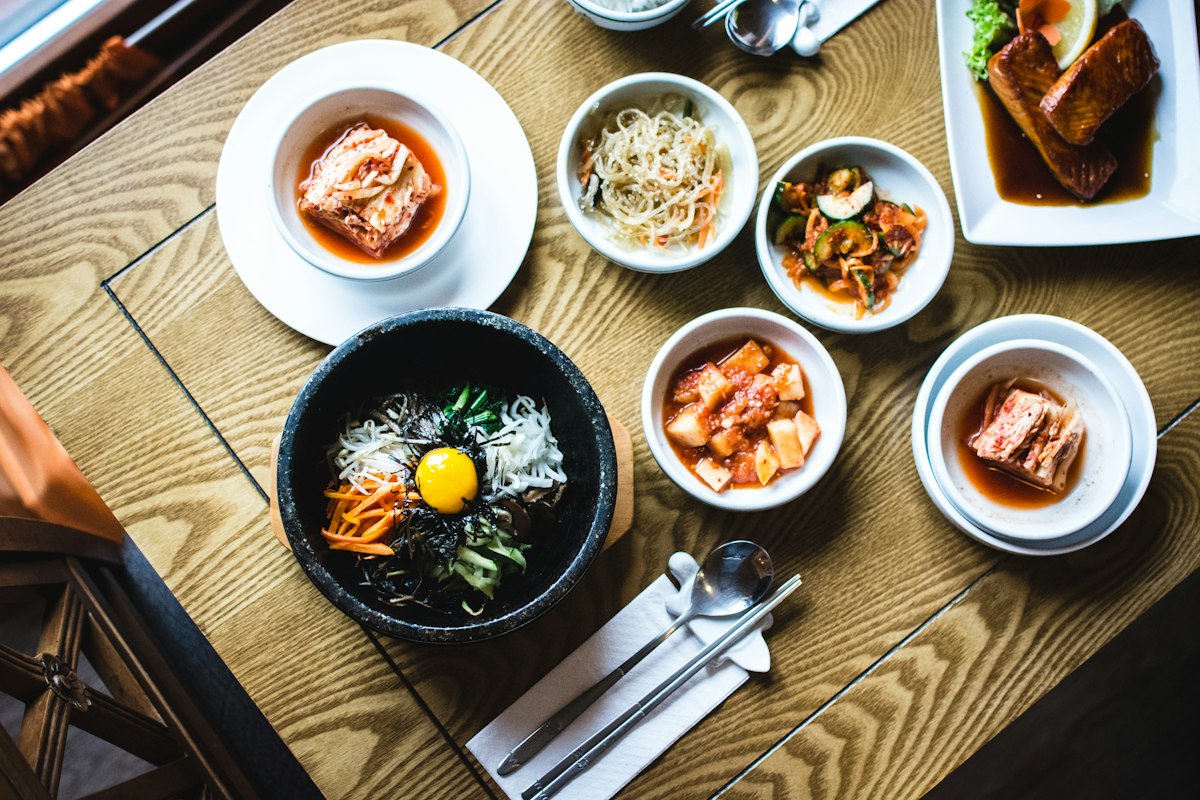
The key insight: Korean grocery prices are a mixed bag — some items (dairy, imported goods, beef) are genuinely expensive, while staples (rice, vegetables, tofu, eggs) are cheap. But eating out at Korean restaurants is so cheap that it often beats cooking.
A filling bibimbap or kimchi jjigae at a neighborhood restaurant: ₩7,000–₩10,000 ($5–$7). That comes with unlimited banchan (side dishes) — 3–6 small plates of kimchi, pickled radish, bean sprouts, etc. included free with every meal. Try getting unlimited free sides with a $7 meal in New York.
Convenience stores (CU, GS25, 7-Eleven) are everywhere and surprisingly good. A convenience store lunch (kimbap + drink) costs $3–$4. Instant ramyeon with egg: $2. These aren't sad American gas station food — Korean convenience stores stock fresh gimbap, dumplings, and ready meals that are genuinely tasty.
Market culture: Traditional markets (시장, sijang) like Gwangjang Market, Namdaemun, and local neighborhood markets offer produce, meat, and prepared food at 20–40% below supermarket prices. Most expats shop at a combination of markets and Emart/Lotte Mart/Costco (yes, Korean Costco exists and is wildly popular).
As CNBC reported, a 26-year-old American expat in Seoul lived comfortably on $24,000/year — eating out daily, traveling domestically, and still saving. That's $2,000/month total, including rent.
The only food categories where Korea loses: imported Western foods (cheese, bread, wine, steak) cost 50–200% more than in the US. If you eat Korean, you save enormously. If you insist on an American diet of burgers, steak, and imported cheese, the savings shrink.

Healthcare: $15 Doctor Visits and World-Class Hospitals
South Korea's National Health Insurance (NHI) system is consistently ranked among the world's best — combining quality, access, and affordability in a way that puts the US healthcare system to shame.
NHI is mandatory for all residents staying over 6 months. Coverage is comprehensive and co-pays are minimal. The National Health Insurance Service (NHIS) administers the system.
Cost comparison:
| Healthcare item | South Korea (NHI) | USA |
|---|---|---|
| Monthly insurance premium | $80–$200 (income-based) | $400–$700 |
| GP visit | $5–$15 | $150–$350 |
| Specialist consultation | $15–$40 | $250–$500 |
| Emergency room visit | $30–$100 | $1,500–$5,000+ |
| Childbirth (full care) | $500–$1,500 | $5,000–$15,000 |
| Prescription (typical) | $3–$10 | $15–$80+ |
| MRI scan | $100–$300 | $1,000–$3,000 |
| Dental cleaning | $30–$50 | $100–$200 |
| Dental crown | $200–$400 | $1,000–$2,000 |
| Ambulance | $0–$50 | $400–$2,500 |
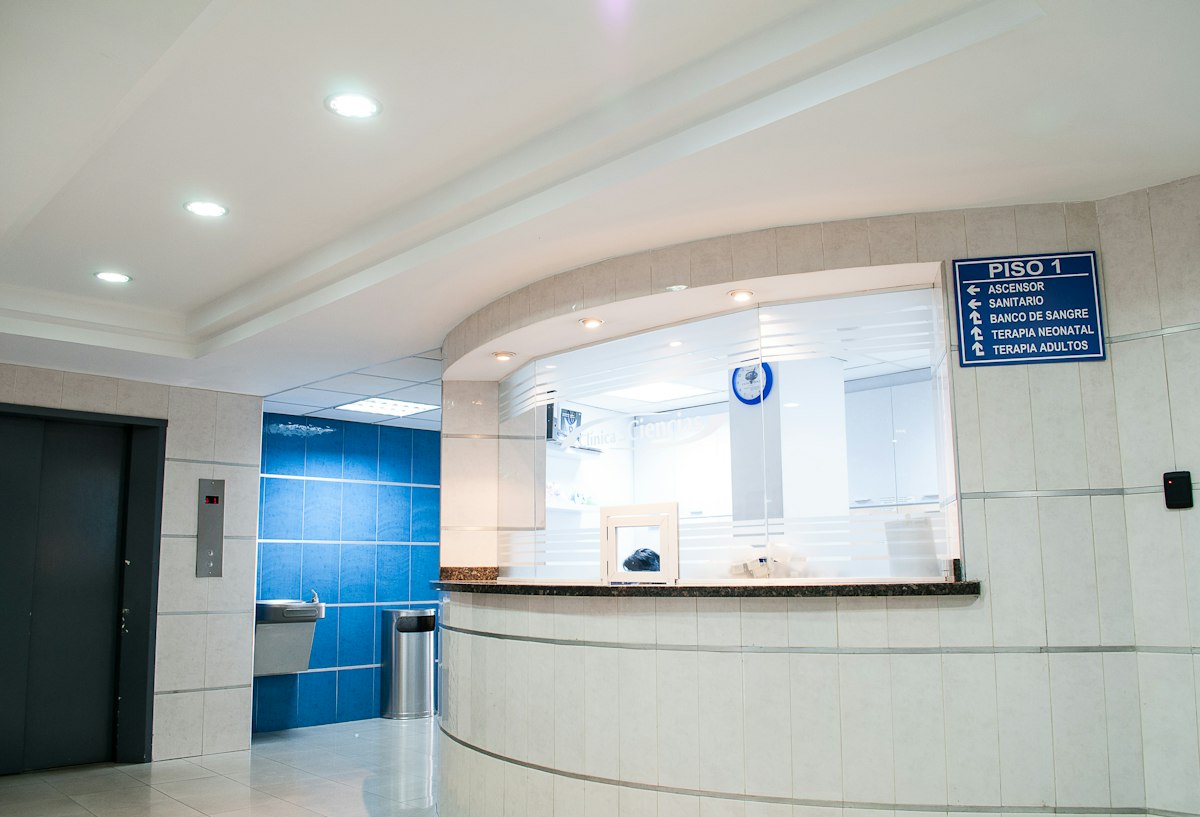
The NHI premium structure for employed foreigners: 7.19% of monthly salary split 50/50 between employee and employer (you pay 3.595%). On a ₩3,000,000/month salary ($2,170), your share is ₩107,850/month ($78). That buys you access to one of the best healthcare systems on Earth.
For self-employed or non-working foreigners, NHIS sets a minimum monthly premium of approximately ₩140,000–₩180,000/month ($100–$130). The maximum is income-dependent.
Wait times are minimal — this is one of Korea's biggest advantages over the UK or Canada. You can often see a specialist the same week. Walk into a hospital, get an MRI, see a specialist, and get a prescription — all in one visit, all for under $100 total.
Korea's medical tourism industry is massive — 600,000+ foreign patients annually visit for procedures at 30–70% below US prices. Samsung Medical Center, Severance Hospital, and Asan Medical Center are world-class by any measure.
As Korea Plus Life notes, the practical experience for American expats is transformative: you stop thinking about healthcare costs entirely. No denied claims, no surprise bills, no calling insurance companies. You're sick, you go to the hospital, you pay $15, you leave. That psychological freedom alone is worth the move for many Americans.
Important: If you have unpaid NHI premiums exceeding ₩500,000, immigration authorities can restrict your visa extension. Always keep premiums current.
Transportation: The Best System Americans Have Never Used
South Korea's public transportation is arguably the best in the world outside Japan and Switzerland — and significantly cheaper than both.
Monthly transport costs:
| Category | South Korea | USA (major city) |
|---|---|---|
| Monthly transit (subway + bus) | $40–$60 | $100–$130 |
| KTX (high-speed rail, Seoul-Busan) | $45 one-way | N/A |
| Taxi (5 km city ride) | $4–$6 | $12–$20 |
| Car payment (avg) | Not needed | $500–$700 |
| Car insurance | Not needed | $150–$250 |
| Gas | Not needed | $150–$250 |
| Total | $40–$60 | $600–$1,200+ |
Seoul's subway system has 23 lines covering 340+ stations. Trains run every 2–5 minutes during peak hours. The T-money card (rechargeable transit card) gives discounted fares and transfers between subway, bus, and even taxis. A single subway ride: ₩1,400 ($1). Bus: ₩1,500 ($1.10). Transfer between subway and bus within 30 minutes: free.
KTX (Korea Train Express): High-speed rail connecting Seoul to Busan in 2 hours 15 minutes (vs. 4+ hours driving). Seoul to Daegu: 1 hour 40 minutes. Seoul to Gwangju: 2 hours. Tickets: ₩50,000–₩60,000 ($36–$43) for Seoul-Busan. Book on Korail.
Taxis are ridiculously cheap. Base fare: ₩4,800 ($3.50). A 20-minute ride across Seoul: ₩10,000–₩15,000 ($7–$11). Kakao Taxi (the Korean Uber) is the standard app — works perfectly, no tipping expected, and drivers are vetted.
Intercity buses connect every city and town for $5–$20. Express buses are comfortable with reclining seats, Wi-Fi, and USB charging.
Car ownership in Korea is unnecessary for urban life and actively counterproductive in Seoul (parking is expensive and rare). For Americans used to spending $600–$1,200/month on car-related costs, Korean transit saves $550–$1,150/month — one of the biggest line-item savings in the entire comparison.
As 90 Day Korean notes, transportation is one of the best value-for-money aspects of living in Korea. The combination of subways, buses, KTX, and cheap taxis means you can live a full, rich life without ever touching a steering wheel.
Get featured properties in your inbox
A weekly digest of handpicked listings from 20 countries. Free, no spam.
Housing to Buy: Apartments, Officetels, and New Foreign Buyer Rules
South Korean property — particularly Seoul apartments — has been one of the hottest markets in Asia. Recent government regulations have significantly restricted foreign buyers.
Property prices (2026):
| Location | Median price (2BR apartment) | Price/sqft |
|---|---|---|
| Seoul (Gangnam) | $700,000–$1,200,000 | $800–$1,200 |
| Seoul (Yongsan/Mapo) | $400,000–$650,000 | $500–$750 |
| Seoul (outer districts) | $250,000–$400,000 | $300–$500 |
| Busan (Haeundae) | $250,000–$400,000 | $300–$450 |
| Busan (city average) | $200,000–$340,000 | $250–$400 |
| Daegu (center) | $150,000–$250,000 | $200–$300 |
| --- | --- | --- |
| NYC (Manhattan) | $1,000,000–$2,000,000 | $1,200–$2,000 |
| LA (central) | $600,000–$900,000 | $600–$900 |
| Chicago (central) | $300,000–$500,000 | $300–$500 |
| Denver (central) | $350,000–$550,000 | $300–$450 |

Major 2025 regulatory change: In August 2025, South Korea implemented its first foreign-buyer trading-permit system. All of Seoul and key areas of Gyeonggi and Incheon are now designated as restricted zones. Under the new rules:
- Non-resident foreigners can only buy if they intend to live in the property
- Approved buyers must move in within 4 months and maintain residence for at least 2 years
- Officetels (studio/1BR units in mixed-use buildings) are exempt — the only residential-style property foreigners can still buy purely for investment in the capital region
Outside Seoul and the restricted zone (Busan, Daegu, Daejeon, Gwangju, etc.), foreigners can still buy relatively freely, though reporting requirements to local authorities apply.
Mortgage requirements: Korean banks offer mortgages to foreigners with valid visas (E-2, D-10, F-2, etc.) at LTV ratios of 40–70% depending on location and regulations. Rates in 2026: 3.5–5.0%. Foreign buyers need a Korean bank account and alien registration card.
Jeonse loans: If you choose the jeonse (key money) system, Korean banks offer jeonse loans at 2.5–4.0% — meaning you can effectively live rent-free while paying interest on a loan instead. This is a uniquely Korean financial instrument.
As the Global Property Guide notes, Seoul apartment prices rose 8.7% in 2025 — the fastest annual gain in nearly two decades. Regional cities are more stable and offer much better value.
Browse South Korean property listings on EscapeFromUSA.
Taxes: The 19% Flat Rate Option
South Korea's tax system has a major perk specifically for foreign workers: a flat 19% income tax rate (plus 1.9% local tax = 20.9% total) that can be elected instead of the standard progressive brackets.
Standard Korean income tax brackets (2026):
- ₩0–14.0M: 6%
- ₩14.0M–50.0M: 15%
- ₩50.0M–88.0M: 24%
- ₩88.0M–150.0M: 35%
- ₩150.0M–300.0M: 38%
- ₩300.0M–500.0M: 40%
- ₩500.0M–1.0B: 42%
- Over ₩1.0B: 45%
Plus a 10% local income tax surtax on all brackets. Full details at PWC Korea Tax Guide.
The flat tax option: Foreign employees who started working in Korea by Dec 31, 2026 can elect a flat 19% rate (plus 1.9% local = 20.9% total) on employment income for up to 20 years. You give up all deductions and credits, but the flat rate is simpler and often lower for mid-to-high earners. This is one of the most generous expat tax incentives in Asia.
The practical comparison for an English teacher earning ₩30M ($21,700) vs. a tech worker earning ₩80M ($58,000):
| Teacher (₩30M) | Tech worker (₩80M) | |
|---|---|---|
| Korean income tax (flat) | $4,540 (20.9%) | $12,120 (20.9%) |
| NHI premium (employee share) | $940 | $2,510 |
| National Pension (employee) | $1,950 | $5,220 |
| Total Korean tax + social | $7,430 | $19,850 |
| Effective rate | 34.3% | 34.2% |
Compare to the US on $58,000: federal tax $6,400 + FICA $4,437 + state tax (CA: $1,900) + health insurance $5,400 = $18,137 (31.3%). Korea is slightly higher in tax but includes universal healthcare — no $5,400/year health insurance bill.
Key tax mechanisms for Americans:
- US-Korea Tax Treaty: IRS treaty documents prevent double taxation. Korean tax generates Foreign Tax Credits.
- FEIE: Excludes up to $126,500 from US federal tax.
- National Pension refund: Americans can get a lump-sum refund of their Korean pension contributions when they leave the country — thanks to the US-Korea totalization agreement.
- 5-year foreign-source rule: Foreign residents who've been in Korea 5 years or less (in the past 10 years) are only taxed on Korean-source income. Income from US investments, rental properties, etc. isn't taxed by Korea.
As Greenback Tax Services notes, the flat tax option plus FEIE means many American expats in Korea pay minimal total tax across both countries.
Quality of Life: K-Culture, Safety, and 1 Gbps Internet
South Korea's quality of life combines first-world infrastructure with affordable daily costs — a combination almost no other country achieves.
Paid leave: Korean employees get a minimum of 15 days paid vacation per year (increasing with tenure to 25 days). 15 public holidays add to this. The work culture is famously intense, though it's improving — the legal workweek was reduced to 52 hours in 2018, and the government is actively pushing for better work-life balance.
Safety: South Korea is one of the safest countries in the world. Violent crime is exceptionally rare. You can walk alone at 3 AM in any Korean city without concern. Women frequently report feeling safer in Seoul than in any US city. Lost wallets are returned. Children ride subways alone from age 7.
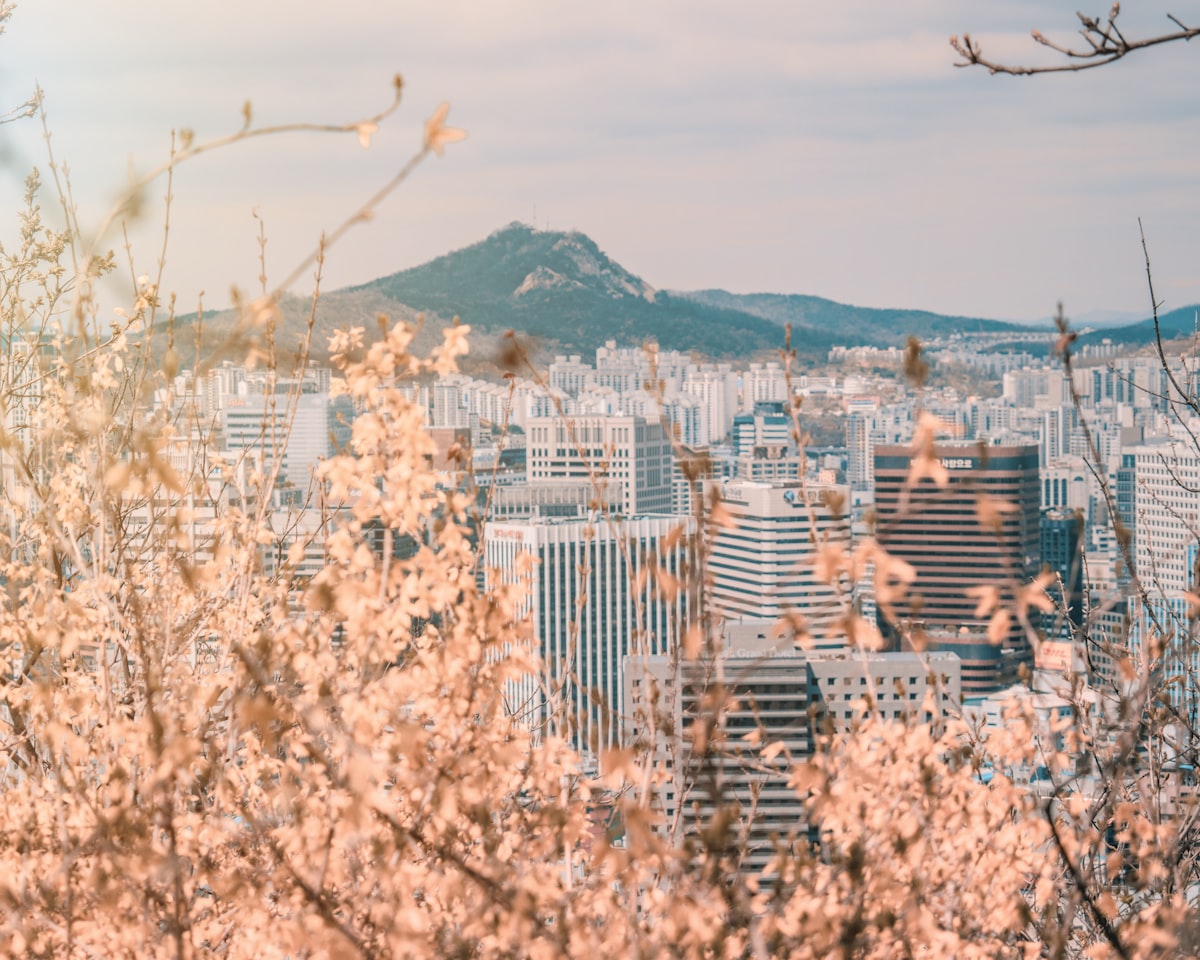
Technology: South Korea has the fastest average internet speed in the world. Home broadband: 1 Gbps for $20–$30/month. 5G mobile coverage is near-universal. Every subway car has Wi-Fi. Free public Wi-Fi is ubiquitous. If you work remotely, Korea's internet infrastructure is paradise.
Food culture: Korean food is extraordinary — and it's a lifestyle, not just sustenance. Late-night food delivery (via Baemin/Coupang Eats) arrives in 20 minutes. Convenience store meals at 2 AM are genuinely good. The fried chicken + beer (chimaek) culture is a social institution. Street food markets run past midnight. As r/korea users regularly note, the food alone justifies the move.
Nature: Despite being an urban country, Korea has excellent hiking. There are mountains within Seoul city limits (Bukhansan, Gwanaksan). National parks like Seoraksan and Jirisan offer world-class trails. Jeju Island is a volcanic paradise 1 hour by plane from Seoul.
Language barrier: This is Korea's biggest challenge for expats. Korean is not easy for English speakers, and daily life requires some Korean ability (doctor visits, banking, government offices). English proficiency is growing among younger Koreans, and Seoul's Itaewon/Yongsan area is largely English-friendly, but outside expat bubbles, language is a real barrier.
Social integration: Korea is not the easiest country for foreigners to integrate into. The culture is hierarchical, relationships are built slowly, and there's a clear insider/outsider dynamic. Expat.com forums are full of discussions about this — it's manageable but requires effort.
For the full picture, read our moving to South Korea guide.
Visa Options for Americans in South Korea
South Korea has significantly expanded visa options for foreigners in recent years, including a new digital nomad visa.
E-2 Visa (English Teaching): The most common path for Americans. Requires a bachelor's degree (any field), a clean background check, and an employer sponsor (hagwon, public school via EPIK/GEPIK, or university). Salary: ₩2.1–3.0 million/month ($1,500–$2,170) plus free housing or housing allowance. 1-year renewable. Full details at Korean Immigration.
E-7 Visa (Skilled Work): For professionals in specific fields (IT, engineering, design, finance, etc.). Requires employer sponsorship and proof that the job can't be filled domestically. Salary minimums vary by field. Renewable annually, pathway to F-2.
F-1-D Visa (Workation/Digital Nomad): Launched January 2024 — one of Asia's most generous digital nomad visas. Valid for up to 2 years. Requirements: annual income of ₩88.1 million ($66,000+) from work outside Korea, private health insurance, and a clean criminal record. Full details at Seoulz. Families can accompany on F-3 dependent visas.
D-10 Visa (Job Seeking): For graduates of Korean universities or qualifying foreign universities. Allows up to 3 years to find employment in Korea (extended from 2 years in 2025). Good for Americans who study in Korea first.
F-2 Visa (Points-Based Residence): Long-term residence based on a points system (80/120 minimum). Points awarded for: income, age, education, Korean language ability (TOPIK score), volunteer work, and social integration program completion. Gives unrestricted work rights.
F-5 Visa (Permanent Residence): After 5+ years on qualifying visas, with Korean language ability and income requirements. Allows indefinite stay.
Key changes for 2025-2026: South Korea introduced the K-Trainee Program and Elite Graduate Fast Track, signaling a push to attract global talent. The government is actively making it easier for skilled foreigners to stay long-term.
South Korea does not offer:
- A retirement visa (no specific category for retirees)
- A golden visa or investor residence by investment
As discussed in r/teachinginkorea, the E-2 teaching visa remains the most accessible entry point for Americans without specialized skills. The F-1-D workation visa is a game-changer for remote workers earning $66K+.
The Verdict: Who Should (and Shouldn't) Make the Move
South Korea makes financial sense if you:
- Want first-world quality of life at developing-world prices
- Earn a remote US salary (the $66K minimum for the F-1-D visa is easily met, and your dollars go 2–3x further)
- Are a young professional open to teaching English (the E-2 visa provides free housing + salary + travel money)
- Love Korean food, K-culture, technology, and urban living
- Want world-class healthcare at 70–85% below US prices
- Value safety — Korea is one of the safest countries on Earth
- Are building savings (the low cost of living + flat tax rate creates excellent savings potential)
South Korea might NOT make sense if you:
- Don't enjoy Asian food or can't adapt your diet (Western groceries are expensive)
- Need English in all daily situations (language barrier is real outside expat areas)
- Want easy social integration (Korean society has a strong insider/outsider dynamic)
- Prefer warm-weather beach living (Korean winters are cold: -5 to 5°C in Seoul, Jan–Feb)
- Want a large home (Korean apartments are small by American standards)
- Have difficulty with hierarchical social structures (Korean culture emphasizes age, status, and group harmony)
- Need proximity to US family (flights: 13–15 hours, $800–$1,500 round trip)

The bottom-line math for a remote worker earning $80,000 living in Seoul vs. Denver:
| USA (Denver, $80K) | South Korea (Seoul, $80K) | Annual difference | |
|---|---|---|---|
| Take-home after tax | $60,000 | $63,300 (flat tax + FEIE) | +$3,300 |
| Health insurance | -$5,400 | -$1,560 (NHI) | +$3,840 |
| Rent (1BR, nice area) | -$24,000 | -$12,000 | +$12,000 |
| Other living costs | -$18,000 | -$10,800 | +$7,200 |
| Net savings | $12,600 | $38,940 | +$26,340/year |
That's an extra $26,340 per year in savings — $2,195/month — while living in one of the world's most dynamic cities with world-class transit, food, healthcare, and technology. Over 5 years, that's $131,700 in additional savings.
For English teachers on ₩2.5 million/month ($1,810) with free housing, the math is equally compelling: typical savings of $800–$1,200/month ($9,600–$14,400/year) — more disposable income than most entry-level jobs in New York, with an infinitely richer cultural experience.
As one r/korea user summarized: 'Korea is the cheat code. First-world everything — hospitals, trains, internet, safety — at a fraction of what you'd pay in America. The catch is learning Korean and accepting that you'll always be a foreigner. If you can make peace with that, it's the best deal in the developed world.'
Start browsing South Korean property listings on EscapeFromUSA and check out our guides on things to do in South Korea and the full moving to South Korea guide.
Ready to explore?
Browse Destinations