
Cost of Living in Thailand vs. USA (2026) — Real Side-by-Side Numbers
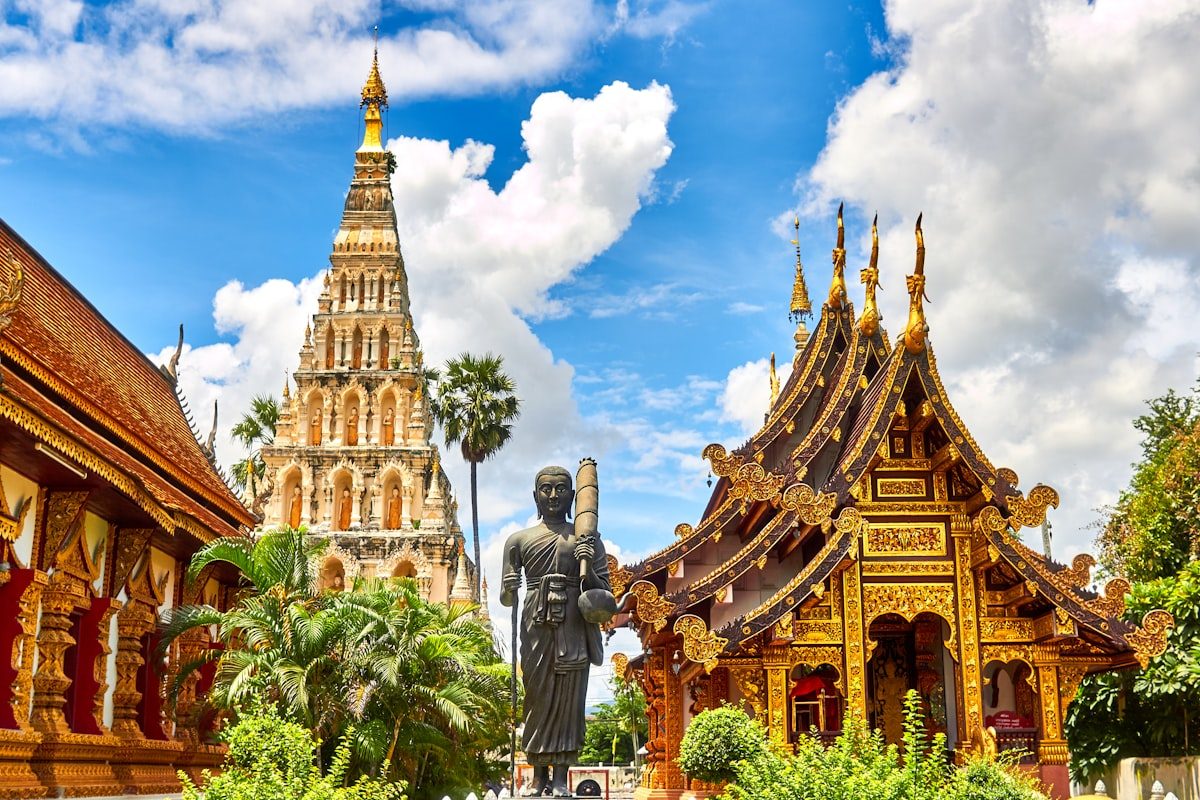
Thailand has been the ultimate budget-expat destination for decades — and the numbers in 2026 still back it up. According to Numbeo, the cost of living in the US is 84% higher than Thailand excluding rent. Factor in rent and it's 109% higher. Rent specifically is 246% higher in the US.
What does that look like in practice? A comfortable single person in Bangkok spends $1,200–$2,200/month. In Chiang Mai, $800–$1,500. In the US, the same lifestyle costs $3,500–$6,500 depending on city. The savings aren't marginal — they're transformational.
But Thailand isn't just about being cheap. It's a country where $30 gets you a visit to a JCI-accredited hospital that treats a million patients a year, where a $2 plate of pad thai from a street vendor is genuinely world-class, and where a one-bedroom condo in Bangkok costs less than a parking spot in Manhattan.
As ExpatDen founder Karsten Aichholz documents, his actual monthly spending in Bangkok is about $2,250 — less than rent alone in San Francisco. This guide puts all the real numbers side by side.
The Big Picture: Thailand vs. USA by the Numbers
Here's the headline comparison for a single person living comfortably:
| Category | Bangkok | Chiang Mai | New York City | Austin, TX |
|---|---|---|---|---|
| 1BR rent (decent area) | $400–$700 | $250–$450 | $3,200–$4,500 | $1,600–$2,200 |
| Groceries | $150–$300 | $130–$250 | $450–$600 | $380–$500 |
| Dining out (3×/wk) | $100–$250 | $80–$200 | $500–$800 | $350–$550 |
| Transit | $40–$100 | $30–$70 | $130 | $50–$100 |
| Utilities + internet | $75–$115 | $60–$90 | $200–$280 | $180–$260 |
| Health insurance | $35–$140 | $35–$140 | $400–$600 | $300–$500 |
| Monthly total | $800–$1,605 | $585–$1,200 | $4,880–$6,910 | $2,860–$4,110 |
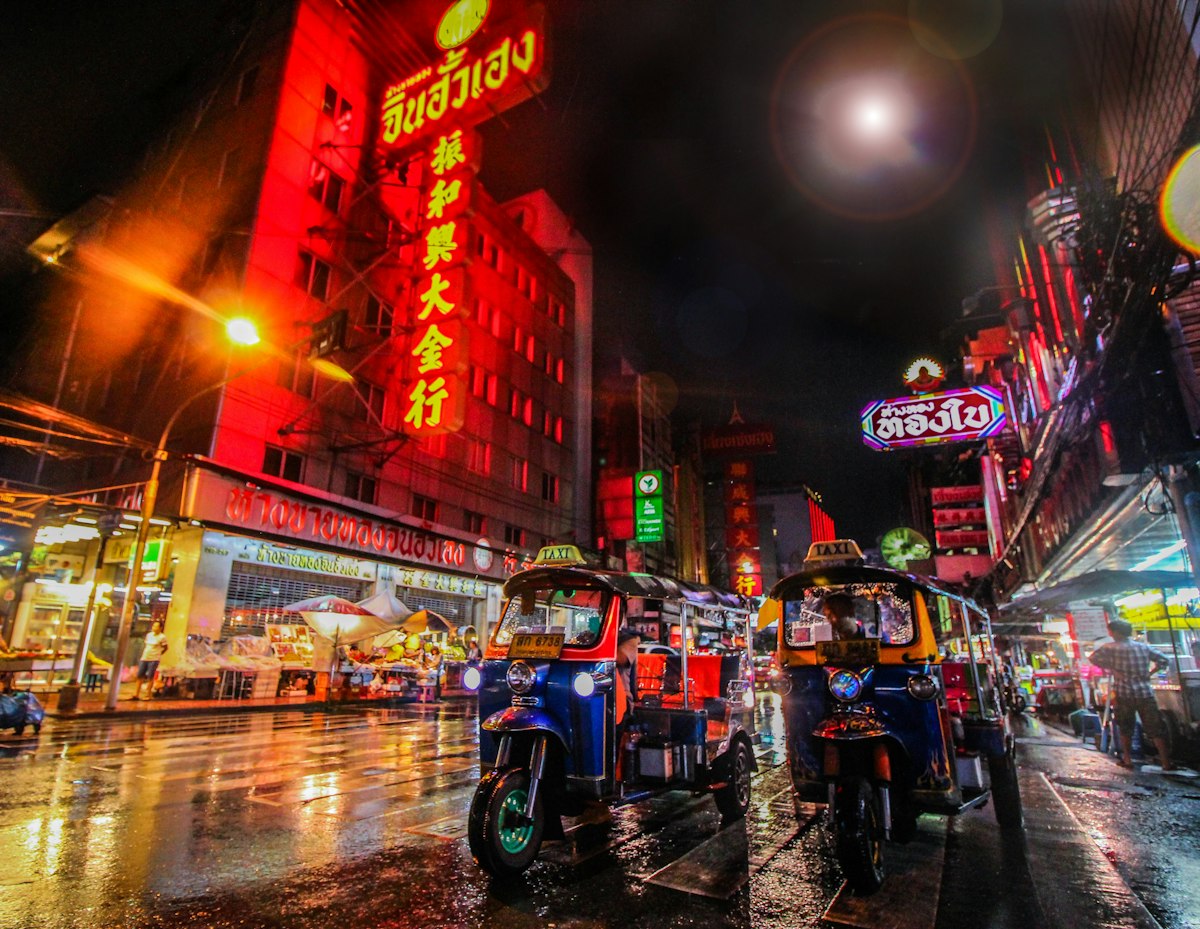
The Bangkok-to-NYC gap is $4,000–$5,300/month — roughly $48,000–$64,000 per year. Even Bangkok vs. Austin saves $2,000–$2,500/month. Chiang Mai vs. Austin? $2,300–$2,900/month ($27,000–$35,000/year).
A family of four in Bangkok (ExpatDen editor John Wolcott) spends roughly $2,190/month total — less than one person's rent in many US cities.
The three categories where Thailand saves you the most: rent (75–90% cheaper), healthcare (80–90% cheaper), and dining out (70–85% cheaper).
Rent: Bangkok, Chiang Mai, Phuket vs. American Cities
Thai rent is where the savings hit hardest. A modern, furnished condo with a pool, gym, and security in Bangkok costs less than a basic studio in most US cities.
1BR apartment comparison (monthly, 2026):
| Location | City center | Outer/connected |
|---|---|---|
| Bangkok (Sukhumvit, Sathorn, Silom) | $400–$700 | $250–$400 |
| Chiang Mai (Old City, Nimman) | $250–$450 | $150–$300 |
| Phuket (Patong, Rawai, Kata) | $450–$750 | $300–$500 |
| Pattaya (Central, Jomtien) | $300–$550 | $200–$350 |
| Hua Hin | $350–$550 | $250–$400 |
| --- | --- | --- |
| New York City | $3,200–$5,000 | $2,000–$3,000 |
| Los Angeles | $2,000–$2,800 | $1,500–$2,200 |
| Austin, TX | $1,600–$2,200 | $1,200–$1,700 |

What makes Thai rentals extraordinary isn't just the price — it's what's included. A $500/month Bangkok condo typically features:
- Fully furnished (bed, sofa, kitchen, appliances)
- Swimming pool, gym, sometimes sauna
- 24/7 security and reception
- Building maintenance
In the US, you'd pay $2,000+ just for the apartment, then add $50–$100/month for gym membership separately.
Chiang Mai is the budget champion. According to SmartLife Thailand, you can get a comfortable furnished studio for $200–$300/month or a spacious 1BR for $300–$450. An anonymous Chiang Mai expat quoted by ExpatDen notes that while costs have risen, $700/month still covers everything for a single person living modestly.
For the full budget breakdown, see our cost of living in Thailand guide.
Food: $2 Pad Thai vs. $15 Lunch Specials
Thailand's street food culture is the single biggest quality-of-life upgrade for Americans. The food isn't just cheap — it's among the best in the world, and it's available 18 hours a day on nearly every street corner.
Food comparison (Numbeo April 2026):
| Item | Thailand | USA | Savings |
|---|---|---|---|
| Street food meal | $1.50–$3 | N/A | — |
| Inexpensive restaurant meal | $3.11 | $20.00 | 84% |
| Mid-range dinner for two | $27.97 | $75.82 | 63% |
| Cappuccino | $2.13 | $5.39 | 60% |
| Draft beer (pint) | $2.18 | $6.00 | 64% |
| McDonald's combo | $7.46 | $12.00 | 38% |
| Rice (1 lb) | $0.61 | $2.08 | 71% |
| Chicken breast (1 lb) | $1.35 | $5.58 | 76% |
| Eggs (dozen) | $2.14 | $4.36 | 51% |
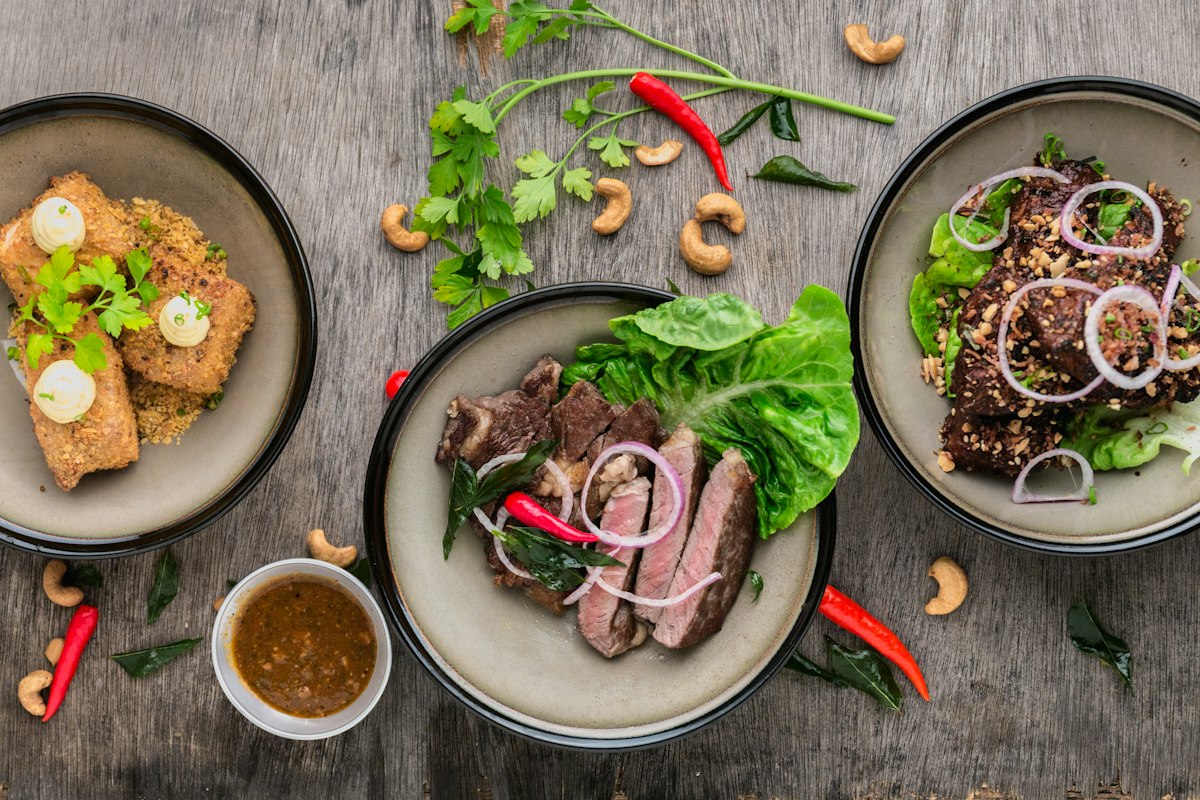
The street food economy operates on a completely different scale than American dining. A plate of pad thai, som tam, or khao pad (fried rice) from a street vendor costs 40–80 baht ($1.10–$2.25). A full dinner at a sit-down restaurant with beer runs $8–$15. Thai food courts in malls serve quality meals for $2–$4.
Monthly food budgets (per ExpatDen verified data):
- Eating mostly street food/local restaurants: $150–$250/month
- Mixed local + some Western restaurants: $250–$400/month
- Western-heavy diet with imported groceries: $400–$600/month
The catch: imported Western products carry steep premiums. A box of cereal costs $10–$14. Imported cheese is $6–$7 per half pound. Craft beer is $4–$6 per bottle. If you eat Thai, you spend Thai prices. If you insist on replicating an American diet, the savings shrink dramatically.
As one r/Thailand regular put it: 'The trick to living cheap in Thailand is to eat Thai. The trick to being miserable in Thailand is to eat American.'

Healthcare: World-Class at Third-World Prices
Thailand is the 3rd most popular medical tourism destination in the world — and for good reason. The combination of quality and price is unmatched.
Cost comparison (verified via Clinics on Call and Bumrungrad International):
| Procedure | Thailand | USA | Savings |
|---|---|---|---|
| Doctor visit (private hospital) | $30–$90 | $200–$400 | 78–85% |
| MRI scan | $190–$300 | $1,500–$2,600 | 85–88% |
| Heart bypass surgery | $10,000–$25,000 | $70,000–$200,000 | 85% |
| Hip replacement | $7,000 | $45,000 | 84% |
| Knee replacement | $8,000 | $50,000 | 84% |
| Dental implant | $1,200–$2,000 | $3,000–$5,000 | 60% |
| Root canal | $200 | $700–$1,500 | 75% |
| Annual health checkup | $230–$535 | $1,000–$3,000 | 77–82% |
| Health insurance (annual) | $400–$1,700 | $6,000–$12,000 | 85–93% |
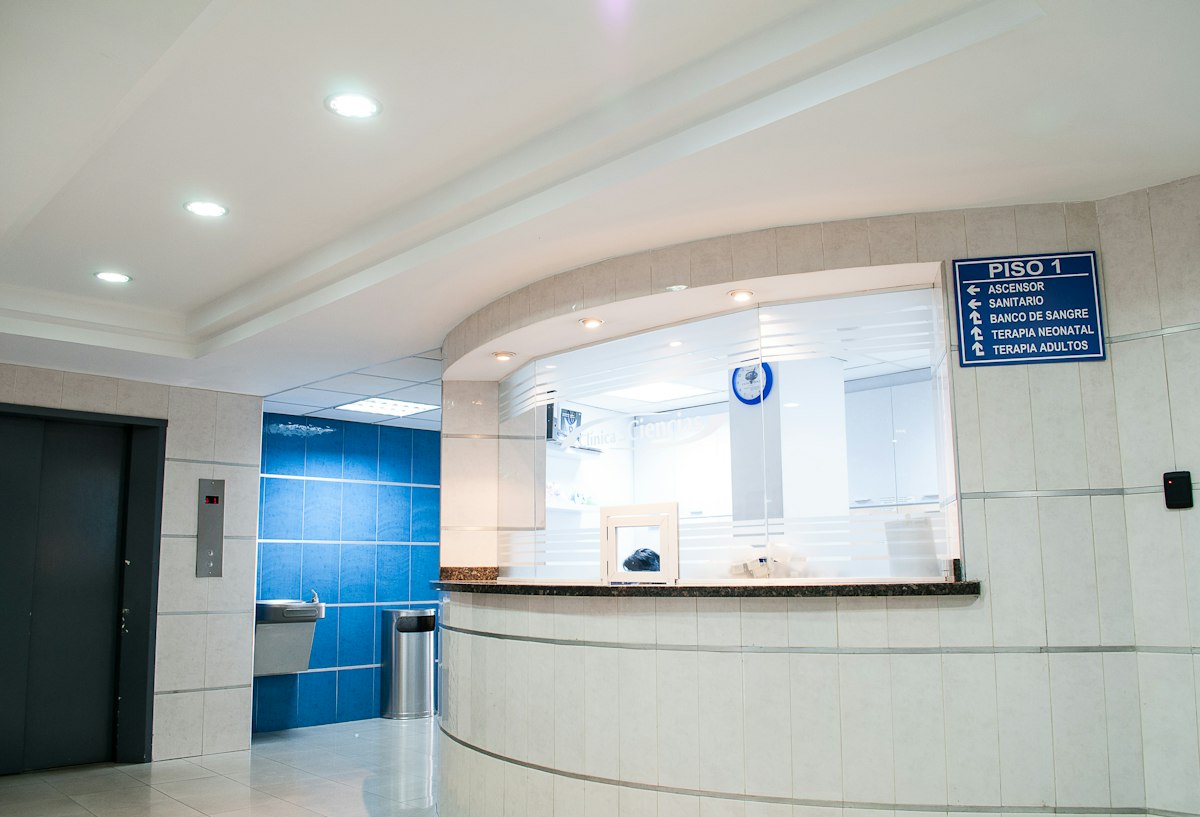
Bumrungrad International Hospital in Bangkok is the gold standard — JCI-accredited since 2002, treating 1.1 million patients annually from 190 countries. The quality rivals or exceeds major US hospitals, and you'll wait hours or days for procedures that take weeks or months to schedule in the US.
Other top-tier hospitals: Bangkok Hospital, Samitivej, BNH. As The Thaiger reports, Thailand's private hospitals consistently rank among Asia's best.
Health insurance for expats: Thai private insurance plans from Luma, Pacific Cross, or AXA Thailand start at $35–$140/month depending on age and coverage level. Many expats on retirement visas pay $800–$1,700/year for comprehensive coverage — roughly what a single month of American health insurance costs.
As International Living notes, a couple's annual health insurance in Thailand costs about $400 — less than one emergency room copay in the US.
Get featured properties in your inbox
A weekly digest of handpicked listings from 20 countries. Free, no spam.
Utilities, Internet, and Transportation
Day-to-day costs in Thailand are consistently 60–80% cheaper than the US across every category.
Utilities (monthly, Numbeo + ExpatDen):
| Category | Thailand | USA | Savings |
|---|---|---|---|
| Electricity (with A/C) | $55–$90 | $120–$200 | 55% |
| Water | $5–$10 | $30–$60 | 83% |
| Internet (300 Mbps fiber) | $17–$25 | $60–$80 | 70% |
| Mobile plan (unlimited data) | $9–$20 | $50–$70 | 75% |
| Total utilities | $83 avg | $213 avg | 61% |
Thailand's internet is excellent — 300 Mbps fiber from AIS, True, or 3BB costs $17–$25/month. Mobile plans with unlimited 5G data are $15–$20/month. Both are faster and cheaper than typical US service.
The A/C caveat: Thailand is hot. If you run air conditioning heavily (most expats do), electricity bills can hit $90–$120/month. But even at the high end, Thai utilities are half of US costs.
Transportation:
| Category | Thailand | USA |
|---|---|---|
| BTS/MRT single ride (Bangkok) | $0.50–$1.50 | NYC subway: $3.00 |
| Monthly transit (BTS+MRT) | $42–$100 | $100–$150 |
| Grab ride (typical) | $2–$7 | Uber $10–$25 |
| Motorbike rental | $70–$140/mo | N/A |
| Taxi flag drop | $1.24 | $3.50 |
Bangkok's BTS Skytrain and MRT subway cover the central business districts efficiently. Grab (Southeast Asia's Uber) is ubiquitous and cheap. In Chiang Mai and smaller cities, many expats rent motorbikes for $70–$140/month or use songthaews (shared red trucks) for $0.30–$0.60 per ride.
Property: What Foreigners Can (and Can't) Buy
Thailand has a critical restriction: foreigners cannot own land. But you can own a condominium freehold, and the prices are extraordinary.
Condo prices (Numbeo + Siam Real Estate):
| Location | Price/sqft (center) | Price/sqft (outer) |
|---|---|---|
| Bangkok | $358 | $193 |
| Chiang Mai | $120–$200 | $80–$150 |
| Phuket | $250–$450 | $150–$300 |
| Pattaya | $100–$250 | $80–$180 |
| --- | --- | --- |
| NYC | $1,200–$2,000 | $600–$900 |
| LA | $600–$900 | $400–$600 |
| US national avg | $316 | $248 |
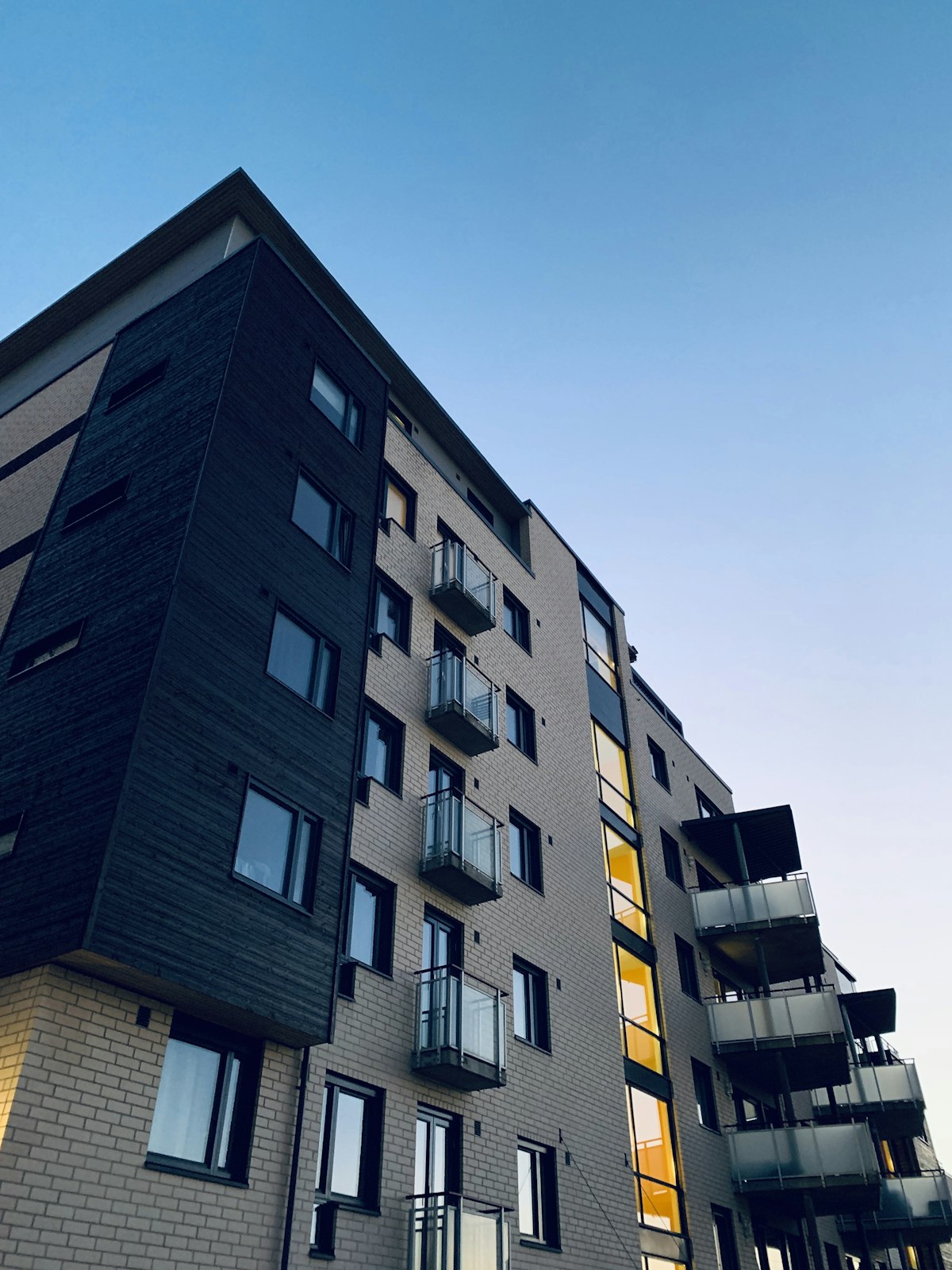
Entry-level foreign-ownership condos start around $70,000–$85,000 in Bangkok. A modern 1BR in a building with pool and gym in Sukhumvit runs $100,000–$200,000 — the price of a down payment in most US cities.
Legal rules for foreigners:
- Condos: Full freehold ownership allowed, within the 49% foreign quota per building
- Houses/villas: Only via 30-year leasehold (renewable but not guaranteed)
- Land: Cannot be owned by foreigners
- Purchase funds: Must be remitted from overseas in foreign currency with FETF certificate from the receiving Thai bank
For the full legal breakdown, see our Thailand foreign ownership guide and due diligence checklist.
Browse real Thai listings on EscapeFromUSA's Thailand page.
Visa Options for Americans in Thailand
Thailand has more visa options than most countries — but none of them are as simple as 'move here and work.' Here are the main paths in 2026:
Retirement Visa (Non-Immigrant O-A): Age 50+. Requires 800,000 THB ($22,000) in a Thai bank account OR proof of 65,000 THB/month income ($1,800). One-year visa, renewable annually. 90-day reporting to immigration required. No work permitted. Details at Thai e-Visa portal.
Thailand Privilege Card (formerly Elite Visa): The easy-money option. Pay 650,000–5,000,000 THB ($18,000–$140,000) for a 5–20 year visa. No age, income, or employment requirements. Includes VIP airport fast-track and concierge services. Info at Thailand Privilege official site.
LTR Visa (Long-Term Resident): Thailand's newest premium visa via the Board of Investment. 10-year visa with work permit. Four categories:
- Wealthy Pensioner: $80,000/year income
- Wealthy Global Citizen: $1M+ assets + $80,000 income
- Work-from-Thailand: $80,000 income + established employer
- Highly-Skilled Professional: $80,000 income in STEM/tech
DTV (Destination Thailand Visa): For digital nomads and remote workers. 5-year visa with 180-day stays (extendable to 360). Requires 500,000 THB ($14,000) in bank. Per Thai Embassy info.
Education Visa: Study Thai language or Muay Thai at an approved institution. 1-year visa, renewable. Budget $2,000–$4,000/year for tuition.
The reality: Thailand's visa system is more complex than European countries, and the 90-day reporting requirement is a persistent hassle. But for Americans willing to navigate the bureaucracy, the combination of low costs and high quality of life is hard to beat.
Read our full moving to Thailand guide for the complete picture.
Quality of Life: Beyond the Budget
Thailand consistently ranks among the top expat destinations globally — not just for cost, but for quality of life.
Climate: Tropical year-round. Bangkok averages 80–95°F with a distinct rainy season (June–October). Chiang Mai's cooler season (November–February) drops to 60–75°F — genuinely pleasant. Phuket and the islands stay warm year-round.
Safety: Thailand is generally safe for expats. Violent crime against foreigners is rare. Petty crime (scams, taxi overcharging) exists but is manageable. The US Embassy Thailand provides safety updates for American citizens.
Infrastructure: Bangkok's BTS, MRT, and airport rail link are modern and efficient. Hospitals are world-class. Internet is fast and cheap. 7-Elevens on every corner handle bill payments, bank transfers, and snack emergencies 24/7.
Community: Thailand has one of the largest, most established expat communities in Asia. Chiang Mai alone has thousands of American and European expats. Bangkok's Sukhumvit area is practically an international district. English is widely spoken in tourist and business areas, though less so outside major cities.
The Thailand Smile: There's an intangible quality to daily life in Thailand — what Thais call the mai pen rai (no worries) attitude. The pace is slower, the interactions are warmer, and the constant stress of American life genuinely fades. As ExpatDen's American expat profiles consistently note: most Americans who move to Thailand don't go back.
Explore things to do in Thailand for a taste of daily expat life.
The Verdict: Thailand vs. USA Bottom Line
Thailand makes financial sense if you:
- Earn income remotely from US clients (US salary + Thai costs = aggressive wealth building)
- Are retired at 50+ with $1,800+/month income (retirement visa)
- Want world-class healthcare at 80–90% below US prices
- Love Southeast Asian food, culture, and tropical climate
- Can handle not owning land (condos and leaseholds work for most)
- Want the most dramatic cost reduction of any popular expat destination
Thailand might NOT work if you:
- Need a straightforward visa path (Thailand's system is complex and requires ongoing management)
- Want to buy a house with land (legally restricted for foreigners)
- Can't handle tropical heat and humidity year-round
- Need frequent US visits (Bangkok–LAX is 17+ hours)
- Struggle with language barriers outside tourist areas
- Want European cultural amenities (museums, architecture, walkable medieval towns)
Bottom-line math for a single remote worker earning $80,000/year:
| USA (Austin) | Thailand (Bangkok) | Annual savings | |
|---|---|---|---|
| Total annual spending | $42,000–$50,000 | $14,000–$22,000 | $20,000–$36,000 |
| US federal tax (after FEIE) | $0–$4,000 | $0–$4,000 | $0 |
| Thai income tax | $0 | $0–$3,000 | –$0–$3,000 |
| Healthcare savings | — | +$4,000–$8,000 | +$4,000–$8,000 |
| Net annual savings | — | — | $24,000–$41,000 |
Over a decade, that's $240,000–$410,000 — enough to buy a Bangkok condo outright several times over, fund an early retirement, or simply stockpile wealth while living in a tropical paradise.
As Rudy, an American expat in northeast Thailand told ExpatDen: he and his partner live comfortably on $840/month total — with home ownership. That's less than one week's rent in Manhattan.
Start browsing real Thai listings on EscapeFromUSA's Thailand page.
Ready to explore?
Browse Destinations