
The Complete Guide to Moving to New Zealand as an American
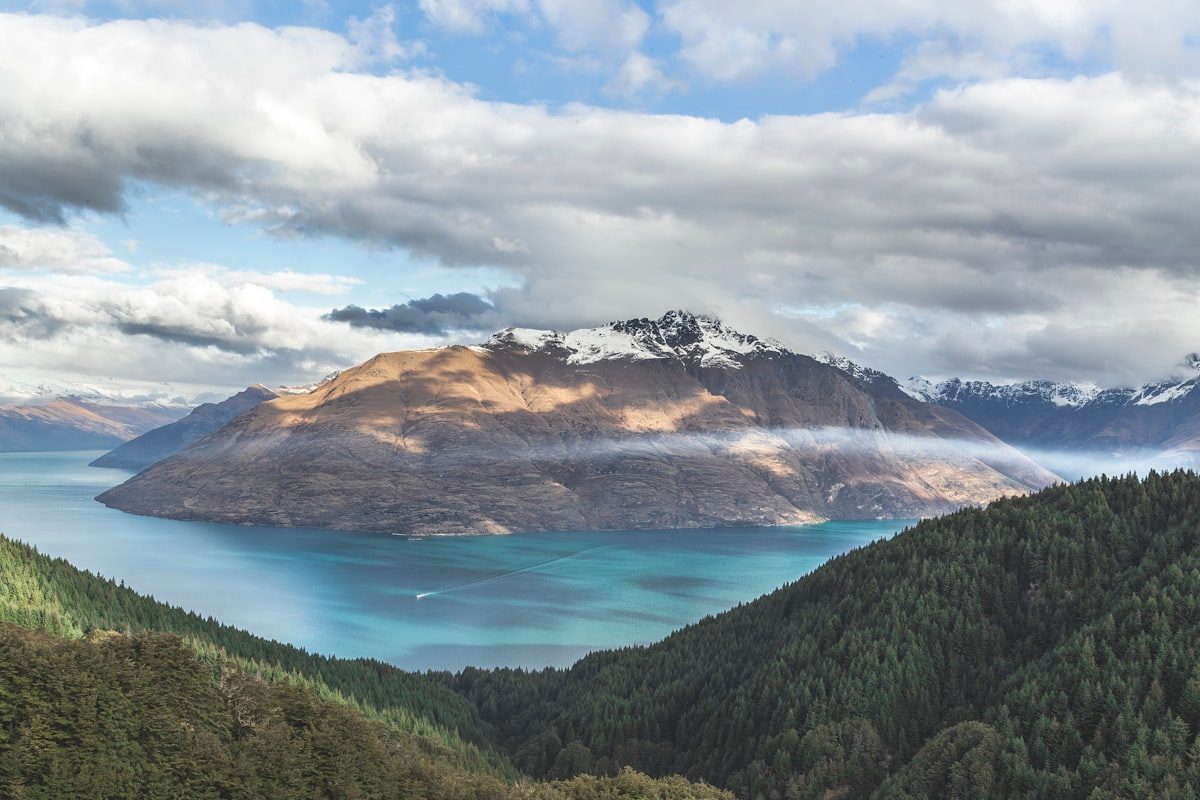
New Zealand is the country Americans romanticize the most and understand the least. Everyone knows the scenery — Lord of the Rings did the marketing work for an entire generation. The mountains, the coast, the impossibly green valleys. What people don't know is what it actually costs to live there, how hard it is to get a visa, or how small the economy really is. New Zealand has a population of 5.2 million. The entire country has fewer people than Houston's metropolitan area.
That smallness is both the appeal and the limitation. New Zealand is safe, clean, uncrowded, and democratic in a way that feels almost aggressively egalitarian. The healthcare works. The schools are good. The work-life balance is real — Kiwis actually leave the office at 5 PM. But the job market is thin, especially outside Auckland. Housing is shockingly expensive for a country with more sheep than people. And the geographic isolation is no joke — the nearest major country (Australia) is a 3-hour flight, and flying home to the US takes 13-17 hours minimum.
Americans move to New Zealand for quality of life, not career advancement. If you're chasing a salary, stay in the US. If you're chasing sanity, clean air, and the ability to drive 30 minutes from any city and be in genuine wilderness — keep reading. For how NZ stacks up against 19 other destinations, see our top 20 countries overview.
EscapeFromUSA may earn a commission from links on this page, at no extra cost to you. We only recommend services we'd use ourselves.
Visas: Points, Skills, and the Residency Queue
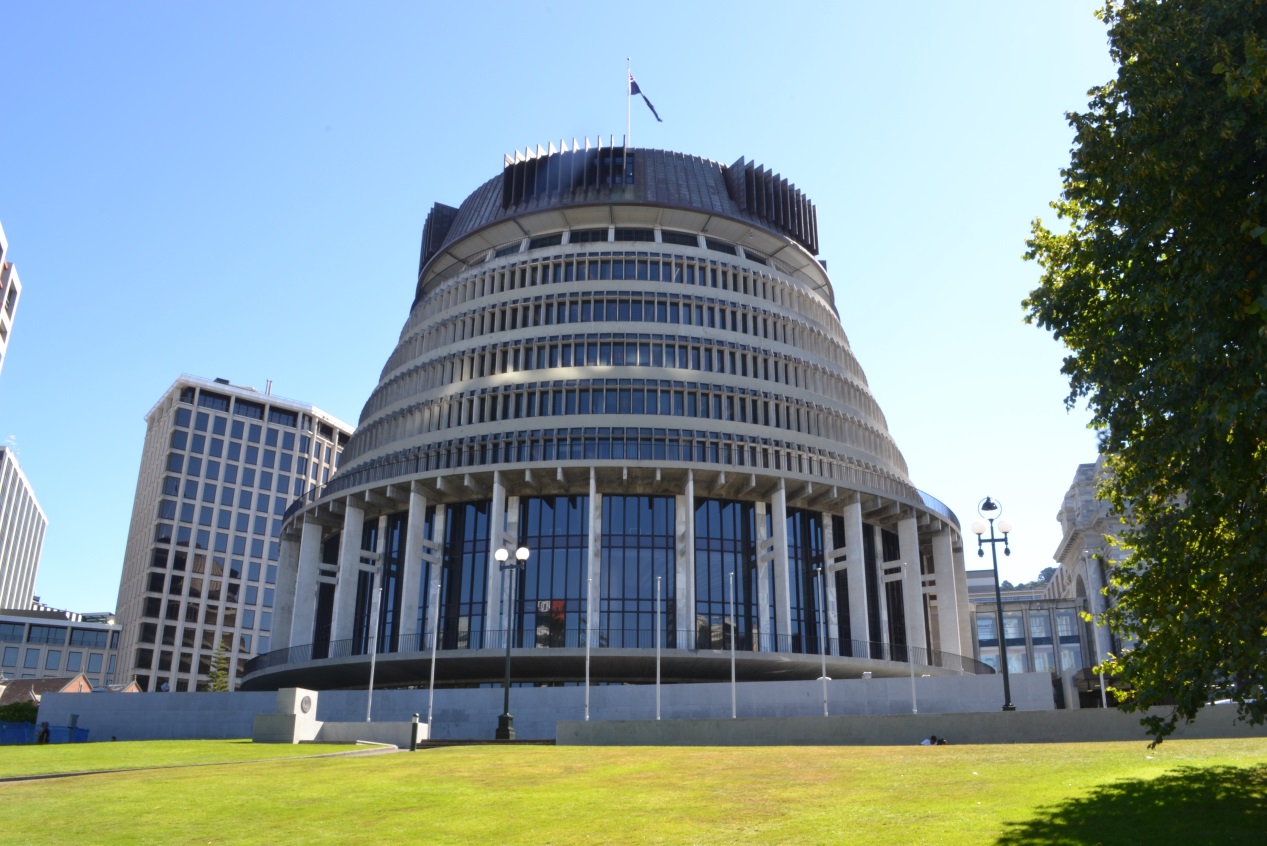
New Zealand's immigration system is points-based and skills-focused. The government publishes explicit lists of what skills the country needs, and your visa prospects are directly tied to whether you have them. This isn't a country where you can buy residency with a bank deposit — you need to be useful to the economy.
Official information: Immigration New Zealand. The US Embassy Wellington handles American Citizens Services. Community resources: r/newzealand and r/ImmigrationNewZealand are active forums with visa processing timelines and expat advice. International Living's New Zealand page covers the lifestyle angle.
Visitor Visa Americans can enter New Zealand visa-free for up to 90 days in any 12-month period via the NZeTA (New Zealand Electronic Travel Authority). Fee: $17 NZD (app) or $23 NZD (online). Plus an International Visitor Conservation and Tourism Levy (IVL) of $35 NZD. You cannot work on a visitor visa.
Accredited Employer Work Visa (AEWV) This is the primary work visa since the 2022 immigration overhaul. Three stages:
- Employer accreditation: Your employer must be accredited by Immigration New Zealand
- Job check: Employer demonstrates they've tried to hire a New Zealander first and the role pays at or above the median wage ($31.61 NZD/hour, approximately $19 USD/hour)
- Worker application: You apply with your job offer, qualifications, health check, and police certificate
- Processing time: 1-4 months total
- Fee: $750 NZD (~$460 USD)
- Valid for up to 5 years
Roles on the Green List (critical shortage occupations) get fast-tracked. Green List includes: engineers, IT professionals, healthcare workers, trades (electricians, plumbers, builders), scientists, and teachers.
Skilled Migrant Category (SMC) — Residence Visa The main pathway to permanent residency. Uses a points system with a minimum of 6 points (simplified in 2023). Points from:
- Skilled employment: 6 points for a job earning 1.5x the median wage ($47.42 NZD/hour / ~$29 USD/hour)
- Qualification: 6 points for a master's or doctorate from NZ
- NZ work experience: 6 points for 2+ years of skilled work at median wage or above
Processing: 6-12 months. Fee: $4,890 NZD (~$3,000 USD) per person.

Green List Straight to Residence About 85 designated occupations qualify for residence immediately upon arrival with an AEWV. Includes doctors, nurses, software engineers, civil engineers, electricians, and more. This is the fastest path to NZ residency.
Working Holiday Visa Ages 18-30. Valid 12 months. Full-time work allowed. Fee: $455 NZD (~$280 USD). Maximum 1,000 visas/year for Americans — they sell out. Apply early.
Parent Retirement Resident Visa For parents of NZ citizens/residents. Requires $1 million NZD (~$615,000 USD) invested in NZ for 4 years, $500,000 NZD in maintenance funds, and $60,000 NZD annual income. Expensive but it exists.
Active Investor Plus Visa Invest $5-15 million NZD ($3-9 million USD) in NZ businesses or managed funds over 4 years. Genuine investor immigration.
No retirement visa: New Zealand does not have a simple retirement visa like Thailand or the Philippines. You can't show a bank balance and get a long-term visa. Your realistic options: get a job (AEWV/SMC path), invest millions, or have NZ family sponsor you. This is the single biggest barrier for American retirees.
Permanent Residency vs. Residence: NZ has a two-step system. First: Resident Visa (live and work, with time-in-NZ requirements). After 2 years: Permanent Resident Visa, which never expires and has no travel conditions. You can leave NZ for decades and return freely — one of the strongest PR statuses in the world. For more on working abroad, see our digital nomad visas guide.
Banking: Kiwi Accounts and the EFTPOS Nation
.jpg)
New Zealand's banking system is straightforward and well-regulated. Opening an account is easier than in most countries, and the system is modern enough that you'll rarely need a branch.
Opening a bank account: Several NZ banks let you start the process before you arrive. Open remotely with your passport, proof of address, and visa approval. Complete verification at a branch after arrival.
Major banks:
- ANZ New Zealand: Largest bank. Most branches and ATMs. Good app. Best for newcomers.
- ASB: Excellent digital banking. Popular in Auckland.
- Westpac NZ: Second-largest. Comprehensive services.
- BNZ (Bank of New Zealand): Good business banking. Competitive home loan rates.
- Kiwibank: Government-owned (via NZ Post). Fewer fees, smaller network. Many Kiwis use it to support NZ-owned banking.
What you'll need:
- Passport
- Proof of NZ address
- IRD number (apply online at ird.govt.nz, 1-2 weeks processing)
- Visa proof
- No minimum deposit at most banks
Moving money: Wise is the best option for USD-to-NZD transfers at 0.5-1% cost. NZ banks charge $10-30 NZD for incoming wires. The NZD fluctuates between $0.55 and $0.70 USD — this volatility matters if you earn in USD. Read our foreign currency risk guide.

KiwiSaver: NZ's retirement savings scheme. Employed residents are automatically enrolled. You contribute 3-10% of gross salary, employer adds minimum 3%, government adds up to $521 NZD/year. Can withdraw for your first home (after 3 years) or at age 65. If you leave NZ permanently, you can withdraw your contributions (government portion goes back).
EFTPOS: NZ runs on electronic payments. Virtually every business accepts contactless tap-and-go. Cash is increasingly unnecessary — NZ is one of the most cashless societies in the world.
Tax: NZ income tax: 10.5% ($0-14K NZD), 17.5% ($14K-48K), 30% ($48K-70K), 33% ($70K-180K), 39% (over $180K). No capital gains tax on most assets (but the "brightline test" taxes property sold within 2 years). No state/local income taxes. 15% GST on almost everything.
US citizens still file US taxes worldwide. The US-NZ tax treaty prevents double taxation, and the FEIE excludes up to $126,500 of earned income.
Healthcare: ACC, Public System, and No Medical Bankruptcies
New Zealand's healthcare is built on two pillars: a publicly funded health system and the ACC (Accident Compensation Corporation) — one of the most unique insurance schemes in the world. Together, they mean medical bankruptcy essentially doesn't exist here.
ACC — Accident Compensation Corporation: ACC covers everyone in New Zealand — citizens, residents, even tourists — for any injury caused by an accident. Falls, car crashes, sports injuries, workplace injuries. If it's an accident, ACC pays:
- All treatment costs (doctor visits, surgery, rehab, prescriptions)
- Weekly compensation at 80% of pre-injury earnings if you can't work
- Lump-sum payments for permanent impairment
- Home and vehicle modifications if needed
The trade-off: because ACC exists, you cannot sue for personal injury in New Zealand. The right to sue was exchanged for universal no-fault coverage.
Public healthcare:
- GP visits: Subsidized, not free for adults. $30-65 NZD ($18-40 USD) out of pocket. Children under 13: free.
- Public hospital treatment: Free — emergency, surgery, specialist appointments, maternity, mental health. Wait times are the trade-off: non-urgent surgery can mean 4-12 months.
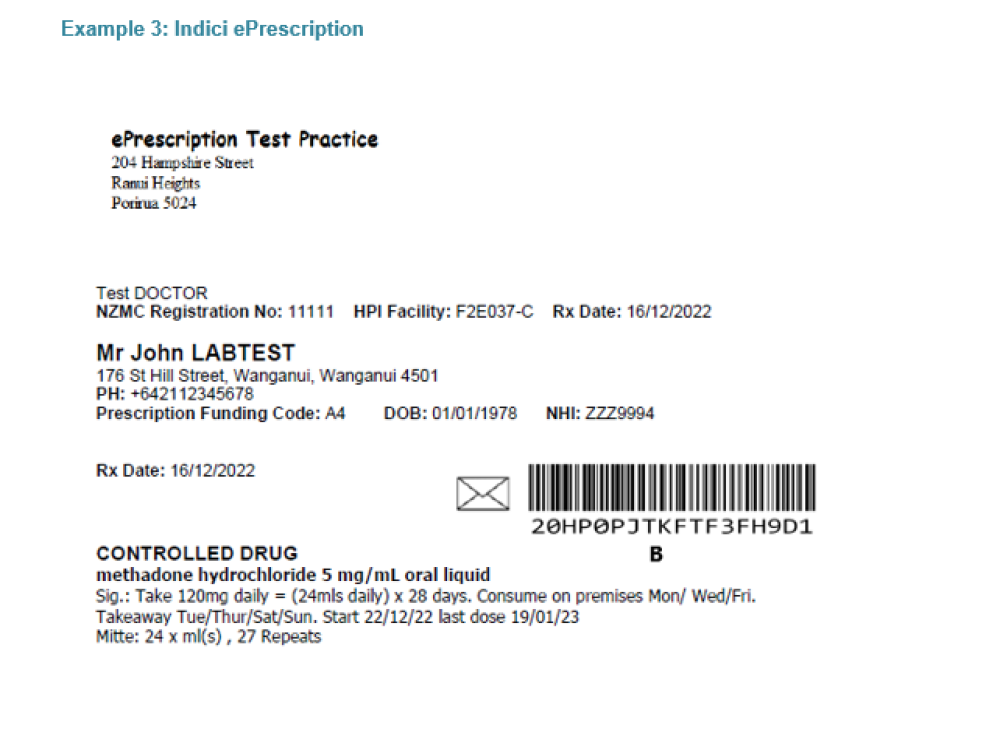
- Prescriptions: Maximum $5 NZD ($3 USD) per item for most funded medications.
- Maternity: Fully covered, including midwife throughout pregnancy and 6 weeks postpartum.
- Mental health: Publicly available but waits of 6-12 weeks for non-urgent counseling.
Private insurance: About 30% of Kiwis carry private health insurance to skip wait times. Major insurers:
- Southern Cross: Dominant NZ insurer. $50-200 NZD/month ($30-125 USD) depending on age/coverage.
- nib: Australian-owned, competitive plans.
International plans from Cigna or Allianz: $200-500 NZD/month with global coverage, including emergency evacuation to Australia. See our health insurance abroad guide. Numbeo's New Zealand healthcare data has quality and cost benchmarks.
Dental: Adult dental is not covered publicly (except emergency). Checkup and cleaning: $150-250 NZD ($90-155 USD). Crowns: $800-1,500 NZD. NZ dental costs are high — roughly comparable to the US. Children's dental is free to age 18.
The honest assessment: NZ healthcare is excellent in emergencies and for serious illness. ACC is extraordinary. Weaknesses: GP visits aren't free (just not expensive), non-urgent wait times frustrate people, and dental is a significant cost. Compared to the US, vastly cheaper and more equitable. The US spends 18% of GDP on healthcare; NZ spends 10% and lives longer.

Where to Live: Three Cities and a Lot of Countryside
New Zealand has exactly three cities of significant size, and even the biggest (Auckland) would be a medium-sized US city. You pick a region based on lifestyle, climate, and job availability.
Auckland Population: 1.7 million (one-third of NZ). The only real city in the international sense. Most jobs, most immigrants, most diversity, most traffic. Built across an isthmus between two harbors on 53 extinct volcanoes.

- Central (CBD, Ponsonby, Grey Lynn, Parnell): 1BR: $350-550 NZD/week ($910-1,430 USD/month). Walkable, urban. Grey Lynn and Ponsonby are the hip neighborhoods.
- North Shore (Takapuna, Devonport): 1BR: $300-480 NZD/week ($780-1,250/month). Beach suburbs, family-oriented.
- South/West (Manukau, Henderson): 1BR: $250-380 NZD/week ($650-990/month). Affordable, diverse.
Pros: Best job market, international airport, diverse food scene, island day trips (Waiheke, Rangitoto). Cons: Expensive housing (median house: ~$1M NZD / $615K USD), traffic, sprawl. Many Kiwis say it "doesn't feel like NZ."

Wellington Population: 215,000 (metro 420,000). The capital — compact, walkable, culturally rich, and perpetually windy.

- Central (Te Aro, Cuba Street, Mt Victoria): 1BR: $300-500 NZD/week ($780-1,300/month). Walk to everything.
- Suburbs (Karori, Island Bay): 1BR: $250-400 NZD/week ($650-1,040/month).
Pros: Walkable, creative, great coffee, government and tech jobs, vibrant arts. Cons: The wind (one of the windiest cities on earth). Earthquake risk. Limited housing stock.
Christchurch Population: 390,000. South Island's largest city, still rebuilding after 2010-2011 earthquakes. Modern city with innovative architecture.

- Central/Merivale: 1BR: $250-400 NZD/week ($650-1,040/month).
- Suburbs: 1BR: $200-350 NZD/week ($520-910/month).
Pros: Most affordable main city. Gateway to skiing (1-2 hours), hiking, Kaikoura whale watching. Growing tech scene. Cons: Smaller job market. Earthquake risk remains.
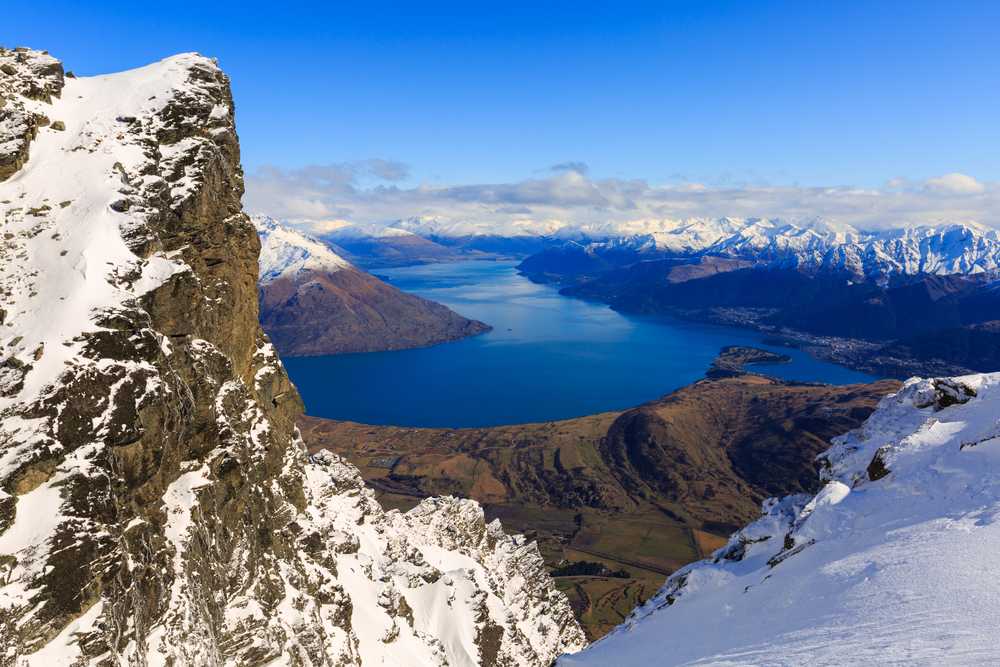
Queenstown/Wanaka Adventure tourism capital. Stunning scenery, world-class skiing.

- 1BR: $350-550 NZD/week ($910-1,430/month) — expensive due to tourism demand.
- Seasonal economy, limited non-tourism employment.
Regional towns:
- Tauranga/Mount Maunganui: Beach city, growing fast, popular with retirees.
- Nelson: Sunniest city in NZ. Art community, wine region.
- Dunedin: University town, Scottish heritage, affordable, penguins and albatrosses.
Get the New Zealand move checklist
- Pick your visa route
- Price a real month of living
- Shortlist two or three cities
- Set a purchase budget
- Sort your US paperwork
Safety: About As Good As It Gets

New Zealand is one of the safest countries in the world. The Global Peace Index consistently ranks it top 5. Gun violence is near-zero following strict reforms after the 2019 Christchurch attacks. Police are generally unarmed.
The numbers:
- Homicide rate: 0.7 per 100,000 — comparable to Japan. The US rate is ~6.
- Violent crime against foreigners is exceptionally rare.
What you need to know:
-
Property crime. NZ has a relatively high rate of burglary and vehicle break-ins compared to other safe countries. Don't leave valuables in cars. Lock your house.
-
Road safety. NZ roads are narrow, winding, and often unsealed outside cities. Driving on the left catches Americans out. Fatality rate: 6.2 per 100,000 — higher than UK or Australia. If you're new to left-hand driving, take it slow.
-
Natural hazards. This is where the real risks live:
- Earthquakes: NZ sits on the Pacific Ring of Fire. The 2010-2011 Canterbury quakes killed 185 people. Wellington is high-risk. Keep an emergency kit.
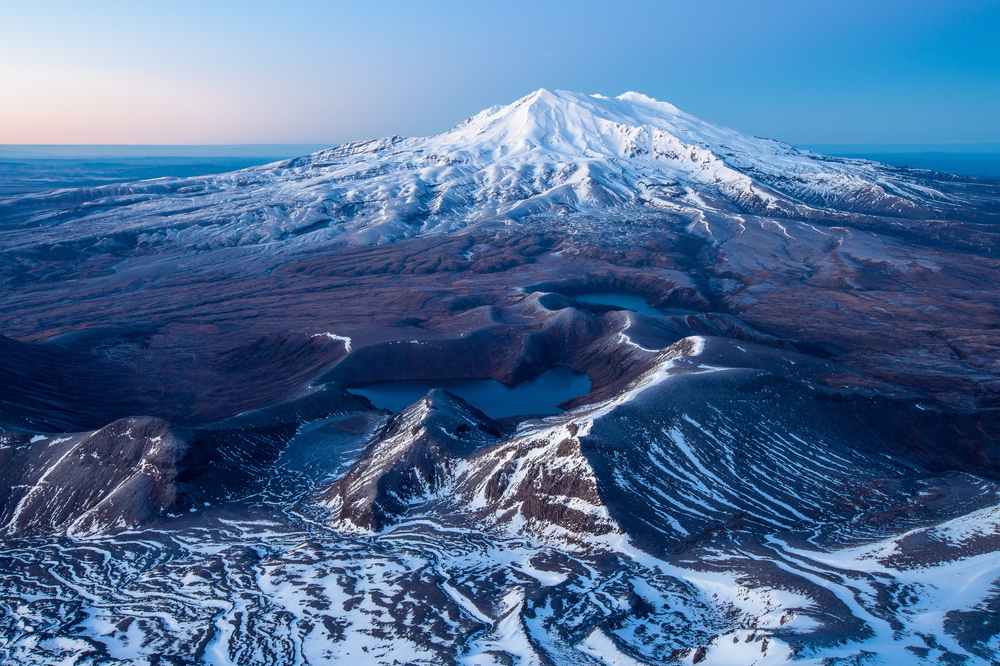
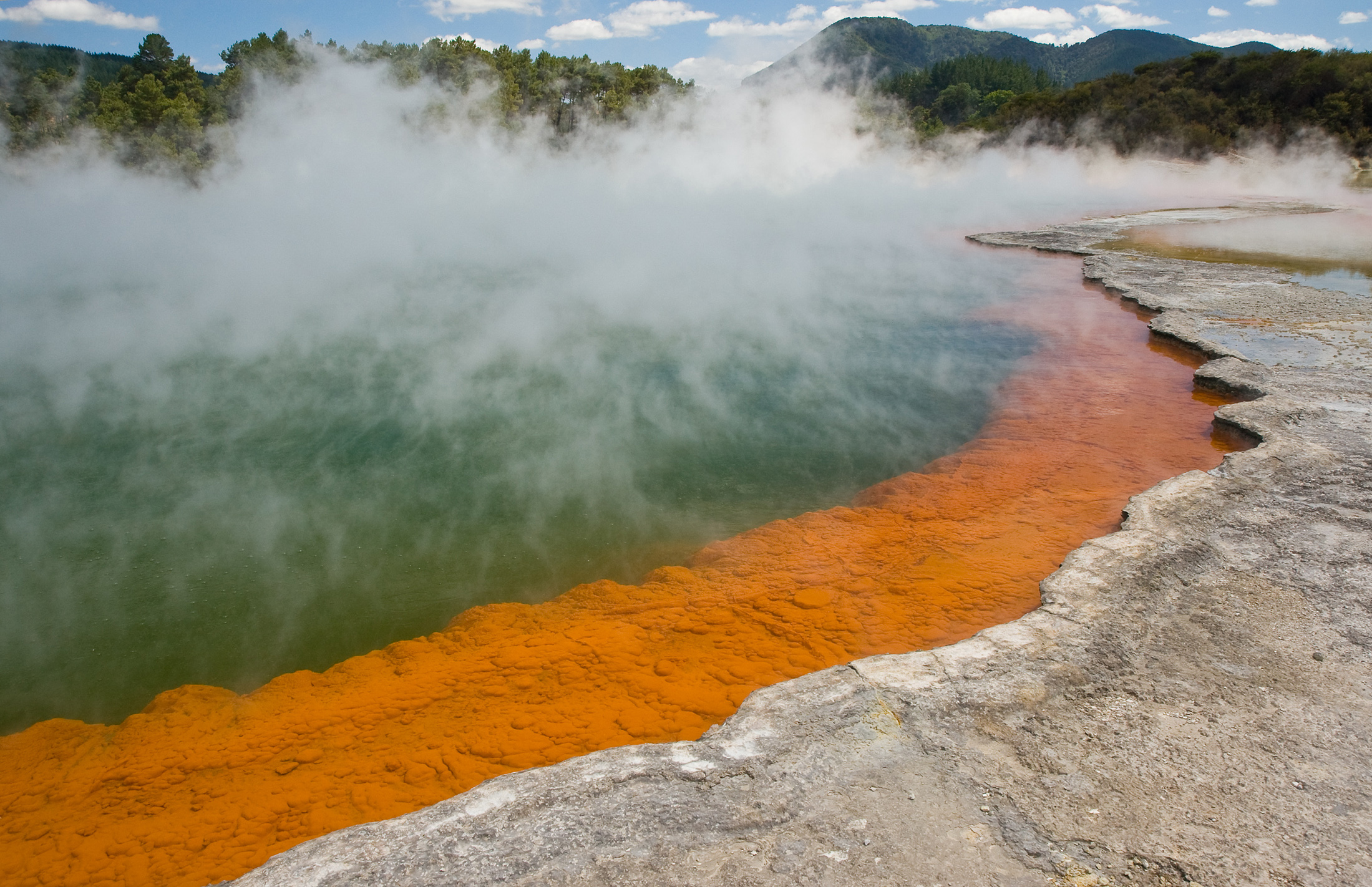
- Volcanic activity: Active volcanoes exist. The 2019 Whakaari eruption killed 22 tourists. Auckland is built on a volcanic field (dormant, not extinct).
- Flooding: Increasing in frequency. The January 2023 Auckland flooding was record-breaking.
- UV radiation: NZ is under the ozone hole. UV levels are 40% higher than equivalent Northern Hemisphere latitudes. Sunburn happens fast — wear sunscreen daily, even winter.
-
Swimming. NZ beaches have strong riptides. Drowning is a leading cause of accidental death. Swim between the flags.
Drugs: Cannabis is illegal (2020 legalization referendum failed 50.7% to 48.4%). Personal use penalties are mild (fine or diversion). NZ has a meth problem in some communities but it rarely affects foreigners.
The bottom line: NZ is extraordinarily safe from crime. Your real risks are earthquakes, UV, and driving. Coming from the US, the absence of gun violence and the general sense of public safety is one of the most striking improvements.
Cost of Living: Not the Bargain You're Hoping For

Here's the thing nobody tells you: New Zealand is expensive. Not Thailand-expensive — it's genuinely, uncomfortably expensive for a country its size. Housing costs rival many US cities. Groceries are high because the country is isolated. The savings come from healthcare, education, and things you stop paying for (security systems, health insurance premiums, tipping).
Budget Living ($2,200-3,200 USD/month) — Christchurch or smaller city
- Rent (1BR, decent area): $600-900
- Utilities (electricity is expensive; NZ homes are cold in winter): $80-150
- Groceries (Pak'nSave — the budget supermarket): $250-400
- Eating out (limited — NZ dining is pricey): $100-200
- Transportation (used car + fuel + insurance): $150-250
- Phone (Skinny, Warehouse Mobile): $15-25
- Internet (fiber, 100+ Mbps): $50-70
- Healthcare (GP visits + prescriptions): $30-60
- Miscellaneous: $100-150
This is tight by NZ standards. A café lunch costs $15-22 NZD ($9-14 USD), so eating out adds up fast.
Comfortable Living ($3,500-5,000 USD/month) — Auckland or Wellington
- Rent (1BR, good neighborhood): $900-1,300
- Utilities: $100-180
- Groceries (New World, some imports): $350-500
- Eating out (regular café lunches, weekend dinners): $300-500
- Transportation (car or transit + occasional Uber): $200-350
- Phone (Spark, Vodafone): $30-50
- Internet: $50-70
- Healthcare (GP + Southern Cross insurance): $80-180
- Entertainment/weekend trips: $200-400
Roughly equivalent to $5,000-7,000/month in a mid-tier US city when factoring in healthcare savings and no tipping.
Luxury Living ($6,500-9,000 USD/month)
- Rent (3BR house or premium 2BR): $2,000-3,500
- Premium dining and wine: $600-1,000
- Car: $400-600
- Private school: $800-1,500/month
- Weekend getaways (Waiheke, Queenstown, skiing): $500-800
Expensive: Housing (Auckland median: ~$1M NZD), groceries (30-50% more than US), dining ($20-30 NZD for a basic meal), petrol ($2.80-3.20 NZD/liter = ~$6.50-7.40 USD/gallon), electronics.

Cheap (or free): Healthcare, education (public schools are excellent and free), outdoor recreation (national parks, beaches), domestic produce (great meat, dairy, fruit). No tipping saves a constant 15-20%. See cheapest cities abroad for a global comparison. Numbeo's New Zealand cost of living tracks current prices. r/newzealand has active monthly cost discussions. For property research, Trade Me Property is New Zealand's dominant real estate portal, and realestate.co.nz is the industry listing site. TripAdvisor's New Zealand forum covers newcomer questions.
Buying Property: Expensive, Restricted, but Possible
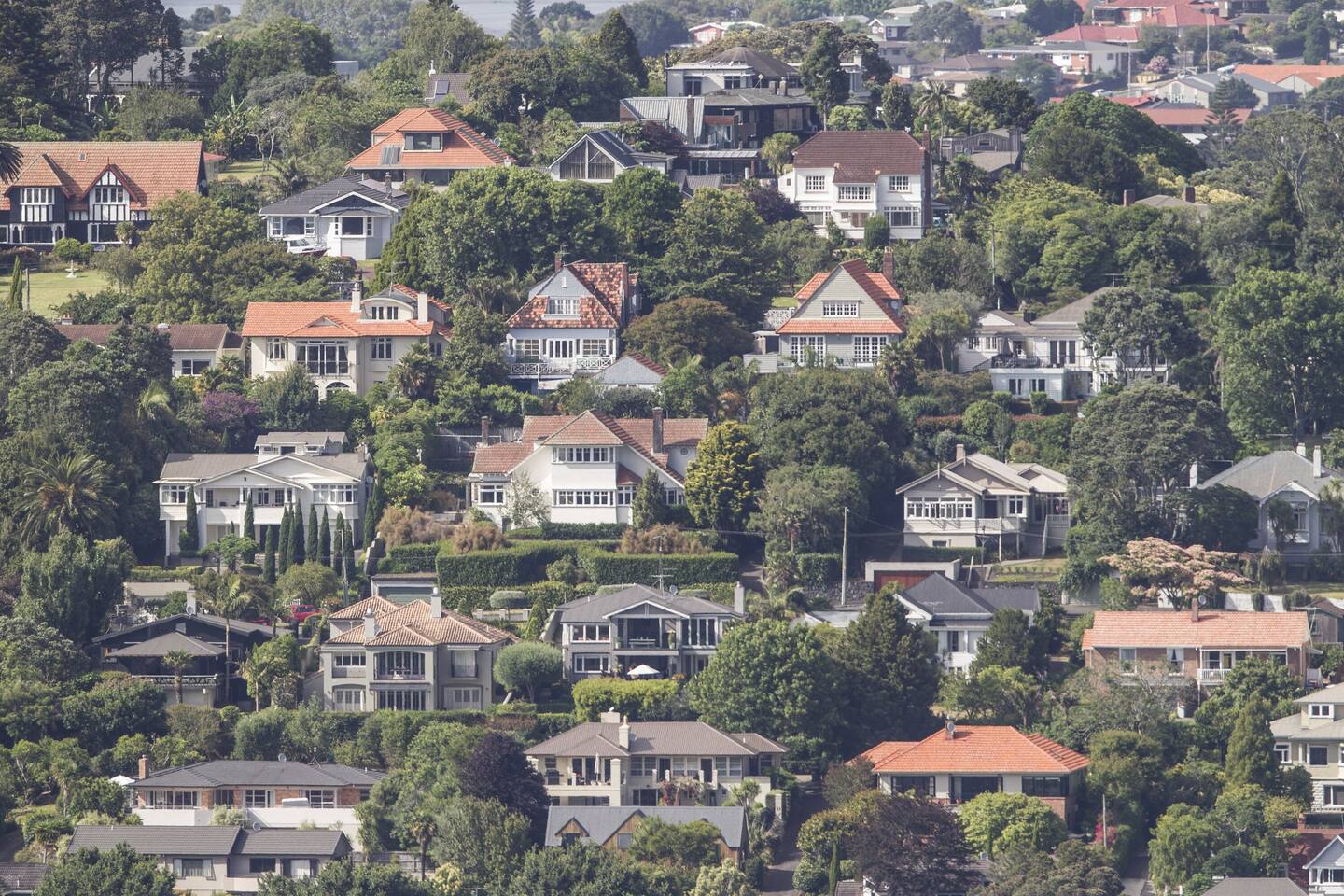
New Zealand tightened foreign ownership rules in 2018 with the Overseas Investment Amendment Act. Rules depend on residency status.
Who can buy what:
- NZ citizens and permanent residents: Any property, no restrictions.
- Resident visa holders (not yet PR): Can buy to live in (not invest). Must intend to reside.
- Non-residents (Americans without NZ residency): Generally cannot buy existing residential property. Exceptions:
- New apartments in large developments (20+ units)
- Land to build on (with Overseas Investment Office approval)
- Commercial property
The 2018 law targeted foreign speculation driving up prices. Get residency first if you plan to buy. See our property buying rules guide for global comparisons.
Buying process (for residents):
- Mortgage pre-approval (residents may need 20-30% deposit vs 10-20% for citizens)
- Property search — sales via negotiation, tender, or auction. Auctions are unconditional — get inspections done before bidding.
- Due diligence: LIM report ($200-400 NZD), building inspection ($400-800 NZD), title search ($20 NZD)
- Offer/auction
- Settlement: 20-30 working days after agreement goes unconditional
Closing costs:
- Lawyer/conveyancer: $1,500-3,000 NZD ($920-1,850 USD)
- Building inspection: $400-800 NZD
- LIM report: $200-400 NZD
- No stamp duty or transfer tax (a significant NZ advantage)
- Total: ~$2,500-4,500 NZD ($1,500-2,800 USD) — very low internationally
Property prices (2025-2026):
- Auckland (median house): $1,000,000 NZD (~$615,000 USD)
- Auckland (1BR apartment): $450,000-650,000 NZD ($275,000-400,000 USD)
- Wellington (median house): $800,000 NZD (~$490,000 USD)
- Christchurch (median house): $600,000 NZD (~$370,000 USD)
- Regional: $500,000-750,000 NZD ($310,000-460,000 USD)
- Queenstown: $1,200,000+ NZD (tourism premium)
See median home prices by country for global context.

Brightline test: Sell within 2 years of purchase, and profits are taxed as income. Hold longer: no capital gains tax (with exceptions for intent-to-sell).
Mortgages: NZ rates (2025-2026): 5.5-7% for 1-2 year fixed terms. Unlike US 30-year fixed mortgages, NZ mortgages refix every 1-3 years — much more interest rate exposure.
Practical Stuff: Isolation, Weather, Driving, and the Kiwi Way
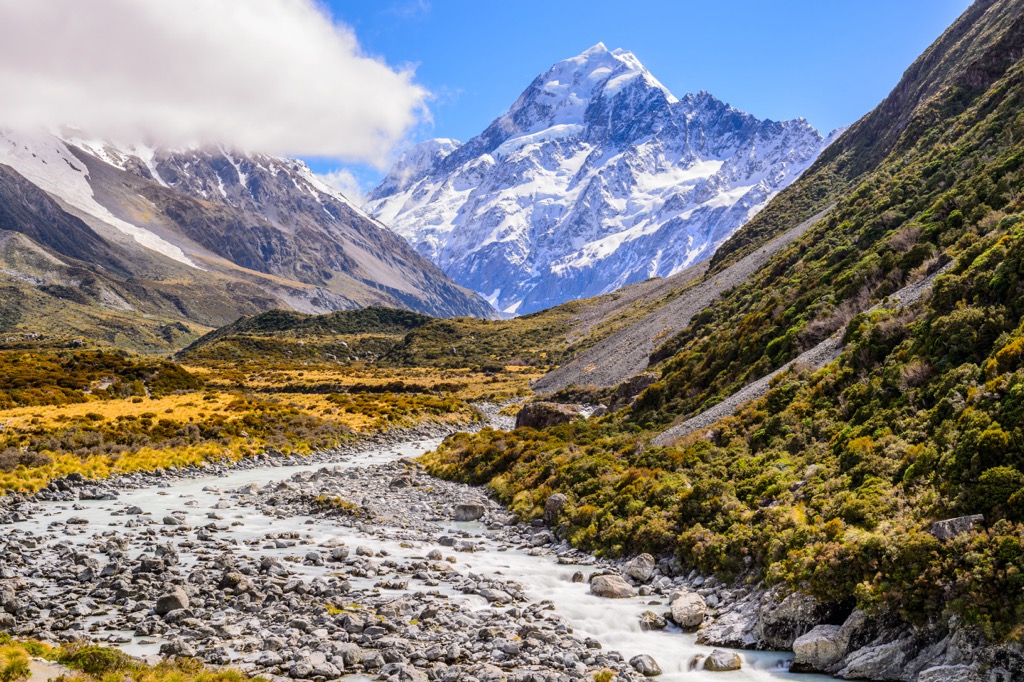
The isolation reality: This trips up Americans the most. Auckland to LA: 13 hours. Auckland to Sydney: 3 hours. There are no short-haul flights to other countries. Flying home for holidays: $1,500-3,000 USD per person, 24+ hours travel. The isolation is great for mental health but tough on family relationships. Americans with aging parents feel this acutely.

Weather:
- Auckland/Northland: Subtropical. Warm summers (75-85°F), mild winters (50-60°F). Rain year-round.
- Wellington: Cool, windy year-round. Summer 65-75°F, winter 45-55°F.
- Christchurch: Four seasons. Hot summers (85°F+), frosty winters (30-45°F).
- West Coast: Incredibly wet — 5,000-8,000mm of rain/year.
- Queenstown/Central Otago: Continental. Hot summers, snowy winters.
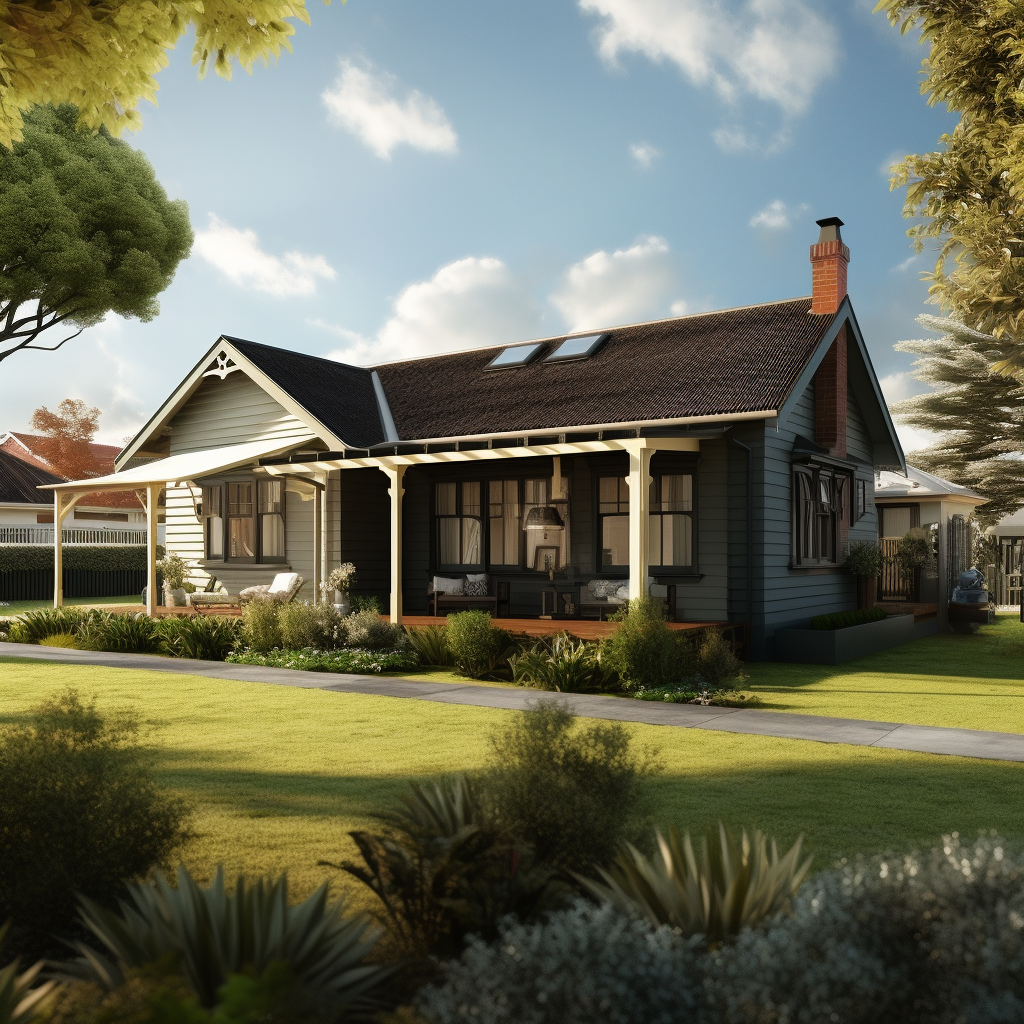
NZ homes are famously poorly insulated. Older homes can be damp, cold, and moldy in winter. Ask about insulation, double glazing, and heat pumps when renting.
:max_bytes(150000):strip_icc()/winding-road-leading-to-mount-cook-village--canterbury--south-island--new-zealand-760156021-bd19dfccc2de4ad7a0eb803b50626751.jpg)
Driving: Drives on the left. US license valid for 12 months, then convert (written + possibly practical test). NZ roads outside cities are narrow, winding, often gravel. Speed limit: 100 km/h open roads, 50 km/h towns. You'll need a car outside Auckland/Wellington. Used cars: $5,000-15,000 NZD ($3,000-9,200 USD) — mostly Japanese imports. WOF (annual safety check): $50-70 NZD. Petrol: ~$6.50-7.40 USD/gallon.
Internet: Fiber covers 87% of NZ. $80-100 NZD/month ($50-62 USD) for 100-300 Mbps. Reliable in cities, patchy in remote areas.
Phones: Spark, Vodafone NZ, 2degrees. Prepaid: $20-40 NZD/month ($12-25 USD). Good urban coverage.
Language: English is primary. Te reo Maori is the other official language with growing everyday use. You'll hear Maori daily — "kia ora" (hello), "Aotearoa" (New Zealand). Learning basics shows cultural respect.
Kiwi slang: "sweet as" (great), "she'll be right" (it'll be fine), "chur" (thanks), "jandals" (flip-flops), "bach" (beach house, pronounced "batch"). You'll adapt fast.
Shipping: 20-foot container from US West Coast to Auckland: $3,500-5,500 USD. NZ charges 15% GST on imports over $1,000 NZD. Biosecurity is strict — wooden furniture, outdoor gear, and food must be declared. Clean hiking boots before packing.
Pets: Importing pets is expensive and slow: microchip + rabies vaccination + blood titer test + 180-day wait + USDA health certificate + 10 days quarantine in Auckland. Total: $3,000-6,000 per pet. NZ is rabies-free and the process is non-negotiable.

What Kiwi life is actually like: Kiwis are friendly but reserved. Relationships build slowly. The culture values humility — bragging gets you nowhere ("tall poppy syndrome"). Work-life balance is real. Weekends are for outdoors. There's a DIY mentality ("number 8 wire" — fix things with what you've got).
The adjustment: Weeks 1-4, honeymoon. Months 2-6, frustration — expensive, small job market, you miss Target and Mexican food. Months 6-12, acceptance. Year 2+, you start saying "sweet as" without irony.
Check Lonely Planet's New Zealand guide for destination planning once you arrive. r/newzealand has a dedicated wiki for newcomers. Before you go, work through our checklist for Americans moving abroad, and if retirement is in the picture, understand how Social Security works overseas.
One more thing to set up before you fly: a VPN. US banks, brokerages, and streaming services routinely flag or block logins from IP addresses in New Zealand, and re-verifying your identity from abroad is a headache you don't want. NordVPN is the standard pick among expats — it keeps Netflix, your US bank, and IRS e-filing working like you never left.
Ready to explore?
Browse Destinations