
Things to Do in France: The Ultimate Travel Guide for 2026
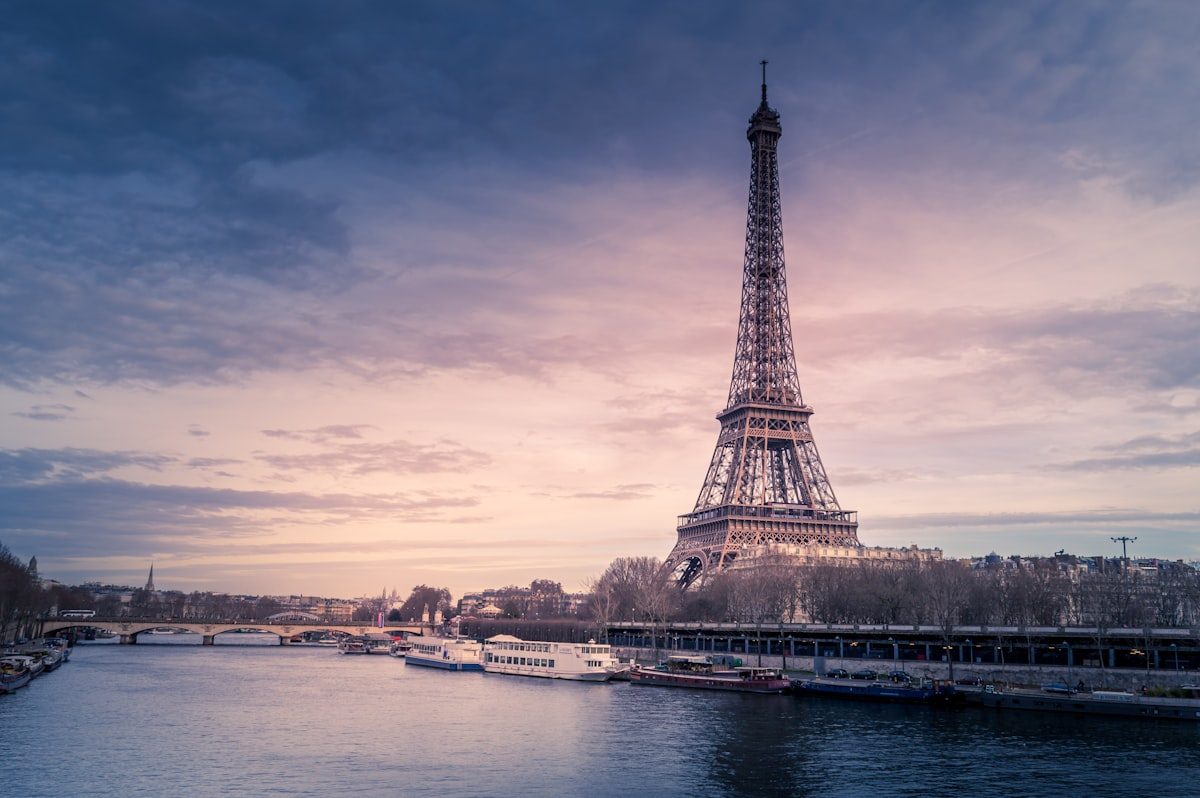
France is the world's most visited country — 90 million tourists per year. Official tourism resources: France.fr (Atout France's official tourism portal) has regional guides and itineraries. r/paris and r/travel have active France threads. Lonely Planet France provides destination depth. TripAdvisor's France attractions has reviews and booking options. — which creates a particular challenge: separating the France that exists from the France that has been packaged for consumption. The Louvre has lines that stretch an hour on a quiet day. The Eiffel Tower costs €31 to ascend and the top deck view is essentially the same as the €18 view from the second floor. The caricature of French indifference to tourists has some basis in reality when those tourists arrive in waves at famous sites and assume the world should speak English.
But France is also genuinely extraordinary when you get off the tourist conveyor belt. The covered markets of Lyon's Presqu'île — considered the finest in Europe — are packed with locals arguing about cheese at 8am on a Saturday. The villages of the Dordogne valley look like they were airlifted from the 14th century. The Burgundy vineyards in October, when the Pinot Noir harvest is in, smell like the best version of autumn.

The Camargue wetlands in the Rhône delta have flamingos, white horses, and black bulls living wild, an hour from the beach resorts of the Languedoc.
This guide is built around France as it actually is — not the postcard, but the country.
Paris: The Neighborhoods Parisians Actually Use
Paris is organized into 20 arrondissements (districts) spiraling clockwise from the center. Tourist Paris — the 1st through 8th arrondissements covering the Louvre, Champs-Élysées, Notre Dame, and the main landmarks — is real and contains genuinely important things, but it's not where Paris lives. The city that Parisians use daily is the 10th, 11th, 18th, 19th, and 20th arrondissements, and the gentrifying fringes beyond.
Le Marais (3rd and 4th arr.): The medieval Jewish quarter that survived Haussmann's 19th-century city planning because Napoleon III ran out of money. Cobblestone streets, Renaissance townhouses (hôtels particuliers), the magnificent Place des Vosges (the oldest planned square in Paris, built 1612 — Victor Hugo lived at No. 6, now a free museum). Rue de Bretagne has the Marché des Enfants Rouges, the oldest covered market in Paris (1628), open Tuesday-Sunday, excellent North African and Japanese food stalls (lunch from €10-15). On Sunday mornings, the Marais feels like a village.


Canal Saint-Martin (10th arr.): The iron footbridges and leafy canal banks of the 10th have been the most fashionable neighborhood in Paris for a decade — which means it's getting expensive but remains genuinely pleasant. The canal itself is beautiful, lined with plane trees. Rue de la Marseille has good bistros; the Hôtel du Nord (fictionalized in Marcel Carné's 1938 film) is now a bar with an excellent terrace. Chez Prune on the canal bank is the outdoor café that defined the neighborhood's identity; it's still good.

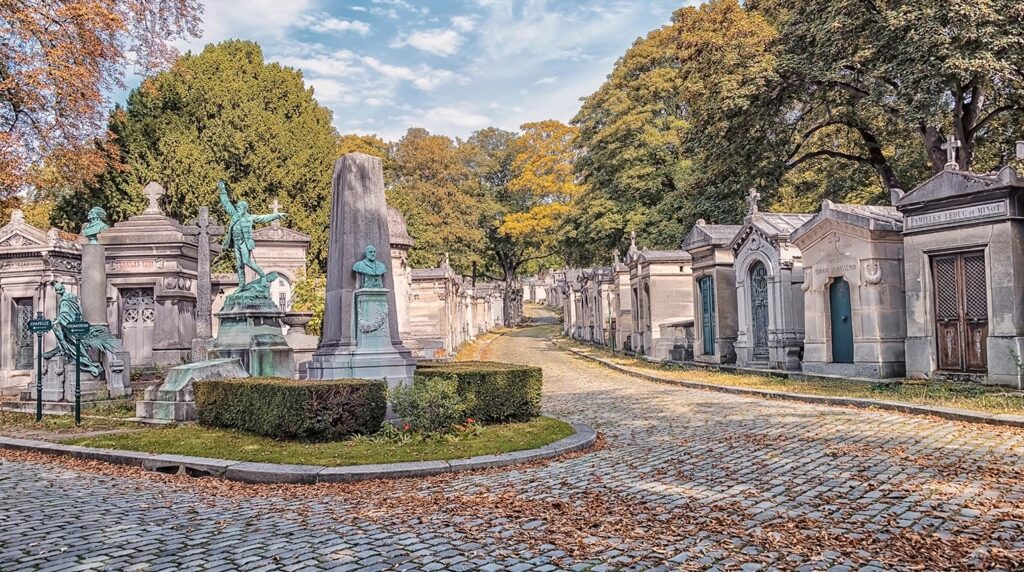
Belleville and Ménilmontant (20th arr.): The multicultural northeast, where Paris's Chinese, North African, and West African communities have produced one of the most interesting food and market scenes in the city. The Marché de Belleville (Tuesday and Friday mornings) is enormous, cheap, and absolutely not aimed at tourists — it's where households shop. Rue de Belleville has excellent Chinese-Vietnamese restaurants (look for the places with Chinese-only menus, where mains cost €8-11). The neighborhood has views across Paris from the hillside that rival Montmartre's without the tourists. Père Lachaise cemetery, the largest in Paris, is the resting place of Jim Morrison, Oscar Wilde, Edith Piaf, Molière, and Chopin — a genuinely beautiful park as much as a cemetery.

Montmartre (18th arr.): Yes, it's touristy. But the Butte de Montmartre — the hill above the Sacré-Coeur basilica — still has remnants of the village that once existed here. The Place du Tertre artists' square is relentlessly commercial, but one block away the streets are quiet and residential. The Musée de Montmartre (€15) in the house where Renoir and Utrillo had studios has excellent exhibitions and a garden with a vine that still produces Pinot Noir for Montmartre's annual harvest festival. The best view of Paris that's actually free: the steps in front of Sacré-Coeur at dawn, before the tour groups arrive.

Eating in Paris without ruining your budget: Paris has a tourist-trap problem — brasseries near the Eiffel Tower charging €22 for a Croque Monsieur — but it also has extraordinary affordable eating if you know where to look. The formule lunch (a prix-fixe of starter + main or main + dessert) at a proper bistro costs €14-17 and is one of the world's great food deals. Look for restaurants with handwritten menus on a blackboard posted outside — this indicates the menu changes with what's available rather than a pre-printed tourist standard.
Specific recommendations: Septime in the 11th (Michelin-starred, book 6 weeks ahead, worth the challenge, tasting menu €90-110). Le Baratin in Belleville (neighborhood wine bar and bistro, exceptional French home cooking, €30-40 for two with wine, no reservations taken on weekdays). Frenchie Bar à Vins on Rue du Nil in the 2nd (natural wine, small plates, €40-60 for two). For casual: any boulangerie with a lunchtime queue — a ham-and-butter baguette sandwich (jambon-beurre) costs €4-5 and is one of the world's great sandwiches.
Provence: Lavender, Markets, and the Roman South
Provence is the France of the imagination — lavender fields, terracotta tiles, plane trees shading a pétanque court, rosé wine at noon, and a pace of life that seems specifically designed to make northern Europeans and Americans question their life choices. The reality is mostly accurate, though the lavender only blooms in July and the best markets close by 1pm.

The lavender: The main lavender-growing areas are the Valensole Plateau (near Manosque, 1.5 hours northeast of Marseille) and the Sault region in the Vaucluse. Peak bloom is mid-June through late July, depending on the year and altitude. The best photographs happen at dawn or dusk, when the light is low and tour buses haven't yet arrived. The Abbey of Sénanque (near Gordes) — a Cistercian monastery founded in 1148, surrounded by lavender fields — is the most photographed lavender image in the world, but it requires specific timing and patience.

The markets: Provence's Tuesday through Sunday rotation of market days means that in summer, a different village is market day every day of the week. The main ones: Aix-en-Provence (Tuesday, Thursday, Saturday — the Cours Mirabeau market is the best, particularly for cheese, olives, and tapenade), Apt (Saturday — the best market in the Luberon for local produce), L'Isle-sur-la-Sorgue (Sunday — antiques and brocante as well as food, enormous and excellent). Markets typically run 7am-1pm. Arrive early for the best produce; arrive at 12:30 for bargains on perishables.

The Luberon: The north slope of the Luberon massif has the most famous villages: Gordes (perched on white limestone, genuinely dramatic, also extremely expensive and tourist-heavy), Roussillon (the ochre village — the surrounding earth is 17 different shades of orange and red, used to produce ochre pigments since the 17th century), Bonnieux, and Ménerbes (where Peter Mayle wrote A Year in Provence, now occupied by his literary estate and extremely knowing about its own mythology).

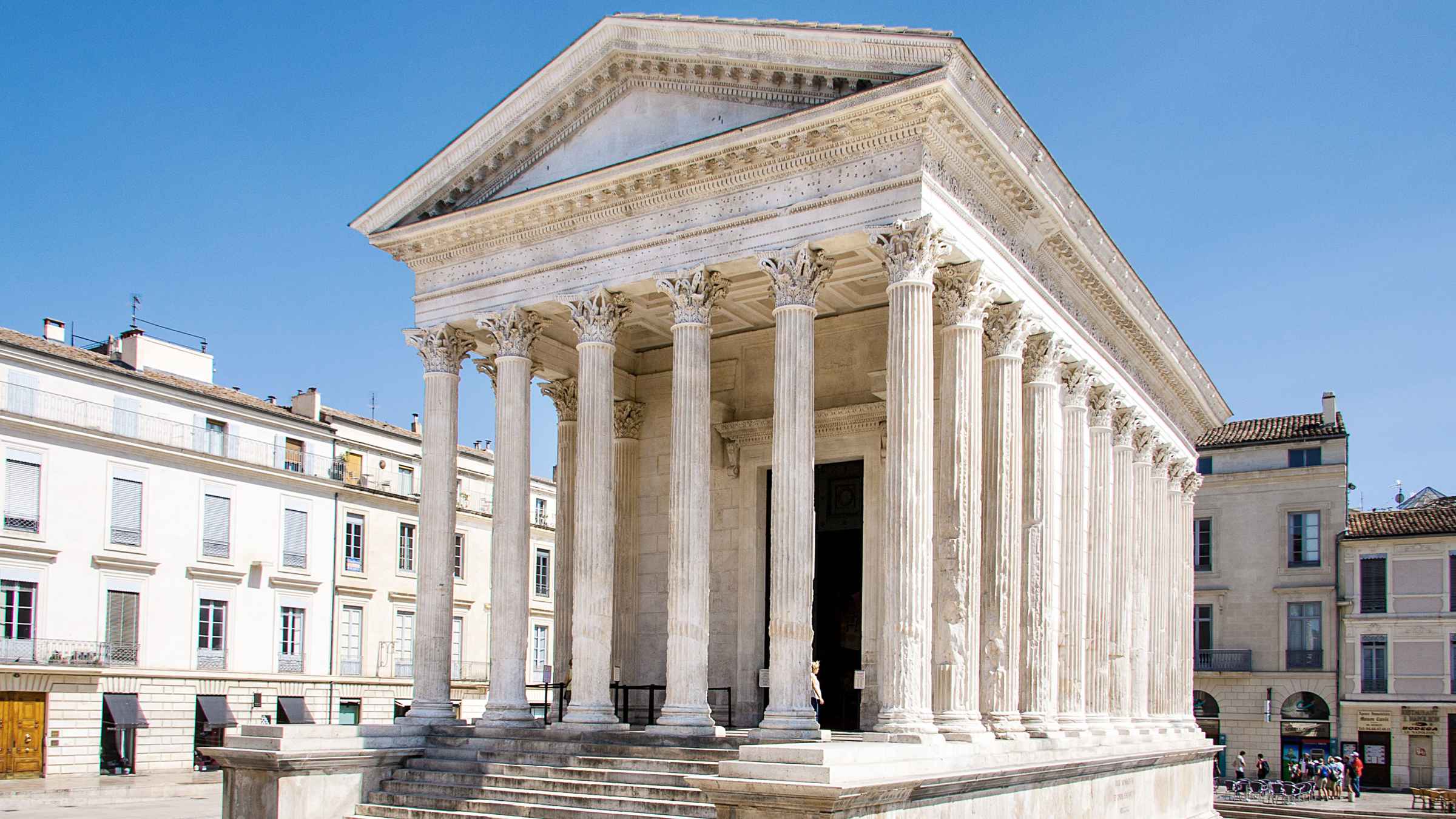
Roman Provence: The Romans built more extensively here than almost anywhere else in their empire outside Italy. The Pont du Gard (45 minutes west of Avignon) — a three-tiered aqueduct bridge 49 meters high, built without mortar, still structurally perfect after 2,000 years — is perhaps the most impressive surviving Roman structure in the world. Entry €9. The Arènes d'Arles in the city of Arles are a 20,000-seat Roman amphitheater still used for bullfighting (controversial) and concerts. The Maison Carrée in Nîmes is the best-preserved Roman temple anywhere — Thomas Jefferson used it as the model for the Virginia State Capitol.

Aix-en-Provence and the Cézanne trail: Aix was Cézanne's hometown and obsession — he painted Mont Sainte-Victoire (the distinctive mountain visible from the city) over 60 times.

His studio on the northern edge of the city (Atelier Cézanne, €7.50 entry, open daily) is preserved exactly as he left it in 1906, still-life objects in the positions he painted them. The Jas de Bouffan estate where he grew up has been open for guided tours since 2020.
The French Riviera: Beyond St. Tropez and the Yacht Scene
The French Riviera (Côte d'Azur) runs from Cassis in the west through Marseille, Toulon, Hyères, St. Tropez, Cannes, Antibes, Nice, and Monaco to the Italian border at Menton.

It is simultaneously one of the world's most glamorous and most democratically accessible coastlines — a €2 bus can get you from Nice to a beach that would cost €500/night to stay next to.
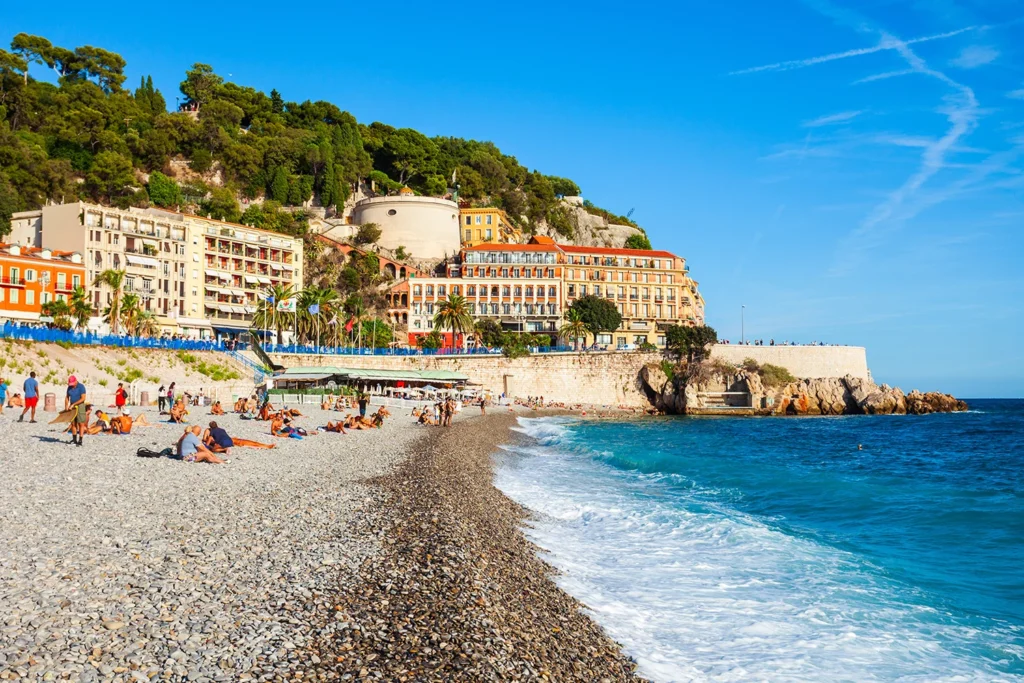
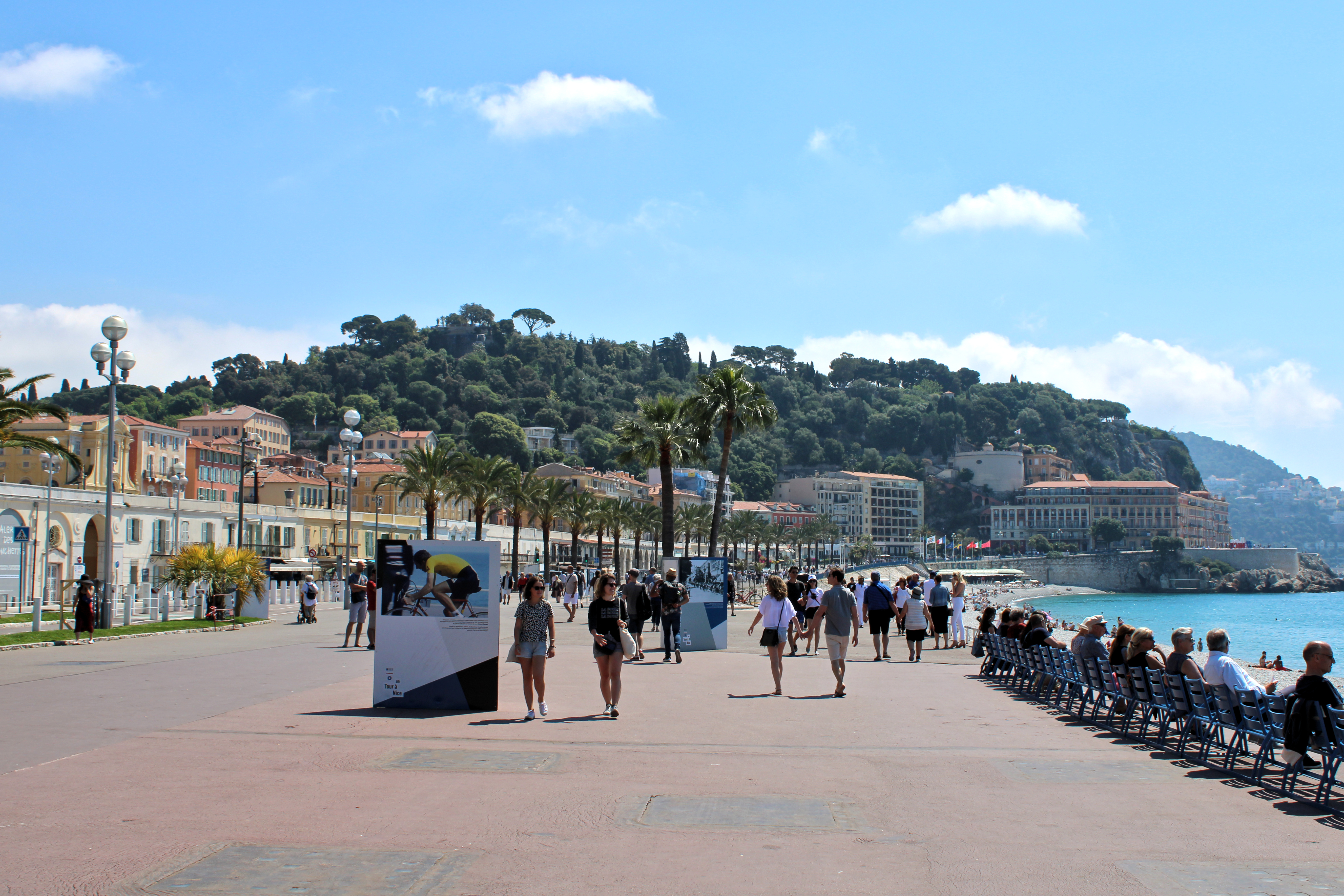
Nice: The regional capital, with 350,000 residents, a proper Baroque old town (Vieux-Nice), and a 7km public beach that is technically pebbles rather than sand but is genuinely pleasant for swimming from May-October.
The Cours Saleya market (Tuesday-Sunday morning, closed Monday which is flower market day) is the defining Nice experience — flowers, fruit, vegetables, olives, socca (a thick chickpea flour pancake that is Niçois street food, €3.50 from the vendors on the market edge). The Musée Matisse (free permanent collection) has the world's best Matisse collection — he lived and died in Nice. The Musée Marc Chagall (€10) has a permanent display of the 17 large-format paintings of the Biblical Message series in a purpose-built space. Both are in the Cimiez neighborhood on the hill above the city.


Cap d'Antibes and Juan-les-Pins: The peninsula between Antibes and Cannes is where Gatsby-esque wealth lives (Villa Eilenroc, the Hôtel du Cap-Eden-Roc).
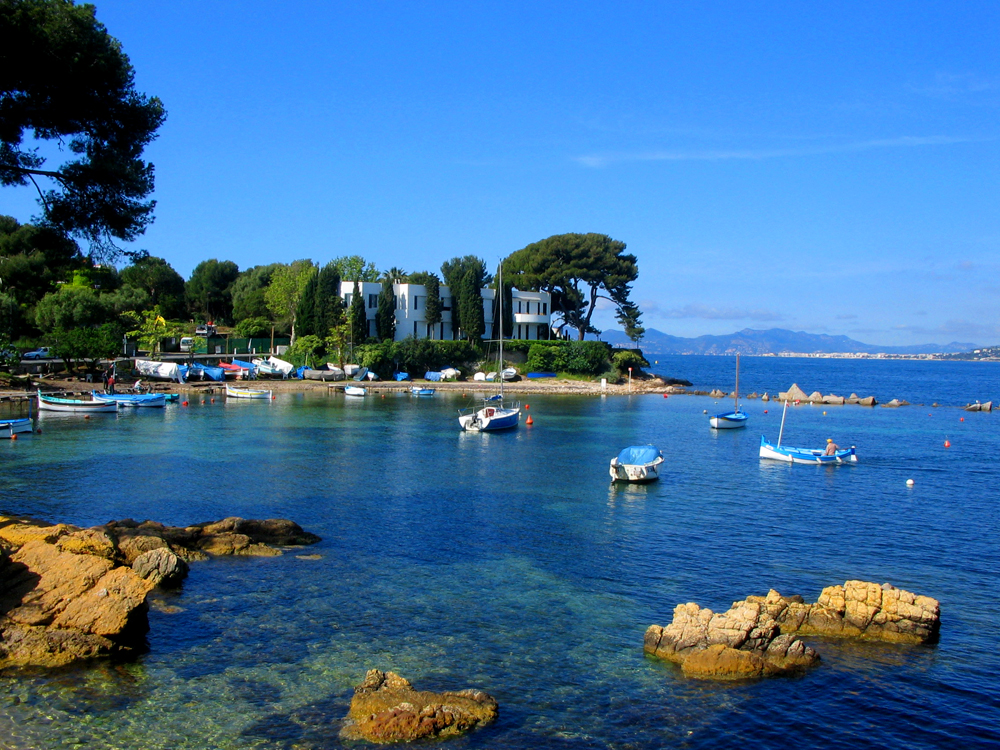
But the Cap Gros coastal path (sentier du littoral) runs 5km around the tip of the cape, past private villas and through garrigue scrubland, with swimming spots accessible by scrambling down rocks — free, glorious in early June before the crowds arrive.
The Calanques: The limestone inlets (calanques) between Marseille and Cassis are some of the most dramatic coastal scenery in France — 100m white limestone cliffs dropping to turquoise water. The Calanque de Sugiton (2-hour hike from Luminy bus terminus), the Calanque d'En-Vau (accessible by kayak or long hike), and the Calanque de Port-Pin are the most spectacular.
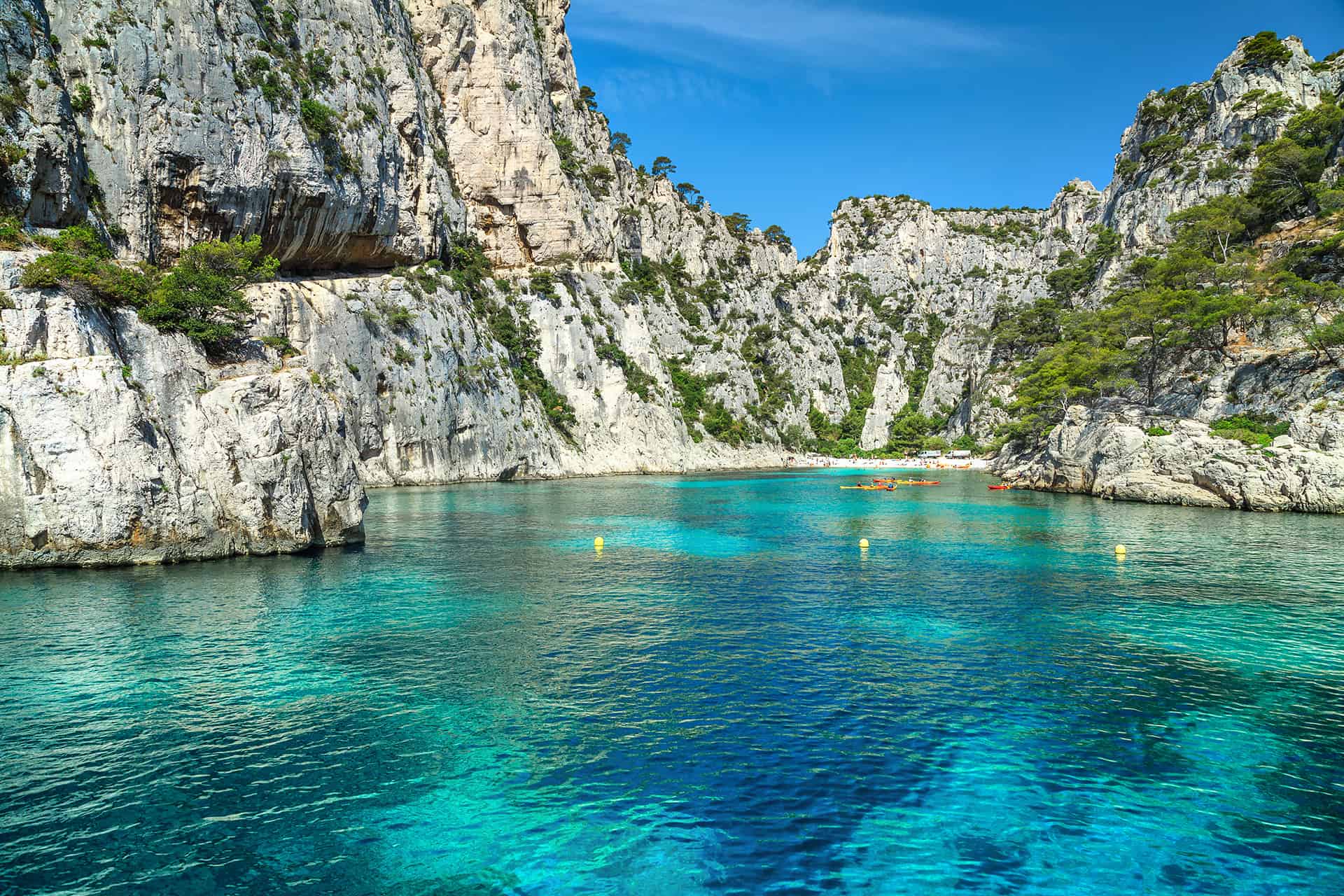
Access is restricted in summer (fire risk) — entry permits required July-August, allocated via a free online ballot. In September and June, walk freely. Cassis itself is a genuinely lovely fishing village with a harbor lined with excellent seafood restaurants (bouillabaisse, the traditional Provençal fish stew, starts at €45 per person at proper restaurants — it takes 24 hours to make and uses at least 5 species of rockfish plus rouille and croutons).

Monaco: 2 square kilometers of sovereign territory that operates as a monument to conspicuous wealth. The Casino de Monte-Carlo (€17 entry, or €30 with casino access, but the building alone justifies it) is Belle Époque grandeur of the highest order. The changing of the guard at the Palais du Prince at 11:55am daily is free and surprisingly impressive. The Oceanographic Museum (founded by Prince Albert I, the explorer-prince, in 1910 — €18 entry) is genuinely excellent — the marine biology collection, the 30-meter deep tank, and the rooftop terrace with views are all worth the entry fee. Monaco is 20 minutes by train from Nice and costs the same €2-4 as any other local stop.

When to go: May-June is the sweet spot — warm enough to swim (sea temperature 19-21°C), crowds manageable, prices reasonable. July-August is peak season: prices double, traffic is severe (the Corniche roads between Nice and Monaco can queue for hours), beaches packed. September is excellent — the crowds thin, the sea is warmest (24-26°C), and everything is still open. October has good weather and empty beaches.
Loire Valley: The Garden of France and Its Châteaux
The Loire Valley, straddling the river that was the original boundary between northern and southern France, was the playground of the French monarchy for two centuries.
Between approximately 1450 and 1650, France's kings and nobles built over 300 châteaux along the Loire and its tributaries. The concentration, variety, and preservation of these buildings are unmatched anywhere in Europe. UNESCO designated the Loire Valley a World Heritage Site in 2000.
The essential châteaux:
Chambord: The largest and most theatrical — built by François I from 1519 as a hunting lodge that somehow ended up with 440 rooms, 365 fireplaces, and a double-helix grand staircase attributed to Leonardo da Vinci (who spent his last years nearby at Amboise). The roof, a forest of turrets, chimneys, and pavilions, is its most distinctive feature. Entry €14.50. The estate covers 5,440 hectares of enclosed forest — Europe's largest walled forest — with guided safari vehicles and bike rentals.

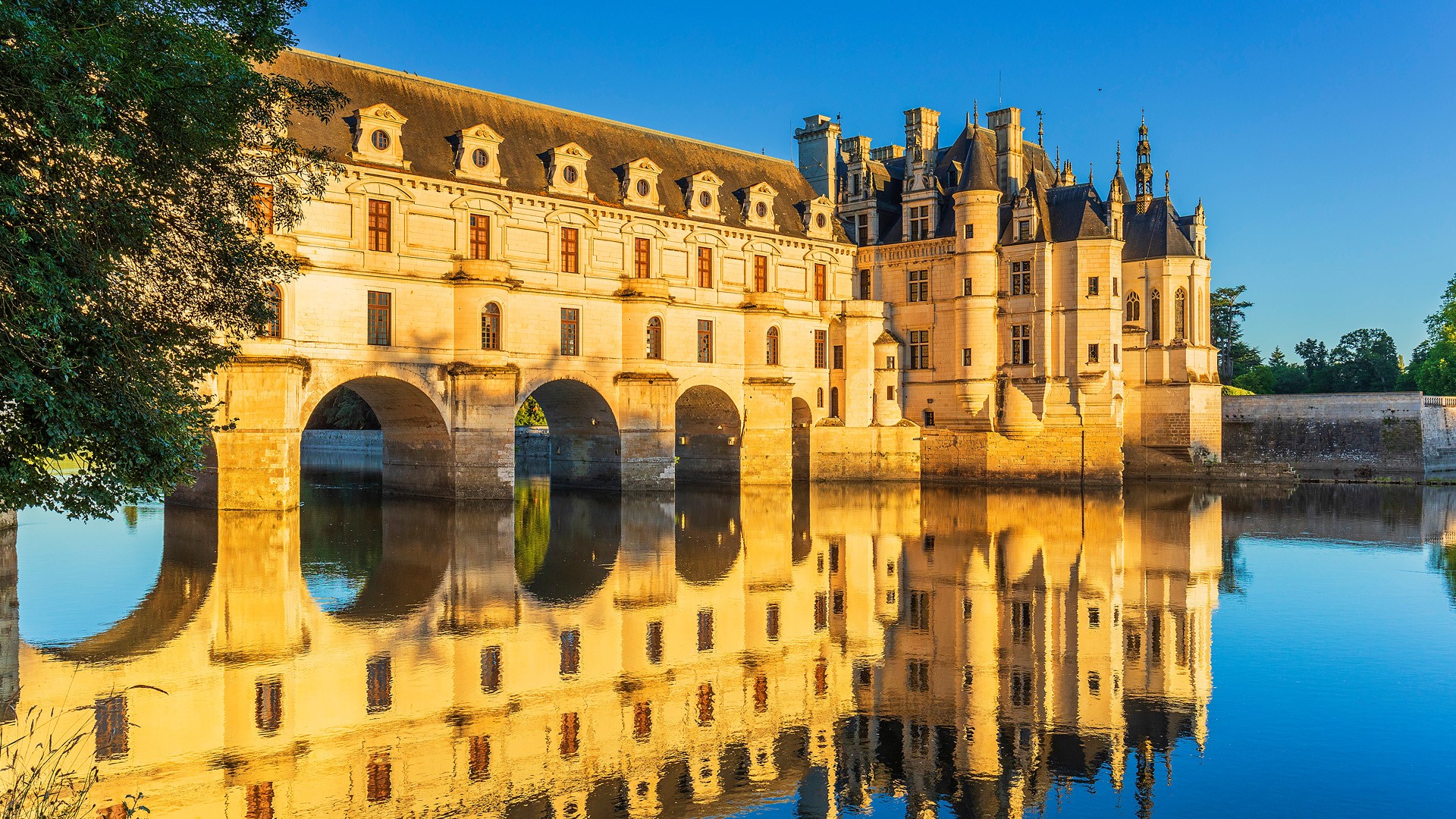
Chenonceau: Built spanning the River Cher on a series of arches, Chenonceau is the most visited château in France after Versailles. Entry €16. The gallery spanning the river was used as a hospital in WWI and as an escape route across the demarcation line between Free and Occupied France in WWII. The formal gardens on either side were designed by two rival lovers of Henri II and his wife Catherine de Medici.

Amboise: The royal château where François I brought Leonardo da Vinci — the Italian master lived at the Clos Lucé (a Renaissance manor house 500m from the château, €16 entry) from 1516 until his death in 1519.
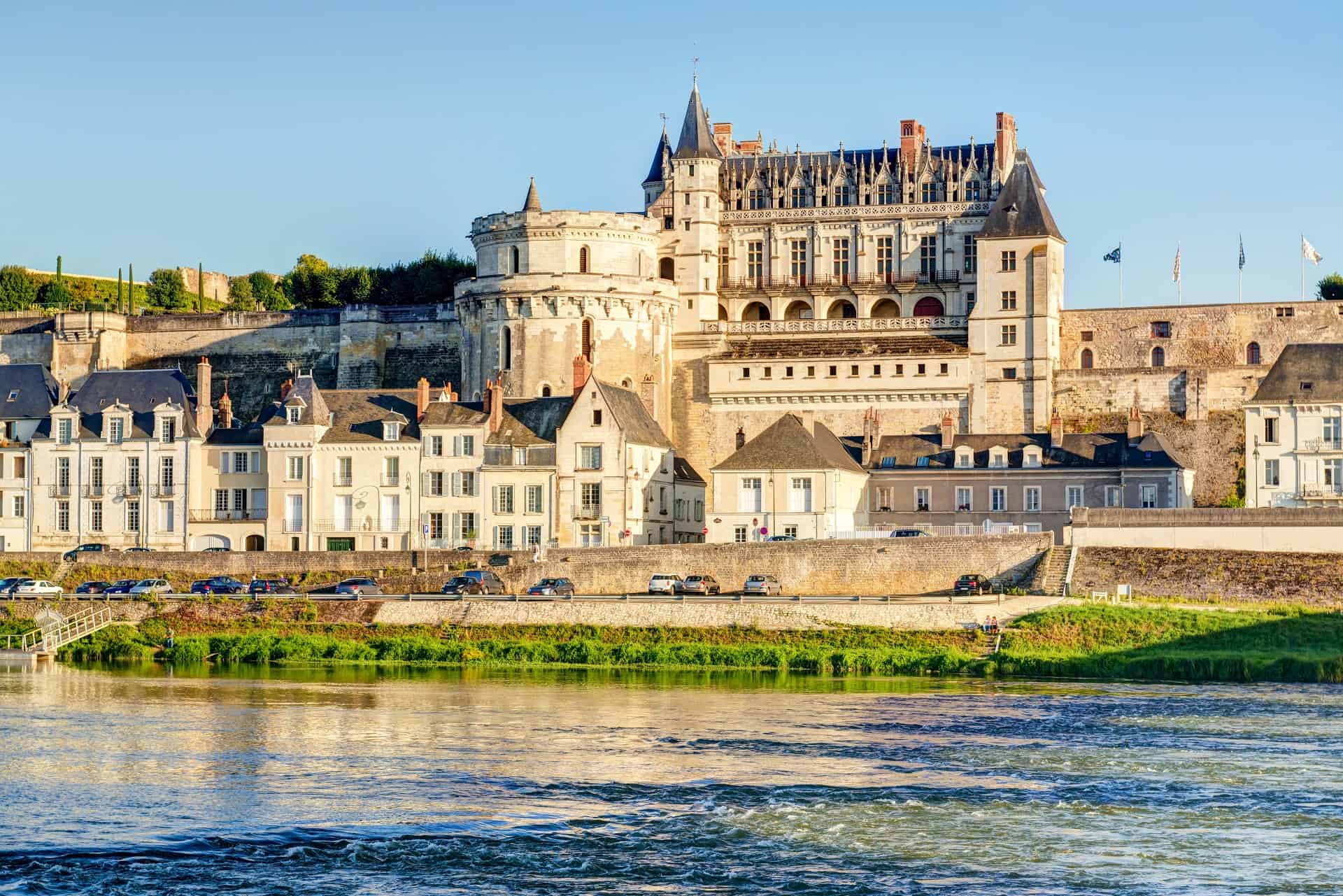
Scale models of Leonardo's inventions (the proto-helicopter, the armored car, the anemometer) fill the ground floor. The château itself (€15.50) has good views over the Loire from the tower terraces.
Villandry: Famous for its extraordinary formal gardens rather than the château itself — 6 hectares of geometric kitchen garden (including a medicinal herb garden), ornamental garden, water garden, and maze.
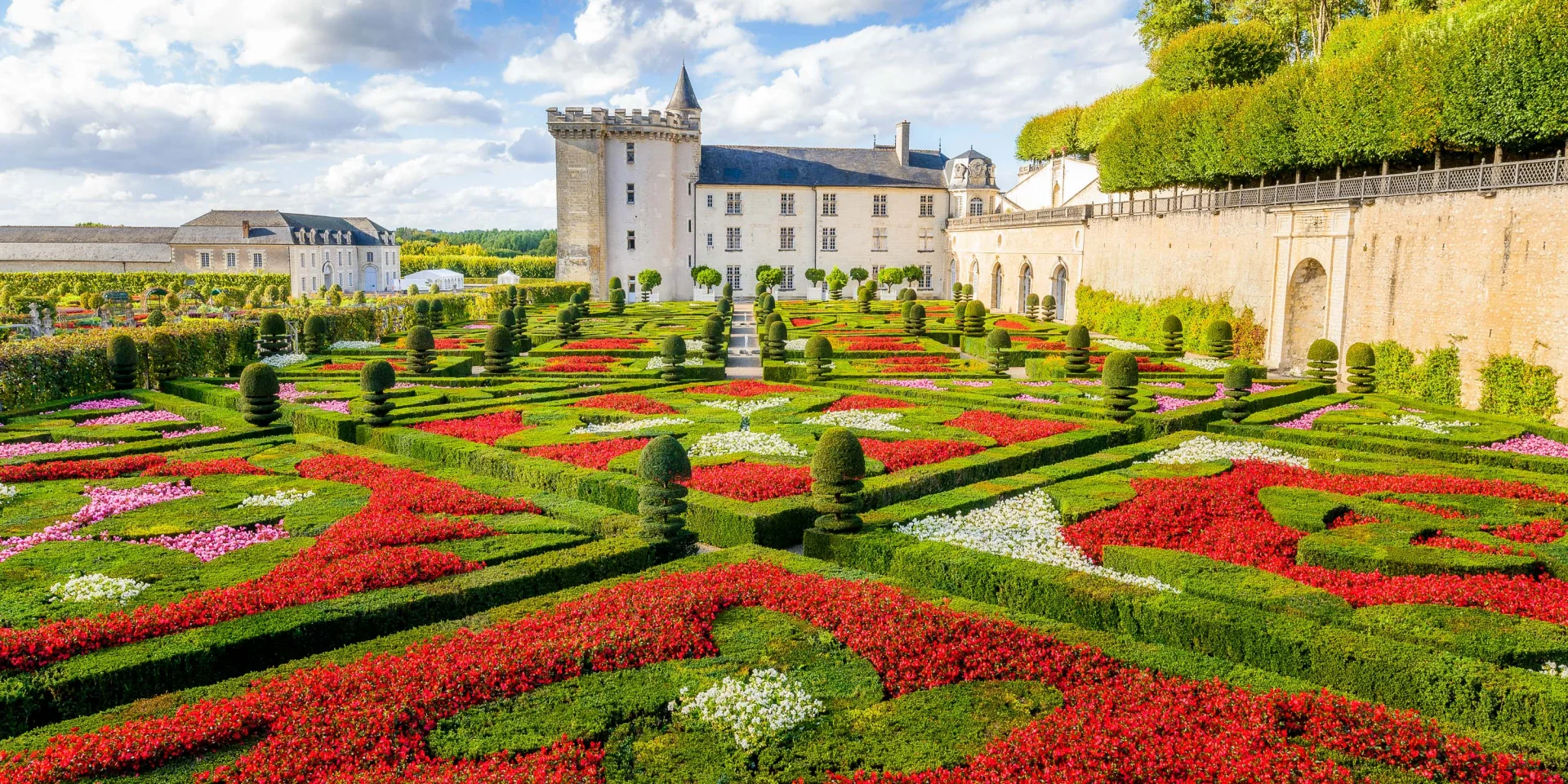
In the summer, the kitchen garden with its ornamental cabbages, purple artichokes, and sculpted box hedges is unlike anything else in France. Entry to château and gardens: €12.50.

Base yourself in Tours: The regional capital (population 137,000) is half-timbered medieval in the old city (Place Plumereau), has excellent restaurants (La Roche le Roy for traditional Touraine cooking, €35-50/person), and is genuinely affordable by French standards (hotel rooms from €80-120/night, quality restaurants from €18-25 for a two-course lunch). Most châteaux are within 45 minutes by car.
Wine: The Loire Valley produces France's most diverse range of wines in a single region — Muscadet (crisp, mineral Melon de Bourgogne for oysters, from the Nantais), Sancerre and Pouilly-Fumé (Sauvignon Blanc from the upper Loire, €15-25/bottle at the winery), Vouvray (Chenin Blanc in dry, demi-sec, and moelleux styles — the moelleux is one of France's great sweet wines), Bourgueil and Chinon (Cabernet Franc from the Touraine, light, earthy, excellent with duck rillettes). Most wineries welcome visitors; the Bourgueil and Chinon cave cellars are cut into the tufa cliffs and are worth a visit regardless of the wine.

Get the France move checklist
- Pick your visa route
- Price a real month of living
- Shortlist two or three cities
- Set a purchase budget
- Sort your US paperwork
Bordeaux and the Wine Regions: More Than Just Cabernet
Bordeaux the city has undergone a remarkable transformation since the 2010s — high-speed rail service from Paris (TGV, 2 hours, €45-80 depending on booking) made it a weekend destination, investment poured in, and what had been a slightly faded 18th-century port city became one of France's most dynamic urban environments. The wine region, meanwhile, remains exactly as it was: a patchwork of appellations producing the most financially important wines in the world.
The city: The Port de la Lune (Moon Harbor, named for the crescent bend in the Garonne) is a UNESCO-listed port district — 18th-century stone quays, limestone facades, and the Miroir d'Eau in front of the Place de la Bourse (a water mirror that reflects the buildings, the most photographed spot in the city). The covered market at Marché des Capucins (Tuesday-Sunday morning, the oldest market in Bordeaux) is for locals — affordable produce, excellent oysters from the Arcachon Bay with muscadet at €12-15/dozen.

The Marché des Quais (every Sunday along the quayside, 7am-1pm) is larger and has street food alongside produce.

La Cité du Vin: Bordeaux's wine museum, opened 2016, in a building designed to resemble a wine swirling in a glass (the analogy is a stretch, but the building is striking).
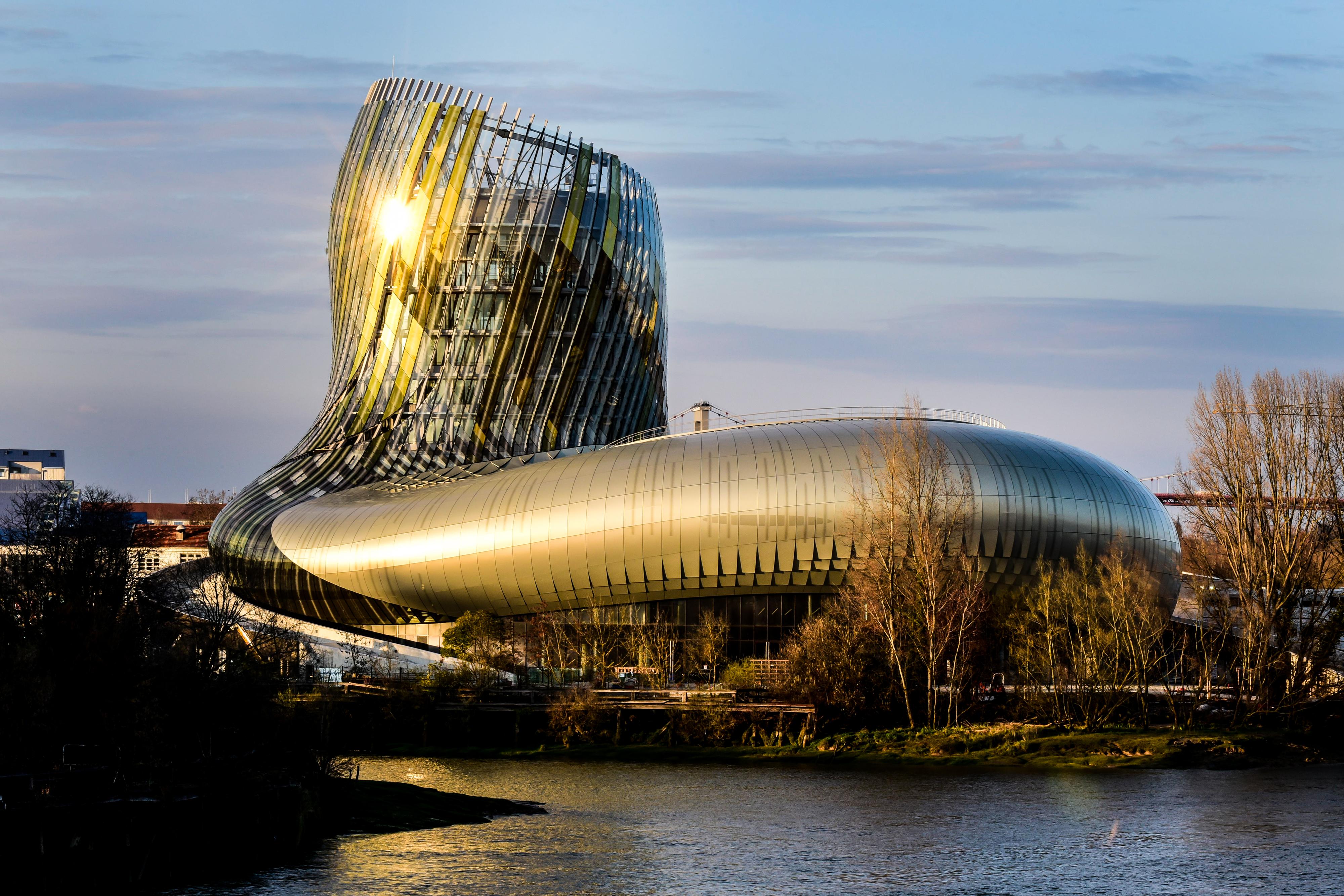
€21 entry includes a glass of wine from the global selection at the top-floor belvedere. The permanent exhibition is genuinely informative about world wine culture, not just Bordeaux.
The wine regions:
- Médoc: The famous left-bank appellations — Pauillac (Château Lafite, Mouton Rothschild, Latour), Saint-Estèphe, Saint-Julien, Margaux — are on the D2 wine road north of Bordeaux.
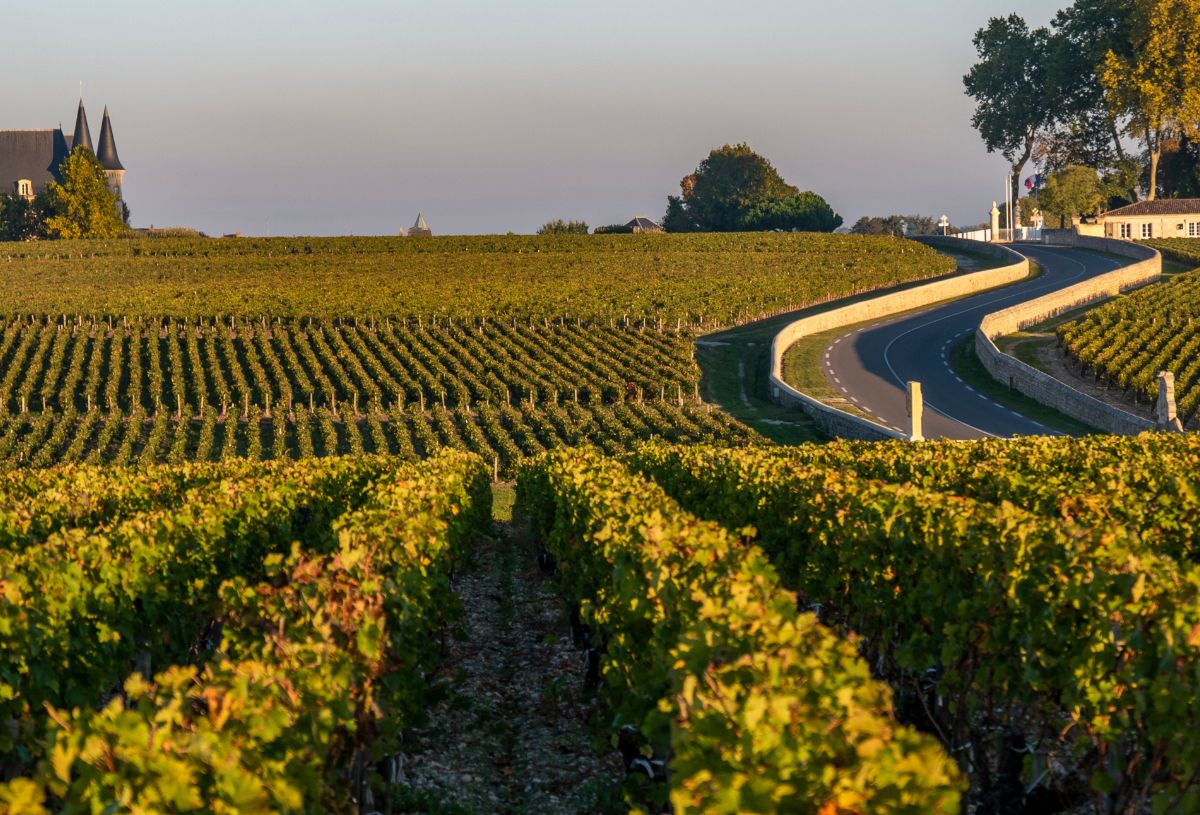
Most grand châteaux require appointment-only visits; many have opened their doors since the tourism boom. Château Lynch-Bages in Pauillac has an excellent visitor experience (€30 for a tour and tasting of 3 wines). The village of Saint-Émilion on the right bank (1 hour east) has a UNESCO-listed medieval limestone village built above its wine cellars and more accessible tasting rooms — the underground Monolithic Church carved into the hillside is genuinely extraordinary (€9 guided tour).

- Sauternes: 40km south of Bordeaux, the sweet wine appellations of Sauternes and Barsac produce Château d'Yquem — considered the world's greatest dessert wine, and one of only a handful of properties given Premier Cru Supérieur status in the 1855 classification. A regular vintage bottle costs €200-400 in shops. The surrounding modest châteaux produce excellent Sauternes for €15-25/bottle. Drink it with foie gras (a pairing that exists for excellent biochemical reasons) or Roquefort.
Arcachon Bay: An hour from Bordeaux, a tidal lagoon that produces roughly 8,000 tonnes of oysters per year — approximately 60% of France's entire oyster production. The village of Cap Ferret on the western spit is the fashionable alternative to the more developed Arcachon town. La Dune du Pilat — the tallest sand dune in Europe (106m, 2.7km long) — is 5km from Arcachon. Climb it for panoramic views over the Atlantic and the pine forests of the Landes. Free access. Worth it.

Lyon: The World's Best Food City (A Case)
Lyon's claim to be the world's food capital is not marketing. It is based on the highest density of quality restaurants per capita in France (which means per capita in the world, arguably), the invention of the bouchon tradition, the proximity to three of France's greatest gastronomic raw material regions (Rhône Valley for wine and charcuterie, Bresse for chicken, Dombes for freshwater fish), and the presence of Paul Bocuse, who spent 50 years promoting Lyon's cuisine globally before his death in 2018.
The bouchons: A bouchon is a Lyonnais institution — a small, usually family-run restaurant serving traditional Lyonnais cooking: quenelle de brochet (pike fish dumpling in Nantua sauce — made properly, it is ethereal), tablier de sapeur (tripe, breaded and fried — if you're not adventurous about offal, skip it), cervelle de canut (a fresh cheese spread with herbs, the traditional dessert or apéritif accompaniment), salade lyonnaise (frisée lettuce, lardons, croutons, poached egg, warm vinegar dressing). A three-course bouchon lunch with house wine costs €25-35. The certified bouchons (there are around 20 officially certified by Authentiques Bouchons Lyonnais) include Café des Fédérations on Rue Major Martin, Daniel et Denise on Rue de Créqui, and Le Bouchon des Filles on Rue Sergent Blandan.
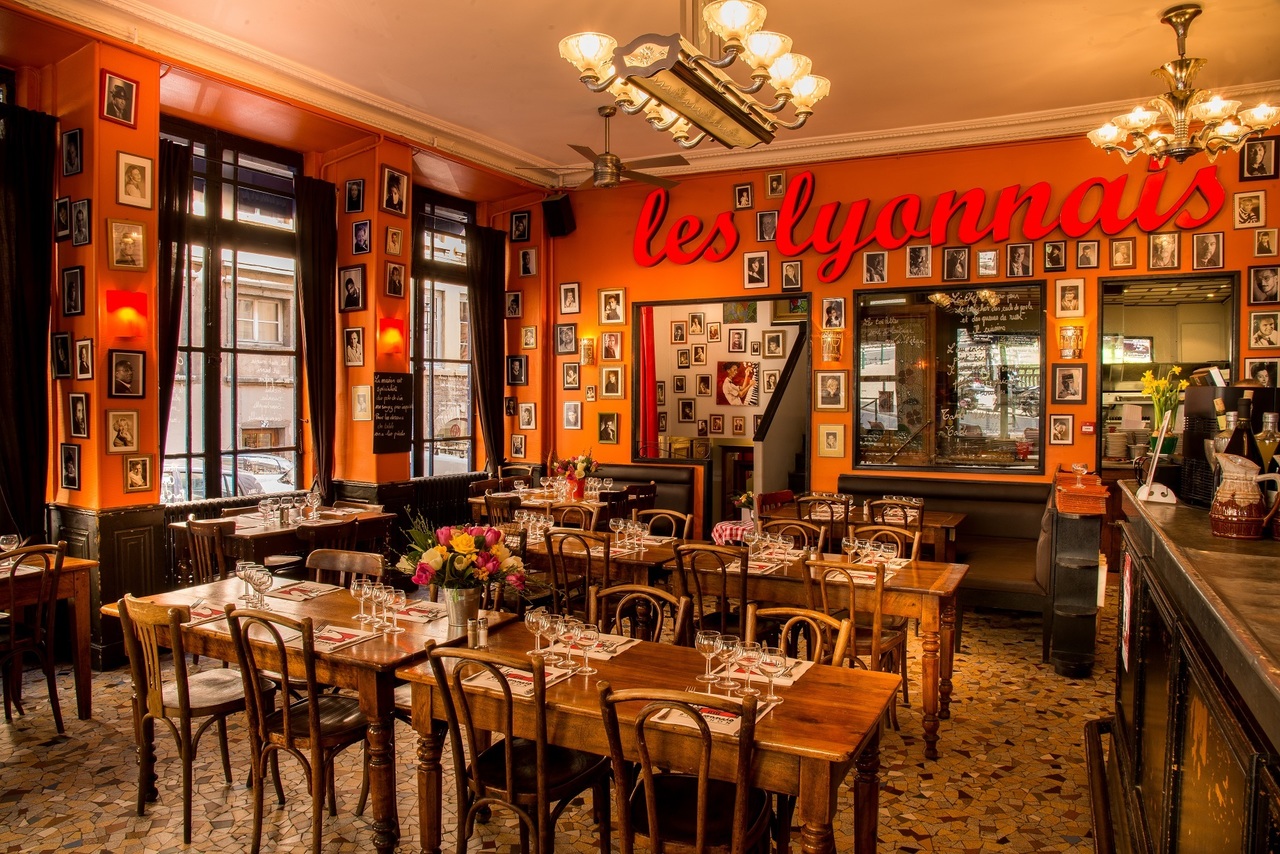
Les Halles Paul Bocuse: The covered market hall in the 3rd arrondissement (open Tuesday-Sunday) is one of the world's great food markets — 48 stalls of charcuterie, cheese, fish, produce, and prepared foods at a standard that makes most supermarket deli counters look embarrassed. Bresse chickens (the only AOP poultry in France — blue feet, white feathers, red crest, and a fat content that makes roasting them revelatory) are displayed like prize sculptures. Daniel & Denise has a bouchon inside the market. Budget €50-80 if you want to eat well here.

Old Lyon (Vieux-Lyon): The largest Renaissance urban complex in Europe after the Marais in Paris — a UNESCO Heritage Site of pale yellow and terracotta 15th-17th century buildings in the Presqu'île between the Saône and Rhône rivers.

The traboules — covered passageways through the buildings that connect parallel streets — were used by silk weavers to transport their goods regardless of weather, and later by the French Resistance during WWII (Lyon was the capital of French Resistance, and the Gestapo headquarters here was run by Klaus Barbie). The Musée de la Résistance et de la Déportation (free) is one of the most important WWII museums in France. Most traboules are open to the public; a map is available from the tourist office.

Croix-Rousse: The hillside neighborhood above the city center where Lyon's silk-weaving industry was centered (the canuts — silk workers — who powered the 19th-century industrial economy lived in apartments purposely built with extra-high ceilings to accommodate the jacquard looms). Today it's Lyon's bohemian neighborhood — independent bookshops, natural wine bars, a Saturday market on Boulevard de la Croix-Rousse.

The views from the top over the confluence of the Rhône and Saône are excellent.

Normandy: D-Day Beaches, Mont Saint-Michel, and Calvados Country
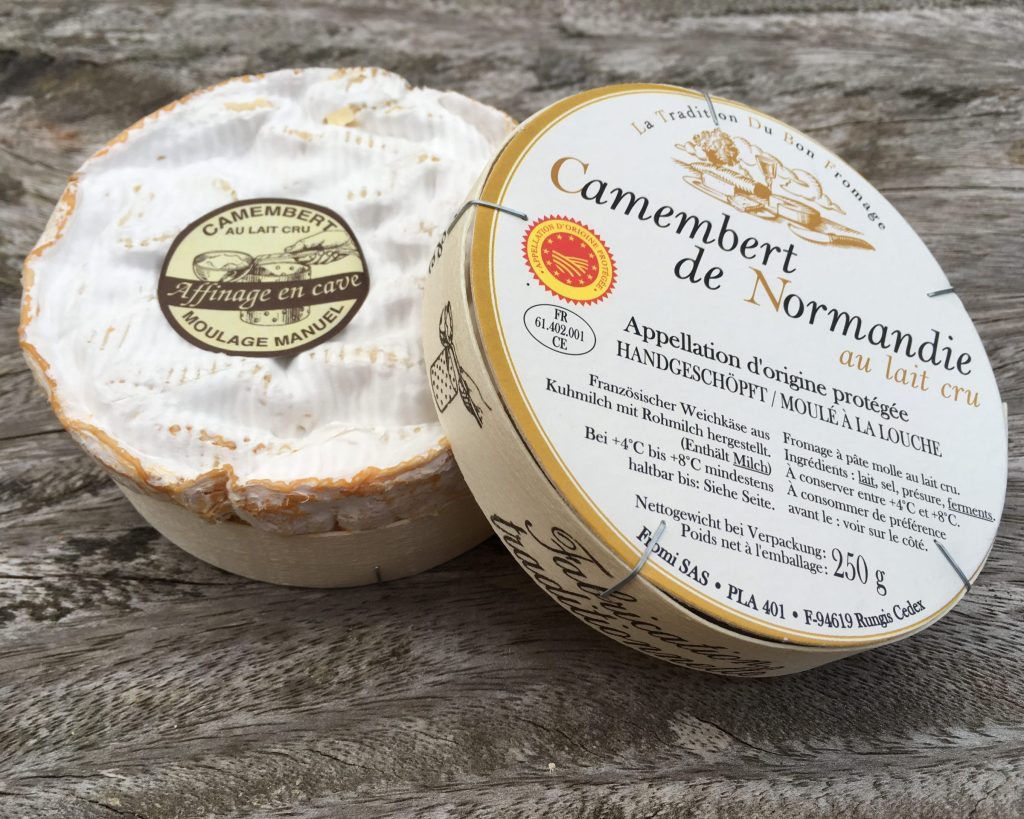
Normandy is France's most historically weighted region — the site of the largest seaborne invasion in history, the home of Impressionism's origins at Giverny, and the location of Mont Saint-Michel, the island abbey that is possibly the most extraordinary single building in France. It is also a food and drink region of extraordinary quality: Camembert, Livarot, and Pont-l'Évêque cheeses, Normandy cider, and Calvados (apple brandy) aged for decades in oak.
The D-Day Beaches: June 6, 1944 — over 150,000 Allied troops crossed the English Channel in the largest seaborne invasion in history.
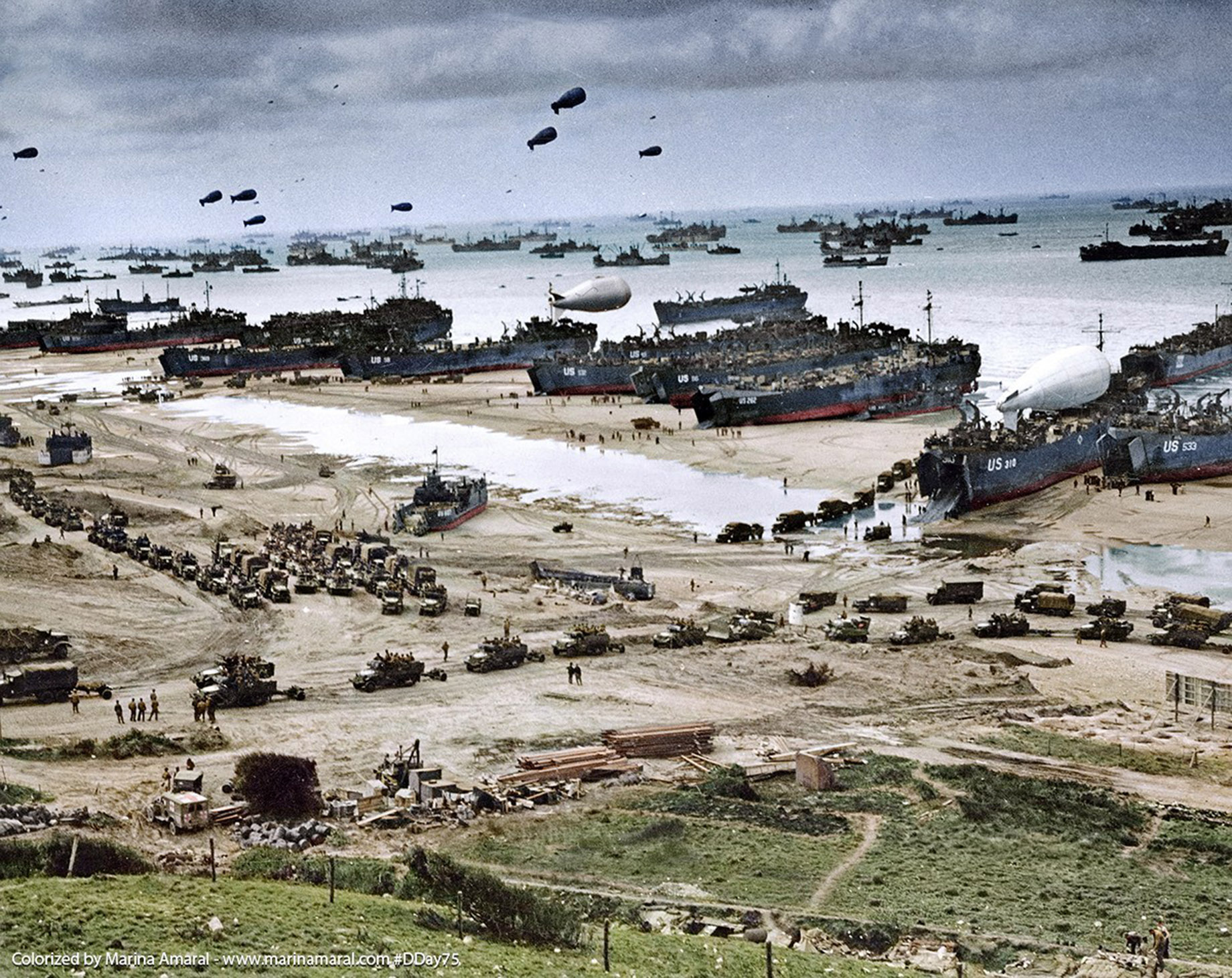
The five beaches — Utah, Omaha, Gold, Juno, Sword — and their surrounding memorials now form one of the most important pilgrimage sites in the world. Omaha Beach, where American forces suffered the highest casualties (over 2,000 in the first hours), is the most emotionally resonant site — the Normandy American Cemetery above the beach has 9,387 white marble crosses and Stars of David in perfect geometric alignment. Entry free. The American cemetery is maintained by the American Battle Monuments Commission; it is immaculately tended and one of the most moving places in France.

The Mémorial de Caen (€20 entry, 2-3 hours) is the best war museum in France — it covers the entire context of WWII and the Cold War, not just the invasion. Pointe du Hoc, 5km west of Omaha, where US Army Rangers scaled a 30-meter cliff under fire — the bomb craters and bunkers are entirely intact, frozen in June 1944. Free. Bayeux's Tapestry (the Musée de la Tapisserie de Bayeux, €11) tells the story of the 1066 Norman Conquest of England in 70 meters of embroidered linen — one of the world's most significant medieval objects.

Mont Saint-Michel: A granite island 1km from the Normandy coast, topped by a Benedictine abbey founded in 966 AD. The bay around it is technically the site of the highest tidal range in continental Europe — at low tide, the causeway is exposed; at high tide, the sea comes in faster than a running horse (the traditional warning, and essentially accurate). The abbey (€11 entry) is architecturally extraordinary — Romanesque nave, Gothic choir, monastic cloister, all stacked on a rock.
:max_bytes(150000):strip_icc()/le-mont-saint-michel--basse-normandie--france-564186715-5bf3475b46e0fb0026581bb5.jpg)
The town below is entirely tourist infrastructure. Avoid August if possible, when the causeway queues for parking can add 2 hours to your visit. Come in April or October for the highest tides (which are genuinely spectacular) with manageable crowds.

Calvados and cider: The department of Calvados, and specifically the Pays d'Auge between Caen and Lisieux, is the apple orchard of France — old variety apple trees (over 200 Norman apple varieties) producing the cider and calvados that define the regional drinking culture. The Route du Cidre (Cider Route) is a 40km signposted driving route through the orchard villages of Cambremer, Beuvron-en-Auge, and Bonnebosq.
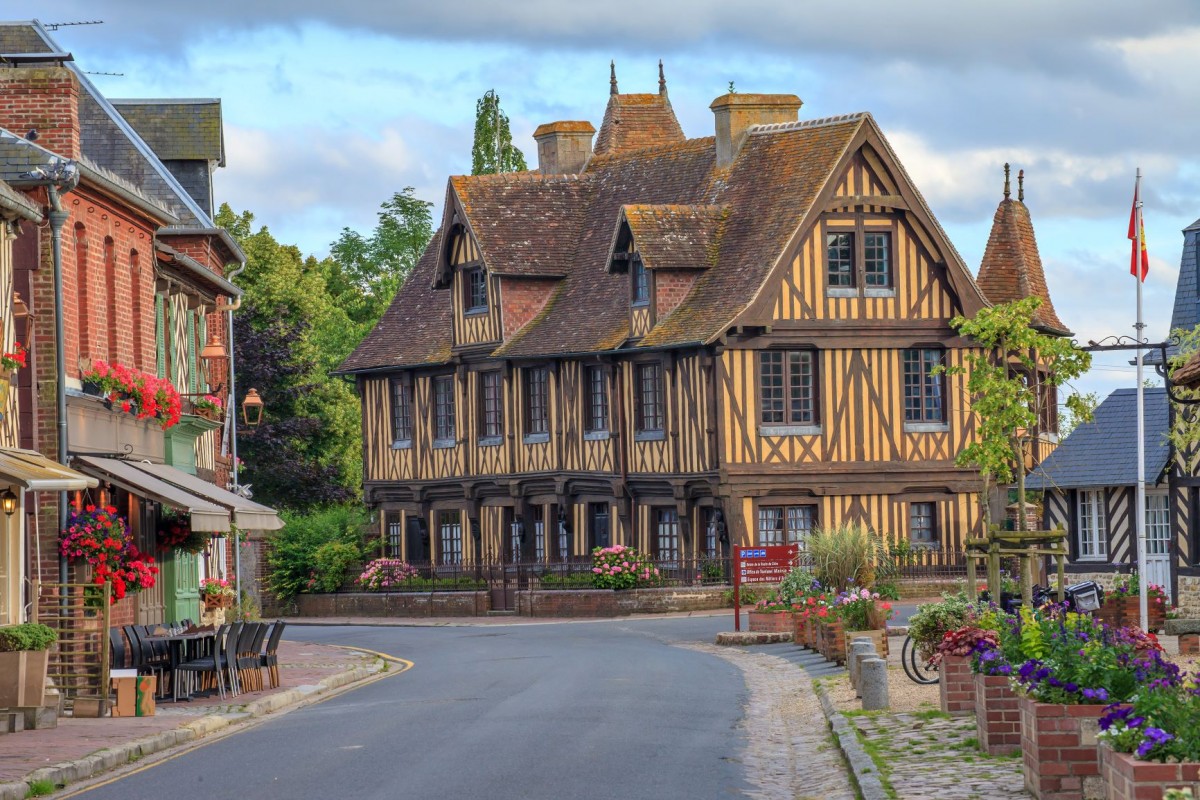
Most farms (fermes cidricoles) welcome visitors and charge €2-4 for tastings. Calvados regulations divide the region into three appellations: the basic AOC Calvados, the superior Calvados Pays d'Auge (double-distilled in pot stills, aged at least 2 years), and the rare Calvados Domfrontais (at least 30% pear cider, different character). A quality 10-year Pays d'Auge Calvados costs €45-80 at the distillery and €90-150 in Paris restaurants.
Alpine France: Skiing, Hiking, and Mountain Food
The French Alps run from Chamonix (under the shadow of Mont Blanc) in the north to the Maritime Alps of the Riviera hinterland in the south — roughly 300km of mountains that provide Europe's best skiing in winter and excellent hiking in summer. The infrastructure for both activities is extraordinary: France has invested more in mountain lift systems than any other country in the world.
The ski areas: Chamonix is the mountain town, with the best brand in European skiing — it sits below Mont Blanc (4,808m, Western Europe's highest peak) and has the most challenging skiing in the Alps, particularly the legendary off-piste Vallée Blanche (20km descent from the Aiguille du Midi cable car at 3,842m — requires a guide, €80-120 for the guide fee, extraordinary). The Chamonix resort itself is mid-range in price relative to other top French resorts; the surrounding off-piste culture attracts serious skiers who want the real thing. A 6-day lift pass costs approximately €280-330.

Les Trois Vallées (Three Valleys): The world's largest connected ski area — Courchevel, Méribel, Val Thorens, and Les Menuires — 600km of marked pistes, connecting via the highest-altitude ski area in France (Val Thorens at 2,300m base elevation means reliable snow December-April). Courchevel has the Michelin-starred restaurants and the helicopters; Méribel is the British-heavy resort where prices are slightly lower; Les Menuires has the best value skiing and worst dining.
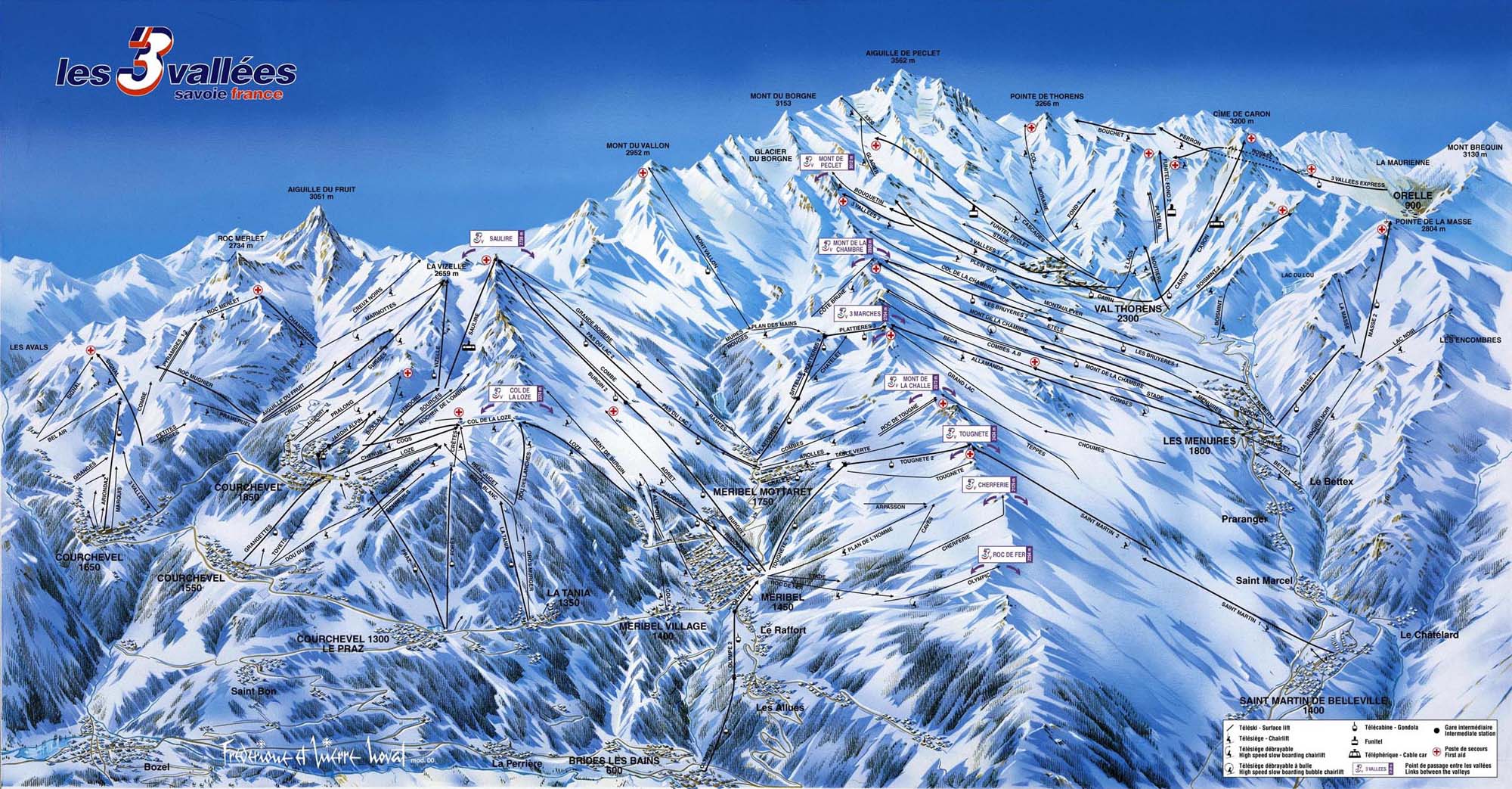
A 6-day Three Valleys pass costs €340-390.
Summer hiking: The same mountains that ski enthusiasts flock to in winter become hiking destinations in summer. The Tour du Mont Blanc (TMB), an 11-day, 170km trek circumnavigating the massif through France, Italy, and Switzerland, is one of the world's most celebrated mountain walks.
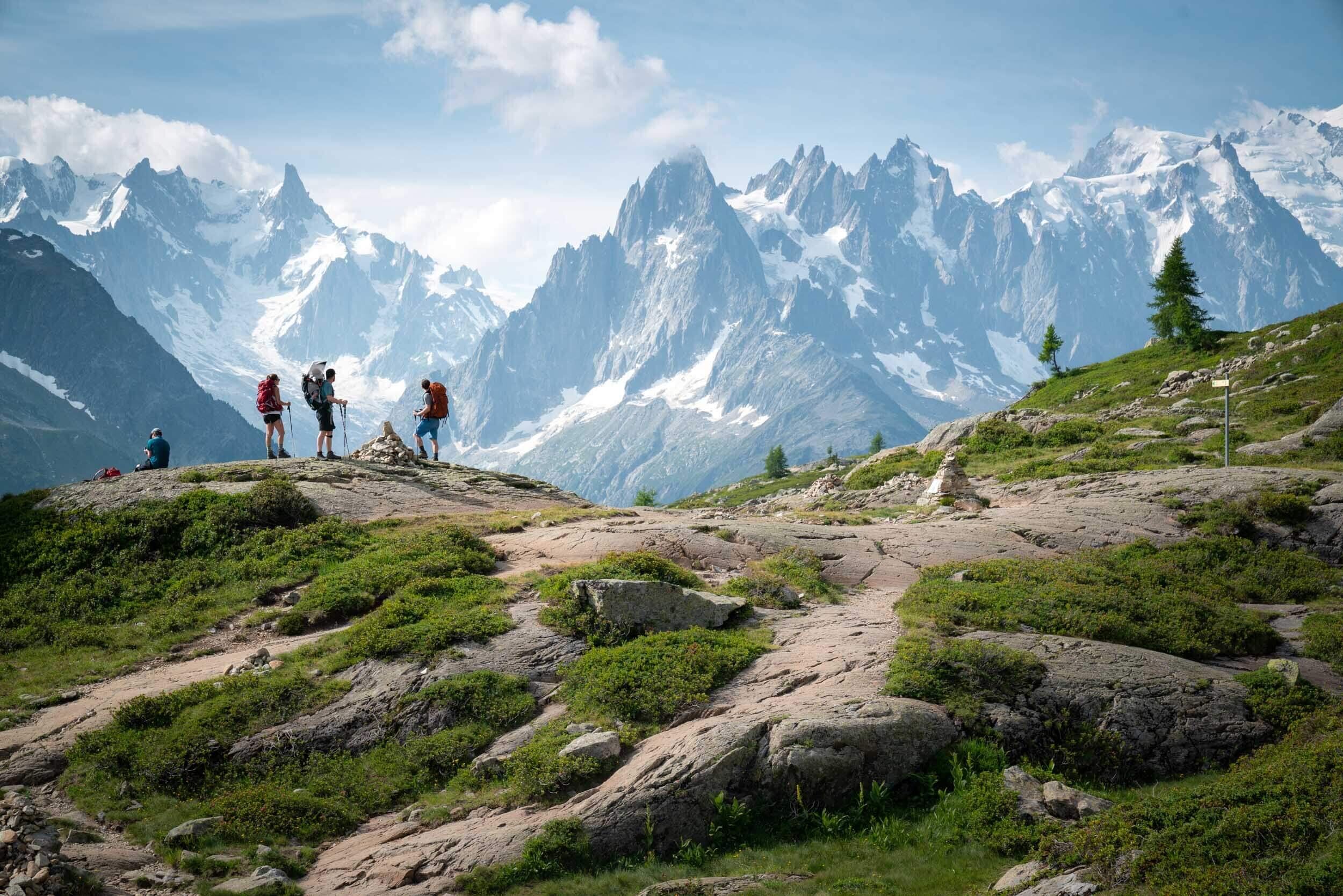
Mountain huts (refuges) along the route cost €70-90/night for dinner, bed, and breakfast — book 6-8 months in advance for July-August. Chamonix itself is the start/end point for most walkers.
Mountain food: Savoyard cuisine is the mountain food of France — heavy, cheese-focused, built for people burning thousands of calories a day in cold air.
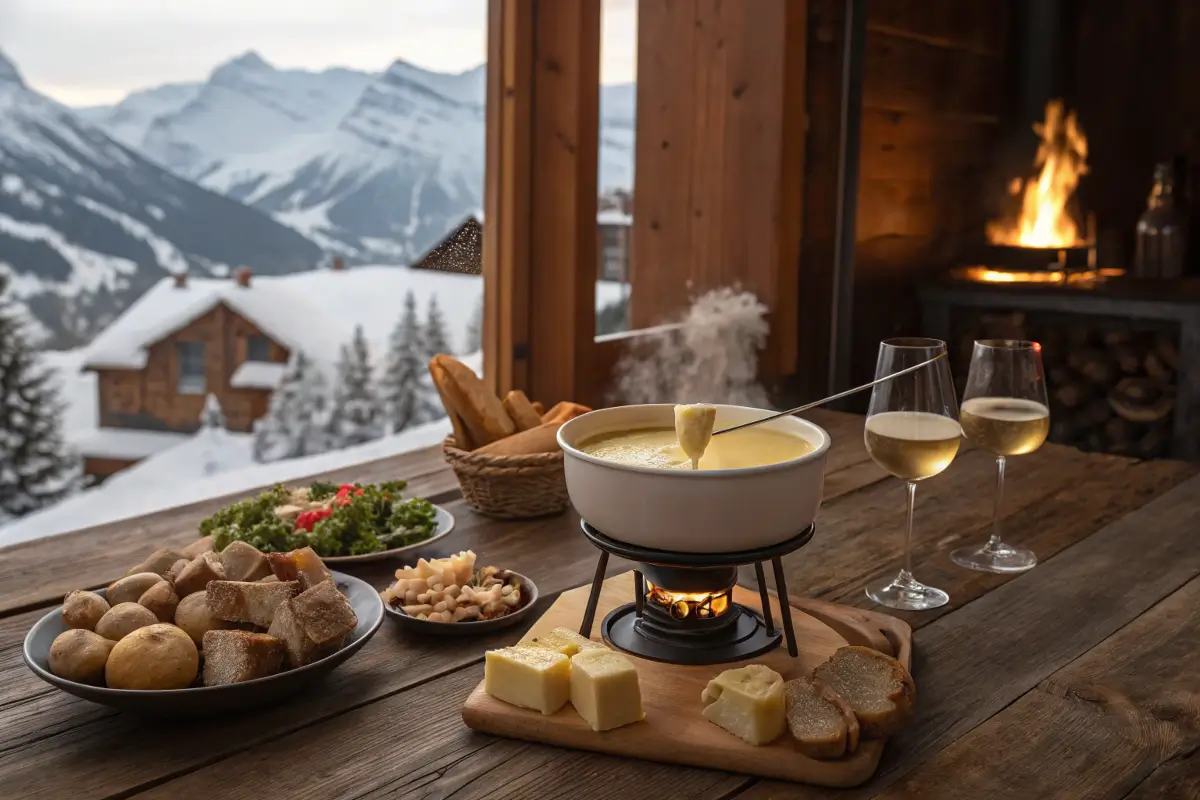
Fondue (local Emmental and Beaufort melted in white wine, €22-28 per person), raclette (a wheel of Savoyard cheese melted by heat and scraped onto potatoes, charcuterie, and pickles — you melt your own cheese at a table-top device, €28-35 per person), and tartiflette (a gratin of reblochon cheese, potatoes, lardons, and onions — the most caloric thing in the Alps, €18-24, deeply wonderful after a day on the mountain). These are not refined restaurant dishes; they are farmer food and they require no refinement.

Practical Tips: Getting Around France, Budget, and When to Go
Getting around: France has the best rail network in Europe for long-distance travel — the TGV high-speed network connects Paris to most major cities in under 3 hours. Paris-Lyon: 2 hours (€35-60). Paris-Marseille: 3 hours 20 minutes (€45-90). Paris-Bordeaux: 2 hours (€45-80). Paris-Toulouse: 4 hours 10 minutes (€55-100). Book through SNCF Connect or Trainline — advance booking (6-8 weeks out) can save 50-60%. Rail passes (Eurail France Pass) are sometimes competitive for multiple journeys, rarely better than advance booking for focused travel.
For the countryside — Dordogne, Burgundy vineyards, Loire châteaux, Provence villages — a car is essential or effectively essential. Car rental from €30-50/day at major airports. Fuel: approximately €1.80-1.95/liter (~$8.50-9.20/US gallon). The French motorway (autoroute) system is excellent but has tolls — driving Paris-Lyon on the A6 costs approximately €25-30 in tolls. National roads (Routes Nationales) are free, slower, and often beautiful.
When to go:
- May-June: The best combination of good weather, manageable crowds, and reasonable prices. Lavender not yet blooming in Provence; Loire Valley gardens magnificent. School holidays haven't started. €100-160/night for a good hotel that costs €200+ in August.
- September: French school holidays end in late August, crowds drop sharply, and the weather remains excellent into October. Wine harvest (vendange) in September-October in all major wine regions — often possible to participate as a harvest worker for free accommodation and meals.
- July-August: Peak season, peak prices, peak crowds. The entire French population is on vacation simultaneously (the August holiday exodus empties Paris and fills the coasts). If you want beaches or mountains, book 4-6 months in advance.
- February-March: Ski season peak. Paris is quiet and beautiful in the rain.
Budget:
- Budget (hostel, picnic lunches, one restaurant meal): €80-110/day
- Mid-range (2-star hotel, restaurant lunch and dinner): €160-230/day
- Comfortable (3-star hotel, two good restaurant meals, wine): €280-400/day
Eating affordably: France's concept of the prix-fixe lunch (formule déjeuner) is a gift — many restaurants that charge €35-50 for dinner offer two or three courses at lunch for €14-22. The same kitchen, same chef, significantly lower price. The tradition of a proper sit-down lunch is still observed — restaurants are full from noon to 2pm and largely empty after 3pm.
For attraction tickets and reviews, TripAdvisor France has comprehensive coverage. r/paris answers specific Paris questions from locals and frequent visitors. r/solotravel has France itinerary threads.
Language: French. Unlike the English-speaking world's assumption about France, most French people in the hospitality industry speak reasonable English — but making an effort with bonjour, s'il vous plaît, and merci will be noticed and rewarded. The notorious Parisian froideur (coldness) is largely a response to visitors who treat France as an English-speaking destination. Attempting French, however imperfectly, almost always gets a warmer response.
Ready to explore?
Browse Destinations