The Cheapest Countries Where Americans Can Still Buy Residency

The phrase "buy residency" summons mental images of Malta's €600,000 program or Caribbean citizenship-by-investment at $200K+ donation tiers. But at the bottom of the market, there's a whole tier of residency-by-property programs that cost less than a down payment on a starter home in the Bay Area. Ecuador's real estate investor route starts at $42,000. Paraguay is $70,000 in cash or property and routinely converts to citizenship. Latvia — a member of the EU and the Schengen zone — starts at €262,500 all-in.
These programs exist because the countries running them want foreign investment, foreign consumption, and foreign demographic balance more than they want to milk wealthy applicants. That's also the risk: cheap programs tend to be cheap because the host country is either small, politically uncertain, or economically underdeveloped. Some of the cheapest options are real bargains. Others are cheap because you get what you pay for.
This post ranks the eight cheapest serious residency-by-property options available to Americans in 2026, prices them out including all hidden fees, and walks through what you actually get for the money. It's the budget version of our countries still offering residency by property investment comprehensive roundup — same research pool, narrower price filter.
How We Ranked Them
We ranked by total minimum cash out the door — property price plus all government fees, attorney fees, due diligence, and any required deposits, over the first 2-3 years of the program. We did NOT count property value as a sunk cost (you still own it), but we did count locked deposits that can't be easily recovered.
We only included programs that:
- Are legally available to US citizens in 2026 (several historic programs are closed or suspended)
- Lead to at least 2+ years of legal residency, not just tourist-visa runs
- Have a government-published legal basis (not "you could try X" or "some people do Y")
- Are paperwork-realistic for an American (not requiring near-impossible local-only procedures)
Programs we excluded: Caribbean citizenship-by-investment (not residency, different product), digital nomad visas (no property requirement, covered separately in our digital nomad visas 2026 roundup), and Georgia/Armenia/Kyrgyzstan residency routes (available but with enough compliance/geopolitical friction that they don't fit the "cheap and easy" framing).
One important note on the numbers: these thresholds move. Peruvian peso, Ecuadorian wage-indexed thresholds, Latvian notary fees — all can change in a year. Every price in this post is cross-checked against a government or major law-firm source updated within the last 6 months, but verify before you commit. Links are throughout.
#1 — Paraguay: ~$6,500 Total, but Getting Harder
Paraguay has historically been the cheapest residency program in the Western Hemisphere, at around $5,000-7,000 total for all fees and minimum deposits, with no required property purchase. The catch: in 2023 and 2024, Paraguay tightened the program significantly after political pressure from regional governments concerned about misuse.
The current Paraguay residency structure as of 2026:
- Old program (closed to new applicants since 2022): deposit $5,000 equivalent in a Paraguayan bank, apply for permanent residency, done in 90 days. This is the version that made Paraguay famous in the expat press. It no longer exists.
- New SUACE investor program: Paraguay now requires demonstrated investment activity — either a business creating local jobs, agricultural or industrial investment, or property investment of approximately $70,000 USD (the threshold is set in guaraníes and moves with exchange rate). Processing time has grown from 90 days to 6-18 months.
- Rentista/Pensioner route: shows $1,300/month of guaranteed income from abroad. Still open, no property required.
For a property-based application, the $70,000 threshold works out to roughly 500 million guaraníes. That's real housing in Asunción, Ciudad del Este, or Encarnación — small but livable apartments or houses in residential neighborhoods. The country is cheap overall (one of the lowest costs of living in South America), uses the dollar-adjacent guaraní, and has straightforward banking.
Total cost estimate for the property route:
- Property: $70,000
- Closing costs (~3.5%): $2,500
- Attorney fees: $2,000-3,500
- Government fees: ~$500
- Translations and apostilles: ~$300
- Total cash out: ~$75,000-77,000 (most of it is the property asset)
The official source is Paraguay's Dirección General de Migraciones. The r/paraguay residency threads are largely in Spanish but the English-language coverage at International Living Paraguay is reasonably current. Attorneys who work with Americans: Maris Llorens (Asunción) and Rieder & Asociados. Our [cost of living in Paraguay] content isn't live yet — we'll link when it is.

#2 — Ecuador (Investor Route): ~$48,000 All-In
Ecuador's Investor visa requires 100 times the monthly minimum wage (SMMLV) in qualifying investment. In 2026 that's approximately $46,000 USD (see our dedicated Ecuador Rentista vs Investor Visa post for the details).
Property is the most popular qualifying route because it's the only one that leaves you with a usable asset rather than locked cash.
Total cost breakdown:
- Property purchase: $46,000 (minimum, but most useful housing starts higher)
- Closing costs (notary + registry + municipal transfer): ~$1,500-2,500
- Attorney fees: $1,000-2,000
- Government visa fees: $500
- Apostilles, translations, FBI check: $400
- Total cash out: ~$49,400-51,400 (if buying at the threshold)
Realistic cost if you buy useful housing ($65-100K for a 2-bedroom apartment in Cuenca or Salinas): $68,000-105,000 all-in.
Ecuador is dollar-denominated, so there's no currency risk on your investment. The country has a path from Temporary Residency → Permanent Residency after 21 months, then Naturalization after 3 more years of permanent residency. Total path to citizenship: about 5 years.
The security situation has deteriorated in urban coastal Ecuador (Guayaquil, Esmeraldas) since 2022, but highland cities where American expats live (Cuenca, Quito's north, Vilcabamba) remain relatively safe. See our moving to Ecuador guide for current on-the-ground detail. The official source is Ecuador's Ministerio de Relaciones Exteriores, and Ecuador Visas is the best English-language attorney resource.

#3 — Thailand (Retirement Visa + Cheap Condo): $80,000-$120,000
Thailand doesn't have a residency-by-investment program per se, but the combination of a Thai retirement visa (Non-Immigrant O-A) and a modestly-priced condo purchase gives you something similar: legal residency renewable indefinitely plus a freehold asset.
Requirements:
- Age 50+
- 800,000 THB (~$22,000 USD) in a Thai bank account, held for at least 2 months before application
- OR 65,000 THB/month (~$1,800 USD) of documented foreign income (can be Social Security, pension, investment income)
- OR combination of lower deposit + income totaling 800K THB/year equivalent
- Health insurance valid in Thailand
No minimum property purchase required, but pairing the retirement visa with a condo gives you both housing and a credible proof of address. Thai condos (foreigner-freehold eligible under Article 19 of the Condominium Act) are available from:
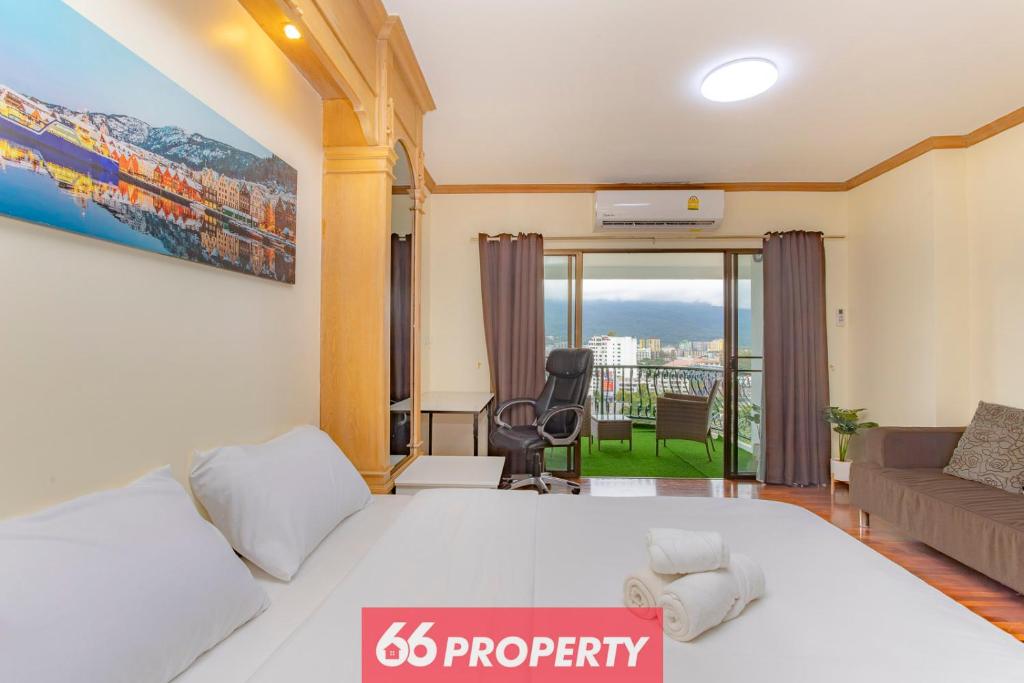
- Chiang Mai (most popular American retiree location): $60,000-120,000 for a usable 1-2 bedroom condo
- Hua Hin (coastal, quieter): $70,000-150,000
- Pattaya (not recommended for most Americans): $50,000-100,000
- Bangkok (city center): $120,000-250,000+
Total cash-out for a Chiang Mai retirement-visa + modest condo setup:
- Condo: $80,000
- Closing costs, taxes, transfer fees: ~$2,500
- Locked retirement visa deposit (in Thai bank): $22,000 (not spent, but locked)
- Annual visa renewal: $65
- Attorney fees: $1,500-2,500
- Total cash out: ~$84,000-86,000 plus the locked $22,000 deposit
The official Thai immigration retirement visa page and Siam Legal retirement visa guide are the cleanest English sources. Our Thailand Elite vs condo post goes deeper on the visa-vs-asset tradeoff, and our due diligence for Thailand condos covers the foreign-quota and leasehold landmines.
#4 — Philippines (SRRV): $20,000-$50,000 Deposit + Optional Property
The Philippines Special Resident Retiree's Visa (SRRV), administered by the Philippine Retirement Authority (PRA), is one of the most flexible and cheapest options in Asia. It's designed explicitly for foreign retirees and includes a property-purchase option.
The main SRRV tiers in 2026:
- SRRV Classic (50+, with pension): $10,000 deposit + monthly pension of $800 (single) or $1,000 (couple) documented
- SRRV Classic (50+, no pension): $20,000 deposit
- SRRV Smile (35+): $20,000 deposit, no property conversion allowed, essentially a visa
- SRRV Human Touch (35+, with medical needs): $10,000 deposit + $1,500/month pension
- SRRV Courtesy (50+, former Filipino or qualifying diplomatic backgrounds): $1,500 deposit
The deposit can be converted into real estate after the visa is issued, for amounts above $50,000 — meaning you can put down $50,000 on a Philippine condo and count it toward the SRRV deposit requirement, effectively rolling the visa money into an asset purchase. This is the most popular combination for American expat retirees in the country.
Foreign condo ownership in the Philippines is legal under the Condominium Act (Republic Act 4726) with the same 40% foreign-quota rule as Thailand (though set slightly lower than Thailand's 49%). Land ownership is not legal for foreigners except through long leases (up to 50 years) or via a Filipino spouse/corporation.
What a realistic SRRV + condo costs:
- SRRV deposit (rolling into condo): $50,000
- Condo purchase above the $50K minimum: typically $60,000-150,000 total
- Deposit differential + closing costs: ~$5,000-8,000
- Application fee: $1,400 (principal) + $300 each dependent
- Annual PRA fee: $360/year
- Attorney fees: $1,500-3,000
- Total cash out: ~$65,000-160,000 depending on condo size
Official source: Philippine Retirement Authority. Best English-language walkthrough: Retire in the Philippines blog. The r/Philippines expat retirement threads are active.
Our cost of living in the Philippines post has city-level numbers for Manila, Cebu, Davao, and Tagaytay.
#5 — Colombia: ~$130,000 via the M-6 Investor Visa
Colombia's M-6 Migrant Visa via real estate investment requires 350 SMMLV in property (see our Colombia Real Estate Visa post for deep detail). In 2026 that's approximately $125,000 USD at current exchange rates.
Total cost breakdown:
- Property: $125,000-130,000
- Closing costs (notary, registry, transfer tax, retention): ~$4,500
- Attorney fees (visa + property): $2,500-4,500
- Banco de la República Form 4 registration: included in attorney work
- Translations, apostilles, background check: $400
- Visa fees: $480
- Total cash out: ~$133,000-140,000
Colombia stands out for what $125K actually buys: genuine 2-3 bedroom middle-class apartments in Medellín's El Poblado or Laureles, Bogotá's Chicó, or Cartagena's Getsemaní. Not starter-home stubs — real housing.
The trade-off is paperwork friction on the banking compliance side — Form 4 registration with Banco de la República is the critical step most applicants misunderstand. Done correctly, Colombia's visa is issued in 5-15 business days after submission. Done wrong (wiring directly to the seller, skipping the declaración de cambio chain), the application dies and you have a property you can't use for the visa.
Official source: Colombia's Cancillería. Best English-language resource: Medellin Guru. The r/medellin visa threads have ongoing applicant updates.
#6 — Panama (Qualified Investor Visa): $200K+ All-In
Panama's Qualified Investor Visa (QIV) is a separate program from the Friendly Nations Visa we covered in Panama's Friendly Nations Visa + Property. The QIV grants immediate permanent residency (not two-year temporary-then-permanent like the FNV) in exchange for a higher investment.
QIV requirements:
- $300,000 real estate investment (raised from $200,000 in October 2022)
- OR $500,000 in a Panamanian brokerage account
- OR $750,000 in a Panamanian bank CD
The real estate route is most popular because the investment becomes an asset. Total cost:
- Property: $300,000
- Closing costs (2% transfer tax + notary + registry + legal): ~$10,000-12,000
- Attorney fees (visa + property): $5,000-8,000
- Government application fees: ~$1,500
- Background check, translations, apostilles: ~$600
- Total cash out: ~$317,000-322,000
Panama uses the US dollar, has a territorial tax system (no tax on foreign income even for tax residents), and operates an excellent public registry for property. The QIV's main advantage over the FNV is that it grants permanent residency on day one, skipping the 2-year temporary phase. The disadvantage is the threshold: $300K vs the FNV's $200K.
For most Americans, the FNV is the better choice simply because it's cheaper and the 2-year wait is manageable. The QIV makes sense when you want certainty and speed and have the extra $100K to allocate.
Official source: Panama's Servicio Nacional de Migración. The Kraemer & Kraemer QIV guide is the cleanest attorney explainer.

#7 — Latvia (Cheapest EU Program): ~€262,500
Latvia's Temporary Residence Permit (TRP) for real estate investors is by far the cheapest EU residency program in 2026. Minimum investment: €250,000 in a single property (or two properties totaling €250K) with cadastral value above €80,000, plus a one-time 5% state fee of €12,500.
Full cost:
- Property: €250,000
- State fee (5%): €12,500
- Attorney fees: €3,000-5,000
- Notary + land registration: €1,500-2,500
- Translations, background check, apostilles: €500
- Application fees: €360
- Total cash out:
€267,860-271,360 ($295,000-298,000 USD)
The TRP is issued for 5 years, renewable. After 5 years you can apply for permanent residence, and after 10 years you can apply for naturalization (with a B2 Latvian language exam, which is the real bottleneck).
Latvia is in the EU and the Schengen zone, so the TRP gives you Schengen mobility — the same practical benefit as a €525K Maltese MPRP or €400K Greek golden visa, at a fraction of the cost. The catch is that Riga is a small market (population ~615,000), the weather is Baltic (cold, dark winters), and the border with Russia is... the border with Russia. Politically, Latvia is a NATO front-line state.
For Americans who specifically want cheap EU residency and don't care where in the EU they technically have residency, Latvia is unbeatable. You don't have to live there — just visit occasionally and maintain the property. Most Latvian TRP holders are based elsewhere in the EU or outside it entirely.
Official source: Office of Citizenship and Migration Affairs (PMLP). Best English-language law firm: Ellex Kļaviņš. The Emerhub Latvia residency guide is updated regularly and doesn't sugar-coat the trade-offs.
#8 — Costa Rica (Inversionista): $150,000 + Paperwork
Costa Rica's Inversionista (Investor) residency program requires a minimum $150,000 USD investment in qualifying assets, including real estate. This was raised from $200K downward in 2021 to attract more foreign investment, and as of 2026 it remains one of the cheaper options in Central America.
Total cost:
- Property: $150,000 minimum
- Closing costs (~3-5%): $4,500-7,500
- Attorney fees (visa + property): $3,500-5,500
- DIMEX card, cédula, fingerprinting, translations: $1,200
- Dependent fees (if applicable): $350 per dependent
- Total cash out: ~$159,500-164,500
Costa Rica's residency process is notorious for being slow — DGME (the Dirección General de Migración y Extranjería) has historically taken 12-24 months from application to approval. The recent 2023-2024 reforms attempted to speed this up with limited success.
For Americans, Costa Rica's appeal is the combination of English ubiquity (widely spoken in the Central Valley and beach towns), good healthcare, political stability, and the "Pura Vida" lifestyle that has turned the country into one of the most popular retirement destinations in Latin America. The country is expensive for Central America — significantly pricier than Panama or Ecuador for groceries, utilities, and services — but still well below US levels.
For the investor visa specifically, see our Costa Rica inversionista visa and buying property in Costa Rica due diligence posts for the legal mechanics and due-diligence landmines (squatter rights, concession land, rights of possession property). The r/costarica expat threads have recent applicant experiences.

Ranked Summary (and What You Get)
Here's the same list ranked cleanly, with the critical feature of each:
-
Paraguay — ~$77,000 total. South American permanent residency. Path to citizenship in 3 years. No EU mobility. Remote and quiet.
-
Ecuador (Investor) — ~$50,000 all-in, or $70-100K if buying proper housing. Dollar-denominated. 2-year temporary → permanent path. Security concerns in some coastal cities.
-
Thailand (Retirement + Condo) — ~$85,000 cash out plus $22,000 locked deposit. Annual renewal. Freehold condo asset. 50+ requirement.
-
Philippines (SRRV + Condo) — ~$65,000-160,000. Lifetime visa. Condo asset can count toward deposit. 35+ or 50+ age requirements by tier.
-
Colombia (M-6 Real Estate) — ~$133,000-140,000. Dollar-denominated investment with peso-denominated threshold. Path to permanent residency in 5 years, citizenship in 7. Best middle-class housing per dollar.
-
Costa Rica (Inversionista) — ~$160,000. Slow processing. Good healthcare and English. Path to citizenship in 7 years.
-
Panama (QIV) — ~$320,000. Immediate permanent residency. USD-denominated. Territorial tax. Most expensive of the cheap tier.
-
Latvia (EU TRP) — ~$297,000. Only EU/Schengen option in this price range. 5-year renewable TRP. Best for mobility, worst for lifestyle.
For comparison against the more expensive tier (Greece, Malta, Cyprus, UAE), see our countries still offering residency by property investment overview.
One pattern worth noting: the cheapest programs (Paraguay, Ecuador) are the furthest from US institutional comfort (slower banking, more Spanish, less English legal support), while the most expensive ones (Latvia, Panama) are faster and better-documented. The cost differential is mostly buying you processing speed, institutional maturity, and attorney availability in English — not dramatically different residency rights.
Bottom Line
You do not need $500,000 to buy legal residency in 2026. You can do it for $50,000 in Ecuador, $85,000 in Thailand, $160,000 in Costa Rica, or $297,000 for genuine EU residency in Latvia. The pattern across the bottom of the market: more paperwork friction, more language learning, slower processing, and fewer English-language attorneys — but the same underlying result (a residency card, the right to stay, access to banking and local life).
Choose your cheap program based on what you actually want. If you want EU mobility at the lowest possible cost, it's Latvia. If you want a dollar-denominated retirement near the equator, it's Ecuador or Panama. If you want lifestyle and safety above all else and can afford the middle tier, it's Costa Rica or Colombia. If you want Asia and have the age, it's Thailand or the Philippines.
Do not — and this is the advice most repeated across every expat forum we read for this post — send money before you've visited the country for at least 3-4 weeks. Every one of these programs has an architecture that works on paper and a lived reality that doesn't always match. You can get most of your money back on a failed program, but you can't get back the six months you spent on paperwork for a country you discovered you hated on the ground. Visit first. Buy second. Residency is the last step, not the first.
Ready to explore?
Browse Destinations