
Why 'Gringo Pricing' Is Real — and How to Avoid It in Mexico

There are two prices for almost everything in Mexico — the price for locals and the price for tourists — and real estate is no exception. Walk into the same Playa del Carmen office with a Canadian accent and a Ticos friend, and you will get quoted two different numbers for the same apartment, sometimes within the same hour. Americans call this gringo pricing, Mexicans roll their eyes when you complain about it, and every long-term American in Mexico has at least one story of the exact moment they figured out they'd been paying 20-40% more than the Mexican next door for the same rent, the same groceries, the same property. This article is about how it works in the real estate market specifically, how much it actually costs Americans, and the handful of concrete defensive moves that actually work.
If you're earlier in your research, read our step-by-step Mexico buying process guide and our Mexico country guide for context. This article is for the person who has already found a property they want and is about to hand over an offer.
For peer experience, r/MexicoExpats, r/expats, and country-specific subs like r/Merida are full of exactly these discussions — real Americans with real numbers, comparing what they paid to what their Mexican neighbors paid. The most honest public writing on the topic comes from Mexperience's bargaining article and from Mexico News Daily's real estate reporting.
Why It Happens (and Why It's Not Illegal)
Gringo pricing is not a conspiracy and it's not illegal. It's rational economic behavior in a market with three specific features:
-
No effective MLS. Unlike the US, Mexico does not have a comprehensive, public multiple listing service. AMPI runs a partial regional MLS in some cities but it's far from universal. This means a single property can be listed by multiple agents at multiple prices, with no central source of truth. The seller sets one asking price, agents add markups on top, and the final price depends entirely on negotiation. A property listed in Spanish on Vivanuncios at MXN 3.2 million and on Inmuebles24 in English at USD 210,000 is often the same unit, priced 15% apart.
-
Information asymmetry. Americans frequently arrive with a mental price range anchored in US markets. "$250,000 for a beach condo? That's basically free." Mexican agents know this. When you walk in looking at Playa del Carmen condos and your baseline comparable is San Diego, the agent is not going to show you the listing at MXN 2.8 million and let you negotiate down. They're going to quote $190,000 USD and let you feel like you got a steal. The Mexico News Daily real costs article has Mexican agents on the record acknowledging this dynamic candidly.
-
Fragmented commission structures. In Mexico, the seller pays the commission (typically 6-8%), but agents from multiple brokerages can co-list the same property with different splits. This creates a situation where one agent can legitimately charge a buyer a higher price to lock in a larger commission share, and there's no regulatory mechanism forcing them to offer you the lowest available price.
Layer all three together and you get a system in which a foreign buyer with limited Spanish and no local comp data consistently ends up paying 10-30% above the price a local buyer would pay for the same property. This is not speculation — it's the pattern documented in thread after thread on r/MexicoExpats and in Mexperience's long-running advice column.
How Much Is the Markup, Really?
The honest answer is: it varies wildly by market and by how savvy the buyer is. Rough real-world estimates:
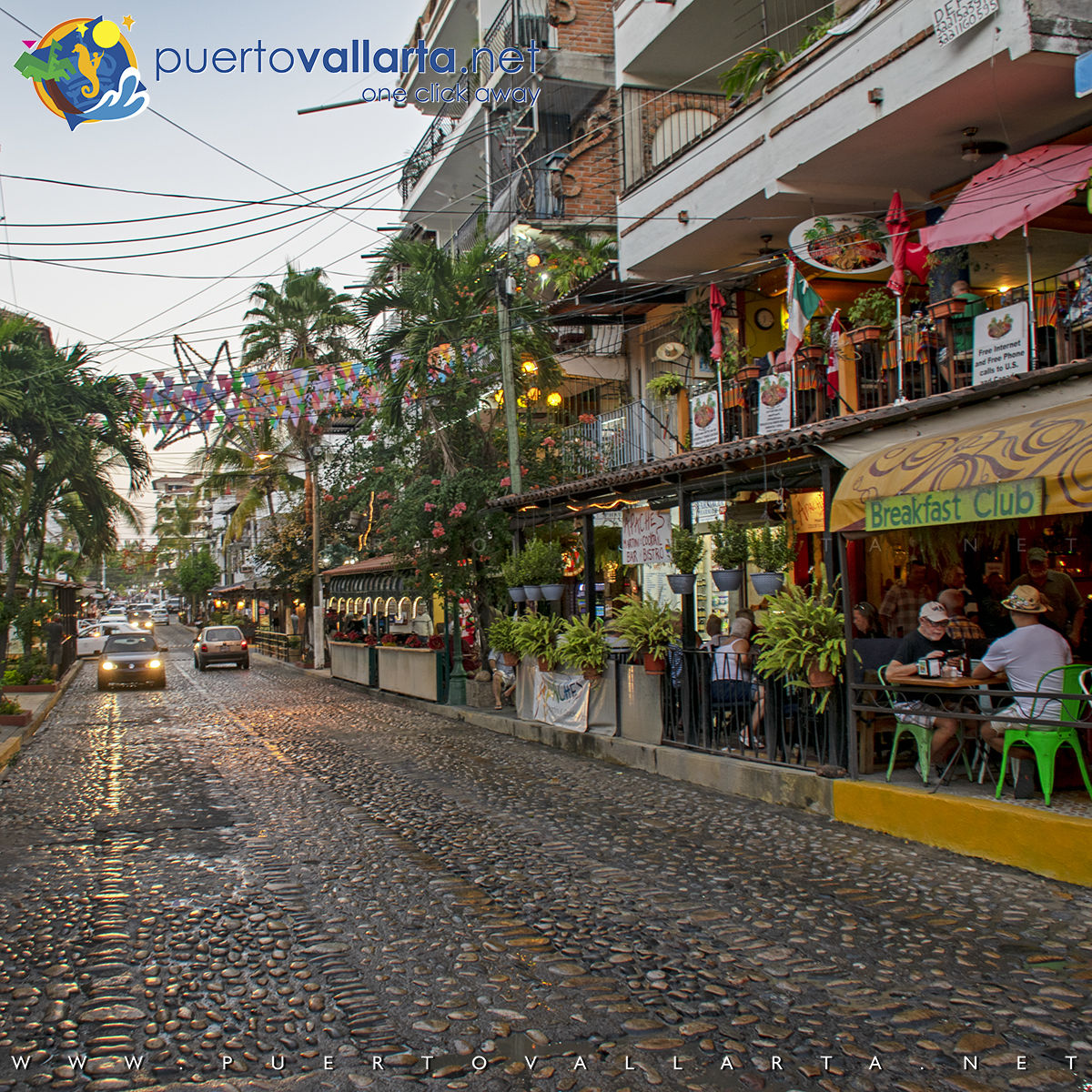
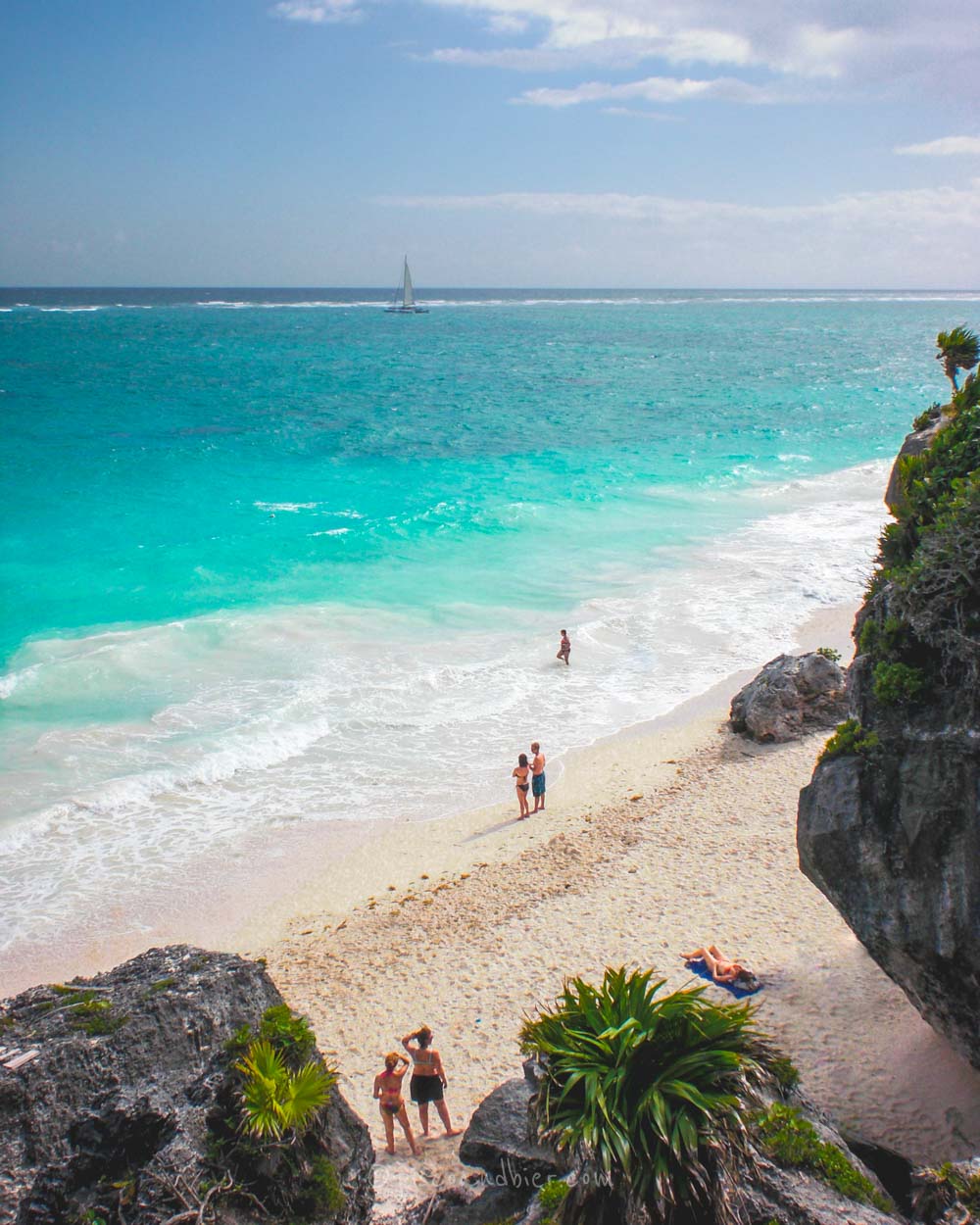
High-tourist beach markets (Playa del Carmen, Tulum, Puerto Vallarta, Sayulita, Cabo San Lucas): 15-35% gringo markup is typical. On a $400,000 condo, that's $60,000-140,000 in unnecessary cost. The highest markups I've personally seen documented were on Tulum pre-construction condos pitched to Americans at 40-60% above local comparable resales.
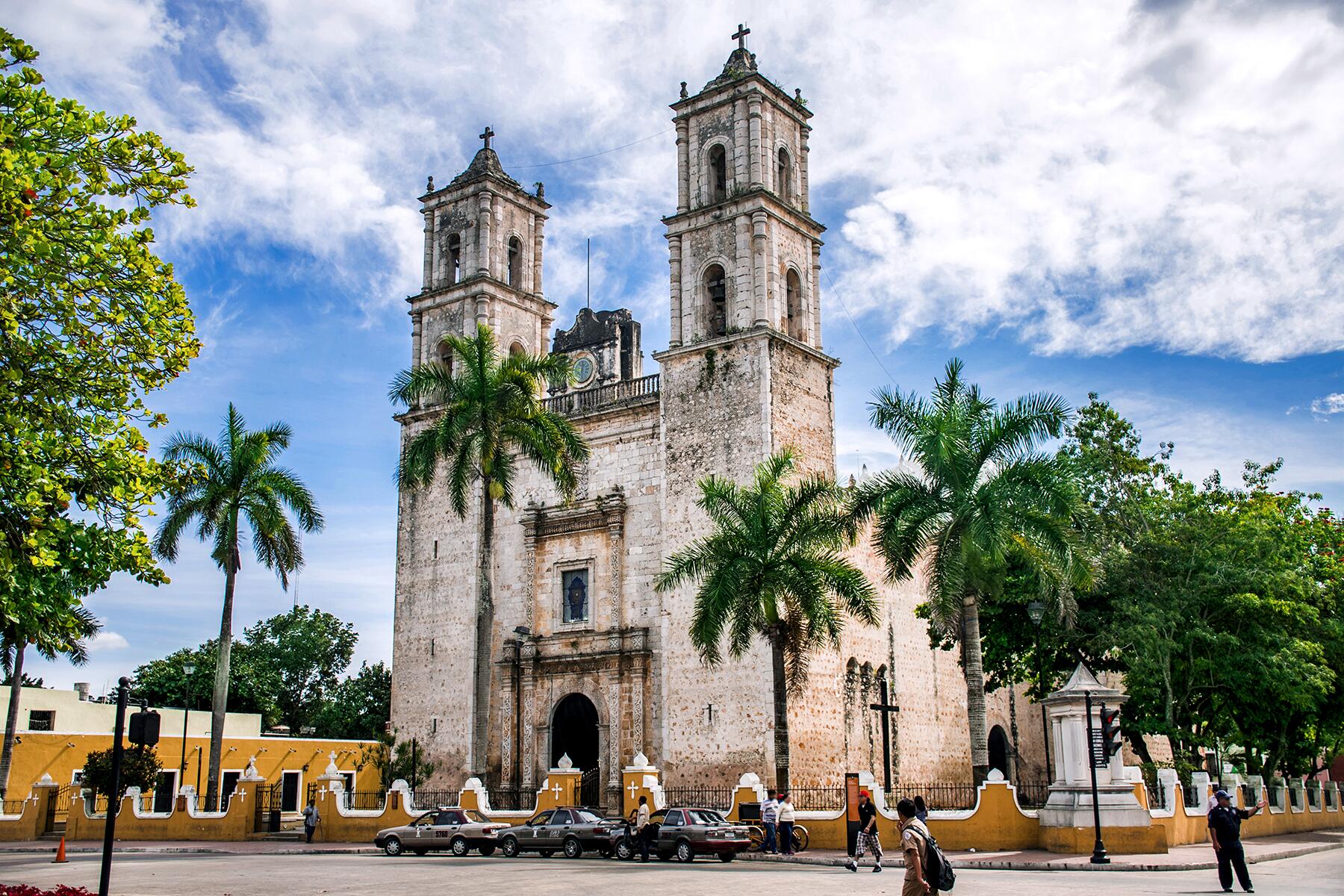
Mid-tier expat markets (Mérida, Lake Chapala/Ajijic, Oaxaca, San Miguel de Allende, Puerto Escondido): 8-18% markup. Enough established American community that information flows a bit better, but still wide enough spreads that a new arrival will overpay.
Mexico City (Condesa, Roma Norte, Polanco, Coyoacán): 5-15% markup. Relatively sophisticated market with Mexican middle-class buyers in direct competition — the market is less dominated by tourists, so agents can't inflate as aggressively. American buyers still pay a premium but it's smaller.
Interior cities with few foreigners (Querétaro, Aguascalientes, Morelia, Guanajuato city): 0-10% markup. These markets are dominated by Mexican buyers. Agents generally don't have a gringo pricing playbook because they don't see enough gringos. An American who makes a serious offer at local-comparable prices is often taken seriously.
The implications for buying strategy are obvious. If you want to minimize gringo pricing, buy in a market where Mexicans are the dominant buyers. If you want beachfront in Tulum, budget extra for the foreigner premium and use every defensive tactic below to claw it back.
Defensive Move 1: Negotiate in Spanish — or Bring Someone Who Does
The single biggest predictor of how much an American overpays is whether they negotiated in Spanish or English. Mexperience's longstanding advice — echoed on every expat forum — is that negotiating in English 'drastically diminishes your chances' of getting the local price. This is not subtle. Ask the same agent about the same condo in Spanish versus English, in different weeks, and you will sometimes literally hear different numbers.
If your Spanish is below intermediate, pay a trusted bilingual intermediary — a Mexican attorney, a long-term-resident American with genuine local ties, or a small specialized buyer's advocate — to handle negotiations for you. Budget $500-2,000 for this service on a major purchase. On a $400,000 property, if the Spanish-speaking intermediary gets you 10% off the gringo price, you've saved $40,000 for $1,500. There is no better ROI in the entire transaction.
A cautionary note: the 'helpful bilingual friend' your real estate agent offers to translate is working for the seller. Do not use them for negotiations. The defensive principle throughout this article is that everyone working on the Mexican side of a real estate deal is working for the seller unless you have specifically hired them to represent you.

Defensive Move 2: Pull Real Comparables Before Making an Offer
You need Mexican comparables, not American comparables, to price a Mexican property correctly. Sources that actually work:
- Inmuebles24 — Mexico's largest portal, listings in Spanish. Search for comparable properties (same city, same bedroom count, same approximate size in square meters) and note the asking prices in Mexican pesos. Filter by colonia (neighborhood) if possible.
- Vivanuncios — secondary portal, often has listings Inmuebles24 doesn't have, especially from smaller sellers.
- Propiedades.com — another solid source with decent search filters.
- Mercado Libre Inmuebles — yes, the eBay of Latin America, and a surprising number of real estate listings post here first before reaching the paid portals.
- Our own Mexico listings by city — we pull from the major portals and standardize prices in both USD and MXN.
The goal is to build a list of 15-20 genuinely comparable recent listings, calculate the median peso-per-square-meter price, and walk into your negotiation knowing what local Mexicans are actually paying. If the seller is asking 30% above your comparable data, you now have a concrete basis to push back. If they're asking 5% above, you're probably near a fair price.
A thread on r/MexicoCity about comparable data has examples of exactly this exercise with real numbers from Condesa, Roma, and Coyoacán.
One warning: listing prices are not closing prices. Properties in Mexico routinely close 5-15% below asking, especially when the seller is foreign or the property has been on the market for more than six months. So your comparable list should be adjusted down slightly to approximate what properties actually traded at, not what they were listed at. For real historical transaction data, no public source in Mexico is comprehensive — this is one of the frustrations of the market.
Defensive Move 3: Rent First, Buy Later
The single most effective gringo pricing defense is simply being around long enough that you stop being a tourist. Rent in the area for 3-6 months before making any purchase decisions. During that time:
- You build relationships with Mexican neighbors, shopkeepers, and local professionals who will talk to you honestly about what property costs
- You learn the specific neighborhoods within a city where prices differ dramatically (Playa del Carmen's Colosio vs. Centro vs. Playacar is a 2-3x spread)
- You start picking up the negotiating rhythm of the market — when people are willing to drop price, what concessions matter, what questions to ask
- You often find properties off-market through word of mouth at prices no portal listing will touch
Mexperience's bargaining article makes this point repeatedly: 'there is no substitute for getting to know the locale.' This is correct. The Americans who pay the smallest gringo premium are almost universally the ones who've been living in Mexico for at least six months when they buy.
The tradeoff is time and uncertainty — you're paying rent somewhere while you scout, and some properties will go to other buyers while you wait. But on a $400,000 purchase, six months of rent at $1,500/month is $9,000 — trivial compared to the $40,000-80,000 you might save by eventually paying the right price. Reddit threads on r/IWantOut about rent-first strategies echo this consistently.
Defensive Move 4: Pay Cash and Use It as Leverage
Cash offers in Mexico carry genuine negotiating power for two reasons. First, Mexican mortgages are relatively uncommon and expensive (rates of 10-13% for Mexican nationals, and even more for foreigners, if they can get financed at all), which means sellers generally prefer cash buyers by default. Second, Mexican sellers often have their own tax and liquidity considerations that make a fast cash closing more valuable than a slightly higher price with a financing contingency.
Use it. A cash offer that's 8-12% below asking is typically taken seriously even in hot markets. A cash offer 15-20% below asking is a real starting point in slower markets and with motivated sellers. Cash buyers with local knowledge routinely close at 75-85% of original asking in places like Playa del Carmen and Tulum where list prices are inflated in the first place.
The one caveat: 'cash' in Mexico means you're wiring the funds through an escrow provider, not literally handing over cash. Cash payments above USD 8,700 equivalent are illegal in most Mexican real estate transactions under anti-money-laundering rules. SAT's AML rules prohibit the notario from formalizing a deed with cash above this threshold. If a seller insists on cash above the threshold, that's a red flag — walk away.
Defensive Move 5: Use an Independent Buyer's Representative
Mexico doesn't have US-style buyer's agents, but a handful of independent buyer advocates exist in the main expat markets. These are Mexican-licensed real estate professionals or attorneys who work exclusively for the buyer, charge a flat fee (typically 1-2% of purchase price or $2,500-8,000 flat), and have no commission relationship with the seller or listing agent.
Calibrating expectations: you'll find these services most easily in Playa del Carmen, Puerto Vallarta, Mérida, San Miguel de Allende, and Mexico City. You won't find them in smaller beach towns or inland cities with few foreigners. Ask for written references from past American buyers — someone who cannot produce at least three specific references with names you can verify is not the person you want.
The math is pretty simple: a buyer's representative who saves you 7-10% off gringo pricing on a $500,000 purchase just paid their own fee five times over. Americans who use these services rarely regret it; Americans who decide they can handle it themselves routinely regret that after the fact.
For discussion of this service model, International Living's Mexico buying resources and Mexico Relocation Guide periodically cover specific buyer advocates. And see our article on hiring a bilingual real estate lawyer abroad for what to look for in the professional relationship.
The Things That Don't Work
A few popular 'gringo defenses' that don't actually accomplish much:
- Pretending you live in Mexico when you don't. Agents pick up on this in about four minutes. Your accent, your vocabulary, your unfamiliarity with neighborhood names, and the fact that the agent Googles you while you're in their office will all give you away. Don't bother.
- Forming a Mexican corporation specifically to hide that you're a foreigner. Expensive, time-consuming, introduces corporate tax and reporting obligations, and doesn't actually change how agents price to you because they can see the corporate structure in documents.
- Aggressive lowball offers without supporting data. A 50%-of-asking offer with no comparable data just makes the seller and agent stop taking you seriously. Negotiate from a position of informed fair value, not from a position of hoping to get lucky.
- Using a lawyer the agent recommends. The agent recommends people who play well with other agents. You need adversarial representation, not collegial representation.
The honest take on gringo pricing is that it is universal, unavoidable, and significantly reducible. You will pay some amount more than a Mexican neighbor would pay for the same property. The question is whether that premium is 2% (tolerable, you're foreign, it's fine) or 30% (absurd, you were taken for a ride). With comparables, a Spanish-speaking advocate, a patient timeline, and independent representation, you can keep that premium in the single digits.
For more on avoiding the other big Mexican real estate traps, read our Mexico property scams article, our Mexico restricted zone guide, and our full Mexico buying process walkthrough. For current real listings with standardized USD pricing to help you calibrate, browse our Playa del Carmen, Puerto Vallarta, and Mérida pages.
Ready to explore?
Browse Destinations