
Cost of Living in Japan vs. USA (2026) — Real Side-by-Side Numbers
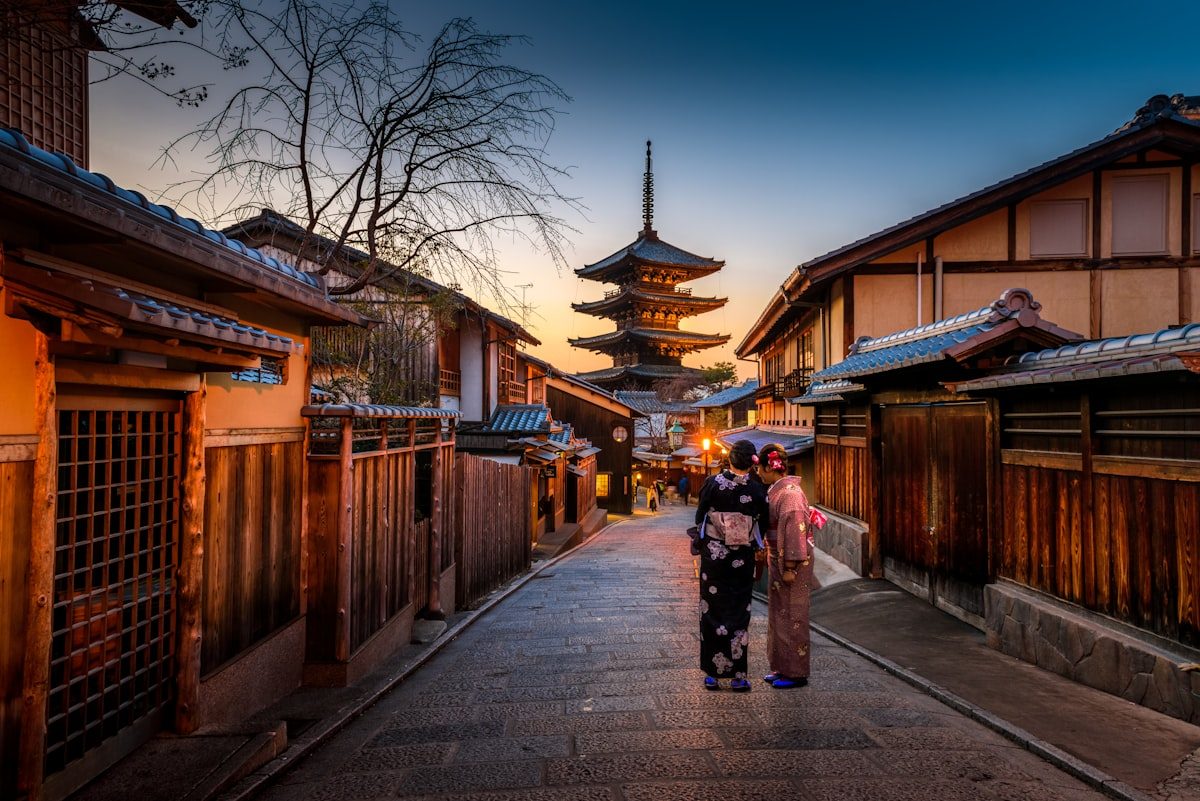
Americans searching 'cost of living Japan vs USA' expect Japan to be expensive — the country spent decades at the top of 'most expensive' lists. But 2026 Japan is a different story. A weakened yen (hovering around ¥155–160 to the dollar), decades of deflation, and a cost structure that was always misunderstood by people who only looked at Tokyo have made Japan surprisingly affordable for dollar-earners.
This guide puts real 2026 numbers side by side. Rent in Tokyo vs. New York. Groceries in Osaka vs. Chicago. Healthcare in Kyoto vs. Los Angeles. We're comparing what you'd actually spend, not abstract national averages.
The short version: a comfortable single person in Tokyo spends $1,800–$2,800/month. The same lifestyle in a mid-tier US city like Denver runs $3,500–$5,000. In New York, you're looking at $5,000–$7,000. That gap — $1,200 to $4,200 per month — adds up to $15,000 to $50,000 per year.
As one r/japanlife poster put it: 'I moved from San Francisco to Osaka and my quality of life went up while my spending dropped by 40%. I eat better, take immaculate trains everywhere, and my health insurance costs less than my old Netflix and gym subscriptions combined.'
The Big Picture: Japan vs. USA by the Numbers
Before the line-item breakdown, here's the overview. According to Numbeo's 2026 data, consumer prices in Japan are 24% lower than in the United States. Rent is 46% lower on average. And the yen's sustained weakness against the dollar means Americans converting USD get significantly more purchasing power than even two years ago.
But the averages undersell it. Outside Tokyo, Japan's second-tier cities — Osaka, Fukuoka, Sapporo, Nagoya — are dramatically cheaper than any comparable US metro. And even within Tokyo, once you step outside the Minato/Shibuya/Shinjuku premium zones, rents drop sharply.
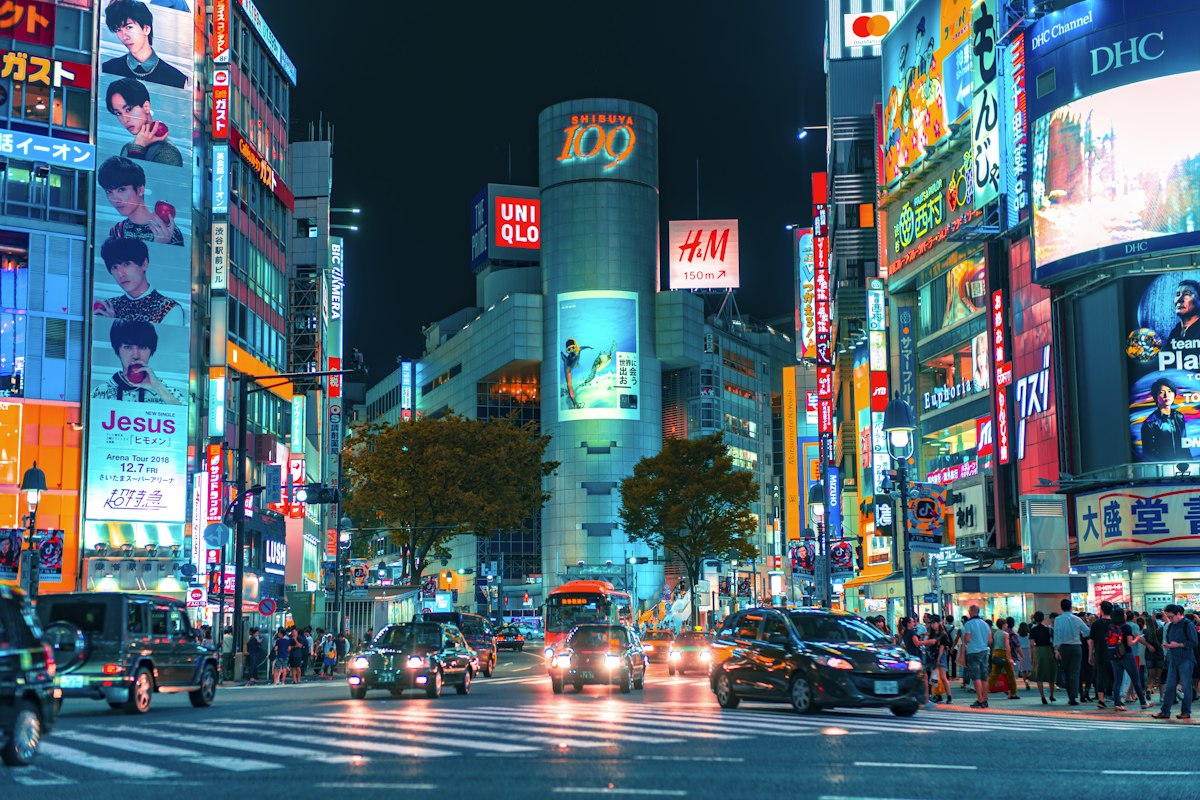
Monthly spending comparison — single person, comfortable lifestyle:
| Category | Tokyo (23 wards) | Osaka | New York City | Denver, CO |
|---|---|---|---|---|
| 1BR rent (decent area) | $800–$1,200 | $500–$800 | $3,200–$4,500 | $1,700–$2,400 |
| Groceries | $300–$400 | $250–$350 | $450–$600 | $380–$500 |
| Dining out (3×/wk) | $200–$350 | $180–$300 | $500–$800 | $350–$550 |
| Transit | $80–$120 | $60–$100 | $130 | $50–$100 |
| Utilities + internet | $130–$200 | $110–$170 | $200–$280 | $180–$260 |
| Health insurance (NHI) | $150–$350 | $120–$300 | $400–$700 | $300–$500 |
| Monthly total | $1,660–$2,620 | $1,220–$2,020 | $4,880–$6,910 | $2,960–$4,310 |
That Tokyo-to-NYC gap is $2,200–$4,300/month — around $26,000–$52,000/year. Even comparing Osaka to Denver, you're saving $1,700–$2,300/month. For couples sharing a 2BR, the math gets even more favorable — Tokyo 2BRs run $1,200–$1,800 vs. $4,500–$6,000 in NYC.
Rent: The Yen Discount is Real
Japan's rental market is structurally different from America's — and structurally cheaper. Even in Tokyo, rents have been essentially flat for 20 years while US rents have doubled.
Tokyo vs. US cities (1BR apartment, 2026):
| Neighborhood tier | Tokyo | NYC | LA | Chicago | Austin |
|---|---|---|---|---|---|
| Central/desirable | $900–$1,400 | $3,200–$5,000 | $2,400–$3,500 | $1,800–$2,600 | $1,600–$2,200 |
| Well-connected suburb | $600–$900 | $2,000–$3,000 | $1,700–$2,400 | $1,200–$1,800 | $1,200–$1,700 |
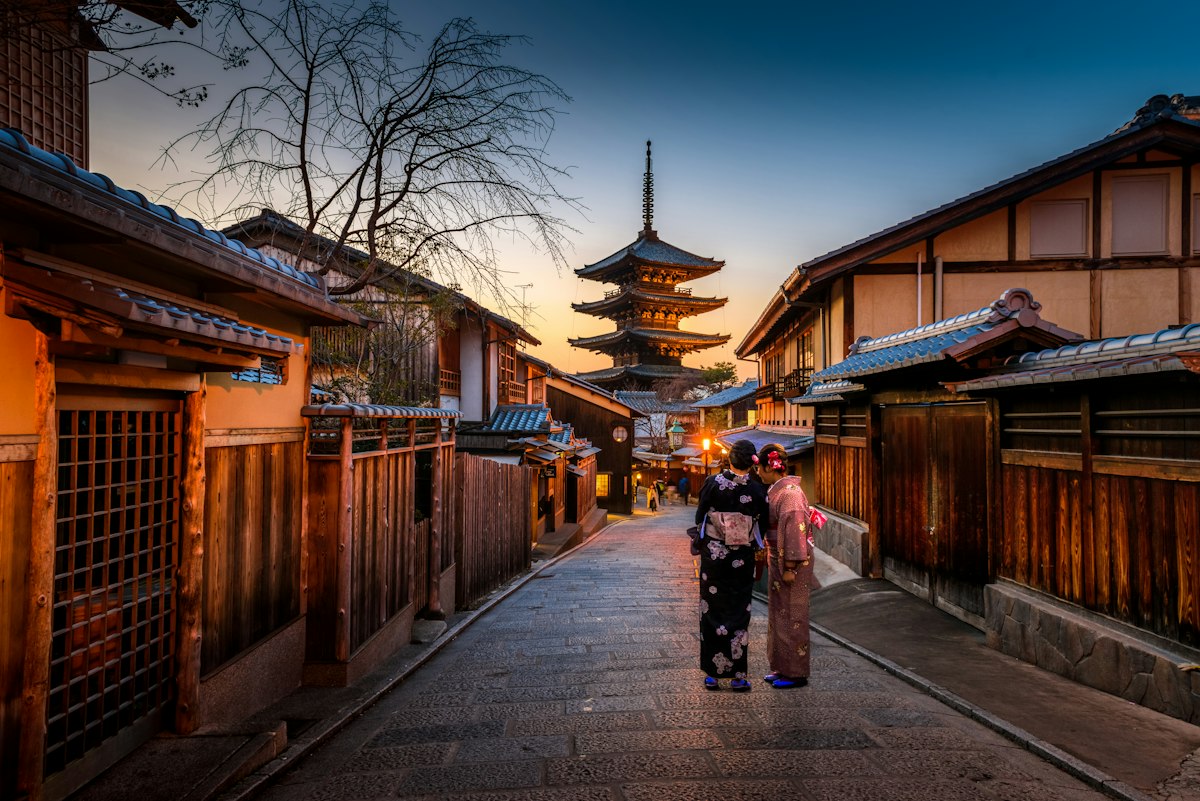
Osaka is where the real value is. Japan's second city has world-class food, nightlife, and culture, but rents run 30–40% below Tokyo. A well-located 1BR in Namba, Umeda, or Shinsaibashi costs ¥70,000–¥120,000 ($450–$775). Discussions in r/japanlife regularly feature Americans stunned by Osaka pricing.
Fukuoka — increasingly popular with remote workers — offers beachside living with 1BRs at ¥50,000–¥80,000 ($325–$515). It's consistently ranked Japan's most livable city and has a growing startup scene.
Kyoto splits the difference: ¥65,000–¥110,000 ($420–$710) for a 1BR near the center. You're living in one of the world's most beautiful cities for less than a studio in any major US metro.
Japanese rental quirks Americans should know:
- Key money (reikin): A non-refundable payment of 1–2 months' rent to the landlord. Think of it as a one-time cost, not a monthly expense. Many listings now advertise ¥0 key money.
- Guarantor companies (hoshōnin): Instead of credit scores, Japan uses guarantor companies. Foreigners pay 50–100% of one month's rent for this service.
- Renewal fees: Every 2 years, you typically pay 1 month's rent as a renewal fee. Budget for it.
- Small by US standards: A Tokyo 1BR is typically 25–35 sqm (270–375 sqft). Osaka and other cities run 30–45 sqm. You'll have less space but much better location access.
Browse properties in Japan on GaijinPot Apartments or Real Estate Japan — or check our Japan property listings.
Groceries: Cheap Staples, Premium Everything
Japanese grocery shopping surprises Americans in both directions. Staples — rice, tofu, noodles, seasonal vegetables, fish — are cheap. Imported goods, beef, cheese, and fruit can be expensive. The net effect depends on how much you adapt your diet.
Price comparison (2026 averages):
| Item | Japan | USA | Difference |
|---|---|---|---|
| Rice (5 kg / 11 lbs) | $15–$20 | $10–$15 | More expensive |
| Eggs (10-pack) | $2.50–$3.50 | $4.50–$6.00 | 30–45% cheaper |
| Whole milk (1 liter) | $1.80–$2.20 | $1.10–$1.50 | More expensive |
| Chicken breast (1 kg) | $5.50–$7.00 | $8.00–$11.00 | 25–35% cheaper |
| Ground beef (500g) | $4.00–$6.00 | $5.50–$7.50 | Comparable |
| Tofu (400g block) | $0.80–$1.20 | $2.50–$4.00 | 60–70% cheaper |
| Seasonal vegetables (mixed) | $2.00–$4.00 | $3.50–$6.00 | 30–45% cheaper |
| Beer (6-pack, domestic) | $6.00–$8.00 | $9.00–$13.00 | 30–40% cheaper |
| Fruit (single apple) | $1.50–$3.00 | $0.75–$1.50 | More expensive |
| Bottle of wine (decent) | $8.00–$15.00 | $10.00–$18.00 | Comparable |
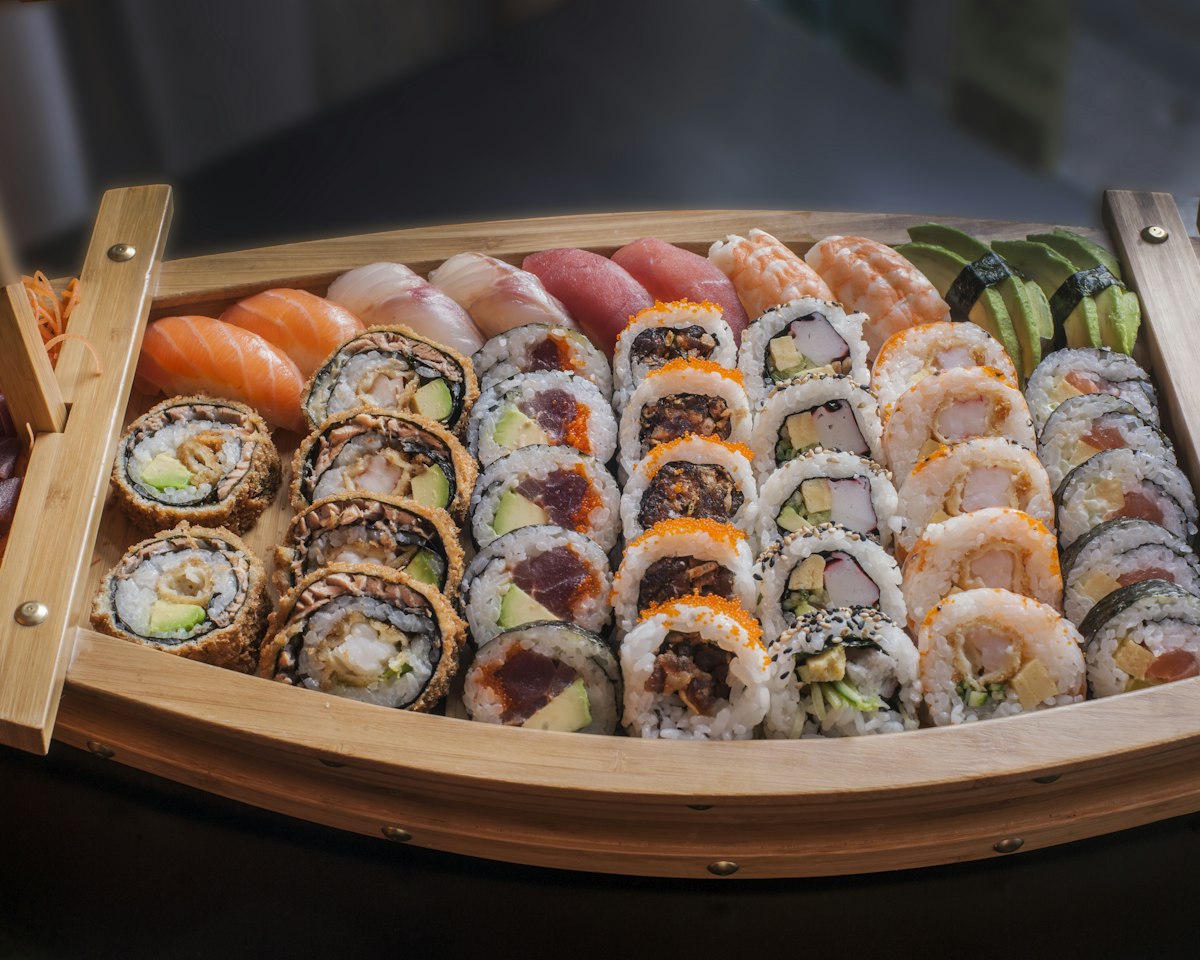
A well-stocked week of groceries costs $55–$85 in Japan vs. $90–$140 in the US — if you lean into Japanese cooking. If you insist on importing your American diet (lots of beef, cheese, cereal, large fruit portions), you'll close the gap.
The secret weapon: konbini (convenience stores). 7-Eleven, FamilyMart, and Lawson in Japan are nothing like their US equivalents. They serve fresh onigiri ($1.10), bento boxes ($3.50–$5.00), and surprisingly good prepared meals at prices that undercut casual restaurants. Many expats eat 3–5 konbini meals per week.
For bulk shopping, Gyomu Super (業務スーパー) is Japan's answer to Costco — massive packs of frozen goods, imported items, and cooking staples at wholesale prices. As r/japanlife regulars swear: 'Gyomu Super changed my grocery bill more than anything else in Japan.'
For a deeper dive into all the line items, see our full cost of living in Japan guide.

Dining Out: The World's Best Food, at World's Best Prices
Japan has more Michelin-starred restaurants than any country on Earth — and the cheapest among them would be mid-range anywhere else. But the real savings aren't at starred restaurants. They're at the ramen shops, izakayas, curry houses, and teishoku (set meal) restaurants that blanket every Japanese neighborhood.
Dining comparison:
| Meal type | Japan | USA |
|---|---|---|
| Ramen (excellent quality) | $6–$10 | $16–$22 |
| Lunch set (teishoku — rice, main, miso, pickles) | $6–$9 | No equivalent |
| Izakaya dinner (drinks + 4–5 dishes) | $20–$35 | $45–$70 |
| Sushi (good conveyor belt / kaiten) | $10–$20 | $30–$60 |
| Mid-range dinner for two | $40–$70 | $90–$150 |
| Coffee (kissaten or chain) | $3.00–$4.50 | $4.50–$6.50 |
| Beer at a bar (draft) | $3.50–$5.00 | $7.00–$10.00 |
| Fast food combo (McDonald's) | $5–$7 | $10–$14 |
| Convenience store bento | $3.50–$5.00 | No equivalent |
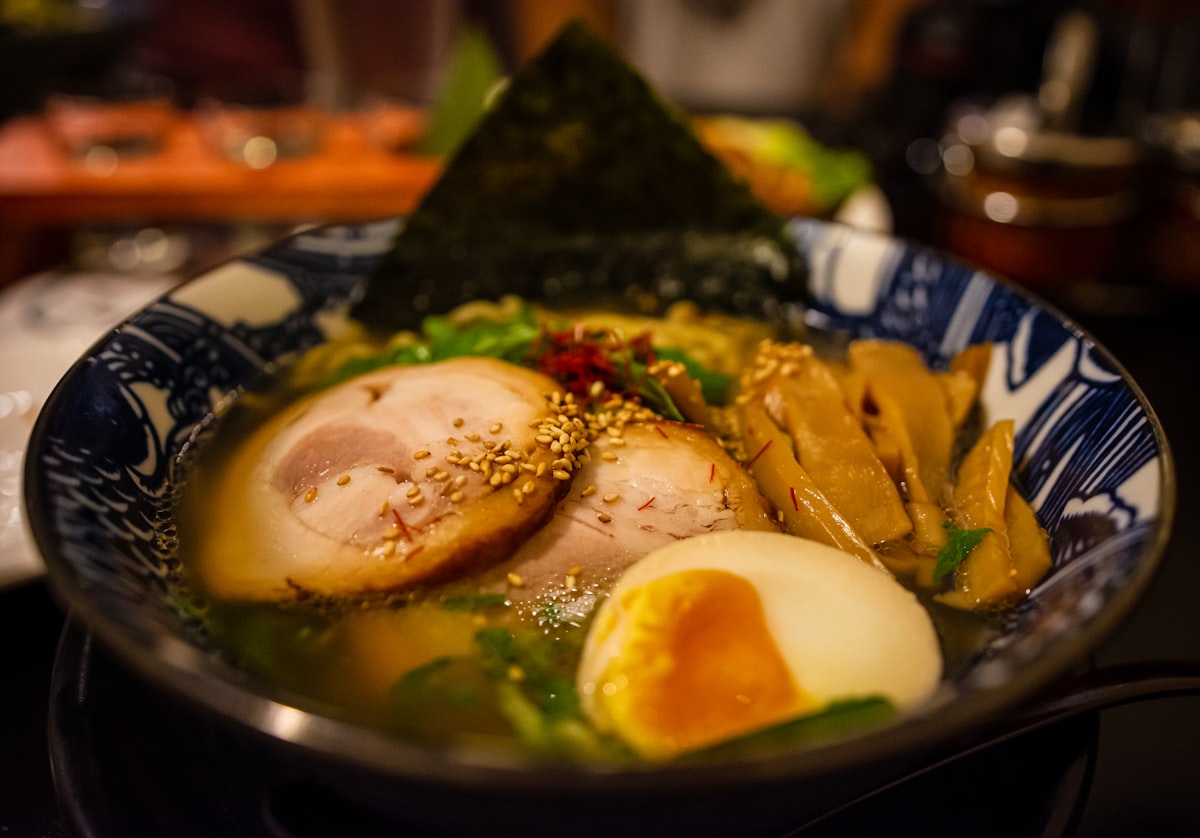
The tipping math is even simpler than Europe: tipping does not exist in Japan. Not at restaurants, not in taxis, not at hotels. It's considered rude. For Americans conditioned to add 20% to every meal, this is an instant and permanent savings.
Japan's nomihōdai (all-you-can-drink) culture at izakayas typically costs ¥1,500–¥2,500 ($10–$16) for 2 hours. Pair that with a tabehōdai (all-you-can-eat) deal and a full evening out with friends runs $25–$40 per person — including drinks. Try that in Manhattan.
One r/movingtojapan poster captured it: 'I eat out for almost every meal in Osaka and spend less than I did cooking at home in Portland. Lunch is $7 ramen, dinner is $25 at an izakaya with beers. My total food budget is under $800/month.'
Healthcare: Universal Coverage at a Fraction of the Cost
Japan's National Health Insurance (NHI) system covers every resident — including foreign workers and their families. It's ranked among the world's best by the WHO, with exceptional outcomes, short wait times, and a 30% copay model that keeps costs transparent and low.
Cost comparison:
| Healthcare item | Japan (NHI) | USA |
|---|---|---|
| Monthly premium (individual, avg income) | $150–$350 | $400–$700 |
| GP visit (with NHI copay) | $10–$25 | $150–$350 |
| Specialist consultation | $20–$50 | $250–$500 |
| Dental cleaning | $25–$40 | $150–$300 |
| Emergency room visit | $50–$150 | $1,500–$5,000+ |
| Prescription (generic, 30 day) | $5–$15 | $15–$80 |
| MRI scan | $60–$120 | $500–$3,000 |
| Childbirth (hospital stay) | $3,000–$5,000 (before lump-sum grant) | $5,000–$15,000 |
The NHI copay structure is straightforward: you pay 30% of the bill, the government covers 70%. There's a monthly out-of-pocket cap (kōgaku ryōyō-hi) that limits your exposure — for average earners, it's roughly ¥80,000–¥90,000 ($515–$580) per month. Hit that ceiling and everything above it is covered.

NHI premiums are income-based, not age-based (unlike US insurance). A single person earning $50,000/year pays roughly ¥25,000–¥45,000 ($160–$290) per month. For the same coverage level in the US — low deductible, broad network — you'd pay $500–$800/month on the marketplace.
Japan also has a childbirth lump-sum grant (shussan ikuji ichijikin) of ¥500,000 (~$3,200) per baby, which largely offsets the hospital costs. The US equivalent: a GoFundMe.
For mental health, Japan has made significant strides. Counseling sessions run $30–$60 with NHI coverage. Several clinics in Tokyo and Osaka now offer English-language therapy. The Japan Healthcare Info site maintained by the Ministry of Health provides English-language guidance for foreigners navigating the system.
Pharmacies are everywhere and prescription drugs are dramatically cheaper — a month of common maintenance medications (blood pressure, thyroid, etc.) typically costs $5–$20 after NHI. As one r/expats poster noted: 'My wife's thyroid medication costs $7/month in Japan. The same generic was $85/month in the US with our insurance.'
Get featured properties in your inbox
A weekly digest of handpicked listings from 20 countries. Free, no spam.
Transportation: Trains That Actually Work
Japan's rail system is the gold standard that every other country's transit is measured against — and it's cheaper than owning a car in America.
Monthly transport costs:
| Category | Japan (major city) | USA (major city) |
|---|---|---|
| Monthly commuter pass | $80–$150 | $100–$130 |
| Car payment (avg) | Not needed | $500–$700 |
| Car insurance | Not needed | $150–$250 |
| Gas | Not needed | $150–$250 |
| Parking | Not needed | $100–$300 |
| Total | $80–$150 | $600–$1,200+ |
Tokyo's train network (JR, Metro, private lines) covers 300+ stations with trains every 2–5 minutes during peak hours. Employers typically cover your commuter pass (teiki-ken) entirely — it's a standard benefit, not a perk. If you're self-employed, the pass is a tax deduction.
Intercity travel via Shinkansen (bullet train) connects Tokyo to Osaka (2.5 hrs), Kyoto (2.25 hrs), Hiroshima (4 hrs), and Fukuoka (5 hrs). Regular tickets run $90–$130 one-way for Tokyo-Osaka. The Japan Rail Pass (7-day: $200, 21-day: $400) is available to tourists and short-term residents.
For long-term residents, the commuter Shinkansen pass (Shinkansen teiki) between Tokyo and adjacent cities makes exurban living viable. Some Americans live in cheaper cities like Atami or Odawara and Shinkansen-commute to Tokyo — a 45-minute ride that costs $600–$800/month as a commuter pass. That's less than a parking spot in Manhattan.
Japan's famous punctuality means the train schedule IS your schedule. The average delay on Tokyo Metro is under 1 minute per year. When a train is 30 seconds late, the conductor apologizes over the PA. Try getting that from the NYC subway.
Bicycles are the other Japanese transit hack. Cycling is a primary mode of transportation — not a weekend hobby. Used bikes cost $50–$100 (recycle shops everywhere), and most stations have bike parking. No $3,000 e-bike needed.
Owning a car in Japan is expensive and unnecessary in cities: mandatory biennial shaken inspection ($1,000–$2,000), road tax, compulsory insurance, and parking costs ($200–$400/month in Tokyo). Rural Japan is different — you'll want a lightweight kei car ($5,000–$15,000 used) if you live countryside.
Housing to Buy: From ¥1M Akiya to Tokyo Apartments
Japan's property market is unique among developed nations: homes depreciate. A Japanese wooden house loses virtually all its value in 20–30 years — only the land retains worth. This creates extraordinary buying opportunities for Americans willing to think differently about housing.
Property prices (2026):
| Location | Median price (apartment/condo) | Price/sqft |
|---|---|---|
| Tokyo (23 wards, 2BR) | $250,000–$450,000 | $600–$1,000 |
| Osaka (central, 2BR) | $150,000–$280,000 | $350–$600 |
| Kyoto (central, 2BR) | $180,000–$320,000 | $400–$700 |
| Fukuoka (central, 2BR) | $120,000–$220,000 | $300–$500 |
| --- | --- | --- |
| NYC (Manhattan, 2BR) | $1,000,000–$2,000,000 | $1,200–$2,000 |
| LA (central, 2BR) | $600,000–$900,000 | $600–$900 |
| Denver (central, 2BR) | $350,000–$550,000 | $300–$450 |
| National US median | ~$420,000 | ~$230 |
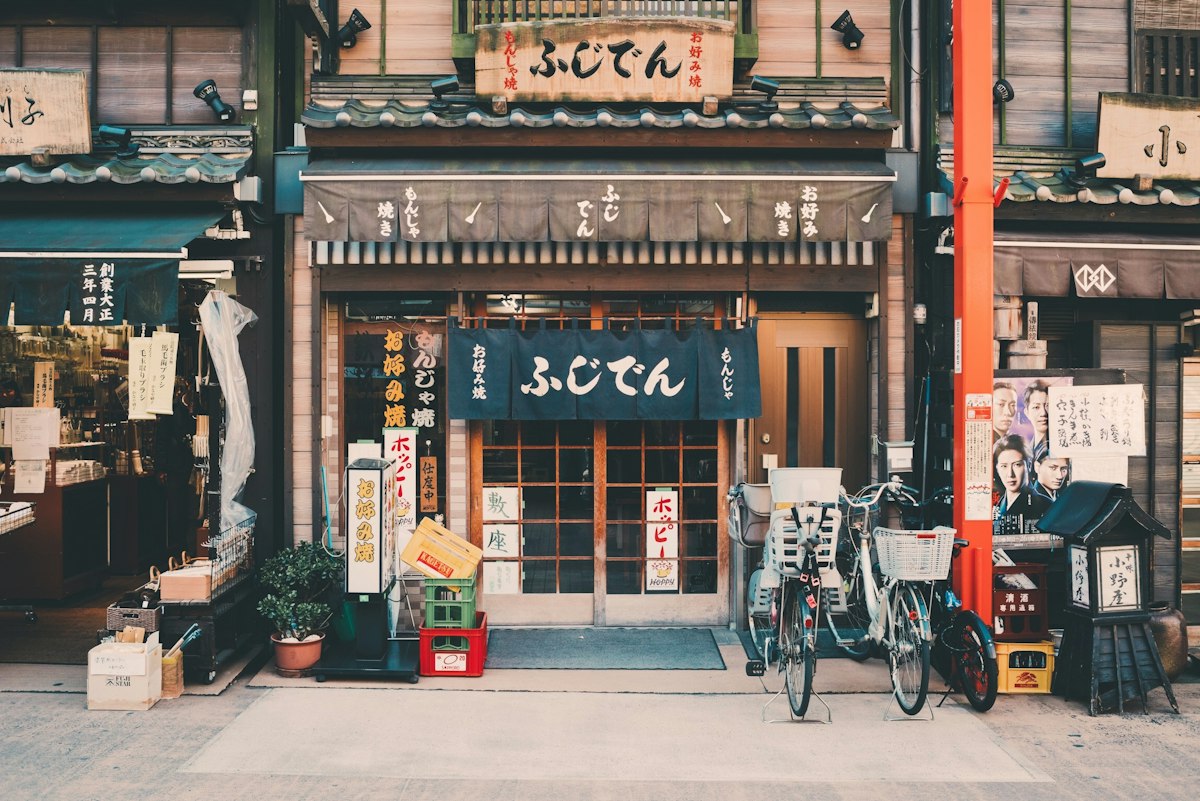
The akiya (vacant house) phenomenon is the entry point that gets the most attention from Americans. Japan has over 8 million vacant homes — the result of rural depopulation and an aging society. Local governments sell these for as little as ¥500,000–¥3,000,000 ($3,200–$19,000). Renovation costs add $30,000–$100,000, but the total outlay for a fully renovated countryside home is still less than a single year's rent in many US cities.
Akiya databases: Akiya & Inaka and local government akiya banks (akiya banku) list available properties. As covered extensively in r/movingtojapan, the process is real but requires patience, a Japanese-speaking agent (or attorney), and realistic expectations about renovation timelines.
For foreigners buying in Japan:
- No restrictions — foreigners can buy property freely (land and buildings)
- Mortgages are available to permanent residents at remarkably low rates (0.5–1.5% variable, 1.5–2.5% fixed)
- Non-PR foreigners can get mortgages through select banks (Prestia/SMBC, Shinsei) with higher down payments (20–30%)
- Closing costs: 6–8% (registration tax, acquisition tax, agent fees, stamp duty)
- Annual property tax: ~1.4% of assessed value (usually well below market value)
Browse real Japanese property listings on EscapeFromUSA's Japan page.
Taxes: FEIE, Tax Treaties, and Japan's Progressive System
Japan's tax system is progressive with rates comparable to high-tax US states. But the combination of FEIE, the US-Japan tax treaty, and Japan's social insurance deductions means most Americans don't pay double.
Japan's income tax brackets (national + local):
- Up to ¥1.95M (~$12,600): 15% (5% national + 10% local)
- ¥1.95M–¥3.30M (~$21,300): 20%
- ¥3.30M–¥6.95M (~$44,800): 30%
- ¥6.95M–¥9.00M (~$58,000): 33%
- ¥9.00M–¥18.00M (~$116,000): 43%
- Over ¥18.00M: 50%
Plus social insurance (NHI + pension + employment insurance) adds 15–20% on top. Total burden for a ¥8M ($51,600) earner: roughly 30–35% effective rate.
Key tax mechanisms for Americans:
FEIE: Excludes up to $126,500 of foreign earned income from US federal tax if you pass the Physical Presence Test (330 days outside the US). See IRS Publication 54.
US-Japan Tax Treaty: Prevents double taxation on most income types. Japan-sourced income taxed in Japan gets a Foreign Tax Credit against your US liability. Treaty documents are published by the IRS.
Japan's National Tax Agency (NTA) administers the system. Tax filing is annual (due March 15) and straightforward — Japan's tax forms are simpler than US returns.
Social insurance is not optional. Unlike the US, where freelancers can skip health insurance (and many do), Japan's NHI enrollment is mandatory. The pension contributions (nenkin) are also mandatory but can be partially refunded when you leave Japan via the lump-sum withdrawal payment.
The practical comparison for a remote worker earning $80,000:
| USA (Texas, no state tax) | Japan (Tokyo) | |
|---|---|---|
| Federal/national income tax | $10,500 | $7,200 (after FEIE offsets US side) |
| State/local tax | $0 | $4,800 (resident tax) |
| Social insurance (health + pension) | $7,200 (SE tax) + $6,000 (insurance) | $8,400 (NHI + pension) |
| Total tax burden | $23,700 | $20,400 |
The total tax burden is comparable or slightly lower in Japan — but you get universal healthcare, pension contributions (partially refundable), and none of the hidden costs (car insurance, health deductibles, parking) that inflate US expenses.
For detailed guidance, see our avoiding double taxation guide.
Quality of Life: What the Spreadsheet Misses
The numbers tell one story. Living in Japan tells another — one that makes the cost comparison almost secondary for many Americans who move there.
Safety: Japan's violent crime rate is among the lowest on Earth — roughly one-twentieth of the US rate. Children ride the subway alone to school from age 6. Women walk home at 3 AM without concern. Gun violence is essentially nonexistent (single-digit gun deaths per year in a country of 125 million). Discussion in r/japanlife consistently cites safety as the single biggest quality-of-life upgrade.
Cleanliness: Japanese cities are strikingly clean despite having almost no public trash cans. Streets, trains, public restrooms, parks — the baseline level of cleanliness exceeds anything in the US.

Convenience: The konbini (convenience store) network alone transforms daily life. Open 24/7, within walking distance everywhere, handling everything from ATM withdrawals to package shipping to paying utility bills to buying concert tickets — all while serving legitimately good food. Add in the train network, 100-yen shops (Dollar Tree equivalent), and vending machines on every corner, and Japan's convenience infrastructure is unmatched.
Work-life balance: This one's complicated. Japanese corporate culture is notorious for overwork (karōshi). But as a foreign remote worker, you get Japanese infrastructure without Japanese work culture. You set your own hours while benefiting from an entire society designed around efficiency and quality.
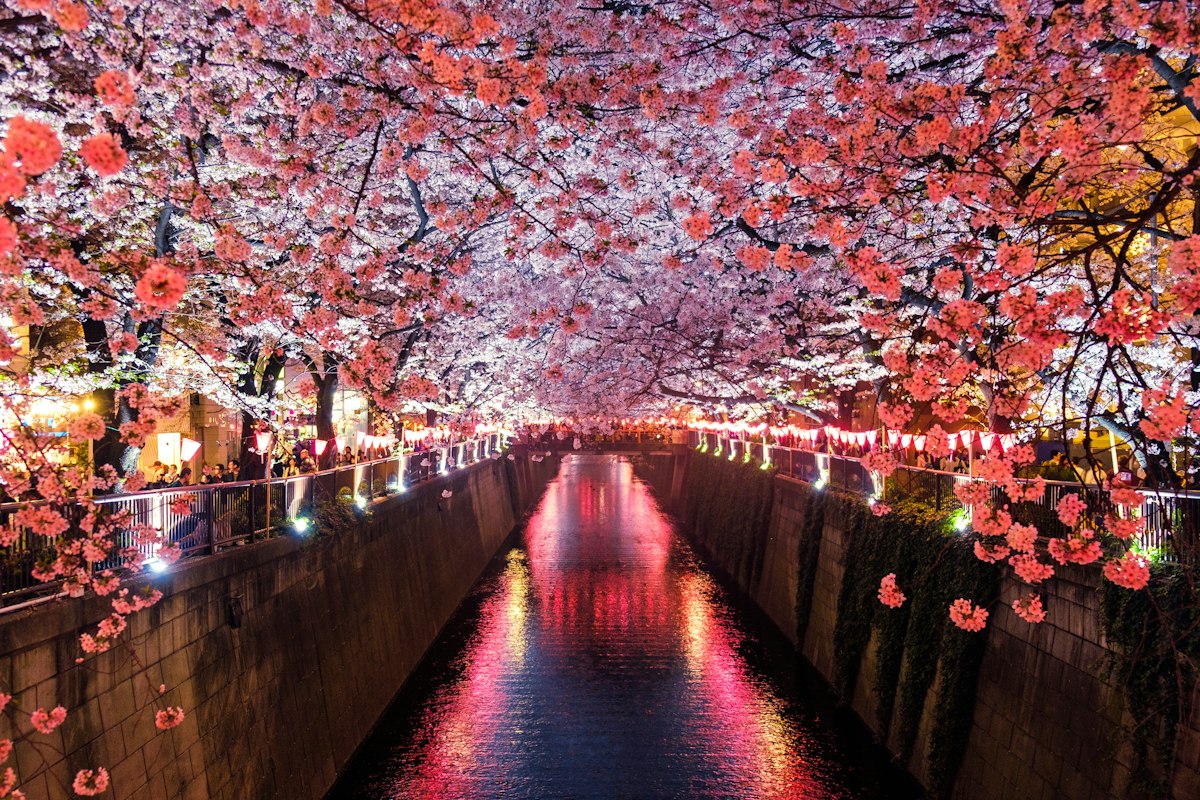
Seasons and nature: Japan has four distinct seasons and stunning natural beauty — cherry blossoms in spring, beaches and festivals in summer, vivid autumn foliage, powder snow in winter. From Tokyo, you can reach mountains, hot springs (onsen), beaches, and ancient forests within 1–2 hours.
Language barrier: The elephant in the room. Japan runs on Japanese, and daily life without it — banking, medical visits, apartment contracts, government paperwork — ranges from inconvenient to genuinely difficult. Major cities are getting better (English signage, translation apps, foreigner-friendly services), but this is not Amsterdam or Scandinavia. Budget 6–12 months to reach survival-level Japanese. r/LearnJapanese has excellent resources for getting started.
For the full picture of daily life, read our moving to Japan guide.
Visa Options for Americans Moving to Japan
Japan has historically been difficult to immigrate to, but recent labor shortages and a push to attract global talent have opened several new pathways.
Digital Nomad Visa (launched April 2024): For remote workers employed by non-Japanese companies. Valid for 6 months (non-renewable, but you can reapply after leaving). Income requirement: annual income above ¥10 million (~$64,500). No work for Japanese clients allowed. This is Japan's newest visa category, and details are still evolving — check the Ministry of Foreign Affairs for current requirements.
Highly Skilled Professional Visa (HSP): Points-based system for age, education, experience, and salary. Score 70+ points and get a 5-year visa with a path to permanent residency in 1–3 years (vs. 10 years normally). This is the golden ticket for qualified Americans.
Engineer/Specialist in Humanities/International Services: The standard work visa for most professional roles. Requires a bachelor's degree and a Japanese employer sponsor. Valid for 1–5 years, renewable.
Spouse/Dependent Visa: Marry a Japanese national or be the dependent of a work visa holder. Unrestricted work authorization.
Student Visa: Enroll in a Japanese language school or university. Allows part-time work (28 hrs/week). Many Americans use this as a 1–2 year entry path while studying Japanese and networking.
The Immigration Services Agency of Japan handles all visa processing. Applications go through Japanese embassies/consulates in the US.
Permanent residency typically requires 10 years of continuous residence, but HSP visa holders with 80+ points can apply after just 1 year. Japan does not offer citizenship-by-investment or retirement visas — you need a work connection or family tie.
All visa types require enrollment in NHI and the pension system. There's no opting out.
The Verdict: Who Should (and Shouldn't) Make the Move
Japan makes financial sense if you:
- Earn income remotely in USD while spending in yen (the exchange rate arbitrage is significant)
- Work in tech, design, or any field where US salaries dramatically exceed Japanese ones
- Value safety, cleanliness, and world-class public infrastructure
- Love Japanese food (this alone can transform your daily satisfaction)
- Are willing to learn basic Japanese (even N4/N3 level dramatically improves daily life)
- Want universal healthcare without $600+/month premiums
- Are interested in the akiya (vacant house) opportunity for ultra-cheap property
Japan might NOT make sense if you:
- Need a large living space — Japanese apartments are small by US standards
- Can't tolerate language barriers (daily life in Japanese is non-negotiable long-term)
- Work in a field where you'd need to earn a Japanese local salary (averages are ¥4.5M/$29,000)
- Want straightforward immigration — Japan's visa system is more restrictive than Europe's
- Hate crowds and density — Tokyo has 14 million people and it shows during rush hour
- Need regular access to the US — flights are 11–14 hours and $800–$1,500 round trip
The bottom-line math for a single remote worker earning $80,000/year:
| USA (Denver) | Japan (Osaka) | Annual savings | |
|---|---|---|---|
| Total annual spending | $42,000–$52,000 | $16,000–$24,000 | $18,000–$36,000 |
| Federal + state/local taxes | $12,000–$15,000 | $8,000–$12,000 (FEIE offsets US) | $0–$7,000 |
| Net savings | — | — | $20,000–$40,000/year |
That's $200,000–$400,000 over a decade — enough to buy an Osaka apartment outright, fund early retirement, or simply enjoy one of the world's most fascinating cultures while building the same (or greater) wealth.
Start browsing real Japanese property listings on EscapeFromUSA and check out our guides on things to do in Japan and the full moving to Japan guide.
Ready to explore?
Browse Destinations