
Cost of Living in Switzerland vs. USA (2026) — Real Side-by-Side Numbers
Switzerland has a reputation as one of the most expensive countries on Earth — and the numbers back it up. Numbeo's 2026 data shows consumer prices in Switzerland are 65% higher than in the United States, and rent runs 35% above US averages.
But here's the twist Americans never hear: Swiss salaries are so high that the average worker has more disposable income than their American counterpart after paying those inflated prices. A software engineer in Zurich earns CHF 120,000–180,000 ($135,000–$200,000) — comparable to Silicon Valley — but pays roughly half the tax rate, gets 4–5 weeks paid vacation, and never worries about a surprise $30,000 medical bill.
This guide puts real 2026 numbers side by side. Rent in Zurich vs. New York. Groceries in Bern vs. Chicago. Healthcare in Geneva vs. Los Angeles. We're comparing what you'd actually spend, not abstract national averages.
The short version: Switzerland is expensive, but Swiss wages more than compensate. A single professional in Bern takes home CHF 6,000–7,000/month after taxes and spends CHF 3,500–4,500 on living costs — leaving CHF 1,500–2,500 in monthly savings. That's comparable to what a six-figure earner saves in Austin or Denver, with dramatically better infrastructure, safety, and quality of life.
As one r/askswitzerland poster put it: 'I moved from San Francisco to Zurich. Yes, the grocery bill is higher. But my tax rate dropped from 40%+ to 22%, I get 5 weeks vacation, world-class transit, and my health insurance actually covers things without a $6,000 deductible. I'm saving more here than I ever did in California.'
The Big Picture: Switzerland vs. USA by the Numbers
Before the line items, the overview. According to Numbeo's 2026 data, consumer prices in Switzerland are 65.5% higher than in the United States. Rent is 34.7% higher. Groceries are 68% higher. Restaurant prices are 92% higher.
Sounds terrifying. But flip the coin: local purchasing power in Switzerland is 14.6% higher than in the US. Swiss workers earn enough to absorb those costs and still come out ahead.
Monthly spending comparison — single person, comfortable lifestyle:
| Category | Zurich | Bern | New York City | Denver |
|---|---|---|---|---|
| 1BR rent (decent area) | $2,500–$3,200 | $1,800–$2,400 | $3,200–$4,500 | $1,700–$2,400 |
| Groceries | $500–$700 | $450–$600 | $450–$600 | $380–$500 |
| Dining out (3×/wk) | $450–$650 | $350–$500 | $500–$800 | $350–$550 |
| Transit | $95 (half-fare GA) | $85 | $130 | $105 |
| Utilities + internet | $200–$280 | $180–$250 | $200–$280 | $180–$260 |
| Health insurance (LAMal) | $380–$450 | $300–$380 | $400–$700 | $300–$500 |
| Monthly total | $4,125–$5,280 | $3,165–$4,130 | $4,880–$6,910 | $3,015–$4,315 |
The Zurich-to-NYC comparison is striking: Zurich is cheaper for a comparable lifestyle, despite Switzerland's global reputation as the most expensive country. The real comparison, though, is Bern or Basel to mid-tier US cities — where Switzerland's lower taxes and superior infrastructure create a genuinely better financial outcome on similar salaries.
The Poor Swiss runs an excellent blog documenting real monthly costs. Their 2026 breakdown for a couple in Fribourg shows CHF 5,800/month total — roughly $6,500 — including rent, insurance, groceries, and transport. That couple earns CHF 12,000/month combined, saving $5,500/month after taxes.
Rent: Eye-Watering in Zurich, Reasonable Elsewhere
Swiss rent follows the same pattern as the US: the two dominant cities (Zurich and Geneva) are outrageously expensive, and everywhere else is 30–50% cheaper.
Rent comparison (1BR apartment, 2026):
| City | Center (nice area) | Well-connected suburb |
|---|---|---|
| Zurich | $2,500–$3,200 | $1,800–$2,400 |
| Geneva | $2,300–$3,000 | $1,700–$2,300 |
| Bern | $1,800–$2,400 | $1,300–$1,800 |
| Basel | $1,700–$2,200 | $1,200–$1,700 |
| Lausanne | $1,900–$2,500 | $1,400–$1,900 |
| Lucerne | $1,600–$2,100 | $1,100–$1,500 |
| --- | --- | --- |
| NYC | $3,200–$5,000 | $2,000–$3,000 |
| San Francisco | $2,800–$4,000 | $2,000–$2,800 |
| Denver | $1,700–$2,400 | $1,200–$1,700 |
| Austin | $1,600–$2,200 | $1,200–$1,700 |
Bern is the standout for Americans. Switzerland's capital has a UNESCO-listed medieval old town, excellent restaurants, direct airport connections, and rents 30–40% below Zurich. Discussions in r/askswitzerland regularly recommend Bern and Basel for Americans who want Swiss quality of life without Zurich prices.
Basel sits at the meeting point of Switzerland, France, and Germany. You can literally walk to France for cheaper groceries. 1BRs in the Kleinbasel district run $1,500–$2,000 — comparable to Portland or Nashville.
Swiss rental differences Americans should know:
- Deposits are capped at 3 months' rent and held in a blocked bank account — the landlord can't touch it
- Unfurnished is standard — most Swiss apartments come without a kitchen (you buy and install your own). Budget CHF 5,000–$15,000 for a kitchen
- Tenant protections are strong — landlords can only raise rent when justified by reference interest rate changes, and eviction is extremely difficult
- Nebenkosten (utility costs) are usually a flat monthly charge on top of rent: CHF 150–300/month covering heating, water, building maintenance
- Competition in Zurich/Geneva is fierce — 20+ applicants per apartment is normal. Bring a full dossier: employment contract, references, Betreibungsauszug (debt record)
Search Swiss properties on Homegate.ch or browse our Switzerland property listings.
Groceries: The $8 Chicken Breast Reality
Swiss grocery prices are the single biggest sticker shock for Americans. The country's agricultural protections and high labor costs mean food is dramatically more expensive than the US — or even neighboring France and Germany.
Price comparison (2026 averages):
| Item | Switzerland | USA | Difference |
|---|---|---|---|
| Loaf of bread | $3.50–$4.50 | $3.50–$4.50 | Similar |
| Dozen eggs (free range) | $6.00–$7.50 | $4.50–$6.00 | 30–40% more |
| Whole milk (1 liter) | $1.80–$2.20 | $1.10–$1.50 | 50–60% more |
| Chicken breast (1 kg) | $18.00–$25.00 | $8.00–$11.00 | 100–130% more |
| Beef (1 kg) | $35.00–$55.00 | $15.00–$22.00 | 120–150% more |
| Tomatoes (1 kg) | $4.50–$6.00 | $4.00–$5.50 | 10–20% more |
| Wine (decent bottle) | $8.00–$15.00 | $10.00–$18.00 | Similar |
| Beer (6-pack domestic) | $10.00–$14.00 | $8.00–$12.00 | 15–25% more |
| Cheddar cheese (1 kg) | $22.00–$30.00 | $12.00–$16.00 | 80–90% more |
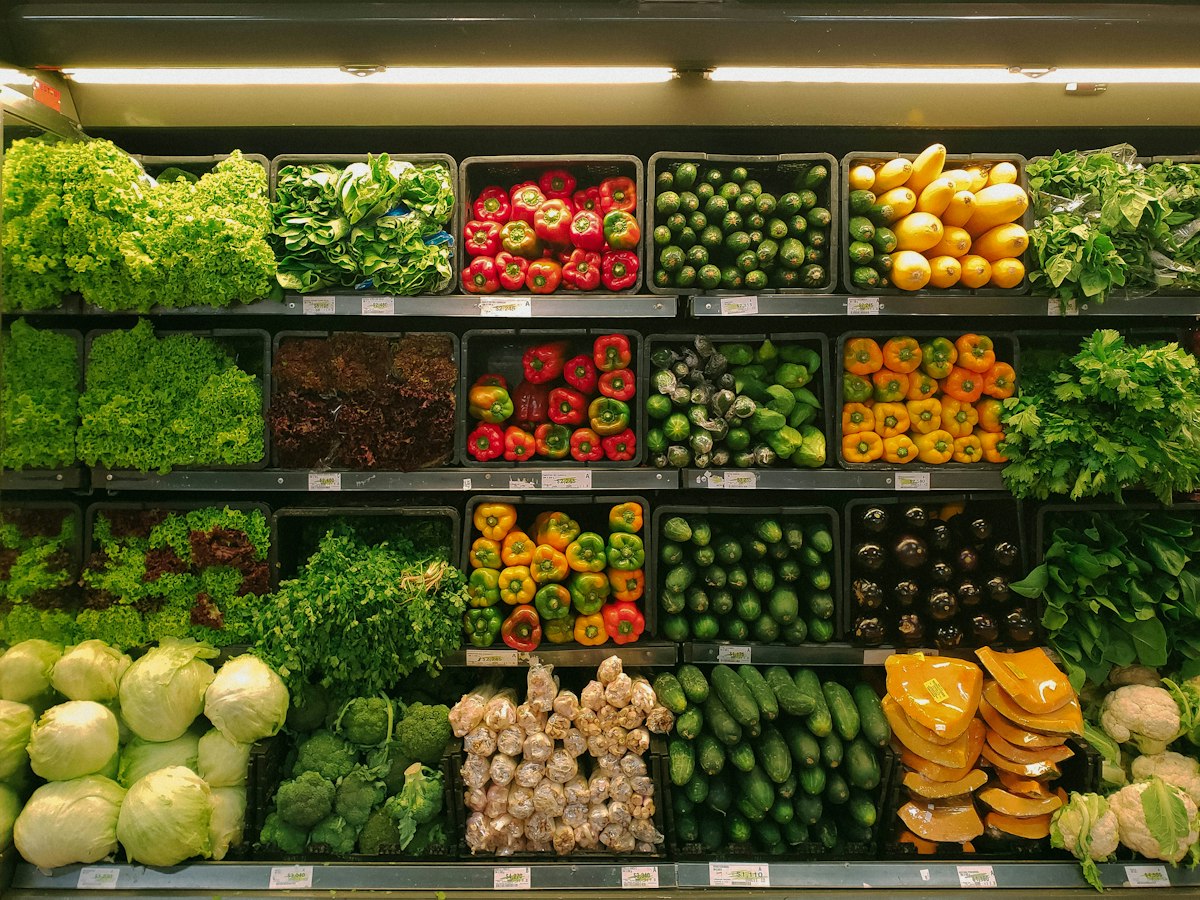
A well-stocked week of groceries for one person costs $100–$160 in Switzerland vs. $90–$140 in the US. The gap is real but not catastrophic — the extreme per-item differences are offset by Swiss food quality standards (strict regulations, no growth hormones, minimal pesticides).
The cross-border shopping hack is crucial: residents near borders (Basel, Geneva, Schaffhausen, Ticino) drive to Lidl or Aldi in France, Germany, or Italy for 40–60% savings on meat, dairy, and household goods. As discussed in r/Switzerland, weekly border runs to Weil am Rhein (Germany, 10 minutes from Basel) are a national pastime. Per-person duty-free limits: CHF 300 in goods per day.
Migros and Coop are Switzerland's dominant grocery duopoly. Migros is the cheaper option (no alcohol sold), Coop is slightly pricier but stocks everything. Denner and Aldi Suisse are the budget alternatives — 15–25% cheaper than Migros. Lidl entered Switzerland in 2009 and offers the closest thing to US grocery pricing.
The dining-out situation is where Switzerland truly hurts. A basic lunch costs CHF 18–25 ($20–$28). A dinner for two at a mid-range restaurant: CHF 100–150 ($110–$170). A McDonald's meal: CHF 15 ($17). As Expatica's Switzerland guide notes, cooking at home in Switzerland saves far more relative to eating out than it does in the US.
Healthcare: Mandatory, Expensive, but World-Class
Switzerland's healthcare system is often compared to the US because it's similarly insurance-based — but with critical differences that make it far more predictable and equitable.
Every Swiss resident must purchase basic health insurance (LAMal/KVG) within 3 months of arrival. Insurance companies are legally required to accept everyone, regardless of pre-existing conditions. The Swiss Federal Office of Public Health (BAG) oversees the system.
Cost comparison:
| Healthcare item | Switzerland | USA |
|---|---|---|
| Monthly health insurance premium (adult) | $380–$450 (Zurich), $300–$380 (Bern) | $400–$700 |
| Annual deductible (franchise) | $335–$2,800 (you choose) | $1,500–$7,000 |
| Co-pay after deductible | 10% up to $785/year cap | 20–40%, often uncapped |
| GP visit | $80–$120 (after deductible) | $150–$350 |
| Specialist consultation | $120–$200 (after deductible) | $250–$500 |
| Emergency room visit | $200–$500 (after deductible) | $1,500–$5,000+ |
| Childbirth | $0 (fully covered by LAMal) | $5,000–$15,000 |
| Prescription (typical) | 10% co-pay | $15–$80+ |
| Ambulance ride | Covered or minimal co-pay | $400–$2,500 |
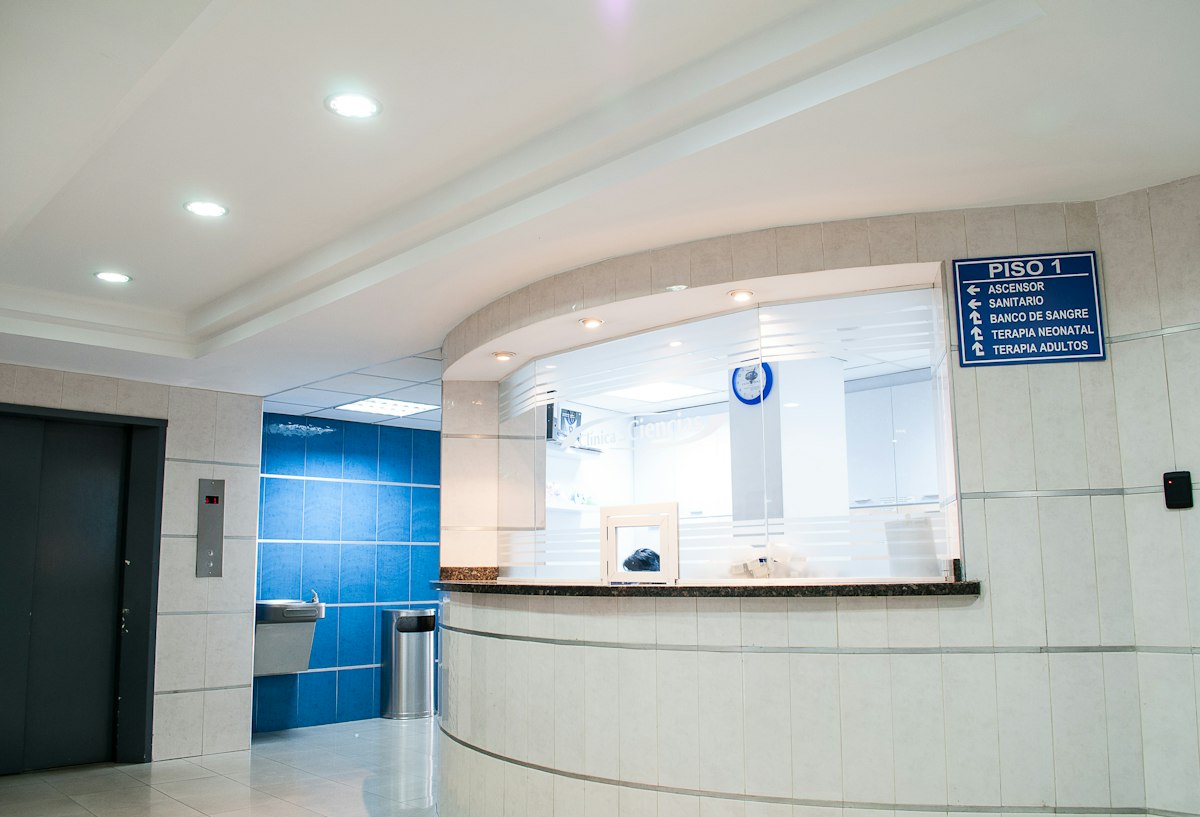
The key difference: Switzerland's out-of-pocket maximum is capped at CHF 700/year ($785) after your deductible. Choose the maximum deductible (CHF 2,500) and you pay lower premiums but risk CHF 3,200/year worst-case. Choose the minimum deductible (CHF 300) and your maximum annual exposure is CHF 1,000. Either way, there is a hard ceiling — no surprise $50,000 hospital bills.
For a healthy adult choosing a higher franchise (CHF 2,500) and a managed-care model (HMO/Telmed), monthly premiums drop to CHF 250–350 ($280–$390). This is comparable to or cheaper than US employer-sponsored plans — and covers more.
Average premiums rose 4.4% in 2026 to CHF 393.30/month nationally. Cantonal variation is massive: Appenzell Innerrhoden pays the least (CHF 290/month); Geneva pays the most (CHF 530/month). Premium subsidies exist for lower-income residents — cantons are required to reduce children's premiums by at least 80%.
As discussed in r/askswitzerland, Americans consistently report that Swiss healthcare is different expensive, not worse expensive: you pay similar premiums, but the system actually works — no denied claims, no balance billing, no calling insurance for pre-authorization while having a heart attack.
Transportation: Trains That Actually Work
Switzerland has arguably the best public transportation system on Earth. The SBB (Swiss Federal Railways) network, combined with PostBus, city trams, and lake boats, connects virtually every village in the country with clockwork precision.
Monthly transport costs:
| Category | Switzerland | USA (major city) |
|---|---|---|
| Monthly transit pass (city) | $85–$100 | $100–$130 |
| Half-Fare Card (annual) | $185/year (50% off all transit) | N/A |
| GA Travelcard (annual, unlimited) | $4,200/year | N/A |
| Car payment (avg) | Optional | $500–$700 |
| Car insurance | $800–$1,200/year (if owned) | $1,800–$3,000/year |
| Gas (per gallon) | $7.50–$8.00 | $3.50–$4.50 |
| Parking | Expensive everywhere | $100–$300/month |
The Half-Fare Card (Halbtax) is the single best deal in Swiss public life: CHF 165/year ($185) gets you 50% off every train, bus, tram, and boat in the country. Over 60% of Swiss residents own one. For regular commuters, the GA Travelcard (CHF 3,860/year, $4,200) gives unlimited travel on all Swiss public transport — trains, buses, trams, boats, and many cable cars.
Zurich to Bern: 56 minutes. Zurich to Geneva: 2 hours 40 minutes. Zurich to Milan: 3 hours 20 minutes. Basel to Paris: 3 hours via TGV. Trains run every 15–30 minutes between major cities and are almost never late.
Car ownership in Switzerland is expensive but optional in cities. Gas is double US prices, insurance is high, and parking in Zurich or Geneva costs CHF 200–400/month. But unlike the US, you genuinely don't need a car. As r/Switzerland users regularly note, many Swiss families own zero cars and lose nothing in convenience.
For Americans used to spending $600–$1,200/month on car payments, insurance, gas, and parking, Switzerland's transit-oriented lifestyle saves $400–$1,000/month — a savings that partially offsets higher grocery and rent costs. The SBB timetable covers the entire country.
Get featured properties in your inbox
A weekly digest of handpicked listings from 20 countries. Free, no spam.
Housing to Buy: Lex Koller and the Foreigner Question
Swiss property prices are among the highest in the world — but unlike the US, foreigners face legal restrictions on purchasing.
Property prices (2026):
| Location | Median price (2BR apartment) | Price/sqft |
|---|---|---|
| Zurich (city) | $900,000–$1,400,000 | $1,600–$2,100 |
| Geneva (city) | $800,000–$1,200,000 | $1,500–$2,000 |
| Bern (city) | $450,000–$700,000 | $950–$1,150 |
| Basel (city) | $500,000–$750,000 | $1,050–$1,250 |
| Lausanne (city) | $550,000–$850,000 | $1,100–$1,400 |
| Lucerne (city) | $500,000–$800,000 | $1,000–$1,300 |
| --- | --- | --- |
| NYC (Manhattan) | $1,000,000–$2,000,000 | $1,200–$2,000 |
| San Francisco | $800,000–$1,300,000 | $1,000–$1,500 |
| Denver (central) | $350,000–$550,000 | $300–$450 |
| Austin (central) | $350,000–$550,000 | $300–$450 |

The Lex Koller restriction: The Federal Act on the Acquisition of Immovable Property by Foreign Non-Residents (Lex Koller) requires non-resident foreigners to obtain cantonal authorization before buying Swiss property. In practice, this means:
- B or C permit holders (resident workers) can buy primary residences freely — no authorization needed
- Non-residents (including Americans without Swiss residency) can generally only buy holiday apartments in designated tourist zones, subject to cantonal quotas
- Commercial property is exempt from Lex Koller — foreigners can buy offices, shops, or commercial buildings
For Americans planning to live and work in Switzerland, this is a non-issue — your residence permit gives you full buying rights for a primary home. For investors, see our deep-dive on Swiss property buying rules for Americans.
Mortgage requirements: Swiss banks require a minimum 20% down payment, with at least 10% in cash (the other 10% can come from pension fund withdrawals). Mortgage rates in 2026: 1.5–2.5% for 10-year fixed — significantly lower than current US rates (6.5–7.5%). Transaction costs: 3–6% depending on canton.
A key Swiss cultural difference: Switzerland is a nation of renters. Only 36% of Swiss residents own their home — the lowest rate in Europe. Renting carries zero social stigma, and tenant protections are extremely strong. Many financially comfortable Swiss families rent their entire lives by choice.
Taxes: Lower Than You Think
Here's where Switzerland flips the cost-of-living narrative. Swiss tax rates are dramatically lower than the US for most income levels — especially when you factor in state taxes, FICA, and health insurance.
Swiss taxes operate at three levels: federal, cantonal, and municipal. The federal rate is the same everywhere; cantonal and municipal rates vary enormously.
Swiss federal income tax brackets (2026):
- CHF 0–31,600: 0% (effectively a large standard deduction)
- CHF 31,601–41,400: 0.77%
- CHF 41,401–55,200: 0.88%
- Graduated brackets up to...
- Over CHF 895,900: 11.5% (the maximum federal rate)
The total effective tax rate (federal + cantonal + municipal) ranges from:
- Zug: ~22% on CHF 150,000 (one of the lowest-tax jurisdictions in the developed world)
- Zurich: ~28% on CHF 150,000
- Bern: ~31% on CHF 150,000
- Geneva: ~35% on CHF 150,000
Compare that to the US: a $150,000 salary in California faces 24% federal + 9.3% state + 7.65% FICA = 41%+ marginal rate. In New York: 24% + 6.85% state + 3.88% city + 7.65% FICA = 42%+.
The practical comparison for a professional earning $120,000 (CHF 107,000):
| USA (California) | Switzerland (Zurich) | |
|---|---|---|
| Income tax (federal + state/cantonal) | $24,000 | $19,000 |
| Social security / AHV+IV | $9,180 (FICA) | $5,800 (AHV/IV/EO) |
| Health insurance | $6,000 (employer plan) | $4,800 (LAMal) |
| Total tax + mandatory costs | $39,180 | $29,600 |
| Take-home | $80,820 | $90,400 |
That's a $9,580/year advantage in Switzerland — and Swiss health insurance actually covers everything without surprise bills.
Key tax mechanisms for Americans:
- US-Switzerland Tax Treaty: One of the oldest double-taxation treaties (1951, updated). Swiss income tax generates a Foreign Tax Credit. IRS treaty documents are published online.
- FEIE: Excludes up to $126,500 of foreign earned income. Must pass the Physical Presence Test (330 days outside the US). Full details in IRS Publication 54.
- Swiss Pillar 3a: Tax-deductible retirement contributions up to CHF 7,258/year (2026). Similar concept to a US 401(k) or IRA.
- Wealth tax: Switzerland has a small annual wealth tax on net assets — typically 0.1–0.5% depending on canton. Modest impact unless you have significant assets.
As Taxes for Expats notes, most Americans in Switzerland end up paying zero additional US tax after applying the Foreign Tax Credit, because Swiss tax rates exceed the US rate on the same income.
Quality of Life: What the Numbers Don't Show
Switzerland consistently ranks #1 or #2 on virtually every global quality-of-life index. The numbers explain part of it; the lived experience explains the rest.
Paid leave: Swiss employees get a minimum of 4 weeks (20 days) paid vacation per year, and many employers offer 5 weeks (25 days). Public holidays add another 8–10 days depending on canton. The cultural norm of actually using all your vacation — without career consequences — is standard.
Parental leave: 14 weeks maternity leave at 80% pay (federal minimum). 2 weeks paternity leave at 80% pay (new as of 2021). Not as generous as Scandinavia, but light-years ahead of the US's zero federally mandated days.

Safety: Switzerland's violent crime rate is among the lowest in the world — roughly one-tenth of the US rate. Gun ownership is common (militia tradition), but gun violence is exceptionally rare. School shootings don't happen. Walking alone at midnight in any Swiss city is completely normal.
Nature access: This is Switzerland's killer advantage that no cost comparison captures. Within 30 minutes of any Swiss city, you're hiking in the Alps, swimming in a crystal-clear lake, or skiing world-class slopes. The infrastructure for outdoor activities — maintained trails, mountain railways, public swimming pools (Badi) — is unmatched globally.
Multilingual culture: Switzerland has four official languages (German, French, Italian, Romansh). Most Swiss speak 2–3 languages. English is widely spoken in business and urban areas, though learning the local language is expected and appreciated.
Political stability: Switzerland's direct democracy means citizens vote on policy several times a year. The political system is deliberately boring — coalition government, consensus-driven, no strongmen. For Americans exhausted by political chaos, Swiss stability is a genuine quality-of-life factor.
Weather: Switzerland has four distinct seasons. Zurich averages 40°F in January and 75°F in July. The Föhn wind brings warm spells. Southern Ticino (Lugano, Locarno) has Mediterranean-adjacent weather. It's not California — winters are grey north of the Alps — but it's not perpetual rain either.
For the full picture of daily life, read our moving to Switzerland guide.
Visa Options for Americans Moving to Switzerland
Switzerland's immigration system is among the most restrictive in Europe for non-EU/EFTA citizens. Americans can't just show up — you need a compelling reason.
L Permit (Short-term): For employment contracts up to 12 months. Tied to a specific employer. Your employer applies through the cantonal migration office.
B Permit (Residence): For employment contracts over 12 months. Renewable annually. After 10 years (5 for certain nationalities, but not Americans), you can apply for a C permit. Full details at SEM (State Secretariat for Migration).
C Permit (Permanent Residence): After 10 years of continuous residence with a B permit. Gives full work rights and no employer restriction.
Residence without gainful employment: For retirees or people of independent means. Requires proof of sufficient financial resources (typically CHF 100,000+/year in passive income), health insurance, and a genuine connection to Switzerland. Cantonal authorities decide — there's no standard threshold.

Key restrictions for Americans (non-EU/EFTA nationals):
- Your employer must prove no suitable Swiss or EU/EFTA candidate exists for the role
- Annual quotas apply: 4,500 permits for non-EU/EFTA nationals in 2025
- Salary must meet cantonal standards: typically CHF 120,000+/year for specialized roles
- Processing takes 2–3 months
The reality: Switzerland is primarily accessible to Americans with:
- A job offer from a Swiss company in a skilled field (tech, pharma, finance, engineering)
- An intra-company transfer from a multinational with Swiss offices (Google, Novartis, Roche, UBS, etc.)
- Marriage to a Swiss or EU citizen
- Substantial independent wealth (retirement route)
Switzerland does not offer a digital nomad visa, golden visa, or startup visa for Americans. It's restrictive — but the payoff is a society that functions exceptionally well precisely because it's selective.
As regularly discussed in r/IWantOut, the most realistic path for Americans is a job transfer through a multinational employer with Swiss operations. Companies like Google (Zurich), Novartis (Basel), Roche (Basel), and dozens of banks actively recruit Americans.
The Verdict: Who Should (and Shouldn't) Make the Move
Switzerland makes financial sense if you:
- Can secure a Swiss employer or intra-company transfer (the visa gate)
- Earn a Swiss salary above CHF 100,000 (where the tax advantage becomes significant)
- Value world-class infrastructure, safety, and nature access
- Want universal healthcare without surprise bills
- Have children (Swiss public schools are excellent and free; university costs CHF 800–2,000/year)
- Want to save aggressively — the high-salary + low-tax + good-infrastructure combination enables serious wealth-building
- Plan to travel Europe frequently (Switzerland is central — 1–3 hours from Paris, Milan, Munich, Vienna)
Switzerland might NOT make sense if you:
- Can't secure a visa (the system is restrictive for non-EU citizens)
- Work remotely for a US employer at a US salary (you'll face Swiss costs without Swiss earning power)
- Want cheap dining and nightlife (eating out is genuinely painful at $25+ per basic meal)
- Crave warm weather year-round (Swiss winters north of the Alps are grey and cold)
- Want a big house with a yard (Swiss homes are smaller than American ones, and detached houses are rare in cities)
- Hate bureaucracy (Swiss administrative processes are thorough, slow, and paper-heavy)
- Need proximity to US family (flights home: 9–11 hours, $600–$1,500 round trip)

The bottom-line math for a single professional earning CHF 120,000 ($135,000) in Switzerland vs. $135,000 in the US:
| USA (Denver, $135K) | Switzerland (Bern, CHF 120K) | Annual difference | |
|---|---|---|---|
| Take-home after tax/social | $96,000 | $94,000 | -$2,000 |
| Health insurance (net) | -$6,000 | -$4,500 | +$1,500 |
| Rent (1BR, nice area) | -$24,000 | -$26,400 | -$2,400 |
| Other living costs | -$24,000 | -$30,000 | -$6,000 |
| Net savings | $42,000 | $33,100 | -$8,900/year |
Switzerland costs roughly $8,900/year more on a comparable salary — but you get: 5 weeks paid vacation, capped healthcare costs, the world's best transit, near-zero violent crime, and an Alps-adjacent lifestyle. Many Americans consider that a bargain.
For higher earners (CHF 180,000+), Switzerland becomes cheaper than high-tax US states thanks to the flat cantonal rates in places like Zug or Schwyz. A senior engineer earning CHF 200,000 in Zug keeps roughly $30,000/year more than the same salary in San Francisco.
Start browsing real Swiss property listings on EscapeFromUSA and check out our guides on things to do in Switzerland and the full moving to Switzerland guide.
Ready to explore?
Browse Destinations