Japan's No-Restriction Property Market: Why Americans Can Buy Anything

Japan is, quietly, one of the most open developed-country property markets in the world for foreign buyers. There is no equivalent of Thailand's 49% quota, no Mexican restricted zone, no Swiss Lex Koller, no Australian FIRB fee, no New Zealand sensitive land regime. A non-resident American can legally purchase a Tokyo condo, a Kyoto machiya, a Hokkaido ski chalet, a rural Niigata farmhouse, or a derelict akiya in Shikoku prefecture, all with full freehold title registered in the foreigner's own name. There are no nationality-based restrictions in Japanese property law. None.
This sounds too good to be true, and Americans who start researching Japanese property usually spend the first week looking for the catch. There are catches — they're just not where you expect. The catches are: (1) getting a Japanese mortgage as a non-resident is nearly impossible so most foreign buyers pay cash; (2) resale markets are thin outside Tokyo/Osaka/Kyoto/Fukuoka and buildings depreciate to near-zero value over 30 years; (3) the bureaucratic process is entirely in Japanese and requires a licensed judicial scrivener (shihō shoshi); and (4) akiya are cheap because they come with real problems — structural decay, rural isolation, unknown boundaries. This guide walks through the legal framework, the actual buying process for non-residents, the cost structure, and the realistic picture on akiya. For peer experiences, r/japanlife, r/movingtojapan, and r/japanresidents are the most useful subs.
The Legal Framework: Yes, Really, No Restrictions
Japan's property law traces to the Meiji-era Civil Code of 1896 and the Real Property Registration Act, which govern title and transfer. Foreigners have been able to own Japanese real estate since the end of extraterritorial foreign concessions in the early 20th century, and the modern framework treats foreign owners identically to Japanese nationals for almost all purposes. There is no "foreign buyer approval" requirement, no quota, no restricted zone, no stamp duty surcharge, no differential property tax rate.
The only reporting requirement: Since 2022, under amendments to the Foreign Exchange and Foreign Trade Act, non-resident foreign buyers must file a post-transaction notification with the Bank of Japan within 20 days of acquiring Japanese real estate. This is a notification, not an approval — the form is a few pages, can be filed by your judicial scrivener, and has never been used to block a purchase for a standard residential buyer. The notification helps Japan track foreign investment flows; it does not restrict them. There's also a narrower rule under the 2021 Important Land Areas Act covering properties near military bases, nuclear facilities, and border islands, where foreign purchases may be scrutinized for national security reasons. For everything else — Tokyo condos, Kyoto townhouses, Hokkaido ski property, akiya in any of the 47 prefectures — no pre-approval of any kind is required.
Title is freehold (永代). You receive a kenri-sho (certificate of ownership, replaced in most prefectures since 2005 by a tōki-shikibetsu-jōhō, a 12-character "ownership password") and your name is recorded in the Legal Affairs Bureau (hōmukyoku) registry as the full owner. Ownership is perpetual, inheritable, freely transferable, and enforceable against everyone including the Japanese government. You can rent the property, remodel it, mortgage it (good luck), or sell it to the next buyer of any nationality. The title carries the same rights a Japanese citizen would have.
Land and building are separately titled. This is the one structural quirk to understand. In Japan, land (tochi) and the building (tatemono) on top of it are legally distinct pieces of property that can be owned by different parties. When you buy a typical Japanese house, you're buying both the land and the building, and they'll appear as separate line items on the title documents and the transfer tax calculation. This creates some interesting possibilities — you can buy just the building on someone else's land under a shakuchi-ken (land lease right), which is how many central-Tokyo machiya and commercial buildings are held — but for straightforward residential buyers it mostly just means two registration lines instead of one.
The Japan Real Estate Institute and Ministry of Land, Infrastructure, Transport and Tourism (MLIT) publish the authoritative market data. For an English-language legal overview, Houseal Global Japan, Real Estate Japan, and Plaza Homes Tokyo are the major English-language portals run by licensed Japanese brokers with foreigner-friendly processes.
The Process: What Actually Happens
Buying property in Japan as a non-resident American is process-heavy but legally straightforward. Here's the full sequence.
Step 1 — Find a licensed broker. Japanese real estate is almost always transacted through a licensed broker (takken-shi) — the equivalent of a US real estate agent but with a regulated license and standardized commission structure (typically 3% + JPY 60,000 + consumption tax, or roughly 3.3%, paid by the buyer, per the standard brokerage agreement template). English-speaking brokers are common in Tokyo, Osaka, Kyoto, and ski resorts like Niseko and Hakuba. Outside those markets, you'll need a Japanese-speaking intermediary. The REINS Japan property system is the MLS equivalent.
Step 2 — Offer and earnest deposit. Once you've identified a property, your broker submits a written purchase offer (kōnyū mōshikomi sho). Upon acceptance, you sign a preliminary sale contract (baibai keiyaku sho) and pay an earnest money deposit — typically 5-10% of the purchase price. The deposit is refundable if the transaction fails for specific reasons listed in the contract (seller default, title defect) but forfeited if you walk away without cause.
Step 3 — Due diligence. Your broker, together with a judicial scrivener (shihō shoshi), handles the legal due diligence. This includes: title verification at the Legal Affairs Bureau, confirmation of any registered liens or mortgages, verification of property boundaries (chiseki), confirmation of building compliance with the Building Standards Act (kenchiku kijun hō), and, for condos, confirmation of the management association's (kanri kumiai) financial health and any outstanding special assessments. This phase takes 2-6 weeks.
Step 4 — Closing (kessai). At closing, you meet with the seller, your broker, and the judicial scrivener at the Legal Affairs Bureau or a designated location. The judicial scrivener prepares and files the ownership transfer documents with the Hōmukyoku on the same day. You pay the remaining balance by bank transfer. Keys and physical possession transfer. Total elapsed time from offer to closing is typically 30-60 days for a condo, 60-120 days for a single-family house or akiya.
Step 5 — Post-closing notifications. Your judicial scrivener files the Bank of Japan post-acquisition notification within 20 days if you're a non-resident. You register for local property tax (kotei-shisan-zei) assessment. If you'll rent the property, you need a separate tax filing with the National Tax Agency to establish withholding treatment on rental income.
Judicial scrivener fees: JPY 80,000-200,000 ($550-$1,400) for a standard condo. The scrivener handles all the registry filings and carries professional liability for errors. Non-optional.
Signature requirement — the inkan (seal). Japanese real estate contracts are traditionally signed with a personal seal (inkan) rather than a Western signature. Non-residents can register a "signature certificate" (shomei shōmei) at the US Embassy or a notary public in lieu of the inkan, which is the standard workaround and universally accepted. Japan Property Central's signature guide walks through the mechanics.
For English-language assistance, the Tokyo Regional Legal Affairs Bureau has partial English resources and most scrivener firms in major cities offer English-language closing support at a modest premium. Reddit threads on r/japanlife buying process and r/movingtojapan house purchase are the most useful real-world walkthroughs.
Taxes and Closing Costs — The Line Items
Japanese closing costs are moderate by developed-country standards, typically 6-10% of purchase price for a condo or standard house, slightly lower for higher-value properties due to the way fees scale.
Real estate acquisition tax (fudōsan shutoku zei): 3-4% of the assessed value of the land and building (note: "assessed value" is set by the local tax office and is typically 50-70% of market price). On a JPY 50M ($330K) house, this typically works out to JPY 1-1.5M ($6,700-$10,000), or about 2-3% of market price. Paid 3-6 months after closing.
Registration and license tax (tōroku menkyo zei): 2% of assessed value for ownership transfer, plus additional amounts for mortgage registration if applicable. On a JPY 50M house, roughly JPY 500K-1M ($3,300-$6,700).
Stamp duty (inshi zei): JPY 10,000-60,000 ($70-$400) depending on transaction value. Paid on the sale contract.
Consumption tax (shōhi zei): 10%, but only on the building portion (not the land) and only if purchased from a commercial seller (developer, corporation). Private sales between individuals are exempt. On a new condo from a developer, this can be substantial — several hundred thousand yen on the building value.
Real estate agent commission: 3% + JPY 60,000 + consumption tax (effective ~3.3%). Paid by the buyer.
Judicial scrivener fees: JPY 80,000-200,000 ($550-$1,400).
Property insurance: JPY 30,000-100,000/year ($200-$680) for earthquake-and-fire coverage. Not legally required but universally used.
Running total on a JPY 50M ($330K USD) used condo in Tokyo purchased by a non-resident buyer: Roughly JPY 3-4.5M ($20,000-$30,000), or 6-9% of purchase price. For akiya and lower-value properties, fees compress — a JPY 2M ($13,000) akiya might cost JPY 300K-500K ($2,000-$3,300) in total closing fees, which is a higher percentage but a smaller absolute number.
Ongoing costs after close:
Fixed asset tax (kotei-shisan zei): 1.4% of assessed value per year. On a JPY 50M property with assessed value of ~JPY 25M, that's JPY 350K/year ($2,300).
City planning tax (toshi keikaku zei): 0.2-0.3% of assessed value per year, on top of the fixed asset tax. Roughly JPY 50-75K/year.
Management fees and sinking fund (kanri-hi and shūzen tsumitate-kin) for condos: JPY 15,000-50,000/month ($100-$340), covering building maintenance, cleaning, and long-term repair reserves. This is where Japanese condo ownership gets expensive — the sinking fund in particular is meaningful, and in older buildings can run JPY 30,000+/month.
Utilities, internet, property insurance: Similar to other developed countries.
For ongoing tax assistance, English-speaking zeirishi (tax accountants) in Tokyo charge $400-1,500/year for simple expat tax prep. XROSS House's Japan property cost breakdown, TaxesForExpats Japan, and Japan Property Central's tax guide are the standard English-language references.
The Mortgage Problem
Here's the one place where non-resident foreign buyers hit a real wall: getting a Japanese mortgage as a non-resident is extremely difficult, and most foreign buyers pay cash. This is not a legal restriction — it's a bank underwriting reality.
Japanese banks underwrite mortgages based on the borrower's Japanese residency status, Japanese employment history, and Japanese tax filings. A non-resident American with no Japanese employment and no Japanese tax history does not fit any of the standard loan programs, and the major banks (Mitsubishi UFJ, Sumitomo Mitsui, Mizuho) will simply decline the application. A few niche lenders — SBJ Bank (a Korean-owned Japanese bank that specializes in foreign-resident lending), Shinsei Bank, and a small number of regional banks with specific foreign-resident programs — will lend to foreigners holding Japanese permanent residence (eijūken) or long-term visas, but almost never to outright non-residents.
The practical consequences:
1. Most non-resident American buyers pay cash. For akiya and lower-value properties this isn't a big deal; for Tokyo condos it means bringing the full purchase price from the US. Our wiring large sums abroad guide covers the cross-border wire mechanics. Services like Wise and OFX beat US bank FX spreads by 1-2% on typical real estate wire amounts.
2. If you want leverage, get Japanese residency first. A Japanese permanent residence permit (eijūken) or long-term working visa unlocks mortgage access. Our moving to Japan guide covers the main visa paths. Once you have stable Japanese employment and a 2+ year tax filing history, most major banks will underwrite a mortgage at 0.5-1.5% variable or 1-2% fixed — some of the lowest rates in the developed world.
3. Use a US-based cross-border lender. A very small number of US lenders — primarily private banks serving HNW clients — will underwrite loans against Japanese property as collateral. Rates are higher than Japanese local rates but loans are USD-denominated and avoid currency risk. See our US lenders for foreign property guide for the current shortlist.
Reddit discussion on this specific issue is active — r/japanlife mortgage non-resident, r/movingtojapan mortgage, and r/japanresidents buying cash are all worth reading before you commit to a purchase structure.
Akiya: The Cheap Country Houses, With Honest Caveats
Akiya — literally "empty house" — are Japan's roughly 8.5 million vacant or abandoned homes (per MLIT 2023 data), a consequence of demographic decline in rural prefectures. A subset of these are listed through municipal akiya banks (akiya banku), local government databases where owners register vacant properties for sale or transfer, often at prices that look impossible to Western buyers: rural houses for JPY 500,000 ($3,300), ¥3 million ($20,000), even free transfers where the municipality pays the transfer fees.
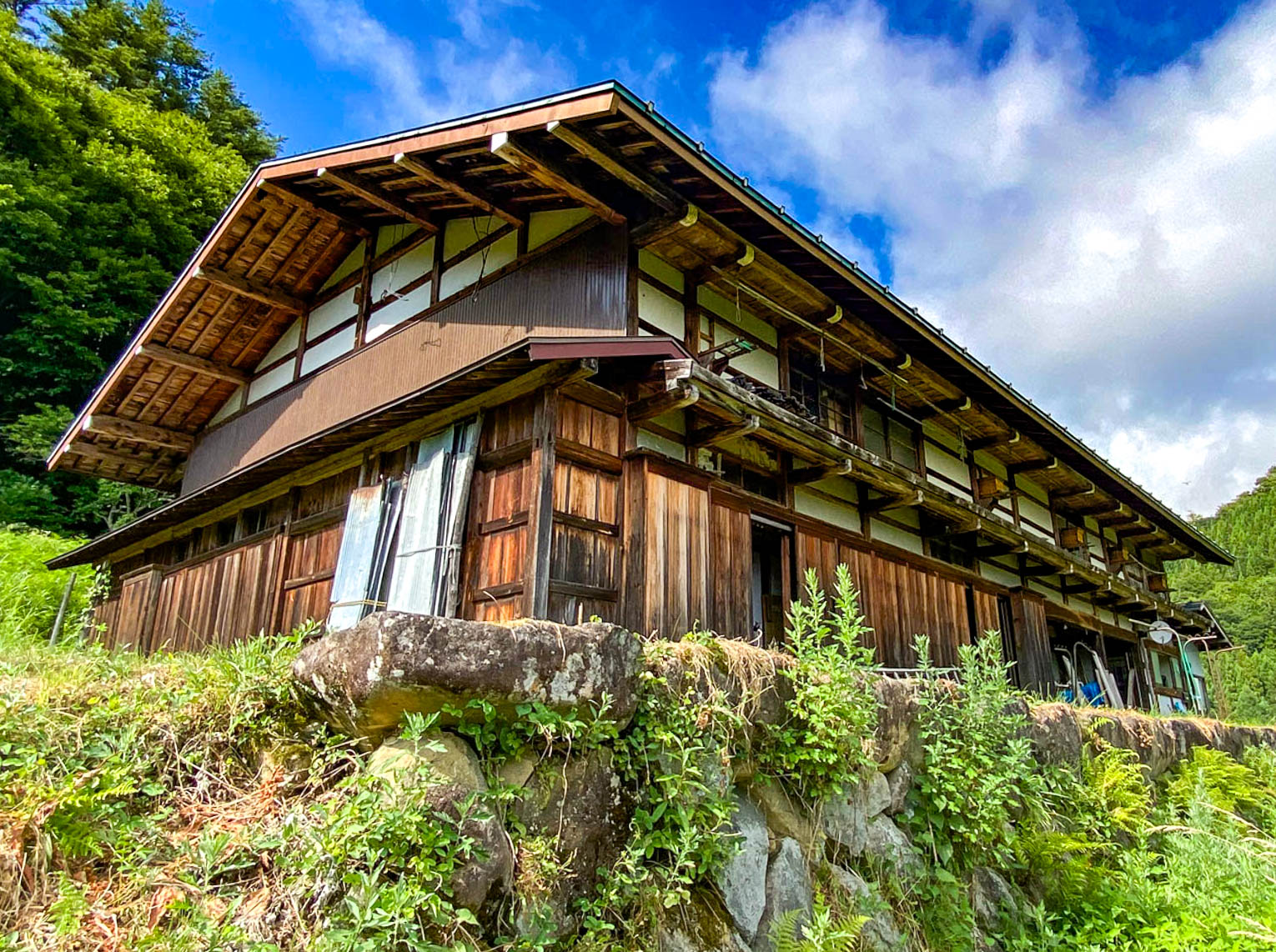
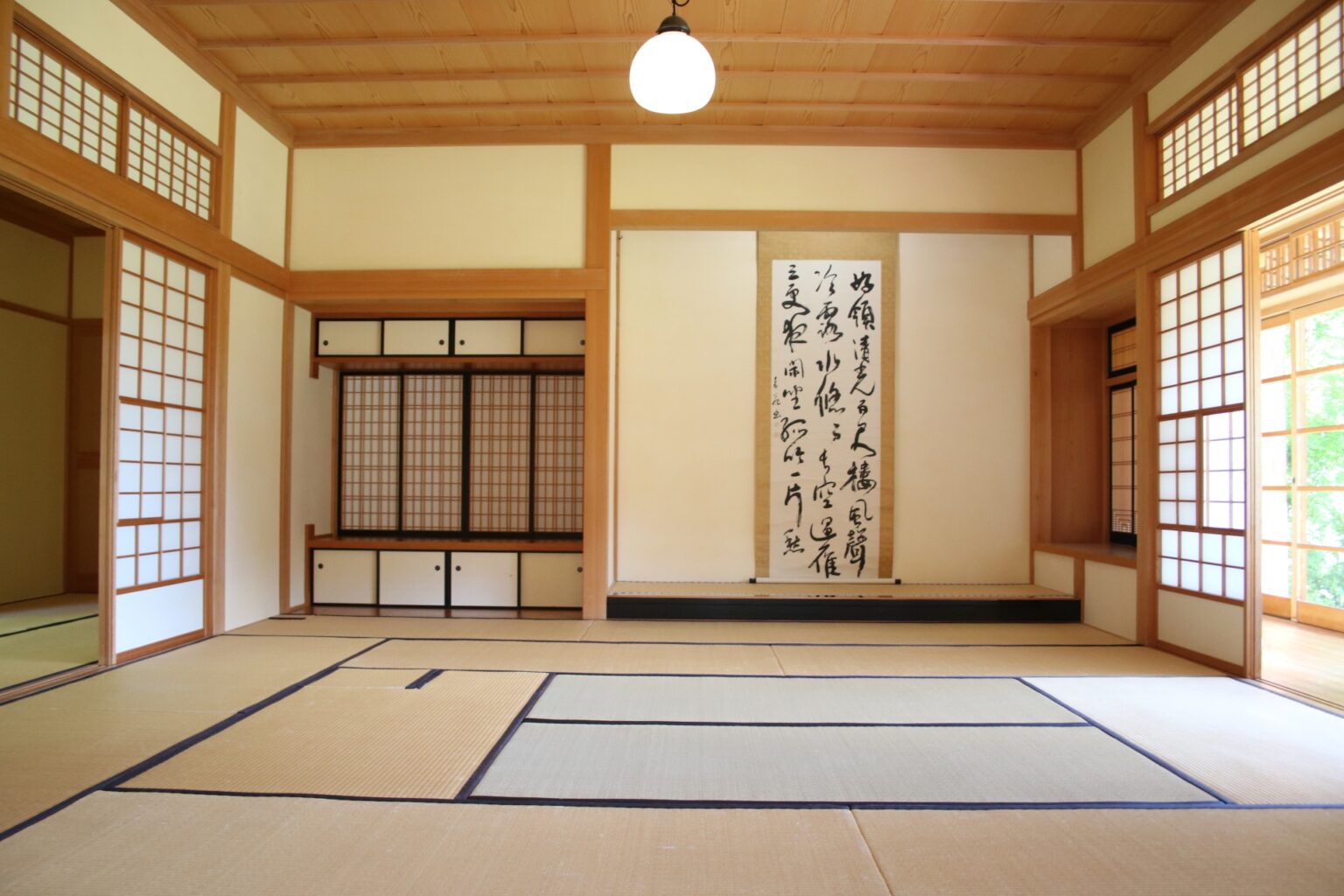
Why akiya are cheap: They're in rural, depopulating prefectures (Niigata, Nagano, Akita, Iwate, Shikoku, rural Kyushu) where Japanese young people have left and elderly owners have died or moved to care facilities. The buildings are typically 30-60 years old, wood-framed, often with rotting tatami floors, outdated kitchens and bathrooms, inadequate insulation, and in some cases no connection to municipal water or sewage. They're not worthless — the land often has real value — but the buildings have depreciated to near-zero on the standard Japanese valuation curve, which assumes wooden houses have a ~22-year economic life.
The realistic akiya budget: Expect to spend 2-4x the purchase price on renovation to make a rural akiya livable to Western standards. A JPY 2M ($13,000) purchase often becomes a JPY 8-15M ($53,000-$100,000) total investment after structural repairs, roof replacement, kitchen and bathroom overhaul, insulation, and contemporary wiring. Rural tradespeople are scarce in depopulating prefectures, so finding a contractor who will take the job can be harder than finding the house.
The hidden risks:
- Boundary uncertainty. Many rural akiya parcels have never been formally surveyed, and boundary disputes with neighbors are common. Pay for a formal survey (chiseki chōsa) before buying — JPY 300K-800K ($2,000-$5,500).
- Unknown legal encumbrances. Older properties may have registered agricultural land use designations, forest preservation requirements, or informal family claims from distant relatives.
- Infrastructure gaps. Rural houses may not be on municipal water or sewage and may have septic systems or wells of uncertain condition.
- Insurance difficulties. Wooden older houses can be difficult to insure at standard rates.
- Resale market. Akiya are cheap to buy precisely because the local resale market is thin. If you spend 8 years renovating and then decide to sell, the buyer pool is small and you may take a significant loss even after renovation.
- Earthquake risk. Pre-1981 buildings were built to older seismic codes. Any pre-1981 akiya should have a seismic retrofit as part of renovation (JPY 2-5M additional).
Where akiya make sense: For buyers who want a genuine rural Japanese lifestyle (farming, crafts, quiet retirement), who are willing to invest time and money in a multi-year renovation project, who have a functional command of Japanese or a bilingual partner, and who aren't treating the property as an investment. For those buyers, the akiya framework is legitimate and the overall math can work — some of the most rewarding American expat stories in Japan come from Nagano farmhouse buyers in r/japanlife akiya threads.
Where akiya don't make sense: For investment, weekend getaways, rental income, or as a cheap entry point into Japanese real estate that will "appreciate someday." The math rarely works. Our Japanese akiya risk guide and Kyoto vs Osaka akiya guide cover the realities in more depth. Akiya Hub, Cheap Japan Homes, and Old Houses Japan maintain current English-language listings and process guides.
Where Americans Actually Buy in Japan
Japan's foreign buyer market is concentrated in three kinds of properties: Tokyo/Osaka/Kyoto urban condos, Hokkaido ski properties, and rural akiya (despite the caveats above). A smaller but growing segment is Fukuoka, which has emerged as an English-friendly tech hub on Kyushu.
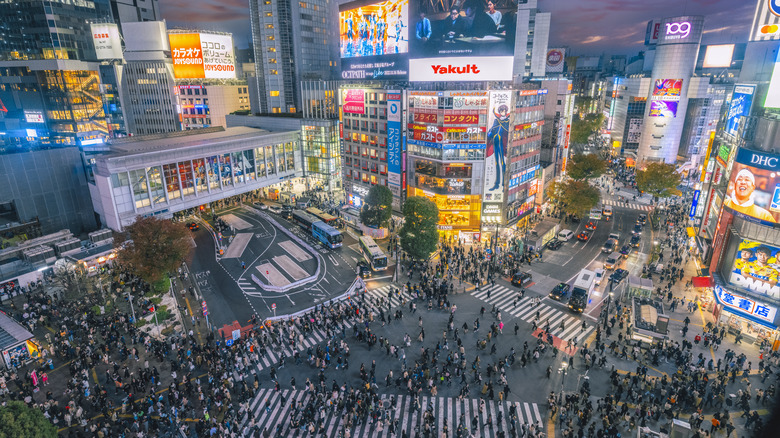
Tokyo (Shibuya, Minato, Meguro, Shinjuku): The premium market. Central Tokyo 1-2BR condos run JPY 40-150M+ ($265K-$1M+), with ultra-prime buildings in Aoyama/Omotesando hitting JPY 300M+ ($2M). Prices have appreciated meaningfully since 2020 (roughly 20-30% in yen terms, more in USD given JPY depreciation). Central Tokyo is also the only Japanese market where foreign rental demand is reliable enough to support investment property economics. See Plaza Homes Tokyo for foreigner-friendly listings.
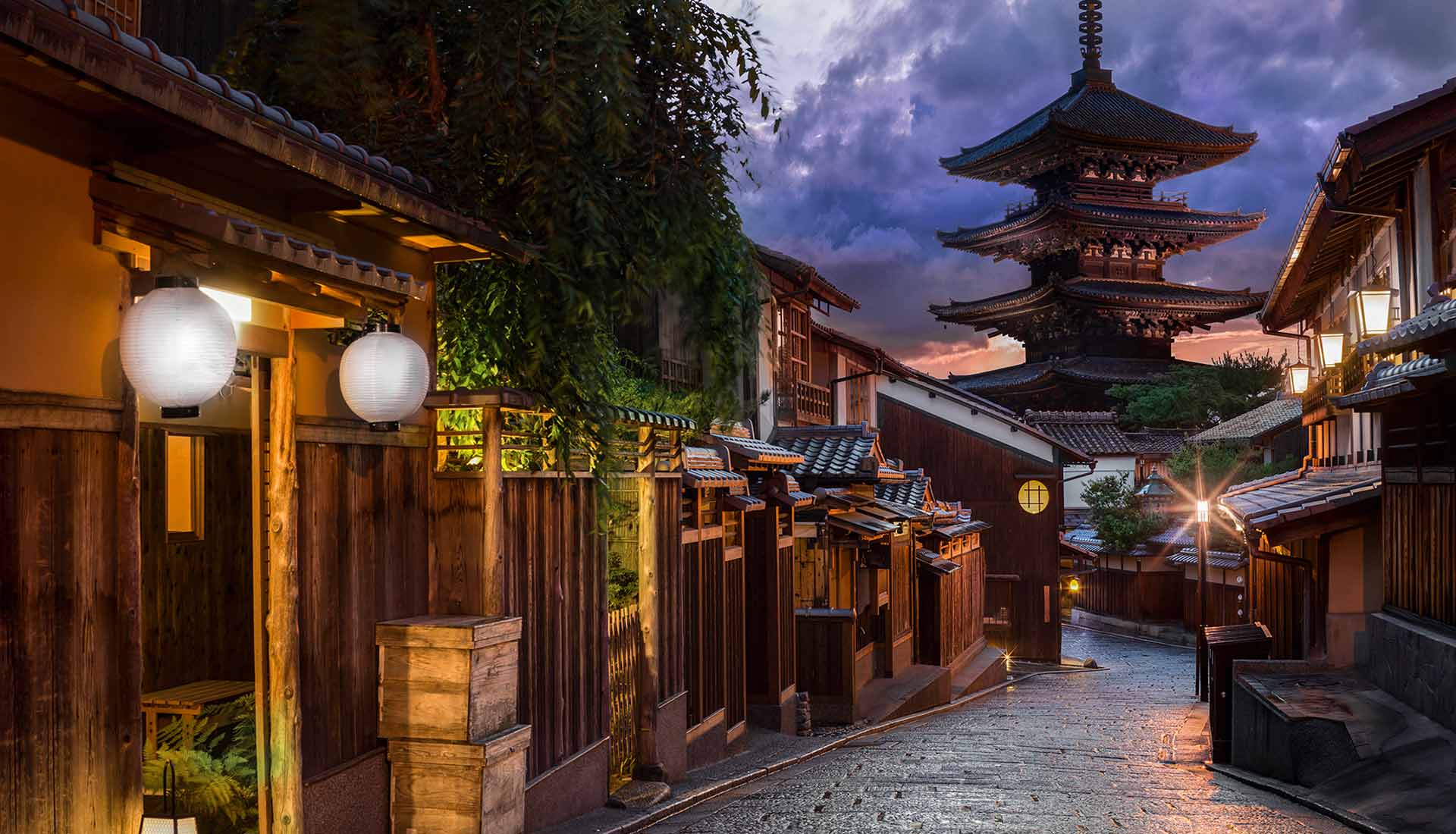
Osaka and Kyoto: Japan's second and seventh cities respectively, significantly cheaper than Tokyo and with strong long-term appeal. Osaka 1BR condos run JPY 15-50M ($100K-$330K) in central wards. Kyoto has very limited central inventory due to historic district building restrictions, and prime Gion/Higashiyama machiya can run JPY 100M+. Our Kyoto vs Osaka akiya guide covers the differential.
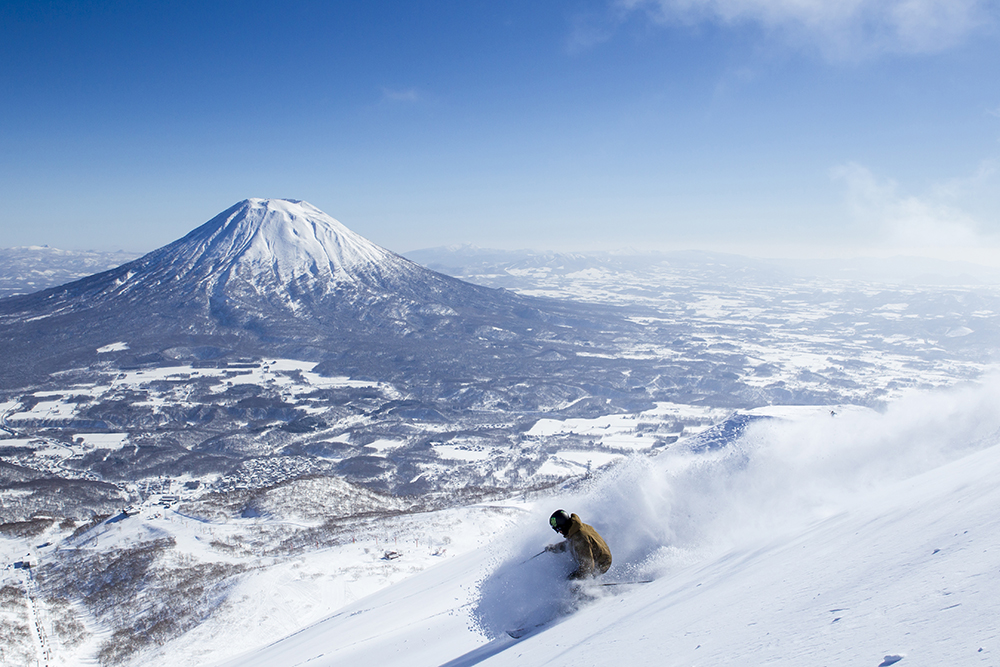
Hokkaido (Niseko, Rusutsu, Furano): The ski resort market. Heavily driven by Australian, Hong Kong, and Singaporean second-home buyers over the past 15 years, with rising American interest. Niseko condos run JPY 30-150M+ ($200K-$1M+) for 1-3BR units in ski-in/ski-out buildings. The trade-off is low summer demand and aggressive seasonality. The Niseko Real Estate and H2 Group portals specialize in English-language transactions.
Fukuoka: The emerging market. Japan's fifth-largest city, with a growing tech scene, a relaxed pace, proximity to Korea and Taiwan, and notably friendly immigration policies for startup founders. 1BR condos run JPY 12-35M ($80K-$230K), the lowest of any major Japanese city. Our Fukuoka expat guide covers the city-level details.
Rural Japan (akiya markets): Covered above. Niigata, Nagano, Tottori, Shimane, Shikoku, and rural Kyushu prefectures have the most available akiya at the lowest prices. Municipal akiya banks are listed through MLIT's vacant house portal (Japanese-only) and several English aggregators.
For active market discussion, r/japanresidents property market, r/japanlife real estate, and r/movingtojapan buying are the most current sources. Japan Property Central publishes monthly market reports in English, and Real Estate Japan maintains comparison data across major cities.
For comparisons with other Asian destinations, see our Thailand vs. Philippines expat guide and Japan vs. South Korea property guide. The US Embassy Tokyo citizen services page maintains attorney referral lists for Americans navigating the Japanese legal system.
Ready to explore?
Browse Destinations