
Cost of Living in Mexico vs. USA (2026) — Real Side-by-Side Numbers
Over 1.6 million Americans now live in Mexico — a 75% increase since 2019 — and cost of living is the single biggest reason. According to Numbeo's 2026 data, consumer prices in the US are 84% higher than Mexico excluding rent. Factor in rent and the gap widens to 109% higher.
But Mexico's cost advantage isn't uniform. A furnished apartment in CDMX's Roma neighborhood costs $810–$1,250/month — not cheap by Mexican standards, but still half what you'd pay for equivalent space in Brooklyn or Silver Lake. Move to Mérida or Oaxaca and rents drop to $350–$550. Meanwhile, expat-heavy San Miguel de Allende can rival some mid-tier US cities.
This guide puts real 2026 numbers side by side — city by city, line item by line item. No tourism-inflated estimates, no 2019 exchange rates. As one American expat told Mexico News Daily: 'We spend 30–40% less in any given month here compared to up north — and we eat better, see the doctor whenever we want, and walk to the beach.'
The Big Picture: Mexico vs. USA by the Numbers
Here's the top-level comparison for a single person living comfortably:
| Category | CDMX (Roma/Condesa) | Mérida | New York City | Austin, TX |
|---|---|---|---|---|
| 1BR rent (decent area) | $810–$1,250 | $400–$600 | $3,200–$4,500 | $1,600–$2,200 |
| Groceries | $200–$350 | $180–$280 | $450–$600 | $380–$500 |
| Dining out (3×/wk) | $150–$300 | $120–$220 | $500–$800 | $350–$550 |
| Transit | $21–$65 | $30–$50 | $130 | $50–$100 |
| Utilities + internet | $100–$135 | $80–$120 | $200–$280 | $180–$260 |
| Health insurance | $50–$150 | $50–$150 | $400–$600 | $300–$500 |
| Monthly total | $1,331–$2,250 | $860–$1,420 | $4,880–$6,910 | $2,860–$4,110 |
The CDMX-to-NYC gap is $3,500–$4,700/month — roughly $42,000–$56,000 per year. Even CDMX vs. Austin saves $1,500–$1,900/month. Move to Mérida and the gap versus Austin is $2,000–$2,700/month ($24,000–$32,000/year).
A survey of American retirees in Mexico found that 34% spend under $2,200/month total — compared to the average US retiree's $4,185/month. That's a comfortable life at roughly half the cost.
The three categories where Mexico saves you the most: healthcare (70–85% cheaper), rent (50–75% cheaper outside CDMX), and dining out (60–80% cheaper).
Rent: CDMX, Mérida, Puerto Vallarta vs. American Cities
Rent varies enormously across Mexico. CDMX's trendy neighborhoods have seen sharp increases from the digital nomad influx, while smaller cities remain remarkably affordable.
1BR apartment comparison (monthly, 2026):
| Location | City center | Outer/connected |
|---|---|---|
| CDMX (Roma, Condesa, Polanco) | $810–$1,250 | $400–$770 |
| Mérida (Centro Histórico) | $400–$600 | $250–$400 |
| Puerto Vallarta (Zona Romántica) | $500–$850 | $400–$600 |
| Oaxaca (Centro) | $350–$550 | $250–$400 |
| Guadalajara (Chapultepec, Americana) | $500–$750 | $350–$500 |
| San Miguel de Allende | $1,000–$1,800 | $600–$900 |
| Playa del Carmen | $700–$1,200 | $550–$650 |
| --- | --- | --- |
| New York City | $3,200–$5,000 | $2,000–$3,000 |
| Los Angeles | $2,000–$2,800 | $1,500–$2,200 |
| Austin, TX | $1,600–$2,200 | $1,200–$1,700 |
| Miami | $2,200–$3,200 | $1,600–$2,200 |

San Miguel de Allende is the clear outlier — its colonial charm and established American expat community have driven prices to near-US levels. If budget matters, Mérida, Oaxaca, and Guadalajara offer vastly better value.
Key differences from US renting:
- Leases are typically 1 year, with 1–2 months' deposit
- Many landlords prefer cash (peso) payments
- Furnished apartments are common in expat-heavy neighborhoods
- Utilities are often not included (unlike some US cities)
- Water may not be potable — budget $10–$20/month for purified water delivery
As one r/digitalnomad regular put it: 'If you live like the average Mexican, it is cheap. If you live like an American, it's not gonna be cheap.' The sweet spot for most expats is somewhere in between — a nice apartment in a safe neighborhood, eating local food with occasional Western splurges.
For the full breakdown, see our cost of living in Mexico guide.
Groceries: Mexican Markets vs. American Supermarkets
Mexico's grocery savings are substantial — especially if you eat local. Fresh produce, eggs, tortillas, and street-market staples cost a fraction of US prices.
Price comparison (2026, Numbeo data):
| Item | Mexico | USA | Savings |
|---|---|---|---|
| Dozen eggs | $2.60 | $4.36 | 40% |
| Rice (1 lb) | $0.84 | $2.08 | 60% |
| Chicken breast (1 lb) | $3.98 | $5.58 | 29% |
| Tomatoes (1 lb) | $0.93 | $2.22 | 58% |
| Apples (1 lb) | $1.36 | $2.38 | 43% |
| Loaf of bread | $2.58 | $3.30 | 22% |
| Bottled water (1.5L) | $1.18 | $2.28 | 48% |
| Avocados (each) | $0.50–$0.80 | $1.50–$2.50 | 65–70% |

Weekly grocery spend for one person: $50–$85 in Mexico vs. $100–$150 in the US. The gap widens dramatically if you shop at local mercados instead of Walmart or Costco (both operate in Mexico).
The catch: imported and American brand products carry heavy premiums. A box of Cheerios costs $10–$14. Imported cheese runs $6–$7 per half pound. If your diet is built around tortillas, beans, rice, fresh fruit, and market vegetables, Mexico is extraordinarily cheap. If you insist on replicating an American pantry, savings shrink significantly.
Mexico's basic food basket inflation has slowed in 2025–2026, and the peso's strength against the dollar means American purchasing power has moderated compared to the $0.05/peso days of 2020. But the fundamentals remain: local food in Mexico costs 40–60% less than equivalent quality in the US.

Dining Out: $3 Street Tacos vs. $15 Fast Casual
Dining out in Mexico is where the cost-of-living comparison becomes almost comical. The quality-to-price ratio is unmatched anywhere in the Western Hemisphere.
Dining comparison:
| Meal type | Mexico | USA |
|---|---|---|
| Street tacos (3–4 tacos) | $2–$4 | N/A |
| Comida corrida (set lunch, 3 courses) | $4–$7 | No equivalent ($18–$25) |
| Sit-down restaurant meal | $8–$15 | $18–$30 |
| Mid-range dinner for two | $25–$50 | $75–$120 |
| Cappuccino at a café | $2.50–$3.50 | $5.00–$7.00 |
| Draft beer at a bar | $2.00–$3.50 | $6.00–$9.00 |
| Mezcal/tequila cocktail | $5–$8 | $14–$20 |
| McDonald's combo | $7.50 | $12.00 |
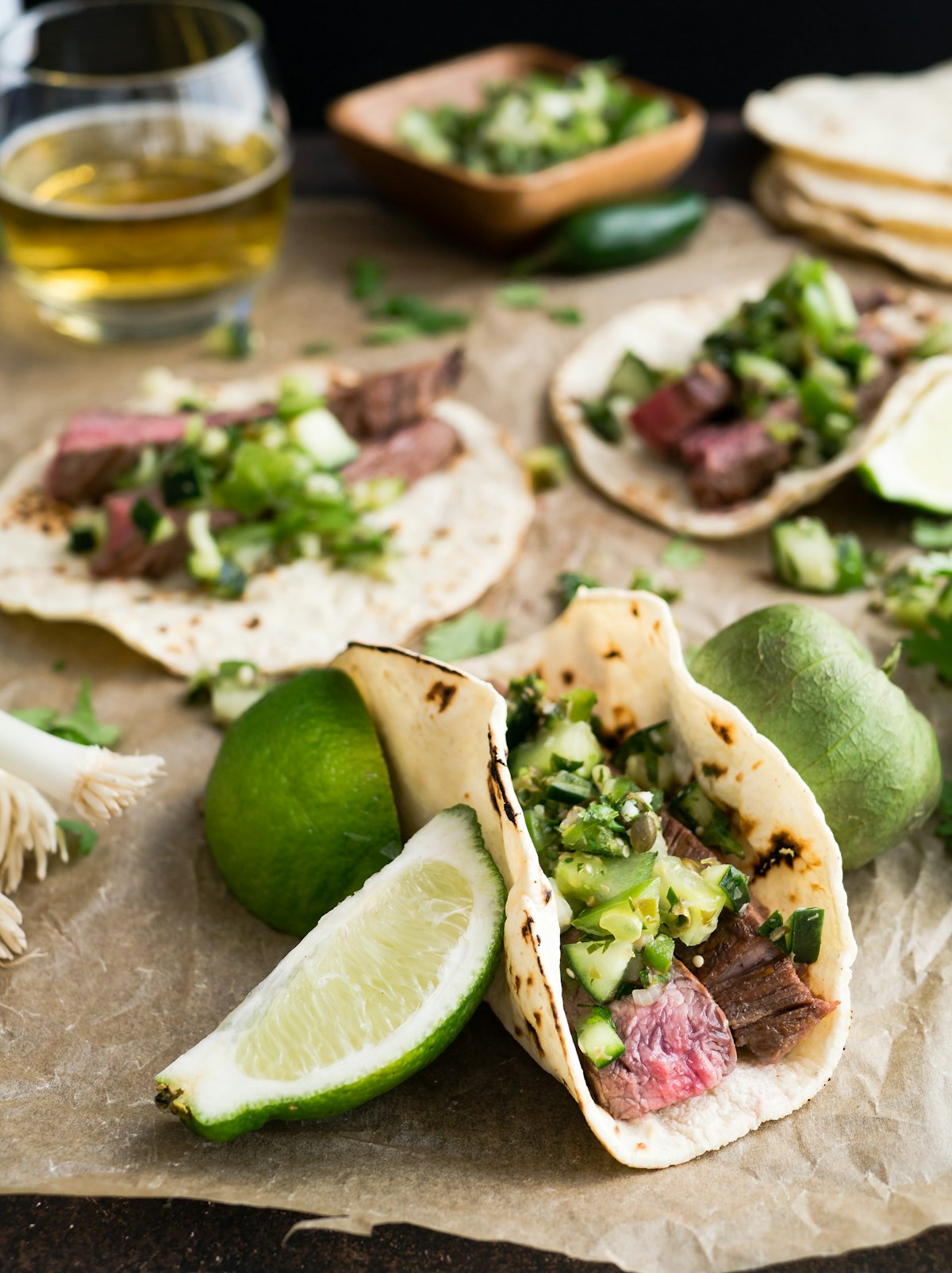
The comida corrida is Mexico's equivalent of Spain's menú del día — a three-course set lunch (soup, main, dessert, drink) at neighborhood fondas for $4–$7. It's genuine home-style cooking, it's how most working Mexicans eat lunch, and it's available in every neighborhood.
Tipping culture splits the difference: 10–15% is standard at sit-down restaurants in Mexico (vs. 18–22% in the US), and tipping is not expected at street food stalls, taquerias, or fondas.
As NomadicFire documented during a year in CDMX: total food spending (groceries + dining out + coffee) was $390/month — about what a single person spends on groceries alone in Portland.
Healthcare: $30 Doctor Visits vs. $300 Doctor Visits
Healthcare is where Mexico's cost advantage is most life-changing — especially for Americans without employer insurance.
Cost comparison:
| Healthcare item | Mexico | USA |
|---|---|---|
| Private health insurance (individual) | $50–$250/mo | $400–$800/mo |
| GP visit (private, out of pocket) | $25–$60 | $150–$300 |
| Specialist consultation | $43–$75 | $250–$500 |
| MRI scan | $300–$500 | $1,500–$2,600 |
| Dental cleaning | $40 | $150–$300 |
| Hip replacement | ~$12,000 | ~$40,000 |
| Emergency room visit | $100–$300 | $1,500–$5,000+ |
| Prescription (generic) | $5–$15 | $15–$80 |
| Pharmacy doctor consultation | $3–$5 | N/A |
Mexico has a unique healthcare feature that shocks Americans: pharmacy clinics. Chains like Farmacias Similares and Farmacias del Ahorro have walk-in doctor offices attached, where a consultation costs $3–$5. For common ailments (cold, UTI, minor injuries), these are a genuine alternative to expensive urgent care.

IMSS (public healthcare): Legal residents can voluntarily enroll in Mexico's public healthcare system. Annual fees are modest — roughly $63–$93/month depending on age. Coverage is comprehensive but comes with longer wait times and less English-speaking staff.
Private insurance: Companies like GNP Seguros, AXA Mexico, and Bupa Mexico offer plans starting at $50–$150/month that cover private hospitals, specialists, and prescriptions. For comparison, the average American pays $477/month for individual marketplace coverage.
As International Living reports, many Americans in Mexico pay out-of-pocket for routine care (it's cheap enough) and carry catastrophic-only private insurance for emergencies and surgery. A doctor visit + prescription that costs $300–$500 in the US runs $30–$75 total in Mexico.
62% of US bankruptcies are caused by medical bills. In Mexico, that statistic is virtually zero for expats.
Get featured properties in your inbox
A weekly digest of handpicked listings from 20 countries. Free, no spam.
Transportation: $0.30 Metro Rides vs. $800/Month Car Payments
Mexico's transportation costs are dramatically lower — especially in cities with metro systems.
Monthly transport costs:
| Category | Mexico (CDMX) | USA (major city) |
|---|---|---|
| Metro single ride | $0.30–$0.38 | NYC: $3.00 |
| Monthly transit pass | $21 | NYC: $135 |
| Uber/Didi short ride | $2–$5 | $8–$15 |
| Car payment (avg) | Not needed in cities | $500–$700 |
| Car insurance | Not needed | $150–$250 |
| Gas | Not needed | $150–$250 |
| Total | $21–$65 | $600–$1,200+ |
CDMX's Metro is one of the cheapest urban transit systems in the world — $0.30 per ride, unlimited transfers. The system covers 195 stations across 12 lines. Metrobús (BRT) costs $0.38 per ride. Uber and Didi (the dominant ride-hail app) are absurdly cheap: a 20-minute ride across the city costs $3–$7.

Mérida, Guadalajara, and Puerto Vallarta don't have metro systems but have extensive bus networks ($0.40–$0.60 per ride) and cheap taxis/Uber.
Intercity travel is also remarkably affordable. First-class buses (ADO, ETN) connecting major cities cost $30–$60 for 4–6 hour journeys — comparable to US domestic flights but with reclining seats, WiFi, and no TSA. Budget airlines like Viva Aerobus and Volaris offer domestic flights from $30–$80.
Most American expats in Mexican cities don't own a car. Those who do find insurance ($300–$600/year), gas, and maintenance significantly cheaper than in the US — though Mexican gas prices have risen to roughly $4.50/gallon, narrowing the gap.
Property Prices: What Your Dollar Buys in Mexico
For Americans thinking about buying, Mexico offers extraordinary value — with some important legal nuances.
Median property prices (2026):
| Location | Typical price | Price/sqft |
|---|---|---|
| CDMX (Roma/Condesa, 2BR) | $200,000–$350,000 | $200–$350 |
| Mérida (Centro, house) | $80,000–$150,000 | $80–$150 |
| Puerto Vallarta (condo) | $150,000–$300,000 | $180–$300 |
| Playa del Carmen (3BR) | $300,000–$460,000 | $200–$350 |
| San Miguel de Allende | $250,000–$500,000 | $200–$400 |
| Oaxaca (house) | $60,000–$120,000 | $50–$100 |
| --- | --- | --- |
| NYC (Manhattan, studio) | $500,000–$900,000 | $1,200–$2,000 |
| LA (2BR condo) | $500,000–$800,000 | $500–$800 |
| Austin (house) | $400,000–$600,000 | $250–$400 |
| US national median | ~$420,000 | ~$230 |
The average Mexican home costs $172,000 — less than half the US national median. In smaller cities like Mérida and Oaxaca, $100,000 buys a colonial-style house with a courtyard.
The fideicomiso: Within Mexico's restricted zone (50km from the coast, 100km from the border), foreigners must buy through a bank trust called a fideicomiso. Setup costs $1,000–$2,000, with annual fees of $500–$700. It gives you full ownership rights — the trust structure is a legal formality, not a limitation. Outside the restricted zone (CDMX, Mérida, Oaxaca, San Miguel), Americans can buy directly with no trust required. Full breakdown in our restricted zone guide.
Closing costs run 6–8% of purchase price (acquisition tax 2–5.25%, notary 0.5–1.5%, legal fees). Property tax (predial) rarely exceeds $200/year — a fraction of US property taxes.
Browse real listings on EscapeFromUSA's Mexico page.
Taxes: Filing from Mexico as an American
US taxes follow you everywhere — including Mexico. But the combination of the FEIE, the US-Mexico tax treaty, and Mexico's own tax incentives can significantly reduce your total tax burden.
Key tax mechanisms:
FEIE: Excludes up to $132,900 (2026 limit) of foreign earned income from US federal tax. Requires passing the Physical Presence Test (330 days outside the US) or the Bona Fide Residence Test. Full details in IRS Publication 54.
Mexican tax residency: Triggered at 183+ days in Mexico per calendar year, or if Mexico is your 'center of vital interests.' As a Mexican tax resident, you're taxed on worldwide income at progressive rates from 1.92% to 35%.
RESICO regime: Mexico's simplified tax regime for freelancers and small business owners earning under 3.5M MXN/year (~$195,000). Tax rate: just 1–2.5% on gross revenue. This is one of the lowest self-employment tax rates in the Western Hemisphere.
Key watch-outs:
- There's no US-Mexico Social Security totalization agreement (it was signed in 2004 but never ratified). Self-employed Americans may owe Social Security tax in both countries.
- The fideicomiso is NOT treated as a foreign trust by the IRS — no Forms 3520/3520-A required.
- US Social Security payments are not taxed by Mexico under the treaty.
- FBAR required if foreign accounts exceed $10,000 aggregate.
A bilingual CPA who handles both US and Mexican tax returns costs $500–$1,500/year. Greenback Tax Services and Taxes for Expats both specialize in US-Mexico expat tax situations.
Visa Options: Getting Legal in Mexico
Mexico's immigration system is straightforward but has seen significant fee increases in 2026 — up 109% from 2025.
Temporary Resident Card: The most common path. Applied for at your nearest Mexican consulate, then finalized at INM in Mexico.
- Financial requirement: ~$4,400/month income or ~$74,000 in savings (2026 UMA-based thresholds per Mexperience)
- Card fee: 11,141 MXN (
$619) for 1 year, up to 25,058 MXN ($1,392) for 4 years - Renewable, path to permanent residency after 4 years
Permanent Resident Card: Higher bar but no renewal hassle.
- Financial requirement: ~$7,400/month income or ~$298,000 in savings
- Card fee: 13,579 MXN (~$754)
- No work restrictions
Tourist entry (FMM/FMMD): Americans can stay up to 180 days without a visa — but you cannot work, open a bank account, or sign a lease legally on tourist status. The digital form (FMMD) replaced the paper FMM.
The 2026 fee increases are a real consideration. As Retire in Lake Chapala documented, total first-year immigration costs (consulate + INM + legal help) now run $1,500–$2,500, up from $800–$1,200 in 2024.
Quality of Life: What the Numbers Don't Show
Mexico's appeal goes far beyond the price tag. For Americans, the combination of proximity, culture, and lifestyle is unmatched.
Proximity: Mexico City is a 4.5-hour flight from NYC, 3 hours from Dallas, 2.5 hours from LA. Weekend trips home are feasible. No 10-hour transatlantic haul.
Time zones: Mexico shares US time zones. Remote workers don't deal with the 6–9 hour offset of European destinations. You're on the same schedule as your US clients and colleagues.
Climate diversity: Mexico has every climate imaginable — tropical beaches (Cancún, Puerto Vallarta), temperate highlands (CDMX at 7,350 ft, Oaxaca), arid desert (Baja), and cool mountain towns (San Cristóbal de las Casas). You don't have to choose between affordable and comfortable.
Food culture: Mexican cuisine is a UNESCO Intangible Cultural Heritage. The depth and regional variety — Oaxacan moles, Yucatecan cochinita pibil, Baja seafood, Mexico City street tacos — makes American 'Mexican food' feel like a different cuisine entirely.
Safety reality: Media coverage distorts perception. Expat-heavy cities like Mérida, Oaxaca, San Miguel, and CDMX's central neighborhoods are genuinely safe for daily life. The US State Department issues state-by-state advisories — most expat destinations are Level 2 ('exercise increased caution'), the same as France and the UK.
Community: With 1.6 million+ Americans in Mexico, established expat communities exist in nearly every major city. Facebook groups, weekly meetups, English-language services, and American-style amenities are readily available — especially in San Miguel, Lake Chapala, Puerto Vallarta, and Playa del Carmen.
Read our full moving to Mexico guide and browse things to do in Mexico for the full picture.
The Verdict: Mexico vs. USA Bottom Line
Mexico makes financial sense if you:
- Work remotely on a US salary (same time zone + 50%+ cost reduction = aggressive savings)
- Are retired with $2,000+/month income (comfortable lifestyle in most cities)
- Want to be close enough to fly home for holidays and emergencies
- Enjoy Latin American food culture, warmth, and community
- Need affordable healthcare without insurance bureaucracy
- Want to buy property at 30–70% below US prices
Mexico might NOT work if you:
- Don't speak any Spanish (you can get by in expat hubs, but daily life is harder)
- Are uncomfortable with developing-world infrastructure (inconsistent water, power outages in some areas)
- Need US-grade customer service and reliability expectations
- Want a European cultural experience (Mexico is its own thing — not Europe-lite)
- Are risk-averse about security (perception vs. reality, but the anxiety is real for some)
Bottom-line math for a single remote worker earning $80,000/year:
| USA (Austin) | Mexico (Mérida) | Annual savings | |
|---|---|---|---|
| Total annual spending | $42,000–$50,000 | $12,000–$18,000 | $24,000–$38,000 |
| US federal tax (after FEIE) | $0–$4,000 | $0–$4,000 | $0 |
| Mexican income tax (RESICO) | $0 | $1,600–$2,000 | –$1,600–$2,000 |
| Healthcare savings | — | +$4,000–$7,000 | +$4,000–$7,000 |
| Net annual savings | — | — | $26,000–$43,000 |
That's $260,000–$430,000 over a decade — enough to buy property outright, retire early, or simply live a richer life for less. Mexico's combination of proximity, affordability, and culture makes it the most practical escape from US costs for most Americans.
Start browsing real listings on EscapeFromUSA's Mexico page.
Ready to explore?
Browse Destinations