Are There Any Countries Americans Can't Buy Property In? A 2026 Guide

The short answer is yes — but the list is smaller, and weirder, than most Americans expect. The usual suspects you hear about on Reddit (Thailand, Mexico, Switzerland, Canada) are actually open to American buyers in most situations, just with specific rules. The truly closed countries are a different set, and some of them are places Americans rarely think about until they try to move there.

This guide walks through every major country with a meaningful restriction on foreign property ownership in 2026, separates the absolute bans from the 'yes but' cases, and links to the actual laws so you can verify instead of taking a realtor's word for it. If you're earlier in your research, the best starting points on our site are the American expat relocation checklist, our buying process in Mexico guide, and the Switzerland Lex Koller explainer.
The authoritative cross-country overview comes from the World Population Review's property rules tracker, the Realting foreign ownership summary, and the Global Citizen Solutions residency-by-investment database. For peer stories, r/IWantOut, r/AmerExit, r/expats, and r/ExpatFIRE are the most active English-language communities where Americans post real buyer experiences.
The Hard-Ban Countries: No Foreigner Ownership, Period
There are a handful of countries where American buyers cannot own real estate in any meaningful sense — not through a shell company, not through a spouse, not through a 99-year lease with a workaround clause. You can sometimes lease, but you cannot own title.
China. All land in the People's Republic is state-owned or collectively owned. Nobody, Chinese or foreign, 'owns' land — what you buy is a long-term use right, typically 70 years for residential. Even that use right is restricted for foreigners: you generally must have worked or studied in China for at least one year, and you can only own one property for personal residence. No rental investment, no commercial purchases by individuals. The US Embassy in Beijing page on property notes that US citizens have no recourse to American courts on Chinese property disputes. Reddit's r/China thread on buying apartments in 2024 has current stories from Americans who tried.

Vietnam. Like China, all land is technically owned by 'the people' and administered by the state. The 2015 Law on Residential Housing allows foreigners to own apartments for 50 years (extendable once), but only in specifically designated buildings, and no more than 30% of any single building can be foreign-owned. You cannot own a detached house with land in your own name as an individual foreigner. See the Vietnam Briefing legal update on the 2024 Land Law and r/VietNam threads on property for recent buyer reports.
Cambodia. Article 44 of the Cambodian Constitution reserves land ownership for Khmer natural and legal persons. Foreigners can own condominium units above the ground floor (the land underneath belongs to the co-op), and a popular workaround is the 'nominee structure' where a Cambodian spouse or shell holds title — the US Embassy Phnom Penh real estate guidance warns explicitly against this arrangement because courts have sided with the Cambodian nominee in disputes.
Indonesia (including Bali). Foreigners cannot hold the freehold 'Hak Milik' title. Legal options are Hak Pakai (right-to-use, typically 30 years renewable), long-term leasehold (typically 25-30 years), or setting up a foreign-owned PT PMA company to hold Hak Guna Bangunan. Every year r/bali has at least one story of an American losing villa money through a nominee structure that wasn't legally enforceable. Emerhub's Bali property guide walks through the real legal structures.
Kuwait, Qatar (most areas), Saudi Arabia (most areas), UAE outside designated zones. Gulf states generally reserve land ownership for citizens or GCC nationals, with 'freehold zones' in Dubai, Abu Dhabi, Ras Al Khaimah, and specific Qatari areas where foreigners can own. Outside those zones, you cannot own. The Dubai Land Department's freehold areas list shows exactly which zones are open to foreign buyers.
North Korea, Iran (for US citizens specifically under OFAC sanctions), Turkmenistan, Belarus. Practical bans for Americans for a mix of sanctions, political, and regulatory reasons.
Canada: The Big Recent Change
Canada is the most consequential recent addition to the 'Americans can't easily buy' list. The Prohibition on the Purchase of Residential Property by Non-Canadians Act took effect January 1, 2023, was set to expire January 1, 2025, and was extended to January 1, 2027 in February 2024.

The CMHC official Act page has the current rules. In short: if you are not a Canadian citizen, permanent resident, or a member of a narrow exempt class (certain work permit holders with substantial Canadian tax filings, refugee claimants, international students meeting specific thresholds), you cannot buy residential property with three or fewer dwelling units inside a Census Metropolitan Area or Census Agglomeration. Fines for violating the Act run up to CAD $10,000 and a court can force sale of the property at a loss.
What you can still do as an American in 2026:
- Buy residential property outside Census Metropolitan Areas and Census Agglomerations — which means small towns and rural land are still open. The Statistics Canada CMA/CA map shows which areas are restricted.
- Buy commercial property — the Act is residential-only.
- Buy recreational property (cottages, cabins) that sits outside CMAs/CAs — which is why Ontario cottage country, interior BC, Nova Scotia, and PEI still see American buyers.
- Buy if you get a qualifying work permit and file Canadian taxes, per the 2023 regulatory amendments.
For real buyer experiences see r/PersonalFinanceCanada threads on the foreign buyer ban and r/canadahousing. Bennett Jones, one of Canada's largest law firms, has a detailed practitioner analysis of the extension. We cover this in depth in our Canada foreign buyer ban article.
The 'Restricted Zone' Countries: Yes, But Not On The Coast
These are countries where Americans can buy almost anywhere — except specific geographic strips, usually coastlines or borders. This is where most American Reddit confusion comes from, because people read 'Mexico restricts foreigners' and assume the whole country is closed.
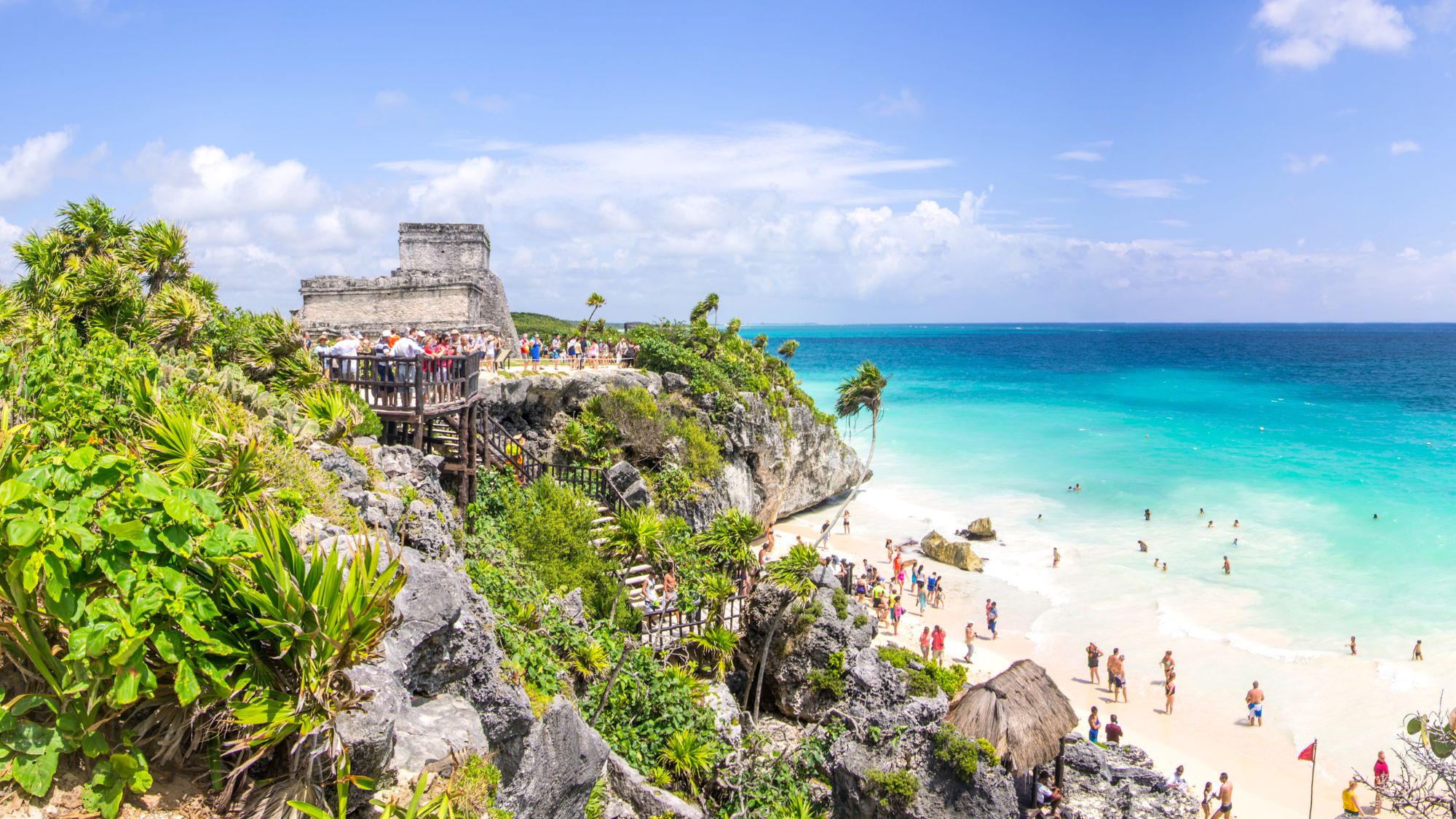
Mexico. Article 27 of the Mexican Constitution creates a 'Zona Restringida' (Restricted Zone) that extends 100 km (62 miles) from any international border and 50 km (31 miles) from any coast. Foreigners cannot hold direct title to land in the Restricted Zone — which includes essentially every beach town and every resort on both coasts (Puerto Vallarta, Tulum, Playa del Carmen, Cabo, Puerto Escondido, Mazatlán, Cancún). The workaround is the fideicomiso, a 50-year renewable bank trust where a Mexican bank holds legal title and you hold beneficial ownership. It is fully legal, fully recognized, and fully enforceable, but it is not freehold — see our bank of Mexico restricted zone article and our can Americans buy property in Mexico guide. Outside the Restricted Zone (Mexico City, Guadalajara, San Miguel de Allende, Mérida, Oaxaca City), you buy in your own name with no restrictions. r/mexicocity and r/mexico have active American buyer communities.
Thailand. Foreigners cannot own land under Section 86 of the Thai Land Code. Americans can own condominium units in their own name, subject to the 49% foreign-quota rule per building. Beyond a condo, options are 30-year leasehold (renewable in theory, questionable in practice) or a Thai limited company with Thai majority shareholders — the latter is heavily scrutinized and many are treated as nominee arrangements that Thai courts will unwind. The US Embassy Bangkok property warning is blunt about the risks. See r/Thailand and r/ThailandTourism for current stories.
Philippines. Section 7, Article XII of the Philippine Constitution reserves land ownership for Philippine citizens. Americans can own condominium units (up to the 40% foreign quota) and can own houses — but not the land underneath. Many Americans end up in a 'house on leased land' or title-through-Filipino-spouse arrangement. We cover the legal traps extensively in our buying in the Philippines through a Filipina spouse article.
Greece, Croatia, Cyprus — border/military zones. All three restrict foreign ownership in designated border and former military zones, which in practice affects a small number of rural parcels. Most coastal and urban property is fully open to Americans.
Denmark. Non-EU buyers generally need Justice Ministry permission to buy a home, and Denmark broadly restricts second-home ownership by non-residents. See the Danish Ministry of Justice guidance.

The 'Yes, But Residency Permission' Countries
These countries will let Americans buy, but only after an administrative permission step. Fail the permission and your deposit is typically refundable, but the process adds time and friction.
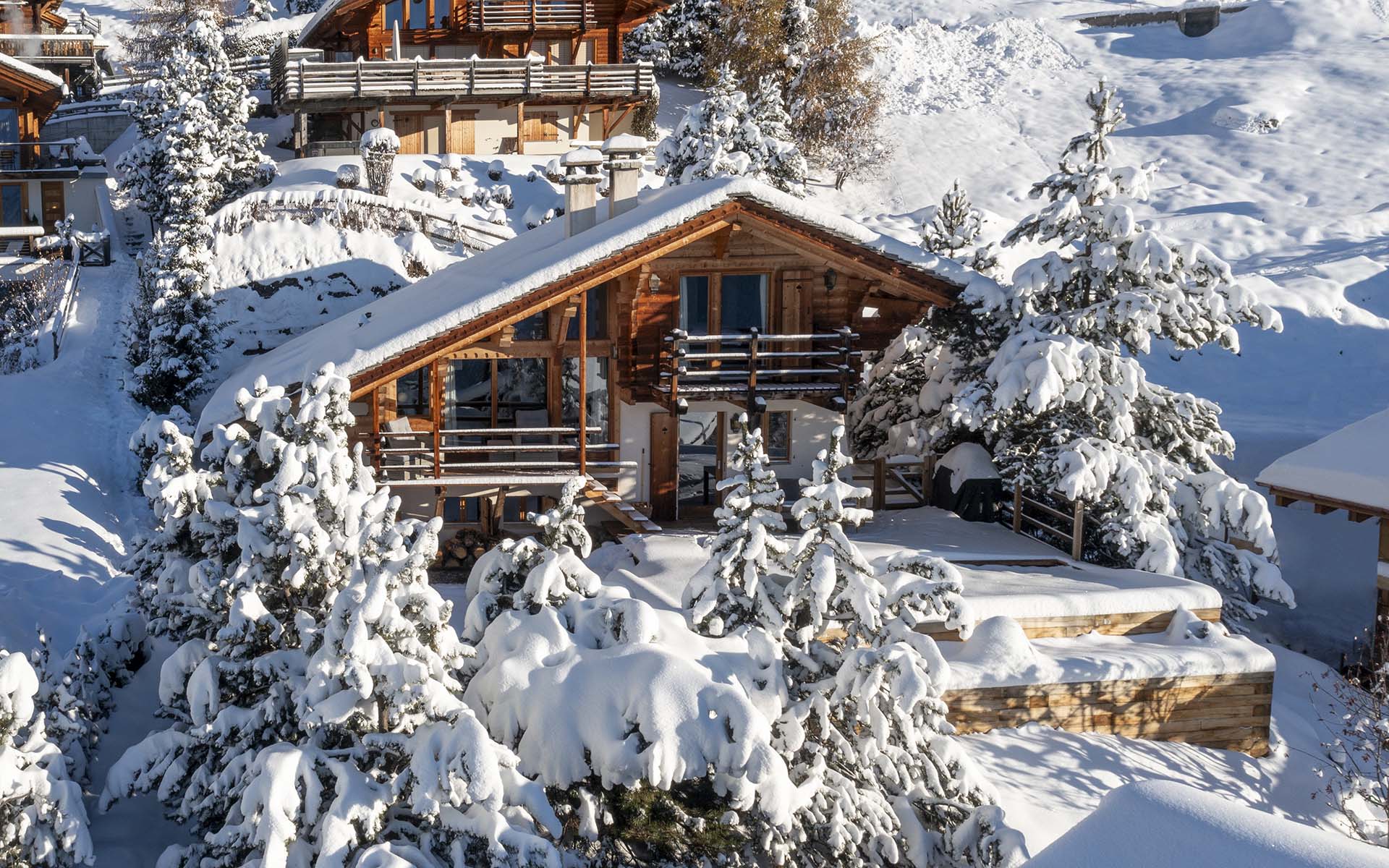
Switzerland. The federal Lex Koller law restricts non-resident foreign buyers. Americans holding a B or C residence permit can buy a primary residence with no federal restriction, but non-residents face cantonal quotas — and in most cantons the quota is either zero or near-zero. Ticino, Valais (Verbier, Crans-Montana, Zermatt), the Bernese Oberland, and some Graubünden resorts still issue quota permits for holiday homes, but the typical American non-resident cannot simply buy an apartment in Zürich or Geneva. Our Switzerland Lex Koller article walks through the actual rules. The Swiss Federal Office of Justice Lex Koller page is the authoritative source.
Australia. The Foreign Investment Review Board (FIRB) requires non-resident foreigners to apply for permission before buying, and since April 2025 the Albanese government has banned non-resident foreigners from buying established (resale) homes through early 2027. Non-residents can still buy new builds and off-plan with FIRB approval, with application fees running into five figures for expensive homes. The FIRB residential real estate page has current rules. Our Australia foreign buyer rules article covers the detail.
New Zealand. The Overseas Investment Amendment Act 2018 bans most non-resident foreigners from buying existing homes entirely. Australians and Singaporeans are exempt by treaty; Americans are not. Exceptions exist for permanent residents and for new builds under specific conditions. See the NZ Overseas Investment Office page.
Iceland. EU/EEA nationals can buy freely; non-EEA buyers (including Americans) need Ministry of Justice permission under the Law on Ownership and Utilisation Rights to Real Estate. Permission is generally granted for residence purposes but is not automatic.
Austria. Each of the nine federal states has its own Grundverkehrsgesetz (land transactions law). Non-EU buyers typically need permission from the state's land transactions commission, and some states (Tirol, Vorarlberg, Salzburg) heavily restrict second-home purchases in resort areas to protect local housing. The Austrian Federal Chancellery legal information system RIS has the nine state laws.
Hungary. Non-EU buyers need permission from the relevant government office for residential property outside Budapest. Permission is routinely granted but is a multi-week administrative step. See the Hungarian government portal on foreign real estate purchase.
The 'Yes But Be Careful' Countries: Agricultural Land, Islands, Historic Zones
Beyond full bans, many countries carve out specific categories where foreigners cannot buy. These catch Americans who are searching for farmland or rural estates.
Romania. Since EU accession Romania has allowed EU/EEA citizens to buy agricultural land on equal terms with Romanians, but non-EU citizens (Americans) still cannot own agricultural land directly in their own name. The workaround is a Romanian limited liability company (SRL). Urban residential property is fully open. See Investropa's Romania guide for US citizens.
Croatia. Americans can buy residential real estate under reciprocity treaties, but agricultural land and forestry land are restricted. The Croatian Ministry of Justice property acquisition page has current rules.
Uruguay. Fully open to Americans for both urban and rural property — but you should read our buying agricultural land in Uruguay article for the traps around water rights, padrón boundaries, and the reality of rural ownership for non-Spanish-speaking buyers.
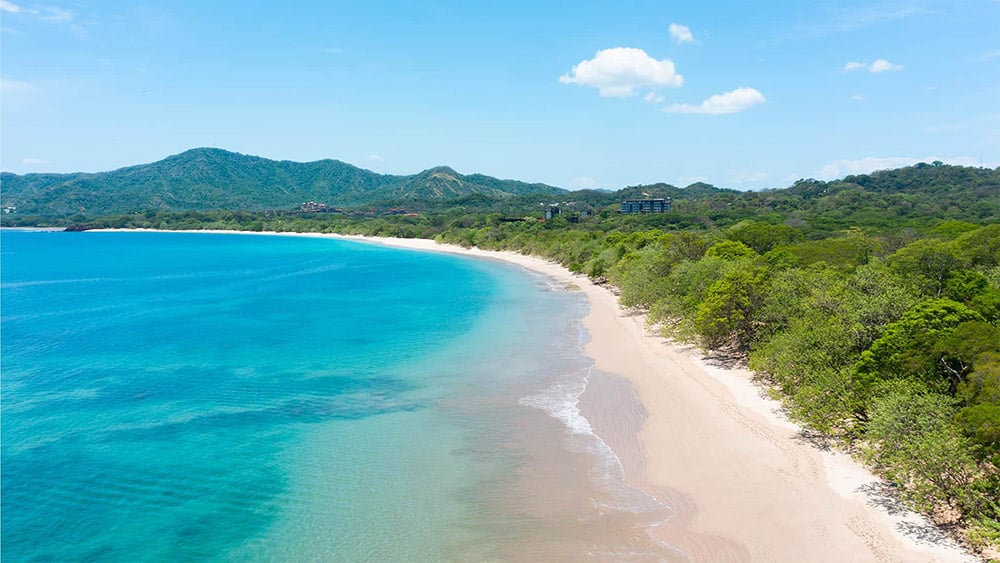
Costa Rica. The 'maritime zone' (the 200 meters inland from the high tide line) is public land, and you cannot own the first 50 meters at all — the next 150 meters can only be held under concession from the local municipality. This catches a lot of Americans who thought they bought 'beachfront' land. See our Costa Rica maritime zone article and r/CostaRica threads on beach concessions.
Panama. The 10-km-from-border zone and some island groups are restricted. Panama is otherwise one of the most foreigner-friendly Latin American property markets. See r/panama.
Ecuador. Fully open to Americans for urban property. Rural land within 50 km of borders requires permission.
Spain. Since 2025, the Sánchez government has floated (but at the time of writing not passed) a 100% tax on property purchases by non-resident, non-EU buyers. The proposal has been widely reported and is politically volatile — see Reuters' coverage and recurring threads on r/Spain and r/expats. Until it passes both chambers, Spain remains fully open to American buyers with normal transfer taxes — but verify the current state before closing.
The Countries Americans Think Are Closed But Aren't
The flip side of this article is equally important: a lot of places Americans assume are off-limits are actually fully open.
- Italy — fully open to Americans under the reciprocity principle. No restrictions. See our moving to Italy guide.
- Portugal — fully open. Golden Visa real estate pathway was closed in October 2023 but direct purchase remains unrestricted.
- France — fully open. The French notaire role article walks through the process.
- Germany — fully open. No restrictions on non-residents; mortgages are harder as a non-resident but ownership is not.
- Ireland — fully open. See our American buy Ireland no residency article.
- Netherlands — fully open. Primary residence purchases by non-residents are harder to mortgage but not restricted.
- United Kingdom — fully open, with the Stamp Duty Land Tax non-resident surcharge. See our UK property Americans stamp duty article.
- Japan — fully open, no restrictions on foreigners at all. One of the most open markets globally. See how to buy a house in Japan without speaking Japanese.
- South Korea — fully open in almost all cases. See our buying real estate in South Korea as a foreigner article.
- Colombia, Peru, Chile, Argentina — all open to foreigners for urban residential property.
The International Living country database is a good cross-check.
Reciprocity, Sanctions, and the Fine Print
A handful of countries handle foreign ownership through reciprocity clauses — they will let a foreigner buy if that foreigner's home country lets their citizens buy. For Americans this almost always works in our favor because the US lets essentially anyone buy. Countries in this bucket include Croatia, Slovenia, parts of the Czech real estate regime, and several others.
Sanctions are the other thing to check. The US Treasury OFAC sanctions list is the authoritative source for whether you can legally transact in a specific country. Iran, North Korea, Syria, and certain regions of Russia and Ukraine are hard 'no' for American buyers regardless of local law. Cuba is a gray zone where direct property ownership remains essentially impossible for Americans.
Another sleeper issue is capital gains tax on resale. Some countries that 'allow' foreigners to buy impose punitive exit taxes that effectively lock in capital when you sell — see our capital gains on foreign property article. The law firms Dentons and Baker McKenzie publish annual global real estate guides worth checking before a large purchase.
Finally, your American citizenship itself creates a compliance layer that doesn't go away when you leave the country: FBAR filings, FATCA reporting through foreign banks, and the tax obligations on any foreign property you hold. See IRS publication 54 on tax guide for US citizens abroad for the federal piece. This doesn't affect whether you can buy, but it does affect the total cost of ownership.
The Real Answer for Most Americans in 2026
If you are an American casually considering buying a home abroad, the realistic list of countries where you cannot buy anything meaningful in 2026 is short:
- China, Vietnam, Cambodia (no real ownership)
- Indonesia, Thailand, Philippines (condos yes, land no)
- Most of the Gulf except freehold zones
- Iran, North Korea, sanctioned regions (legal barrier)
- Canada inside CMAs/CAs (through Jan 1, 2027)
- Australia for established homes as a non-resident (through early 2027)
- New Zealand for existing homes as a non-resident
Everywhere else — the entirety of Europe, almost all of Latin America, Japan, South Korea, most of the developed world — is open. The constraints you actually run into are bureaucratic: getting a tax ID, opening a local bank account, satisfying due diligence that wasn't designed for US-style title insurance, dealing with notary systems that front-load legal verification at the expense of speed. Those are problems our power of attorney for buying property overseas article, our hiring a bilingual real estate lawyer abroad article, and our seven hidden costs of buying property abroad article cover in detail.
Before you commit to a specific country, the single best reality check is to post your plan in r/AmerExit or r/ExpatFIRE with the specific city and price range and let current expats pick it apart. That forum feedback is usually more useful than any realtor's pitch, and it is almost always the first place a foreign buyer hears the real version of what's legal and what isn't.
Ready to explore?
Browse Destinations